Aghoresvara Temple, Ikkeri – History
Aghoresvara Temple, Ikkeri – History
The temple was constructed in 16th century by Keladi chief Hiriya Venkatappa Nayaka (1586 – 1629 CE). Italian traveler Pietro Della Valle, visited his kingdom in 1623 CE, called him an able soldier and administrator. He describes about the festival of this temple in his memoirs. The temple was ransacked by Tipu Sultan during an invasion on Nayakas of Ikkeri. Nayakas of Keladi (1499 – 1763CE), were an Indian dynasty based in Keladi in present-day Shimoga district of Karnataka, India. They were also known as Nayakas of Bednore and Ikkeri Nayakas. They initially ruled as a vassal of the famous Vijayanagar Empire.
They asserted their independence after the fall of the Vijayanagar empire in 1565 and ruled significant parts of Malnad region of the Western Ghats in present-day Karnataka, most areas in the coastal regions of Karnataka, and parts of northern Kerala, Malabar and the central plains along the Tungabhadra river. They were absorbed into the Kingdom of Mysore in 1763 CE with their defeat to Hyder Ali. Sadashiva Nayaka (1530–1566 CE) was an important chieftain in the Vijayanagar Empire and earned the title Kotekolahala from emperor Aliya Rama Raya for his heroics in the battle of Kalyani.
The coastal provinces of Karnataka came under his direct rule. He moved the capital from Keladi to Ikkeri. The word Ikkeri in Kannada means Two Streets. Ikkeri remained their capital from 1560 CE to 1640 CE. Then, the capital was moved to Bednur Nagara. However, Ikkeri continued to be their nominal capital, the Kings were called by its name, and the coins were called Ikkeri Pagodas and Fanams.
Naktichadeul Temple, Karjat, Maharashtra
Naktichadeul Temple, Karjat, Maharashtra
Naktichadeul Temple is a Hindu Temple dedicated to Lord Shiva located at Karjat Town in Karjat Taluk in Ahmednagar District in Maharashtra, India. The temple is believed to have been built in 13th century CE. The temple is protected as monuments of national importance by the central Archaeological Survey of India.


The Temple
This temple is facing towards east. Nandi can be found in a mandapa in front of the temple facing towards the sanctum. The temple consists of sanctum, antrala, maha mandapa and mukha mandapa. The pillars of the maha mandapa are profusely carved. The sanctum enshrines a Shiva Linga. The exterior of the sanctum and the maha mandapa are plain and devoid of any decorations. The parapet walls of the mukha mandapa are decorated sculptures. There is a small shrine with a Shiva Linga in its sanctum situated to the south east of the main shrine within the temple premises.
Connectivity
The temple is located at about 500 metres from Karjat Bus Stand, 17 Kms from Rashin, 22 Kms from Mirajgaon, 35 Kms from Jinti Road Railway Station, 42 Kms from Jamkhed, 58 Kms from Daund Junction Railway Station, 70 Kms from Ahmednagar, 142 Kms from Pune and 142 Kms from Pune Airport. The temple is situated on Rashin to Mirajgaon route.
Boreshwar Temple, Dulhagan, Madhya Pradesh
Boreshwar Temple, Dulhagan, Madhya Pradesh
Boreshwar Temple is a Hindu Temple dedicated to Lord Shiva located at Dulhagan Village in Ater Tehsil in Bhind District in Madhya Pradesh, India. The temple is one of the state protected monuments in Madhya Pradesh declared by Archaeological Survey of India.

.jpg)
History
The temple is believed to be built in 10 th century CE by the Gurjara Pratihara dynasty. The temple had been extensively renovated in 15th century CE as per the inscription available in the temple.

The Temple
This temple is facing towards east and stands over an octagonal platform. The temple consists of sanctum and mukha mandapa. Nandi can be found in front of the mukha mandapa facing towards the sanctum. The doorjambs of the sanctum are carved with images of river goddesses Ganga and Yamuna and amorous couples. The sanctum enshrines the presiding deity, Boreshwar in the form of Shiva Linga. There is a tall shikara over the sanctum.
.jpg)

Connectivity
The temple is located at about 14 Kms from Bhind Railway Station, 17 Kms from Bhind, 18 Kms from Bhind Bus Stand, 19 Kms from Ater, 37 Kms from Etawah, 87 Kms from Gwalior Airport and 94 Kms from Gwalior. The temple is situated at about 5 Kms from Para Government High School on Bhind to Ater route.
Gramesvara Temple, Nibharan, Odisha
Gramesvara Temple, Nibharan, Odisha
Gramesvara Temple is a Hindu Temple dedicated to Lord Shiva located in Nibharan Village in Niali Block in Cuttack District in Odisha, India. The temple is considered as one of the Ashta Sambhu temples of the Prachi valley. The temple is situated on the left bank of the Prachi river.
History
The temple was constructed in 10th century CE by Somavamsis. The temple is a protected monument maintained by the Archaeological Survey of India, Bhubaneswar Circle.
The Temple
This temple is facing towards east and stands over a low platform. The temple consists of a pidha vimana, a pidha jagamohana and a rectangular mandapa. Both the vimana & jagamohana are panchangabada in elevation whereas the vimana is pancharatha and the jagamohana is triratha on plan. The vimana is square on plan. The mandapa is flat roofed. The sanctum enshrines the presiding deity, Gramesvara, in the form of Shiva Linga within a square yonipitha. The exterior is devoid of any decorations.
Vishnu Shrine:
This shrine is situated on the north-west corner of the Gramesvara temple. This shrine is facing towards east and stands over a low raised platform. It consists of a pidha vimana and a shallow frontal porch. The shrine is square on plan. The vimana is pancharatha on plan and triangabada in elevation. The sanctum enshrines an image of Lord Vishnu. The exterior is devoid of any decoration except the images of various forms of Vishnu in the parsvadevta niches.
Festivals
Shivarathri, Sankranti, Rudrabhiseka and Jalabhiseka are the festivals celebrated here.
Connectivity
The temple is located at about 3 Kms from Nua Hata, 11 Kms from Chari Chhak, 17 Kms from Astaranga, 22 Kms from Niali, 57 Kms from Bhubaneswar Airport, 57 Kms from Bhubaneswar Railway Station, 61 Kms from Bhubaneswar and 66 Kms from Cuttack. The temple is situated at about 3 Kms from Nua Hata on Niali to Astaranga route.
Godhaneswar Temple, Godhaneswar, Odisha
Godhaneswar Temple, Godhaneswar, Odisha
Godhaneswar Temple is a Hindu Temple dedicated to Lord Shiva located in Godhaneswar Village in Subalaya Block in Subarnapur District in Odisha, India. Godhaneswar means Lord of Cows. The temple is situated on the left bank of Mahanadi river.


The Temple
This temple is facing towards east. The temple consists of pidha vimana, antrala and sabha mandapa. The sanctum is square on plan. The sanctum enshrines the presiding deity Godhaneswar in the form of Shiva Linga. Odisha has totally six Naga images in their theriomorphic form. One such Naga image can be seen in this temple. The image is about 3 feet tall.
Festivals
Kartik Purnima is the famous festival celebrated here with much fanfare.
Connectivity
The temple is located at about 1 Km from Dumuri Chowk Bus Stop, 6 Kms from Subalaya, 11 Kms from Birmaharajpur, 29 Kms from Sonepur, 50 Kms from Bamur Railway Station, 238 Kms from Bhubaneswar and 244 Kms from Bhubaneswar Airport. The temple is situated on Subalaya to Birmaharajpur route.
Biranchi Narayan Temple, Palia, Odisha
Biranchi Narayan Temple, Palia, Odisha
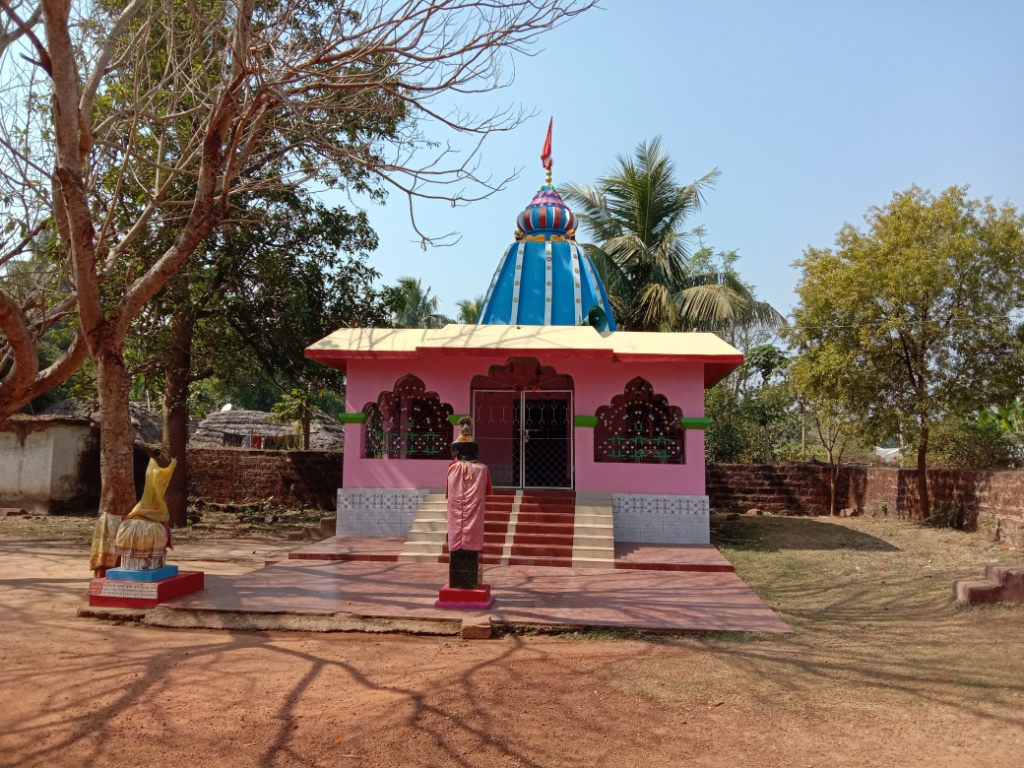
Biranchi Narayan Temple is a Hindu Temple dedicated to Lord Surya located in Palia Village in Bhadrak District in Odisha, India. This temple is considered as one of famous Surya Temples in Odisha. The temple is situated on the banks of Salandi river.

History
The temple is believed to be built in 10th century CE by the Somavamsis. The temple is extensively renovated in the early 20th century CE by a local zamindar. The Odisha state archaeology constructed a shed for housing the ancient sculptures in 1993. The temple is a protected monument of Odisha State Archaeology.

The Temple
This temple is facing towards east and stands over a raised platform. The platform is decorated with crudely carved wheels on its sides, imitating the chariot of Surya, suggesting influence from the Sun temple at Konark. The temple consists of rekha vimana and shall entrance porches on all four sides. The sanctum enshrines a four faced image of Biranchi Narayan / Surya.
.jpg)

A square stone slightly tapering towards the top contains four carved images of the Sun god in relief, on the four sides of a slab. The figures hold two lotuses in two hands and are depicted standing on chariots drawn by seven horses. The sanctum also enshrines images of ten armed Mahishasura Mardini, Ananta Sayana and Krishna Govardana. The two door jambs of the eastern door probably belonged to an ancient Shiva temple and were reused in the present temple during a renovation.
.jpg)

The sculptures and carvings of the two door jambs bear a close resemblance to the Shiva temples of Bhubaneswar and Khiching of the 10th CE. The dvarapalas are also belonged to an ancient temple but later shifted to this temple. The images are best preserved specimen. The dvarapalas twist their body and rest on an uplifted foot on the blade of an axe while one arm crosses the body to rest on the handle of the weapon. This is a rare Odishan pose which appears only in a few temples.

.jpg)
The exterior is devoid of any decoration except vidala, alasa kanya and deities. The rahas have been converted into doors spanned by cusped arches with makaras at the sides and a kirtimukha at the apex surmounted by a small mastaka consisting of a ghanta, amalaka and kalasa, all devoid of ornamentation. The face of the arch is relieved with scroll work consisting of floral rosettes framed by a meandering vine and decorated with a few hamsas.
Festivals
Ratha Saptami (Magha Saptami) and Samba Dashami are the famous festivals celebrated here.
Connectivity
The temple is located at about 16 Kms from Bhadrak Bus Stand, 16 Kms from Bhadrak Railway Station, 17 Kms from Bhadrak, 40 Kms from Chandbali, 72 Kms from Balasore, 121 Kms from Cuttack, 144 Kms form Bhubaneswar and 148 Kms from Bhubaneswar Airport. The temple is situated on Bhadrak to Chandbali route. Buses and Taxis are available from Bhadrak to reach this temple.
Viswanath Temple, Gadakalupada, Odisha
Viswanath Temple, Gadakalupada, Odisha
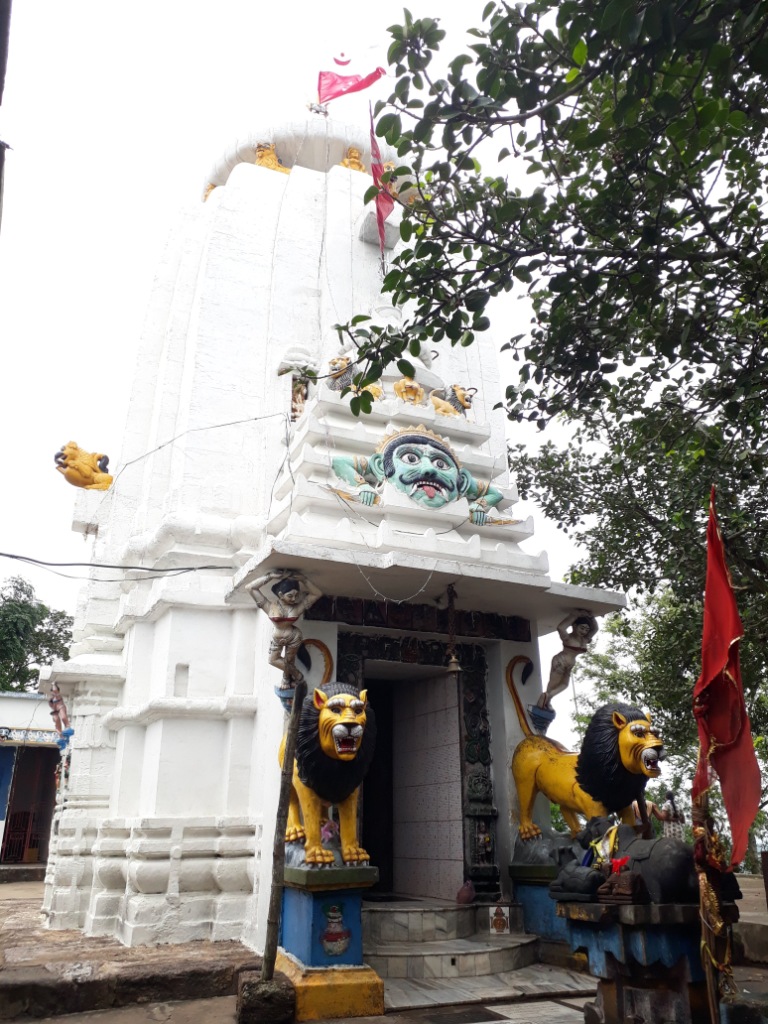
Viswanath Temple is a Hindu Temple dedicated to Lord Shiva located in Gadakalupada Village in Delanga Block in Puri District in Odisha, India. This temple is situated on the top of the Viswanatha Hill (locally known as Biswanath Mundia). The temple is situated on the left bank of the Daya river.
.jpg)


History
The temple is believed to be built in 15th century CE during the Gajapati period. Biswanath Hill is known for its ancient monastery of Dignag, the Buddhist logician and philosopher.
The Temple
This temple is facing towards west and situated on the top of the Viswanatha Hill. The temple consists of rekha vimana and a shallow entrance porch. The temple is pancharatha on plan and panchangabada in elevation. Two stucco images of lion can be seen at the entrance of the sanctum. The sanctum enshrines the presiding deity, Viswanath in the form of Shiva Linga within a circular Yonipitha.
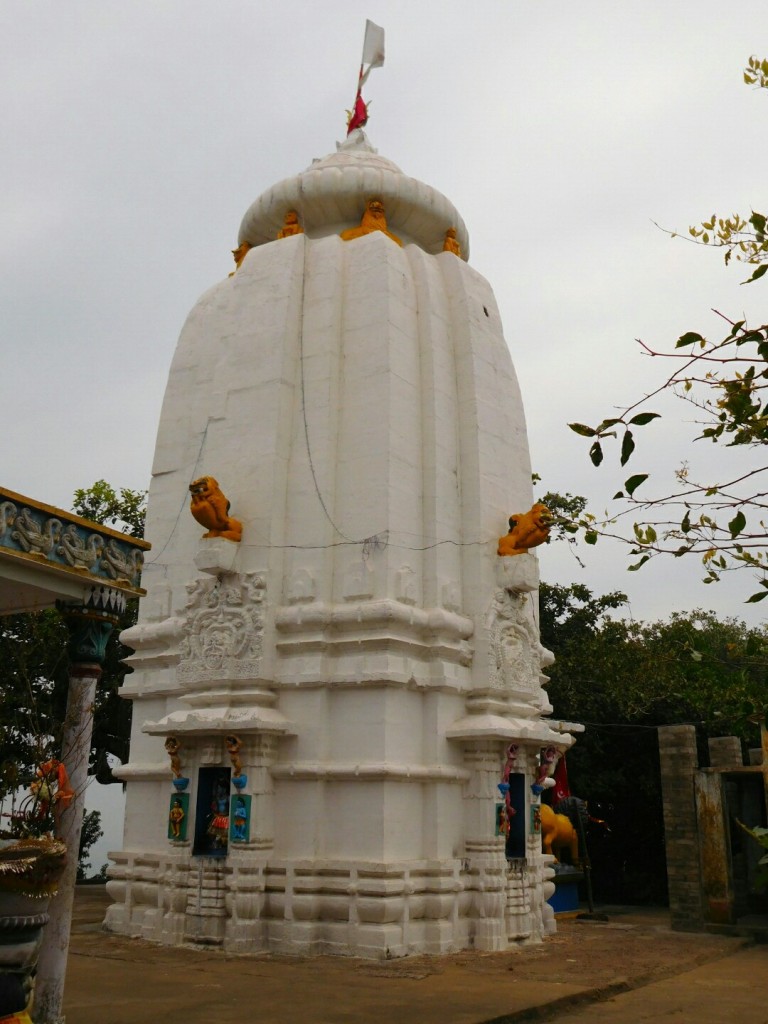


The vimana is square on plan. Udyota simhas can be seen in all raha pagas of the gandi portion. The exterior is devoid of any decoration except the niches. Images of Navagraha panel, Astikajaratkaru, Bust part of a female devotee, a dilapidated six-armed deity, Deula Charini and Animal erotics can be seen in the temple premises.


.jpg)
Festivals
Shivarathri, Kartika Purnima and Sankranti are the festivals celebrated here with much fanfare.
Connectivity
The temple is located at about 1.5 Kms from Motari Railway Station, 4 Kms from Kanas Road Railway Station, 7 Kms from Delang, 21 Kms from Khordha New Bus Stand, 21 Kms from Pattanaikia Square, 22 Kms from Khordha, 28 Kms from Bhubaneswar Airport and 43 Kms from Bhubaneswar. The temple is situated on Khordha to Pattanaikia Square route.
Kapileshwar Temple, Rahika, Bihar
Kapileshwar Temple, Rahika, Bihar
Kapileshwar Temple is a Hindu Temple dedicated to Lord Shiva located in Rahika Village in Madhubani Tehsil in Madhubani District of Bihar, India. The temple complex consists of many shrines and the main shrine is dedicated to Lord Shiva. The Shiva Linga is said to have been installed by Sage Kapila. Shrines of Parvati, Hanuman, Ganesha and various other deities can be seen in the temple premises.

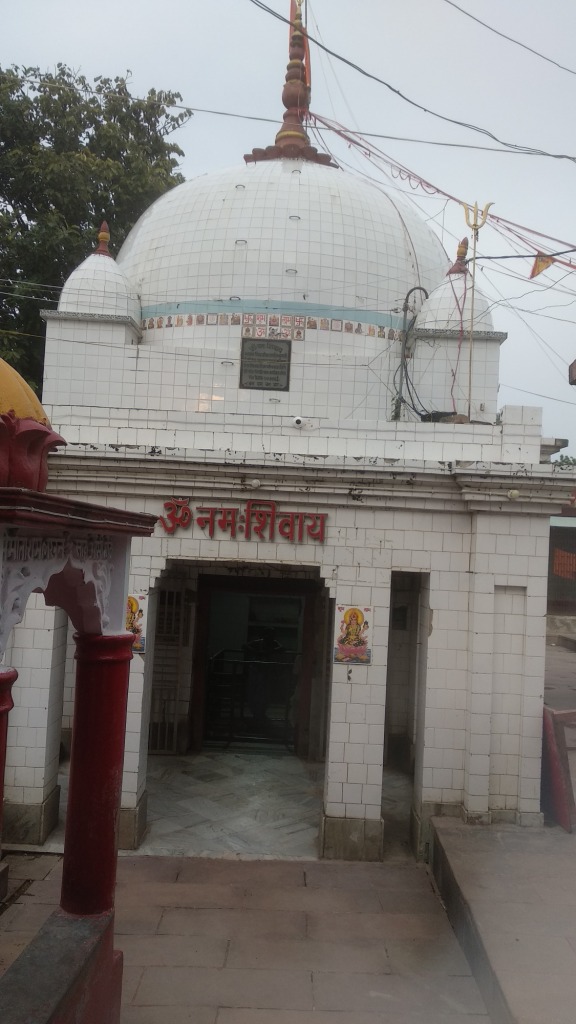


There is a temple pond situated outside the temple premises. Jalabhiseka performed during the month of Shravan is very special here. The temple is located at about 4 Kms from Rahika, 8 Kms from Madhubani, 9 Kms from Madhubani Railway Station, 9 Kms from Madhubani Bus Stand, 15 Kms from Kaluahi, 26 Kms from Darbhanga, 159 Kms from Patna and 167 Kms from Patna Airport. The temple is situated on Darbhanga to Kaluahi route.
Pataleshwar Temple, Hajipur, Bihar
Pataleshwar Temple, Hajipur, Bihar
Pataleshwar Temple is a Hindu Temple dedicated to Lord Shiva located in Hajipur City in Hajipur Taluk in Vaishali District of Bihar, India. The temple is situated at Jadhua Road in Hajipur. This temple enshrines the presiding deity, Pataleshwar in the form of Shiva Linga. The Linga is said to be Swayambhu Moorthy (Self-manifested). Shivarathri is the most famous festival celebrated here.


The temple is located at about 3 Kms from Jadhua Bus Stand, 3 Kms from Hajipur Junction Railway Station, 3 Kms from Hajipur Bus Stand, 6 Kms from Sonepur Junction Railway Station, 21 Kms from Patna, 26 Kms from Patna Airport, 57 Kms from Chapra and 112 Kms from Begusarai. Hajipur is situated on the other banks of river ganges from Patna.
Kanhaiya Ji Temple, Bandar Jhula, Bihar
Kanhaiya Ji Temple, Bandar Jhula, Bihar
Kanhaiya Ji Temple is a Hindu Temple dedicated to Lord Vishnu located in Bandar Jhula Village in Thakurganj Tehsil in Kishanganj District of Bihar, India. The temple is one of the state protected monuments in Bihar declared by Archaeological Survey of India. This place finds mention in Mahabharata.

The temple is located at about 7 Kms from Pauakhali, 16 Kms from Dighalbank, 22 Kms from Bahadurganj, 28 Kms from Thakurganj, 37 Kms from Kishanganj, 37 Kms from Kishanganj Railway Station, 104 Kms from Purnia and 165 Kms from Jalpaiguri Airport. The temple is situated at about 7 Kms from Pauakhali off the Bahadurganj to Thakurganj route.
Surya Temple, Aiti, Madhya Pradesh
Surya Temple, Aiti, Madhya Pradesh
Surya Temple is a Hindu Temple dedicated to Lord Surya located at Aiti Village in Morena Tehsil in Morena District in Madhya Pradesh, India. The temple is situated close to Bateshwar Group of Temples, Padhawali. The Temple is one of the state protected monuments in Madhya Pradesh declared by Archaeological Survey of India.

History
The temple is believed to be built in 11th century CE by Kachchhapaghata rulers.
The Temple
The temple is facing towards west. The temple consists of sanctum and a pillared mukha mandapa on all four sides. The mandapa seems to be of later addition. The base of the doorjambs are carved with images of river goddesses Ganga and Yamuna along with their attendants. The center of the lintel is carved with an image of Surya flanked by the images of Uma Mahesvara at both the terminal projections. Sapta Matrikas and Navagrahas are carved on the recesses. The sanctum enshrines a Shiva Linga currently. There is no shikara over the sanctum.
Connectivity
The temple is located at about 2 Kms from Rethaura Kalan Railway Station, 4 Kms from Rethaura Kalan, 10 Kms from Padhavali, 11 Kms from Bateshwar Group of Temples, 11 Kms from Malanpur, 19 Kms from Gwalior Airport, 22 Kms from Nurabad, 25 Kms from Gwalior, 27 Kms from Gwalior Junction Railway Station and 35 Kms from Morena. The temple is situated on Morena to Malanpur route via Padhavali. The temple can be accessed by an earthen road from Rethaura Kalan.
Mangala Devi Temple, Mangalore – Legends
Mangala Devi Temple, Mangalore – Legends
Mangala Devi:
As per legend, Vikhasini, the daughter of Hiranyakasipu wanted to avenge the death of his father at the hands of Lord Vishnu. To achieve her goal, she desired to have a son with Lord Shiva who would be powerful and competent enough to challenge Lord Vishnu and destroy him. To realise her wish, she started performing intense penance on Lord Brahma. Pleased with her penance, Lord Brahma appeared before her and asked her to wish for a boon. She wished for a powerful son who could slay Lord Vishnu.
Lord Brahma rejected her wish stating that Lord Vishnu is immortal. However, she would get a brave and invincible son from Lord Shiva. Lord Brahma visited Kailash and informed about his boon to Vikhasini. Lord Shiva along with Lord Brahma went to the abode of Lord Vishnu and expressed his displeasure. Lord Vishnu pacified Lord Shiva that everything would be rectified when the time comes. Meanwhile, Vikhasini disguised herself as Goddess Parvati and had a union with Lord Shiva.
Once, the union was over, she left for her kingdom. She feared that the devas would harm her unborn son during her journey to her kingdom. She buried her foetus inside the Earth. Eventually, a great demon was born and was named Andasura by Vikhasini. She briefed Andasura about the annihilation of Hiranyakasipu by Lord Vishnu and asked him to seek revenge for the death of his grandfather. He attacked the Devaloka and conquered it.
The devas along with Lord Vishnu, Lord Shiva and Brahma went to Adi Parasakthi for help. She agreed to destroy the demon for the welfare of the devas. Meanwhile, Andasura was searching for Lord Vishnu in the celestial world. Sage Narada directed him to a place where Goddess Parashakti, disguised as a beautiful maiden was waiting for him. Enamoured by her beauty, the demon came close to her and tried to misbehave with her. Goddess Adi Parashakti got furious and slew him with the trident.
She addressed the devas and the gods that Lord Vishnu would incarnate as Parasurama and annihilate the 21 generations of evil Kshatriyas. Further, he would perform penance at the place where she killed Andasura. Parasurama would build a shrine with Linga and a Dharapatra. The shrine was lost due the vagaries of time and remained hidden under the earth. Veerabahu, the king of Tulunadu was childless. He made Bangaraja as his successor. Bangaraja ruled his kingdom in just manner and brought immense prosperity to the region.
One day, Goddess Mangala Devi appeared in his dreams and informed him about the shrine under a mound where the Nethravati and the Phalguni rivers intersect. King Bangaraja along with Saint Bharadhwaja rediscovered the shrine and constructed a small temple around it. However, again nature took its course and the temple was hidden under the earth. During the ninth century CE, Kundavarman, the most famous king of the Alupa dynasty was ruling over Tulu Nadu.
During his rule, two saints of Nath sect namely Machindranath and Gorakhnath from Nepal reached Mangalore by crossing the Nethravati river. The place where they crossed the river came to be called as Gorakdandi. They chose a place at the banks of the Nethravati where Sage Kapila had his ashram once. On hearing their arrival, the king visited and paid homage to the saints. Pleased with his humility, they informed him about the presence of the hidden ancient shrine built by Parasurama.
The saints showed him the place and asked the king to dig the place. The Lingam and the Dharapatra symbolizing Mangala Devi were retrieved and installed in a grand shrine built by Kundavarman. Even today, the two temples of Mangala Devi and Kadri have maintained their connection. The hermits of Kadri Yogiraj Mutt visit Mangala Devi temple on the first days of Kadri temple festival and offer prayer and silk clothes. The city of Mangalore derives its name from the main deity of the temple, Mangala Devi.
Mangalore:
As per legend, a princess named Parimala / Premala Devi from Malabar renounced her kingdom and became a disciple of Matsyendranath, the founder of the Nath tradition. He renamed her Mangala Devi after her conversion to the Nath sect. She came to the region along with Matsyendranath. She fell ill near Bolar in Mangalore and died eventually. The Mangala Devi temple was built in her honour at Bolar by the local people after her death. Thus, the city got its name from the temple.
Mangala Devi Temple, Mangalore, Karnataka
Mangala Devi Temple, Mangalore, Karnataka
Mangala Devi Temple is a Hindu Temple dedicated to goddess Adi Parasakthi located at Bolar in Mangalore City in Mangalore Taluk in Dakshina Kannada District in the Indian state of Karnataka. The city of Mangalore is named after the presiding deity, Mangala Devi of this temple. This temple is considered as one of the famous and important Shakta shrines in India.


History
The temple was constructed by Kundavarman (960 – 980 CE), the most famous king of Alupa dynasty under the guidance of Matsyendranath. The Nayakas of Bidnur (Ikkeri) had extensively renovated this temple in the 17th century CE. The heads of Kadri Yogiraj mutt visit Mangala Devi temple on the first day of Kadri temple festival and offer prayer and silk cloth to the Goddess even today establishing their ancient connection with the temple. The temple is maintained and administered by hereditary trustees.
Legends
For brief details, please refer below link;
https://hindutemples-india.blogspot.com/2022/07/mangala-devi-temple-mangalore-legends.html
The Temple
The temple follows Kerala style of architecture. The temple is facing towards south with two storeyed gateway tower. The upper storey of the gateway tower has wooden trails covering the Kottupura (a hall of drum beating during festivals). The temple is enclosed within a rectangular wall. Balipeedam and Dhwaja Sthamba can be found immediately after the gateway tower facing towards the sanctum.
The temple consists of sanctum with circumbulatory path, ardha mandapa and pillared sabha mandapa. The sanctum enshrines an image of the presiding deity, Mangala Devi. She is depicted in sitting posture as Dharapatra. There is a small Linga situated to the left of the Mangala Devi. The sanctum is situated on an elevated platform and can be accessed through a flight of five steps.
The sanctum is guarded by dvarapalas on either sides of the entrance. The sanctum is circular on plan. The base of the sanctum is built of granite, superstructure built of laterite and conical roof made of terracotta tiles supported from inside by a wooden structure. There are shrines around the sanctum for other deities.
The prakara is provided with an outer veranda on either side of the entrance and an inner veranda is provided on either side of the passage leading into the central courtyard. The pillared cloisters all around the inner prakaram has been converted into large halls and rooms. There is a deepa sthamba situated inside the temple complex with figures of the 8 dvarapalikas around it.
Temple Opening Time
The temple remains open from 06.00 AM to 01.00 PM and 04.00 PM to 08.30 PM.
Pooja Timings
· Morning Pooja (06.00 AM)
· Afternoon Pooja (1:00 PM)
· Evening Pooja (8:30 PM but 9:00 PM on Fridays)
Festivals
Annual Brahmotsavam, Navaratri (Dussehra), Laksha Deepotsava, Ugadi, Mahashivaratri, and Ganesh Chaturthi are the festivals celebrated here.
Prayers
People worship Goddess Mangala Devi for success and prosperity in any new ventures and for protection against evil influences. Mangala Dhara Vrata is a unique ritualistic fast observed by the unmarried girls for Goddess Mangala Devi. This Vrata is observed by the unmarried girls to find a suitable groom for them.
Contact
Mahathobhara Sri Mangala Devi Temple,
Bolar, Mangalore – 575 001
Mangalore Taluk,
Dakshina Kannada District,
Karnataka, India
Phone: +91 824 241 5476
Mobile: +91 87623 70884
Email: mangaladevitemple@yahoo.in
Connectivity
The temple is located at about 250 metres from Mangala Devi Road Bus Stop, 3 Kms from Mangalore Central Railway Station, 4 Kms from Mangalore Bus Stand, 6 Kms from Mangalore Junction Railway Station and 16 Kms from Mangalore Airport. Mangalore is located at about 54 Kms from Kasaragod, 55 Kms from Udupi, 108 Kms from Sringeri, 138 Kms from Madikeri, 171 Kms from Hassan, 255 Kms from Mysuru and 360 Kms from Bengaluru. Mangalore is well connected to the rest of India by roads, railways and air. Five National Highways namely NH-66, NH-73, NH-75, NH-169 & NH-275 passes through Mangalore.
Jain Group of Temples, Halebidu – The Temple Complex
Jain Group of Temples, Halebidu – The Temple Complex
The temple complex consists of three Jain temples namely Parshvanatha Basadi, Shantinatha Basadi and Adinatha Basadi. All the three shrines are enclosed within a modern compound wall. These Jain Temples are renowned for their decorated pillars. These pillars are highly polished almost resembling mirrors. There is a common Pushkarini for these temples situated on the north east corner of the compound.


Parshvanatha Basadi:
For brief details, please refer below link;
Shantinatha Basadi:
This temple is facing towards south. The temple consists of sanctum, ardha mandapa, maha mandapa and pillared mukha mandapa. The ceiling of the maha mandapa is supported by lathe turned pillars. The sanctum enshrines an 18 feet tall image of Shantinatha, the sixteenth Tirthankara, in the Sthanaka posture. The adhisthana mouldings are almost similar to the adjacent Parsvanatha Basadi. The exterior wall is plain with a series of elongated pilasters. There is a thirty feet tall manastambha in front of the basadi entrance. The Hulikere Kalyani situated next to the basadi.
.jpg)


Adinatha Basadi:
The Adinatha Basadi is the smallest temple in the Jain group of temples. This temple is situated between the Parshvanatha Basadi and Shantinatha Basadi. This temple is facing towards south and is considered . The temple consists of sanctum, maha mandapa and pillared mukha mandapa. The sanctum enshrines an image of Jain Thirthankara Adinatha. The original idol is broken, and it has been kept in the adjacent Shantinatha Basadi for safe keeping. There is a sculpture of goddess Saraswathy in the deva koshta of the maha mandapa. The exterior wall is plain with a series of elongated pilasters. The superstructure over the sanctum is missing.


Jain Group of Temples, Halebidu – History
Jain Group of Temples, Halebidu – History
The Hoysala King Bittiga was a Jain till 1115 CE. He is considered to be the greatest ruler of Hoysala kingdom. He converted to Vaishnavism in 1116 CE under the influence of the Hindu saint Ramanujacharya and changed his name to Vishnuvardhana. However, he still respected Jainism on par with Hinduism. Shantala Devi, wife of Vishnuvardhana, remained a follower of Jainism even after his conversion.
The temple complex consists of three Jain temples namely Parshvanatha Basadi, Shantinatha Basadi and Adinatha Basadi. The Parshvanatha Basadi was built by Boppadeva in 1133 CE during the reign of King Vishnuvardhana. Boppadeva was the son of the Gangaraja, a notable minister under Hoysala King Vishnuvardhana. The construction of the temple was coincided with the victory of the ruler and the birth of Narasimha I as the royal heir to the throne. Thus, the deity was named as Vijaya Parsvanatha (victorious Parsvanatha).
The Shantinatha Basadi was built around 1192 CE during the reign of Veera Ballala II. The Adinatha Basadi was built in 12th century CE by Devara Heggade Malli Mayya. The Wodeyar of Mysore & Ummathur (1399 – 1610 CE), Nayakas of Keladi (1550 – 1763 CE) were hostile to Jainism. They stamped Linga symbol in the main Basadi of Jains in Halebidu and Jains were forced to perform Shiva rites in 1683 CE. These temple were later maintained by Wadiyar dynasty of Mysore.
Halebidu has many Hoysala era Jain temples buried under the earth. The remains of a Jain temple were found near Parshvanatha Basadi in 2019. Around ten sculptures were found in the excavated structure and these sculptures have been moved to the Halebidu Museum. Few sculptures were also found along with the basement structure of another Jain temple when ASI started constructing wall around the Jain group of temples in 2019.
The sculptures were also moved to the museum. However, the temple structure was damaged due to the use of heavy earthmoving machinery. The remains of a 30 m × 20 m (98 ft × 66 ft) Jain temple built during the Hoysala period was discovered near the Shantinatha Basadi during an excavation in 2021. Many artefacts and sculptures were discovered in the temple site. A 2 feet (0.61 m) Jain Upasaka sculpture was also discovered along with the temple remains.
ASI is said to have unearthed more than 1000 sculptures in the area and is planning to build an open-air museum for displaying these sculptures. The Group of Jain Temples, Hoysaleswara Temple and the Kedareshwara temple, as well as the Kesava temple in Belur, have been proposed to be listed under UNESCO World Heritage Sites. ASI has listed all three Basadi in the complex in the list of "Must See" Indian Heritage.
Halebidu was called as Dvarasamudra / Dorasamudra during Hoysala rule. It is derived from two Sanskrit words Dvara (Door or Gateway) and Samudra (Ocean or large water body). Belur was the capital during the early period of Hoysalas. Later, Dvarasamudra became their regal capital under the rule of the Hoysala King Vishnuvardhana and served as the capital of the Hoysala Dynasty for nearly 300 years.
The Hoysala Empire and its capital Dvarasamudra was invaded, plundered and destroyed in early 14th century by the Delhi Sultanate armies of Alauddin Khilji. Again, Belur and Dvarasamudra became the target of plunder and destruction in 1326 CE by another Delhi Sultanate army of Sultan Muhammad bin Tughlaq. Dvarasamudra and its temples became ruins, the capital abandoned, and the site came to be called as Halebidu (means old camp or capital).
Jain Group of Temples, Halebidu – Parshvanatha Basadi
Jain Group of Temples, Halebidu – Parshvanatha Basadi
This temple is the largest among the temples in the Jain Group of Temples. This temple is facing towards south with a mahadwara. The mahadwara looks like a mandapa. The front and the rear portion of the mahadwara are supported by two pillars and two pilasters. Images of elephants can be seen guarding the entrance of the mahadwara. A small inscriptional slab can be seen next to the left side elephant.


The temple consists of sanctum, ardha mandapa, maha mandapa and a detached open pillared mukha mandapa. The mukha mandapa is supported by 32 pillars. Images of elephants can be seen guarding the entrance of the mukha mandapa. Inscriptional slabs are kept on the left side of the entrance of the maha mandapa immediately after the mukha mandapa. The biggest inscriptional slab records the construction of this temple.


The central ceiling of the maha mandapa and the mukha mandapa is ornate with the sculpture of Yaksha Dharanendra at the centre. The central ceiling of the maha mandapa is supported by twelve pillars. These pillars are intricately carved lathe-turned and are highly polished almost resembling mirrors. The maha mandapa has niches for housing the images of 24 Thirthankaras. All the images were lost completely.
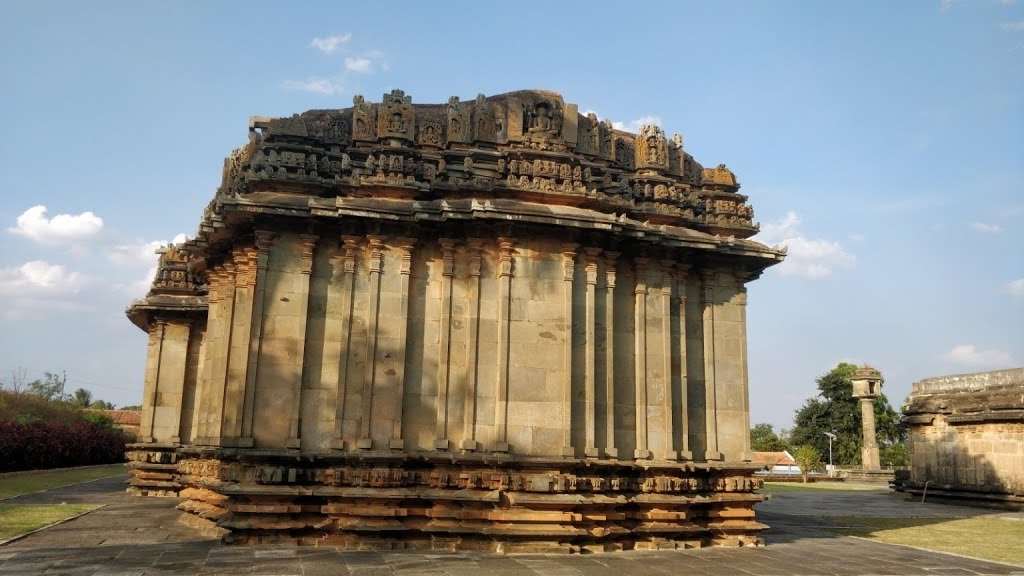
.jpg)
Sculptures of Yaksha Dharanendra and Yakshi Padmavati are kept against the western wall of the maha mandapa. The image of Padmavati is crowned with three hooded cobra over her head and with fruits in three hands and a weapon in the fourth hand. The sanctum enshrines an 18 feet tall image of Parshvanatha. The image is made of black stone. A seven headed serpent carved over the head of the image is considered to be guarding the deity. He is in Kayotsarga posture.


Kedareshwara Temple, Halebidu – The Temple
Kedareshwara Temple, Halebidu – The Temple
The temple is facing towards east with a mahadvara. The temple stands on a raised platform (jagati), a feature common to many Hoysala temples. The platform provides ample space for the devotess to circumbulate the temple. The platform can be reached by a flight of steps. The platform follows the staggered square design of the navaranga and the star shape of the shrine. Ruins of the miniature shrines can be seen on either side near the flight of steps at the entrance leading to the platform. The temple is constructed in trikutachala style, consisting of three shrines, one each on north, south and west.


The main shrine is star-shaped (stellate) with two smaller shrines that have perforated windows (called Jali) on the sides. The main shrine is connected to the navaranga through the vestibule while the other two shrines are connected directly to the navaranga. The entrance porch connects the navaranga to the platform. All these shrines are currently empty. The superstructure over these shrines have been lost. The navaranga is provided with perforated walls on all three sides to provide sufficient lighting to the interior. The navaranga is supported by lathe turned pillars.


A set of eight moldings can be seen at the base of the wall above the platform (jagati). The first horizontal molding from the jagati contains procession of elephants, second contains horsemen, creepers on the third, lions fighting with each other & Hoysala emblem on the fourth, again creepers on the fifth, depictions from the Hindu epics and puranic scenes in the sixth, makara in the seventh and friezes of swans in the eighth.


There are about 180 large intricately carved reliefs around the external walls of the main shrine. Notable among them are Narasimha, Dakshinamurthy, Gajasamharamurti, Kalingamardhana, Venugopala, Tandaveshwara, Mohini, Manmatha, Ravana lifting mount Kailasa, Surya, Brahma, Lakshmi, Mahishasura Mardhini, Saraswathi, Krishna, Varaha, Vamana, Ganesha, Bhairava, Varadaraja, Govardanagiri Dhari and a huntress. The temple has beautiful landscape garden in its own enclosure wall with a mahadwara on the north.


Hoysaleswara Temple, Halebidu – The Temple
Hoysaleswara Temple, Halebidu – The Temple
The temple complex is facing towards the east. The temple stands on a raised platform (jagati), a feature common to many Hoysala temples. The platform provides ample space for the devotess to circumbulate the temple. The temple was built with chloritic schist, more commonly known as greenschist or soapstone. The soapstone is soft when quarried and easier to carve into intricate shapes but hardens over time when exposed to air.

The temple is constructed in divikutachala style (two shrines and two superstructures). The temple has four entrances flanked by miniature shrines. The northern entrance is the commonly used entrance as it is situated close to the parking lot. There is one entry on the south side and two on the east side one for each shrine. The southern entrance is guarded by six feet tall four-armed dvarapalas on either side. The door lintel has a carving of Nataraja accompanied by Nandi, dancers and musicians.

The south eastern entrance also has six feet tall four-armed dvarapalas on either side. The door lintel has a best-preserved carving of ten armed Nataraja accompanied by Narasimha, Sarasvati, Brahma, Ganesha, Parvati, Bhairava, Indrani, Keshava and Surya. The north eastern entrance doorway is damaged. The dvarapalas are missing but the pedestals housed the dvarapalas can be seen. The carvings above the door lintel are defaced.

The original dvarapalas of the northern entrance are lost and two dvarapalas found on the ruins of the surrounding region is kept there. The carvings above the door lintel is also damaged and inferior in execution. The dvarapalas and the carvings at the entrances suffered destruction during Islamic invasion. Both the shrines are of same size and faces towards east. Both the shrines have a characteristic star shaped ground plan and consists of sanctum, antrala, navaranga and nandi mandapa respectively.

The navaranga of the both the shrines are joined by a common verandah creating a spacious columned interior. The navaranga was originally an open structure but it was closed with perforated stone screens and the entrance doors were added during the reign of Hoysala king Narasimha I as per an inscription found in the temple. The navaranga has two small niches facing each other between the two temples where they are joined at the transept. These have carvings and artwork, but the statues inside each is missing.

There is a stone panel near the western niche with a large Sanskrit inscription in a North Indian and a South Indian script. The four central pillars of the navaranga and its ceiling of each shrine are intricately carved. Each of the four pillars had four standing madanikas (Salabhanjika) figures. There are totally 32 figures on the central pillars for the two temples only 11 remains currently. Six remains in the northern shrine and five remains in the southern shrine.

All the madanikas are in damaged condition. The pillar near the second eastern door have two damaged madanikas, but the better preserved are those in the central navaranga. The shrine of Hoysaleswara (southern shrine) enshrines the Linga installed by the King Vishnuvardhana and the shrine of Shantaleswara (northern shrine) enshrines the Linga installed by the Queen Shantala Devi. Each shrine is square on plan. Both the shrines faces towards east and with three niches on the north, west and south.

The doorways of the antrala of the shrines are guarded by dvarapalas on either side. There is an intricate carving of Lord Shiva with Parvati accompanied by the celestial beings with two large makaras above the lintel. Varuna with his consort Varuni are seen riding the makaras. The doorjambs are decorated with purnaghatas (vessels of abundance). The superstructure over the shrines are completely missing. The exterior walls of the sanctum are plain.

The superstructure over the vestibule which connects the shrine to the navaranga, called sukanasi (a low tower that looks like an extension of the main tower) is also missing. There are two shrines situated opposite to the two main shrines enshrining its respective Nandis in seated posture. The Nandi shrines also has miniature shrines at the entrances. There is a small Surya shrine attached to the southern Nandi shrine. It enshrines a seven feet tall image of Surya in its sanctum.

A set of nine moldings can be seen at the base of the wall above the platform (jagati). The first horizontal molding from the jagati contains procession of elephants, second contains yalis, foliages on the third, horsemen on the fourth, again foliages on the fifth, depictions from the Hindu epics and puranic scenes in the sixth, makara in the seventh, friezes of swans in the eighth and again foliages in the ninth. There are about 340 large intricately carved reliefs around the external walls of the main shrine.

Notable among them are Uma Mahesvara, Nataraja, Dakshinamurti, Bhairava, Govardana Giridhari, Gajasura Mardana, Bhairavi, Durga, Mahishasura Mardini, Kali, Venugopala, Varaha, Narasimha, Vamana, Trivikrama, Harihara, Ganesha, Kartikeya, Brahma, Saraswathi, Indra, Surya, Mohini, Nardana Vinayaka, Madanikas and other deities. There is a Garuda Sthamba (Garuda Pillar) situated to the south of the main shrine in the temple premises.
.jpg)
The top portion of the pillar is completely lost. There are eight male figures (Garudas) in the middle of the pillar, four of whom are shown as using their swords to sacrifice themselves. One of the martyr is shown seated in an anjali posture preparing for the sacrifice, while others are shown in the process of the sacrifice. The images represent the devotion of these to their leader and their determination to die with him. Garudas were known to be the selected bodyguards of the kings and queens. They used to live and move with the royalty with the sole aim to defend their master.

They committed suicide at the death of their master. The inscription on the pillar records that a general Lakshmana, his wife and followers sacrificed themselves after the death of Veera Ballala II. There is a museum managed by the Archaeological Survey of India situated inside the temple premises. It contains sculptures, architectural fragments, inscriptional slabs and various temple artworks recovered from the site. There are remains of a destroyed shrine can be seen on the south western side of the temple.

Hoysaleswara Temple, Halebidu – History
Hoysaleswara Temple, Halebidu – History
The Temple was built by Ketamalla Dandanayaka, a military general of Hoysala King Vishnuvardhana (1108 – 1152 CE) as per an inscription found in the Kalleshvara Temple ruins in Ghattadahalli at about 5 Kms from the Hoysaleswara Temple. The foundation inscription of this temple is likely lost, along with the many other features of the original temple.
The temple was called as Vishnuvardhana Poysalesvara in honour of the Hoysala King Vishnuvardhana. Its construction started around 1121 CE and completed in 1160 CE. The temple was called as Hoysaleswara Panchikeswara in later inscriptions. The sculptures contain the signatures of the architects in the pedestal.
The most repeated names of the architects found at the temple include Manibalaki, Mabala, Ballana, Bochana, Ketana, Bama, Balaki and Revoja. The temple, along with the nearby Jain Temples and the Kedareshwara temple, as well as the Kesava temple in Belur, have been proposed to be listed under UNESCO World Heritage Sites.
Halebidu was called as Dvarasamudra / Dorasamudra during Hoysala rule. It is derived from two Sanskrit words Dvara (Door or Gateway) and Samudra (Ocean or large water body). Belur was the capital during the early period of Hoysalas. Later, Dvarasamudra became their regal capital under the rule of the Hoysala King Vishnuvardhana and served as the capital of the Hoysala Dynasty for nearly 300 years.
The Hoysala Empire and its capital Dvarasamudra was invaded, plundered and destroyed in early 14th century by the Delhi Sultanate armies of Alauddin Khilji. Again, Belur and Dvarasamudra became the target of plunder and destruction in 1326 CE by another Delhi Sultanate army of Sultan Muhammad bin Tughlaq. Dvarasamudra and its temples became ruins, the capital abandoned, and the site came to be called as Halebidu (means old camp or capital).
ASI Museum, Halebidu, Karnataka
ASI Museum, Halebidu, Karnataka
ASI Museum is located in Halebidu Town in Belur Taluk in Hassan District, in the Indian state of Karnataka. This Museum is situated in front of the Hoysaleswara Temple. The museum was established in 1970 by ASI.

.jpg)

The Museum
This museum consists of two sections namely closed sculpture gallery and open-air museum. The museum has collections of more than 1500 sculptures, architectural fragments, inscriptions of historical significance. All these collections are gathered from in and around Halebidu. Most of the artifacts exhibited in the museum are from 12th – 13th century CE. The open-air museum has huge collection of sculptures of artistic importance. Some of the notable sculptures are Govardhanagiridhari Krishna, Nataraja, Veena Saraswathi and Nardana Vinayaga.
.jpg)
.jpg)

It also has an 18 feet tall image of Thirthankara. It is said that the image is excavated from the ruined tank of one of the Jain Basadi in Halebidu. The sculptures of Brahma Saraswathi, Kala Bhairava, a mother and child, wooden carvings and a bronze statue of a tirthankara can be seen in the sculpture gallery. The master pieces of this museum have represented Indian art in the various exhibitions held at France, Japan and other countries.

.jpg)
.jpg)
Timings
The museum remains open from 09.00 AM to 05.00 PM on all days except Fridays.
Entrance Fees
· Adult: Rs. 5 / - per head
· Children up to 15 years free
Connectivity
The temple is located at about 100 metres from Halebidu Bus Stand, 17 Kms from Belur, 30 Kms from Banavara, 31 Kms from Hassan, 32 Kms from Hassan Junction Railway Station, 169 Kms from Mangalore, 169 Kms from Mangalore Airport, 210 Kms from Bengaluru and 232 Kms from Bengaluru Airport. The temple is situated on Banavara to Mangalore route.
Hari Rai Temple, Chamba, Himachal Pradesh
Hari Rai Temple, Chamba, Himachal Pradesh
Hari Rai Temple is a Hindu Temple dedicated to Lord Vishnu located in Chamba Town in Chamba Tehsil in Chamba District of Himachal Pradesh, India. The temple is situated in the north western corner of Chaughan gate, the official entrance to the Chamba Town. Chamba is located at an altitude of 1,006 metres (3,301 feet) above mean sea level. Chamba is situated on the banks of the Ravi River (a major tributary of the Trans-Himalayan Indus River), at its confluence with the Sal River.

History
The temple was constructed by prince Lakshmana Varman, son of Salavahana Varman in 11th century CE. A joint copper plate grant of Soma Varman and Asata Varman, belonging to the Hari Rai and Champavati temples records the grant of lands to three temples, one of the temple is dedicated to Hari, founded by Lakshmana Varman. The shrine dedicated to Hari mentioned in the grant might be the present Hari Rai Temple. This grant was issued during the first regnal year of Asata Varman (1080 – 1105 CE), the brother and successor of Soma Varman. This temple is protected as monuments of national importance by the central Archaeological Survey of India.
The Temple
This temple is facing towards east and stands over a raised platform. The temple consists of sanctum, antrala and wooden mandapa. The antrala is supported by two fluted pillars with square bases. The base has three round bands and a pot decorated with miniature niches showing purnaratna. The fluted shaft is topped by a fine purnakumbha. then a round moulding and then a square carved with swirling foliage. It is capped by two round abacus mouldings. The brackets have small niches on the front, each enshrining a seated deity.

The lintel, above it has been carved with dancing figures. The sukanasa shows Trimurtis (bhadramukha) in a medallion. The doorjambs of the sanctum has three bands of decoration. The sanctum is square on plan. The sanctum enshrines an ashtadhatu image of Chaturmukha (four faced) Vishnu. He is famously called as Vaikuntha. His four faces are boar, human, lion and demon. He is shown riding on six horses. The image stands over a pedestal and is adorned with rings, amulets, mukut, necklaces and kundals.

The bhadra niches enshrines Surya in the north, Shiva in the west and Parvati in the south. The shikara over the sanctum is of nine tiers each marked by the corner amalakas. The shikara is surmounted by an amalaka, kalasa and chhatri. Two umbrella type canopies have been provided above and beneath the amalaka. The exterior is decorated with images of various deities, reliefs of miniature nagara temples, geometric patterns and floral motifs.

Connectivity
The temple is located at about 250 metres from Chamba New Bus Stand and 500 metres from Chamba Old Bus Stand. Chamba is located at about 43 Kms from Dalhousie, 45 Kms from Banikhet, 60 Kms from Bharmour, 83 Kms from Nurpur Road Railway Station, 103 Kms from Pathankot, 103 Kms from Pathankot Junction Railway Station, 108 Kms from Pathankot Airport, 116 Kms from Kangra Airport, 127 Kms from Kangra and 129 Kms from Dharamshala. Chamba is situated on Pathankot to Bharmour route (NH – 154A).
Bhumara Temple

| Bhumara Temple Bharkuleswar Temple | |
|---|---|
 5th or 6th century Shiva stone temple | |
| Religion | |
| Affiliation | Hinduism |
| District | Satna[2] |
| Deity | Shiva, Kartikeya, Ganesha, Surya, Brahma, Kama, Durga, others[1] |
| Location | |
| Location | Bhumra, Nagod |
| State | Madhya Pradesh |
| Country | India |
  Shown within India | |
| Geographic coordinates | 24°25′42.1″N 80°38′29.6″E |
| Architecture | |
| Style | Nagara |
| Completed | 5th or 6th century[3][4] |
Bhumara Temple, sometimes called Bhumra, Bhubhara or Bharkuleswar, is a 5th or 6th-century Gupta era Hindu stone temple site dedicated to Shiva near Satna, in the Indian state Madhya Pradesh.[4][3][5] The temple has a square plan with a sanctum and Mandapa.[6] While much of it is in ruins, enough of the temple structure and works of art have survived for scholarly studies. The temple is notable as one of the early examples of an architecture that included an enclosed concentric pradakshina-patha (circumambulation path). Like other early Gupta era Hindu temples, it includes a decorated entrance to the sanctum flanked by Ganga and Yamuna goddesses, and intricately carved sculptures.[2][7]
The temple's Ekamukha Linga, a mukhalinga or faced lingam, with a detailed head of Shiva, is a much studied example of Gupta art. The temple reliefs include those for Mahishasura-mardini (Durga), Ganesha, Brahma, Vishnu, Yama, Kubera, Kartikeya, Surya, Kama and others.[1][6][8]
A 5th-century relief sculpture at the Bhumara temple is significant in being one of the earliest known representations in sculpture of Ganesha.[9][10]
Many of the ruined parts of the Bhumara temple have been moved to museums, especially the Kolkata Museum and the Allahabad Museum.[11][12][13] The much studied Bhumara image of Ganesha with Sakti sitting in his lap was acquired by the Boston Museum of Fine Arts in 1920s and is now there.[14][15]
Location
The village and temple site of Bhumara rest on a largely shrubby hill plateau about 12 miles (19 km) northwest-west of the town of Unchehra, near the hills of Khamha and Mohnna. It is about 40 kilometres (25 mi) southwest of the city of Satna, about 35 kilometres (22 mi) south of Nagod and about 110 kilometres (68 mi) NNE of Katni, the closest local train stations.[2][16] The temple site is at an altitude of 1,500 feet, midst forests.[17]
History
The archaeologist Alexander Cunningham visited the Bhumara site to confirm local reports of Thari pathar (standing stone) during his 1873-1874 tour of the Central Indian region. He found the stone and the important Bhumra inscription which he published, but he missed the temple that was then mostly covered by forest of shrubs and mango, haritaki and amalaka trees. John Faithfull Fleet translated the inscription in 1888, and it mentioned two kings named Hastin and Sarvanatha. The pillar inscription also described the boundary between their kingdoms and gave an inscription date per ancient Indian calendar that equals 484 CE.[18]
Decades later, over the 1919-1920 period, the Archaeological Survey of India sent a sketch artist named Wartekar and a photographer named Joglekar together to revisit the site. They aimed to check out the local villager claims of many temple ruins on the plateau and the northern face of the hills. The dense forest limited the extent of their search, but they found the Bhumara temple. They reported it to be small single cell structure with a slab roof near an unusual soil mound, and that the temple's door was "magnificently carved".[17][18][19]


The first report indicated that stones were sticking out of the temple that suggested the temple was originally much bigger. They also reported that broken pillars and ruins surrounded it.[17][18] The Archaeological Survey of India then sent a larger team, excavated the mound and discovered numerous sculptures. Among these were a chaitya-window shaped panel with a circular medallion and the sculpture of Ganesha, jumbled remains of mandapa and temple parts.[18] The site was next cleaned up, cleared of the forest growth and the first repairs to the temple was undertaken in early 1920s. During this cleaning, clearing and repairs, states Banerjee, many more "sculptures and their fragments, pillar fragments, lintels, jambs with a number of images" were found.[18]
Dating
The Bhumara Shiva temple has been variously dated. Early estimates in the 1920s placed it either in the second half of the 5th-century or the early 6th-century. With additional analysis of inscriptions and a comparative study of its design with other Gupta era temples, the temple is generally dated to late fifth century. According to Heather Elgood, it is a 5th-century temple.[20] Frederick Asher dates it to about 475 CE.[21] Michael Meister and others date it to late 5th-century.[6][22] George Michell states that the precise dating of the Bhumara Shiva temple, Nachna Parvati temple and Deogarh Vishnu temple is uncertain, but they existed by the 6th-century.[23]
Description

The Shiva temple of Bhumara stands on an approximately 1.4 metres (4 ft 7 in) high platform (Jagati), which is comparable in dimensions to the two temples of Nachna. Stairs lead to the platform, and the steps are 11.25 feet (3.43 m) long and 8.43 feet (2.57 m) in breadth.[24] On top of the platform are two concentric chambers with a square plan. The smaller inner square is a windowless garbhagriha with a 15.17 feet (4.62 m) side.[24] The outer square has a 35 feet (11 m) side. The space between the inner sanctum chamber and the outer one served as an enclosed space for circumambulation. It is unclear whether the walls of the outer square had any trellis windows like the Nachna temple, as the excavations did not yield the complete temple. The steps leading to the sanctum are flanked by two smaller platforms about 8.17 feet (2.49 m) by 5.67 feet (1.73 m), each with a small shrine.[24] The collected ruins suggest that the temple likely had three entrances.[25]
A pillared open porch (mandapa) is set before it, so the initial impression of the temple appears roughly similar to ones in Tigawa and Sanchi. The mandapa was 29.83 feet (9.09 m) by 13 feet (4.0 m).[24] The ruined structure that has been viewable since early 20th-century is the inner sanctum with its intricate carvings, the platform, the stairs and remnant walls.[24] The roof of the temple was simple and consisted of huge flat slabs.[26]
Reliefs and decoration

The three outer walls of the sanctum lack any decoration. They are smooth red sandstone. The side with an entrance into the sanctum is intricately carved and decorated. The sanctum door consists of a carved lintel, two carved jambs and a sill. To the right is goddess Ganga standing on her vahana - the makara (crocodile-like mythical creature), on the left is Yamuna goddess standing on her vahana - a tortoise.[27] They have attendants standing with them, but their images are too mutilated. Above these goddesses are three parallel bands of carvings. The outermost band shows blooming lotus one giving rise to the other above it.[27] The middle band on both sides each consists of four niches with human figures. The inner band converges towards the center of the lintel where Shiva is carved. The sculpture has been defaced, but its forehead remains intact where the third eye survives. Additionally, his ear rings, necklace and pearl jewelry is still discernible.[27]
Shiva Lingam
Among the most important artefacts of Bhumara is a Shiva-lingam with a bust relief of the dy which occupies almost the entire height of the lingam.[28] Lingas with faces are called a mukhalinga, those with one face are called ekamukha linga. The Indian archaeologists visiting Bhumara temple around 1920 discovered a somewhat damaged ekamukha linga embedded within a stone pavement in the sanctum. It is 6.08 feet (1.85 m) high set on rough square block at the bottom with 3.08 feet (0.94 m) side.[28] The linga is a smooth cylinder with Shiva's face carved over the cylindrical length on one side. This face matches the one on the lintel top at the sanctum doorway.[28]
The Bhumara Shiva linga wears a jeweled crown, necklace and pearl ornaments.[28] He is shown with matted hair, some locks on his shoulders. His hair is tied up into a bun at top, where there is a thin crescent moon. His forehead has a third eye. His nose is broken, likely intentionally damaged.[28] According to Banerjee, the Shiva face on the lingam is well proportioned but it is not as "beautiful as the face on sanctum door lintel" or the ancient ekamukha linga found in Khoh, Madhya Pradesh.[28]
Bhumara ruins


The Bhumara excavations have yielded numerous sculpture, broken pieces of walls and statues, as well as ruined parts of the mandapas. The recovered pieces included parts of another intricately carved doorway, larger than the one on the sanctum.[29] It had river goddesses Yamuna (reasonably preserved) and Ganga (broken), but to their immediate vicinity the stone was smooth, unlike the sanctum doorway. The recovered portions of this broken doorway show that it also had three bands of carvings above the head of the goddess.[29] This doorway likely was a part of the mandapa.[29] Portions of broken lintels found lying around the site show figures of erotes, in the same style as one finds in the ancient Khoh temples.[26] The recovered fragments in the ruins when put together show that they are incomplete and parts have been lost.[26]
Other ruins found at the site included pilaster and pillar parts. These were square, hexagonal, octagonal or dodecagonal in cross section. The largest of these had square bases. Some were smooth, some carved. Pieces recovered show that the top and bottom portions had carvings.[29] Many show foliage and designs that are now called the arabesque style. Lotus motifs are common. Some pillar shafts include huge kirtimukhas on each face. Some kirtimukhas are depicted with garlands hanging out of their mouths.[30]
Extensive slab ruins were also found near the mandapa platform. These are carved with various motifs and figures. They show people in their daily lives, warriors, ganas (dwarfs) holding various items such as sword in one hand and lotus in the other, some people with clean shaven heads and others with elaborate hairdos. Musicians, dancers, seated groups of men or women, animals, flowers and other scenes are set in medallions.[31] Recovered wall panels of the Bhumara Shiva temple show Vishnu's Narasimha avatar blowing a conch shell, Krishna and others.[32] Other significant finds include those of Nataraja, Ganesha, single face Kartikeya, Surya, Durga in her Mahishasura-mardini form,[33] Brahma, Indra, Yama, Kubera, Kama and others.[8][1]
Comparison with Nachna temple
| Part of a series on |
| Shaivism |
|---|
 |
 Hinduism portal Hinduism portal |
The Bhumara temple is, except for some major differences, quite similar in its plan to the Nachna temple about 50 kilometres (31 mi) to the west of Bhumara. The differences are that Bhumara lacked the second storey found in the Nachna temple and it featured two small shrines near the steps of the main temple.[34] The similarities include a square sanctum surrounded by an circumambulation path enclosed with a concentric masonry chamber. Both were built on a raised platform, had staired entrances, had a pillared mandapa in front.[34] The size and enclosed area in the sanctum and the outer chamber were similar. The material of construction in both was red sandstone, neither used mortar and each relied on ashlar masonry.[34]
Significance
The Gupta temple of Bhumara is an important Gupta era Shaivism temple from ancient India. It is the earliest known temple that shows "Ganesha and Shakti" together, where the goddess Vinayaki sits in his lap and he holds a bowl of batasas or modakas (sweets) in his left hand.[9] It also portrayed Ganesha in various forms, along with other Vedic and Puranic gods and goddesses of Hinduism. This has been a part of the evidence that sets a floruit of 5th-century to the importance of Ganesha in Hindu theology.[9][35]
The Bhumara temple is notable for being an early illustration of Shaivism iconography and its inclusion of Vaishnavism and Shaktism themes. The Bhumara reliefs include an early Nataraja and Kartikeya seated on a peacock.[36]
Taken together with other Gupta era temples and artwork for Vaishnavism and Shaktism, the Bhumara temple attests to the sophistication of artisans by the 4th and 5th-century ancient India.[36][37] More recent similar discoveries such as the temple ruins discovered with inscriptions dated to 448 CE at the Dinajpur site in ancient Bengal (now in Bangladesh) suggest that arts and temples were flourishing by the 5th-century.[38][39]
References
- Upinder Singh (2008). A History of Ancient and Early Medieval India: From the Stone Age to the 12th Century. Pearson. pp. 527–528. ISBN 978-81-317-1120-0.
Literature
- Prasanna Kumar Acharya (2010). An encyclopaedia of Hindu architecture. Oxford University Press (Republished by Motilal Banarsidass). ISBN 978-81-7536-534-6.
- Prasanna Kumar Acharya (1997). A Dictionary of Hindu Architecture: Treating of Sanskrit Architectural Terms with Illustrative Quotations. Oxford University Press (Reprinted in 1997 by Motilal Banarsidass). ISBN 978-81-7536-113-3.
- Vinayak Bharne; Krupali Krusche (2014). Rediscovering the Hindu Temple: The Sacred Architecture and Urbanism of India. Cambridge Scholars Publishing. ISBN 978-1-4438-6734-4.
- Alice Boner (1990). Principles of Composition in Hindu Sculpture: Cave Temple Period. Motilal Banarsidass. ISBN 978-81-208-0705-1.
- Alice Boner; Sadāśiva Rath Śarmā (2005). Silpa Prakasa. Brill Academic (Reprinted by Motilal Banarsidass). ISBN 978-8120820524.
- A.K. Coomaraswamy; Michael W. Meister (1995). Essays in Architectural Theory. Indira Gandhi National Centre for the Arts. ISBN 978-0-19-563805-9.
- Dehejia, V. (1997). Indian Art. Phaidon: London. ISBN 0-7148-3496-3.
- Adam Hardy (1995). Indian Temple Architecture: Form and Transformation. Abhinav Publications. ISBN 978-81-7017-312-0.
- Adam Hardy (2007). The Temple Architecture of India. Wiley. ISBN 978-0470028278.
- Adam Hardy (2015). Theory and Practice of Temple Architecture in Medieval India: Bhoja's Samarāṅgaṇasūtradhāra and the Bhojpur Line Drawings. Indira Gandhi National Centre for the Arts. ISBN 978-93-81406-41-0.
- Harle, J.C., The Art and Architecture of the Indian Subcontinent, 2nd edn. 1994, Yale University Press Pelican History of Art, ISBN 0300062176
- Monica Juneja (2001). Architecture in Medieval India: Forms, Contexts, Histories. Orient Blackswan. ISBN 978-8178242286.
- Stella Kramrisch (1976). The Hindu Temple Volume 1. Motilal Banarsidass (Reprinted 1946 Princeton University Press). ISBN 978-81-208-0223-0.
- Stella Kramrisch (1979). The Hindu Temple Volume 2. Motilal Banarsidass (Reprinted 1946 Princeton University Press). ISBN 978-81-208-0224-7.
- Michael W. Meister; Madhusudan Dhaky (1986). Encyclopaedia of Indian temple architecture. American Institute of Indian Studies. ISBN 978-0-8122-7992-4.
- George Michell (1988), The Hindu Temple: An Introduction to Its Meaning and Forms, University of Chicago Press, ISBN 978-0-226-53230-1
- George Michell (2000). Hindu Art and Architecture. Thames & Hudson. ISBN 978-0-500-20337-8.
- T. A. Gopinatha Rao (1993). Elements of Hindu iconography. Motilal Banarsidass. ISBN 978-81-208-0878-2.
- Ajay J. Sinha (2000). Imagining Architects: Creativity in the Religious Monuments of India. University of Delaware Press. ISBN 978-0-87413-684-5.
- Burton Stein (1978). South Indian Temples. Vikas. ISBN 978-0706904499.
- Burton Stein (1989). The New Cambridge History of India: Vijayanagara. Cambridge University Press. ISBN 978-0-521-26693-2.
- Burton Stein; David Arnold (2010). A History of India. John Wiley & Sons. ISBN 978-1-4443-2351-1.
- Kapila Vatsyayan (1997). The Square and the Circle of the Indian Arts. Abhinav Publications. ISBN 978-81-7017-362-5.
- Banerji, R. D. (1998), The Temple of Siva at Bhumara, Memoirs of the Archaeological Survey of India No 16 (Orig year 1924),
 This article incorporates text from this source, which is in the public domain.
 - ASI (1920), Progress Report of the ASI Western Circle 1920, Archaeological Survey of India, This article incorporates text from this source, which is in the public domain.
- Michael W. Meister u. a. (Eds.): Encyclopaedia of Indian Temple Architecture. North India - Foundations of North Indian Style Princeton University Press, Princeton, 1988, ISBN 0-691-04053-2, p 40ff.
External links
 Media related to Bhumara Temple at Wikimedia Commons

Indian National Museum
 |
| Ancestor of Modern Indian elephant that live in the Pliocene Pleisticene Era. Scientifically it is called Stegodon Ganesha. ( Now Some may disagree with the naming but iut is as it is) . The tusks used to be huge 10-12 feet long and they were considerably larger than the modern descendants. |
 |
| A strange looking animal that roamed South America and a close relative of the modern days Armadillos. They lived in the Pleistocene era . |
 |
| My Son and darling Wife infront of a statute of 'Yaksha' made with reddish grey sandstone during the 3rd to 2nd century BCE. It was found near Modern day Patna, Bihar. |
 |
| statute of 'Yakshi' made with reddish grey sandstone during the 3rd to 2nd century BCE. It was found near Modern day Besnagar , Gwalior , Madhya Pradesh. |
 |
| A multi faced pillar found in Bharhut , Madhya Pradesh, made in 2 century BCE the front face depicts a man standing on human headed MAKARA and the side face of the pillar depicts A female riding a horse . |
 |
| One who knows all my HISTORY.... |
 |
| Who's Sunny Leone? |
 |
| A huge statue of Bodhisattva built in Kushan Era in the 1 st century AD with red sand stone and was found in Sravasti , Uttar Pradesh. |

 |
| My wife with Budhha .... Not sure now who's looking for peace (Wink) This Red sand stone Buddha sculpture was found in Bodh Gaya and is made in the year 385 AD. |
 |
| Ganesh Statue discovered from the village of BHUMARA , Nagod in Madhya Pradesh. This is part of a Shiva temple built in the year 5th Century AD by the Gupta Kings. This temple in Bhumara is a fine example of Gupta Architecture. |
 |
| Indra Dev within CHAITYA NICHE built in 5th centuruy AD and part of the Shiva Temple at Bumara built in the Gupta Era. |
 |
| Avalokiteshwar(is a bodhisattva who embodies the compassion of all Buddhas) made with Basalt in the 11 century.AD and found in modern day Bihar. |
 |
| Maitreya ( is regarded as a future Buddha of this world in Buddhist eschatology.) Found in Bihar and was made in the 11th century AD with Basalt. |
 |
| Avalokiteshwar(is a bodhisattva who embodies the compassion of all Buddhas) made with Basalt in the 11 century.AD and found in modern day Bihar. |
 |
| Lord Vishnu on his Vahan 'Garuda' built with basalt in the year 8/9th century AD and was found in Bihar. |
 |
| Statute of Dev Senapati 'Kartikeya' built from chlorite and found in North Bengal it was made in the 12th century AD. |
 |
| A eleventh century statue of Lord Shiva built in 11 century AD with Basalt Stone was found in Chorakasba, Bangladesh. |
 |
| A magnificient statue of DANCING BHAIRAVA built with Basalt in the 12th century AD and was found in Jagnail West Dinajpur in West Bengal. |
 |
| Varaha Avtar of Lord Vishnu made from Basalt in the 12th Century AD in Bihar. |
 |
| A Statue made from Basalt in the 12th century depicting Lord Vishnu was found in Sarishadaha in West Bengal. |
 |
| A Statue made from Basalt in the 12th century depicting Lord Surya was found in Rajshahi in Bangladesh. |
 |
| A Statue made from Basalt in the 12th century depicting Lord Surya was found in Rajshahi in Bangladesh. |
 |
| Sadashiva a form of Lord Shiva found in Bangarh, Dinajpur is from 12th century ad and made from Basalt. |
 |
| A corner pillar showing a lady holding a Mirror and a male holding fruits and flowers. Found in Halebidu ,Karnataka its made from Granite stone. |
 |
| Dancing Shiva made from Granite during 12th century AD was found from Halebidu Karnataka. |
 |
| Statue of VENU GOPALA made from Granite in the 12th century and was found in Halebidu ,Karnataka. |
 |
| A bull of Lord Shiva found in Java Indonesia made from Sandstone during the 7th to 8th century AD. |
 |
| Avalokiteshwar(is a bodhisattva who embodies the compassion of all Buddhas) made with Basalt in the 11 century.AD and found in modern day Bihar. |
 |
| I was honoured to see a Silver Coin of Last Hindu King Prithviraj Chauhan, |
 |
| A mummy around four thousand years old belonging to Egypt. The face is decayed but the body still intact . |


astern Chalukyas Emblem.
 Eastern Chalukyas were a South Indian dynasty whose kingdom was located
in the present day Andhra Pradesh. Their capital was Vengi and their
dynasty lasted for around 500 years from the 7th century until c. 1130
C.E. when the Vengi kingdom merged with the Chola empire. The Vengi
kingdom was continued to be ruled by Eastern Chalukyan kings under the
protection of the Chola empire until 1189 C.E., when the kingdom
succumbed to the Hoysalas and the Yadavas. They had their capital
originally at Vengi near Nidadavole of the West Godavari district end
later changed to Rajamahendravaram (Rajamundry).
Eastern Chalukyas were a South Indian dynasty whose kingdom was located
in the present day Andhra Pradesh. Their capital was Vengi and their
dynasty lasted for around 500 years from the 7th century until c. 1130
C.E. when the Vengi kingdom merged with the Chola empire. The Vengi
kingdom was continued to be ruled by Eastern Chalukyan kings under the
protection of the Chola empire until 1189 C.E., when the kingdom
succumbed to the Hoysalas and the Yadavas. They had their capital
originally at Vengi near Nidadavole of the West Godavari district end
later changed to Rajamahendravaram (Rajamundry).Eastern Chalukyas were closely related to the Chalukyas of Vatapi (Badami). Throughout their history they were the cause of many wars between the more powerful Cholas and Western Chalukyas over the control of the strategic Vengi country. The five centuries of the Eastern Chalukya rule of Vengi saw not only the consolidation of this region into a unified whole, but also saw the efflorescence of Telugu culture, literature, poetry and art during the later half of their rule. It can be said to be the golden period of Andhra history.
The text is taken from wikipedia and the picture is taken by me while my visit at Chennai last year.
Kedareshwara Temple, Halebidu, Karnataka
Kedareshwara Temple, Halebidu, Karnataka
Kedareshwara Temple is a Hindu Temple dedicated to Lord Shiva located in Halebidu Town in Belur Taluk in Hassan District, in the Indian state of Karnataka. The temple is situated close to the famous Hoysaleswara Temple. This temple is protected as monuments of national importance by the central Archaeological Survey of India.


History
The temple was built by Hoysala King Veera Ballala II (1173 – 1220 CE) and his younger Queen Abhinava Ketala Devi in 1219 CE. Halebidu (Dwarasamudra) was the regal capital of the Hoysala Empire in the 12th century CE. The temple, along with the nearby Jain Temples and Hoysaleswara Temple as well as the Kesava temple in Belur, have been proposed to be listed under UNESCO World Heritage Sites.


Halebidu was called as Dvarasamudra / Dorasamudra during Hoysala rule. It is derived from two Sanskrit words Dvara (Door or Gateway) and Samudra (Ocean or large water body). Belur was the capital during the early period of Hoysalas. Later, Dvarasamudra became their regal capital under the rule of the Hoysala King Vishnuvardhana and served as the capital of the Hoysala Dynasty for nearly 300 years.


The Hoysala Empire and its capital Dvarasamudra was invaded, plundered and destroyed in early 14th century by the Delhi Sultanate armies of Alauddin Khilji. Again, Belur and Dvarasamudra became the target of plunder and destruction in 1326 CE by another Delhi Sultanate army of Sultan Muhammad bin Tughlaq. Dvarasamudra and its temples became ruins, the capital abandoned, and the site came to be called as Halebidu (means old camp or capital).


The Temple
For brief details, please refer below link;
https://hindutemples-india.blogspot.com/2022/07/kedareshwara-temple-halebidu-temple.html
Connectivity
The temple is located at about 1 Km from Halebidu Bus Stand, 18 Kms from Belur, 31 Kms from Banavara, 32 Kms from Hassan, 33 Kms from Hassan Junction Railway Station, 170 Kms from Mangalore, 171 Kms from Mangalore Airport, 211 Kms from Bengaluru and 233 Kms from Bengaluru Airport. The temple is situated on Banavara to Mangalore route.
Jain Group of Temples, Halebidu, Karnataka
Jain Group of Temples, Halebidu, Karnataka
Jain Group of Temples are group of Jain Temples dedicated to Jain Thirthankaras, Parshvanatha, Shantinatha and Adinatha located in Halebidu Town in Belur Taluk in Hassan District, in the Indian state of Karnataka. The temple complex is situated between the Hoysaleswara Temple and Kedareshwara Temple. The complex is also called as Basadi Halli. Halebidu Jain temple complex along with Pattadakal are the most famous Jain centers in South Karnataka. This temple is protected as monuments of national importance by the central Archaeological Survey of India.


.jpg)


The History
For brief details, please refer below link;
https://hindutemples-india.blogspot.com/2022/07/jain-group-of-temples-halebidu-history.html
The Temple Complex
For brief details, please refer below link;
https://hindutemples-india.blogspot.com/2022/07/jain-group-of-temples-halebidu-temple-complex.html
Connectivity
The temple is located at about 750 metres from Halebidu Bus Stand, 18 Kms from Belur, 31 Kms from Banavara, 32 Kms from Hassan, 33 Kms from Hassan Junction Railway Station, 170 Kms from Mangalore, 171 Kms from Mangalore Airport, 211 Kms from Bengaluru and 233 Kms from Bengaluru Airport. The temple is situated on Banavara to Mangalore route.
Hoysaleswara Temple, Halebidu, Karnataka
Hoysaleswara Temple, Halebidu, Karnataka
Hoysaleswara Temple is a Hindu Temple dedicated to Lord Shiva located in Halebidu Town in Belur Taluk in Hassan District, in the Indian state of Karnataka. It is the largest temple built by the Hoysalas in their ancient capital. The temple is situated on the banks of Dwarasamudra Lake. This temple is protected as monuments of national importance by the central Archaeological Survey of India.


History
For brief details, please refer below link;
https://hindutemples-india.blogspot.com/2022/07/hoysaleswara-temple-halebidu-history.html
The Temple Complex
For brief details, please refer below link;
https://hindutemples-india.blogspot.com/2022/07/hoysaleswara-temple-halebidu-temple.html
Connectivity
The temple is located at about 100 metres from Halebidu Bus Stand, 17 Kms from Belur, 30 Kms from Banavara, 31 Kms from Hassan, 32 Kms from Hassan Junction Railway Station, 169 Kms from Mangalore, 169 Kms from Mangalore Airport, 210 Kms from Bengaluru and 232 Kms from Bengaluru Airport. The temple is situated on Banavara to Mangalore route.
Surya Temple, Chhatarpur, Madhya Pradesh
Surya Temple, Chhatarpur, Madhya Pradesh
Surya Temple is a Hindu Temple dedicated to Lord Surya located at Chhatarpur Town in Chhatarpur Tehsil in Chhatarpur District in Madhya Pradesh, India. The temple is one of the state protected monuments in Madhya Pradesh declared by Archaeological Survey of India.
.jpg)
History
The temple is believed to be built in 13th century CE during later Chandela period.
.jpg)
The Temple
The temple is facing towards east and stands over a raised platform. The temple consists of sanctum and antrala. The sanctum is pancharatha on plan. The sanctum enshrines an image of Surya. The lintel of the sanctum has an image of Ganesha which indicates that the temple might be originally dedicated to Lord Shiva but later an image of Surya was kept in the sanctum.
.jpg)
Connectivity
The temple is located at about 500 meters from Chhatarpur Bus Stand, 6 Kms from Chhatarpur Railway Station, 53 Kms from Mahoba, 75 Kms from Panna, 98 Kms from Tikamgarh, 136 Kms from Jhansi and 140 Kms from Jhansi Airport. The temple is situated on Jhansi to Panna route.
Kaleshwar Mahadev Temple, Rajamau, Uttar Pradesh
Kaleshwar Mahadev Temple, Rajamau, Uttar Pradesh
Kaleshwar Mahadev Temple is a Hindu Temple dedicated to Lord Shiva located in Rajamau village in Bachhrawan block of Rae Bareli District, Uttar Pradesh, India. The temple is believed to be built during 19th century CE. The temple is one of the state protected monuments in Uttar Pradesh declared by Archaeological Survey of India.


The Temple
This temple is facing towards east and stands over a raised platform. The temple is octagonal in plan. The temple consists of sanctum only. The sanctum enshrines the presiding deity, Kaleshwar Mahadev, in the form of Shiva Linga within the circular yonipitha. A Nandi can be found facing towards the Linga in the sanctum. The sanctum is surmounted by a tall shikara with miniature shikaras and intricate stucco motifs on its exterior. The interior of the temple is adorned with paintings depicting the scenes from Ramayana, Mahabharata and social lives.


Festivals
A Mela honoring Kaleshwar Mahadev is organized during the month of Magha every year.
Connectivity
The temple is located at about 8 Kms from Bachhrawan Bus Stand, 9 Kms from Bachhrawan, 10 Kms from Bachhrawan Railway Station, 41 Kms from Rae Bareli, 57 Kms from Lucknow and 55 Kms from Lucknow Airport. The temple is situated at about 9 Kms from Bachhrawan on Lucknow to Rae Bareli route.
Rajarajeshwari Temple, Ranihat, Uttarakhand
Rajarajeshwari Temple, Ranihat, Uttarakhand
Rajarajeshwari Temple is a Hindu Temple dedicated to goddess Rajrajeshwari located in Ranihat, an outskirt of Srinagar Town in Srinagar Tehsil in Pauri Garhwal District in the Indian state of Uttarakhand. This temple is considered as the largest temple of Srinagar in the Shakta tradition. The temple is situated on the right bank of Alaknanda river, right in front of Srinagar SSB Campus. The temple complex is one of the state protected monuments in Uttarakhand declared by Archaeological Survey of India.


History
The temple is believed to be built in 9th century CE but the idols enshrined in the temple are dated to the 4th century CE. The idol of Mahishasura Mardini enshrined in the northern niche is dated to 11th century CE. Devadasi system is practiced in this temple during ancient times.
.jpg)
.jpg)
The Temple
This temple is facing towards east and enclosed within a compound wall. The temple consists of sanctum, antrala and maha mandapa. The maha mandapa is supported by eight pillars. The maha mandapa is provided with three entrances on the eastern, northern and southern side. The superstructure over tha mandapa is of pyramidal style. The shikara over the sanctum follows nagara style of architecture. The shikara is about 30 feet tall.


The shikara is crowned with amalaka with kalasa on top of it. The antrala has a superstructure called sukhanasi. It looks like a shorter extension of the shikara. The sanctum enshrines an image of Mother Rajarajeshwari (Goddess Parvati). She is seen sitting in Padmasana posture in quadrilateral form on the navel of the reclining Lord Shiva. There is another idol of the goddess Rajarajeshwari behind the red curtain. The darshan of this idol is completely forbidden.
.jpg)
.jpg)
There are shrines dedicated to various Hindu deities can be found in the temple premises. All these shrines follow nagara style of architecture. The idol of Mahishasura Mardini enshrined in the northern niche is dated to 11th century CE. There is an image of Nrivaraha in the maha mandapa. He is seen lifting the Bhudevi with the help of the left hand and knee by raising the feet on Sheshnag. This idol is older than the Mahishasura Mardini idol.
Festivals
Navratras and Chaitra Mas are the festivals celebrated here with much fanfare.
Connectivity
The temple is located at about 2 Kms from Srinagar Bus Stand, 5 Kms from Srinagar, 8 Kms from Maletha, 32 Kms from Devprayag, 36 Kms from Pauri, 38 Kms from Rudraprayag, 101 Kms from Rishikesh Railway Station, 104 Kms from Rishikesh, and 118 Kms from Dehradun Airport. Srinagar is situated on Devprayag to Rudraprayag route. The temple is situated right in front of Srinagar SSB Campus.
Chandika Devi Temple, Simli, Uttarakhand
Chandika Devi Temple, Simli, Uttarakhand
Chandika Devi Temple is a Hindu Temple dedicated to goddess Sakthi located in Simli Village in Karnaprayag Tehsil in Chamoli District in Uttarakhand, India. The temple is also called as Raj Rajeshwari Temple and Govind Group of Temples. The temple is situated on the banks of Pindar river. The temple complex is one of the state protected monuments in Uttarakhand declared by Archaeological Survey of India.

.jpg)
.jpg)
.jpg)

The Temple Complex
The temple complex houses shrines of Gol, Govind, Gunsai, Chandika Devi and Raj Rajeshwari Devi. The prominent shrine is dedicated to Chandika Devi. All these shrines follow Nagara style architecture. There is an ancient Peepal tree covering the entire temple complex under its shade. The devotees used to sacrifice goats and fowls to the goddess Chandika Devi in ancient times but now this practice is replaced by coconut offerings.


.jpg)
Connectivity
The temple is located at about 6 Kms from Karnaprayag, 39 Kms from Rudraprayag, 44 Kms from Gopeshwar, 61 Kms from Gwaldam, 84 Kms from Baijnath, 126 Kms from Ranikhet, 173 Kms from Rishikesh Railway Station, 176 Kms from Rishikesh and 190 Kms from Dehradun Airport. The temple is situated on Karnaprayag to Baijnath route.
Bhringesvara Temple, Bajrakot, Odisha
Bhringesvara Temple, Bajrakot, Odisha
Bhringesvara Temple is a Hindu Temple dedicated to Lord Shiva located in Bajrakot Village in Rengali Damsite Block in Angul District in Odisha, India. The temple is situated on the right bank of Brahmani river. This temple is protected as monuments of national importance by the central Archaeological Survey of India.


History
The temple is believed to be built in 9th century CE by the Sulkis of Kodalaka mandala, the feudatory of Bhaumakaras. This temple is protected as monuments of national importance by the central Archaeological Survey of India.


The Temple
This temple is facing towards east and stands over a low raised platform. This temple follows the Panchayatana style of architecture. Panchayatana is an architectural style where the main shrine is built on a raised platform with four smaller subsidiary shrines at the four corners and making it a total of five shrines. The main shrine is triratha on plan and triangabada in elevation.
.jpg)
.jpg)
The main shrine consists of rekha vimana and pidha jagamohana. The vimana is square on plan whereas the jagamohana was rectangular on plan. The subsidiary shrines of the temple are also square on plan. The jagamohana and the corner shrines have been lost completely except the pillars of the jagamohana and parts of the pabhaga mouldings of the subsidiary shrines.
.jpg)

The sanctum enshrines the presiding deity, Bhringesvara in the form of Shiva Linga within a circular yonipitha. The exterior of the temple is decorated with Lakulisa, Ardhanarisvara, Parvati, Aja Ekapada, various deities, amorous couples, erotic scenes, pilasters design carved with scroll work, scroll works, vajramundi niches in kanika paga, floral motifs and geometric patterns.
.jpg)
.jpg)
Festivals
Sitalasasti, Shivarathri, Kartika Purnima and Bada Usha are the festivals celebrated here.
Connectivity
The temple is located at about 8 Kms from Rengali Project Town New Bus Stand, 8 Kms from Rengali Project Town, 8 Kms from Rengali Bus Stand, 10 Kms from Rengali Dam, 47 Kms from Talcher, 51 Kms from Talcher Railway Station, 53 Kms from Angul Railway Station, 59 Kms from Angul, 169 Kms from Bhubaneswar and 175 Kms from Bhubaneswar Airport. The temple is situated on Talcher to Rengali Dam.
Baladevjew Temple, Ichhapur – The Temple Complex
Baladevjew Temple, Ichhapur – The Temple Complex
This temple complex is facing towards east and covers an area of about two acres. There is a 40 feet tall Aruna Sthamba situated in front of the temple. The temple complex consists of two parts. The first part consists main shrine and the subsidiary shrines. The second part consists of temple garden. The main shrine and the subsidiary shrines are completely enclosed within a 46 feet tall compound wall. The main shrine consists of Bada Deula (Sri Mandir), Majhi Mandir (Bhog Mandap), Jagamohan (Natya Mandir) and Bata Mandir (Mukhashala).


The main shrine is pancharatha on plan and panchangabada in elevation. The Bada Deula is about 75 feet tall, the Majhi Mandir is about 40 feet tall, the Jagamohana is about 65 feet tall and the Bata Mandir is about 70 feet tall. The sanctum enshrines a stone image of the presiding deity, Lord Balaram. Wooden idols of Jagannath and Subhadra in the Ratna Sinhasan (gem throne) can also be found in the sanctum. The flag over the sanctum is known as Brahma Chirala / Brahma Bana.

.jpg)
The flag is placed on top of a five feet tall Brahma Nilachakra. An idol representing Tulasi as a goddess in a seated position is also present after the sacred seven steps. Shrines of Basudev, Lakshmi, Bhairabi, Navagrahas, Kasi Viswanath, Astasambhu Mahadev, Rama, Siddheshwar Mahadev, Ganesha, Baikunthanath, Kamadhenu, Rabati, Kali, Yama, Narasingha, Sarala, Kartikeya and Bakdevi can be seen in the temple premises.
.jpg)

Garuda Stambha, Ratna Bhandar, Snana Mandap, Mukti Mandap, Jhulan Griha, Anand Bazar and Mukti Mandap are the other structures found in the temple premises. The exterior of the temple is devoid of sculptural decorations. The interior of the temple is decorated with paintings of Krisnalila scenes, divine figurine and worship scenes. The chariot on which the three deities are mounted during the Car Festival is known as Brahma Taladhwaja Rath. This chariot is considered as one of the biggest chariot in the world.


.JPG)

.jpg)

No comments:
Post a Comment
Note: Only a member of this blog may post a comment.