Gokul Divya Desam, Mathura, Uttar Pradesh
Gokul Divya Desam, Mathura, Uttar Pradesh
Gokul is one of the Divya Desams, the 108 temples of Vishnu revered by the 12 poet saints, or Alwars of ancient Tamil Nadu, located in Gokul in Mathura District in the Indian state of Uttar Pradesh. Gokul is also called as Tiruvaaippaadi in Tamil. The temple where the Alwars did the Mangalasasanam of Lord Vishnu is not in existence now and the idols now found are said to be installed in the later date. It is believed that Lord Krishna spent his childhood in Gokul.


This Gokhulam Divyadesam is said to be found with lots of childhood Leelas performed by Sri Krishnar and devotees are advised to visit both Gokhulam and Purana Gokhulam. About 4 miles away from Gokul, there is a place named Purana Gokhulam and a Krishnar temple is found and people say that it should be considered as the Gokhulam. The Yamuna river flows in front of the purana (old) Gokhulam temple and idols of Nandagopa, Yasodha and Balarama are seen. Small child Krishnar idol lying down in wooden cradle is also found.

Legends
For brief details, please refer below link;
The Temple
Presiding Deity is called as Nava Mohana Krishnan accompanied by his consorts Rukmini and Satyabhama. Vimanam over sanctum was Hema Kooda Vimaanam. He is said to be in standing posture facing east. Theertham associated with this Temple is Yamuna River. The temple where the Alwars did the Mangalasasanam of Lord Vishnu is not in existence now and the idols now found are said to be installed in the later date. There are several temples here, with images of Nandagopa, Yasodha, Balarama and Krishna.


Singers
Periyalvar, Andal and Thirumangai Alwar in the latter half of the 1st millennium CE, have sung of Krishna's childhood at his foster home at Gokhulam in a total of 22 verses in Tamil. Periyalvar had sung 10 Paasurams, Andal had sung 5 Paasurams and Thirumangai Alwar had sung 7 Paasurams about the Lord of this Dhivya Desam. The first verse of Tiruppavai speaks of 'Seer malgum Aaippaadi'.
Connectivity
This Divyadesam is located at about 9 Kms from Mathura Old Bus Stand, 9 Kms from Mathura Cantonment Railway station, 10 Kms from Mathura, 10 Kms from Mathura New Bus Stand, 10 Kms from Mathura Junction, 24 Kms from Vrindavan, 54 Kms from Agra, 156 Kms from New Delhi and 175 Kms from New Delhi Airport.
Krishna Janmasthan Temple Complex, Mathura, Uttar Pradesh
Krishna Janmasthan Temple Complex, Mathura, Uttar Pradesh
Krishna Janmasthan Temple Complex is a group of Hindu temples dedicated to Lord Krishna in Mallapura, Mathura, Uttar Pradesh, India. These temples are built around the place where major Hindu deity Krishna said to have born. The place holds religious significance since 6th century BC. The temple is glorified in the Divya Prabandha, the early medieval Tamil canon of the Azhwar saints from the 6th – 9th centuries AD. It is one of the 108 Divyadesam dedicated to Vishnu.


The temple is one of the most visited temple of India. The temples on the place were destroyed multiple time throughout history, latest by Mughal emperor Aurangzeb in 1670 who erected Eidgah there. In 20th century, the new temple complex was built with financial help from industrialists containing the Keshavdeva temple, the Garbha Griha Temple at the birth place and the Bhagavata Bhavan.


Legends
For brief details, please refer below link;
History
For brief details, please refer below link;
The Temple Complex
For brief details, please refer below link;
Festivals
Krishna Janmashtami (Krishna Jayanthi), Diwali and Holi are the major festival celebrated at this temple. Rasa Leela on Sharad Poornima (full moon night in the month Oct 15-Nov 15) or during Holi is of great importance here.
Literary Mention
The temple is glorified in the Divya Prabandha, the early medieval Tamil canon of the Azhwar saints from the 6th – 9th centuries AD. It is one of the 108 Divyadesam dedicated to Vishnu. Periyalvar, Andal, Tirumangai Alwar, Tondaradippodiyalwar and Nammalwar, have sung in chaste Tamil, of the life of Krishna in Mathura-Govardhan-Brindavan in a total of 50 verses.
Periyalvar had sung 4 Paasurams, Andal had sung 6 Paasurams, Tondaradippodiyalwar had sung 1 Paasuram, Thirumangai Alwar had sung 4 Paasurams and Nammalwar had sung 10 Paasurams about Mathura. About Brindavanam, Andal has done Mangalasasanam on Lord Krishna in 10 Paasurams and about Govardhana, Periyalvar has praised Lord Krishna in 16 Paasurams.
Connectivity
The Temple is located at about 300 meters from Sri Krishna Janam Sthan Railway Station, 2 Kms from Mathura New Bus Stand, 3 Kms from Mathura Old Bus Stand, 3.5 Kms from Mathura Junction Railway Station, 11 Kms from Gokul, 13 Kms from Vrindavan, 22 Kms from Govardhan, 59 Kms from Agra, 144 Kms from New Delhi and 169 Kms from New Delhi Airport. The Temple is situated on the way between Delhi to Agra railway line. To reach this Temple, one has to get down in Mathura Junction and travel about 3.5 Kms towards Vrindavan. The Temple can also be reached from Vrindavan by travelling about 13 Kms from Vrindavan towards Mathura.
Krishna Janmasthan Temple Complex, Mathura – The Temple Complex
Krishna Janmasthan Temple Complex, Mathura – The Temple Complex
The Temples from the 16th century CE are seen here. The chief temples here are those of Govinddev, Radha Vallabh, Gopinath, Jugalkishore and Madanmohan. There are more than a thousand temples and 32 Ghats in this town. There are also temples to Rangaji, and those built by Lal Babu the Maharaja of Gwalior. The red stone temple of Govindaji is an impressive one built in 1590 under the direction of two gurus Rupa and Santana. The image of Govinddevji apparently was moved to Jaipur fearing Aurangzeb.
The Rangdev temple in the Sri Vaishnava tradition was built by Seth Govinddas and Radhakrishnan in the south Indian Dravidian architectural style. Virtually every site in Mathura is associated with legends related to Krishna. The Dwarakadheesh temple in Mathura is a modern temple. The Gita Mandir is located on the Mathura Brindavan road. Gokul near Mathura, is where Krishna was raised; Mahaban is said to be the seat of the palace of Nanda, Krishna's foster father. Barsana is said to be the original home of Radha.
Most temples in the town of Brindavan are associated with several of the Leelas of Krishna at Brindavan. Brindavan became a center of religion from the 15th century onward. The Ramanuja Sampradaya and the Nimbarka Vaishnava Sampradaya (performing Sankirtans primarily) and the Madhava sampradaya (which worships Krishna without Radha), the Vallabha and Chaitanya traditions are the leading Vaishnava sampradayas here.


The temple where the Alwars did their Mangalasasanam on the Lord Vishnu is not found now since they are destroyed by the Mohammed kings and now at that place, a big mosque is built. Close to this, the place where Vasudeva and Devaki are prisoned is found. This place is considered to be the Holy and spiritual place, since that prison is said to be the Birth place of Sri Krishnar. And places like where Sri Krishnar did Vadham (killed) of Kamsa and the Elephant and a place by named "Vichranthi", where Sri Krishna took rest on the banks of Yamuna river are said to be some of the places which should be compulsorily seen by the Devotees.
Presiding Deity of this Divya Desam is Govardhana Nesan. He is also called as Balakrishnan. He was said to be in standing posture facing east. Mother is called as Satyabhama. Theerthams associated with this Temple are Indra Theertham, Govardhana Theertham and Yamuna Theertham. Vimanam over the sanctum is Govardhana Vimaanam. The present temple complex contains Keshavdeva Temple, Garbha Griha shrine and Bhagavata Bhavan.

Keshavdeva Temple:
The Keshavdeva Temple was built by Ramakrishna Dalmia in memory of his mother Jadiadevi Dalmia. The construction of the temple started on 29 June 1957 and inaugurated on 6 September 1958 by Hanuman Prasad Poddar. It is located south of the Shahi Eidgah.
Garbha Griha shrine:
It is said that Shahi Eidgah was constructed on the Sabha Mandapa (assembly hall) of the original temple and the garbha griha (sanctum sanctorum) was left. It is considered as the place of the prison cell where Krishna is believed to have born. A marble pavilion and a prison cell were built on the place with spacious veranda. There is shrine near it dedicated to eight-handed goddess Yogmaya. It is located east of the Shahi Eidgah.
Bhagavata Bhavan:
The construction of the temple dedicated to Shrimad Bhagavata was started on 11 February 1965 and the installation ceremony of the deities were held on 12 February 1982. It includes five shrines: the main shrine having six-feet tall couple of Radha and Krishna; the shrine of Balarama, Subhadra and Jagannatha on right; the temple of Rama, Lakshmana and Sita on left, Garuda Stambha and Chaitanya Mahaprabhu in front of Jagannatha shrine and Hanuman in from of Ram shrine, the temple of Durga and the temple with Shivalinga. The ceiling, walls and pillars of the assembly hall are adorned with frescoes depicting life events of Krishna and his associates and devotees. The text of Bhagavad Gita engraved on copper plates adorn the walls of the parikrama (circumambulation) of the main temple.
Potra Kund or Pavitra Kund:
There is a stepped water tank, Potra Kund or Pavitra Kund, nearby which is said to be used for the first bath of child Krishna after his birth.
Places associated with Sri Krishna Life:
Mathura town is surrounded by lots and lots of beautiful places and all these places makes us to remember the childhood days of Sri Krishnan.
Govardhanagiri:
About 8 miles away from Mathura is a place called "Govardhanagiri" is found, where Sri Krishnar and all of his cowherd friends grazed cows. This Govardhanagiri is a beautiful place, which has beautiful and pleasant surroundings and a temple is built on the top of the hill by Sri Vallabhacharyar. Devotees after visiting Govardhanagiri, at the foot of the hill of Govardhanagiri a temple for Lakshmi - Narayanar is found where worship is done as per the regulations laid down by Sri Ramanujar.
Nandhi Gramam:
Close to this temple, a river that flows deep and broad, is found and 18 Km away from Govardhanagiri, as a remembrance of Nandagopa and Yasodha, a small town is constructed with the name "Nandhi Gramam" on the hill top and a temple for Bala Krishnar is found.
Brindavan:
About 6 miles away from Mathura lies Brindavan, where Sri Krishnar along with all other Yadavas led their lives in peace. This is the place where Sri Krishnar spent his childhood days along with his cowherd friends and did lots of Leelas.
Rangaji Mandir:
On the banks of Yamuna river, a temple by named "Rangaji Mandir" is found. Separate Shrines for Sri Ranganathar, Sri Andal, Lord Sri Srinivasar and Sri Ramar are found. Worship services are conducted here by Tamil Sree Vaishnava priests.
Raghunathji Temple, Devprayag, Uttarakhand
Raghunathji Temple, Devprayag, Uttarakhand
Raghunathji Temple is a Hindu Temple dedicated to Lord Vishnu located at Devprayag, a pilgrimage town in Tehri Garhwal district in Himalayas in the North Indian state of Uttarakhand. Raghunathji Temple is also called Tirukantamenum Kadi Nagar. It is located on the Rishikesh – Badrinath highway. Devaprayag in the Himalayas at a height of 1700 feet above sea level, where Alagananda and Bhagirathi merge to form the Ganges, is considered to be a pilgrimage center of great significance. It is held in reverence all over India, and is a resting point for pilgrims bound to (and from) Badrinath.


The temple is located uphill on the confluence of Alaknanda - Bhagirathi rivers, which becomes River Ganga subsequently. Constructed in the Deula style, the temple is glorified in the Divya Prabandha, the early medieval Tamil canon of the Azhwar saints from the 6th – 9th centuries AD. It is one of the 108 Divyadesam dedicated to Vishnu, who is worshipped as Raghunathji and his consort Lakshmi as Sita. The Temple was originally believed to have been established by Adi Shankara during the 8th century, with later expansions by the Garhwal Kingdom.


Devprayag is one of the Panch Prayag (five confluences) of Alaknanda River where Alaknanda and Bhagirathi rivers meet and take the name Ganga. Devprayag is surrounded by 3 Godly peaks, named Giddhanchal Parvat, Dashrathanchal Parvat, and Narsinghancal Parvat. Giddhanchal Parvat is on top of Raghunath Ji temple. Narsinghancal Parvat is in front of Giddhanchal Parvat and Dashrathanchal Parvat is on top right side of Sangam. The temple is maintained and administered by the Uttarakhand Tourism Development Board of the Government of Uttarakhand.


Legends
For brief details, please refer below link;
History
For brief details, please refer below link;
The Temple
Raghunathji Temple is located in the lower Himalayas, 1,700 ft. (520 m) above sea level. It is located on the confluence of Alaknanda - Bhagirathi river. The temple has a single precinct and all the shrines are enclosed in an enclosure. There are a number of smaller shrines in the temple for Badrinath, Kaala Bhairavar, Adi Shankara, Shiva, Sita and Hanuman around the central shrine. The central shrine houses the image of Raghunathji, a granite image in standing posture facing east. He is also called as Purushottaman / Neelamega Perumal. The central shrine has a Deula, the conical roof over the sanctum. Vimanam over the sanctum is called as Mangala Vimanam. Mother is called as Pundarikavalli. Theertham associated with this Temple are Mangala Theertham and Ganges.


Festivals
Ram Navami, Hanuman Jayanti, Deepavali and Dushera are the festivals celebrated here with much fanfare.
Religious Significance
For brief details, please refer below link;
Connectivity
For brief details, please refer below link;
Joshimath, Uttarakhand
Joshimath, Uttarakhand
Joshimath, Uttarakhand
Joshimath is nestled in the Himalayas at a height of 6150 feet above sea level, enroute to Badrinath from Rishikesh in Chamoli District in the Indian state of Uttarakhand. Joshimath is considered to be a center of great significance for pilgrims traveling in the Garhwal region of Uttarakhand. Joshimath is surrounded on three sides by the snow clad Trishul (7250m) in the south, Badri Peaks (7100 m) in the NW, and Kamat (7750m) in the north. In winter season, when Badrikashramam place is closed, the Sri Badrinath idol is brought from Badrinath and kept in this place and gives his place as Badri Narayanan for his devotees for six months.


There are temples to Narasimha and Vasudeva, built by Adi Shankaracharya here. Vasudeva temple in Joshimath is considered as one of 108 Divya Desams, the 108 temples of Vishnu revered by the 12 Tamil poet-saints or Alvars. Joshimath is also called as Thiruppirudhi. It is gateway to several Himalayan mountains climbing expeditions, trekking trails and pilgrim centers like Badrinath. This place can be a base station for travelers going to Guru Gobind Ghat or the Valley of Flowers National Park. It is home to one of the four cardinal Peethas established by Adi Shankara. Adi Sankara authored Sri Sankara Bashyam here.


Legends
For brief details, please refer below link;
The Temple
For brief details, please refer below link;
Singers
The temple is glorified in the Nalayira Divya Prabandha, the early medieval Tamil canon of the Azhwar saints from the 6th – 9th centuries AD. It is one of the 108 Divyadesam dedicated to Vishnu. Only, Thirumangai Alwar had done the Mangalasasanam on Lord Vishnu. Among his 10 Paasurams, in 3 Paasurams, Tirumangai Alwar refers to Vishnu as Rama, Krishna and as 'Paraman' reclining on the thousand-headed serpent. It is widely interpreted that Tirumangai Alwar has sung of Vasudeva here in his decad of 10 verses.
Connectivity
The Temple is located at about 1 Km from Joshimath Bus Stand, 3 Kms from Vishnu Prayag, 41 Kms from Badrinath, 62 Kms from Nandaprayag, 83 Kms from Karnaprayag, 115 Kms from Rudraprayag, 181 Kms from Devaprayag, 252 Kms from Rishikesh Railway Station, 255 Kms from Rishikesh, 275 Kms from Haridwar, 276 Kms from Haridwar Railway Junction, 270 Kms from Dehradun Airport and 505 Kms from Delhi Airport. Joshimath lies on national highway NH58 that connects Delhi with Badrinath and Mana Pass in Uttarakhand near Indo-Tibet border. Therefore, all the buses and vehicles that carry pilgrims from New Delhi to Badrinath via Haridwar and Rishikesh in pilgrim season of summer months pass through Joshimath.
Rishikesh is the major starting point for road journey to Joshimath. Regular buses operate from Rishikesh bus station to Joshimath via Rudraprayag and Chamoli. The nearest railway station is at Rishikesh, which has a small railway terminal. Haridwar Railway junction, 24 Kms farther from Rishikesh, has train connections to most of the major cities in India. Nearest Airport is Jolly Grant Airport, Dehradun.
Joshimath – The Temple
Joshimath – The Temple
Joshimath – The Temple
Presiding Deity is called as Paramapurushan and Mother is called as Parimalavalli. It is said that he in in reclining posture (Bhujanga Sayanam) facing east. There is a temple for Vasudeva near to Narasimha Temple. He is in standing posture. The black carved stone Deity of Lord Vasudeva is about 2m (6 ft) tall. The temple of Vasudeva houses Vasudeva in the sanctum sanctorum as well as Sridevi, Bhoodevi, Leela Devi, Urvasi Devi & Balarama in the outer praharam. To the left of the main entrance is a deity of dancing Ganesh, which is said to be one of only two such deities in India.
There are separate shrines for Vinayaka, Brahma, Indira, Chandran (Moon), Navadurgas & Gauri Shankar in the Temple premises. This Temple is considered as Divya Desam. Vasudeva is being worshipped by the devotees as considering him as the Paramapurushan. Vimaanam is called as Govardhana Vimaanam. Theerthams associated with this Temple are Maanasaras, Govardhana Theertham and Indira Theertham.


The Salagrama Narasimha, found in the Sankara Mutt the prime deity of Joshimath. The presiding deity Lord Narasimha is believed to have been established by Adi Sankara. It is said that Adi Shankaracharya meditated in a cave here under the Kalpavriksa tree (Shahtoot / Mulberry). Shankaracharya Math is located on the ridge above the upper part of the town. If you enter the temple and follow the signs to your left, you come to the cave where Shankaracharya is said to have meditated.


If you go up the steps to the right of the temple entrance (before entering the temple complex), you come to the Kalpavriksa tree, where Shankaracharya is said to have attained self-realization. This 38m (125 ft) tall tree has a huge trunk and is said to be more than 2,400 years old. This is so big that the hollows in the trunk are large enough that a person could stay in them. Tapovan is situated to north of Joshimath along the Curzon Trail, is known for its hot springs.

Naimisaranya, Uttar Pradesh
Naimisaranya, Uttar Pradesh
Naimisaranya, also known as Neemsar, Nimsar or Nimkhar is a Hindu temple dedicated to Vishnu located close to Lucknow City in the north Indian state of Uttar Pradesh. Presiding Deity is called as Devaraja Perumal and Mother is called as Hari Lakshmi. It is one of the Divya Desams, the 108 temples of Vishnu revered in Nalayira Divya Prabandham by the 12 poet saints, or Alwars. The Temple is situated on the banks of Gomati River.


The temple is counted as one of the eight temples of Vishnu that self-manifested and is classified as Swayam Vyaktha Kshetra. The temple is believed to be of significant antiquity with contributions at different times from the ruling kings. The holy tank Chakra Kunda is associated with the temple and it is a pilgrimage centre where people take a holy dip during festive occasions.


Legends
For brief details, please refer below link;
The Temple
For brief details, please refer below link;
Religious Significance
For brief details, please refer below link;
Singers
Tirumangai Alwar of the 9th century CE is the only Alwar had sung of Naimisaranya in chaste Tamil in a total of 10 verses, as one of the abodes of Vishnu. Tirumangai Alwar refers to Vishnu as 'Naimisaaranyattull en Thai'.
Connectivity
Naimisaranya is located at about 1 Km from Naimisaranya Bus Station, 1.5 Kms from Naimisaranya Railway Station, 35 Kms from Sitapur, 41 Kms from Sandila Railway Station, 42 Kms from Hardoi, 45 Kms from Khairabad, 82 Kms from Kannauj, 91 Kms from Lucknow and 108 Kms from Lucknow Airport. The temple is located between Hardoi and Sitapur in Uttar Pradesh. Some trains from important cities to Lucknow stop at Hardoi. One can hire a taxi from Lucknow for half a day to go to Naimisaranya.
Naimisaranya – Religious Significance
Naimisaranya – Religious Significance
Divya Desams:
The Temple is glorified in the Nalayira Divya Prabandha, the early medieval Tamil canon of the Azhwar saints from the 6th – 9th centuries AD. It is one of the 108 Divyadesam dedicated to Vishnu. Tirumangai Alwar of the 9th century CE is the only Alwar had sung of Naimisaranya in chaste Tamil in a total of 10 verses, as one of the abodes of Vishnu. Tirumangai Alwar refers to Vishnu as 'Naimisaaranyattull en Thai'.
Swayam Vyaktha Kshetrams:
The temple is considered as one of the eight Swayam Vyaktha Kshetrams of Vishnu where presiding deity is believed to have shown on its own.
Seven other temples in the line are
1. Srirangam Ranganathaswamy Temple, Tamil Nadu
2. Sri Bhu Varaha Swamy Temple, Tamil Nadu
3.Tirumala Venkateswara Temple, Andhra Pradesh
4. Vanamamalai Perumal Temple, Tamil Nadu
5. Muktinath, Nepal
6. Pushkar Varaha Temple, Rajasthan
7. Badrinath Temple, Uttarakhand
Thapovanams:
This Naimisaranya Kshetram is said to be regarded as Thapovanam. There are 9 Thapovanams. They are;
1. Dandakaranyam
2. Saindhavaranyam
3. Jambhukaranyam
4. Pushkararanyam
5. Utpalaranyam
6. Badrikaranyam
7. Gurujangalaranyam
8. Aruputharanyam
9. Naimisaranya
Poojas done to forest:
The central deity is believed to have presided over the forest and hence the puja (rituals) are done to the forest.
Holy Dip:
Every new moon day, a large number of people purify themselves with a dip in the holy well. If the new moon falls on a Monday, it is believed that a holy bath in the well and offering to the presiding deity Lalitha will wash away all the sins committed in their lifetime.
Naimisaranya – Legends
Naimisaranya – Legends
Naimisaranya:
The word Naimis has been spelt in two ways - Naimis and Naimish. The Vayu Purana and the Bhrammanda Purana state that that Brahmma sent out a manomaya wheel (chakram) after worshipping Shiva, and that this wheel after moving around reached Naimisaranya where its rim was shattered, and that the sages following this wheel bright as the sun, stopped at Naimisaranya and settled here and so did several of the sacred Theerthams (rivers). Naimi means Chakkara and Naimish means the place where the Chakkara landed. Aaranya means forest. Since Naimi, the Chakkara which landed on Aaranya the forest, the place is called as Naimisaranya.
Creation of Vajrayudha:
Indra, the king of the devas, was once driven out of Devaloka by an asura named Vritra. The asura was the recipient of a boon whereby he could not be killed by any weapon that was known till the date of his receiving the boon and additionally that no weapon made of wood or metal could harm him. Indra, who lost all hope of recovering his kingdom went to seek the aid of Vishnu. Vishnu revealed to Indra that only the weapon made from the bones of the sage Dadhichi would defeat Vritra. Rishi Dadhichi had the strongest bones like diamonds as per the boon of Lord Shiva.
Indra and the other devas therefore approached the sage, whom Indra had once beheaded, and asked him for his aid in defeating Vritra. Dadhichi acceded to the devas' request but said that he wished that he had time to go on a pilgrimage to all the holy rivers before he gave up his life for them. Indra then brought together all the waters of the holy rivers to Naimisaranya, thereby allowing the sage to have his wish fulfilled without a further loss of time.
Dadhichi is then said to have given up his life by the art of yoga after which the devas fashioned the Vajrayudha from his spine. This weapon was then used to defeat the asura, allowing Indra to reclaim his place as the king of Devaloka. Rishi Dadhichi Kund is located 20 kms away from Naimisaranya, the place where Rishi Dadhichi gave off his bone in spinal at the request of Lord Indra.
Nabhi Gaya:
Gayasura underwent severe penance and worshipped Lord Vishnu. Lord was pleased at the devotion and appeared before him to provide boons. But, Gayasura was arrogantly refused any boons from Lord. Furthermore, he declared himself as the strongest. This infuriated Lord Vishnu and set out his discus to cut off the demon. The body parts of Gayasura cut into three pieces, head part fell on the sacred land Badri which is came to be known as Shiro Gaya, the middle portion fell on the sacred land Naimisaranya came to be known as Nabhi Gaya and the final part fell on Gaya widely known as Gaya Kshetram / Charana Gaya. Gayasura realized his superciliousness and prayed to Lord. The compassionate Lord blessed Gayasura and the body parts fallen on the Earth lingered as sacred lands to pay homage to ancestors.
Brahma suggested this place to sages for penance:
As per legend, when sages along with Sownaka Rishi were planning to perform penance, Brahma, the god of creation, brought out a ring from Darbha grass. He asked the sages to perform penance at the place where the ring fell, which is believed to be Naimisaranya. The sages performed penance and at the end of it, Vishnu appeared to the sages and accepted their offerings. It is believed that the forest still has Vishnu and all sages as trees.
Lord Balarama visit to Naimisaranya:
Lord Balarama visited this sacred land and found Sage Suka completely immersed in the teachings of sacred scriptures. Lord Balarama was hurt and hit Sage Suka. Due to this Lord Balarama was afflicted with the sin for being inconsiderate. In order to get rid of the sin, he visited many sacred lands and finally arrived in Naimisaranya. On this land, he served Sages & Rishis by extending help in smooth functioning of Yagnas and Yagas without any disruption from the demons.
Swayam Vyaktha Kshetrams:
This Kshetram is said to be one of the 8 Swayam Vyaktha Kshetrams. The other Swayam Vyaktha Kshetrams are Sri Rangam, Srimushnam, Salagramam, Thothadri (Vaanamamalai), Tirupathi, Pushkaram and Badri.
Thapovanams:
This Naimisaranya Kshetram is said to be regarded as Thapovanam. There are 9 Thapovanams. They are Dandakaranyam, Saindhavaranyam, Jambhukaranyam, Pushkararanyam, Utpalaranyam, Badrikaranyam, Gurujangalaranyam, Aruputharanyam and Naimisaranya.
Sage Narada visit to Naimisaranya:
Sage Narada is believed to have searched for the best theertha (water body) in three worlds. He went to Kailasa, the abode of Shiva, then to Parkadal, the abode of Vishnu and finally landed in the water body in the Naimisaranya Forest.
Annihilation of the entire army of Danavas:
The Varaha Purana says that Lord Vishnu destroyed the entire army of Danavas at this place in one Nimisha, with his fierce weapon discus. Hence, the place got the name Naimisaranya.
Reference of this place in Ain I Akbari:
A more recent work the Ain I Akbari describes Nimkhar as a large fort and a religious resort with the Bhramavartakundh tank with a strong current, which ejects anything that is thrown into it. This work also speaks of a natural stream held in reverence. It also speaks of the sand taking the natural shape of Shiva.
Vyasa Gaddi & Suka Gaddi:
Maharishi Veda Vyasa categorized the sacred Veda into four major categories such as Rig, Yajur, Sama and Atharvana. Also, Maharishi Veda Vyasa composed eighteen Puranas on this sacred land. There are sacred shrines known as Vyasa Gaddi, Suka Gaddi are the places where Maharishi Veda Vyasa and Sage Suka imparted the knowledge on scriptures and Veda to Sages.
Lord Vishnu resides here in the form of forest:
This is one of the Abodes of Lord Vishnu on Earth surrounded by quite lot of Sages and Rishis. Lord Vishnu and all the sages dwells as Aranya (woods) here, thus this sacred land has got its name ‘Naimisaranya’.
People worshipped Lord Vishnu here:
Lord Indra, Maharishi Veda Vyasa, Maharishi Narada, Sudharma, Sage Suka, All deities & Sages, Balarama and Gayasura worshipped Lord Vishnu here.
Sri Shankaracharya visit to Naimisaranya:
This place has also been visited by Sri Shankaracharya
Residence of Suthar and Surdas:
Famous poet, Surdas and Suthar, the author of 18 puranas is believed to have lived here and presented his sayings to the sages.
Naimisaranya – The Temple
Naimisaranya – The Temple
Naimisaranya is also known as Nimsar or Nimkhar and is located on the left bank of the river Gomati. Presiding Deity is called as Devarajan / Sri Hari. He is in standing posture facing east. Mother is called as Sri Hari Lakshmi / Pundarikavalli. Vimanam is called as Sri Hari Vimaanam. The sacred well, namely Chakra Kunda is believed to have started from the weapon of Vishnu, Chakra.
On the shore of Chakkara Kunda, separate shrines for Sudarshana (Chakkarathalwar), Vinayaka, Sri Rama, Lakshmana and Seetha can be found. The Sthala Viruksham, the tree is Thapovanam and all the trees found in this place are said to be Sthala Viruksham and because of this, the Sthala Viruksham is Thapovanam (Vanam means the entire forest).


Theertham associated with this Temple are Gomuki River, Chakkara Kunda, Nemi Theertham and Divya Visrantha Theertham. On the way to Gomuki River, a separate temple called as Vyasa Ghat can be seen. On the other side of this place, a temple for Suka maharishi is found, where Suka Bhagavan is found as the bronze statue.
Near to this Suka Maharishi temple, a temple for Hanuman is found on the top of the mountains, known as the "Hanuman Ghat". He is found in standing position holding Sri Rama and Lakshmana in his two shoulders, in Vishwaroopa Kolam. One of Ahobila Mutt Jeeyar attained salvation in this place. A shrine dedicated to him and a Ahobilam Mutt is opened in remembrance of him. Ramanuja Koodam and Vaanamamalai Jeeyar Mutt are also found, helping the devotees visiting this shrine.

Ram Janmabhoomi, Ayodhya, Uttar Pradesh
Ram Janmabhoomi, Ayodhya, Uttar Pradesh
Ram Janmabhoomi is the birthplace of Lord Rama, the 7th avatar of the Hindu deity Vishnu, located in Ayodhya City in the state of Uttar Pradesh, India. Ayodhya is situated on the bank of River Sarayu. Ayodhya was a magnificent and holy city of ancient India that was the capital of Hindu kingdom of Kosala. The city of Ayodhya is known for being the court of King Dasharatha, who was the father of Lord Rama, an incarnation of Lord Vishnu. Valmiki is believed to have begun writing the famous devotional poem Valmiki Ramayana here itself.


The Ramayana states that the location of Rama's birthplace is on the banks of the Sarayu river in the city of Ayodhya. Ayodhya also holds important position among Jain religion as it is the birth place of two important Jain Tirthankaras. The city later came under the rule of Gupta empire and also got influenced with Buddhism, with various Buddhist temples being built here. Ayodhya later came under the rule of Mughal empire, slowly losing strategic importance to Lucknow and Kanpur.


A section of Hindus claim that the exact site of Rama's birthplace is where the Babri Masjid once stood in the present-day Ayodhya, Uttar Pradesh. According to this theory, the Mughals demolished a Hindu shrine that marked the spot, and constructed a mosque in its place. People opposed to this theory state that such claims arose only in the 18th century, and that there is no evidence for the spot being the birthplace of Rama.


The political, historical and socio-religious debate over the history and location of the Babri Mosque, and whether a previous temple was demolished or modified to create it, is known as the Ayodhya dispute. In 1992, the demolition of Babri Masjid by Hindu nationalists triggered widespread Hindu-Muslim violence. Since then, the archaeological excavations have indicated the presence of a temple beneath the mosque rubble. Several other sites, including places in other parts of India, Pakistan, Afghanistan, and Nepal, have been proposed as birthplaces of Rama.


Ayodhya is considered to be one of the 7 Mukti Sthalams of India. The temple is revered in Nalayira Divya Prabandham, the 7th – 9th century Vaishnava canon, by Periyalvar, Peyazhwar, Nammazhwar, Thirumangai Azhwar and Thirumalisai Alvar. The temple is classified as a Divyadesam, one of the 108 Vishnu temples that are mentioned in the book.


Legends
For brief details, please refer below link;
History
For brief details, please refer below link;
The Temples
For brief details, please refer below link;
Temple Opening Time
The Temples in Ayodhya remains open from 5.00 am to 2.00 pm and 4.00 pm to 9.00 pm.
Festivals
Shravan Jhula in July-August, Parikrama Mela (Oct.-Nov.), Ramanavami (March-April), Rathyatra (June-July), Sarayu snan (holy dip) in Oct.-Nov., Ram Vivah-Nov., Ramayan Mela in Dec., Jan., snan on every Amavasya & Purnima. Bharat Kund Mela, Guptar Ghat Mela, Balark Tirth Mela (Bharat Kund), Suker Kshetra Mela, Makhaura Mela are the festivals celebrated here.
Ram Navami is celebrated as birthday of Lord Ram which falls on the ninth day of bright fortnight of Chaitra (Hindi) month in March/April. Almost all the temples of this holy place are decorated and special arrangements are made to celebrate this day. People from all over India and even from abroad throng this place. The entire city has a glittering look and a very enthusiastic festival mood where the chimes of bells along with the sound of conches resonate all around.
Shravan Jhula Mela is a unique festival, celebrated in the Shravan month (July-August). The festival begins on third day of the second half of this month and lasts, till the month end. As per the tradition the idols of Lord Ram, Laxman & Sita are taken to a swing and then finally taken to Mani Parvat. The swinging is joined by a vast gathering of devotees & finally deities are brought back to the temple. It is an age-old tradition & continues to be followed till date with great deal of enthusiasm & dedication.
Religious Significance
For brief details, please refer below link;
Connectivity
Ram Janmabhoomi is located at about 1.5 Kms from Ayodhya Old Bus Station, 2 Kms from Ayodhya Railway Junction, 3 Kms from Ayodhya Bus Station, 7 Kms from Faizabad, 135 Kms from Lucknow, 150 Kms from Lucknow Airport and 178 Kms from Varanasi Airport. Ayodhya is well connected with other places by road, as it is located on the main highway.
Ram Janmabhoomi, Ayodhya – The Temples
Ram Janmabhoomi, Ayodhya – The Temples
Presiding Deity is called as Rama / Chakravarthy Thirumagan / Raghu Nayagan. He was found to be in sitting posture facing north. Mother is called as Seetha. Vimanam is called as Pushkala Vimanam. The temple where the Alwars did their Mangalasasanam on the Lord Vishnu is not found now since they are destroyed by the Muslim Kings.


There are several temples, places and shrines related to Rama, Dasrath, Sita Lakshmana and Hanuman in the ancient town of Ayodhya. They are listed below;
Sri Rama Janma Bhoomi:
The chief place of worship in Ayodhya is the site of the ancient citadel of Ramkot which stands on an elevated ground in the western part of the city. Although visited by pilgrims throughout the year, this sacred place attracts devotees from all over India and abroad, on `Ram Navami’, the day of Lord’s birth, which is celebrated with great pomp and show, in the Hindu month of Chaitra (March-April).
Janma Bhoomi Karyalaya:
This is the place where the work is going on for the construction of Sri Rama mandir. There is a model of the temple is exhibited. Pillars with carvings, designed ceiling material, doors and all the designed stones to the sides of the walls are ready.
Ammaaji Temple:
The Ammaaji Temple is a temple built embracing South Indian architecture, at a much later date, at Ayodhya, on the banks of the Sarayu river. Ranganathar and Rama are enshrined here. Rama is enshrined in a seated posture facing north. Worship services are conducted here by South Indian Sree Vaishnava priests.
Kanaka Bhavan:
It is believed that Kanaka Bhavan is the palace of Sri Rama. It was built by queen of Tikamgarh, Virshbhanu Kumari in 1891. After climbing few steps, a big hall having Lord Rama’s Paduka (Foot Prints) can be found. This was the place from where Rama climbed into the chariot, to leave Ayodhya for Vanavasa. Sanctum is situated in another mandapam. Sanctum houses Lord Rama, Sita and Lakshmana. There are two sets of idols can be seen here, one is the main idol and the other was worshipped by Sri Krishna.
Hanuman Thekri:
On the shore of Sarayu river, a small temple for Anjaneya is found which is called as "Hanuman Thekri", where he is found in Vishwaroopa Kolam. But only his head is found outwards.
Hanuman Gadi:
This is a temple for Hanuman and it is most popular temple of Ayodhya. The temple is in center of the town. One has to climb about 70 steps to reach the main sanctum. There is a statue of Anjana Devi with Bala Hanuman on her lap. Legend says Hanuman stays here and guards the Ramkot. A massive structure in the shape of a four-sided fort with circular bastions at each corner houses a temple of Hanuman and is the most popular shrine in Ayodhya. The faithful belief is that all the wishes are granted with a visit to the temple.
Theerthams:
There are number of Theerthams in and near Ayodhya. Below are some of the Theerthams in and around Ayodhya:
1. Paramapadha Pushkarani
2. Sarayu River.
3. Nageswara Theertham
4. Vaidaheeya Theertham
5. Surya Theertham
6. Ratha Theertham
7. Indra Theertham
Swargdwar:
The strip of land from Sahasradhara to Nageshwarnath temple is commonly denoted as Swargdwar. The buildings on the Ghat facing the river were mainly built during the reign of Nawab Safdar Jung and his Hindu minister Naval Rai, who is credited in in particular for their construction. The buildings and the Ghats offer a fine view. In recent years the river bed has shifted northwards, leaving the Ghats, therefore the new Ghats were built around 1960 along with the new bridge. The 'pairi' as it is popularly known offers an excellent view from the bridge.
Mani Parvat:
It stands about 65 feet high and some scholars think it to be Buddhist origin. According to legends it was while Lord Hanuman was carrying the hill bearing the Sanjeevini Booti (herb) for Lakshmana wounds from Himalayas on way to Lanka a portion broke off and fell at Ayodhya and this is that very mound.
Sugriva Parbat:
Sugriva Parbat is believed to be an ancient Buddhist monastery.
Guptar Ghat:
Guptar Ghat contains a series of fine well - maintained Ghats which were built by Raja darshan Singh in the 1st half of the 19th century. On top of the Ghats a palace was built which comprises a Sita -Ram temple in the centre of the courtyard. The shrines of Chakrahari and Guptahari exist here with a small Narasimha temple.
Suraj Kund:
Suraj Kund is situated at about 3 Kms from Ayodhya. It is a large tank with Ghats built around by the rulers of Surya Vamsa, as a homage to the sun god.
Treta ke Thakur:
This temple stands at the place where Rama is said to have performed the Ashvamedha Yajna. About 300 years ago the Raja of Kulu built a new temple here, which was improved by Ahalyabai Hokar of Indore during 1784, at the same time the adjoining Ghats were also built. The initial idols in black sandstone were recovered from Sarayu and placed in the new temple, famous as Kaleram-ka-Mandir.
Nageshwarnath Temple:
The temple of Nageshwarnath is said to have been established by Kush the son of Rama. Legend has it that Kush lost his armlet, while bathing in the Sarayu, which was picked up by a Nag-Kanya, who fell in love with him. As she was a devotee of Shiva, Kush erected this temple for her. It is said that this has been the only temple to have survived till the time of Vikramaditya, the rest of city had fallen into ruins and was covered by dense forests. It was by means of this temple that Vikramaditya was able to locate Ayodhya and the sites of different shrines here. The festival of Shivaratri is celebrated here with great pomp and splendor.
Dasrath Bhavan:
Dasrath Bhavan is the place where in Raja Dasaratha believed to reside with his kith and kin. Now the place houses a temple, which depicts Ram, Sita and Lakshmana as the chief deities. Though the shrine is not much bigger in size, its environ provide such serene and tranquil feeling that the devotee would be able to sense the presence of the supreme power.
Other Places of Interest:
· Rishbadev Jain Temple
· Brahma Kund
· Amawan Temple
· Tulsi Chaura
· Laxman Quila
· Angad Tila
· Shri Rama Janaki Birla Temple
· Tulsi Smarak Bhawan
· Ram ki Paidi
· Kaleramji ka Mandir
· Datuvan Kund
· Janki Mahal
· Gurudwara Brahma Kund Ji
· Ram Katha Museum
· Valmiki Ramayan Bhawan
Muktinath, Nepal
Muktinath, Nepal
Muktinath, Nepal
Muktinath is a highly venerated sacred place for both Hindus and Buddhists located in Muktinath Valley at an altitude of 3,710 meters at the foot of the Thorong La mountain pass (part of the Himalayas) in Mustang, Nepal. The site is close to the village of Ranipauwa, which is sometimes mistakenly called Muktinath. Within Hinduism, it is called Mukti Kshetra, which literally means the "place of liberation or moksha". Muktinath is located near the Kandaki river famous for the Salagrama stones.


Muktinath is also one of the 51 Sakthi Peetams of India. The temple is glorified in the Nalayira Divya Prabandha, the early medieval Tamil canon of the Azhwar saints from the 6th – 9th centuries AD. It is one of the 108 Divyadesam dedicated to Vishnu. The ancient name of this place in Sri Vaishnava literature, Nalayira Divya Prabandha, before Buddhist origin, is Thiru Saligramam. Although the temple has a Vaishnava origin, it is also revered in Buddhism.


Legends
For brief details, please refer below link;
The Temple
For brief details, please refer below link;
Religious Significance
For brief details, please refer below link;
Connectivity
The Temple is located at about 14 Kms from Kagbeni, 25 Kms from Jomsom, 25 Kms from Jomsom Airport, 174 Kms from Pokhara Airport, 175 Kms from Pokhara, 374 Kms from Kathmandu and 376 Kms from Kathmandu Airport. Access is difficult because of harsh weather conditions in Mustang. The most suitable time to visit is from March to June. There are flights from Kathmandu to Pokhara and then to Jomsom Airport. From there, one can either trek all the way or take a jeep to Muktinath, a journey which passes many archeological sites and temples. Tourists are also known to charter a helicopter for a 45-minute flight, though this carries a risk of acute mountain sickness (AMS) and is only recommended for brief visits.
Muktinath – The Temple
Muktinath – The Temple
Muktinath – The Temple
The central shrine of Sri Muktinath is considered by Hindu Vaishnavas to be one of the eight most-sacred shrines, known as Swayam Vyatka Kshetras; the other seven being Srirangam, Srimushnam, Tirupati, Naimisaranya, Thothadri, Pushkar and Badrinath. The temple is very small. Muktinath is one of the most ancient Hindu temples of God Vishnu. Presiding Deity is called as Mukti Narayana / Sree Moorthy.
The Idol of Mukti Narayana is of gold and is tall enough to compare with a man. He is in standing posture and is facing north. Mother is called as Sridevi. In addition to Mukti Narayana, the temple has bronze images of Bhoodevi (the Earth-goddess form of Lakshmi), the goddesses Saraswathi and Janaki (Sita), Garuda (the mount of Vishnu), Lava-Kusa (the sons of Rama and Sita) and the Sapta Rishis (Seven Sages created by Lord Brahma).


Behind the Temple, the prakaram (outer courtyard) has 108 bull faces through which water is poured and are separated by approximately one foot. Water from the ice-cold Kali Gantaki River has been diverted to flow through the mouths of these bulls. The sacred water that flows in 108 pipes around the temple complex denotes all the sacred Pushkarini waters (Temple Tanks) from all the 108 Sri Vaishnava Divya Desams, where the devotees take their sacred bath even in freezing temperatures.


Theertham associated with this Temple is Chakra Theertham and Kandaki River. Vimanam over the sanctum is called as Kanaka Vimanam. The worship is conducted by Buddhists, with a Buddhist monk present. A local nun manages the pujas (prayer rituals) in the temple. Pilgrims who go there are expected to offer a prasad (religious offering of food) to the deity.


Nava Narasimha Temple, Ahobilam, Andhra Pradesh
Nava Narasimha Temple, Ahobilam, Andhra Pradesh
Nava Narasimha Temple is a Hindu Temple dedicated to Lord Vishnu located in Ahobilam near Nandyal in Andhra Pradesh, India. Ahobilam is one of the most venerated Vaishnava temples enshrining Narasimha. Ahobilam is located in the Kurnool district of Andhra Pradesh amidst the majestic hills of the Eastern Ghats range. It is accessed from Cuddappah on the Chennai Mumbai railroad. The shrine of the Ahobilam Temple, situated on the top of hills is referred as Upper Ahobilam and down below is referred as Lower Ahobilam.


This Temple enshrines nine forms of Lord Narasimha. This Nava Narasimha Kshetram enshrines Ahobila Narasimhan, Varaha Narasimhan, Malola Narasimhan, Yogananda Narasimhan, Bhavana Narasimhan, Kaaranja Narasimhan, Chakra Vada Narasimhan, Bhargava Narasimhan and Jwala Narasimhan. This is one of the major pilgrimage centers in South India and is one among the 108 Divya Desams. It is also known as Thiru Singavel Kundram.


Legends
For brief details, please refer below link;
History
The inscriptions available at the Ahobilam temple indicate that king Vikramaditya VI of the Western Chalukya line of Kalyani worshipped the Mula Narasimha of this temple. The Utsava murthi of the temple is made of gold and it is said to be installed by the famous Kakatiya king Prathaparudra. Now, the great spiritual Jeeyars of Ahobilam Matha worship it. It is said that while returning from Srisailam, Prathaparudra stopped at the Ahobilam and had placed the idol at a place called Rudravaram near the village.


The shrine in Lower Ahobilam was built by Vijayanagar kings is from 14th century. Krishna Deva Raya, who sought the blessings of Ahobila Narasimha before going for a battle, came back after having won the battle of Kalinga and installed the Vijaya Stambha in front of the temple here. He is also said to have made offerings of a diamond necklace, wristlet, a gold plate and gold coins here. Ramanuja and Vedanta Desikar are believed to have visited this temple.


The Temple
The shrine of the Ahobilam Temple, situated on the top of hills is referred as Upper Ahobilam and down below is referred as Lower Ahobilam. This Temple enshrines nine forms of Lord Narasimha.

The Temples and places of interest in Ahobilam are listed below;
Upper Ahobilam (Yeguva Ahobilam):
1. Ahobilam Narasimha Temple (Guru / Jupiter):
For brief details, please refer below link;
2. Krodha Narasimha Temple (Rahu / North Node):
For brief details, please refer below link;
3. Jwala Narasimha Temple (Chevvai / Mars):
For brief details, please refer below link;
4. Malola Narasimha Temple (Shukran / Venus):
For brief details, please refer below link;
On the way from Lower Ahobilam to Upper Ahobilam:
5. Karanja Narasimha Temple (Chandran / Moon):
For brief details, please refer below link;
Lower Ahobilam (Diguva Ahobilam):
6. Yogananda Narasimha Temple (Shani / Saturn):
For brief details, please refer below link;
7. Chatravada Narasimha Temple (Ketu / South Node):
For brief details, please refer below link;
8. Pavana Narasimha Temple (Bhudan / Mercury):
For brief details, please refer below link;
9. Bhargava Narasimha Temple (Surya / Sun):
For brief details, please refer below link;
A. Ugra Stambham:
For brief details, please refer below link;
B. Bhavanasini:
A rivulet, popularly known as Bhavanasini flows near the temple, which has crystal clear water.
C. Prahladha Badi:
For brief details, please refer below link;
D. Prahladha Varadan Temple
For brief details, please refer below link;
Chenchu Lakshmi Cave Temple
For brief details, please refer below link;
Theerthams:
Theerthams associated with this Temple are Indira Theertham, Narasimha Theertham, Papanasa Theertham, Gaja Theertham and Bhargava Theertham.
Alwar Koneru:
There is a drinking water lake at a short distance from this temple and it is named as 'Alwar Koneru'.
Inscriptions
There are several inscriptions inside both the Lower and Upper Ahobilam temples. A 14th Century inscription records the construction of the steps at the Upper Ahobilam (Divya Desam) Temple. A 15th century inscription reveals the gifting of the village (Kaluvacheru- Komaragiripuram) by Karama Reddi for the conduct of the daily rituals and worship at the Divya Desam. A mid-16th century inscription reveals the contributions made by Vijayanagar kings. Kakatiya kings also contributed to the improvement of the temple and the mandapas. Inscriptions relating to the 16th century provide insights into the building of mandapam, Garuda Stambha and festivals on 220 days in the year relating to the Lower Ahobilam temple. Another interesting inscription refers to ‘Thaligai’ to be presented to the Lord twice a day- once at noon and the other in the evening at the Lower Ahobilam Temple.
Trekking
For brief details, please refer below link;
Temple Opening Time
07.00 A.M – 01.00 P.M & 02.00 P.M – 06.00 P.M
06.30 A.M – 1.00 P.M & 03.00 P.M – 08.00 P.M
10.00 A.M – 05.00 P.M (01.00 P.M – 02.00 P.M (Lunch Break)).
After 3.00 P.M, the forests authorities do not allow the jeep / vehicle to pass through the forests to reach Pavana Narasimha.
Festivals
Currently, there are festivals on 180 days of the year. Kalyana Utsavam, Swati Homam and Specific Prarthana Abhishekams are particularly sacred here. 10 days Narasimha Jayanthi on Vaikasi, Aippasi 10 days Pavitrotsavam (4 days Lower Ahobilam & 6 days Upper Ahobilam), Thai - Maasi – 45 days procession to 33 villages around Ahobilam, Panguni – 12 days Brahmotsavam, Chitrai - Week long Utsavam for Pavana Narasimha, every month, on the Swathi Nakshatram, there is a special Abhishekam for all the nine Narasimhas. On this day an abhisheka is performed to Sri Narasimha with 108 kalashas.
Singers
Singavelkunram, praised in Tirumangai Alwars decad of 10 verses in Tamil, is the Ahobila Divya Desam, enshrining as many as nine images of Narasimha - and is one of the two Divya Desams in Andhra Pradesh. Thirumangai Azhvaar begins the first of his 10 verses on Singavel Kundram by praising Narasimha's physical strength and his special appearance in a half man-half lion posture and tearing Asura Hiranya’s chest while the world looked awe struck at his power and ability to destroy the Asura.
அம் கண் ஞாலம் அஞ்ச அங்கு ஓர் ஆள்
அரி ஆய் அவுணன்
பொங்க ஆகம் வள் உகிரால் போழ்ந்த
புனிதன் இடம்
பைங்கண் ஆனைக் கொம்பு கொண்டு
பத்திமையால் அடிக்கீழ்ச்
செங்கண் ஆளி இட்டு இறைஞ்சும்
சிங்கவேழ் குன்றமே
The difficulty of visiting Singavel Kundram can be seen from this verse of Thirumangai where he says that it is almost impossible to reach this temple as this is a rocky terrain with constant forest fires and the presence of bow wielding hunters.
முனைத்த சீற்றம் வின்சுடப்போய் மூவுலகும் பிறவும்
அனைத்தும் அஞ்ச ஆள் அரி ஆய் இருந்த
அம்மானது இடம்
கனைத்த தீயும் கல்லும் அல்லா
வில் உடைய வேடரும் ஆய்
தினைத்தனையும் செல்ல ஒண்ணாச்
சிங்கவேழ் குன்றமே - Thirumangai Periya
Thirumozhi-1014
Prayers
Many devotees believe that the nine planets got their powers after worshipping these nine forms of the Lord and anyone who worships these nine forms can overcome the ill effect of the respective planet. Prayers at the feet of the Lord are submitted for relief from the threats of enemies. Devotees perform abishek and do archanas with Tulsi leaves.
Best Time to Visit
The best time to visit Ahobilam is soon after rainy season i.e, August and September. One can see Ahobilam in its full beauty with all the waterfalls and rivers filled up. July to February is ideal to visit Ahobilam. The other months are very hot with temperature ranging from 35 Deg C to 45 Deg C. If lucky, you could also spot the Royal Bengal Tiger which roars across the jungles of the dense Nallamala forests. But beware, it is always best to move in a big group and under the guidance of a well-acquainted guide in order to be safe and also not to get lost in these parts of the woods.
Accommodation
There are quite a good guest houses in Ahobilam. There are good restaurants as well in Ahobilam. There is a Nitya Annandana hall where the lunch is served every day to the pilgrims. Since Ahobilam is a forest area, you get bare facilities. For Room Booking: +91 94905 15284
Facilities
For the devotees who are physically incapable of climbing, Doli facility is available at the entrance of Ahobila Narasimha Temple.
Contact
Nava Narasimha Temple,
Ahobilam, Kurnool District,
Andhra Pradesh
Phone: +91 8519 252 025 / 252 045 / 252 097
Mobile: +91 94905 15284 / 96032 27118 / 94418 02368
Connectivity
The Temple is located at about 500 meters from Diguva Ahobilam Bus Stop, 27 Kms from Allagadda, 50 Kms from Gazulapalli Railway Station, 54 Kms from Koilakuntla Railway Station, 61 Kms from Nandyal, 64 Kms from Nandyal Railway Junction, 67 Kms from Banaganapalli, 118 Kms from Dhone, 140 Kms from Kurnool, 227 Kms from Ongole, 322 Kms from Amaravathi, 335 Kms from Hyderabad Airport and 351 Kms from Hyderabad.
Ahobilam is accessible by bus from Nandyal, Kurnool and Hyderabad. Ahobilam is not connected by rail; the nearest railway stations are Gazulapalli, Koilakuntla and Nandyal. Pilgrims from the north can get down at Nandyal, which is a railway junction from Kurnool, and travel by bus to Allagadda and Ahobilam. The other route is from Dhone which is another railway station and from which one can reach Ahobilam via Banaganapalli and Koilakuntla. Nearest Airport is located at Hyderabad.
Chenchu Lakshmi Cave Temple, Ahobilam, Andhra Pradesh
Chenchu Lakshmi Cave Temple, Ahobilam, Andhra Pradesh
Chenchu Lakshmi Cave Temple is a Hindu Temple dedicated to Mother Lakshmi located at Ahobilam in Andhra Pradesh. She is seated in padmasana. She graces in standing position along with Hanuman. Chenchu is a tribe and Goddess Lakshmi was born among this tribe and married Narasimha after he slayed Hiranyakasipu. Since the Chenchu tribe are meat eating people even till this day locals offer meat at the Chenchu Lakshmi shrine which is located near the Pavana Narasimha shrine. This Temple is located at about 1 Km from the Pavana Narasimha Swamy Temple and 8 Kms from Lower Ahobilam.


Bhargava Narasimha Swamy Temple, Ahobilam, Andhra Pradesh
Bhargava Narasimha Swamy Temple, Ahobilam, Andhra Pradesh
Bhargava Narasimha Swamy Temple is a Hindu Temple dedicated to Lord Vishnu located at Ahobilam in Andhra Pradesh. This Temple is one of the nine Narsimha temples in Ahobilam, Andhra Pradesh. The Temple is located at about 2 Kms from Lower Ahobilam, on a hill near the sacred pond Bhargava Theertham or Akshaya Theertham.


Legends
Lord Parasurama performed penance here:
This is the place where Bhargava Rama performed his penance and hence the Lord here is called as Bhargava Narasimha Swamy. Bhargava is another name of Lord Parasurama. It is surprising to see one Avatharam of Vishnu worshiping another Avatharam, but Parasurama is Gowna Avatharam whereas Narasimha Avatharam is Mukya Avatharam.
Bhargava Muni performed penance to have darshan of Lord Narasimha:
It is also believed that Bhargava Muni did penance to have the darshan of Lord Narasimha.
The Temple
This temple is surrounded by a thick forest and is built on a hillock with 132 steps. Presiding Deity is called as Bhargava Narasimha. The presiding deity rules planet Suryan / Sun. Lord here is seen with 4 hands, two having Shanka & Chakram and another two tearing the body of Hiranya. Dasavathara Carvings can be seen in the prabhai of Bhargava Narasimhar. Also, Prahaladha can be seen at the feet of the Lord. There is a sacred pond near this temple called Bhargava Theertham / Akshaya Theertham.


Prayers
It is believed that worshiping Bhargava Narsimha at Ahobilam after taking a bath at Akshaya Theertham would make the Lord give Lakshmi Kara (hand possessing Goddess Lakshmi or prosperity) thus blessing in all manners.
Connectivity
The temple is located at about 2 Kms from Lower Ahobilam. Please note that there is no paved road and hiring a jeep or auto rickshaw is a good option.
Pavana Narasimha Swamy Temple, Ahobilam, Andhra Pradesh
Pavana Narasimha Swamy Temple, Ahobilam, Andhra Pradesh
Pavana Narasimha Swamy Temple is a Hindu Temple dedicated to Lord Vishnu located at Ahobilam in Andhra Pradesh. This Temple is one of the nine Narsimha temples in Ahobilam, Andhra Pradesh. Pavana Narasimha Temple is situated on the bank of River Pavana, situated in the middle of the forest. This Temple is said to be the most peaceful form among the Nava Narasimha Kshetras. This Temple is said to be Kshetra Ratna (jewel among the Kshetras).


Legends
Narasimha love towards Chenchu Lakshmi:
Returning after the completion of Hiranya Samhara, an angry Narasimha’s eyes fell on the beautiful Chenchu Lakshmi of the Ahobilam hills. Lured by her beauty and wanting to marry her, he displayed his love by searching the entire hilly region to find non-vegetarian food for Chenchu Lakshmi. In memory of this event, every Saturday, the residents of this region present a hen as food to Lakshmi Narasimha at this temple.
Lord Narasimha, Son in Law to Chenchu Tribe:
Mahalakshmi took Avatharam as Chenchu Lakshmi in the tribal group in nearby forest and got married to Lord Narasimha. Local tribes visit this temple regularly and offer meat to this Lion God, as for them, Lord Narasimhar is their son-in-law.
Adi Shankara created Narasimha Karavalamaba Stotra here:
It is said that it was here where Sri Adi Shankara was reciting (or creating) the Narasimha Karavalamaba Stotra for his protection against the Kapalika tantric, who wanted to offer him for his Kali.
Sage Bharadwaja got relieved of Brahma Hatya Dosham:
Sage Bharadwaja rid himself of the great sin of Brahma Hatya at this place.
The Temple
Pavana Narasimha Temple is situated on the bank of River Paavana, situated in the middle of the forest. Dwajasthambam can be found in front of this temple. Presiding Deity is called as Pavana Narasimha. He is also known as Pamuleti Narasimha Swamy. The Lord is seen with seven headed Adhisesha above his head and with Chenchu Lakshmi on his lap. Sage Bharadwaj can be found at his feet. The presiding deity rules planet Mercury / Budha.


On certain days it is here that the tribes of the forest come together and offer animals to the Lord outside of the temple compound. The Chenchu Lakshmi shrine is situated at about 1 Km from the Pavana Narasimha Temple. Archana can be performed here as the priest resides beside the temple.


Prayers
The Lord here liberates devotees from the all the sins of past lives and the present lives which might have been committed knowingly or unknowingly.
Connectivity
The Temple is situated in the dense Nallamala forests and is about 7 Kms away from the Upper Ahobilam Temple. The trek to the Paavana Narasimha shrine is an arduous one. This is the most difficult of the nava Narasimha temples to reach. One will have to take special jeep to reach this temple or walk through a tough 2 hours trip across a rocky terrain to reach this temple. Do not visit this temple after 5 pm as it gets very dark and the forest houses wild animals.
Chatravada Narasimha Temple, Ahobilam, Andhra Pradesh
Chatravada Narasimha Temple, Ahobilam, Andhra Pradesh
Chatravada Narasimha Temple is a Hindu Temple dedicated to Lord Vishnu located at Ahobilam in Andhra Pradesh. This Temple is one of the nine Narsimha temples in Ahobilam, Andhra Pradesh. Chatravada Narasimha is the most handsome Lord of the Nava Narasimha Temples. This temple is also known as Devata-Aradhana Kshetra.


Legends
Lord with Thala Mudra:
Two Gandharvas named Haha and Hoohoo came here from the Meru Mountain to cool down Narasimhar after Hiranya Samharam and entertained the Lord with the sweetness of their music. This was the reason behind his beautiful smile. He seems to enjoy their music with Thalam (left lower hand) and with a beautiful everlasting smile. The Lord blessed them that they would attain fame as great singers.
Ketu prayed to Lord here:
It is believed that Ketu-one of the nine planets, prayed here to get rid of his curses.
Indra prayed to Lord Narasimha:
Lord Indra and the other demigods worshiped the Lord here and requested him to kill the demon-king Hiranya.
The Temple
Presiding Deity is called as Chatravada Narasimha. Chatra means umbrella and Vata means Peepal tree. The image of the deity is installed under a peepal tree, surrounded by thorny bushes. Hence, the Lord is called as Chatravada Narasimha Swamy. The presiding deity rules planet Ketu. Lord is very unique as he got a very beautiful wide smile on his face. The left hand of the Lord is in the tala mudra. This tala mudra is not seen in any other form of the Lord in any other place. Sculptures of the two Gandharvas, Haha and Hoohoo can be found in the Temple.


Prayers
Devotees with skills in music, render performances before the deity here and seek the divine blessings of the Lord. The devotees are of the firm belief that Lord Chatravada Narasimha grants mastery in music and fine arts to the aspiring devotees.
Connectivity
The Temple is located at about 500 meters from Yogananda Narasimha Temple, 3 Kms from Lower Ahobilam and 10 Kms form Pavana Narasimha Swamy Temple. The Temple is accessible via road. It is on the same route to Pavana Narasimha.
Karanja Narasimha Swamy Temple, Ahobilam, Andhra Pradesh
Karanja Narasimha Swamy Temple, Ahobilam, Andhra Pradesh
Karanja Narasimha Swamy Temple is a Hindu Temple dedicated to Lord Vishnu located at Ahobilam in Andhra Pradesh. This Temple is one of the nine Narsimha Temples in Ahobilam, Andhra Pradesh. This Temple is situated on the route to Yeguva Ahobilam (Upper Ahobilam) from Diguva Ahobilam (Lower Ahobilam) and very close to Yeguva Ahobilam.


Legends
Lord Narasimha in the form of Lord Rama:
Lord Anjaneya undertook penance under the Karanja tree at this place to have darshan of Lord Rama. To test his sincerity, Lord Vishnu appeared before him in his Narasimha form (Half Lion – Half Man). Anjaneya was disappointed not to be blessed by Lord Rama himself. When Narasimha tried to convince Anjaneya that he was the same as Rama and was only in a different form, Anjaneya dismissed this suggestion saying his Lord was handsome and was one with the bow in hand. And that what he was seeing in front of him was one with very long nails in a fiery posture.
Anjaneya threatened to continue his penance till he had darshan of Rama. Pleased with his devotion for Rama, Narasimha provided Anjaneya, darshan in a special form with a bow in his left hand (like Rama), with Adisesha on top and holding the chakra (like Vishnu) and the half lion-half man Narasimha Avatar, thus convincing Anjaneya that Narayana, Rama and Narasimha were one and the same.
Sage Durvasa cursed Sage Gobila:
Sage Gobila had been cursed by Durvasa Muni and had become a dullard. He worshipped the Lord by reciting the Narasimha Mantra. The Lord was pleased and blessed the sage that as before he would become very learned and that in due course he would attain liberation. Since then devotees who seek knowledge come and worship the Lord here.
The Temple
The Temple is surrounded by thick and dense forest. Presiding Deity is called as Karanja Narasimha Swamy. Here he is seen with a bow in hand and with a chakra. Anjaneya is seen in a standing posture with folded hands with his face turned towards Karanja Narasimha. The presiding deity rules planet Chandran / Moon. Sanctum is facing the Bhavanasini River with Garudadri Mountain in the background.


The Deity of Lord Narasimha is under the Karanja Tree; hence he is known as Karanja Narasimha. Karanja Tree is also called as Honge Mara in the local language. He is also known as Saaranga Narasimha because he is holding the bow named Saaranga. There is a 600-year-old 100 pillar mandapam where from the First Jeer of Ahobila Mutt is believed to have delivered lectures.


Temple Opening Time
The Temple remains open from 09.00 AM in the mornings to 04.00 PM in the evenings
Prayers
Worship at the temple of Lord Kaaranja Narasimha bestows one with abundant knowledge and wisdom.
Contact
Karanja Narasimha Swamy Temple
Upper Ahobilam,
Ahobilam – 518 553
Andhra Pradesh
Mobile: +91 94418 02368 / 96032 27118
Connectivity
The Temple is located at about 1 Km from Upper Ahobilam and 7 Kms from Lower Ahobilam. This Temple is situated on the route to Yeguva Ahobilam (Upper Ahobilam) from Diguva Ahobilam (Lower Ahobilam) and very close to Yeguva Ahobilam. From Lower Ahobilam, one can take a share auto or Individual Auto to reach this Temple.
Malola Narasimha Swamy Temple, Ahobilam, Andhra Pradesh
Malola Narasimha Swamy Temple, Ahobilam, Andhra Pradesh
Malola Narasimha Swamy Temple is a Hindu Temple dedicated to Lord Vishnu located at Ahobilam in Andhra Pradesh. This Temple is one of the nine Narsimha temples in Ahobilam, Andhra Pradesh. The Temple is located at about 2 Kms from upper Ahobilam. This place is also known as Markonda Lakshmi Kshetra. The Utsavar of this temple is always taken by the present Jeer of the mutt to the places he visits.


Legends
Utsavar of this Temple accompanies Ahobila Mutt Jeeyar on his visit:
There was a young devotee named Srinivasa Acharya at Melkote. One-day Lord Lakshmi Narasimha appeared in his dream and ordered him to come to Ahobilam, take sannyasa and carry on his future mission from Ahobilam. Young Srinivasacharya could not believe his dream and rushed to his guru, Sri Ghatikasatam Ammal who was also known as Varada Vishnuvarcharya and sought his instructions. He immediately told Srinivasacharya to follow the order of the Lord without any delay.
Blessed by his guru, Srinivasacharya rushed to Ahobilam. There he was received by Mukundaraya, a local chieftain, who also had an order from the Lord to receive Srinivasacharya at Ahobilam. Lord Narasimha appeared before Srinivasacharya in the form of a saint and initiated him into the sannyasa ashrama and also formed the Ahobilam Mutt. The Lord awarded him the name – Sadagopa Jeeyar.
He instructed him to go door to door to preach the message of Vaishnavism, and take along with him the Utsava murthi of the Lord. The Lord also wanted him to be the spiritual master of the disciples. Sadagopa Jeeyar was confused as to which Utsava Murthi he has to carry with him. The Lord had instructed him to take Utsava Murthi but had not told which Utsava Murthi. He started meditating on the Lord requesting him to choose the Utsava Murthi.
Immediately the Utsava Murthi of Sri Malola Narasimha came from the temple flying to his hands. The Utsava Murthi of Sri Malola Narasimha is adorned with a Paduka indicating that the Lord is ready to proceed on a tour. Since then the Utsava Murthi of Sri Malola Narasimha has been travelling with the Jeeyars of Ahobilam Mutt and has been blessing devotees with the mercy and devotional service.
Malolan:
Mahalakshmi took birth in the Chenchu tribe as Chenchu Lakshmi, to calm down Lord Narasimha after the Hiranya Vadham. She married the lord and brought down his anger and hence he is known as Malolan – a Shantha Swaroopi.
The Temple
This temple is bigger than the Jwala Narasimha Temple. Presiding Deity is called as Malola Narasimha. The presiding deity rules planet Venus / Sukran. Lord Malola Narasimha (Ma - Lakshmi, Lolan - beloved. Malolan - the one beloved to Lakshmi Devi) is in Soumya (graceful) form with his consort Lakshmi and carries the Sudarshana Chakram. He sits on the centre of silver Mandapam in a dolai with Adhiseshan over his head and Garuda at his sacred feet.


The Lord has a set of four hands. He is seen with his left leg folded, his right leg hanging down with Lakshmi on his left lap. Goddess Sri Mahalakshmi is seated on the folded leg of Lord Malola Narasimha. Malolan has a padukai (sandal) on his right foot indicating that he is ready to travel with the Jeeyar. This Malolan has the most beautiful majestic smile and a wonderful sweet looking Thayar.


Prayers
It is believed that prayers offered at the Lord Malola Narasimha temple ushers prosperity.
Connectivity
The Temple is located at about 2 Kms from Upper Ahobilam and 10 Kms from Lower Ahobilam. The way to Malola Narasimha temple is very scenic. It'll take around 15-20 minutes trek from Krodha / Varaha Narasimha Temple. From the Krodha Narasimha temple, devotees must climb few stairs to reach the Malola Narasimha Temple.
Jwala Narasimha Swamy Temple, Ahobilam, Andhra Pradesh
Jwala Narasimha Swamy Temple, Ahobilam, Andhra Pradesh
Jwala Narasimha Swamy Temple is a Hindu Temple dedicated to Lord Vishnu located at Ahobilam in Andhra Pradesh. This Temple is one of the nine Narsimha temples in Ahobilam, Andhra Pradesh. The temple of Jwala Narasimha Swamy, lies higher up the upper Ahobilam, on a hill called, 'Achala Chaya Meru'.


Legends
Actual place of Hiranyakasipu Annihilation:
It is believed that the entire area of Ahobilam was actually Hiranyakasipu’s palace and it was at the spot where the temple stood that Lord Narasimha actually killed the demon. Jwala means flame and this is where Lord Narasimha was at the peak of his anger.
Rakta Kundam:
The Rakta Kundam is where Lord Narasimha is said to have washed his hands after killing the demon Hiranyakasipu. Notice the water is still reddish in appearance. However, when you take the water in your palm it is in its natural colourless form.
The Temple
The Jwala Narasimha idol is unique with 8 arms. Two arms hold the head and legs of Hiranyakasipu on the lap, another two arms tearing open the demon, two arms taking out the intestine of the demon and wearing it as a garland and the other two arms holding the Sankhu and chakram. The presiding deity rules planet Angaraka / Mars / Kuja. Also, Idol of Asura Kula Guru Sukracharya seated on the left side of the main idol.


Idols of Narasimha fighting with the demon king, Lord Narasimha is seen coming out of the pillar, Hiranyakasipu and Prahaladha standing on either sides of the pillar and an idol of Maha Vishnu giving his darshan can be seen. There is a small pond near this temple called Rakta Kunda Tirtha. Here Lord Narasimha washed his blood-stained hands and hence the color of the water of this Kunda turned red. Today also one can see the red stains around this Theertham.


Prayers
Lighting ghee lamps at this shrine in the month of Karthika is considered very auspicious.
Connectivity
This Temple is located at about 4 Kms from the Upper Ahobilam Temple. The trek to Jwala Narasimha Temple from Upper Ahobilam seems to be tedious, as you have to pass through rocky paths and dense forest. This is a half an hour trek and leave you a little tired, especially if it is a hot day. From the temple of Malola Narasimha, there are steps to reach to the temple of Jwala Narasimha. Do not to climb but return to Krodha Narasimha Temple and then walk along the bank of Bhavanasini River to reach Jwala Narasimha temple.
The temple of Jwala Narasimha lies on a hill called as Achala Chaya Meru and is on the base of Ugra Stambha. One has to go under the waterfall of the Bhavanasini River to reach this temple. The last few metres to the Jwala Narasimha Temple is narrow with a deep gorge on one side and is just enough for two people to pass. There is a thick chain hammered into the mountain to serve as a hand rail.
Krodha Narasimha Swamy Temple, Ahobilam, Andhra Pradesh
Krodha Narasimha Swamy Temple, Ahobilam, Andhra Pradesh
Krodha Narasimha Swamy Temple is a Hindu Temple dedicated to Lord Vishnu located at Ahobilam in Andhra Pradesh. This Temple is one of the nine Narsimha temples in Ahobilam, Andhra Pradesh. The Temple is located at about 2 Kms from upper Ahobilam. The place is also called Siddha Kshetra. The first Jeeyar of the Ahobilam mutt expounded on the Sribhashya and delivered Bhagavad-Gita Kaalakshepam to the then 74 simhasanadipatis near this place.


Legends
After killing Hiranyakasipu, Lord Narasimha was very angry with Lord Brahma because of the boon he had awarded to Hiranyakasipu. He summoned Lord Brahma but Brahma was afraid to come near the Lord. At that time Vedas slipped from his hands and fell down. When the Vedas were falling, Mother Earth held them and took the Vedas with her to Pathala in order to protect them. Due to the absence of the Vedas, demigods approached Lord Narasimha who took the form of Krodha (an animal with a single front horn) and went to Pathala to bring back the Vedas.


He then emerged out with Bhumi-Devi sitting above his horn. After bringing out Vedas Lord sat at this Kshetra and took the form of Sri Krodha Narasimha. In the meantime, his anger also subsided. Brahma then came near the Lord begging for forgiveness and requesting the Vedas. Lord Narasimha rejected Brahma’s request and said that you have already lost the Vedas and hence they have to be given only to a responsible person. To which Brahma suggested that they can be given to Lakshmi-Devi. Lord agreed and gave darshan to Brahma as Malola Narasimha.


The Temple
Presiding Deity is called as Krodha Narasimha Swamy / Varaha Narasimha Swamy. The presiding deity rules planet Rahu. The image of the deity has the face of a boar (Varaha or Krodha) and the Lord is seen along with his Consort, Lakshmi. Hence the Lord of the temple is known as Krodakara (Varaha) Narasimha Swamy here. The Lord as Varaha Narasimha has the head of a wild boar, tail of a lion, and a human body with two hands. Lord Narasimha is seen as though he is trying to gently pacify Lakshmi Devi. Lord Narasimha had developed attachment to Chenchu Lakshmi, which annoyed Lakshmi Devi, hence the Lord is pacifying her. Varaha Theertham is located near this Temple.


Prayers
One popular belief amongst the people is that by visiting this Narasimha temple, most of the individual's desires will fulfil very easily. It is believed that to attain success in one’s chosen path one should observe penance for 5 days.
Connectivity
Krodha Narasimha Temple is located at about 2 Kms from Upper Ahobilam and 10 Kms from Lower Ahobilam. This Temple requires a bit of trekking. Devotees must walk further from the Ahobila Narasimha Temple, along the banks of Bhavanasini River to reach this temple. This Temple is situated between the Vedadri and the Garudadri hills.
Yeguva Ahobila Narasimha Swamy Temple (Upper Ahobilam), Ahobilam, Andhra Pradesh
Yeguva Ahobila Narasimha Swamy Temple (Upper Ahobilam), Ahobilam, Andhra Pradesh
Yeguva Ahobila Narasimha Swamy Temple is a Hindu Temple dedicated to Lord Vishnu located at Ahobilam in Andhra Pradesh. This is the main temple and the earliest of all nine Narasimha temples in Ahobilam. Upper Ahobilam is 2800 feet above sea level. It is an arduous trek to upper Ahobilam from the foothills.

Legends
Chenchu Lakshmi calms down Lord Narasimha:
According to history of Ahobilam, Lord Narasimha gave his darshan to Prahladha after killing Hiranyakasipu. His anger was so intense when he finished slaying Hiranyakasipu that none of the Gods including Lord Shiva could calm him down. So, they went to Mahalakshmi to seek her help. She came down as a girl from the Chenchu tribes and married him after which his anger got reduced.
Lord Shiva prayed to Lord Narasimha here:
Lord Shiva is said to have prayed to Lord Narasimha here.
Adi Sankara visit to this Temple:
Adi Sankara got back his hand cut by Kapalikas so he sang the Lakshmi Narasimha Karavalamaba Sthothram and has also installed a Shivalingam and Sudarshana Narasimha Yantram in this temple.
Bhavanasini River:
Bhavanasini River flowed here so Narasimha could clean his hands after the Hiranya Samharam.
Lord Vishnu gave darshan to Garuda:
Garuda performed penance here to get darshan of Lord Vishnu. On seeing his intense penance, Lord Vishnu gave darshan to Garuda.
The Temple
This is the main temple and the earliest of all nine Narasimha temples in Ahobilam. There is shrine for Lord Shiva facing Lord Narasimha Shrine immediately after the entrance. The Upper Ahobilam Temple consists of Mukha Mandapam, Maha Mandapam and faces east but whereas the Garbha Griha faces north because of the orientation and situation of the natural cave. Adjoining the Mukha Mandapam, a Dwajasthamba and an ornate Balipeedam are situated. The sides and eastern gate leads to Malola and Jwala Narasimha shrines.

Presiding Deity is called as Ahobila Narasimha Swamy. The presiding deity rules planet Guru / Jupiter. The main shrine at Upper Ahobila was carved out of a big egg like rock with Mandapams. The sanctum is actually a low-roofed cave and it is believed that the idol here is Swayambu (self-manifest). This Saligrama form of Ahobila Narasimha is fierce (Ugra) and is in the sukhasana pose. The Lord appears ferocious with the demon king Hiranyakasipu lying across his thighs and his two hands holding the head and the legs of the demon king. He is seen tearing apart the chest of Hiranyakasipu.


On one side, Prahladha can be seen offering his prayers to the Lord with folded hands. The presiding deity rules planet Guru. Sanctum is situated inside a cave. Vimanam over the sanctum is Guha Vimana. The moolavar images were the only shrines of worship during the period of the Chalukyan king Vikrama Ketu, while it was during the period of Prathaparudra that festival images were made. Krishna Devaraya is known to have made endowments here.

The Utsava deity of Ahobila Narasimha Divya Desam is seen at the Lakshmi Narasimha Prahaladha Varadan Temple at Lower Ahobilam. Mother is called as Chenchu Lakshmi. She is housed in a separate shrine. She is seated in padmasana. Chenchu is a tribe and Goddess Lakshmi was born among this tribe and married Narasimha after he slayed Hiranyakasipu. Since the Chenchu tribe are meat eating people even till this day locals offer meat at the Chenchu Lakshmi shrine which is located near the Pavana Narasimha shrine. The two crests of the hill are called Vedadri and Garudadri, through which the Bhavanasini Theertham flows.

There is a pillar near the Ugra Narasimhar and the Guha Narasimhar shrine; said to be the pillar, facing which the demon Hiranyakasipu asked Prahladha to demonstrate the omnipresence of Vishnu. There is a shrine for Sudarshana on the Temple premises. The exterior of upper Ahobilam is decorated with excellent sculptures. Also, the Utsava Murthi of Jwala Narasimha is worshipped here every day and Nitya abishekam and Kalyanam are performed here to Jwala Narasimha. There is a tank situated near the temple, which supplies water to the residents of the Upper Ahobilam.

Temple Opening Time
The Temple remains open from 06.00 AM to 01.00 PM and 03.00 PM to 05.30 PM.
Festivals
The annual Brahmothsava performed in February attracts large number of devotees from neighboring states.
Singers
Thirumangai Azhvaar visited and sung praise referring to this location in his verses as Singavel Kundram.
Connectivity
The shrine is situated on a steep hill accessed from Lower Ahobilam through a narrow Ghat road. The motor able road ends at a narrow passage near Bhavanasini River after travelling 6 Kms from Lower Ahobilam. The main temple can be reached by trekking up the hill from here on well laid steps for about 2 Kms.
Yogananda Narasimha Swamy Temple, Ahobilam, Andhra Pradesh
Yogananda Narasimha Swamy Temple, Ahobilam, Andhra Pradesh
Yogananda Narasimha Swamy Temple is a Hindu Temple dedicated to Lord Vishnu located at Ahobilam in Andhra Pradesh. This Temple is one of the nine Narsimha temples in Ahobilam, Andhra Pradesh. This Temple is situated to the south-east of Lower Ahobilam at a distance of about 3 Kms.


Legends
Yogananda Narasimha:
The popular legend is that, on completion of Hiranya Samhara, Narasimha came here to the west of Lower Ahobilam and rested in a yogic posture. It was here that he initiated a few yogic mantras to Prahaladha. Therefore, the Lord in this aspect is called Yogananda Narasimha.
Lord Brahma performed penance to Lord Narasimha here:
Once Lord Brahma visited this place when he was agitated and he returned after attaining peace by practicing devotion to Lord Narasimha. The Deity of the Lord was being worshiped in a deep tunnel and for the sake of ease in his worship, He was brought out from the tunnel and installed here.
The Temple
Presiding Deity is called as Yogananda Narasimha Swamy. The presiding deity rules planet Saturn / Shani. Lord is depicted in a yogic posture with his legs crossed and the hands in yogic posture. The Lord here appears calm and composed. The Lord can be seen in the Padmasana posture. In the same temple complex, a shrine, where all the nine Narasimha idols depicting each planet are placed and worshipped.


Prayers
As per the popular belief the Lord confers bliss to the devotees who worship here.
Connectivity
The Temple is located at about 3 Kms from Lower Ahobilam. This Temple is situated to the south-east of Lower Ahobilam. The Temple is situated on the same route to Pavana Narasimha Temple. This place can be easily accessed by road from Lower Ahobilam.
Prahladha Varadan Temple (Lower Ahobilam Temple), Ahobilam, Andhra Pradesh
Prahladha Varadan Temple (Lower Ahobilam Temple), Ahobilam, Andhra Pradesh
Prahladha Varadan Temple is a Hindu Temple dedicated to Lord Vishnu located at Lower Ahobilam in Ahobilam in Andhra Pradesh. The Temple is also called as Lower Ahobilam Temple. This place is also called as Chinna Ahobilam / Diguva Tirupati / Diguva Ahobilam. This is the main temple in Lower Ahobilam.


Legends
According to legend, the idol of Lord Lakshmi Narasimha at Lower Ahobilam was installed by Lord Venkateswara himself. He sought the blessings of Narasimha before is wedding but finding Narasimha in a fierce form in the upper Ahobila, he is said to have installed the peaceful form in the lower Ahobila.

The Temple
The Temple is facing east with seven-tiered Raja Gopuram with three prakaras. This temple is situated in Lower Ahobilam. The temple is built in south Indian style with grand architectural design and the sculptures in the pillars and walls. Presiding Deity is Lakshmi Narasimhar with Mother Lakshmi in his left lap. He is in a seated posture facing east. He is also called as Prahladha Varadan. Prahaladha Varadhan means the Lord whose bestows his grace on Prahaladha. Mother is called as Amirthavalli Thaayar.


Utsava idols of Prahladha Varada, Pavana Narasimha and the processional idols of Jwala Narasimha endowed with ten hands and with Sreedevi and Bhoodevi on his either side are kept in the sanctum. A small idol of the first Jeeyar, Sri Adivan Sadagopa Swami is also kept before them in the sanctum. There are festival images of 8 of the Narasimhas, other than Malola Narasimha in this Temple. The festival image of Malola Narasimha is located in the Ahobila Mutt.


With Vijayanagar style noticeable in the structure, there are a number of mandapas outside the temple. A shrine dedicated to Sri Venkateswara exists to the south west of this Narasimha temple and lends view to the episode that Lord Venkateswara obtained the blessings of Narasimha just before his marriage with Padmavathi. The Mukha Mandapa there, is now used as the Kalyana Mandapa of Narasimha Swamy. With Lakshmi Narasimha as the presiding Deity, the main temple consists of a sanctum, Mukhamandapam and Ranga Mandapam with numerous pillars intricately carved and carrying rich sculptures.


There is a tall Jaya sthambam erected in the spacious ground outside the temple walls to mark the victory of Krishnadeva Raya. The Kakatheeya Kings especially Prathapa Rudra had also contributed towards additional structures and maintenance of this Ahobilam complex. There are also smaller shrines for Lord Venkateswara, Godha Devi, Rama, Andal and Azhwars in the Temple premises.


The speciality of this Temple is Lord Narasimha's posture in the pillars. In one pillar, he is represented as a divine ascetic presenting ascetic order to the first Jeeyar of Ahobila Mutt. Both in the Upper and Lower Ahobilam, it is a common sight on the pillars of Lord Narasimha wooing his consort Chenchu Lakshmi. The Lord chasing Hiranyakasipu in one pillar and bursting forth from another pillar to tear him are very realistic.


Bhashyakara Sannidhi (Sri Ramanujar Sannidhi) is located in a large compound, adjoining Sri Prahladha Varadan Sannidhi. Temple Pushkarini is located opposite to Bhashyakara Sannidhi. There is a small shrine for Hanuman located at the end of the sannidhi street in front of Sri Prahladha Varadan Sannidhi.


Festivals
Many festivals are held here throughout the year. The annual Uthsavam (Brahmothsava) performed in February every year is a great attraction. Swati festival which falls every month on the Swati Nakshatram day (birth star of Lord Narasimhan) is a very popular in this temple. Lord Prahladha Varadan also goes on Parivettai (visiting surrounding villages) for 40 days.
Worship Practices
It is a common practice to worship the Prahladha Varada Narasimha (the Narasimha who gave boons to Prahladha) in lower Ahobila before worshipping Yeguva (Upper) Ahobila Narasimha, situated at about 8 Kms away on a hilltop inside a cave. After worshipping the Lord, it is another practice to visit Nava Narasimhas (Nine Narasimhas).
Prayers
Those who pray at this shrine with devotion would obtain the grace of the Lord and the Goddess.
Connectivity
The Temple is located at about 500 meters from Diguva Ahobilam Bus Stop, 27 Kms from Allagadda, 50 Kms from Gazulapalli Railway Station, 54 Kms from Koilakuntla Railway Station, 61 Kms from Nandyal, 64 Kms from Nandyal Railway Junction, 67 Kms from Banaganapalli, 118 Kms from Dhone, 140 Kms from Kurnool, 227 Kms from Ongole, 322 Kms from Amaravathi, 335 Kms from Hyderabad Airport and 351 Kms from Hyderabad.
Ahobilam is accessible by bus from Nandyal, Kurnool and Hyderabad. Ahobilam is not connected by rail; the nearest railway stations are Gazulapalli, Koilakuntla and Nandyal. Pilgrims from the north can get down at Nandyal, which is a railway junction from Kurnool, and travel by bus to Allagadda and Ahobilam. The other route is from Dhone which is another railway station and from which one can reach Ahobilam via Banaganapalli and Koilakuntla. Nearest Airport is located at Hyderabad.
Prahladha Badi, Ahobilam, Andhra Pradesh
Prahladha Badi, Ahobilam, Andhra Pradesh
Prahladha Badi is a small shrine dedicated to Prahladha, ardent devotee of Lord Vishnu, situated in a cave on the hill, in between Ugra Sthambam and the Upper Ahobilam. It is dedicated to Prahladha, ardent devotee of Lord Vishnu. This place is also called as Prahaladha Mettu. Prahladha Badi is situated very close to Malola Narasimha Temple in Upper Ahobilam.


Legends
There is a cavern in this cave. When demons threw Prahladha from the cliff, Prahladha Maharaja fell through this cavern of the rock and was held by Lord Narayana. Around this cave, Prahladha Maharaja wrote ‘Om Namo Narayana’ and ‘Om Namo Bhagavate Vasudevaya’ on the rocks. Devotees can still see those transcendental letters.


The Temple
The space before Prahladha Badi a wide-open space in the middle of rocky hills. The surface of that open space is more like a rock flooring than a rocky uneven surface. The whole surface is checker-boarded with horizontal and vertical lines carved in that stone. At the far end of the flat surface is the Prahladha Badi. Prahladha Badi is a small shrine, situated in a cave on the hill, is in between Ugra Sthambam and the Upper Ahobilam. The image of the Prahladha is installed in a small cave. There is a cavern in this cave.


Carvings of ‘Om Namo Narayana’ and ‘Om Namo Bhagavate Vasudevaya’ can be seen on the rocks. One can also have darshan of Sri Yoga Narasimha, Sri Sudarshana and Sri Narayana Murthy in this cave. This is place where Prahalad had his school with Teachers Sanda and Amarka. There are a number of holy Theerthams (water ponds) around this place.


Connectivity
This cave is behind the Malola Narasimha Temple in Upper Ahobilam. It is located at about 500 meters from Malola Narasimha Temple through the forest and the narrow path of the cliff.
Ugra Stambham, Ahobilam, Andhra Pradesh
Ugra Stambham, Ahobilam, Andhra Pradesh
Ugra Stambham is a natural rock formation near Upper Ahobilam in Ahobilam in Andhra Pradesh. It is located amidst the dense Nallamala forests. This is a huge rock jutting out of a rock cliff. This natural rock formation is the remain of the pillar from which Lord Narasimha appeared. It is said that when the Lord emerged out of the pillar, the whole pillar was shattered to pieces. His first step produced 172 sounds which are the first basic tenets of 172 classical ragas. Of these only 52 melakarta ragas exist today and even these cannot be mastered by any individual of this material creation.


This is also called as Ukku Stambha. Ukku in Telugu means steel. Atop Ugra Stambha there is an impression of the lotus feet of Sri Chaitanya Maha Prabhu who visited this place during his south Indian trip. The trek to Ugra Stambham starts after the water falls near Jwala Narasimha. It is a steep 80 degrees climb along a dangerously treacherous path. It would take about total 2.5 hours to visit this place from Jwala Narasimha temple and comeback. One need to carry enough water and should be careful while climbing.


Venkateswara Temple, Tirumala, Tirupati, Andhra Pradesh
Venkateswara Temple, Tirumala, Tirupati, Andhra Pradesh
Venkateswara Temple is a Hindu Temple dedicated to Lord Vishnu, located in the hill town of Tirumala at Tirupati in Chittoor district of Andhra Pradesh, India. The Temple is dedicated to Lord Sri Venkateswara, an incarnation of Vishnu, who is believed to have appeared here to save mankind from trials and troubles of Kali Yuga. Hence the place has also got the name Kaliyuga Vaikuntham and Lord here is referred to as Kaliyuga Prathyaksha Deivam.


The temple is also known by other names like Tirumala Temple, Tirupati Temple, Tirupati Balaji Temple. Lord Venkateswara is known by many other names: Balaji, Govinda, and Srinivasa. The Temple is constructed in Dravidian architecture and is believed to be constructed over a period of time starting from 300 AD. The Garbagriha (Sanctum Sanctorum) is called Ananda Nilayam. The presiding deity, Venkateswara, is in standing posture and faces east in Garbha griha.


Tirumala Hills are part of Seshachalam Hills range. The hills are 853 metres (2,799 ft) above sea level. The Hills comprises seven peaks, representing the seven heads of Adisesha. The temple lies on the seventh peak -Venkatadri, on the southern banks of Sri Swami Pushkarini, a holy water tank. Hence the temple is also referred to as "Temple of Seven Hills". Tirumala town covers about 10.33 sq. miles (26.75 km2) in area.


The temple follows Vaikhanasa Agama tradition of worship. The temple is one of the eight Vishnu Swayambu Kshetras and is listed as 106th and the last earthly Divya Desam. The Temple premises had two modern Queue complex buildings to organize the pilgrim rush, Tarigonda Vengamamba Annaprasadam complex for free meals to Pilgrims, hair tonsure buildings and a number of pilgrim lodging sites.


It is the richest temple in the world in terms of donations received and wealth. The temple is visited by about 50,000 to 100,000 pilgrims daily (30 to 40 million people annually on average), while on special occasions and festivals, like the annual Brahmotsavam, the number of pilgrims shoots up to 500,000, making it the most-visited holy place in the world. In 2016, it was reported that 27.3 million pilgrims visited the temple.


Legends
For brief details, please refer below link;
History
For brief details, please refer below link;
The Seven Hills
The temple is located on seven hills. The presiding deity is also referred to as Sapthagirisha or Lord of Seven hills. It is believed that seven hills, also referred to as Sapthagiri, represent the seven hoods of Adisesha. The seven hills are as follows:
· Vrushabhadri—Hill of Nandi, the vahana of Lord Shiva
· Anjanadri—Hill of Lord Hanuman.
· Neeladri—Hill of Neela Devi
· Garudadri or Garudachalam—Hill of Garuda, the vahana of Lord Vishnu
· Seshadri or Seshachalam—Hill of Sesha, the Dasa of Lord Vishnu
· Narayanadri—Hill of Narayana. Srivari Padalu are located here
· Venkatadri—Hill of Lord Venkateswara
Pathways to Tirumala
For brief details, please refer below link;
The Temple
For brief details, please refer below link;
Theerthams
For brief details, please refer below link;
Daily, Weekly & Annual Sevas / Festivals
For brief details, please refer below link;
Worship & Religious Practices
For brief details, please refer below link;
Religious Significance
The temple is considered one of the eight Swayambu Kshetras of Vishnu where presiding deity is believed to have manifested on its own. Seven other temples in the line are Srirangam Ranganathaswamy Temple, Bhu Varaha Swamy Temple, and Vanamamalai Perumal Temple in Tamil Nadu and Saligrama in Nepal, Naimisaranya, Pushkar and Badrinath Temple in North India.
The temple is revered by Alvars in Divya Prabandham. The temple is classified as a Divyadesam, one of the 108 Vishnu temples that are mentioned in these books. The benefits acquired by a pilgrimage to Venkatachala are mentioned in the Rig Veda and Asthadasa Puranas. In these epics, Sri Venkateswara is described as the great bestower of boons. There are several legends associated with the manifestation of the Lord at Tirumala.
Literary Mention
For brief details, please refer below link;
Notable Devotees
Ramanuja (1017–1137) was the most important Acharya of Sri Vaishnavism. He was responsible for managing the worshipping procedures and other affairs of the Sri Venkateswara temple. He established the Pedda Jeeyar Madam. He has a sannidhi inside the temple. Sri Tallapaka Annamacharya (or Annamayya) (22 May 1408 – 4 April 1503) was the official song master of the Tirumala Venkateswara Temple, and a Telugu composer who composed around 36000 Keerthanas, many of which were in praise of Venkateswara, the presiding deity of the temple.
Tirumala Tirupati Devasthanams
For brief details, please refer below link;
Vaikuntham Queue Complex
For brief details, please refer below link;
Temples & Other Places of Interest in Tirumala
For brief details, please refer below link;
Temples & Other Places of Interest in & around Tirupati
For brief details, please refer below link;
Contact
Tirumala Tirupati Devasthanams,
TTD Administrative Building, K.T. Road,
Tirupati – 517 501,
Andhra Pradesh, India
For Phone No’s, Emails and Call Center Contact Details, please refer below link;
Connectivity
Agastheeswarar Temple, Thondavada, Tirupati, Andhra Pradesh
Agastheeswarar Temple, Thondavada, Tirupati, Andhra Pradesh
Agastheeswarar Temple is a Hindu Temple dedicated to Lord Shiva located at Thondavada in Chandragiri Mandal near Holy Town of Tirupati in Chittoor District of Andhra Pradesh. The Temple is situated at the confluence of three rivers Swarnamukhi, Bhima and Kalyani. Presiding Deity is called as Agastheeswarar and Mother is called as Maragathavalli / Vallimata. This is one of the five ancient Shiva temples on the bank of Swarnamukhi River. The nearby village was named Thondavada by the kings of Chandragiri, as it was the place used as a rest house for visitors and keeping elephants also.


Legends
Shiva Linga in this Temple is believed to be installed by sage Agastya.
The Temple
For brief details, please refer below link;
Temple Opening Time
The Temple remains open from 6.30 AM to 1.30 PM and 3.30 Pm to 7.30 PM.
Pooja Timings
· Suprabhatham (6 AM to 7 AM)
· Sarvadarsanam (7:00 AM to 7.30 PM)
Connectivity
The Temple is located at 850 meters from Thondavada Bus Stop, 3 Kms from Chandragiri Bus Station, 5 Kms from Chandragiri Railway Station, 11 Kms from Tirupati Railway Station, 12 Kms from Tirupati Central Bus Station, 21 Kms from Renigunta Railway Junction, 26 Kms from Tirupati Airport, 62 Kms from Chittoor, 141 Kms from Chennai and 155 Kms from Chennai Airport. Tirupati city is well connected to major cities through national and state highways. APSRTC is the state-owned service, which operates buses to various destinations from Tirupati bus station complex. Tirupati is in close proximity with the states of Karnataka and Tamil Nadu. Hence, buses from KSRTC, TNSTC and SETC also operates their services. There is also private transport which operate in the city.
Agastheeswarar Temple, Thondavada, Tirupati – The Temple
Agastheeswarar Temple, Thondavada, Tirupati – The Temple
The Temple is situated at the confluence of three rivers Swarnamukhi, Bhima and Kalyani. The Temple is east facing with three tiered Rajagopuram. The temple has three entrances and a grand compound wall. Presiding Deity is called as Agastheeswarar. Presiding Deity is housed in the form of Lingam in the sanctum. It is believed that sage Agasthya installed this Lingam. Hence, he came to be called as Agastheeswarar.
The Dwarapalakas at the entrance of the sanctum sanctorum are beautifully sculptured. They stand tall to add grandeur to the hall. Mother is called as Maragathavalli / Vallimata. She is housed in a separate shrine in the second prakaram. Unlike other temples, here Goddess Maragathavalli appears to the left-hand side of sanctum, resembling the sitting posture of a Bride and a Bride groom in a marriage as per the Hindu religious practice. This could be visualized in most ancient temples only.


Instead of Navagrahas, the Saptamatrikas were installed here. They are Koumari, Vaishnavi, Varahi, Brahmi, Mahendri, Maheshwari and Chamundi. The same blessings are available to those who worship the Saptamatrikas instead of Navagrahas. If one visits this temple could realize the sanctity of the ancient temple. This temple has an inscription engraved on its wall. It is dated in the 31st year of Kulothunga Chola, but this is not a foundation inscription. This inscription may be helpful at best in setting the latter limit i.e. 1100-01 AD for its foundation.
There is a tank outside the compound for the convenience of visiting pilgrims. The nearby village was named Thondavada by the kings of Chandragiri, as it was the place used as a rest house for visitors and keeping elephants also. Also, a small shrine of Lord Sri Rama, Sita, Lakshmana and Anjaneya has been built in recent times near the tank.

Here, in this shrine, are the footprints of Lord Vishnu (or so it is believed), and also an interesting sculpture – with Lord Vishnu in the front and Lord Shiva behind. Just opposite to the temple and in the middle of the river, there is a beautiful mandapam. Idols of Balaji, Ayyappa and Ganapati can be found in this Mandapam.
Prasanna Venkateswara Temple, Appalayagunta, Tirupati, Andhra Pradesh
Prasanna Venkateswara Temple, Appalayagunta, Tirupati, Andhra Pradesh
Prasanna Venkateswara Temple is a Hindu Temple dedicated to Lord Vishnu, located at Appalayagunta Village near Tirupati Town in Chittoor District of Andhra Pradesh State in India. Presiding Deity is called as Prasanna Venkateswara Swamy and Mother is called as Padmavathi. Unlike other typical Venkateswara temples, the presiding deity has its right hand in Abhaya posture. The temple is being administered by Tirumala Tirupati Devasthanams since 1988.


Legends
This is the place where the Lord Venkateswara Swamy graced the conglomeration of Sri Siddeshwara and other sages on the occasion of his marriage.


History
The temple was constructed in 1232 AD by King of Karvetinagaram, Sri Venkata Perumal Raju Brahmadeva Maharaja. This temple was taken over by TTD in the year 1988 and all the rituals are as per the tenets of Vaikhanasa Agama.


The Temple
The Temple is facing east with three tiered Rajagopuram. The temple follows Dravidian Architecture. The temple mandapam and the walls of the temple are built on sand stone. Presiding Deity is called as Prasanna Venkateswara Swamy. Unlike other typical Venkateswara temples, the presiding deity has its right hand in Abhaya posture. As the temple was the place for the Lord's union with his consort Sri Padmavathi, here he is considered the most pleasant and granting.


The pilgrims believe that a glimpse of this Lord will fulfill wish since the Lord is in Abhaya Hasta posture. The temple also houses the shrines of Lord Vayu, Lord Anjaneya Swamy, Goddess Padmavathi and Andal. Another important feature of this ancient temple is the presence of Lord Vayu, wind God who liberates devotees suffering from chronic diseases. Shrine of Lord Anjaneya Swamy is located opposite to the temple.


Temple Opening Time
The Temple remains open from 5:45 AM in the morning till 8:00 PM in the evening.
Pooja Timings
Poojas |
Timings |
Suprabhatham |
5:45 AM to 6:15 AM |
Thomala Seva |
6:45 AM to 7:30 AM |
Archana |
8:00 AM to 10:30 AM |
Sarvadarsanam |
6:15 AM to 6:45 AM 11:00 AM to 5:30 PM 6:00 PM to 7:30 PM |
Night Bell |
5:30 PM to 6:00 PM |
Break (Suddhi) |
7:30 PM to 7:45 PM |
Ekantha Seva |
7:45 PM to 8:00 PM |
Connectivity
The Temple is located at about 6 Kms from Pudi Railway Station, 16 Kms from Tirupati Central Bus Station, 16 Kms from Tirupati Railway Station, 17 Kms from Renigunta Railway Junction, 23 Kms from Tirupati Airport, 66 Kms from Chittoor, 116 Kms from Chennai and 127 Kms from Chennai Airport. The Temple is well connected to Tirupati Town. This Temple is easily reachable through private or public travels.
Parasurameswarar Temple, Gudimallam, Andhra Pradesh
Parasurameswarar Temple, Gudimallam, Andhra Pradesh
Parasurameswarar Temple is a Hindu Temple dedicated to Lord Shiva located at Gudimallam Village near holy town of Tirupati in Andhra Pradesh, India. Presiding Deity is called as Parasurameswarar and Mother is called as Anandha Valli. This Temple is one of the five ancient Shiva Temples on the bank of Swarnamukhi River. The Temple has the unique distinction of being worshipped continuously through the centuries. The original Temple was an open air one but subsequently, architectural work had been done around the main Temple by the Pallavas, Banas, Cholas and Rayas according to the inscriptions found on the Temple walls.


The main importance of the temple lies in the Linga which is housed in the Garbhagriha of the temple and considered unique for its naturalistic depiction. This is supposed to be the earliest Linga discovered so far and it has been assigned to the 3rd century BCE. The name of the temple is mentioned as Parasurameswara Temple in the inscriptions. The Temple is under the custody of the Archaeological Survey of India and is being maintained beautifully.


Legends
For brief details, please refer below link;
History
For brief details, please refer below link;
The Temple
For brief details, please refer below link;
Inscriptions
For brief details, please refer below link;
Temple Opening Time
The Temple remains open in the morning from 6.00 a.m. to 12.00 Noon and in the evening from 4.00 p.m. to 8.00 p.m.
Festivals
Maha Shivaratri, Karthika Pournami and Mukkoti Ekadasi are the festivals celebrated on a grand scale here.
Contact
Parasurameswarar Temple,
Gudimallam Village, Yerpedu (Mandal),
Chittoor District – 517 526,
Andhra Pradesh
Mobile: +91 94901 81917 / 99897 59054
Connectivity
The Temple is located at about 15 Kms from Tirupati Airport, 16 Kms from Renigunta, 18 Kms from Renigunta Railway Junction, 22 Kms from Tiruchanur, 26 Kms from Tirupati Railway Station, 26 Kms from Tirupati Central Bus Station, 30 Kms from Srikalahasti, 94 Kms from Chittoor, 138 Kms from Chennai and 154 Kms from Chennai Airport. Gudimallam is located on a diversion from the Tiruchanur Road. Buses are available from Tirupati Bus Stand, but there are only a few buses travelling on this route. As this Temple is located near Papanaidu Peta Village, Locals used to reach here by Bus to Papanaidu peta, if not buses are quite frequent from Renigunta to Papanaidu Peta. Share Autos are also available.
Parasurameswarar Temple, Gudimallam – The Temple
Parasurameswarar Temple, Gudimallam – The Temple
The Sanctum Sanctorum is at a lower level and the two mandapas in front are at an elevated level. The entrance gopuram has a flat roof and the Temple stands in a vast area. The prime sanctum is built with brick super-structure (Hara, Griva and Shikara) studded with stucco images and the granite substructure (from adhishtana to prastara) and the plinth of the vimana has prativaribanda adhishtana with the components of upana, jagadi, vritta (round) kumuda mouldings. The external walls are segmented by pilasters and carry niches housing the images of Ganesha, Vishnu and Brahma.


The upper tala (storey) built with brick and lime mortar carries hara with apsidal sala shikara. Three metal stupis (finials) crowning the shikara of the vimana. The vimana over prime sanctum has an apsidal shape i.e., Gajabrushta vimana meaning 'back of an elephant' due to its structural design. The apsidal vimana of Parasurameswarar is hollow inside and the vimana is named as Lingakriti vimana since the elevation of the vimana resembles the shape of the Shiva Lingam.


The sanctum has a false ceiling over wooden joists. Gajabrushta vimanas, in general can be seen in many Chola built temples around Chennai and its suburbs. This east facing sanctum is enclosed all around externally by a peristylar cloister and the entrance to the sanctum is through the south side of the Mahamandapam. The semicircular shrine is a clear feature of the influx of Buddhist architecture into Hindu ones, as was common in the period.

The low railing surrounding the idol has floral patterns typical of Buddhist and Jain architecture. It is believed that the bana and the peeta were under the tree. Successive rulers i.e., Pallavas, Cholas, Banas and Vijayanagara kings augmented the structures. The apsidal shaped sanctum could be the most ancient part of this temple since sanctum flooring is much lower than the floorings of antarala and mukhamandapam.


Shiva Lingam:
The prime deity seven-sided monolithic Shiva Lingam (Savedika Linga), measuring about five feet (1.35 meter) in height and one feet in diameter is housed in the prime sanctum. The Shiva Lingam is believed to be the manifestation of the Hindu Trinity; Brahma manifests at the bottom; Vishnu at the mid-part and Shiva on top. The Shiva Lingam depicts the tall and wide bana. The Linga is openly set up within the square base. The square base is surrounded by a low three barred railings on slabs and the top railings found damaged and now replaced with new slabs during renovation.
The bana and the peeta alone are considered as the most ancient form and all the remaining structural augmentations are later additions by rulers of various dynasties. It is interesting to find a deep slanting groove cut about one floor from top of the bana. Within the groove the sculptors have carefully sculpted the high relief image of a hunter. The hunter exhibits perfect anatomical proportions and his torso resembles the shape of a bull's head. The image is well built with broad shoulders, narrow hips, tight buttocks and toned abdominal muscles. He is radiating an abundance of vitality and energy.
The hunter stands in sthanaka posture and spreading his legs wide apart and his feet are firmly planted on the shoulders of Amarapurusha (crouching dwarf Yaksha). His face is peaceful and serene, if not smiling. The two-armed idol exhibits both hands keep hanging loosely. His right hand holds the dead goat by the hind legs and his left hand also holds a globular pot and it also clutches the long thick battle axe (Parasu) at its handle. The fierce weapon also rests on his left shoulder. According to some scholars the image of the hunter represents 'Vedic and proto puranic concepts of Rudra.'
His hair is arranged like jatabhara 'burden of braids' characterized by large number of penitential plaits worn in a bunch. His elongated ear-lobes wear heavier ring shaped kundalas. Elongated ear lobes have become a sign of power, nobility and wealth. His neck is adorned with sarapali (most elaborate neck jewelry) around his neck; armlets with keyura / tholvalai (ornament around arms) on his shoulder-arms; elbow with kangana (elbow jewelry - bracelets of beads on each wrist (thick usually 3 – 5 strings) on his elbow; wrists with kataka Valai / bangles in the wrists; rib cage with udarabandha - broad ornamental belt below the ribs; and thin garment worn around the waist are generously pleated and also wears beaded katibandha (hip belt) around the waist. Unusually the hunter has no yajnopavita.
The Amarapurusha seen seated on his knee and his body appear shrunken. His face show tight teethes - maybe he is finding it difficult to balance the weight of the super Lord. His ears appear like leaves. Some of the Copper coins obtained at Ujjain and belonging to the 3rd century of BC. contain figures which resemble the Linga of Gudimallam. A 1st century sculpture in the Mathura Museum also contains a figure resembling the Gudimallam Shiva Linga. J.N. Banerjee in his work " Religion in art and archaeology" observes: "The Lingam in Arghya motif was comparatively late phase. In the course of its conventionalization and development, the Arghya was supposed to symbolize the female part and it was described, in many late texts of a tantric character.
But originally in comparatively early times, the emblems of the male and the female deities were worshiped separately, as the earliest specimens of the Phallus and ring stone testify. The Gudimallam Shiva Linga or for that matter the Shivalingas of the Pre-Gupta and the early Gupta periods did not show any real base in the shape of the latter characterization of the Arghya or pita. Even in latter representations of the emblem, the projecting section of the Pita really served the very useful purpose of draining off the water profusely poured on the top of the Shiva Linga to some distance from its base.
This statement needs revision, for it is evident from the recent excavations conducted by the Archaeological survey of India, South eastern Circle of Hyderabad, clearly revealed that Gudimallam Linga was originally provided with a pedestal." Gudimallam Linga combines several later aspects of Siva; for example, the God's eyes focusing on the tip of his nose indicates the Virupaksha and Yoga-Dakshinamurthy aspects of later years. The holding of a ram in his right hand indicates the Bhikshatana Murthi aspect of Siva.
Falling of Sun Rays on top of Lingam:
There is yet another remarkable feature of the temple. The rising sun’s rays pass through the grills carved on the stone walls twice a year during the solstices (Utharayana and Dakshinayana) and fall directly on the forehead of the main Shiva Lingam.
Mysterious Event of Flooding of the Sanctum:
A mysterious event associated with the temple is that of the main chamber getting flooded every sixty years. A small underground tank and a duct connecting the tank to the Shiva lingam can be seen even today. These remain stone dry except during the 60-year phenomenon when water suddenly gushes through with such force that it rises over the column of the lingam, flows over the top and subsides as suddenly. The last time this happened was on December 4, 2005.
It has been recorded in the temple register. This episode lasted just a few minutes. The water then fell and remained at six inches for four hours, after which it disappeared as though it was never there. Elders of this village said that similar phenomenon had happened in 1945. The water table in the area is at a depth of 300-350 feet, so there is no tangible explanation for the phenomenon. Devotees believe that the water comes all the way from Kashi to do Abhishekam to the lingam.
Other Shrines:
A separate shrine for goddess Anandvalli is located at north west corner of the temple. Another notable shrine in the Temple premises is the shrine for Lord Murugan. He is six faces and gracing the devotees with his consorts Valli and Deivanai. There is an exclusive shrine for Lord Surya in the Temple premises. The idol of Lord Surya is exquisitely carved. The sun god is shown standing erect with a flower in each hand, one of the earliest known depictions, comparable to the temples at Konark and Arasavalli in Srikakulam district.


Kodandarama Temple, Tirupati, Andhra Pradesh
Kodandarama Temple, Tirupati, Andhra Pradesh
Kodandarama Temple is a Hindu Temple dedicated to Lord Vishnu, situated at the heart of the Tirupati city in Chittoor District of Andhra Pradesh state in India. It is one of the famous temples, after Tirumala Venkateswara Temple. The temple is dedicated to Lord Rama an incarnation of Vishnu along with Sita and Lakshmana. The temple is being administered by Tirumala Tirupati Devasthanams. This temple was built by a Chola king during the tenth century AD. This temple is situated very close to famous Tirupati Govindaraja Swamy Temple.


Legends
Lord Rama Stay here:
According to legends, after the war and 14 years of exile, when Lord Rama, Goddess Sita and Lord Lakshmana were returning to Ayodhya, they had stayed at this place for a night.
Origin of Kodandarama Swamy Idol:
There is one more legend which is associated with this temple. According to the belief, there was an ancient cave, radiating with incomparable glow. When asked about the source of light inside the cave, Lord Rama had replied that the brightness is due to the divine presence in the cave. Later, when Jambavan went inside, he saw an idol which was emanating the divine glow. This later became as Sri Kodandarama Swamy Temple.
Lord Rama paid a visit to Sri Venkateswara Swamy:
Another legend states that this temple was built when Lord Rama paid a visit to Lord Sri Venkateswara Swamy. It was constructed to celebrate the divine meeting.
History
It was built by a Cholas during the tenth century AD. This temple was well developed by various kings especially by Sri Krishna Deva Raya in 15th Century AD. The symbols and raja mudrikas of Vijaya Nagara dynasty can be seen on the rock walls of the outer mandapas.


The Temple
The Temple is east facing with three tiered Rajagopuram. The temple is dedicated to Lord Rama an incarnation of Vishnu along with Sita and Lakshmana. The temple of Anjaneya, which is directly opposite, is a sub shrine of this temple. This Shrine houses an 8 feet Idol of Lord Hanuman. Theertham associated with this Temple is Ramchandra Pushkarini.


Festivals
Rama Navami is celebrated with major grandeur at this temple which includes Hanumantha Vahana Seva in connection with Sri Rama Navami day, followed by Sri Sita Rama Kalyanam on Dasami and Sri Rama Pattabhishekam Mahotsavam on Ekadasi. The nine-day annual Brahmotsavam celebrated every year which falls between March and April is another biggest event in the temple. The Annual three-day Theppotsavam (Float festival) will be celebrated during April at the temple where the processional deity of Sri Rama along with Sita and Lakshmana will be taken over a float in Sri Ramachandra Pushkarini.
Connectivity
The Temple is located at about 600 meters from Ramachandra Pushkarini Bus Stop, 750 meters from Tirupati Govindaraja Temple, 1 Km from Tirupati Railway Station, 2 Kms from Tirupati Central Bus Station, 11 Kms from Renigunta Railway Junction, 17 Kms from Tirupati Airport, 70 Kms from Chittoor, 134 Kms from Chennai and 150 Kms from Chennai Airport. The city is well connected to major cities through national and state highways. APSRTC is the state-owned service, which operates buses to various destinations from Tirupati bus station complex. Tirupati is in close proximity with the states of Karnataka and Tamil Nadu. Hence, buses from KSRTC, TNSTC and SETC also operates their services. There is also private transport which operate in the city.
Suryanarayana Swamy Temple, Tiruchanur, Tirupati, Andhra Pradesh
Suryanarayana Swamy Temple, Tiruchanur, Tirupati, Andhra Pradesh
Suryanarayana Swamy Temple is a Hindu Temple dedicated to Lord Surya, located at Tiruchanur in Tirupati in Andhra Pradesh, India. This Suryanarayana Swamy Temple is located opposite to Padma Sarovaram, the temple tank of Sri Padmavathi Temple in. It is said to be one of the sub temple of Padmavathi Temple. All the rituals in this temple are as per Vaikhanasa agama tenets.


Legends
Bhaskara Kshetram:
According to temple legend, after Goddess Lakshmi left Vaikuntha notwithstanding the ignominious gesture of Sage Bhrigu who hit Lord Mahavishnu on his chest, which happens to be her dwelling place, Lord also left Vaikuntha in search of her. He happened to meet Goddess Padmavathi Devi and wished to marry her for which he required lot of wealth. For “Lakshmi Kadaksha” he offered penance for twelve long years worshipping Lord Surya, the eternal power which is responsible for birth and growth of the entire humanity and fulfillment of aspirations. Lord Surya appeared before Lord Sri Maha Vishnu and granted his wish and hence this place is also called “Bhaskara Kshetram”.
Lord Venkateswara constructed the Temple:
Venkatachala Mahatyam states that Lord Suryanarayana was instrumental in blossoming of the Golden Lotus in full splendor from where Goddess Padmavathi emerged from Padma Sarovaram. As a mark of tribute to Sun God, Lord Mahavishnu in his incarnation as Lord Venkateswara constructed a temple and consecrated a fine black stone statue of Lord Suryanarayana, located 20 feet towards the east on the bank of Padma Sarovaram and to the north of Sri Alarmelmangai Thayar sannidhi in Sukapuri, the legendary name of present Tiruchanur.
The Temple
Suryanarayana Swamy Temple is located right opposite to Padma Sarovaram, the temple tank of Sri Padmavathi Temple in Tiruchanur. This is a west facing Temple, situated adjacent to the Padmavathi Temple on the north side.

Connectivity
The Temple is located at about 300 meters from Tiruchanur Bus Stop, 3 Kms from Tiruchanur Railway Station, 6 Kms from Tirupati Railway Station, 5 Kms from Tirupati Central Bus Station, 8 Kms from Renigunta Railway Junction, 14 Kms from Tirupati Airport, 73 Kms from Chittoor, 129 Kms from Chennai and 141 Kms from Chennai Airport. Tiruchanur provides rail connectivity and is one of the satellite railway station for Tirupati. Buses from Tirupati available for every 30 minutes.
Tirupati is well connected to major cities through national and state highways. APSRTC is the state-owned service, which operates buses to various destinations from Tirupati bus station complex. Tirupati is in close proximity with the states of Karnataka and Tamil Nadu. Hence, buses from KSRTC, TNSTC and SETC also operates their services. There is also private transport which operate in the city.
Srinivasa Temple, Tiruchanur, Tirupati, Andhra Pradesh
Srinivasa Temple, Tiruchanur, Tirupati, Andhra Pradesh
Srinivasa Temple is a Hindu Temple dedicated to Lord Vishnu located at Tiruchanur near Holy Town of Tirupati in Chittoor District of Andhra Pradesh, India. This Temple is situated on the banks of River Swarnamukhi and it is about 250 years old. This temple was then considered the “Gateway to Tirupati” for devotees from the south. TTD had acquired and renovated the temple in 2008.


History
More than two centuries back, a Sri Vaishnavite seer known as Kethandipatti Swamy stayed in the temple vicinity. He hailed from Lakshmipuram, a rich agraharam near Kuppam, who donated his properties worth Rs. 4 lakhs in those days to the poor and came here to lead a monastic life. His disciple was Sri Vedanta Ramanuja Maha Desikan, who later came to be known as “Tirupati Swamy”. He, in turn, ordained sainthood to his disciple and renamed him as Sri Ranga Ramanuja Maha Desikan, who became known as “Kozhiyalam Swamy”.

Born in 1882, Kozhiyalam Swamy assumed sainthood in 1920 and served till 1944 at this temple. The private temple, which was managed by the family trust of former Lok Sabha Speaker Madabhushi Anantasayanam Ayyangar, a native of Tiruchanur, lost its sheen and prominence later. The TTD acquired this temple in 2008 and renovated the Temple at the cost of 5 crores.

Connectivity
The Temple is located at about 200 meters from Tiruchanur Bus Stop, 3 Kms from Tiruchanur Railway Station, 6 Kms from Tirupati Railway Station, 5 Kms from Tirupati Central Bus Station, 8 Kms from Renigunta Railway Junction, 14 Kms from Tirupati Airport, 73 Kms from Chittoor, 129 Kms from Chennai and 141 Kms from Chennai Airport. Tiruchanur provides rail connectivity and is one of the satellite railway station for Tirupati. Buses from Tirupati available for every 30 minutes.
Tirupati is well connected to major cities through national and state highways. APSRTC is the state-owned service, which operates buses to various destinations from Tirupati bus station complex. Tirupati is in close proximity with the states of Karnataka and Tamil Nadu. Hence, buses from KSRTC, TNSTC and SETC also operates their services. There is also private transport which operate in the city.
Ranganatha Swamy Temple, Tiruchanur, Tirupati, Andhra Pradesh
Ranganatha Swamy Temple, Tiruchanur, Tirupati, Andhra Pradesh
Ranganatha Swamy Temple is a Hindu Temple dedicated to Lord Vishnu located at Tiruchanur near Holy Town of Tirupati in Chittoor District of Andhra Pradesh, India. Presiding Deity is called as Ranganatha Swamy. Lord can be seen in reclining posture. The Temple is located at about 300 meters from Tiruchanur Bus Stop, 3 Kms from Tiruchanur Railway Station, 6 Kms from Tirupati Railway Station, 5 Kms from Tirupati Central Bus Station, 8 Kms from Renigunta Railway Junction, 14 Kms from Tirupati Airport, 73 Kms from Chittoor, 129 Kms from Chennai and 141 Kms from Chennai Airport.


Tiruchanur provides rail connectivity and is one of the satellite railway station for Tirupati. Buses from Tirupati available for every 30 minutes. Tirupati is well connected to major cities through national and state highways. APSRTC is the state-owned service, which operates buses to various destinations from Tirupati bus station complex. Tirupati is in close proximity with the states of Karnataka and Tamil Nadu. Hence, buses from KSRTC, TNSTC and SETC also operates their services. There is also private transport which operate in the city.
Parasareswarar Swamy Temple, Yogimallavaram, Tirupati, Andhra Pradesh
Parasareswarar Swamy Temple, Yogimallavaram, Tirupati, Andhra Pradesh
Parasareswarar Swamy Temple is a Hindu Temple dedicated to Lord Shiva located at Yogimallavaram near to Tirupati and Tiruchanur in Chittoor District of Andhra Pradesh, India. The Temple is believed to be 1000 years old. The Temple was built by famous Chola Emperor Rajaraja Chola I. The place is also called as Parasareswaram due to this Temple. Presiding Deity is called as Parasareswarar Swamy and Mother is called Kamakshi Amman. This is one of the five ancient Shiva temples on the bank of Swarnamukhi River.


Legends
Yogimallavaram:
Arjuna, the third of Pandava brother as Yogi did penance, in order to obtain Shiva’s most powerful weapon ‘Pasupatastra’. This is the place where, Lord Shiva appeared to Arjuna in the form of Hunter (Mallu) and tested his abilities prior granting his wish. Yogimallavaram which is derived from Yogi (Arjuna) and Mallu (Lord Shiva as Hunter) is Sacred place.
Parasara Maharishi installed Shiva Lingam here:
Parasara Maharishi Installed Lord Shiva Lingam here, who is the grandson of Vasishta Maharishi and son of Sakthi and Adrusyanthi. Vyasa Bhagavan is the son of Parasara Maharishi. Parasara was raised by his grandfather Vashista because he lost his father at an early age. His father, Śakthi Maharshi, was devoured by a demon during his journey. After coming to know this from his mother, Parasara Maharishi did penance for Lord Siva as suggested by Vashista. Lord Shiva granted Parasara’s wish to see to his father in the heaven. As this Idol was installed by Parasara Maharishi, Lord Shiva here called as Parasareswarar Swamy.
The Temple
The Temple is situated on the northern banks of Swarna Mukhi river. The Temple has two entrances; one is in the South and the other in the East. Devotees used to take East facing entrance. Lord Siva here is facing towards East direction. Presiding Deity is called as Parasareswarar Swamy and Mother is called Kamakshi Amman. There are inscriptions dating from 11th to 13th Century AD in the Temple premises. As per the inscriptions in the Temple, the temple was built by Rajaraja Chola – I.


Connectivity
The Temple is located at about 500 meters from Tiruchanur Bus Stop, 3 Kms from Tiruchanur Railway Station, 6 Kms from Tirupati Railway Station, 5 Kms from Tirupati Central Bus Station, 8 Kms from Renigunta Railway Junction, 14 Kms from Tirupati Airport, 73 Kms from Chittoor, 129 Kms from Chennai and 141 Kms from Chennai Airport. Tiruchanur provides rail connectivity and is one of the satellite railway station for Tirupati. Buses from Tirupati available for every 30 minutes.
Tirupati is well connected to major cities through national and state highways. APSRTC is the state-owned service, which operates buses to various destinations from Tirupati bus station complex. Tirupati is in close proximity with the states of Karnataka and Tamil Nadu. Hence, buses from KSRTC, TNSTC and SETC also operates their services. There is also private transport which operate in the city.
Kala Bhairavar Temple, Yogimallavaram, Tirupati, Andhra Pradesh
Kala Bhairavar Temple, Yogimallavaram, Tirupati, Andhra Pradesh
Kala Bhairavar Temple is a Hindu Temple dedicated to Lord Bhairava located at Yogimallavaram near to Tirupati and Tiruchanur in Chittoor District of Andhra Pradesh, India. The Temple is also famous for Mrutyunjaya Swamy Shrine, Aishwarya Saneeswarar Swamy Shrine, Kubera Bhairavar Shrine and Dakshinamoorthy Shrine. Lots of people will come mostly on Ashtami on every month to pray to Lord Kala Bhairava.


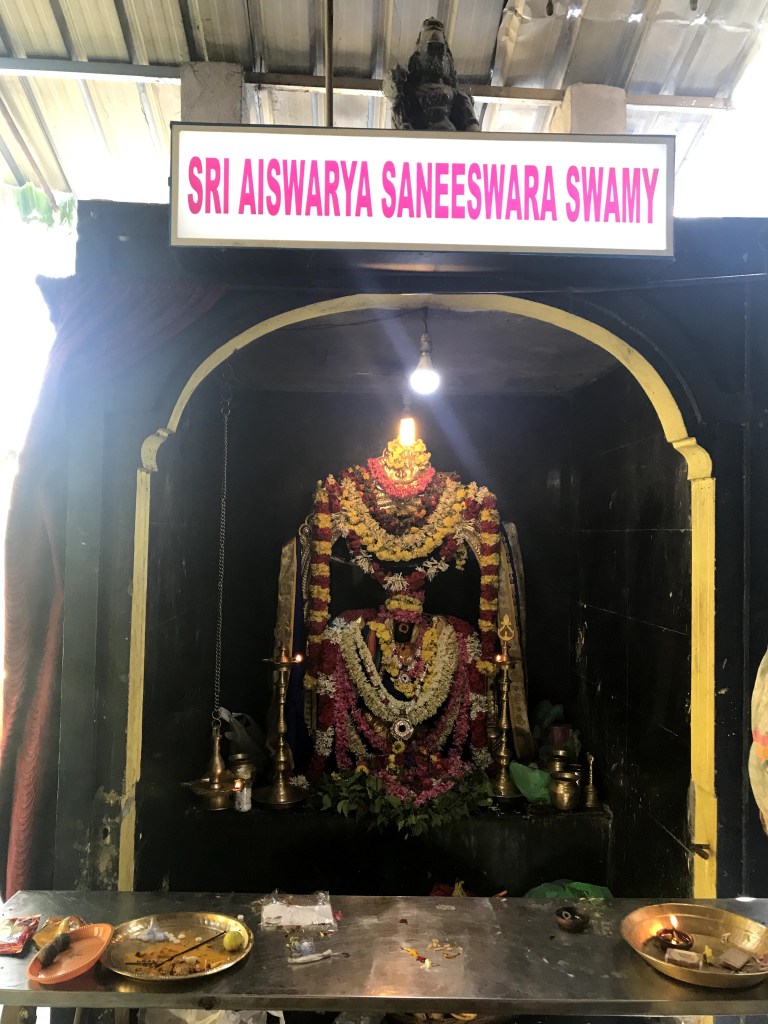

The Temple is located at about 800 meters from Tiruchanur Bus Stop, 3 Kms from Tiruchanur Railway Station, 6 Kms from Tirupati Railway Station, 5 Kms from Tirupati Central Bus Station, 8 Kms from Renigunta Railway Junction, 14 Kms from Tirupati Airport, 73 Kms from Chittoor, 129 Kms from Chennai and 141 Kms from Chennai Airport. Tiruchanur provides rail connectivity and is one of the satellite railway station for Tirupati. Buses from Tirupati available for every 30 minutes.


Tirupati is well connected to major cities through national and state highways. APSRTC is the state-owned service, which operates buses to various destinations from Tirupati bus station complex. Tirupati is in close proximity with the states of Karnataka and Tamil Nadu. Hence, buses from KSRTC, TNSTC and SETC also operates their services. There is also private transport which operate in the city.


Padmavathi Temple, Tiruchanur, Tirupati, Andhra Pradesh
Padmavathi Temple, Tiruchanur, Tirupati, Andhra Pradesh
Padmavathi Temple is a Hindu temple dedicated to Goddess Padmavathi or Alamelumangai, the consort of Lord Venkateswara. The Temple is situated in Tiruchanur, at a distance of 5 Kms from Tirupati in Chittoor district of Andhra Pradesh, India. Tiruchanur is also known as Alamelumangapuram or Alivelumanga Puram. The Temple is being administered by Tirumala Tirupati Devasthanams.

Legends
It is believed that the Goddess Lakshmi was born as Alarmelu to Akasha Raja, the ruler of this region, and wed Venkateshwara of Tirupati. Goddess Lakshmi gave darshan to Lord Venkateswara on a red Lotus flower (Padma in Sanskrit) at Alarmelu Mangapuram after his deep penance for twelve years. According to tradition, the Mother Goddess manifested herself in the holy Pushkarini called Padmasarovaram in a golden lotus. The Venkatachala Mahatyam states that Lord Suryanarayana was instrumental in blossoming of the lotus in full splendour.

A temple dedicated to Lord Suryanarayana is situated on the eastern side of the Pushkarini. The Padma Purana gives a vivid description of the advent of the Goddess and subsequent wedding with Lord Srinivasa. The manifestation of Sri Padmavathi Devi occurred in the month of Karthika on Sukla Paksha Panchami when the star Uttara Shada in the ascendant. The Brahmotsavam of the Goddess is celebrated with all pomp and glory to commemorate the auspicious occasion of her Avathara.

Etymology
It is originally called as Alarmelmangai Puram as attested in various inscriptions found in and around Tirupathi, much later got corrupted to Alamelu Mangapuram.

History
Tiruchanur, formed a part of Tiruvenkadam under the rule of Pallavas and was a part of Rajendra Cholamandalam, under the Cholas. An inscription in the Padmavati Temple, informs about the history of Tiruchanur. Originally there was a temple in Tiruchanur, that was dedicated to Venkateshwara. It was difficult for the priests to perform all the religious rituals because of space shortage. So, they decided to carry out the activities elsewhere and only two important ceremonies were performed here. Later even this became difficult and so the place of worship was shifted. The place eventually lost all its significance.

In the 12th century, the importance of the place was partially revised when the Yadava kings built the Shri Krishna Temple over here. Much later in the 16th and 17th century, two additions were made. The deity of Sundara Varadaraja was installed and a separate temple was built for Goddess Padmavathi. According to mythology, she was born in a lotus pond which is actually the tank within the temple premises of Tiruchanur.

The Temple
For brief details, please refer below link;
Festivals
Navarathri Festival (Dasara), Karthika Brahmotsavam, Float festival, Vasanthotsavam and Ratha Sapthami are the festivals celebrated here. The Brahmotsavam of the Goddess is celebrated with all pomp and glory to commemorate the auspicious occasion of her Avathara. This resplendent festival celebrated for ten days attracts devout pilgrims from far and wide. The Panchami Tirtham marks the highlight of Tiruchanur Brahmotsavam. Turmeric, Tulasi, Silk Saree and other sacred presents are brought from Tirumala Temple in an impressive procession on this occasion and offered to the Goddess. In an exquisitely decorated mandapam built on the banks of Padma Sarovaram, Sacred bath is offered to Goddess Padmavathi Devi and Sri Sudarsana Chakra amidst Vedic chants. The ten-day Brahmotsavam at Tiruchanur is a spectacular event witnessed by her myriads of devotees.
Contact
Padmavathi Temple,
Tiruchanur, Tirupati,
Andhra Pradesh – 517 503
Phone: +91 877 226 4585 / 226 4586
Connectivity
The Temple is located at about 500 meters from Tiruchanur Bus Stop, 3 Kms from Tiruchanur Railway Station, 6 Kms from Tirupati Railway Station, 5 Kms from Tirupati Central Bus Station, 8 Kms from Renigunta Railway Junction, 14 Kms from Tirupati Airport, 73 Kms from Chittoor, 129 Kms from Chennai and 141 Kms from Chennai Airport. Tiruchanur provides rail connectivity and is one of the satellite railway station for Tirupati. Buses from Tirupati available for every 30 minutes.
Tirupati is well connected to major cities through national and state highways. APSRTC is the state-owned service, which operates buses to various destinations from Tirupati bus station complex. Tirupati is in close proximity with the states of Karnataka and Tamil Nadu. Hence, buses from KSRTC, TNSTC and SETC also operates their services. There is also private transport which operate in the city.
Padmavathi Temple, Tiruchanur, Tirupati – The Temple
Padmavathi Temple, Tiruchanur, Tirupati – The Temple
The Temple is facing east with five tiered Rajagopuram. Presiding Deity is called as Padmavathi. Padmavathi is the incarnation of goddess Lakshmi and is consort of Lord Venkateswara. She is also called as Alamelumangai. The deity is facing towards east.


Krishna Swamy Shrine:
There is a shrine for Krishna Swamy in the Temple premises. This is the earliest of the shrines found inside the compound of Sri Padmavathi Temple at Tiruchanur. Historical evidences reveal that this deity and temple came to existence by 1221 AD. A devotee by name Pokkiran spent his own money and leveled a piece of land and made it cultivatable and he gave it to the shrine and its servants agreed to conduct the Panguni festival for the Deity.
The principal image is that of Alagiya Perumal or Krishna Swamy seated in the centre. He sits in padmasana with his both hands in the Varada pose and resting on knees. At right side to him is another deity stated to be Balarama, the other two images are of Krishna in Kaliya Mardana pose and Sri Lakshmi Narasimha Swamy.
Sundaraja Swamy (Varadaraja Swamy) Shrine:
There is a shrine for Sundaraja Swamy in the Temple premises. This shrine is found inside the compound of Sri Padmavathi Temple at Tiruchanur to the south of the shrine of Alagiya Perumal or Krishna Swamy temple. This shrine came into existence sometime in the 16th century. Inside the sanctum in the centre is the idol of Sri Varadaraja Swamy flanked by Sridevi and Bhudevi on his either side. The Annual Avatharotsavams of this shrine will be held every year in the month of July for three days.
Padmasarovaram:
Padmasarovaram is the Temple tank of Sri Padmavathi Temple. It is believed that Goddess Padmavathi manifested in this Tank in golden Lotus flower (padmam) on ‘Sukla Paksha Panchami’ day in the Karthika masam.


Surya Narayana Temple:
There is also a temple dedicated to Lord Surya Narayana opposite to Padmasarovaram (Temple Tank). This deity of this temple is believed to installed by Lord Venkateswara.


ISKCON Temple, Tirupati, Andhra Pradesh
ISKCON Temple, Tirupati, Andhra Pradesh
ISKCON Temple is a Hindu Temple dedicated to Lord Vishnu, situated in holy town of Tirupati in Chittoor District of Andhra Pradesh state in India. This temple is also referred to as Lotus Temple because of its design and also as Hare Krishna Temple. The ISKCON temple is located at the foot of Tirumala Hill, on a piece of land given by the TTD.


The Deities here are Radha-Govinda. Lord Krishna temple built with the mixture of tradition & contemporary facilities. The Temple was built in such a fashion as if the temple is floating on a lotus in a pond. The temple is open 4.30 am to 1.00 pm and 4.30 to 8.30 pm. This temple is included in the daily bus tours of Tirupati.


The Temple is located at about 500 meters from Vinayaka Nagar Quarters Bus Stop, 4 Kms from Tirupati Railway Station, 4 Kms from Tirupati Central Bus Station, 13 Kms from Renigunta Railway Junction, 20 Kms from Tirupati Airport, 70 Kms from Chittoor, 136 Kms from Chennai and 145 Kms from Chennai Airport.


The Town is well connected to major cities through national and state highways. APSRTC is the state-owned service, which operates buses to various destinations from Tirupati bus station complex. Tirupati is in close proximity with the states of Karnataka and Tamil Nadu. Hence, buses from KSRTC, TNSTC and SETC also operates their services. There is also private transport which operate in the city.
Tataiahgunta Gangamma Temple, Tirupati, Andhra Pradesh
Tataiahgunta Gangamma Temple, Tirupati, Andhra Pradesh
Tataiahgunta Gangamma Temple is a Hindu Temple dedicated to Goddess Gangamma, Gramadevata of Tirupati, in Tirupati Town in Chittoor District of Andhra Pradesh. The temple is one of the ancient and is situated at the heart of the Town. The temple activities are looked after by Thathaya Gunta Gangamma Devastanam.


Legends
For brief details, please refer below link;
History
According to temple records, Tataiahgunta was associated with a 16th Century devotee, Tirumala Thathacharyulu, who was said to have built a Gunta (tank) and consecrated the temple near it.


The Temple
Thathaya Gunta Gangamma is Grama devatha (Village Goddess) of Tirupati town. Gangamma, believed to be sister of Lord Venkateswara. The temple is located in the center of Tirupati near Market area. Thathayyagunta, the tank bed on which the temple is now located, got its name from a Vaishnavite devotee called Tirumala Thathacharyulu, who is said to have consecrated the deity in the 16th century. The age-old practice for devotees visiting Tirupati is to have darshan of the Goddess before the trek up to Tirumala hills.


Festivals
For brief details, please refer below link;
Connectivity
The Temple is located at about 400 meters from Tirupati Municipal Market Bus Stop, 1 Km from Tirupati Railway Station, 1 Km from Tirupati Central Bus Station, 10 Kms from Renigunta Railway Junction, 16 Kms from Tirupati Airport, 73 Kms from Chittoor, 133 Kms from Chennai and 146 Kms from Chennai Airport. The city is well connected to major cities through national and state highways. APSRTC is the state-owned service, which operates buses to various destinations from Tirupati bus station complex. Tirupati is in close proximity with the states of Karnataka and Tamil Nadu. Hence, buses from KSRTC, TNSTC and SETC also operates their services. There is also private transport which operate in the city.
Kothandarama Temple, Chandragiri, Tirupati, Andhra Pradesh
Kothandarama Temple, Chandragiri, Tirupati, Andhra Pradesh
Kothandarama Temple is a Hindu Temple dedicated to Lord Vishnu located at Chandragiri near the holy town of Tirupati in Andhra Pradesh, India. The Temple is dated to 16th Century AD. The temple is located very close to famed Chandragiri fort of the Rayas, and is in no way inferior to the former in terms of its architectural splendour. The unique feature of this temple is the presence of all the deities on a single pedestal i.e., ‘Eka Peetham’. The idols of Rama, Sita, Lakshmana, Bharata, Shatrughna, flanked by Hanuman and Garuda on either side, are on a single platform only at this temple. The Temple is maintained by Tirumala Tirupati Devasthanams (TTD) management.

The Temple is located at about 300 meters from Chandragiri Bus Station, 3 Kms from Chandragiri Railway Station, 16 Kms from Tirupati Railway Station, 17 Kms from Tirupati Central Bus Station, 25 Kms from Renigunta Railway Junction, 32 Kms from Tirupati Airport, 56 Kms from Chittoor, 146 Kms from Chennai and 160 Kms from Chennai Airport. Sri Vari Mettu (steps to reach Tirumala by walk) is very close to this Temple. A.P.S.R.T.C runs local buses from Tirupati and Chandragiri at a frequency of 30 mins. Buses to Chittoor, Pakala, Kanipakkam goes via this Temple.
Kalyana Venkateswara Temple, Srinivasa Mangapuram, Tirupati, Andhra Pradesh
Kalyana Venkateswara Temple, Srinivasa Mangapuram, Tirupati, Andhra Pradesh
Kalyana Venkateswara Temple is a Hindu Temple dedicated to Lord Vishnu located at Srinivasa Mangapuram in Tirupati Town in Andhra Pradesh. The temple is considered to be sacred next to Sri Venkateswara Temple in Tirumala. Those who are unable to make it to Tirumala can have darshan of Lord Sri Kalyana Venkateswara Swamy to fulfill their wish. The Temple is situated very close to Srivari Mettu.


The temple is categorized as an Ancient monument of National importance by Archaeological survey of India. It is one of the centrally protected monuments of national importance. This ancient temple which is under the control of Archaeological Survey of India (ASI) is maintained by Tirumala Tirupati Devasthanams since 1967 and Utsavams and rituals in this temple are being performed since 1981.


Legends
After celebrating the marriage of Lord Venkateswara Swamy with Goddess Padmavathi, he did not immediately return to the Tirumala hills as it was not allowed the newlyweds to scale the hill for six months. At this situation the sage Agastya suggested that Lord Venkateswara along with his wife could stay at his ashram. Then, the Lord graciously accepted this request and stayed here for the entire six months.


History
There is no substantial evidence about its origin of construction. Devotees also believe that the ancient temple’s destruction took place in 1324, during the reign of Sultans. As per the inscriptions on the temple, one can say that the grandson of Sri Annamacharya, Sri Tallapaka Chinna Tirumala Acharya had renovated this temple during 16th Century A.D. Moreover, Tallapaka family maintained this Temple over a long period of time. Later, the temple was under the control of Archaeological Survey of India (ASI) from 1967 to 1981. In 1981 the temple was handed over to Tirumala Tirupati Devasthanams. At present the temple is being administered by Tirumala Tirupati Devasthanams(TTD).


The Temple
The Temple is facing west with 5 tiered Rajagopuram with a huge temple tank in front of the entrance. Presiding Deity is called as Kalyana Venkateswara. He is facing west and is in standing posture with four hands with left two hands one in Varada Mudra and one holding Chakra and right two hands one in Kati mudra and the other holding Shanka. There are shrines for Rama, Ranganatha, Padmavathi, Sakti Vinayaka, Lakshmi Narayana, Veerabhadra, Avanakshamma, Parasareswarar, Andal and Agastheeswarar in the Temple premises.


Pooja Timings
Timings |
From |
To |
Darshan Timings |
5:30 a.m |
7:30 p.m. |
Kalyanothsavam |
11 AM |
12 PM |
Sahasranamarchana |
7:30 a.m. |
|
Sarvadarsanam |
(Throughout the day) |
Festivals
The Brahmotsavam is held during the months of February and March. On this occasion the Lord Kalyana Venkateswara Swamy ascends on a Simha Vahanam (Lion Carrier Ratham) to be a drawn-along with the devotees. Also, daily Kalyana Utsavam is celebrated with pomp and glory.
Prayers
Kalyana Venkateswara Swamy Temple is an alternative to those devotees who are unable to visit the Balaji Temple on the Tirumala Hills. As the name indicates, this temple carries significance for newlywed couples. Newlyweds offer prayers first in this temple as this is the place where Lord Kalyana Venkateswara Swamy with Goddess Padmavathi Devi stayed for six months, just after their wedding. A devotee who takes part in the Kalyana Utsavam and ties a ‘Kappu’ on their hand, can find their best, most beloved life-partner or find new happiness from their existing relationship.
Connectivity
The Temple is located at about 2 Kms from Chandragiri Railway Station, 3 Kms from Chandragiri Bus Station, 13 Kms from Tirupati Railway Station, 14 Kms from Tirupati Central Bus Station, 25 Kms from Renigunta Railway Junction, 30 Kms from Tirupati Airport, 61 Kms from Chittoor, 145 Kms from Chennai and 159 Kms from Chennai Airport. It is easily accessible through buses as well as private vehicles. There are many frequent buses which go via Srinivasa Mangapuram to Piler, Talakona, Madanapalli, Bhakara Peta and Ramgam Peta. Sri Vari Mettu (steps to reach Tirumala by walk) is very close to this temple.
Chandragiri Fort, Andhra Pradesh
Chandragiri Fort, Andhra Pradesh
Chandragiri Fort is situated in Chandragiri near holy town of Tirupati in Chittoor District of Andhra Pradesh. Chandragiri Fort is a historical fort, built in the 11th century AD, though mostly associated with Vijayanagara Kings it was built much earlier in 11th century by Yadavaraya Kings. The fort is strategically located over the top of a small 183-meter-high hill. The fort encircles eight ruined temples of Saivite and Vaishnavite pantheons, Raja Mahal, Rani Mahal and other ruined structures. The modern town of Chandragiri lies to the east of the hill on which the fort stands.


History
For brief details, please refer below link;
The Fort Complex
For brief details, please refer below link;
Museum Visiting Hours
The Museum is open for all days in a week except Friday. The Museum remains open from 9.00 am – 5.00 pm.
Fees:
· Admission Fee: Adults – Rs.10.
· Free entry for Children up to 15 years.
Laser Lighting Show Timings
Summer Shows:
· First Show: 7:00 pm – 7:45 pm in Telugu
· Second Show: 8:00 pm – 8:45 pm in English
Winter Shows:
· First Show: 6:30 pm – 7:15 pm in Telugu
· Second Show: 7:30 pm – 8:15 pm in English
Entry:
· Entry after 6 pm for Sound & Light Show.
Fees:
· Ticket Cost: Rs.30 for Adults and Rs.20 for Children
Useful Information
1. Photography is prohibited inside museum. Photography allowed at fort premises.
2. Rest Room is available on the west side of the museum.
3. Wheel chair facility is also available.
Contact
Chandragiri Fort,
Chandragiri Fort Road,
Chandragiri,
Andhra Pradesh – 517 101
Mobile: +91 99633 51915
Connectivity
The Fort is located at about 2 Kms from Chandragiri Bus Station, 5 Kms from Chandragiri Railway Station, 16 Kms from Tirupati Railway Station, 17 Kms from Tirupati Central Bus Station, 25 Kms from Renigunta Railway Junction, 32 Kms from Tirupati Airport, 56 Kms from Chittoor, 146 Kms from Chennai and 160 Kms from Chennai Airport. Sri Vari Mettu (steps to reach Tirumala by walk) is very close to this Fort. A.P.S.R.T.C runs local buses from Tirupati and Chandragiri at a frequency of 30 mins. Buses to Chittoor, Pakala, Kanipakkam goes via Chandragiri Fort.
Chandragiri Fort – The Fort Complex
Chandragiri Fort – The Fort Complex
The fort is strategically located over the top of a small 183-meter-high hill. The fort encircles eight ruined temples of Saivite and Vaishnavite pantheons, Raja Mahal, Rani Mahal and other ruined structures. The modern town of Chandragiri lies to the east of the hill on which the fort stands. The southern side of the hill is enclosed by strong walls, surrounded by a ditch so as to prevent any intruder from entering into the fort. The remains of the lower fort contain the two Mahals, the lower portion of which is built in stone and the upper in brick.


The Raja Mahal Palace is now an archaeological museum. The palace is an example of Indo-Saracen architecture of Vijaya Nagara period. The crowning towers represents the Hindu architectural elements. The palace was constructed using stone, brick, lime mortar and devoid of timber. The fort and palace are in the care of the Archaeological Survey of India. The palace is open to the public, but the fort is closed.


King's Palace or Raja Mahal:
One of the finest examples of Indo-Saracenic architecture of Vijayanagara period, this imposing three storied palace adorned by the crowning towers representing certain Hindu architectural elements, was constructed with stone, brick, lime mortar and is devoid of timber. The central tower that covers durbar hall rises through two storeys. It is said to be the same venue where Sri Rangaraya granted the site of Fort St. George to the British in 1640.
The floors are supported by massive pillars while the walls bear fine plaster and stucco decorations. The main building known as the 'Raj (Chandragiri) Mahal' is majestic in appearance and with the modern colorful lighting system introduced, the Mahal is a delight to the eyes and gives a nice view to the eyes during night. The Raja Mahal is architecturally akin to the Lotus Mahal at Hampi.
The Raja Mahal palace is now an Archaeological museum, which houses a great collection of metal and stone sculptures dating back to 2nd Century BC. The museum can be categorized into Bronze Gallery, Stone Gallery, Model Gallery, and Yaganti Gallery.
Bronze Gallery hosts artefacts that were made out of Pancha Loha, a mixture of Copper, brass, white lead, silver and golden metals. The gallery hosts a collection of utensils, coins, temple ware, dating back to 10th century A.D. The highlights of the bronze collection are the bells, Harathi plates, idols of Lord Vishnu, Navaneetha Krishna, Sita and Ram, Lord Vishnu with Sridevi and Bhudevi, Veerabhadra incarnation of Lord Shiva with four hands. There is also a lion leg which is made out of Bronze. There is also a collection of armory used in those days like Draggers, knifes, swords, head shields used in battle fields and iron chains.
The stone gallery has to its collection the Kalayana Sundara- Shiva’s marriage to Parvathi, Kala Bhairava, Sati, Alwar, Seated Vishnu and many more. There is also the ‘Shila Sasanam’ of those days.
The Model Gallery house Paleolithic Tool and Microlith Tools, Stucco heads and copper coins used in the times of Vijayanagara kingdom. There is also a peacock carved in wood dating back to 17th Century A.D.
Queen's Palace or Rani Mahal:
Similar to the Kings palace in style and method of execution, this edifice with ground floor looking like a stable and first floor containing quarters adorned with ornamental Sikhara has a flat roof. Contrary to the popular belief that this place was meant for the queen or harem, the epigraphical record available from the basement speaks this building being a commander’s quarters.
Govindaraja Temple, Tirupati, Andhra Pradesh
Govindaraja Temple, Tirupati, Andhra Pradesh
Govindaraja Temple is a Hindu Temple dedicated to Lord Vishnu, situated at the heart of the Tirupati city in Chittoor District of Andhra Pradesh state in India. The temple was built during 12th Century AD and was consecrated in the year 1130 AD by Saint Ramanujacharya. Presiding Deity is called as Govindaraja and Mother is called as Pundarikavalli. Govindaraja is considered as the elder brother of Lord Venkateswara. The temple is one of the earliest structures in Tirupati and also one of the biggest temple complex in Chittoor district. The Tirupati (downhill) city is built around this temple. The temple is being administered by Tirumala Tirupati Devasthanams.


Legends
Ramanuja’s vision of Lord Govindaraja:
One day, Sri Ramanujacharya had a vision of Lord Govindaraja Swamy in his dream. He was advised by the Lord to make arrangements for him to reside in Tirupati. Sri Ramanujacharya, by then was aware of Sri Govindaraja Swamy’s stay at Tirupati during Muslim invasion. He, with the help of the king visited the place he saw in his dream. To their astonishment, they found the Idol of Lord Govindaraja Swamy in that place. Sri Ramanujacharya advised the king to construct a temple for the Lord and houses for the people, who perform Kainkaryam in the Sri Govindaraja Swamy temple.
Elder brother of Tirumala Venkateshwara:
Sri Govindaraja Swamy is the elder brother of Sri Venkateswara Swamy, who accomplished the ever-magnificent marriage between Sri Venkateswara Swamy and Padmavathi. Sri Govindaraja Swamy was the caretaker of massive wealth being obtained from king Kubera for conducting the wedding. He efficiently utilized this wealth to conduct one of the most glorious weddings of the history. Hence Sri Govindaraja Swamy is considered to be the god who helps you to elevate your wealth and manage the wealth acquired efficiently.
History
The temple was built during 12th Century AD and was consecrated in the year 1130 AD by Saint Ramanujacharya. However, there are structures inside the temple complex which belong to 9th and 10th centuries. Before consecrating Govindaraja Swamy as presiding deity, Sri Parthasarathy Swamy was the presiding deity of the temple. Kotturu, a village at the foot of Tirumala hills was shifted to the vicinity of Govindaraja Swamy Temple which was later emerged into city of Tirupati.


According to the history of Govindaraja Swamy Temple, a large number of inscriptions found in this temple and in the Sri Venkateswara Temple. The earliest of the records belong to the year 1235 A.D when the Chola King, Raja Raja III was ruling the place. In the year 1239 A.D the queen of Vira Narasinga of Yadavaraya made a gift for decoration of the chariot and carrying necessary repairs.


The temple came in for greater importance in 1506 A.D. during the rule of Saluva dynasty of Vijayanagar and from then onwards different rulers in a different way developed the temple. Nayakas, the successors to the Vijayanagar Empire built it. When South India was invaded by Muslim rulers, the presiding deity of Chidambaram, Govindaraja Swamy was brought and kept safely in Tirupati. After the situation at Chidambaram returned to normalcy, the Utsava Idol of Lord Govindaraja Swamy was taken back to Chidambaram from Tirupati.


The Temple
For brief details, please refer below link;
Pooja Timings
Timings |
From |
To |
Open |
5:30 am |
9:30 pm |
Viswarupa Sarva darshan |
5:30 am |
6:30 am |
Archanantharam darshanam |
8:00 am |
to 8:45 am |
Sarvadarsanam |
1:15 pm |
4:45 pm |
Sarvadarsanam |
6:00 pm |
8:00 pm |
Festivals
Vaisakha Festival (Annual Brahmotsavam), Float Festival, Adhyanotsavam, Thiruvadipuram, Godaparinayam, Sri Salai Nachiyar Panguni Uttiram Festival, Radha Sapthami, Jyestabhishekam, Anivara Asthanam, Neeratotsavam, Buggotsavam, Pavitrotsavam and Pushpavanam (Introduced in 2014) are the festivals celebrated here with much fanfare. In addition to the above, Pariveta Utsavam and Ponna Kalva Utsavams are also being conducted every year. Further, Pournami Garudaseva is conducted on the Pournami day of every month for the convenience of the devotees, who fulfill their vows to Lord Sri Govindaraja Swamy during processions. Besides this, each Alwar Saathumurai and Thirunakhsatrams are conducted for 10 days in each of the 12 Alwar Temples.
Connectivity
The Temple is located at about 300 meters from Krishnapuram Tanna Bus Stop, 600 meters from Tirupati Railway Station, 1.5 Kms from Tirupati Central Bus Station, 11 Kms from Renigunta Railway Junction, 17 Kms from Tirupati Airport, 70 Kms from Chittoor, 134 Kms from Chennai and 150 Kms from Chennai Airport. The city is well connected to major cities through national and state highways. APSRTC is the state-owned service, which operates buses to various destinations from Tirupati bus station complex. Tirupati is in close proximity with the states of Karnataka and Tamil Nadu. Hence, buses from KSRTC, TNSTC and SETC also operates their services. There is also private transport which operate in the city.
Govindaraja Temple, Tirupati – The Temple
Govindaraja Temple, Tirupati – The Temple
The temple is one of the huge temple complexes in Andhra Pradesh. The Temple is east facing with 50 m high seven storied Raja Gopuram with 11 Kalasas on top. Raja Gopuram was constructed by Matla Anantaraja, a local chieftain. This structure has Ramayana scenes and portrait of Matla Anantaraja and his three wives carved onto the passage walls. There are two prakarams in the Temple. The tall primary Gopuram is followed by a smaller but no less remarkable inner Gopuram.
The inner Gopuram holds a decorative courtyard with a spacious inner stone hall, which protects the devotee's even during the busy festival times. Presiding Deity is called as Govindaraja. He is housed in the sanctum. The deity will be in reclining Yoga Nidra posture, facing east, by keeping right hand under his head and left hand straight over his body. Sridevi and Bhudevi the consorts of Vishnu will be in sitting posture at the foot of Govindaraja.
Before Govindaraja shrine consecration, Sri Parthasarathy Swamy was the primary deity of the temple. Sri Ramanuja’ added the Sri Govindaraja deity around 1130 AD. The inner prakaram hosts the Sanctum along with shrines of Krishna with his consorts and Andal. Towards south west corner of the inner enclosure, there is a shrine dedicated to Kalyana Venkateswara which had a mandapa with finely finished colonettes on the outer piers and with central space lined with Yalis projecting inwards. The pavilion in the middle had columns of grey green granite and wooden roof.
There is a shrine, in honor of Sri Ramanuja in the inner prakaram and on the left of the second entrance is a ‘Kurma’ Deity, Lord Vishnu as a tortoise. There are also carvings depicting the pastimes of the Ramayana and Lord Krishna‘s pastimes on the second gopuram. Mother is called as Pundarikavalli. Her shrine is situated in the outer prakaram. There are also shrines Chakkarathalwar, Alvars, Lakshmi Narayana Swamy, Anjaneya, Tirumala Nambi, Bhashyakara and Parthasarathy in the Temple premises.
Vakula Devi Temple, Perur, Tirupati, Andhra Pradesh
Vakula Devi Temple, Perur, Tirupati, Andhra Pradesh
Vakula Devi Shrine is a Hindu Temple dedicated to Vakulamatha, the mother of Lord Venkateswara, in Perurubanda hillock, around the scenic Perur village near holy town of Tirupati in Chittoor District of Andhra Pradesh. There is statue dedicated to her in the main temple just ahead of Varadaraja shrine. The deity is in sitting posture.


Legends
For brief details, please refer below link;
History
For brief details, please refer below link;
Connectivity
The Temple is located at 9 Kms from Tirupati Railway Station, 9.5 Kms from Tirupati Central Bus Station, 18 Kms from Renigunta Railway Junction, 24 Kms from Tirupati Airport, 63 Kms from Chittoor, 138 Kms from Chennai and 150 Kms from Chennai Airport. Tirupati city is well connected to major cities through national and state highways. APSRTC is the state-owned service, which operates buses to various destinations from Tirupati bus station complex. Tirupati is in close proximity with the states of Karnataka and Tamil Nadu. Hence, buses from KSRTC, TNSTC and SETC also operates their services. There is also private transport which operate in the city. The Temple is situated on Tirupati to Kanipakkam Route.
Varadaraja Perumal Temple, Tirupati, Andhra Pradesh
Varadaraja Perumal Temple, Tirupati, Andhra Pradesh
Varadaraja Perumal Temple is a Hindu Temple dedicated to Lord Vishnu, situated at the heart of the Tirupati city in Chittoor District of Andhra Pradesh state in India. Presiding Deity is called as Varadaraja Perumal and Mother is called as Perundevi Thayar. There is a shrine for Chakkarathalwar in the Temple premises. The temple was built around 25 years ago. In olden days, temple was referred as Sri Tirumangai Alwar Temple. The temple belongs to Chinna Jeeyangar Mutt. The Temple remains open from 7.00 AM to 11.00 AM and 5.30 PM to 8.30 PM. The Temple is located in the center of the city and adjacent to TTD administrative building and temple walk able distance from TTD building.


The Temple is located at about 100 meters from Tirupati Polytechnic College Bus Stop, 2 Kms from Tirupati Railway Station, 2 Kms from Tirupati Central Bus Station, 12 Kms from Renigunta Railway Junction, 17 Kms from Tirupati Airport, 73 Kms from Chittoor, 134 Kms from Chennai and 150 Kms from Chennai Airport. The city is well connected to major cities through national and state highways. APSRTC is the state-owned service, which operates buses to various destinations from Tirupati bus station complex. Tirupati is in close proximity with the states of Karnataka and Tamil Nadu. Hence, buses from KSRTC, TNSTC and SETC also operates their services. There is also private transport which operate in the city.
Prasanna Venkateswara Swamy Temple, Thondamanadu, Sri Kalahasthi, Andhra Pradesh
Prasanna Venkateswara Swamy Temple, Thondamanadu, Sri Kalahasthi, Andhra Pradesh
Prasanna Venkateswara Swamy Temple is a Hindu Temple dedicated to Lord Vishnu located at Thondamanadu village near Sri Kalahasthi and Tirupati in Chittoor District of Andhra Pradesh. This temple was taken over by TTD in the year 2008 and all the Kainkaryams are done as per the tenets of Pancharathra Agama.


Legends
According to temple legend, Thondaiman Chakravarthy used to go to Tirumala frequently to worship Lord Venkateswara Swamy. As years passed by, due to his age he was unable to reach Tirumala and prayed to Lord for darshan. Moved by his devotion, Lord Venkateswara blessed him and granted a boon and appeared in his house along with Sridevi and Bhudevi. Thondaiman Chakravarthy constructed a temple for the Lord and his two consorts here and paid his tributes everyday till his last breath.


History
The Temple was believed to be built by Thondaiman Chakravarthy, the brother of Akasaraja. Thondaiman constructed big tank near the Temple which accumulates the water from Akasaganga of Tirumala. Thondaiman made arrangements to perform the Abhishekam Karyams to the Lord with this water only. This temple was taken over by TTD in the year 2008.

The Temple
The Temple is east facing with three tiered Rajagopuram. Presiding Deity is called as Prasanna Venkateswara Swamy. Lord here can be seen in Abhaya Hastha posture, indicating that the Lord will come to the rescue of the devotees. Another unique aspect of this Temple is Lord is in sitting posture along with his consorts Sri Devi and Bhu Devi.


The significance of this ancient temple is that the Structure of the sanctum sanctorum of the temple is like “Ananda Nilayam” of Tirumala Temple. Since Thondaiman constructed Ananda Nilayam at Tirumala, here at Thondamanadu, also the construction of Temple gopuram was constructed in similar structure. The Lord was called 'VeetilIrndurai Perumal' because of the appearance in the house.


Temple Opening Time
The Temple remains open from 06:00 am – 12:30 pm and 04:00 pm – 07:30 pm.
Connectivity
The Temple is located at 6.5 Kms from Sri Kalahasti Railway Station, 9 Kms from Srikalahasti, 10 Kms from Sri Kalahasti Bus Stand, 32 Kms from Tirupati Railway Station, 32 Kms from Tirupati Central Bus Station, 22 Kms from Renigunta Railway Junction, 22 Kms from Tirupati Airport, 37 Kms from Naidupeta, 47 Kms from Puttur, 56 Kms from Nagalapuram, 58 Kms from Tada, 103 Kms from Chittoor, 125 Kms from Chennai and 137 Kms from Chennai Airport.
Sri Kalahasthi is well connected to major cities through national and state highways. APSRTC is the state-owned service, which operates buses to various destinations from Sri Kalahasthi bus station complex. Sri Kalahasthi is in close proximity with the states of Karnataka and Tamil Nadu. Hence, buses from KSRTC, TNSTC and SETC also operates their services. There is also private transport which operate in the city. The Temple is situated on Tirupati to Sri Kalahasthi Route.
Venkateswara Temple, Tirumala – The Temple
Venkateswara Temple, Tirumala – The Temple
Venkateswara Temple is an important Vaishnavite Temple situated in the hill town of Tirumala in Chittoor district of Andhra Pradesh, India. The Temple is dedicated to Lord Venkateswara, an incarnation of Vishnu, who is believed to be appeared here to save mankind from trails and troubles of Kali Yuga. The temple is situated at a height of 853 metres on Tirumala Hills which are part of Seshachalam Hills and is constructed in Dravidian Architectural Style. There are three Dwarams (entrances) which lead to Garbhagriha from outside.


Mahadwaram also known as Padikavali is the first entrance which is provided through Maha prakaram (outer compound wall). A 50 feet, five storied Gopuram (Temple tower) is constructed over this Mahadwaram with seven Kalasams at its apex. Vendivakili (Silver Entrance) also known as Nadimi Padikavali is the second entrance and is provided through Sampangi Prakaram (Inner compound wall).


A three storied Gopuram is constructed over Vendivakili with seven Kalasams at its apex. Bangaru Vakili (Golden Entrance) is the third entrance which will lead into Garbhagriha. There are two tall copper images of the Dwarapalakas Jaya-Vijaya on either side of this door. The thick wooden door is covered with gold gilt plates depicting the Dasavatharam of Vishnu.


The below section explains briefly about the Temple Structure;
Akhilandam:
For brief details, please refer below link;
Dwarams (Entrances):
For brief details, please refer below link;
For brief details, please refer below link;
Mandapams:
For brief details, please refer below link;
Sankeerthana Bhandara:
For brief details, please refer below link;
Pottu (Temple Kitchen):
For brief details, please refer below link;
Deities:
For brief details, please refer below link;
Shrines:
For brief details, please refer below link;
Main Shrine:
For brief details, please refer below link;
Venkateswara Temple, Tirumala – Theerthams
Venkateswara Temple, Tirumala – Theerthams
Besides Tirumala Venkateswara Swamy Temple, there are many places In and around Tirumala and Tirupati to visit and enjoy the divinity. The puranas say that there are about 66 crore Theerthams (holy water falls) located in the wide spread Seshachalam ranges. In actual, there are about 108 Theerthams around Thirumala, located around widespread Seshachalam hills, but most of them are not accessible through road, one should trek little deep into Seshachalam hill ranges and few of them are very difficult to reach. However, these sacred Theerthams are classified as Dharmaratiprada Theerthams, Gnanaprada Theerthams, Bhaktivairagyaprada Theerthams and Muktiprada Theerthams.
The holy dip in these Theerthams will transform the person to lead a moral life combined with spiritual discipline which is the very foundation to get salvation. As per the puranas there are about 1008 holy torrents in the first category of Theerthams.
It involves deep exploration of the nature of our being by systematically exploring and setting aside false identities. A dip in the Gnanaprada Theerthams is believed to gift this path of wisdom to pilgrims. These are 108 in number. They are: Manu, Indra, Vasu, Rudra (11 in number), Aditya (12 in number), Prajapati (9 in number), Aswini, Sukra, Varuna, Jahnavi, Kapeya, Kanwa, Agneya, Narada, Soma, Bhargava, Dharma, Yagna, Pasu, Ganeshwara, Bhaumaswa, Paribhadra, Jagajadyahara, Viswakallola, Yama, Baraspatya, Kamaharsha, Ajamoda, Janeshwara, Instasiddhi, Karmasiddhi, Vata, Jedumbara, Karthikeya, Kubja, Prachetasa (10 in number), Garuda, Sesha, Vasuki, Vishnuvardhana, Karmakanda, Punyavriddhi, Runavimochana, Parjanya, Megha, Sankarshana, Vasudeva, Narayana, Deva, Yaksha, Kala, Gomukha, Pradymna, Aniruddha, Pitru, Arsheya, Vaishwadeva, Swadha, Swaha, Asti, Anjaneya, Suddhodaka, Astha Bhairava (8 in number). All put together 108 Theerthams.
Puranas state that these are more sacred than the Gnanaprada Theerthams. A dip in these Theerthams will provide renunciation from the materialistic way of life and leads to bhakti yoga. These are 68 in number. They are: Chakra, Vajra, Vishwakasena, Panchayudha, Halayuda, Narasimha, Kasyapa, Manmadha, Brahma, Agni, Gautami, Daiva, Devam, Viswamitra, Bhargava, Astavakra, Durarohana, Bhairava, Meha,, Vayu, Asti, Markandeya, Jabali, Valabhilya, Jwarahara, Vishahara, Lakshmi, Rushi, Shatananda, Suteekshaka, Vaibhandaka, Bilwa, Vishnu, Salva, Sarabha, Brahma, Indra, Bharadwaja, Akasaganga, Prachetana, Papavinasana, Saraswatha, Kumaradhara, Gaja, Rushyasringa, Tumburu, Dasavatara (10 in number by the name of different avataras of Lord Vishnu), Halayudi, Saptarshi (7 in number after the name of saptarshi), Gajakona, viswaksena, Yudhasarasti.
Mukti means liberation of the senses from the clutches of the mind. It is enlightenment or a state of self-realization of the soul through Bhakti. A bath in the muktiprada teerthams will gives us salvation. They are seven in number and considered to be the holiest among all the 66 crore teerthams.
Some of the famous Theerthams associated with Tirumala Venkateshwara Swamy Temple are;
Swami Pushkarani
For brief details, please refer below link;
Akasha Ganga Theertham:
For brief details, please refer below link;
Chakra Theertham:
For brief details, please refer below link;
Deva Theertham:
For brief details, please refer below link;
Dhruva Theertham:
For brief details, please refer below link;
Japali Theertham:
For brief details, please refer below link;
Kapila Theertham:
For brief details, please refer below link;
Kumaradhara Theertham:
For brief details, please refer below link;
Narasimha Theertham:
For brief details, please refer below link;
Pandava Theertham:
For brief details, please refer below link;
Papa Vinasanam Theertham:
For brief details, please refer below link;
Ramakrishna Theertham:
For brief details, please refer below link;
Sanaka Sanandana Theertham:
For brief details, please refer below link;
Sesha Theertham:
For brief details, please refer below link;
Tumburu Theertham:
For brief details, please refer below link;
Bangaru Bavi is a Theertha Well situated in front of the Potu. The site of the Bangaru Bavi is as directed in the Vaikhanasa Agamas, and it is constructed according to the Vijayanagara style of architecture. The well provides water needs of the Potu through stone pipes laid way back hundreds of years ago.
Sitamma Theertham is one of the popular Theertham. Lord Brahma once observed repentance at this site. Further, for cleansing this place, Lord Vishnu plunged the Sudarshana Chakram. The place where his Sudarshana Chakram fell is known as the Chakra Theertham. Sitadevi in older times use to come here and take the bath in this lower level of rock hence people use to say it is very good for allergic purpose. There is also a small temple of Swayambu Lingam at this site and it is believed to hold some sacred powers. People use to take the Theertham for their kidney infections and other inner body infections.
The best time for visiting this place is during the rainy season, this place looks even more beautiful with greenery around and with white water gushing out of the rocks. Bathing in this water is really refreshing and is said to wash away the evils and confer good fortune. Sitamma Theertham is a holy water body that is located nearby the main temple in Tirumala. This water body lies close to Silathoranam and the Chakra Theertham. It is situated at about 8 Kms from Tirupati town.
Vaikunta Theertham:
Vaikunta Theertham is one of the popular Theertham in Thirumala. This Waterfall had Ramayana connection. Legend has it that the monkeys from Lord Rama’s Vanara Sena saw Vaikuntha here and it was after this that this place came to be known as Vaikuntha Theertham. This Waterfall is situated in the beautiful surroundings amidst forest and caves. It is situated deep inside Seshachala forest in a cave to the north-east of the temple. Rainy season suits best to visit this place. The place looks astonishingly beautiful with the greeneries around and water gushing out of the rocks.
Bathing in this water is really refreshing and is said to wash away the evils and confer good fortune. Bath here will give Vaikunta Prapthi after life and also erase all sins committed in this life. This Theertham is situated approximately 3 Kms from the Tirupati Bus Station and is connected with several important destinations. 3 hours of trekking is required to reach this place from Kukka Doddi Village. Devotees should get proper local guide to safely reach and identify this Theertham.
Saptarishi Theertham:
Saptarishi Theertham is situated above Brahma Theertham, there are seven holy Theerthams created by Saptarishi named Kashyapa, Atri, Bharadwaja, Vishvamitra, Gautama, Vasishta and Jamadagni. Of these seven Theerthams, the first one possesses ten times greater merit than all the remaining Theerthams.
Brahma Theertham:
Brahma Theertham can be reached on a two-hour trekking through the forest area from Kukkala Doddi village. Local Guide is required to reach this place, else one can be lost in the wilderness. It is believed that one can get cleansed from grave sins of killings and other crimes. It is believed that Lord Brahma did penance here for Lord Vishnu to get boon to ease his creation task. Thus, this Theertham came to be known as Brahma Theertham.
Shakara / Vajra Theertham:
Shakara / Vajra Theertham is situated above the Kapila Theertham. It is believed that Lord Indra got relieved of his curse by Gautama Maharishi for his illicit connection with the Rishi’s wife Ahalya by taking a bath here.
Pasupu Dhara / Punya Theertham:
Pasupu Theertham is one of the popular Theertham in Thirumala. Pasupu Theertham is also called as Punya Theertham. This pond is situated very close to the main Venkateswara Temple and can be reached by foot. It is also regarded as close to the celestial water bodies in heaven, which has special association with Lord Venkateswara. The best time for visiting this place is during the rainy season, this place looks even more beautiful with greenery around and with white water gushing out of the rocks. Bathing in this water is really refreshing and is said to wash away the evils and confer good fortune.
Palguni Theertham:
Palguni Theertham is one of the popular Theertham in Tirumala. It is known for its divinity and sacredness. Once the great seers like Sanaka lived on the banks of this lake. Arundhati, wife of one of the seven great seers, found this spot very vibrant. She chose this spot for performing penance. On a Full Moon day in the Palguni Month (March - April) Sri Lakshmi Devi appeared to Arundhati and granted her wishes. Sri Lakshmi Devi also granted a power that on the said Palguni day every year whosoever takes bathe in that lake shall get the grace of Sri Lakshmi Devi. Later Sri Agasthya built his hermitage on the banks and raised a flower garden around the spot. The flowers were also offered to the Lord in the shrine by the sage.
Namalagavi Theertham:
Namalagavi Theertham is a sacred Theertham, situated inside a cave located in the deep forest of Tirumala Hills. White powder from this Theertham is used for Sri Venkateswara Swamy Namam. One should trek for 2 hours 15 mins from Mokalla Parvatham to reach this place. Ghanta Mandapam is also located here. Local Guides are required to reach this place, as it is little deep inside forest.
Naga Theertham / Nagula Bavi:
Naga Theertham is one of the popular Theertham located in Tirumala. Lord Subramanya performed penance here. The waters of the Spring and the pond are so crystal clear and the calmness of the place with the sounds of the flowing water is a delight to watch. The area around the Theertham is abound with serpent idols. A huge rocky outcrop in this area resembles like a raised hood of a Cobra. The best time for visiting this place is during the rainy season, this place looks even more beautiful with greenery around and with white water gushing out of the rocks.
Taking bath in this Theertham will relieve devotee from Naga Dosham. After bath one should performs 3 Pradakshinams to the Idols which is next to Theertham. Bath and Pradakshinams here, will result in strong planetary positions. If one can’t take bath, at least sprinkle water on the head to get rid of Dosham. This Theertham is situated between Bada Gangamma Temple and Chakra Theertham. It lies to the northeast of the Tirumala temple. This Theertham is located deep in the forest It takes around 1 hour 30 mins trekking from Kukkala Doddi Village.
Yuddhagala Theertham / Rudra Kala Theertham:
Rudra Kala Theertham is one of the holy Theerthams in Tirumala, known for its divinity and sacredness. Lord Rama is said to have taken bath here to clear his sin of killing Ravana. Rudra Kala Theertham is located deep inside Tirumala Forest. Once should trek 5 Kms deep into forest to reach Rudra Kala Theertham.


Gujjana Falls:
Gujjana Falls Tirumala is the highest falls in the Seshachala hill ranges. Gujjana falls is located deep in Seshachala forest area. To reach Gujjana Falls one should trek up Hills from Kukkala Doddi or Trek down Hills from Papavinasanam Tirumala. It is situated between Papavinasanam and Kukkala Doddi.
Beema Theertham:
Beema Theertham is situated on Tirumala II Ghat (to Tirumala), after crossing Alipiri, the valley backside of the Vinayaka temple.
Anala / Agni Theertham:
It is believed that Lord Agni took bath here to get rid of his severe stomach pain.
Kayarasayana Theertham:
Kayarasayana Theertham is located near Sanaka Sanadhana Theertham. It is said that the anybody who drinks the water of this Theertham would be instantaneously purified. It is said that even a rotting yellow colored leaf thrown into its waters would at once turn green. Kayarasayana Theertham is hidden from view for the common man and is visible only to the Mahatmas. It is believed that the source of this Theertham was blocked with stones by Sanaka and other Rishis.
Sakthi Katari Theertham:
Sakthi Katari Theertham most powerful and sacred Theertham in Tirumala. It is the place where there will be no power to evil spirits. Whoever approaches this Theertham with evil thoughts will be punished. This Theertham is located deep in the Tirumala forest area. Taking bath here will get blessing from Goddess Durga. It is an hour trekking from Old Papavinasanam Theertham to reach this place. One should be attentive here while crossing paths as edges are too sharp and one can slip down easily.
Markandeya Theertham:
Markandeya Theertham is situated on the northern side of Venkatachala Hills, was constructed by Sage Markandeya. The waters of this Theertham are capable of conferring salvation to those who drink. This Theertham associated with the eponymous sages and gods, are all believed to confer longevity, happiness and salvation on those who drink their waters or bathe in them. Sages used to meditate at this Theertham. This Theertham is located in the deep forest area of Seshachala Ranges. One should trek from Kukkala Doddi forest area for 1 hours 45 mins to reach this place. Guide is required to reach this Theertham otherwise it will be hard to identify.
Muneeswara Theertham:
Muneeswara Theertham is located in the deep Tirumala forest area. A bath here relieves body pains and generates energetic thoughts. It is high hill trekking to reach this Sacred Theertham. An hour and half trekking from Kukkala Doddi Forest area to this place. Guide is must to reach this place, without which it will be tough to identify Theertham in the deep forest. Rocks here will be in dark black. Best time to visit this Theertham is during the Monsoons.
Kailasa Theertham:
Kailasa Theertham is located in the deep forest area to the North west of the Thirumala Temple. This Theertham is good for meditation. A bath here bestows merits, longevity, progeny and happiness in this world and beyond. It is 2 hours trekking from Kukkala Doddi Forest area to reach this place. Guide is required to this place, without which it will be hard to locate this Theertham as many Theerthams will be around. It is not easy to reach this place without mentor.
Sri Rama Theertham:
Sri Rama Theertham is located deep inside the Seshachala Forest area. Sri Rama reached Tirumala in search of Sita Devi, and stayed here for some time. So, the Theertham got its name as Sri Rama Theertham. Whoever takes bath here will be relieved from tensions. It is 2 hours trekking through the forest area from Kukkala Doddi Village. Mentor is required to reach this Theertham, one can easily be lost the track without proper guidance. Best time to visit this Theertham is during monsoons.
Vishnu / Sanku Theertham:
Vishnu Theertham is a sacred water body found deep inside Tirumala Forest Area (Seshachalam Hills). Sri Vishnu Theertham is believed to have sacred powers. Devotees used to trek deep into the forest to reach this holy site. Sri Vishnu Theertham also called as Sri Sanku Theertham.
Dasavathara Theertham:
Dasavathara Theertham is one of the holy Theerthams in Tirumala, known for its divinity and sacredness. Dasavathara Theertham located deep in Tirumala Forest. Once should trek 9 Kms deep into forest to reach this place.
Garuda Theertham:
Garuda Theertham is another sacred water body located deep in Tirumala Forest. Garuda did penance here so it got its name.
Saneswara Theertham (Nalla Rathi Kona):
Saneswara Theertham is located deep in the Tirumala forest. Lord Saneeswara did penance here for Lord Venkateswara, whoever takes bath here will not be haunted by Saneswara. Bath in this Theertham is good for strong planetary position. It is 2 hours 30 mins trekking from Kukkala Doddi Village to reach this place.
Gandharva Theertham:
Gandharva Theertham, another sacred Theertham will be not visible to the human eye.
Vishvaksena Saras:
Above this Sakkara Theertham, is the sacred Vishvaksena Saras where Vishvaksena, the son of Varuna, rendered penance and obtained an identical form with that of Vishnu together with the commander-ship of Vishnu’s forces. Vishvaksena, the son of Varuna, rendered penance & blessed to be the Lord’s commander-in-chief to be with Vishnu.
Panchayudha Theertham:
Panchayudha Theertham is group of 5 Theerthams. These Theerthams are named after the 5 divine weapons of Vishnu, viz, Sankha (Conch) Theertham, Chakra (Disc) Theertham, Gada (Club) Theertham, Sainga (bow) Dhanus Theertham and Nandaka (sword) Theertham, which are all very holy pools and are situated above the Vishvaksena Saras.
Agni Kunda Theertham:
Agni Kunda Theertham lies above the Panchayudha Theerthams and is inaccessible.
Thotti Theertham:
The sandal and saffron mixed Thirumanjanam waters used for the ritual ceremonial bath of the lord are collected on Fridays from this theertha. Drinking this water will destroy all sins.
Other Theerthams:
· Valighna Theertham
· Jarahara Theertham
· Thumba Theertham
· Sri Pada Theertham
· Pedda Goda (Elimineti Kona)
· Bhargava Theertham
· Halayuda Theertham
· Panchami Theertham
· Pulibonu Bavi
· Vageti Kona
· Chakalibana Theertham / Chakirevu Baana
· Pagadimanu Gundam / Pandi Gunta
· Bandi Irusulu Theertham
Venkateswara Temple, Tirumala – Tumburu Theertham
Venkateswara Temple, Tirumala – Tumburu Theertham
Tumburu Theertham is one of the holy Theerthams in Tirumala. Tumburu Theertham is one of the 108 Theerthams, is said to exist in Tirumala hills. The Tumburu Theertham is opened only on one day in the year (on Chaitra Poornima). For remaining of the year, the Theertham is closed and not allowed to civilians. The real “Bangaru Balli” is said to live here, which is in general cannot be spotted in general. You will see a small idol of Lord Thumbura here.


Legends
As per the legend, Sage Tumburu had cursed his Gandharva wife for her laziness. The lady became a toad and had to survive in the pond till sage Agasthya came there with his disciples. While the great sage described the divinity of the pond to his disciples, the toad regained her Gandharva form and hence this Theertham began to be called as Tumburu Theertham.
Prayers
Bathing in this water is really refreshing and is said to wash away the evils and confer good fortune. One will get rid of all his sins by taking holy bath here. Also, will be blessed with good health and improves spiritual power.
Best Time to Visit
The best time for visiting this place is during the rainy season, this place looks even more beautiful with greenery around and with white water gushing out of the rocks. Allowed only on ‘Phalguna Pournami’ day.
Connectivity
This Theertham is situated at about 12 Kms from Tirumala Venkateshwara Temple and 8 Kms from Papavinasanam. It can be reached by walk from Papa Vinasanam & Kalyani Dam point through rocky path. Generally, the route is open to public every year on Phalguna Poornima in the month of March. There are about five waterfalls on the way to this place. To reach Tumburu Theertham, you need reach Papavinasanam Dam and only on this day the dam gates will be opened and people will be let cross the dam to the other side and start to climb the mountain. From this point you need to follow people for directions and has to be in a group while you start walk and trek. You will travel in between two valleys through which water has flowed for millions of years and has caused a huge erosion. You will reach a small waterfalls and small tanks where you can see the complete nature beauty. On the way you will see Sanaga Sanandana Theertham. You will have to walk across this Sanaga Sanandana Theertham to go to Tumburu.
Venkateswara Temple, Tirumala – Sesha Theertham
Venkateswara Temple, Tirumala – Sesha Theertham
Sesha Theertham is one of the popular Theertham in Tirumala. The best time for visiting this place is during the rainy season, this place looks even more beautiful with greenery around and with white water gushing out of the rocks. Allowed every year only on Vaishaka Suddha Pournami day (Feb-Mar).


Legends
It is believed that once upon a time Lord Vishnu was feeling thirsty and wanted some water to drink so he asked garuda to bring some water for him but garuda failed to bring the water on time, so Lord Vishnu ordered his Adi Sesha to hit a torrent with his tail and fetch some water for him, from that day this place is known as Sesha Theertham.


Prayers
Bathing in this water is really refreshing and is said to wash away the evils and confer good fortune. People come there to pray and get rid of the Sarpa Dosha and various diseases, they to offer some salt, jaggery, pepper in the well and pray for better health from Lord Vishnu.
Connectivity
This Theertham is situated at about 5 Kms from Tirumala Venkateshwara Swamy Temple and 6 Kms from Tirumala RBGH Bus Stand. Pilgrims should trek deep down into forest from Papavinasanam Dam to reach Sesha Theertham.
Venkateswara Temple, Tirumala – Sanaka Sanandana Theertham
Venkateswara Temple, Tirumala – Sanaka Sanandana Theertham
Sanaka Sanandana Theertham is one of the popular Theerthams associated with Tirumala Venkateshwara Temple. The best time for visiting this place is during the rainy season, this place looks even more beautiful with greenery around and with white water gushing out of the rocks.

Legends
Sanaka Sanandana Theertham is associated with two sages named Sanaka and Sanandana. It is believed that once these two sages went to Vaikuntha for seeing Lord Vishnu, but were not permitted by the guards called Jaya and Vijaya. These two sages then cursed the guards that they will take birth as demons. After three rebirths, these two guards regained their original form and went back to Vaikuntha.
Prayers
On the day of Margazhi, if anyone takes a bath in the holy water of Theertham then he is highly rewarded and relived from all his sins. Bathing in this water is really refreshing and is said to wash away the evils and confer good fortune.
Connectivity
Pilgrims should trek little deep into Seshachalam forest to reach this place. Local guides are required to reach this place safely.
Venkateswara Temple, Tirumala – Ramakrishna Theertham
Venkateswara Temple, Tirumala – Ramakrishna Theertham
Ramakrishna Theertham is one of the popular Theertham in Tirumala. The best time for visiting this place is during the rainy season, this place looks even more beautiful with greenery around and with white water gushing out of the rocks.

Legends
It is believed that a person named Krishna excavated/ dug a pool, where a Ramakrishna sage meditated for centuries and an ant hill grew around him. For testing his concentration, Lord Indra sent down thunderstorm and lightening but he failed to dislodge the sage who did not budge. Ant hill was broken when lord Sri Srinivasa appeared before him and blessed with the promise that whoever bathes in here on full moon would be released/ cleanse of all sins.
Prayers
Bathing in this water is really refreshing and is said to wash away the evils and confer good fortune.
Connectivity
The Theertham is situated at about 5 Kms from Tirumala Venkateshwara Swamy Temple. Pilgrims should trek deep into Seshachala forest area to reach this place.
Dwarkadhish Temple, Dwaraka, Gujarat
Dwarkadhish Temple, Dwaraka, Gujarat
Dwarkadhish Temple is a Hindu Temple dedicated to Lord Krishna, an avatar of Lord Vishnu in Dwaraka Town in Gujarat State of India. The Dwarkadhish Temple is also known as the Jagat Mandir and occasionally spelled Dwarakadheesh Temple. Lord Krishna is worshiped here by the name Dwarkadhish, or 'King of Dwarka'. The main shrine of the 5-storied building, supported by 72 pillars, is known as Jagat Mandir or Nija Mandir, archaeological findings suggest it to be 2,200 - 2,000 years old. The Temple was enlarged in the 15th – 16th century. The Dwarkadhish Temple is a Pushtimarg temple, hence it follows the guidelines and rituals created by Vallabhacharyar and Vitheleshnath.


According to tradition, the original temple was believed to have been built by Krishna's grandson, Vajranabh, over the Hari Griha (Lord Krishna's residential place). The temple became part of the Char Dham pilgrimage considered sacred by Hindus in India, after Adi Shankaracharya, the 8th century Hindu theologian and philosopher, visited the shrine. The other three being comprising Rameswaram, Badrinath and Puri. Even today a memorial within the temple is dedicated to his visit.


The temple is on the banks of river Gomti and at this place Gomti river meets the Arabian Sea. Dwarakadheesh is the 98th Divya Desam of Vishnu on the subcontinent, glorified in the Divya Prabandha sacred texts. Dwarka is situated on the west coast of Gujarat on the shore of the Arabian Sea, features in most of the legends surrounding Lord Krishna. It is from here that the grown Lord Krishna is supposed to have ruled his kingdom. Dwarka is a significant pilgrimage site for the Hindus.


Dwarka is sanctified as the place where Lord Vishnu slew the demon Shankha Sura. The Puranas mention the 12 Jyotirlingas or columns of light representing Lord Shiva which manifested in different parts of the country. One of these is located in Dwarka and is known as the Nageshwar Mahadev. The Sharad Peetha, one of the four Maths established by Jagadguru Shankaracharya, is also situated here. Dwarka is considered to be one of the 7 Mukti Stala pilgrimage centers of India.


Legends
For brief details, please refer below link;
History
For brief details, please refer below link;
The Temple
For brief details, please refer below link;
Temple Opening Time
The Temple remains open from 06.30 A.M to 01.00 P.M and 05.00 P.M to 09.30 P.M.
Pooja Timings
Timings |
From |
To |
Open |
6.30 AM |
9.30 PM |
Close |
1.00 PM |
5.00 PM |
Mangal Aarti |
6.30 AM |
|
Mangal Darshan |
7.00 AM |
8.00 AM |
Shringar Aarti |
10.30 AM |
|
Sandhya Aarti |
7.30 PM |
7.45 PM |
Festivals
Janmashtami, Annakut Utsav, Tulsi Vivah, Holi, Akshaya Tritiya and Rath Yatra on Ashadh month are the festivals celebrated here with much fanfare.
Religious Significance
The significance of Dwarkadhish temple is that Dwarka is one of the Sapta Puris in India. According to popular belief, the Dwarkadhish Temple stands over the original place of Hari – Graha, the home of Krishna. Mahabharata states that the castle of Lord Krishna was built in Gold. The temple is revered in Nalayira Divya Prabandham, the 7th – 9th century Vaishnava canon, by Periyalvar, Thirumazhisai Alwar, Thirumangai Azhwar and Andal. The temple is classified as a Divyadesam, one of the 108 Vishnu temples that are mentioned in the book. Periyalvar has done Mangalasasanam on Lord Vishnu of this Temple in 5 Paasurams, Andal has done Mangalasasanam on Lord Vishnu of this Temple in 4 Paasurams, Thirumangai Alwar has done Mangalasasanam on Lord Vishnu of this Temple in 2 Paasurams and Thirumazhisai Alwar has done Mangalasasanam on Lord Vishnu of this Temple in 1 Paasuram.
Connectivity
The Temple is located at about 800 meters from Dwarka Temple Bus Stop, 1 Km from Dwarka Bus Station, 2 Kms from Dwaraka Railway Station, 104 Kms from Porbandar, 131 Kms from Jamnagar, 225 Kms from Rajkot, 438 Kms from Ahmedabad, 512 Kms from Vadodara and 672 Kms from Surat. Dwaraka is situated on Mumbai – Okha port rail line. Nearest Railway Station is Dwaraka Railway Station. It is well connected by trains to the rest of Gujarat and India. Nearest Airport is located at Jamnagar (126 Kms).
Dwarkadhish Temple, Dwaraka – The Temple
Dwarkadhish Temple, Dwaraka – The Temple
The temple has a five-storey structure with limestone seventy-two pillars. The temple's peak is 78.3 meters high. The temple covers area of 27 metres by 21 metres with east-west length of 29 metres and north-south width of 23 metres. The Temple consists of three parts – the Prakashgarh (Nijmandir), Sabahgrah and the Shikhar. There are two more Shikhara present in the Temple; the Nij Shikhar and the Ladwa Shikhar. The Nij shikhar is five storied. It houses the main deity, Lord Krishna. This ancient temple is constructed by limestone which is still in its original condition. The temple describes the complex sculpture performed by dynasties ruling over this region. The structure was not expanded by these works.
There are two entrances in the temple, the main entrance (north gate) is called 'Moksha Dwara' (the door of liberation). It takes entrance to the main market. The south door is called 'heaven gate' (gate to haven). 56 steps outside this gate which leads to Gomti river. The Jagat Mandir has a tall tower and a hall of audience. The audience hall has both ancient and fairly modem sculptures. The main Deity in this temple is Lord Dwarkadhish, who is on the central altar. The Deity represents the four-armed form of Vishnu called Trivikrama.
There is a temple to the right of the main Deity that contains the Deity of Lord Baladevaji (Balarama), who is the older brother of Lord Krishna. The temple to the left of the main Deity contains a big Deity of Pradyumna and a small Deity of Aniruddha. They are the son and grandson of Lord Krishna. Opposite this shrine is the shrine of Purushothama (Vishnu). Next to this shrine is a shrine dedicated to Kuseswara Mahadeva (Shiva).

The shrine facing Dwarkadhish is dedicated to Devaki, the mother of Lord Krishna. Next to this shrine is a temple dedicated to Venu Madhava (Lord Vishnu). Behind the main temple in the eastern part of the temple compound are shrines of Radhikaji, Jambavati, Satyabhama and Lakshmi. There are also shrines of Saraswathi and Lakshmi-Narayana.
It is said that the Dwaraka exists in two parts. One is found near to the Dwaraka railway station and is known as "Gomuki Dwaraka" and the other is known as "Pate Dwaraka" which is found 20 miles away from Gomuki Dwaraka. It is believed that only in pate Dwaraka, Sri Krishna lived along with all the Yadavas and his consorts. There is an umbrella-like monument in the memory of Lord Krishna to the East of Harimandir.
Mast Flag:
The Mast Flag atop the main Temple is unique and sacred. It is Aadhi Bhoutik in nature. The Dhwaja or the Flag is made of 52 yards of cloth. 52 small flags are woven individually in each yard of cloth. Each Yard symbolizes the entrances to the ancient city of Dwarka. According to scriptures, 56 administrators ran the administration of Dwarka. Four of them were Lord Krishna, Balram, Pradyuma, and Anirudhji. These 4 are still worshiped in temples that are untouched by the Sea. However, for the rest of the 52 people, the flag acts as a remembrance. The colors of the flag are changed every day.
Kusheshwar Mahadev Temple:
In the premises of the Dwarkadhish Temple, a small temple called Kusheshwar Mahadev Temple is present. According to a legend, Kush was a demon who lived in Kushasthali. People prayed to Lord Krishna to save them. So, Lord Krishna fought and crushed the demon. Krishna buried him completely into the ground. Hence, he set up a temple of Lord Mahadev there. The Shiva Linga lies almost 20 feet below the ground.
Dwarka Mutt:
The Dwarka Mutt is one of the four mutts established by Sri Adi Shankaracharya. The others are Sringeri, Jagannath Puri, and Jyotirmath. Another name for Dwarka Mutt is Shanti Peeth. It is sacred to take a dip at the Gomati Ghat opposite to the Dwarkadhish Temple. Genuine worship at this temple washes away one’s sins.
Rukmini Devi Temple:
This small temple is situated at about 2 Kms north of town, is an architectural masterpiece. Rukmini is the most important of Krishna's 16,108 wives. The temple walls are decorated with beautiful paintings depicting her pastimes with Krishna. This temple is said to date back to the 12th century AD. The story behind this temple is that one day, Durvasa Muni, who is easily angered, was invited by Lord Krishna and his wife, Rukmini, to dinner. When a person is invited to dinner, etiquette dictates that the host should not eat until the guest has been satisfied.
On the way to dinner, Rukmini became thirsty and asked Krishna for help. Krishna then put his foot in the ground and the Ganges waters flowed forth from the earth while Durvasa was not looking. As Rukmini was drinking the water, however, Durvasa turned and saw her drinking without his permission. He became angry and cursed her to live apart from Lord Krishna. That is why Krishna's temple is in the town and hers is located outside the town.
Bhalka Tirth:
The spot where Lord Krishna was mistaken for a deer and struck by an arrow while sleeping in a deerskin. It is said Lord Krishna was cremated at Dehotsarga at Triveni Ghat.
Theerthas:
Gomathi River and Prabhas Theertha (the junction point, where Gomathi river joins the sea) are the other Theerthas associated with this Temple.
Somnath Temple:
Nearby lies Somnath with its shrine built by Soma, the Moon God. The Majestic monument as it stands today is a recent replication of the earlier construction. It is said that the original temple built by the Moon God was of gold. After it was razed to the ground it was rebuilt by Ravana in silver. When the silver temple was knocked down it was reconstructed in wood by Krishna and when this was pulled down an edifice of stone was erected by Bhimdev. Relics of the old Somnath shrine have been preserved in a museum housed in a temple. An interesting Sun Temple is also located in Somnath. Somnath is also one of the 12 Jyotirlingas or Shiva shrines in India.
Badrinath Temple, Uttarakhand
Badrinath Temple, Uttarakhand
Badrinath or Badrinarayan Temple is a Hindu Temple dedicated to Lord Vishnu, located in the town of Badrinath in Uttarakhand, India. The temple and town form one of the four Char Dham and Chota Char Dham pilgrimage sites. The temple is also one of the 108 Divya Desams dedicated to Vishnu, who is worshipped as Badrinath – holy shrines for Vaishnavites. It is open for six months every year (between the end of April and the beginning of November), because of extreme weather conditions in the Himalayan region. The temple is located in Garhwal hill tracks in Chamoli district along the banks of Alaknanda River at an elevation of 3,133 m (10,279 ft.) above the mean sea level. It is one of the most visited pilgrimage centers of India, having recorded 1,060,000 visits.


It is an arduous mountain route to Badrinath from Rishikesh or Haridwar in the Garhwal Himalayan region, where roads get blocked with landslides during the monsoon season. Badrinath stays closed 6 months a year from Deepavali all the way until the full moon day in the month of Chittirai (late spring in the Himalayas). Enroute are the pilgrimage sites of Devaprayag, Rudraprayag, Karana Prayag, Nanda Prayag and Vishnuprayag. Enroute are Pandukeshwar where the Pandavas are believed to have been born, and the site where Bhima and Hanuman (sons of Vayu) met.


The Badrinath Temple is surrounded by two peaks named Nar and Narayan (twin forms of Lord Vishnu as the fifth avatar) against the backdrop of the Neelakanta Mountain. The image of the presiding deity worshipped in the temple is a 1 m (3.3 ft.) tall, black stone statue of Vishnu in the form of Badrinarayan. The statue is considered by many Hindus to be one of eight Swayam Vyaktha Kshetras, or self-manifested statues of Vishnu. The village also boasts of Keshav Prayag – Sangamam (confluence) of Rivers Saraswathi and Alaknanda.


Although Badrinath is located in North India, the head priest, or Rawal, is traditionally a Nambudiri Brahmin chosen from the South Indian state of Kerala. The temple was included in the Uttar Pradesh state government Act No. 30/1948 as Act no. 16,1939, which later came to be known as Shri Badrinath and Shri Kedarnath Mandir Act. The committee nominated by the state government administers both the temples and has seventeen members on its board.


Legends
For brief details, please refer below link;
History
For brief details, please refer below link;
The Temple
For brief details, please refer below link;
Poojas & Festivals
For brief details, please refer below link;
Pooja Timings
Timings | From | To |
Opening | 4:30 AM | 9 PM |
Afternoon Break | 1 PM | 4 PM |
Abhishekam | 7:30 AM | 12:00 PM |
Geet Govind and Aarti | 6 PM | 9 PM |
Sayana Aarti | 10:30 PM | 11 PM |
Pilgrimage
For brief details, please refer below link;
Religious Significance
For brief details, please refer below link;
Literary Mention
For brief details, please refer below link;
Administration
For brief details, please refer below link;
Prayers
It is said that there are many sacred spots of pilgrimage in the heavens, earth and the nether world, but there has been none equal to Badri, nor shall there be. Rituals offerings to Pithrus (souls of the dead) are performed at Brahma Kapaalam (located at a distance of 200 ft from the main shrine) on the banks of Alaknanda, by offering prasad (rice food) of Lord Badri Narayan.
Best Time to Visit
The ideal time or peak season to go for a Char Dham Yatra is from May to October, except monsoons. This is because; all the four sacred sites are perched in Garhwal Himalayas, which is prone to heavy snowfall. As a result, all the passage leading to the shrines are blocked. Moreover, during the monsoon season, there is undue threat of having landslides, which can further disrupt the journey.
This temple is opened only six months in a year, from mid of May to the third week of November. But, it depends only upon the temple authorities. The temple is closed for next six months due to heavy snow-fall in winter. Lord Vishnu is transformed from this temple to Joshimath temple for that six months when the Badrinath temple is closed. And after 6 months, he is taken back to Badrinath temple itself.
Useful Tips
One should, without fail, carry Sweaters, woolen clothing, Umbrella and required medicines during the trip. Minimum luggages should be preferred. Non-vegetarian food and alcoholic drinks are strictly prohibited in this place. Reasonable accommodation, at cottages managed by Temple committee. is available at Badri. Postal and Banking facilities are available. A State Allopathic Dispensary is also available.
Connectivity
For brief details, please refer below link;
Badrinath Temple, Uttarakhand – The Temple
Badrinath Temple, Uttarakhand – The Temple
The temple is located in Garhwal hill tracks along the banks of the Alaknanda River in Chamoli district in Uttarakhand, a state in North India. The hill tracks are located 3,133 m (10,279 ft.) above the mean sea level. The Nar Parbat mountain is located opposite to the temple, while the Narayana Parbat is located behind the Neelakanta peak. The temple has three structures: the Garbhagriha (sanctum), the Darshan Mandap (worship hall), and Sabha Mandap (convention hall).
The conical-shaped roof of the sanctum, the garbhagriha, is approximately 15 m (49 ft.) tall with a small cupola on top, covered with a gold gilt roof. The facade is built of stone and has arched windows. A broad stairway leads up to the main entrance, a tall, arched gateway. Just inside is a mandap, a large, pillared hall that leads to the sanctum, or main shrine area. The walls and pillars of the hall are covered with intricate carvings.
The main shrine houses the 1 m (3.3 ft.) Shaligram (black stone) idol of Lord Badrinarayan, which is housed in a gold canopy under a Badri Tree. The idol of Lord Badrinarayan shows him holding a Shankha (conch) and a Chakra (wheel) in two of His arms in a lifted posture and the other two arms resting on his lap in a Yogamudra (Padmasana) posture. He is in sitting posture facing east. The sanctum also houses images of the god of wealth – Kubera, sage Narada, Uddhava, Nar and Narayan. Vimana over the sanctum is called as Tapta Kanjana Vimaanam.
Mahalakshmi, also known as Aravindhavalli is housed in a separate shrine in the southern courtyard. There are fifteen more images that are also worshipped around the temple. These include that of Lakshmi (the consort of Vishnu), Garuda (the vahana of Narayan), and Navadurga, the manifestation of Durga in nine different forms. The temple also has shrines of Lakshmi Narasimhar and for saints Adi Shankara (ad 788-820), Nar and Narayan, Ghantakarna, Vedanta Desika and Ramanujacharya. All the idols of the temple are made of black stone.
The Tapt Kund, a group of hot Sulphur springs just below the temple, are considered to be medicinal; many pilgrims consider it a requirement to bathe in the springs before visiting the temple. The springs have a year-round temperature of 55 °C (131 °F), while outside temperature is typically below 17 °C (63 °F) all year round. The two water ponds in the temple are called Narad Kund and Surya Kund.
There is a big rock by name Brahma Gopalam on the north side of the temple is found in the banks of Ganga river. It is believed that if we dedicated Pindam (a ball made of rice) here for our forefathers, the next 14 generations people are said to go to heaven and Moksha. And thereafter, if one performs this, there is no need to do the Shrardham from then. Sthala Viruksham is Badri Viruksham (Date tree).
The route to Badrinath is one of the most fascinating one due to the lofty hilly terrain, curves and cliffs amidst the most scenically beautiful place on the earth. Throughout the route to Badrinath there are numerous pilgrimage sites at Deo Prayag, Rudraprayag, Karnaprayag, Nandaprayag and Vishnuprayag; as well as Pandukeshwar where king Pandu observed Tapasya with his queen Madri and where his sons Pandavas, stayed during their pilgrimage to heaven, and the site where Bhima and Hanuman (sons of Vayu) met.
Thiruvanchikulam Mahadevar Temple, Kodungallur, Kerala
Thiruvanchikulam Mahadevar Temple, Kodungallur, Kerala
Mahadeva Temple or Thiruvanchikkulam Temple or ThiruvanJai Kalam Temple is a Hindu temple dedicated to Lord Shiva situated in Kodungallur in Thrissur district in the South Indian state of Kerala in India. The Temple is constructed in the Kerala style of architecture, the temple is believed to have been built during the Chera period in the 8th century. Presiding Deity is called as Mahadevar / Anjaikala Easwarar. It is believed that Lord Shiva lived here along with Parvathi, Karthikeyan and Ganapathy, hence there is no separate Sannathi for Devi Parvathy. The presiding deity Mahadeva is also the family god of Cochin Royal Family who took over the kingdom after the decline of the Chera Kingdom.


The presiding deity is revered in the 7th century Tamil Saiva canonical work, the Thevaram, written by Tamil saint poets known as the Nayanmars and classified as Paadal Petra Sthalam, one of the 276 temples that find mention in the canon. This is the 266th Devaram Paadal Petra Shiva Sthalam and only one Sthalam in Malai Nadu (Only Thevaram Paadal Petra Shiva Sthalam in Kerala). The temple is maintained and administered by the Thiruvanchikulam Devaswom under the Cochin Devaswom Board.


Legends
For brief details, please refer below link;
History
For brief details, please refer below link;
The Temple
For brief details, please refer below link;
Temple Opening Time
The temple remains open from 05.00 AM to 11.00 AM and 05.00 PM to 08.00 PM.
Festivals
For brief details, please refer below link;
Literary Mention
For brief details, please refer below link;
Prayers
The Dhambathi Puja (puja for couples) performed in the temple in evenings, is considered very important. Then follows the Palli Arai Puja which devotees attend seeking child boon. This darshan also helps reunion among couples separated for some reason or other. This puja is arranged at the request of the devotee with prior appointment and registration. Devotees pray for a happy married life and be blessed with children. Devotees perform archanas with Vilwa leaves and vastras.
Contact
Mahadevar Temple,
Thiru Anjaikalam,
Via Kodungalur – 680 664,
Trissur District, Kerala
Phone: +91 480 281 2061
Connectivity
For brief details, please refer below link;
Thiruvanchikulam Mahadevar Temple – The Temple
Thiruvanchikulam Mahadevar Temple – The Temple
The temple is built in Kerala style of architecture with entrance towers in all four sides. The temple is facing east and devotees used to enter through western entrance, since this is very convenient from the national high way. Tiru Anjaikalam Mahadeva Swami temple is the only shrine in Kerala praised in Thevaram hymns. The majestic gateway is decorated with carvings of elephants, gods and goddesses. Only the left side of the entrance there is a stone carving of Shiva and Parvathi as right and left respectively. Inside the enclosure there is a porch with carvings dedicated to the characters of the great Hindu epic of Ramayana.


There is a Namaskara Mandapam, with 16 pillars in front of the Sree Kovil (Sanctum), which is one of the major attractions of this temple. The sanctum occupies the centre portion of the temple, which is fortified. The sanctum is approached through a flagstaff, which is axial to the entrance tower and the sanctum. The flagstaff has images of Asthavidyesavara. Presiding Deity is called as Mahadevar / Anjaikala Easwarar.


The presiding deity is in the form of lingam. The Lingam here is said to have been self-incarnated. It is of 4-inch length, 12-inch diameter and in semi-circle form. There is water around as synonymous to Ganga. There is a scar mark on left side on the top of the head. Lord Mahadeva was the family deity of Chola kings. The idol was brought from Chidambaram and installed here in the year 1801, according to epigraphic details. The image of Narasimha is sculpted on the vimana.


Mother Ambica graces with Lord Shiva in the same sanctorum in Sadasiva form. Mother is called as Umadevi. It is believed that Lord Shiva lived here along with Parvathi, Karthikeyan and Ganapathy, hence there is no separate Sannathi for Devi Parvathy. The images of Sundarar and Cheraman Peruman are maintained at Bhagavathy temple and brought to the temple during Swati festival during July - August.


There are shrines of Lord Ganapathy, Cheraman Perumal, Sundaramoorthy Nayanar, Brangiradi, Sandhyavelakkal Sivan, Palliyarai Sivan, Sakthi Panchakshari, Bhagavathy, Goddess Parvathy, Lord Parameshwara, Pradhosha Nrithya, Saptamatrika, Rishabha, Nandikeshan, Unni Thevar, Lord Ayyappan, Lord Hanuman, Nagaraja, Lord Pasupathi, Nadakkal Sivan, Lord Subramanya, Goddess Durga Bhagavathy, Goddess Ganga, Konnakkal Siva, Kottarathil Thevar, Nagayakshi, Dakshinamoorthy, Althara Gopudan Swamy etc. in the Temple premises.


There are more than 25 deities around the prakara. All the deities names were written in Tamil also along with Malayalam. This is the only temple in Kerala that has a long round prakara. There are two temple tanks in the temple, located in the second precinct. Sthala Vriksham is Sarakondrai and Theertham is Sivagangai.


The shrine also has beautiful murals, woodcarvings and sculptures depicting Hindu mythology. The sanctum walls bear murals portraying Lord Ram and other mythological characters in five panels. The exterior of Palliyarai walls also have mural paintings. The temple is a protected monument by the Archaeological Survey of India.


Kalahasteeswara Swamy Temple, Sri Kalahasthi, Andhra Pradesh
Kalahasteeswara Swamy Temple, Sri Kalahasthi, Andhra Pradesh
Kalahasteeswara Swamy Temple is a Hindu Temple dedicated to Lord Shiva located at Srikalahasthi Town in the state of Andhra Pradesh, India. This temple is located on the banks of River Swarnamukhi, adjoining a hill in Chittoor district in Andhra Pradesh. Srikalahasthi is one of the Pancha Bootha Sthalam, represents the Vayu Sthalam the others being manifest at Arunachala (Agni-Linga), Kanchi (Prithvi-Linga), Chidambaram (Akasha-Linga) and Thiruvanaikaval (Jala-Linga). The temple is also regarded as Rahu-Ketu Kshetra and Dakshina Kasi.


Vayu is incarnated as Lord Shiva and worshipped as Kalahasteeswara. Goddess Parvathi Devi is worshiped here as Gnanaparasunambikai. It is one of the most famous Shiva temples in South India, and is said to be the site where Kannappa, one of the 63 Saivite Nayanmars, was ready to offer both his eyes to cover blood flowing from the Siva Linga before the Lord Siva stopped him and granted him Mukthi. The inner temple was constructed around 5th century and the outer temple was constructed in the 12th century by the Chola Kings and the Vijaya Nagara kings.


The Shivalinga at Sri Kalahasti is marked by symbols of three creatures — that of a spider at the bottom, a five-hooded snake on top and elephant-tusks on either side. Legend informs us that Sri (spider), Kala (snake) and Hasti (elephant) were cursed by Brahma, Shiva and Parvati but attained moksha by worshipping Lord Shiva here. Hence Shiva came to be called Sri Kalahasteeswara. It is one of the shrines of the 275 Paadal Petra Sthalams - Shiva Sthalams glorified in the early medieval Thevaram poems by Tamil Saivite Nayanar Sundarar.


This is one of the 276 Devara Paadal Petra Shiva Sthalams and 19th Shiva Sthalam in Thondai Nadu. A lamp burns inside the inner sanctum that constantly flickers despite the lack of air movement inside. Kalahasti is located near the pilgrimage town of Tirupati and is visited by thousands of pilgrims. The river Swarnamukhi takes the northerly course at Sri Kalahasthi almost washing the west wall of the famous Sri Kalahasthi temple. The temple architecture is a treat to the eyes for all those who visit Srikalahasthi.


Legends
For brief details, please refer below link;
History
For brief details, please refer below link;
The Temple
For brief details, please refer below link;
Inscriptions
For brief details, please refer below link;
Temple Opening Time
The temple remains open from 5.00 a.m. to 12.00 a.m. and 5.00 p.m. to 9.00 p.m.
Pooja Timings
For brief details, please refer below link;
Religious Practices & Festivals
For brief details, please refer below link;
Religious Importance
For brief details, please refer below link;
Rahu Kethu Parihara Sthalam
For brief details, please refer below link;
Literary Mention
For brief details, please refer below link;
Prayers
For brief details, please refer below link;
Useful Information
For brief details, please refer below link;
Contact
Kalahasteeswara Swamy Temple,
Sri Kalahasti, Chittoor District,
Andhra Pradesh – 517644
Phone: +91 8578 222240 / 221336
Mobile: +91 9885974050
Connectivity
For brief details, please refer below link;
Ketheeswaram Temple, Mannar, Srilanka
Ketheeswaram Temple, Mannar, Srilanka
Ketheeswaram Temple is a Hindu Temple dedicated to Lord Shiva located at Mannar, Northern Province Sri Lanka. Thirukketisvaram is one of the Pancha Iswarams dedicated to the Hindu deity Shiva and is venerated by Shaivas throughout the continent. It is located in Manthota, an old port town of Mannar District and which is a few Kms North from Mannar town. Presiding Deity is called as Thiruketheeswarar and Mother is called as Gowri Ambal.


Literary and inscriptional evidence of the post classical period (300BC-1500AD) attests to the upkeep of the temple during the ancient period by kings of the Pallava, Pandyan Dynasty and Chola dynasties who contributed to its development up to the late 16th century. In 1575, Thirukketisvaram was largely destroyed by Portuguese colonials, with Pujas terminating at the shrine in 1589. Following an appeal by Arumuga Naavalar in 1872, the temple was rebuilt at its original site in 1903.


Throughout its history, the temple has been administered and frequented by Sri Lankan Hindu Tamils. Its famous tank, the Palavi tank, is of ancient antiquity and was restored from the ruins. Thirukketisvaram is one of the 275 Paadal Petra Sthalams of Shiva glorified in the poems of the Thevaram. This is the 274th Devaram Paadal Petra Shiva Sthalam and 2nd Shiva Sthalam in Eezha Nadu, the present Sri Lanka. Tirugnanasambandar and Sundarar has sung hymns in praise of Lord Shiva of this temple.


Legends
For brief details, please refer below link;
History
For brief details, please refer below link;
The Temple
For brief details, please refer below link;
Literary Mention
Ketisvaram Temple and the waters of the Palavi tank by its side are heralded in the Saiva work Thevaram in the 6th century CE by Sambandar. Along with Koneswaram temple on Swami Rock, Trincomalee, Ketisvaram Temple and its deity are praised in the same literature canon by the 8th century CE Nayanmar, Sundarar. Thirukketisvaram henceforth is glorified as one of 275 Shiva Sthalams of the continent, part of the Paadal Petra Sthalam group. The only other Sthalam from Eelam is Koneswaram.
Saint Tirugnana Sambandhar and later Saint Sundarar each offered a Patikam of Thevaram verses to the Lord of Thiruketheeswaram. This is the 274th Devaram Paadal Petra Shiva Sthalam and 2nd Shiva Sthalam in Eezha Nadu, the present Sri Lanka. Tirugnanasambandar and Sundarar has sung hymns in praise of Lord Shiva of this temple. For this temple’s Devara Thirupathikam meanings are written by Sri Ponnambalam Pillai, the son in law of Sri la Sri Arumuga Naavalar.
Prayers
Thiruketheeswaram, near Mannar, is the Sthalam where thousands gather on Shivaratri night for veneration of Lord Shiva. They perform their sin dispelling ablutionary Theertham baths in the sacred waters of Pal Theertham, the following morning. Theertha Kavadi is a special ritual here. To be permitted to perform Linga abishekam is the greatest aspiration of any pious Hindu. This is possible only in Kasi and Thiruketheeswaram.
Connectivity
The Temple is located at about 1.5 Kms from Manthai Junction Bus Stop, 1.5 Kms from Thiruketheeswaram Junction Bus Stop, 10 Kms from Mannar CTB Bus Station, 12 Kms from Mannar Railway Station, 75 Kms from Vavuniya, 113 Kms from Anuradhapura, 170 Kms from Trincomalee, 235 Kms from Kandy, 307 Kms from Colombo and 278 Kms from Colombo Airport.
By Road:
Tourists can board the bus traveling to Mannar at the Colombo Fort Bus Station or Colombo Central Bus Stand in Pettah. The Temple is located at about 1.5 Kms from Thiruketheeswaram Junction Bus Stop and 10 Kms from Mannar CTB Bus Station.
By Train:
Tourists can take Trains 5452 (08.50 AM) and 5067 (07.40 PM) from Colombo Fort Railway Station to reach Mannar. These Trains are daily trains. The Temple is accessible from Mannar Railway Station by means of local Buses, Taxis and Autos.
By Air:
Nearest Airport is Colombo International Airport (278 Kms).
Ketheeswaram Temple, Mannar – The Temple
Ketheeswaram Temple, Mannar – The Temple
The Present Temple is facing east with a five tier Rajagopuram with a mani mandapam in front. There is a big mandapam housing office, water tank, and shops. Majestic Dwajasthambam and Nandhi can be found facing the sanctum and it is big in size. Shrines of Ganapathi and Subramaniyar can be found at the entrance of the Rajagopuram. Adhikara Nandhi is located on left side of Rajagopuram.
Presiding Deity is called as Thiruketheeswarar. He is housed in the sanctum facing east. Mother is called as Gowri Ambal. She is housed in a separate shrine and is facing south. The Somaskandar of this Temple is the largest in the world and was made at Ketheeswaram itself. The Idol was made of pancha Logam of which nearly 112 grams of gold has been added.
There are shrines of Surya, Tirugnanasambandar, Kethu, Santhanasiriyars, Thirumaraikal, Sathur Vedhas, Urchava Idols of Naalvar, Sekkizhar Peruman, 63 Nayanmars, Sundarar, Vinayagar, Somaskandar, Vishnu, Mahalingam (Aadhi Moolavar), Subramanya, Saraba Moorthy, Nataraja, Bairavar, Saneeswarar and Chandran in the inner courtyard.
Deva Saba, Storage place and Yaga salai can also be found in the inner courtyard of the Temple. Navagrahas are located in the Nirutha Mandapam. The outer prakaram is with Ponnachi trees and Neem trees. The temple has 5 Chariots, of which presiding deity’s is of big. There is a tank named Pallavi, considered as more spiritual one by the Hindu devotees.
There are lot of madams on the east street some of them are Tirugnanasambandar Madam, Sundarar Madam, Nattukkottai Chettiars Madam, Amma Madam, Pasumadam, Poonagariyar Madam, on south street Swamy Madam, Sivarathrimadam, Nesavu Madam, Sirpikal Madam, on the west street Gurukula Madam and on North street Naavalar madam, Vishwakarma Madam, Thirukkuripu Thondar Madam and Annadhaana Mandapam.

Koneswaram Temple, Trincomalee, Srilanka
Koneswaram Temple, Trincomalee, Srilanka
Koneswaram Temple is a Hindu Temple dedicated to Lord Shiva located at Trincomalee in Eastern Srilanka. Koneswaram Temple is also called as Dakshina Kailasa. Presiding Deity is called as Thirukoneswarar and Mother is called as Mathumayal. The temple is situated atop Konesar Malai, a promontory that overlooks the Indian Ocean, the nearby eastern coast (the Trincomalee District), as well as Trincomalee Harbour or Gokarna Bay. Koneswaram is revered as one the Pancha Iswarams, of Sri Lanka for long time. Being a major place for Hindu pilgrimage, it was labelled "Rome of the Gentiles / Pagans of the Orient" in some records. Koneswaram holds a significant role in the religious and cultural history of Sri Lanka, as it was likely built during the reign of the early Cholas and the Five Dravidians of the Early Pandyan Kingdom.


Pallava, Chola, Pandyan and Jaffna designs here reflect a continuous Tamil Saivite influence in the Vannimai region beginning during the classical period. The river Mahavali is believed to be risen at Sivanoli Patha Malai, Mount of Shiva's glowing feet, and meets the sea near Koneswaram Rock. This formation is the basis of the myth that it is comparable to Ganges, in that it symbolically crowns the flowing of river from Shiva's head to his feet. Developed from 205 B.C., the original temple combined key features to form its basic Dravidian temple plan, such as its thousand pillared hall – "Aayiram Kaal Mandapam" – and the Jagati expanded by King Ellalan Manu Needhi Cholan. Regarded as the greatest building of its age for its architecture, elaborate sculptural bas-relief ornamentation adorned a black granite megalith.


In the medieval period, its multiple gold plated gopuram towers were expanded. The Koneswaram Temple is one of three major Hindu shrines on the promontory with a colossal gopuram tower, but it stands distinctly on the cape's highest eminence. The complex was destroyed by the Portuguese Empire in colonial religious attacks between 1622 and 1624, and Fort Fredrick was built at the site from its debris. In 1632 Ati Konanayakar Temple was built, and housed some of its original idols, but was located away from the city.


Worldwide interest was renewed following the discovery of its underwater and land ruins, sculptures and Chola bronzes by archaeologists and Arthur C. Clarke. They were preserved through restorations, most recently in the 1950s. The modern temple has been a source of conflict between the majority Sinhalese and minority Tamils due to its position in a geostrategically important area. Revenue from the temple provides services and food to local residents. Dr. Paul E. Pieris declared in 1917, at a meeting of the Royal Asiatic Society (Ceylon Branch), there was in Lanka five recognized 'Eeswararns' of Siva, which claimed and received adoration of all India. These were Thiruketheeswaram near Mahathitha, Munneswaram, Thondeswaram, Naguleswaram and Tirukoneswaram.


Koneswaram has many strong historical associations. The shrine is described in the Vayu Purana, the Konesar Kalvettu and Thevaram hymns by Sambandhar and Sundarar as a Paadal Petra Sthalam along with its west coast counterpart Ketheeswaram temple, Mannar, it is the birthplace of Patanjali, the compiler of the Yoga Sutras and was praised for its tradition by Arunagirinathar upon his visit. The Dakshina Kailasa Puranam and Manmiam works note it as Dakshina / Then Kailasam (Mount Kailash of the South) for its longitudinal position and pre-eminence, it lies directly east of Kudiramalai west coast Hindu port town, while it is the easternmost shrine of the five ancient Iswarams of Shiva on the island.


Mentioned as a widely popular bay temple of the island in the Mahabharata, Ramayana and Yalpana Vaipava Malai, the Mattakallappu Manmiam confirms its sacred status for all Hindus. Kachiyappa Sivachariar's Kanda Puranam compares the temple to Thillai Chidambaram Temple and Mount Kailash in Saivite esteem. Konesar Malai may have been the site where Yoga originated; some scholars have suggested that the worship of the almighty god Eiswara on the promontory is the most ancient form of worship existing.


Etymology
For brief details, please refer below link;
Legends
For brief details, please refer below link;
History
For brief details, please refer below link;
The Temple
For brief details, please refer below link;
Festivals
For brief details, please refer below link;
Literary Mention
For brief details, please refer below link;
Contact
Thiru Koneswaram Temple
Trincomalee, Sri Lanka
Phone: +94 26 222 6688 / 26 326 7588 / 26 320 4382
Phone: +94 77 127 0292 / 77 967 0057
Connectivity
For brief details, please refer below link;
Koneswaram Temple, Trincomalee – The Temple
Koneswaram Temple, Trincomalee – The Temple
The shrine was known to Europeans as the Pagoda of Trincomalee – Temple of a Thousand Columns. The main shrine was built upon the jagati while its thousand pillared hall was the Aayiram Kaal Mandapam – a distinctly thousand pillared platform close to the vimana of the Koil that forms a distinct part of the site plan of classical Dravidian temple architecture. Ruins of this feature at Koneswaram indicate that the hall was a structural addition erected by Pallava artisans, dated between 537–668.
It formed one of the nine prakara or major courtyard compounds of the Koneswaram complex. Two other temples were prominent compound monuments on the promontory, containing prolific gopura structures over the shrines built to Vishnu-Thirumal and the goddess Ambal-Shakti. Together, they became known as the Three Pagodas of Thirukonamalai. The temple closest to the sea end was likely that dedicated to the goddess, where the current reconstructed Shiva temple stands.
A site plan by De Quieroz states: "On the first rise to the summit of the rock was a Pagoda, another at mid-ascent, and the principal one of them all at the highest eminence, visited by a concourse of Hindus from the whole of India”. In his dispatch to Philip III, King of Portugal, Constantine described: "The land of the Pagoda is 600 fathoms long (1.2 km) and 80 feet at its broadest, narrowing to 30 feet".
Koneswaram of Konesar Malai is located 152 Kms (94.4 mi) directly east from Kudiramalai, the ancient royal district and southern pearl-bank emporium of the Thiru Ketheeswaram temple, Mannar. Koneswaram lies on a straight diagonal path connected to Ketheeswaram and another former Jaffna temple and Paadal Petra Sthalam Ramanathaswamy Temple, Rameswaram.
This pilgrimage path of 225 Kms (140 mi) is often traversed by foot according to Hindu custom. The complex also lies on exactly the same longitude as Mount Kailash. Koneswaram is the easternmost shrine of the 5 ancient Iswarams of Lord Shiva on the island, the others being Naguleswaram (Keerimalai), Thiruketheeswaram (Mannar), Munneswaram (Chilaw) & Tenavaram (Tevan Thurai).
Near the entrance of the temple is an ancient high relief sculpture carved into living rock and painted. The relief shows the family of God Shiva; including his consort Parvati, and two sons Gods Ganesha and Murugan. A few wide tiled stairs lead to the summit; a more recent addition. Somewhere along the third stair or so, there is a tiled tub built which is kept filled with water. This is used to purify the devotees, so that they may wash their bare dusty feet before entering.
The temple is reached by a long road which was once part of the original pilgrimage path. The entrance has a huge old arch which appears to be from the time of the Portuguese. While there were once various shrines alongside the road, now the sides are covered in high walls and barbed wire as the land has been claimed by the Sri Lankan Army. Many parts of the temple, such as the holy bathing pond and etc., are now appropriated by the SLA as well. They are only open on the final days of the temple’s annual festival in April.
Vehicles are allowed up until quite close to the summit of the promontory, which is relieving as the sand and tar road turns burning hot during the heat of the day. No footwear is allowed from the point where the vehicles stop. The temple is at the end of a sandy courtyard at the top of the stairs.

Koneswaram’s current gopuram, the faintly conical construction on top of Hindu temple buildings with the tiers of colourful sculptures, is averagely sized. The original gopuram would have been massive. However, the bas reliefs on it are beautifully done and depict the many forms of God Shiva, his vehicle the bull Nandi, images of the other gods, classical carvings of temple guard sculptures (the idea is similar to gargoyles in Gothic architecture), and various beautiful sculptures such as flowers and etc.
The entrance facing the stairs is not the main entrance, but a side entrance. To the right of the right of the entrance is a massive God Shiva statue in the lotus position. The statue is newly made and painted and stands at least 14 feet. To enter through the main entrance the devotees have to walk around the corner to the right next to the main statue. The main entrance is larger than the side entrance.
Presiding Deity is called as Thirukoneswarar and Mother is called as Mathumayal. Presiding Deity is a Swayambu Moorthy and he is housed in the sanctum. The Sanctum of Tirukoneswaram is slightly different from other temples as it doesn’t have one shrine but two. To the left of the lingam (from the Lingam’s view) facing towards the side entrance, is the shrine of Koneswarar’s consort Goddess Mathumai Ammal. Both shrines are in a larger room which combined is the Sanctum. Narthana Vinayaga, Dakshinamoorthy, Lingothbavar, Brahma and Durga are the Koshta Idols, located around the sanctum walls.
The roof and interior of the temple are beautifully sculpted and painted colorfully. The pillar to the right after entering has a large image depicting all the shrines in the temple, and the order of worshipping them. The wall to the left just after entering bears a beautifully painted image of the temple as it appeared originally before its destruction 400 years ago. The painting is so well done it appears three dimensional such that it takes effort to realize that it’s not a bas relief.

The temple has land for burning of lamps with ghee and the Lotus thread was used. Artha mandapam, Snapana Mandapam, Vasantha Mandapam, Yakasalai and Paagasalai are in the temple as per Aagama. There are shrines of Ganesha, Agastya, Bronze Shiva Lingam, Bronze Statue of Natarajar with Sivakama Sundari, Parvathi, Navagraha, Chandikeswarar, Bhairavar, Surya, Chandra, Nagas and Lord Murugan with his consorts Valli & Deivanai. Lord Murugan of this Temple has been praised by Saint Arunagirinathar in his Thiruppugazh Hymns.
There is a shrine for Nalvars (Sambandar, Navukarasar, Sundarar and Manikkavacakar) to the left of Main entrance. Lot of Utsava Idols can be found in Vasantha Mandapam. All the walls having paintings depicting various scenes from the miracles done by God Shiva and scenes from the history of the temple. All have clear one-line descriptions below them in the three languages Tamil, English and Sinhala letting all visitors easily gain more information. A painting of Shankari Devi can also be found in one of the walls.
There are many interesting and exciting things to see outside the temple complex. The temple has a small courtyard that is narrower towards the back, facing the sea. High, pillared wall surround it. Towards the back is the sacred tree of the temple, a Vilvam tree, which is completely overloaded with little wooden cradles hung by devotees wishing for children. The tree has one of the original pillars from the old temple near it, though it is not very obvious to see. In front of the main entrance, a few feet away, is a large rock up cropping.

A slight ramp along the rock face leads to two gates. One is kept closed by order of the SLA, and has steps leading to the sacred bathing pool of the temple which is used to wash the idols during festivals. A small shrine with a stone lingam below the shade of a five- headed snake is visible through the metal grating of the closed gate. To the right of that gate, penetrating through the rock itself is a path that is kept open. On passing through the cool shadows of the miniature tunnel, it quickly becomes visible that it is a very old section of the temple. The old rough-cut stone steps spiral around the rock face moving down shallowly.

The Papanasam Theertham at the preserved Papanasuchunai holy well and the proximal Back Bay Sea (Theertham Kadatkarai) surrounding Konesar Malai. The most important thing to see here is a small natural cave with a truly old, painted stone sculpture featuring God Shiva. A close perusal of the dark and dusty walls of the cave reveals many ancient stone inscriptions. These are supposed to be parts of the earliest form of the temple. Other inscriptions are also carved into the rock face.

A little further down the stairs facing the temple from the ocean, a giant golden idol of King Ravana stands in worship of the Swayambu Lingam in the temple. The statue stands on a risible metal platform and has hundreds of coins scattered by devotees at its feet. A few other smaller shrines are also carved into the rock face along the way, before the stone staircase climbs back to meet the temple courtyard slightly further from the tunnel type entrance of this secretive area.

Nearby Places
Bhadra Kali Temple:
For brief details, please refer below link;
Kanniya Hot Springs:
For brief details, please refer below link;
Thampalakamam Aathi Koneswaram:
For brief details, please refer below link;
Fort Fredrick:
For brief details, please refer below link;
Fort Fredrick, Trincomalee, Srilanka
Fort Fredrick, Trincomalee, Srilanka
Fort Fredrick, also known as Trincomalee Fort or Fort of Triquillimale, is a fort built by the Portuguese at Trincomalee, Eastern Province, Sri Lanka, completed in 1624 CE, built on Swami Rock-Konamamalai from the debris of the world famous ancient Hindu Koneswaram temple (Temple of a Thousand Pillars). The temple was destroyed by the Portuguese colonial Constantino de Sá de Noronha under Phillip III, occupier of the Jaffna kingdom and Malabar country on the island. On the Konamalai cape was also built a new village of Portuguese and Tamil people, 50 Portuguese soldiers and inside the fort, a church named after "Nossa Senhora de Guadalupe". The Fort of Triquillimale was dismantled and rebuilt by the Dutch in 1665, renamed Fort Fredrick.


History
Several Hindu shrines in the Tamil country were destroyed during the occupation, particularly under Philip II, when Trincomalee became the scene of naval battles during Europe's Thirty Years' War. King Ethirimana Cinkam of the Jaffna kingdom had resisted a call by D. Jerónimo de Azevedo in 1612 to aid the latter in building a fortress in Trincomalee. The enterprise was abandoned. With the defeat of King Cankili II, all of the territory of the kingdom of Jaffna, comprising Trincomalee and Batticaloa, was assigned to the "spiritual cures of the Franciscans." This decision was taken by the bishop of Cochin, fray Dom Sebastião de S. Pedro. By the end of 1619, a small Danish fleet had arrived at Trincomalee; in May 1620, the Danes occupied Koneswaram temple and began works for the fortification of the peninsula before being defeated.
1622 AD – Destruction of Koneswaram Temple:
The shrine was attacked and destroyed on April 14, 1622 CE, the Tamil New Year’s Day, by the Portuguese general Constantino de Sá de Noronha (who called it the Temple of a Thousand Pillars). The main statue was taken out to town during the 'Ther' (chariot or car) procession, during which time Portuguese soldiers entered the temple dressed as Iyer priests and began robbing it. In an act of religious zeal, the temple was then levered over the edge into the sea. Fleeing priests buried some of the temple's statues in the surrounding area.
Temple stones and its carved pillars were used to construct Fort Fredrick to strengthen the colonists' influence over the eastern seaboard of the island against other invading European armies, including the Dutch navy during the Dutch–Portuguese Wars. An extensive campaign of destruction of five hundred Hindu shrines, the Saraswathi Mahal Library and forced conversion in the Tamil country was conducted by the Portuguese upon their arrival to the island and conquest of the Jaffna kingdom; the temple had been paying protection fees of 1280 fanams a year to the Portuguese.
Trincomalee witnessed several naval battles of Europe's Thirty Years' War under Phillip II's man Filipe de Oliveira. Between 1639–1689 CE, the Ati Konanayakar temple was built in nearby Thampalakamam to house the idols on procession that survived. The destruction of the Konesar temple is historically viewed as the biggest loot of one of the richest temples of Asia. Gold, pearls, precious stones and silks collected for more than 1000 years were robbed within a few hours.
A site plan by De Queiroz states: "On the first rise to the summit of the rock was a Pagoda, another at mid-ascent, and the principal one of them all at the highest eminence, visited by a concourse of Hindus from the whole of India." In his dispatch to Philip III, King of Portugal, Constantino described: "The land of the Pagoda is 600 fathoms long and 80 feet at its broadest, narrowing to 30 feet." The final monument of the temple complex was destroyed two years later. Regarding a prophetic Tamil inscription de Noronha found at the site, he added "When I went there to make this Fort, I found engraved on the Pagoda, among many other inscriptions, one that ran thus: Kulakottan has built this pagoda..."
1624 AD – 1639 AD:
The fort that was built by the Portuguese was initially a triangular fort named the Fort of Triquillimale by the Portuguese equipped with guns captured from a Danish fleet ship. Of triangular shape it was "... of stone and mortar..." with three bastions to the three angles, the more important bastion, was called ‘Santa Cruz’, it was the key for the defense of the bay and it was situated on the south side of the isthmus to direct contact with the waters of the bay, on this bastion were mounted six pieces of artillery.
To the north extremity of the isthmus was situated the bastion of ‘Santo António’, it was equipped of five pieces of artillery. The two main bastions were connected by a wall 100 "paços" long, three and half "braças" high and six "palmos" thick, this wall closed the isthmus in its narrower part. A third bastion, the smallest of the three, was situated on the north side up on the peninsula, on this bastion were mounted three pieces of artillery. All the artillery had been recovered by a relict of a Danish ship. Another wall of the same dimension of the previous one, connected on the south side this third bastion with the main bastion of ‘Santa Cruz’.
While on the north side the third bastion was connected with that of Sancto Antonio only by a parapet of "pedra and cal" situated on the top of the rock cliff to the sea, the Portuguese had modified the escarpment below this wall so as to render it steeper. On the higher extremity of the peninsula a small settlement of Portuguese ‘casados’ and indigenous was situated, in total ‘vinte brancos e vinte e cinco pretos’. The casados together with 50 Portuguese soldiers guaranteed the garrisoning of the fortress. The soldiers resided inside of the fortress together with their captain, while the captain of the fort that was named by the King or by the Viceroy, resided in a house in the settlement of the casados.
In accordance with a map in the "Livro das plantas das fortalezas cidades e povoaçois do Estado da India Oriental" another isolated bastion was present on the south side of the rocky promontory. In front of the two main bastions a ditch seems to have been present. A small native village was situated between the Portuguese fort and the bay. In the Bocarro’s map are shown also three temples on the extreme point of the peninsula, these temples instead are not present in the map of the "Livro das plantas das fortalezas cidades and povoaçois do Estado da India Oriental" of the library of the Paço Ducal de Vila Viçosa. The entrance of the fort seems to have been situated along the southern wall on the side of the village of ‘casados’.
A map of the Portuguese age, compiled by the same Costantino de Sá governor of Ceylon, shows the fort of Trincomalee situated on the isthmus of the peninsula, clearly indicated in it is the village of the casados situated on the peninsula beyond the fort, the same fort has triangular shape with three bastions. It makes part of the same collection, a greater map of the fort, entitled "Planta da fortalesa de Trinquilimale" with indicates the names of the three bastions: S. Cruz (the larger bastion), S. António and the small S. Tiago, with the indication "este baluarte se acomodou ao sitio".
On the inner inside of the fort it is the name of N. S. de Guadalupe, indicating the name of the church of Trincomalee. Costantino de Sá informs us that on the three bastions were mounts 16 pieces of artillery, the garrison comprised 40 soldiers and 30 casados. The place was judged by de Sá impregnable for being placed on high cliffs and, according with his opinion, also the Portuguese city with a few works of fortification could be rendered one of the stronger places of the entire east.
This is the description that captain João Ribeiro makes to us of the fort of Trincomalee: the fort was a triangular fortress with three bastions, one on each angle, armed with 10 iron guns, it was constructed on a hill near the ‘Bay dos Arcos’, inside the fort was a church20 and a warehouse for the goods and ammunitions. A captain and 50 soldiers were of garrison, in the fortress then resided a constable, Casados and a chaplain. The dimensions of smaller sides of the fortress were of 75 meters, the greater side measured 150 meters.
1639 AD – Present:
This fort was captured by a Dutch fleet under Admiral Westerwold in 1639 and in 1665 a new fort was built here by the Dutch to defend against the advancements of the British and the French. The fort was renamed Fort Fredrick. In 1672, the year when the Dutch Republic was attacked by France, Britain, and two German states, the French captured Trincomalee and later they occupied Batticaloa. However soon the French were forced to leave. Trincomalee was important for its large all-season secure harbor.
In late 18th century Trincomalee traded hands once more with the French capturing it again and later handing back to the Dutch East India Company (VOC) at the Peace of Paris in 1784. In 1795 it was taken over by the British, and remained a British garrison till 1948. Duri Coastal artillery guns were added during the two World Wars. Today it remains garrisoned by a detachment of the Gajaba Regiment, Sri Lanka Army, but accessible to visitors.
Arthur Wellesley, later 1st Duke of Wellington visited whilst a Colonel in the British East India Company, the bungalow he resided in is known as Wellesley Lodge which is inside Fort Fredrick and now is the officer's mess of the 2nd (Volunteer) battalion of the Gajaba Regiment of the Sri Lankan Army.
Inscriptions & Under Water Excavations
A Tamil rock inscription belonging to the 16th c. A.D. is found on the main entrance to the fort. It says that the Hindu temple that existed at this place was destroyed by the Portuguese. Sculptures of God Vishnu and Goddess Lakshmi and a Sanskrit rock inscription of 1223 A.D. which mentions of the arrival of a person known as Chodaganga were discovered. Leisure Divers diving in this area of the sea had discovered submerged Buddhist and Hindu sculptures and had brought them ashore. Ruins of the ancient Gokarna monastery also had been found in the fort premises.


Connectivity
For brief details, please refer below link;
Aathi Koneswaram Temple, Thampalakamam, Trincomalee, Srilanka
Aathi Koneswaram Temple, Thampalakamam, Trincomalee, Srilanka
Aathi Koneswaram Temple is a Hindu Temple dedicated to Lord Shiva located at Thampalakamam Village very close to port town of Trincomalee in the Trincomalee District of Sri Lanka. The Temple is also called as Ati Konanayakar Temple. Presiding Deity is called as Aadhi Konanayakar / Aadhi Konesar and Mother is called as Hamsagamanambikai.


Etymology
The name of the temple in Tamil means the "temple of the original lord of Koneswaram".
History
For brief details, please refer below link;
The Temple
The temple is built of stone and is surrounded by two enclosed path ways. Presiding Deity is called as Aadhi Konanayakar / Aadhi Konesar and Mother is called as Hamsagamanambikai. These names are reminiscent of the original presiding deity of the Koneswaram temple, Konesar and Annam Mennatai. The idol of the presiding deity is dated to the later Chola period (1070-1279 CE) and the consort to that of early Chola period based on the composition of metals and styles.


The temple has as its main components, Garbhagriha or sanctum sanctorum, most probably the only original building left over from the days when the temple was established. There are number of halls called as Mandapam, such as Artha Mandapam, Mukha Mandapam, Snapana Mandapam and Stampa Mandapam where the flag of the temple is erected. The entrance tower or Rajagopuram is of recent addition and was added in 1953. the smaller structures have been renovated or reconstructed from time to time since the inception of the temple in the 17th century.


The temple, which is of stone construction is surrounded by a circumambulatory enclosed by a brick walls. The temple’s name and the separate shrine to Aathi Konanayakar allude to the tradition that this temple was built to accommodate the idols that were saved from the destruction of the Temple of Thousand Pillars in Trincomalee by the Portuguese colonial officers. The Temple also houses shrines of Pattini Amman and Kathirkama Swami accommodated within the main premises. The temple also has minor shrines to Pillaiyar, Navagraha, Murugan with his consorts Valli and Devayani.


Festivals & Worship Practices
For brief details, please refer below link;
Connectivity
For brief details, please refer below link;
Kanniya Hot Springs, Trincomalee, Srilanka
Kanniya Hot Springs, Trincomalee, Srilanka
The Kanniya Hot Springs is a site with hot wells located in Trincomalee, Sri Lanka. Situated along the Anuradhapura - Trincomalee road, the Kanniya hot water springs are a natural marvel that are intertwined with the myth and legends of Sri Lanka. There are 7 hot springs now converted to bathing wells. The temperature of each is slightly different from each other.


Legends
According to local folklore, is this site connected with the Ravana, antagonist of the Hindu epic Ramayana. Ravana and his mother worshipped Hindu God Shiva at the Koneswaram temple and the Hot springs of Kanniya. Ravana wanted to remove the temple of Koneswaram when his mother was in ailing health. Ravana was heaving the rock, Lord Shiva made him drop his sword. Ravana mother heard that news and she died because of the sorrow of not worshipping Lord Shiva. When Ravana returns, he found his beloved mother demise was disheartened. To do her mother's rites, Ravana stuck the earth with his sword in several spots and several fountains sprang from these points. The water was hot and this was the beginning of these hot water springs.

History
Mahabharata, the Hindu epic notes that hot well is near Gokarna bay, in the middle of the ocean and is the island shrine of Uma's consort Shiva, known in the three worlds and worshipped by all peoples from the subcontinent, including the native tribes Naga, Deva and the Yaksha, the rivers, ocean and mountains. It continues that the Koneswara Temple and Hot water spring is the next pilgrimage spot for Hindus en route south following Kanyakumari of the early Pandyan kingdom and Tamiraparni island (Kudiramalai) and that worshippers should fast for three days at the temple.

The first written references to a hot water spring near to Gokarna bay (Trincomalee) is said to be found in the epic Ramayana. However, it is also believed that these wells were part of a Buddhist monastery and Buddhist monks used this place as a part of their complex. The old ruins of the monastery still visible over the area, but it seems that most of those artifacts were destroyed during the Sri Lankan Civil War. On 9 September 2011, the seven hot water wells, Chaitya mound and other scattered building ruins in the site were formally recognized by the Government as an archaeological protected site in Sri Lanka. The designation was declared under the government Gazette number 1723.

Hot Water Springs
There are seven wells in a square shape. Wells are only 3–4 feet deep and you can clearly see the bottom. The temperature is considerably high but vary from one spring to another. Wells run out of water, when 10-15 buckets of water are taken out. Each spring is enclosed by a stone wall to form seven individual wells, which in turn are covered by a wall to provide privacy to those who bathe. The size of each well varies. The bottom of the well is formed of quartz, sand and gravel and thus the water is clear and not muddy.


It is still a mystery as to how the water of the springs are warm and it is said that the temperature of the wells fluctuates. At times a current of bubbles can be seen rising from the bottom, giving you an impression of a pot of water being heated. The temperature of each well varies and due to its mineral composition, the water is said to cure skin ailments and arthritis. It is also believed the water from the wells have therapeutic healing powers and can cure many aliments.


The road leading to the Kanniya hot water springs is lined with shops that sell local handicrafts and refreshments to the tourists visiting this site. The best time to visit is either early in the morning or late evening when the sun goes down as it is quiet and sounds of the night give a calming effect. It must be noted that the water should be used sparsely so that the springs will flow for posterity. Furthermore, the use of soap should be avoided in order to maintain the purity of the spring water.


On entering a large shady courtyard spreads in front. The damaged bricks of some old ruins mar the view to the springs. They are the remains of an ancient temple dedicated to the Hindu God Shiva that was supposed to have been built around the same time as the original temple of Koneswaram. However, it was destroyed in the 1980s in a misguided action of religious fervor by some Buddhist zealots. Now this site is under authority of archeological department. You need to pay small Rs. 10/- and get a ticket prior to entering to the site.


Connectivity
For brief details, please refer below link;
Bhadra Kali Amman Temple, Trincomalee, Srilanka
Bhadra Kali Amman Temple, Trincomalee, Srilanka
Bhadra Kali Amman Temple is a Hindu Temple dedicated to Goddess Kali Amman located in Trincomalee, Eastern Province, Sri Lanka. The Kali temple is part of the ancient Trincomalee Koneswaram Temple Complex. But it became as a separate temple by its own. The temple is located close to the Trincomalee Hindu College. The Temple was constructed in classical Dravidian architecture. This Temple has attracted pilgrims from before the 11th century CE. King Rajendra Chola I expanded the shrine significantly during his reign, an inscription he left detailing his contributions is displayed on the premises. The temple is mentioned in the book Birds of Prey (1997) by Wilbur Smith, set in the 1660s.


There were once many other shrines around the main temple of Koneswaram. They were a part of the temple, and devotees worshipped them on their way to the temple or after completing their devotions at the main shrine. However most of these have been destroyed during the invasions and wars that have plagued the East of Sri Lanka. This Temple (devoted to the Hindu goddess Kali) is all that remains of the once majestic and widespread shrines that littered the landscape of Thirukonamalai.


The temple lays a couple of Kilometers or so down the road to Koneswaram. It’s quite huge and maintains most of its original structure with sprawling halls and beautifully sculpted and painted sides. The temple is quite well known; and though it now acts as an entity separate from the main temple, the thread of connection comes into play during the annual festival of Koneswaram. At this time the procession bearing the idols from Koneswaram, visits the Bhadrakali temple as per the tradition. The temple is best visited after viewing the main temple, Koneswaram.


Connectivity
For brief details, please refer below link;
Thrikodithanam Mahavishnu Temple, Kottayam, Kerala
Thrikodithanam Mahavishnu Temple, Kottayam, Kerala
Thrikodithanam Mahavishnu Temple is a Hindu Temple dedicated to Lord Vishnu located in Thrikodithanam Village in the outskirts of Changanassery in Kottayam District of Kerala, South India. Constructed in the Kerala style of architecture, the temple is glorified in the Divya Prabandha, the early medieval Tamil canon of the Azhwar saints from the 6th–9th centuries AD. It is one of the 108 Divyadesam dedicated to Krishna, an avatar of Vishnu, who is worshipped as Maha Vishnu. The temple is administered by Travancore Devaswom Board of the Government of Kerala.


It is one of the five ancient shrines in the Kottayam-Alappuzha-Pathanamthitta area of Kerala, connected with the legend of Mahabharata, where the five Pandavas are believed to have built one temple each; Thiru Chittatt Maha Vishnu Temple by Yudhishthira, Puliyur Mahavishnu Temple by Bheema, Aranmula Parthasarathy Temple by Arjuna, Thiruvanvandoor Mahavishnu Temple by Nakula and Thrikodithanam Maha Vishnu Temple by Sahadeva.


Legends
For brief details, please refer below link;
History
For brief details, please refer below link;
The Temple
For brief details, please refer below link;
Temple Opening Time
The temple remains open from 04.00 am to 11.00 am and 05.00 pm to 08.00 pm and is administered by Travancore Devaswom Board of the Government of Kerala.
Rituals & Offerings
Like any other Mahakshethrams, there are five types of Poojas, Usha Pooja, Ethirthapooja, pantheeradi pooja, ucha pooja, athazha pooja. On all days, there is provision for neivedhyam. To Lord Vishnu the favorite offerings include palppayasam and kadalipazham. To Narasimha moorthy the offerings opted are Kadumpayasam and Panakom.
Festivals
For brief details, please refer below link;
Religious Significance
This temple is revered in Nalayira Divya Prabhandams, the 7th–9th century Vaishnava canon, by Nammazhwar. The temple is classified as a Divyadesam, one of the 108 Vishnu temples that are mentioned in the book. Nammalvar had sung 11 Paasurams about the deity and this Temple. The temple is also believed to be the place where Kutakkuttu, a dance form where ladies hold an umbrella while dancing is practiced during worship. It is one of the five ancient shrines in the Kottayam-Alappuzha-Pathanamthitta area of Kerala, connected with the legend of Mahabharata, where the five Pandavas are believed to have built one temple each; Thrichittatt Maha Vishnu Temple by Yudhishthira, Puliyur Mahavishnu Temple by Bheema, Aranmula Parthasarathy Temple by Arjuna, Thiruvanvandoor Mahavishnu Temple by Nakula and Thrikodithanam Mahavishnu Temple by Sahadeva.
Contact
Thrikodithanam Mahavishnu Temple,
Ayarkattuvayal, Changanassery,
Kottayam District,
Kerala – 686 105
Mobile: +91 99614 44342 / 94951 67097 / 94955 48594
Mobile: +91 99613 58654 / 94462 89622 / 99473 86971
Mobile: +91 97479 09982 / 98472 10210 / 98470 91394
Mobile: +91 99471 42898 / 96560 71034 / 97446 38624
Connectivity
The Temple is located at 500 meters from Thrikodithanam Bus Stop, 3 Kms from Changanasseri Railway Station, 3 Kms from Changanassery, 7 Kms from Thiruvalla, 22 Kms from Kottayam, 83 Kms from Cochin and 105 Kms from Cochin International Airport. The temple is situated on the Changanassery - Kaviyur Road. Changanassery is well connected to other parts of Kerala by Bus and Train. Regular buses are available from Changanassery to reach this Temple. Nearest Railway Station is located at Changanassery and Nearest Airport is located at Cochin.
Thrikodithanam Mahavishnu Temple, Kottayam – The Temple
Thrikodithanam Mahavishnu Temple, Kottayam – The Temple
Thrikodithanam Mahavishnu Kshetram, alias Adbhuta Narayanan Temple, is one of the five Pancha-Pandava temples in Kerala and among the 108 Vishnu temples in India. The temple is built in Kerala style architecture. The temple has a two storied gopuram or a gateway tower, with the upper storey having wooden trails covering the Kottupura, the hall of drum beating during festivals. A rectangular wall around the temple, called Kshetra-Madilluka pierced by the gateways, encloses all the shrines of the temple.


The metal plated flag post or Dwajasthambam and the Deepasthamba, the light post, are located axial to the temple tower leading to the sanctum. Chuttuambalam is the outer pavilion located within the temple walls. The sanctum and the associated hall is located in a rectangular structure called Nallambalam that has pillared halls and corridors.

Sanctum (Sree Kovil):
For brief details, please refer below link;
Naalambalam (Space around the Sanctum):
For brief details, please refer below link;
Belipura (Sacrificial Chamber):
A raised doorway leads out of the Nallambalam on the eastern side. A large, granite sacrificial platform – Beli-kall is the focal point in this chamber. On the wooden ceiling are carved delicate figures riding elephants. The central portion is dominated by a Devi flanked by two big lotuses. An eternal oil lamp of recent origin hangs at the center of this chamber.
Dwaja Sthamba (Flag Mast):
A tall, gold-plated flag-mast rests on a square granite base. An engraving on the base-stone indicates that the first mast was the offering of a devotee named Kannakukeralan Krishnan in the year 1024 AD. The previous teak flag-mast (replaced recently) was the contribution of Kondur Kocchukrishnan Pillai (a famous scholar & Kathakali dancer) in the year 1849 AD.

Circumbulatory Path:
A ceremonial pathway surrounds the Nallambalam buildings. It’s about three feet wide, made of rough cut granite slabs and laid out in straight lines to form a rectangle around the Nallambalam. On the North-Eastern side this pathway curves outwards to accommodate a large well. A few meters on either side of the pathway are kept free of weeds and filled out with river-gravel.

A number of trees and shrubs dot the vacant areas of the compound. Arayaal or Peepul (Ficus religiosa), Peeral or Banyan Tree (Ficus bengalensis), Coconut (Cocos nucifera), Champa or Temple Tree (Plumeria rubra) and Sacred Basil (Thulasi) are the more prominent ones. A very old Jackfruit tree (affectionately called Ammachi-Plavu – Grandmother Tree) near the eastern entrance is of special significance. During the festival season, temple priests offer prayers under its ancient, knotted trunk before beginning the ceremonies.
Kazhuvetti Kallu:
For brief details, please refer below link;
Entrances:
There are two entrances/exits to the east and west of the temple complex. The eastern gate is the main entrance. Both the gateways are large enough to allow caparisoned elephants to pass through. The upper floor of the gateway has a small loft space for the guards, musicians etc. The temple office is located near the eastern entrance. A “modern” concrete elephant shed has also been constructed here recently.
Boundary Walls:
The temple wall is in itself an artistic masterpiece. About 15 feet high and 335 x 347 feet long, the wall gently curves outwards like an elephant`s forehead. Built of laterite blocks smoothened, arranged and stuck together expertly without lime or cement, this wall continues to amaze architects and builders. The wall is believed to have been built in 700 AD and predates most of the structures within the complex. But no one is quite sure who the original builders were. According to folklore, Bhoota-ganangal (beings of the nether world) built this wall in just one night. Laterite blocks for the wall are said to have been excavated from the area occupied by the temple pond.


Other Shrines:
For brief details, please refer below link;
Ambala Kulam:
The temple pond is located near the Eastern entrance. It occupies an area of about 50X50 meters. A fleet of steps lead to the pond and a cement partition separates bathing area for women and men. Elders believed that the pond is called Pancha-Theertham because it was formed by the amalgamation of five sacred water sources, each possessing a distinct hue. Apparently, two of the sources on the northern side have now ceased to be. The temple pond is also a pilgrimage spot in itself. Devotees from Thamizakam (the term for South India during the Sangam age) used to take back sacred water from the Pancha-Theertham.

Subramanya Temple:
There is small Temple for Lord Subramanya Swamy outside the temple walls, towards south-eastern side. Folklore has it that this is the oldest place of worship in the area. It is considered inappropriate for devotees visiting Thrikodithanam temple to depart without praying at Subramanya Temple.
Thrikodithanam Mahavishnu Temple, Kottayam – Sanctum (Sree Kovil)
Thrikodithanam Mahavishnu Temple, Kottayam – Sanctum (Sree Kovil)
There are four steps of polished black granite lead to the entrance of the Sreekovil. On either side of the curving side walls to these steps are carved dance forms in Kudam Koothu (pot dance) and Kudai Koothu (umbrella dance). These elements of Nrithya (dance) element of Bharata Natyam shows that dance had attained a high degree of excellence even by about 1100 AD. A small platform above the steps forms the Mukha-mandapam. This small niche is used by the priests to distribute Prasadam to the devotees. Musical instruments like the Edakka and Chenda are also hung in this niche, when they are not in use.

The sanctum called Sreekovil, houses the image of the presiding deity. It is on an elevated platform with a single door reached through a flight of five steps. Either sides of the doors have images of guardian deities called Dwarapalakas. As per Kerala rituals, only the main priest called Thantri and the second priest called Melshanthi alone can enter the Sree Kovil. The central shrine has a circular plan with the base built of granite, superstructure built of laterite and conical roof made of terrocata tile supported from inside by a wooden structure.
The lower half of Sree Kovil consists of the basement, the pillar or the wall, called Stambha or bhithi and the entablature called prasthara in the ratio 1:2:1, in height. Similarly, the upper half is divided into the neck called Griva, the roof tower called shikhara and the fonial kalasam (made of copper) in the same ratio. The roof projects in two levels to protect the inner structure from heavy rains during monsoon. The roof of the temple and some of the pillars have lavish wood and stucco carvings depicting various stories of ancient epics, Ramayana and Mahabharatham.

The outer walls around the sanctum have a series of wooden frames housing an array of lamps, which are lit during festive occasions. The temples have paintings on its walls dating back to early 18th century. The oldest stone inscriptions in Thrikodithanam temple are found on the base-stones. In all, there are 13 inscriptions and almost all are in the Vattezhuthu Tamil script. The Sreekovil was renovated in circa 1100 AD. Mural paintings on the walls are only about 400 years old.
The presiding deity in the temple is Athpudha Narayanan, who is also named as "Amirutha Narayanan". Mother is called as Karpagavalli. The presiding deity is sported in standing posture facing the east direction. The image of the presiding deity is 6 ft. (1.8 m) tall. Krishna is in Vishwaroopa pose, the one he depicted to Arjuna during the Mahabharatham war. Lord has four arms holding the Shanku (conch-shell), Chakra (discus), Gada (mace) and Padma (lotus-bloom). It is sculpted out of an unusual black stone called Aanjana-kallu.

The idol is placed in such a manner that a devotee entering the Nallambalam can catch a glimpse only if she or he bows down. Separate idols are also present for Seiveli (processions) and for Archana (floral worship). Of special interest is a second idol of Laxmi-Narayana or Bhama-Narayana, enjoying the status of the main idol. However, unlike the main idol, it is not fixed to a spot and journeys forth on specific days of the festival. The Vimanam, the roof the sanctum is called Punniya Koti Vimaanam. It is exceptional because of the unusual number of Divinities that reside in a single enclosure, each receiving his individual share of worship and attention.
Thrikodithanam Mahavishnu Temple, Kottayam – Kazhuvetti Kallu
Thrikodithanam Mahavishnu Temple, Kottayam – Kazhuvetti Kallu
Between the pond and the eastern entrance, near a public platform for arts and discourses, is a strange granite statue. It is a man flat on his back, held up stiff and straight on a stone pillar about six feet high. Only his waist rests on the pillar, rest of the body is unsupported. He holds a Shanku (conch shell) in his left hand and wears the sacred thread indicative of the Brahmin castes. At one time the statue wore a crown as well. The idol is a stern reminder that bribery, cheating and dishonesty cannot be tolerated.

Anybody who goes after these evils will be met with the capital punishment, such as, that met with the man lying on the stone. Common folklore about this stone idol has a story of jealousy, indiscretion and swift retribution. The ruler of Chembakacherry kingdom was a renowned Nambudhiri Brahmin who took pride in the prosperity of his own kingdom and Krishna Temple.
Since temples were then considered keystones to a kingdom's spiritual and temporal well-being, the King decided to embarrass the rulers of Nanrulainattu (capital-Thrikodithanam) by making a deliberate, untimely visit to the famous Vishnu Temple. He arrived in Thrikodithanam after the Seiveli puja (the last ceremony of the day) and after the temple had closed. It is considered very inauspicious to open a temple after the gods are put to rest, but still, the King forced an entry by bribing a caretaker.

When the rulers of Nanrulainattu discovered this indiscretion, they were furious. The caretaker was beheaded and, soon, the Chembakacherry king too fell ill and died. So, this stone figure was installed near the temple entrance to deter any future offenders and to remind everybody of the consequences of disturbing the gods. Another version of the story lays the blame on the king of Ambalapuzha for this surreptitious Darshan
Vamanamurthy Temple, Thrikakkara, Ernakulam, Kerala
Vamanamurthy Temple, Thrikakkara, Ernakulam, Kerala
Vamanamurthy Temple is a Hindu Temple dedicated to Lord Vishnu located at Thrikakkara, suburb in Cochin City, in Ernakulam District of Kerala. Presiding Deity is called as Kaatkaraiappan / Vamanamurthy and Mother is called as Perunchelva Nayaki / Vaathsalya Valli. Thrikakkara Temple (also referred as Thirukatkarai) is one of the few temples in India dedicated to Lord Vamana. It is the center of celebrations and place of origin for the popular Onam festival of Kerala. The Temple is also listed as one of the 108 Divya Desams (divine places). It has been glorified by the Tamil hymns (Thiruvaimozhi) of Nammalwar, of the 1st millennium CE.


Legends
For brief details, please refer below link;
History
For brief details, please refer below link;
The Temple
For brief details, please refer below link;
Temple Opening Time
The temple remains open from 04.00 am to 11.00 am and 05.00 pm to 08.00 pm and is administered by Travancore Devaswom Board of the Government of Kerala.
Festivals
For brief details, please refer below link;
Literary Mention
Nammalwar had done Mangalasasanam to the Lord of this Temple. He had sung 10 Paasurams on this Lord. In the Paasurams of Nammalvar Thrikakkara is referred as Thirukkaatkarai, Lord Vamana as Sree Kaatkarai Appa Perumal and Thayar (Mahalakshmi) as Perunchelva Nayaki or Vaathsalya Valli.
Connectivity
The Temple is located at about 5 Kms from Idappalli Railway Station, 10 Kms from Ernakulam, 11 Kms from Ernakulam Junction, 11 Kms from Shenoys KSRTC Bus Station, 18 Kms from Cochin and 21 Kms from Cochin International Airport. The Temple is situated to the north east of the Cochin City on Thrissur-Ernakulam highway (NH 47). It is situated close to Cochin University of Science and Technology and Model Engineering College. Nearest Railway Stations are located at Idappalli and Ernakulam. Nearest Airport is located at Cochin.
Vamanamurthy Temple, Thrikakkara – The Temple
Vamanamurthy Temple, Thrikakkara – The Temple
The temple complex, which is enclosed in a large area in picturesque surroundings, holds the main sanctum dedicated to Lord Vamana. Presiding Deity is called as Kaatkaraiappan / Vamanamurthy and Mother is called as Perunchelva Nayaki / Vaathsalya Valli. The sanctum sanctorum of the main shrine houses the idol of Maha Vishnu. The idol is in the form of Lord Vamana preparing to place his foot on the Asura King Mahabali. Presiding is found in standing posture facing the south direction. This temple is characterized by its vritta (circular) Vimanam. Vimaanam over the sanctum is called as Pushkala Vimanam.
Surrounding the inner complex walls is a series of thousands of lamps called Chuttuvilakku which translates to 'surrounding lamps'. There are Shrines for Bhagavati, Maha Lakshmi, Sastha, Gopalakrishna, Naga, Brahma Rakshasa and Yakshi. The Brahmarakshasa shrine is located in the outer complex, along with a Banyan-tree god and the Sarpa Kavu. There are two ponds associated with the temple. One is the Kapila Theertham located closer to the temple on the Northern side of the sanctum sanctorum, and is accessible only to priests. The other pond is located on the Northern side outside the temple walls, and is used regularly during the Aarrattu ceremonial bath of the idol during Onam celebrations.


Apart from the shrines and ponds, the temple complex houses three stages or halls for cultural performances called Naimishaaranyam, and a temple auditorium at the South-west corner. The auditorium is regularly used for weddings and meeting, and for conducting the Onam feast during the festival. There are inscriptions here from as early as the 10th century CE the period of Bhaskara Ravivarma. This temple is said to have received endowments from the Chera king Kulasekhara Perumal of the 9th century CE. The temple also houses records containing the earliest mention of the celebration of the Onam festival dating to 861 A.D.

The temple is under the administration of the Travancore Devaswom Board. There is also a Shiva temple beside the main Vamanamoorthy temple, which was renovated in 2014. It houses idols of the deities Shiva, Ganesha, Karthikeya and Durga. Not much is known about the age and origin of the Shiva temple except that it underwent renovation around a hundred years ago. The devotees visiting Thrikakkara temple first pray at the shrine of lord Shiva (also called as Thekkumkara Thevar) before visiting the shrine of lord Vamana.

It is interesting to note in this context that though Thrikakkara Appan or Vamana is worshipped during Onam celebrations, Mathevar or Mahadevar is also worshipped with equal fervor and the reason remains unexplained. It is believed that the Shivalinga in this temple was once worshiped by Mahabali himself and is situated on the southern side of the shrine of lord Vamana. There is a seat of King Mahabali located just in front of the Sreekovil of Lord Shiva.

Thiru Chitraru Imayavarappan Temple, Chengannur, Alappuzha, Kerala
Thiru Chitraru Imayavarappan Temple, Chengannur, Alappuzha, Kerala
Thiru Chitraru Imayavarappan Temple is a Hindu Temple dedicated to Lord Vishnu located at Chengannur Town in Alappuzha District of Kerala. Presiding Deity is called as Imayavarappan and Mother is called as Senkamalavalli. This Temple is also called as Thrichittatt Maha Vishnu Temple, Dharma Raja Temple and Thiruchenkundrur. Constructed in the Kerala style of architecture, the temple is glorified in the Divya Prabandha, by Nammalwar, one of the saint poets of the 8th century. It is one of the 108 Divyadesam praised in Nalayira Divya Prabhandams.


It is one of the five ancient shrines in the Chengannur area of Kerala, connected with the legend of Mahabharata, where the five Pandavas are believed to have built one temple each; Thrichittatt Maha Vishnu Temple by Yudishtira, Puliyur Mahavishnu Temple by Bheema, Aranmula Parthasarathy Temple by Arjuna, Thiruvanvandoor Mahavishnu Temple by Nakula and Thrikodithanam Mahavishnu Temple by Sahadeva.


Legends
For brief details, please refer below link;
History
Earliest references to this temple appear in the poems and hymns composed by the greatest of Alvar saints - Nammalvar, in circa 800 AD. Stone inscriptions in the temple date it back to the Second Chera Empire (800 - 1102 AD). In modern times, the temple is administered by Travancore Devaswom Board of the Government of Kerala. There are no historical records to indicate when the temple was built. As per local legend, the temple was believed to have been built by Devas.


The Temple
For brief details, please refer below link;
Temple Opening Time
The temple is open from 04.00 am to 11:00 am and 05.00 pm to 08.00 pm and is administered by Travancore Devaswom Board of the Government of Kerala.
Festivals
The major festivals celebrated in the temple are Panguni Ashta Nakshatram 10-day Brahmotsavam, Dasavatharam Utsavam, Vaikunta Ekadasi and Thiruvonam. The Lord goes on a procession to the Pamba River for an Abhishekam during Thiruvonam Nakshatram Aarrattu (last day Utsavam). Another most important festival observed in the shrine is Ashtami Rohini – Birthday celebrations of Krishna (August or September). From 1957, the festival of Gosala Krishna Temple at Thiruvanvandoor commences from Thrichittatt Maha Vishnu temple when 25 caparisoned elephants are paraded to the Thiruvanvandoor. During Dasavatharam Utsavam, the Lord gets decorated in different Avatharams. On the last day, he takes on the Mohini Avatharam. Bhagavatham Parayanam takes place every day on 7-day Sapthaham Festival during January.
Religious Significance
It is one of the five ancient shrines in the Chengannur area of Kerala, connected with the legend of Mahabharata. Legend has it that the Pandava princes, after crowning Parikshit as king of Hastinapura left on a pilgrimage. On arriving on the banks of river Pamba, each one is believed to have installed a tutelary image of Krishna; Thrichittatt Maha Vishnu Temple by Yudishtira, Puliyur Mahavishnu Temple by Bheema, Aranmula Parthasarathy Temple by Arjuna, Thiruvanvandoor Mahavishnu Temple by Nakula and Thrikodithanam Mahavishnu Temple by Sahadeva.
Literary Mention
Imayavarappan Perumal temple is revered in Nalayira Divya Prabhandham, the 7th–9th century Vaishnava canon, by Nammazhwar. The temple is classified as a Divyadesam, one of the 108 Vishnu temples that are mentioned in the book. During the 18th and 19th centuries, the temple finds mention in several works like 108 Tirupathi Anthathi by Divya Kavi Pillai Perumal Aiyangar. Nammalwar describes Chengannur as a town where the smoke emanating from the Vedic ritual yagnas fills the sky and as a place surrounded by rich lush vegetation (of bananas and coconuts). Nammalwar had sung 11 Paasurams on the Lord of this Temple. The town where the temple is situated is Chengundrur. The river flowing near the temple is Chittraru. Name of the Lord is Imayavar Appan. It is noteworthy that Nammazhwar has used all these three words in his Mangalasasanam hymn.
Prayers
It is strongly believed that Lord pardons wrong doers if they honestly and sincerely seek Lord’s grace. Devotees perform Tirumanjanam to Lord and Mother.
Contact
Imayavar Appan Temple,
Thrichittatt, Chengannur,
Alappuzha District, Kerala
Phone: +91 479 245 6672 / 246 6828
Mobile: +91 94976 74799
Connectivity
The Temple is located at about 200 meters from Puthenthiruv Bus Stop, 500 meters from Thrichittatt Temple Junction Bus Stop, 1.5 Kms from Chengannur Railway Station, 1.5 Kms from Chengannur K.S.R.T.C Bus Station, 4 Kms from Puliyoor, 8 Kms from Thiruvalla, 10 Kms from Aranmula, 43 Kms from Alappuzha, 101 Kms from Ernakulam and 125 Kms from Cochin International Airport. Chengannur is well connected by Rail, Road and Air. Chengannur Railway Station is a major hub in the Trivandrum (Thiruvananthapuram) - Ernakulam line. It is just 90 minutes away from Ernakulam by most of the super-fast express trains that ply on the Thrissur-Kottayam-Kayankulam-Trivandrum rail route. Nearest Airport is located Cochin.
Thiru Chitraru Imayavarappan Temple, Chengannur, Alappuzha – The Temple
Thiru Chitraru Imayavarappan Temple, Chengannur, Alappuzha – The Temple
The temple is situated in a serene place among lush greenery. The temple is built in Kerala style architecture, common in all temples in the South Indian state of Kerala in Eastern axis. The temple has no gateway tower and has an arch from the main road. A rectangular wall around the temple, called Kshetra-Madilluka pierced by the gateways, encloses all the shrines of the temple. The metal plated flag post or Dwajasthambam is located axial to the temple tower leading to the central sanctum. Chuttuambalam is the outer pavilion within the temple walls.
The central shrine and the associated hall is located in a rectangular structure called Nallambalam, which has pillared halls and corridors. Between the entrance of Nallambalam to the sanctum, there is a raised square platform called Namaskara Mandapa which has a pyramidal roof. Thevrapura, the kitchen used to cook offering to the deity is located on the left of Namaskara Mandapa from the entrance. Balithara is an altar is used for making ritualistic offering to demi-gods and the festive deities.

Presiding Deity is called as Imayavarappan and is facing west. He is in standing posture. The central shrine called Sree Kovil houses the image of the presiding deity. It is on an elevated platform with a single door reached through five steps. As per Kerala rituals, only the main priest called Thantri and the second priest called Melshanthi alone can enter the Sree Kovil. The central shrine has a circular plan with the base built of granite, superstructure built of laterite and conical roof made of terrocata tile supported from inside by a wooden structure.
The image of the presiding deity is 4 ft. (1.2 m) tall. Krishna is in Vishvarupa pose, the one he depicted to Arjuna during the Mahabharatha war. Lord appears majestically in a standing posture with Sri Chakra in his right hand and a lotus on his left hand and on the other left hand he is seen holding a mace (Gadayutham). Vimaanam over sanctum is Jagatjyoti Vimanam. There is no shrine or Idol of Goddess Lakshmi in the temple. But Nalayira Divya Prabhandham, mentions the presence Goddess Lakshmi in the shrine as Raktapankaja Valli / Senkamalavalli.
In the second precinct, there are shrines of Sastha, Kosala Krishna, Yakshi, Nagaraja and Erangavil Bhagavathy Balarama in the lower shrine. Goshala Krishan has a separate big shrine in the temple complex. He is offered special pujas. Special rituals are observed during festivals. Theerthams associated with this Temple are Shankha Theertham and Thirucchitraaru. Shankha Theertham is situated towards the right side after crossing the entrance arch. There is a big Shiva Temple located inside the Temple premises.
Uyyavantha Perumal Temple, Thirumittacode, Palakkad, Kerala
Uyyavantha Perumal Temple, Thirumittacode, Palakkad, Kerala
Uyyavantha Perumal Temple is a Hindu Temple dedicated to Lord Vishnu located at Thirumittacode in Palakkad District of Kerala. Presiding Deity is called as Uyyavantha Perumal / Abhayapradan and Mother is called as Padmapani Nachiyar. Constructed in the Kerala style of architecture, the temple is glorified in the Divya Prabandha, by Kulasekhara Azhwar, one of the saint poets of the 8th century. It is one of the 108 Divyadesam praised in Nalayira Divya Prabhandams.


This temple is connected with legends from the Mahabharata and has four images of Vishnu believed to have been installed by the Pandavas. This temple has a shrine to Shiva and a shrine to Vishnu. Given the four Vishnu images and the sanctum enshrining Shiva, this temple is popularly known as Anju Moorthy Koyil. The Temple is situated on the western banks of Bharatha Puzha River.


Legends
For brief details, please refer below link;
The Temple
For brief details, please refer below link;
Temple Opening Time
The Temple remains open from 05.00 am to 10.30 am and 05.00 pm to 08.00 pm.
Festivals
Janmashtami, Shivarathri, Kalababhishekam on the Vaikasi Mrigaseersham day, Vaikunda Ekadasi in December-January and Tiruvonam are the festivals celebrated with much fanfare in this temple.
Literary Mention
For brief details, please refer below link;
Prayers
Many people of Kerala offer Tarpan to their ancestors in this place. Performing Tarpan to ancestors is considered very sacred in this place as Lord Kasi Viswanatha is also present in this place situated on the banks of Bharatha Puzha with the confluence of 10 rivers. Devotees light ghee lamps to Perumal and perform archanas with Tulsi leaves.
Contact
Uyyavantha Perumal Temple,
Thirumittacode PO, Kootanad Via,
Palakkad District,
Kerala – 679 533
Mobile: +91 98460 92853 / 98954 03524
Connectivity
The Temple is located at about 3 Kms from Pattambi KSRTC Bus Station, 3 Kms from Pattambi Railway Station, 18 Kms from Shoranur, 31 Kms from Guruvayur, 33 Kms from Thirunavaya, 35 Kms from Thrissur, 64 Kms from Palakkad and 131 Kms from Coimbatore International Airport. Pilgrims may take a bus towards Guruvayur from Shoranur and alight after about 15 Kms. After alighting, a walk of 2 Kms along a narrow path will lead to the temple. Nearest Railway Station is located at Pattambi. On the Chennai – Palakkad – Kozhikode rail route, get down at Pattambi station and take an auto from Pattambi Railway Station to reach this Divya Desam. Nearest Airport is located at Coimbatore. From Coimbatore, one can reach this place by driving via Palakkad, Ottapalam, Shoranur and Pattambi.
Uyyavantha Perumal Temple, Thirumittacode, Palakkad – The Temple
Uyyavantha Perumal Temple, Thirumittacode, Palakkad – The Temple
The temple is situated in a serene place among lush greenery near the river Bharatha Puzha. The Temple is constructed in Kerala style of Architecture. Shrine of Lord Shiva is situated immediately after the entrance followed by sanctum of Uyyavantha Perumal. The entrance to the sanctum is small and you have to literally climb over a small granite wall of three feet. The reason for this could have been to prevent the river water entering into the temple when the river swells.


Presiding Deity is called as Uyyavantha Perumal / Abhayapradan. He is in standing posture facing south direction. It is said that Lord Vishnu of this Temple was kept in the Agraharam in Vithukodu and after some time, he got shifted to this place. It is believed that Arjuna installed the idol of Lord Vishnu. This is considered as the sanctum sanctorum of the temple. Other idols of Lord Vishnu installed by Dharma, Beema, Nakula and Sahadeva are in separate shrines in the prakara-corridor.


Vimanam over the sanctum is called as Tatva Kanchana Vimanam. Mother is called as Padmapani Nachiyar / Vithuvakkottu Valli. There also shrines for Lord Sastha, Veda Vyasa, Nagas and Mother Bhagavati in the Temple premises. Lord Ganapathy and Lord Dakshinamurthy grace the devotees at the entrance of the temple. Theertham associated with this Temple is Chakra Theertham.


There are many similarities between this Divyadesam and Tiruchitrakoota Divyadesam. In both these Divya Desams, Lord Vishnu is found in Vyuga Avatar by gracing the devotees in standing posture in this Temple and reclining posture in Thiru Chitra Koodam. Lord Vishnu is said to be the Hamsa of Lord Shiva in both these Temples.


Tiruchitrakootam is said to have the relation with Ramayana and this Temple is said to have the relation with Mahabharatha. Thirumangai Alwar does the Mangalasasanam of Lord Vishnu using Sankara Barana Ragam in In Tiruchitrakootam and likewise Kulasekara Alwar does the Mangalasasanam of Lord Vishnu of this Temple using the same Sankara Barana Ragam.


Kamalanathan Temple, Thiruvanvandoor, Alappuzha, Kerala
Kamalanathan Temple, Thiruvanvandoor, Alappuzha, Kerala
Kamalanathan Temple is a Hindu Temple dedicated to Lord Vishnu located at Thiruvanvandoor Village in Alappuzha District of Kerala. Presiding Deity is called as Paambanaiyappan / Kamalanathan and Mother is called as Kamalavalli Nachiyar. Constructed in the Kerala style of architecture, the temple is glorified in the Divya Prabandha, the early medieval Tamil canon of the Azhwar saints from the 6th–9th centuries AD. It is one of the 108 Divyadesam mentioned in Nalayira Divya Prabhandhams. The temple is situated on the banks of the Pampa river, is one among the five ancient shrines in the Chengannur area of Kerala, having close links with the legend of Mahabharata. The temple is administered by Travancore Devaswom Board of the Government of Kerala.


Legends
For brief details, please refer below link;
History
Earliest references to this temple appear in the poems and hymns composed by the greatest of Alvar saints - Nammalvar, in circa 800 AD. Stone inscriptions in the temple date it back to the Second Chera Empire (800 - 1102 AD). This temple dates back to the period of Kulasekhara Perumal. Much of the present structure dates back to the 14th century CE and was renovated by the Travancore kings (Moolam Thirunaal) in early 20th century.


The Temple
For brief details, please refer below link;
Temple Opening Time
The temple remains open from 04.00 am to 11.00 am and 05.00 pm to 08.00 pm.
Festivals
The annual Thiruvaimozhi festival is celebrated in commemoration of Nammazhwar, the saint poet of 8th century. The annual 51-day festival to commemorate the installation of idol of Krishna is concluded with Gaja Mela, where a parade of 21 caparisoned elephants is held. The floats depict depicting Puranic themes and are accompanied by music players playing Mayuranrithom, Krishnanattom, Karakom, Nadhaswaram, Panchavadyam, and Pancharimelam. A team of Pancharimelam performers offer rendition during the event. During the evening Kathakali performers where artiste perform various historic themes. A traditional Kudamaattom’ performance by the Paramekkavu team from Thrissur was a major attraction at the Gaja Mela.
Religious Significance
It is one of the five ancient shrines in the Chengannur area of Kerala, connected with the legend of Mahabharata. Legend has it that the Pandava princes, after crowning Parikshit as king of Hastinapura left on a pilgrimage. On arriving on the banks of river Pamba, each one is believed to have installed a tutelary image of Krishna; Thrichittatt Maha Vishnu Temple by Yudishtira, Puliyur Mahavishnu Temple by Bheema, Aranmula Parthasarathy Temple by Arjuna, Thiruvanvandoor Mahavishnu Temple by Nakula and Thrikodithanam Mahavishnu Temple by Sahadeva.
Literary Mention
It is one of the 108 Divyadesam shrines of Lord Vishnu and is glorified in the Divya Prabhandham, the early medieval Tamil canon of the Azhwar saints from the 6th–9th centuries AD. Nammalvar, one of the great Azhvar saints had 10 Paasurams extolling the greatness of the Lord Vishnu here.
Connectivity
The Temple is located at about 100 meters from Thiruvanvandoor Bus Stop, 6 Kms from Chengannur, 6 Kms from Chengannur K.S.R.T.C Bus Station, 6 Kms from Chengannur Railway Station, 7 Kms from Thiruvalla, 10 Kms from Puliyoor, 34 Kms from Kottayam, 39 Kms from Alappuzha and 124 Kms from Cochin International Airport. The Temple is well connected to Chengannur in turn Chengannur is well connected to other parts of Kerala in all means of Transport.
Kamalanathan Temple, Thiruvanvandoor, Alappuzha – The Temple
Kamalanathan Temple, Thiruvanvandoor, Alappuzha – The Temple
The temple is built in Kerala style architecture, which is common in all temples in the South Indian state of Kerala in Eastern axis. The temple has a two storied gopuram or a gateway tower, with the upper storey having wooden trails covering the Kottupura (a hall of drum beating during festivals). A rectangular wall around the temple, called Kshetra-Madilluka pierced by the gateways, encloses all the shrines of the temple. The metal plated flag post or Dwajasthambam is located axial to the temple tower leading to the central sanctum and there is a Deepasthamba, which is the light post.

Chuttuambalam is the outer pavilion within the temple walls. The central shrine and the associated hall is located in a rectangular structure called Nallambalam, which has pillared halls and corridors. Between the entrance of Nallambalam to the sanctum, there is a raised square platform called Namaskara Mandapa which has a pyramidal roof. Thevrapura, the kitchen used to cook offering to the deity is located on the left of Namaskara Mandapa from the entrance. Balithara is an altar is used for making ritualistic offering to demi-gods and the festive deities.

The central shrine called Sreekovil houses the image of the presiding deity. Presiding Deity is called as Paambanaiyappan (Paambu + Anai + Appan) / Kamalanathan. He is found in standing posture facing towards west direction. Lord is holding his conch and discus. The sculpture in the form of the idol, which depicts the dance of child Krishna, on the heads of snake Kalinga is very attractive. The two pillars bearing this Nardana Kanna, also have the carvings of all Dasavathara (10 incarnations of Lord Vishnu) scenes.

Sreekovil is on an elevated platform with a single door reached through a flight of five steps. Either sides of the doors have images of guardian deities called Dwarapalakas. As per Kerala rituals, only the main priest called Thantri and the second priest called Melshanthi alone can enter the Sree Kovil. The central shrine has a circular plan with the base built of granite, superstructure built of laterite and conical roof made of terrocata tile supported from inside by a wooden structure.

The lower half of Sree Kovil consists of the basement, the pillar or the wall, called Stambha or bhithi and the entablature called prasthara in the ratio 1:2:1, in height. Similarly, the upper half is divided into the neck called Griva, the roof tower called shikhara and the fonial kalasam (made of copper) in the same ratio. The roof projects in two levels to protect the inner structure from heavy rains during monsoon. The roof of the temple and some of the pillars have lavish wood and stucco carvings depicting various stories of ancient epics, Ramayana and Mahabharatha.

The outer walls around the sanctum have a series of wooden frames housing an array of lamps, which are lit during festive occasions. The temples have paintings on its walls dating back to early 18th century. Vimanam over the sanctum is called as Vedhalaya Vimaanam. Lots of Utsava Idols were digged out during excavation conducted in Temple premises and they were kept in separate Shrines. Mother is called as Kamalavalli Nachiyar. Theerthams associated with this Temple are is Pabhanasa Theertham and Pambha Theertham.

There is also a shrine to Gopalakrishnan here. The image of Gopalakrishna was lost many years ago and was rediscovered in the 1960s and reconsecrated. Lord Krishna is in his baby form standing on two folded legs and one hand and showing the left hand containing curd rice. He is seen holding the rice with two of his fingers. There are shrines of Sastha, Shiva and Ganapathy outside the main temple. This temple dates back to the period of Kulasekhara Perumal. Much of the present structure dates back to the 14th century CE and was renovated by the Travancore kings (Moolam Thirunaal) in early 20th century.

Navamukunda Temple, Thirunavaya, Malappuram, Kerala
Navamukunda Temple, Thirunavaya, Malappuram, Kerala
Navamukunda Temple is a Hindu Temple dedicated to Lord Vishnu located at Thirunavaya Village in Malappuram District of Kerala. The Temple is situated on the northern bank of the Bharata Puzha (River Ponnani). Presiding Deity is called as Tirunavai Mukundan / Navamukundan and Mother is called as Malarmangai Nachiyar. The presence of Cherutirunavaya Brahma – Siva Temples across the River Ponnani at Tavanur makes it a Trimurti Sangama.


The temple has no pond or well, and water from the river is used for all rituals. The present temple building is constructed in the indigenous Kerala Temple Architecture style. The temple is glorified in Nalayira Divya Prabandham, an early medieval Tamil collection of hymns by the Vaishnava Alvars. It is one of the 108 Divyadesams (Tirupathis) dedicated to god Vishnu. This Temple is one of the most prominent places for bali tarpana on Karkitaka vavu in Kerala.


Legends
For brief details, please refer below link;
History
For brief details, please refer below link;
The Temple
For brief details, please refer below link;
Temple Opening Time
The temple remains open from 05.00 am to 10.00 am and 04.00 pm to 07.00 pm on all days leaving festive days.
Pooja Schedules
For brief details, please refer below link;
Festivals
For brief details, please refer below link;
Religious Significance
For brief details, please refer below link;
Literary Mention
The temple is glorified in the Divya Prabandha, the early medieval Tamil canon of the Azhwar saints from the 6th–9th centuries AD. It is one of the 108 Divyadesam mentioned in Nalayira Divya Prabhandhams. Two of the Tamil Alwars, Nammalwar and Tirumangai Alwar, have sung of this temple in a total of 13 Paasurams in Tamil. In Paasurams of Tirumangai Alwar and Nammalwar, Thirunavaya is referred as Tirunavai, Lord Vishnu as Nava Mukunda Perumal and Thayar (Mahalakshmi) as Malar Mangai Nachiyar.
Prayers
For brief details, please refer below link;
Contact
Thirunavaya Nava Mukunda Temple,
Thirunavaya PO,
Malappuram District,
Kerala – 676 301
Phone: +91 494 260 3747
Mobile: +91 94466 31453
Connectivity
For brief details, please refer below link;
Navamukunda Temple, Thirunavaya, Malappuram – The Temple
Navamukunda Temple, Thirunavaya, Malappuram – The Temple
The present temple is built in Kerala Temple Architecture style, which is almost common in all temples in Kerala. A rectangular wall around the temple, called kshetra-matilluka pierced by the gateways, encloses all the temples within the temple. The metal plated flag-post (Dwaja Stambha) is located axial to the temple tower leading to the central sanctum and there is a Deepasthamba, light post. Chuttuambalam is the outer pavilion within the temple walls.
The central temple and the associated hall is located in a rectangular structure called Nalambalam, which has pillared halls and corridors. Between the entrance of Nalambalam to the sanctum, there is a raised square platform called Namaskara Mandapa which has a pyramidal roof. Thevrapura, the kitchen used to cook offering to the Navamukunda is located on the left of Namaskara mandapa from the entrance. Balithara is an altar is used for making ritualistic offering to demi-gods and the festive deities.

The central temple called Sreekovil houses the idol of the Navamukunda. It is on an elevated platform with a single door reached through a flight of five steps. Either sides of the doors have images of guardian deities called Dwarapalakas. As per Kerala rituals, only the main priest called Tantri and the second priest called Melshanthi alone can enter the Sreekovil. The central temple has a square plan with the base built of granite, superstructure built of laterite and conical roof made of terracotta tile supported from inside by a wooden structure.
The roof projects in two levels to protect the inner structure from heavy rains during monsoon. The roof of the temple and some of the pillars have lavish wood and stucco carvings depicting various stories of epics, Ramayana and Mahabharata. The outer walls around the sanctum have a series of wooden frames housing an array of lamps, which are lit during festive occasions. Presiding Deity is called as Tirunavai Mukundan / Navamukundan. The idol of Navamukunda is portrayed only from above the knee, the rest of the idol being concealed within the ground.
There is believed to be a bottomless unexplored pit behind the idol in the sanctum. The idol of the Navamukunda is 6 ft. (1.8 m) tall, and is made of stone and covered with pancha Loha. The idol is in a standing posture, with four hands carrying Panchajanya conch, lotus flower, Kaumodaki mace and the terrible Sudarshana discus. The idol is facing east. Vimanam over the sanctum is called as Veda Vimanam.

Mother is called as Malarmangai Nachiyar. Mother has a separate Sreekovil in the Thirunavaya Temple unlike the other Divya Desam temples in Kerala. The Sreekovil is situated in the north-west of the Nalambalam, to the left of Navamukunda, and the idol is facing east. The idol is having two hands, with varadabhaya mudra. Theertham associated with this Temple is Sengamala Saras. There are sub shrines to Ayyappan, Ganapati on the south west corner and Bhagavati on the north-east corner inside the Temple premises.
Lakshmana Perumal Temple, Thirumoozhikkulam, Ernakulam, Kerala
Lakshmana Perumal Temple, Thirumoozhikkulam, Ernakulam, Kerala
Lakshmana Perumal Temple is a Hindu Temple dedicated to Lord Vishnu located at Thirumoozhikkulam Village, close to Cochin City in Ernakulam District of Kerala. Presiding Deity is called as Lakshmana Perumal / Thirumoozhikkalathaan / Sukthinathapperumal and Mother is called as Madhuraveni Nachiyar. Constructed in the Kerala style of architecture, the temple is glorified in the Divya Prabandha, by Nammalwar and Thirumangai Alwar. It is one of the 108 Divyadesam praised in Nalayira Divya Prabhandams.


The temple is situated on the banks of famous Bharata Puzha River in Kerala. No music is played during worship services here, unlike other temples. Thirumoozhikkulam is one among the 32 Brahmin Gramams in Kerala. There is also a shrine for Lord Shiva showing harmony between Saivite and Vaishanavite faiths. The temple is under the administration of the Travancore Devaswom Board.


Lakshmana Perumal Temple at Thirumoozhikkulam is one of the four temples that devotees visit in the month of Karkidakam as part of the sacred Nalambalam Thozhal pilgrimage. Since Lakshmana is the third of the four sons of Dasaratha, this is the third temple to visit. While the other three temples – Triprayar Sree Rama Swami Temple, Irinjalakuda Koodalmanikyam Bharata Temple and Payammal Shatrughna Temple are in the Thrissur district, Lakshmana’s temple is in the Ernakulam district.


Legends
For brief details, please refer below link;
History
It is believed that the temple was built according to the design made by Perumthachan, the legendary master artisan. The temple was set on fire in 1790 during the invasion by Tipu Sultan and the idol was desecrated. It was renovated later during the reigns of Travancore Kings Sree Moolam Thirunal Maharaja and Sree Chithirai Thirunal Maharaja. Vattezhuthu inscriptions can be found on the northern side and below the pranalam and also on the western side of the Vallyambalam, confirming the age of the temple.


The Temple
For brief details, please refer below link;
Temple Opening Time
The temple remains open from 05.00 a.m. to 11.00 a.m. and from 05.00 p.m. to 08.00 p.m.
Pooja Timings
· Abhishekam – 5.30 AM
· Usha Pooja – 7.00 AM
· Usha Sheeveli – 7.30 AM
· Ucha Pooja – 10.30 AM
· Ucha Sheeveli – 10.30 AM
· Deeparadhana – 6.30 PM
· Athazha Pooja – 7.30 PM
· Athazha Sheeveli – 7.30 PM
· Temple closes at 8.00 PM
Festivals
The main annual festival for ten days each year in the month of Medam (April/May). The festival flag will be hoisted on Attham. The ten-day festival will conclude on Thiruvonam with ritualistic bathing of the idol in the Poorna River. During the ten days of the festival, the temple organizes a variety of cultural programs. Chakyar Koothu (a temple art form that specializes in sarcasm) is given special importance. The annual festival which falls in the Malayalam month of Makaram used to be an occasion of great festivity, with performances of Koothu and Koodiyaattam for a 41-day period (in the temple Koothambalam). Special pujas and abishekams will be performed to the Lord in all Tiruvonam star days of the year. No music is played during worship services here, unlike other temples.
Literary Mention
This is an ancient temple, glorified by the Tamil hymns (Thiruvaimozhi) of Nammalwar one of the 12 Vaishnavite Alwars of the 1st millennium CE. In Paasurams of Nammalvar and Thirumangai Alwar, Thirumoozhikkulam Lakshmana Perumal is referred as Moozhikkalattappan and Thayar (Mahalakshmi) as Madhuraveni Naachiyaar. The 'Periya Thiruvaimozhi' composed by Nammazhvar praises the greatness of deity of Thirumoozhikkulam.
Nammalwar had sung 10 Paasurams about the Lord of this Temple. Saint Nammazhwar in his song addresses a crane in the tank nearby the temple requesting to take his message to Lord Thirumoozhikkalathaan holding his discuss and wearing the Tulsi garland that it is not fair on the part of the Lord to ignore him (Azhwar) waiting for his grace with tearful eyes.
Prayers
The deity of this temple Lakshmanan is said to be kind to those who suffer and the wish of the devotees get fulfilled. Devotees vouch of their wish getting good children by visiting the temple which is also claimed to ail illness of heart. Devotees seeking child boon perform Tiruvonam puja for which they have to book one year in advance. Devotees offer Sandal paste Alankar to Lord.
Contact
Lakshmana Swamy Temple,
Parakadavu, Moozhikulam,
Ernakulam, Kerala – 683 579
Phone: +91 484 247 0374 / 247 3996
Connectivity
The Temple is located at about 1 Km from Moozhikulam Bus Stop, 10 Kms from Angamaly Railway Station, 15 Kms from Aluva, 31 Kms from Ernakulam, 41 Kms from Cochin and 12 Kms from Cochin International Airport. The Temple is well connected to Cochin City by buses and Trains.
Lakshmana Perumal Temple, Thirumoozhikkulam, Ernakulam – The Temple
Lakshmana Perumal Temple, Thirumoozhikkulam, Ernakulam – The Temple
The temple complex enclosed in a large area with picturesque surroundings. Presiding Deity is called as Lakshmana Perumal / Thirumoozhikkalathaan / Sukthinathapperumal. He is gracing the devotees in standing posture. The life-sized idol of Lakshmana Perumal is installed in the inner sanctum. Lord Perumal graces facing east with discus and conch in his upper two hands, a club in the right lower hand and a lotus in the left resting on his hip. This idol is similar to the idols found in Triprayar and Koodal Manikkyam temples.
The image of the presiding deity is in a damage state due to vandalism effected by conquerors. A silver Kavacham or armour was made as a covering for the image; however soon after installation of the Kavacham an attempt was made to steal it, after which it has never been in use. A vritta (circular) Vimanam crowns this temple whose base is of stone, and the rest of the superstructure being laterite, stucco and timber. Vimanam over the sanctum is called as Soundarya Vimaanam.
Legend has it that four images of the heroic brothers Rama, Lakshmana, Bharata and Shatrughna were washed ashore and were discovered by a local chieftain Vakkey Kaimal and were installed at the sites mentioned above. All of these four images are those of Vishnu, but are referred to as Rama, Lakshmana Perumal, Bharata and Shatrughna. Offering worship at each of these four shrines on a given day, is considered auspicious.
To the left of the sanctum is a door with no images inside. Worship is offered to Rama, Sita and Hanuman at this spot acknowledging their presence. Mother is called as Madhuraveni Nachiyar. There is no separate Shrine for Goddess Lakshmi. But Nalayira Divya Prabhandham confirms the presence of Mother Shrine in the Temple. The Shrine was lost subsequently. Only Bhagavathy Amman Shrine is found.
There are idols of Shiva as Dakshinamoorthy (south side) Ganapati, Rama, Seetha, Hanuman, Ayyappa, Krishna (as Goshala Krishnan) and Bhagavathy in this temple. There is an order in visiting the deities of this temple. Devotees should enter through the eastern gate and first visit and pray to the main deity Lakshmana, after praying there then visit Ganapathy, Shiva and other deities then come back to Lakshmana to offer a second prayer after the Pradikshina visit Ayyappa and Bhagavathy and then Krishna, and final visit to Lakshmana’s steps to offer prayers before returning.
There is also a shrine for Lord Shiva showing harmony between Saivite and Vaishanavite faiths. Theerthams associated with this Temple are Shanga Theertham and Chittaru. Inscriptions from the 11th century CE (Bhaskara Ravivarma) are seen in this temple. Vattezhuthu inscriptions can be found on the northern side and below the pranalam and also on the western side of the Vallyambalam, confirming the age of the temple. No music is played during worship services here, unlike other temples.
Sreevallabha Temple, Thiruvalla, Pathanamthitta, Kerala
Sreevallabha Temple, Thiruvalla, Pathanamthitta, Kerala
Sreevallabha Temple is a highly orthodox Hindu Temple dedicated to Lord Vishnu located in Thiruvalla City in Pathanamthitta District of Kerala. It is one among the oldest and biggest Temples of Kerala and a major destination for devotees all over India for centuries. This temple stands on a land that covers more than 8 acres of land, highest holding among the Kerala temples. This Temple is well known for its architectural grandeur and unique customs that can be found in no other temples.


Presiding Deity is called as Sree Vallabha / Thiru Vazhmarban / Kolapiran and Mother is called as Selva Thirukozhunthu Nachiyar / Vaathsalya Devi. The diety of Sreevallabha has been installed in the temple in 59 BC. From then till date, the temple follows its own worship protocol that is known to be followed nowhere else yet. The stone-wooden carvings and fine mural paintings inside the temple are worth seeing.


The temple had governed one of the biggest educational institutions in ancient time and heavily contributed to the cultural and educational developments of Kerala. Being one among 108 Divya Desams, Sreevallabha temple has been glorified by Alvars and many other ancient works. It is considered to be the Vallabha Kshetram mentioned in Garuda Purana and Matsya Purana.


The Thiruvalla inscriptions in Malayalam, first ever prose work, date back to the 12th century AD, they were first found in the temple in 1915. Kathakali is played daily in the temple as an offering, pushing it to the top in India in terms of places where Kathakali is staged in largest number of days per year. Currently the temple is under administration of Travancore Devaswom Board and is a major temple under Thiruvalla group.


Legends
For brief details, please refer below link;
History
For brief details, please refer below link;
The Temple
For brief details, please refer below link;
Temple Opening Time
The Temple remains open from 04:00 AM to 11:30 AM in the morning and 05:00 PM to 08:00 PM in the evening.
Pooja Timings
· 04.00 a.m – Palli unarthal / awakening the deity.
· 04.30 a.m – Nirmalya Darshanam / viewing the deity in the before day’s gesture.
· 05.00 a.m – Abhishekam / Holy Bath.
· 06.00 a.m – Malar neivedhyam.
· 06.30 a.m – First pooja or Usha pooja followed by Neivedhyam.
· 08.00 a.m – First Sreebali (procession outside).
· 09.00 a.m – Pantheeradi pooja or fourth pooja.
· 10.45 a.m – Ucha pooja or third pooja with Neivedhyam.
· 11.30 a.m – Ucha Sreebali.
· 12.00 p.m – Temple closes.
· 05.00 p.m – Temple opens.
· 06.30 p.m – Deepa Aradhana.
· 07.00 p.m – Fourth Pooja.
· 07.30 p.m – Athazha Pooja or fifth pooja with Neivedhyam.
· 08.00 p.m – Third Sreebali and temple closes.
Worship Customs
For brief details, please refer below link;
Festivals
For brief details, please refer below link;
Literary Mention
For brief details, please refer below link;
Prayers
For brief details, please refer below link;
Contact
Sreevallabha Temple,
Thiruvalla, Pathanamthitta District
Kerala – 689 102
Phone: +91 469 270 0191
Connectivity
The Temple is located at about 700 meters from Thiruvalla Market Bus Stop, 2.5 Kms from Thiruvalla KSRTC Bus Stand, 4 Kms from Thiruvalla Railway Station, 10 Kms from Changanassery, 10 Kms from Chengannur, 29 Kms from Kottayam, 115 Kms from Cochin International Airport and 127 Kms from Thiruvananthapuram Airport. Buses ply every 5-10minutes from Kottayam on the Thiruvalla route. The Temple is situated on the Ernakulam-Kottayam-Kayankulam rail route. Thiruvalla is about 15 minutes by an express train from Kottayam. Get down at Thiru Valla Railway station. The temple is about 4 Kms from the railway station. Nearest Airports are located at Cochin and Thiruvananthapuram.
Sreevallabha Temple, Thiruvalla – The Temple
Sreevallabha Temple, Thiruvalla – The Temple
This temple is situated on the banks of Manimala river. This Temple covers an area of 8.5 acres and ranks first among the temples of old Travancore state in terms of area inside the compound wall. The temple is surrounded on all sides by 12 feet, tall 566 feet long, 4.5 feet thick red granite compound walls with a two-storied gopuram (gate tower) on each side. It was believed that this huge wall was built in 57 BC and is believed that it was completed in a single night by bhoothagana (servants) of the Lord Shiva. Outside eastern wall a big pond covering 1.5 acres is seen in north-eastern direction with a copper flagstaff on its southern bank.

A platform for performing kathakali is seen just in front of the eastern entrance. Inside the wall Pradakshina Veethi or outer circumambulation path is seen with four small aankottils (places where the deity is taken out and kept for worship inside temple wall) and a big one on south-eastern corner. South-east to this an oottupura or dining hall is seen which is built in all other temples only on northern side and this is unique to Sreevallabha temple only.

Temple auditorium and administrative offices can be seen next to this. Smaller shrines for lord Ganapathy and Ayyappan and another auditorium are seen in south-western side. The position of Kshethra palan or temple guard which is strictly built in all temples on northern side is found here just in front of Ganapathi’s shrine i.e. on southern side which also is another peculiarity found nowhere else. The sacred fig and mango trees beneath which sage Durvasa meditated is found near Ayyappan shrine.

Just outside the western gopuram, Sankaramangalth Illam where Sreedevi Antharjanam lived is seen well preserved for the initiation of any pooja in the temple. Northern gopuram is closed always and is opened only for Uthra Sreebali festival. North east to Pradakshina Veethi, a self-originated pond called Jalavanthi or Khandakarna Theertham which is believed to contain 64 hidden idols of the Lord is seen. It is for only the use of priests. Spot where sage Vedavyasa and sage Durvasa disappeared is found on its eastern bank and resting building for the priests on southern side.

North to the temple a roofless shrine dedicated to Kurayappa Swamy is seen. No pooja is done here, but only banana as neivedhyam. The bahir bali virutham or outer circle of sacrificial stones is built inner to bahir Pradakshina Veethi. The temple Koothambalam (stage) was destroyed by fire in 1915. The most highlighted construction of the temple is the Garuda Dhwaja sthambam or flagstaff of Garuda, the majestic eagle mount of lord Vishnu.

This monolithic structure is completely built from black granite and elevated 53.5 feet above the ground with its lower end touching water table. It was believed to be constructed in 57 BC, this structure was also built in a single night along with the outer wall. And an amazing fact is that no black granites can be found in this area ten miles around the temple. A 3 feet massive idol of Garuda is placed on the top of it facing the main sanctum. Since this flagstaff started slanting and reached its current position, a three-tiered copper roofed construction has been made all around it to prevent further slanting.

West to this, currently used golden flagstaff can be seen. West to the third flagstaff, balikkalpura (room of the major sacrificial stone) is built around a ten-foot-tall balipeetha (main sacrificial stone). Vallyambalam (building attached to Naalambalam at its main entrance and between Naalambalam and balikkalpura) is a double storied copper sheet roofed building standing on 16 stone pillars. These pillars and the roof are noted for their exquisite and minute carvings demonstrating the excellence of those who built it.

The central corridor of Vallyambalam leads to Naalambalam (double walled building constructed around sanctum-sanctorum at a distance) with thidappalli or holy kitchen, navakappura or room for navaka pooja etc. The 150 feet long, 11 feet Broad square Naalambalam is completely made out of black stones and supported by 54 stone pillars beautifully carved with the image of a Salabhanjika on each. Outside Naalambalam, a deepasala (galaxy of bronze lamps) is built on teak wood.

The western part of Naalambalam is adorned with some murals and a small shrine for Vadakkum Thevar i.e., the idols of Vishnu, Shiva, Parvati, Murugan and Nrithaganapathy worshipped by Sreedevi Antherjanam. Two Namaskara mandapam (prostration building) are built against both doors of Sreekovil (sanctum-sanctorum) and only Brahmins are allowed there. The eastern mandapam is 24 feet long square building with copper sheeted roof and stand on 12 wooden and 4 stone pillars. All these are well known for their fine carvings.

The western mandapam is small and also square shaped. The circular, copper roofed, golden domed Sreekovil is adorned with finely etched murals of Matsya, Kaliayamardhana, Kurma, Dakshinamurthy, Varaha, Venu Gopala, Maha Ganapathy, Narasimha, Vamana, Sudarshana, Parasurama, Sree Rama, Purusha Sukta, Balarama, Krishna, Lakshmi, Kalki and garuda in clockwise manner. Sreekovil has an outer perimeter of 160 feet and has three concentric walls.

Presiding Deity is called as Sree Vallabha / Thiru Vazhmarban / Kolapiran. It enshrines Lord Sreevallabha facing east and Sudarshana chakra (Sathru Samhara Moorthy) facing west under the same roof. Sreevallabha is portrayed as bearing a lotus in right hand, chakra in right upper hand, sankha in left upper hand and his left hand kept on his waist (Kati hastham). This 7-foot-tall massive idol is situated at a height of 10 feet in such a way that one has to bend his body to see it and its top and bottom cannot be seen. The Sudarshana Chakram seen through the west cardinal door of the sanctum is held in worship and is believed to have been installed in the 13th century. Mother is called as Selva Thirukozhunthu Nachiyar / Vaathsalya Devi.

Sandalwood paste is offered as the prasadam in the Vallabha shrine, while Vibhoothi or the sacred ash is offered as prasadam in the Chakra sign on the other side of the sanctum. Vimanam over the sanctum is called as Saduranga Kola Vimaanam. Along with this idol other idols of Vishnu, Lakshmi, Dakshinamurthy, Varaha and Sreebali bimbam or procession idol of Sreevallabha are also there. Unlike usual yantra form, here Sudarsana is installed in eight handed human form bearing sankha (conch), chakra(disc), gada, Padma (lotus), pasha (rope), Ankusa (hook), musala (pole), and dhanu (bow). No other temples are known to enshrine lord Vishnu and lord Sudarsana under same roof.

This place is referred to as the ‘Vallabha Kshetram’. The other Thiru Vazhmarban temple in Malai Naatu Divya Desam is in Thiruvan Parisaram. The plinth and the wall of this temple are of granite while the rest of the structure is of timber and sheet roof. The shrine has a vritta (circular) Vimanam. Carvings of Dakshinamurthy and Shiva - Yogiswarar are seen in this temple. In front of the sanctum are a Namaskara mandapam, a mukhamandapam a Gopura Dwaram and an Agra mandapam. There is a sub shrine to Vishwaksenar, in the north-east corner of the inner prakaram, facing south.

Interestingly, devotees offer to sponsor kathakali performances as their offering to the temple. Those whose prayers are answered offer to have a performance arranged here, as a token of acknowledgement and as a gesture of support of the arts. The speciality of this Temple, is the presence of one separate shrine for Thirupaan Alwar, where no ladies are allowed, only gents are allowed into the Shrine. Theertham associated with this Temple are Kanda Kara Theertham and Pambha Nadhi. Historical evidence such as copper plates and proclamations point to Thiruvalla as a flourishing and major center of spiritual and educational prominence in AD 1100. The Sree Vallaba Temple governed a Vedic School with one thousand students and one hundred teachers. Much of the present form of the temple dates back to the 14th century.
Mayapiran Perumal Temple, Puliyur, Alappuzha, Kerala
Mayapiran Perumal Temple, Puliyur, Alappuzha, Kerala
Mayapiran Perumal Temple is a Hindu Temple dedicated to Lord Vishnu, located at Puliyoor near Chengannur in Alappuzha District, Kerala, South India. Constructed in the Kerala style of architecture, the temple is glorified in the Divya Prabandha, the early medieval Tamil canon of the Azhwar saints from the 6th–9th centuries AD. It is one of the 108 Divyadesam dedicated to Lord Vishnu who is worshipped as Mayapiran.


It is one of the five ancient shrines in the Chengannur area of Kerala, connected with the legend of Mahabharata, where the five Pandavas are believed to have built one temple each; Thrichittatt Maha Vishnu Temple by Yudishtira, Puliyur Mahavishnu Temple by Bheema, Aranmula Parthasarathy Temple by Arjuna, Thiruvanvandoor Mahavishnu Temple by Nakula and Thrikodithanam Mahavishnu Temple by Sahadeva.


Legends
For brief details, please refer below link;
History
For brief details, please refer below link;
The Temple
For brief details, please refer below link;
Temple Opening Time
The temple remains open from 4.00 am to 11:00 am and 5.00 pm to 8.00 pm and is administered by Travancore Devaswom Board of the Government of Kerala.
Offerings
History records of an offering in this temple called Mabharatha pattathanam (Possibly Dhanam to the Brahmins of Maha Bharatha). The major offering nowadays to the temple is “Chathusatham” which is a sweetened rice. The requirements for making this offering is about 25 kg of rice, 101 coconuts, one and a half liters of ghee and 40 kg Jaggery. Pal Payasam and also Kadam Payasam are also offered.
Festivals
For brief details, please refer below link;
Religious Significance
For brief details, please refer below link;
Literary Mention
For brief details, please refer below link;
Contact
Mayapiran Temple,
Thirupuliyur (Kuttanadu),
Chengannur, Alappuzha District,
Kerala – 689 510
Phone: +91 479 246 4900 / 246 4825
Mobile: +91 94478 00291 / 99478 31069
Connectivity
For brief details, please refer below link;
Mayapiran Perumal Temple, Puliyur, Alappuzha – The Temple
Mayapiran Perumal Temple, Puliyur, Alappuzha – The Temple
The temple is situated in a serene place among lush greenery. The temple is situated in an elevated ground. Since it is said to have been built by Bheema the temple is very large. It is on top of a small hill called Kari Manikathu Mala As you climb the steps and walk past the arch you enter the vast area of the temple. The temple is built in typical Kerala style architecture with slanting roofs and red Malabar tiles. Mandapam, Naalambalam, Balikkal Pura, the Temple Tank, Sevapanthal, Compound wall etc., the characteristics of a major typical Kerala Temple can be seen here.
The Dhwajastambha (Kodi Maram) is facing towards the Eastern side and is covered with copper plates. There is a small Mandapam with the pillars are intricately covered in brass plated sheets. The ceiling of the Mandapam is rich with wood carvings. Beyond this mandapam is the sanctum where the main deity Mayapiran appears majestically in a standing posture with four arms, holding Conch, Lotus, Discuss and the fourth arm resting on his thigh. The Idol stands on a 20-inch-high platform and is in a standing posture its height being three feet ten inches.
The idol faces the east and the sanctum has doors leading to all four directions. The sanctum of the temple is a very tall building and has a copper plated roof. Vimanam over the sanctum is called as Purushothama Vimanam. Sreekovil is Conical in shape. Dhwara Balagars can be found on either side at the entrance of the sanctum. Also, a Ganapathy statue can be found on the walls of the sanctum. Mother is called as Porkodi Naachiyaar. There is a shrine for Bhuvaneshwari Amman in the Temple premises. There are shrines for Ganapathi, Shiva and Ayyappa in the Temple premises.

There is also a Yakshi in the form of a mirror and also a Brahma Rakshas worshipped at this temple. It seems that once a Brahmin priest along with several Brahmins were killed in the sanctum sanctorum of this temple by a ruling family called Varayanna family. It seems some of the Brahmins went and hugged the Shiva idol but they were also killed. This incident is supposed to have happened in the end of 4th century AD. Because of this the temple was not maintained properly for another 200 years. Then the patrons of the temple did all rituals necessary to remove the effect of the sin committed inside this temple.

The Brahma Rakshas represents the Brahmin who was killed, when he was hugging the idol. These rituals were done by the Saamiyar Madam of Thrissur (Adhi Sankara is supposed to have established this madam). Some rights of the temple were also given to the chief of the Saamiyar Madam. There is also a corner of the temple set apart for tribals of that surrounding forests to offer worship. There is also a four-foot-high pillar with a platform outside the temple believed to be the base of the stow Bheema used to cook his food.
The club in the temple is too big size believed to have been used by Beema. Chathusatham is the main prasad here made from huge amount of sweetened rice, coconuts, jaggery and Ghee. Theertham associated with this Temple are Poonsunai Theertham and Pragnya Saras. Interestingly, there is a temple for Duryodhana, who is considered as the enemy of Bheema at Malanada in Kollam district. So, the people of Puliyur village never visit the village with the Duryodhana temple.
Padmanabhaswamy Temple, Thiruvananthapuram, Kerala
Padmanabhaswamy Temple, Thiruvananthapuram, Kerala
Padmanabhaswamy Temple is a Hindu Temple dedicated to Lord Vishnu, located in Thiruvananthapuram, Capital City of Kerala, India. The temple is built in an intricate fusion of the indigenous Kerala style and the Tamil style (kovil) of architecture associated with the temples located in the neighboring state of Tamil Nadu, featuring high walls, and a 16th century Gopuram. While the Moolasthanam of the temple is the Ananthapuram Temple in Kumbala in Kasargod District, architecturally to some extent, the temple is a replica of the Adhikesava Perumal temple located in Thiruvattar, Kanyakumari District. The temple is one of the 108 Divya Desams of Lord Vishnu in India and the primary Divyadesam in Kerala state.


Sri Padmanabhaswamy Temple is also one of the seven Parasurama Kshetras in Kerala. Presiding Deity is called as Padmanabhaswamy and Mother is called as Hari Lakshmi Thaayar. The principal deity Vishnu is enshrined in the "Anantha Sayanam" posture, the eternal yogic sleep on the serpent Adhiseshan. Sree Padmanabhaswamy is the tutelary deity of the royal family of Travancore. The titular Maharaja of Travancore Moolam Thirunal Rama Varma is the trustee of the temple. In line with the Temple Entry Proclamation, only those who profess the Hindu faith are permitted entry to the temple and devotees have to strictly follow the dress code.


The name of the city of Thiruvananthapuram in Malayalam translates to "The City of Lord Ananta", referring to the deity of Padmanabhaswamy Temple. It is one of the grandest temples of Kerala, exhibiting an amalgamation of Dravidian and Kerala temple architectural styles. It is a temple vibrant with tradition, having been associated for years with the arts and music. The rulers of Travancore have held this temple in the highest regard. Even today, an elaborate worship protocol is followed in the strictest sense and this is one of the best maintained temples in India.


Legends
For brief details, please refer below link;
History
For brief details, please refer below link;
The Temple
For brief details, please refer below link;
Temple Assets & Treasures
For brief details, please refer below link;
Temple Records
For brief details, please refer below link;
Temple Management
For brief details, please refer below link;
Temple Opening Time
Sree Padmanabhaswamy Temple opens daily at 03:30 AM and closes at 07:20 PM. However, there are specific timings for darshan.
Morning Darshan Timings:
· 03:30 AM to 04:45 AM
· 06:30 AM to 07:00 AM
· 8.30 AM to 10:00 AM
· 10:30 AM to 11:00 AM
· 11:45 AM to 12:00 PM
Evening Darshan Timings:
· 05:00 PM to 06:15 PM
· 06:45 PM to 07:20 PM
Please note that the temple worship timings are subject to change during festival occasion.
Offerings
Here rice is offered to the Lord in coconut shell. Paal Payasam (Milk Kheer), Unni Appam and Aval with sugar are the other main offerings to Lord Padmanabhaswamy.
· Muzhukkappu
· Valiyalangaram
· Panchamritham
· Ksheerabhishekam
· Neivilakku
· Aravana
· Unniyappam
· Pongal
· Ponnum Seeveli
· Thulabaram
· The idol of Lord Narasimha is offered with Panakam during Thursdays.
· Aval Neivedhyam is the main offering to Thiruvambadi Lord Krishna.
Festivals
For brief details, please refer below link;
Temple Dress Code
Only Hindus are permitted inside the temple. And dress codes are to be strictly followed before entering the temple. Men should wear 'Mundu' or 'Dhoti' while visiting the temple. They also have to remove shirt or t-shirt above waist. Women have to wear Sari (Saree), Mundum Neriyathum (set-mundu), Skirt and Blouse, or Half Sari. This means no pants for men or churidar for women is allowed inside the temple. Dhotis are available for rent near temple locker room. Nowadays temple authorities allow to wear Dhotis over pants or churidar for the convenience of devotees.
Literary Mention
The temple is one of the 108 principal Divya Desams ("Holy Abodes") in Vaishnavism, and is glorified in the Divya Prabandha. The Divya Prabandha glorifies this shrine as being among the 13 Divya Desam in Malai Nadu (corresponding to present-day Kerala and some adjoining areas). The 8th century Tamil poet Alvar Nammalvar sang the glories of Padmanabha. Nammalwar is the only Alwar who has done Mangalasasanam on this Perumal and with 11 Paasurams.
Contact
Sree Padmanabhaswamy Temple,
Mathilakom Office, East Fort,
Thiruvananthapuram (Trivandrum),
Kerala – 695 023
Phone: +91 471 245 0233 / 246 6830
Fax: +91 471 245 0233
Connectivity
The Temple is located at about 350 meters from East Fort Bus Station, 600 meters from KSRTC City Bus Main Depot, 1 Km from Thiruvananthapuram Central Railway Station, 1.5 Kms from KSRTC Central Bus Station and 3 Kms from Thiruvananthapuram Airport. Being its ideal location in the heart of Thiruvananthapuram city, Sree Padmanabhaswamy Temple can easily be reached by bus, train, and flight. The inter-state highway, National Highway 47 (NH 47) connects Thiruvananthapuram to all major cities and nearby states including Kollam, Ernakulam (Kochi), Thrissur, Nagercoil, Coimbatore, Kanyakumari, Chennai, and Bangalore. Thiruvananthapuram Central Bus Station is a kilometer away from the temple, while Trivandrum City Bus Station at East Fort is located opposite to Lord Padmanabhaswamy Temple. Trivandrum Central Railway Station is the nearest railway station to reach Sree Padmanabhaswamy Temple. Trivandrum International Airport is the nearest airport.
Padmanabhaswamy Temple, Thiruvananthapuram – The Temple
Padmanabhaswamy Temple, Thiruvananthapuram – The Temple
It is one of the grandest temples of Kerala, exhibiting an amalgamation of Dravidian and Kerala temple architectural styles. It is a temple vibrant with tradition, having been associated for years with the arts and music. The rulers of Travancore have held this temple in the highest regard. The foundation of the present gopuram was laid in 1566. The temple has a 100-foot (30 m), 7-tier gopuram made in the Pandyan style. The temple stands by the side of a tank, named Padma Theertham (meaning the lotus spring).
The long prakaram, with a terraced roof with 324 columns, measures 540 feet by 325 feet, and is about 24 feet wide. It has two rows of granite pillars, and every pillar bears an image of a Deepa Lakshmi. Also, here are images of Yalis (mythological animal), with non-removable stone balls in their mouths. This corridor extends from the eastern side into the sanctum sanctorum. Another notable part is the Navagraha Mandapa whose ceiling displays the Navagrahas. The Bali Peeda Mandapam and Mukha Mandapam are decorated with beautiful sculptures of various Hindu deities.
An 80-foot (24 m) flagstaff stands in front of the main entry from the prakaram (closed precincts of a temple). It is covered with gold plated copper sheets. The Kulasekhara mandapam near the flagstaff has fine sculptures dating back to the 17th century. The ground floor under the gopuram (main entrance in the eastern side) is known as the 'Nataka Sala' where the famous temple art Kathakali was staged in the night during the ten-day Uthsavam (festival) conducted twice a year, during the Malayalam months of Meenam and Thulam.

Presiding Deity is called as Padmanabhaswamy. He is housed in the sanctum sanctorum. He reclines on the serpent Anantha or Adi Sesha. The serpent has five hoods facing inwards, signifying contemplation. The Lord's right hand is placed over a Shiva Lingam. Sridevi-Lakshmi, the Goddess of Prosperity and Bhudevi the Goddess of Earth, two consorts of Vishnu are by his side. Brahma emerges on a lotus, which emanates from the navel of the Lord. The deity is made from 12,008 saligramams. These saligrams are from the banks of the Gandaki River in Nepal, and to commemorate this certain rituals used to be performed at the Pashupatinath Temple.
The deity of Padmanabha is covered with, "Katusarkara yogam", a special ayurvedic mix, which forms a plaster that keeps the deity clean. The daily worship is with flowers and for the Abhishekam, special deities are used. The platforms in front of the Vimanam and where the deity rests are both carved out of a single massive stone and hence called "Ottakkal-mandapam". On the orders of Marthanda Varma (1706–58), the Ottakkal-mandapam was cut out of a rock at Thirumala, about 4 miles (6.4 km) north of the temple.
It measured 20 square feet (1.9 m2; 190 dm2; 19,000 cm2) in area by 2.5 feet (30 in; 7.6 dm; 76 cm) thick and was placed in front of the deity in the month of Edavom 906 M.E. (1731 CE). At the same time, Marthanda Varma also brought 12,000 shaligrams, aniconic representations of Vishnu, from the Gandaki River, north of Benares (now known as Varanasi) to the temple. These were used in the reconsecration of the Padmanabha. In order to perform darshan and puja, one has to ascend to the mandapam.
The Deity is visible through three doors – the visage of the reclining Lord and Siva Linga underneath the hand is seen through the first door; Sridevi and Bhrigu Muni in Katusarkara, Brahma seated on a lotus emanating from the Lord's navel, hence the name, "Padmanabha", gold abhisheka moorthies of Lord Padmanabha, Sridevi and Bhudevi, and silver Utsava moorthi of Padmanabha through the second door; the Lord's feet, and Bhudevi and Markandeya Muni in Katusarkara through the third door. The idols of two goddesses holding chamaram, Garuda, Narada, Tumburu, the divine forms of the six weapons of Lord Vishnu, Surya, Chandra, Saptarishi (Seven Sages), Madhu, and Kaidaba are also there in the Sanctum.
Only the King of Travancore may perform Sashtanga namaskaram, or prostrate on the "Ottakkal Mandapam". It is traditionally held that anybody who prostrates on the mandapam has surrendered all that he possesses to the Deity. Since the ruler has already done that, he is permitted to prostrate on this mandapam. Vimanam over the sanctum is called as Hema Kooda Vimaanam. Mother is called as Hari Lakshmi Thaayar.

The sanctum of this temple is fashioned in the style of the temples of Kerala, while the surrounding walls and the towers resemble that of the Tamil (Dravidian architecture) temples. Interesting murals adorn the outer walls of the sanctum. The distinctive feature of the temple is that it has idols of the Lord in three postures. Main idol inside the sanctum is in the reclining posture; the idol seen through the central door in the standing posture, and there is an Utsava Murthi (the idol taken out for the festival processions) in the sitting posture.
Inside the Temple, there are two other important shrines, Thekkedom and Thiruvambadi, for the Deities, Ugra Narasimha and Krishna respectively. Thiruvambadi shrine enjoys an independent status and predates the shrine of Padmanabha. Thiruvambadi shrine has its own Namaskara mandapam, bali stones and flag mast. The Lord of Thiruvambadi is Parthasarathy, the Divine Charioteer of Arjuna. The granite idol of the Lord of Thiruvambadi was brought from Gujarat by 72 families of Vrishni Vamsa Kshatriyas. As these Vrishnis, belong to the lineage of Lord Krishna, they are known as Krishnan vakakkar.

The two-armed granite idol, with one hand holding the whip and the other resting on the left thigh holding the conch close to it, is in standing posture. On Ekadasi days the Lord is dressed and decorated as Mohini. The shrine is situated near the South Entrance of the temple. The shrine of Lord Narasimha Swamy is situated outside the main sanctum sanctorum near the main door. The temple has a separate shrine for Sree Dharma Sastha. The temple of Sree Maha Ganapathi is on the left side while entering from the main entrance.
There are also shrines for Rama accompanied by Sita, Lakshmana and Hanuman, Vishwakasena (the Nirmalyadhari of Vishnu and Remover of Obstacles), Vyasa, Ganapati, Sastha, and Kshetrapala (who guards the temple). Grand idols of Garuda and Hanuman stand with folded hands in the Valiya balikkal area. The thevara idols of Chithira Thirunal Balarama Varma and Uthradom Thirunal Marthanda Varma are housed in the south east part of the Temple.

There is a remarkable touch of the artisans is felt in a piece of carving which has the figure of an elephant on one side and that of a bull on the other. It is notable that the horns of the bull look like the tusks of the elephant when seen from the other side and the trunk of the elephant seems like the hump for the bull. Theerthams associated with this Temple are Matsya Theertham, Padma Theertham and Varaha Theertham.

Aranmula Parthasarathy Temple, Pathanamthitta, Kerala
Aranmula Parthasarathy Temple, Pathanamthitta, Kerala
Parthasarathy Temple is a Hindu Temple dedicated to Lord Vishnu located at Aranmula in Pathanamthitta District of Kerala, India. Constructed in the Kerala style of architecture, the temple is glorified in the Nalayira Divya Prabandha, the early medieval Tamil canon of the Azhwar saints from the 6th–9th centuries AD. It is one of the 108 Divyadesam dedicated to Krishna, an avatar of Vishnu, who is worshipped as Parthasarathy (Partha's charioteer). Presiding Deity is called as Parthasarathy / Tirukkuralappan and Mother is called as Padmasini. The Temple is situated on the left bank of the Pampa river.


This Divya Desam is referred to as Thiru Vaaran Vilai and symbolizes Arjuna’s thanks giving gesture to his Sarathi (charioteer) Krishna who guided him through the Mahabharatham war. Parthasarathy is the owner of 39 villages in and around Aranmula and people in these villages consider Lord Parthasarathy as their protector. Nam Azhvaar refers to both the place Thiru Varinvilai and the Lord Thiru Kuralappan in his Thiruvaimozhi verses.


It is one of the most important Krishna temples in Kerala, the others being at Guruvayur Temple, Trichambaram Temple, Ambalappuzha Krishna Temple and Tiruvarppu. It is one of the five ancient shrines in the Chengannur area of Kerala, connected with the legend of Mahabharata, where the five Pandavas are believed to have built one temple each; Thrichittatt Maha Vishnu Temple by Yudhishthira, Puliyur Maha Vishnu Temple by Bheema, Aranmula by Arjuna, Thiruvanvandoor Maha Vishnu Temple by Nakula and Thrikodithanam Maha Vishnu Temple to Sahadeva.


The sacred jewels, called Thiruvabharanam of Ayyappan are taken in procession to Sabarimala each year from Pandalam, and Aranmula Temple is one of the stops on the way. Also, the Thanka Anki, golden attire of Ayyappa, donated by the king of Travancore, is stored here and taken to Sabarimala during the Mandala season of late December. Aranmula is also known for snake boat race held every year during Onam linked to the legends of the Mahabharata. The Temple is administered by Travancore Devaswom Board of the Government of Kerala.


Legends
For brief details, please refer below link;
The Temple
For brief details, please refer below link;
Temple Opening Time
The temple remains open from 04.00 am to 11:00 am and 05.00 pm to 08.00 pm.
Festivals
For brief details, please refer below link;
Religious Significance
For brief details, please refer below link;
Literary Mention
For brief details, please refer below link;
Dress Code
The dress code of the Aranmula Parthasarathy Temple is quite similar to the other temples of the state. Men have to be in dhoti. Shirts or upper clothing has to be deposited at the temple counter before entering the temple. Ladies have to be in traditional dress. Sari, salwar kameez and half sari are some examples.
Contact
Parthasarathy Temple,
Mavelikkara – Kozhencherry Road,
Aranmula, Maniyar,
Pathanamthitta – 689 662, Kerala
Phone: +91 468 2212170
Mobile: +91 99958 66432 / 94474 08260 / 94471 16689
Connectivity
For brief details, please refer below link;
Aranmula Parthasarathy Temple, Pathanamthitta – Literary Mention
Aranmula Parthasarathy Temple, Pathanamthitta – Literary Mention
The temple is glorified in the Nalayira Divya Prabandha, the early medieval Tamil canon of the Azhwar saints from the 6th–9th centuries AD. It is one of the 108 Divyadesam dedicated to Krishna, an avatar of Vishnu, who is worshipped as Parthasarathy (Partha's charioteer). Nam Azhwar had sung 11 Paasurams about the Lord of this Temple.
Nam Azhvaar Praise:
Nam Azhvaar refers to both the place Thiru Varinvilai and the Lord Thiru Kuralappan in his Thiruvaimozhi verses. Nam Azhvaar in his praise of this Divya Desam says that the place where Lord Thiru Kural Appan resides is Thiru Vaaran Vilai.
ஆகுங் கொல் ஐயமொன்றின்றி
அகல் இடம் முற்றவும் ஈர் அடியே
ஆகும் பரிசு நிமிர்ந்த திருக்குறள் அப்பன்
அமர்ந்து உறையும்
மாகம் திகழ் கொடி மாடங்கள் நீடு
மதில் திருவாறன்விளை
Nam Azhvaar in his Thiruvaimozhi verse refers to the Lord of Varinvilai as Govinda, Madhusudhana and Hari and to this place as surrounded by gardens, with nonstop recital of Vedas.
கூடுங்கொல் வைகலும் கோவிந்தனை மதுசூதனைக் கோளரியை
ஆடும் பறவை மிசைக்கண்டு கைதொழுதன்றி அவன் உறையும்
பாடும் பெரும் புகழ் நான்மறை வேள்வி ஐந்து ஆறங்கம் பன்னினர்வாழ்
நீடு பொழில் திருவாறன் விளைதொழ
வாய்க்குங்கொல் நிச்சலுமே
Aranmula Parthasarathy Temple, Pathanamthitta – The Temple
Aranmula Parthasarathy Temple, Pathanamthitta – The Temple
The temple is built in Kerala style architecture, which is common in all temples in the South Indian state of Kerala in Eastern axis. It is similar to the Ettumanor Mahadeva Temple structure. The temple has an elevated structure reached by a flight of 20 steps. The temple has a two storied gopuram or a gateway tower, with the upper storey having wooden trails covering the Kottupura (a hall of drum beating during festivals). A rectangular wall around the temple, called Kshetra-Madilluka pierced by the gateways, encloses all the shrines of the temple.


The metal plated flag post or Dwajasthambam is located axial to the temple tower leading to the central sanctum and there is a Deepasthamba, which is the light post. Chuttuambalam is the outer pavilion within the temple walls. The central shrine and the associated hall is located in a rectangular structure called Nallambalam, which has pillared halls and corridors. Between the entrance of Nallambalam to the sanctum, there is a raised square platform called Namaskara Mandapa which has a pyramidal roof.


Thevrapura, the kitchen used to cook offering to the deity is located on the left of Namaskara Mandapa from the entrance. Balithara is an altar is used for making ritualistic offering to demi-gods and the festive deities. The central shrine called Sree Kovil houses the image of the presiding deity. Presiding Deity is called as Parthasarathy / Tirukkuralappan It is on an elevated platform with a single door reached through a flight of five steps. Either sides of the doors have images of guardian deities called Dwara Palakas.


As per Kerala rituals, only the main priest called Thantri and the second priest called Melshanthi alone can enter the Sree Kovil. The central shrine has a circular plan with the base built of granite, superstructure built of laterite and conical roof made of terrocata tile supported from inside by a wooden structure. The lower half of Sree Kovil consists of the basement, the pillar or the wall, called Stambha or bhithi and the entablature called prasthara in the ratio 1:2:1, in height. Similarly, the upper half is divided into the neck called Griva, the roof tower called shikhara and the fonial kalasam (made of copper) in the same ratio.
The roof projects in two levels to protect the inner structure from heavy rains during monsoon. The roof of the temple and some of the pillars have lavish wood and stucco carvings depicting various stories of ancient epics, Ramayana and Mahabharata. The outer walls around the sanctum have a series of wooden frames housing an array of lamps, which are lit during festive occasions. The temples have paintings on its walls dating back to early 18th century. The image of the presiding deity is 6 ft. (1.8 m) tall. Krishna is in Vishwaroopa pose, the one he depicted to Arjuna during the Mahabharata war. He is standing posture facing east. Vimaanam is called Vaamana Vimanam.
As per one legend, Arjuna is believed to have built the temple in Nilakal Narayanapuram and later brought to Aranmula in a raft made with six bamboos. In the second precinct, there are shrines of Sastha, Yakshi, Nagaraja and Erangavil Bhagavathy Balarama in the lower shrine. The temple has four towers over its entrances on its outer wall. The Eastern tower is accessed through a flight of 18 steps and the Northern tower entrance flight through 57 steps leads to the Pampa River. It is believed that Dushasana is the guardian of the eastern Gopuram of the temple. The temples have paintings on its walls dating back to early 18th century.

There is a sub shrine for Lord Balarama near to the northern gopuram. This shrine is located in a big pit and devotees have to step down to get the darshan of Lord Balarama. The Thiruvonathoni is kept in a special place near to the western Gopuram. Tulabaram, an age-old practice, continues to take place at this temple and one can see the big Tulabaram hanging as one enters the temple from the eastern side. Mother is called as Padmasini. Theerthams associated with this Temple are Vedavyasa Saras and Pampa River.
There are 3 elephants in this temple. Aranmula Valiya Balakrishnan and Gajarajan Aranmula Raghunathan were the famous elephants of Lord Parthasarathy. Aranmula Palace is an old palace at Aranmula, was built more than 200 years ago. This palace is known as Aranmula Vadakku Kottaram. Aranmula palace is the halt place of holy journey “Thiruvabharana khosa yatra” at Aranmula. Aranmula Kottaram is situated in front of Aranmula Partha Sarathi Temple. This palace is one of the best example of architectural form Nalukettu which is made based on Thachu Sastra, or the Science of Carpentry and Traditional Vasthu.
Kedarnath Temple, Uttarakhand
Kedarnath Temple, Uttarakhand
Kedarnath Temple is a Hindu temple dedicated to Lord Shiva, located on the Garhwal Himalayan range near the Mandakini river in Kedarnath, Uttarakhand in India. Lord Shiva manifested in the form of Jyotirlinga or the cosmic light. This temple is the highest among the 12 Jyotirlingas. Due to extreme weather conditions, the temple is open only between the end of April (Akshaya Tritiya) to November (Kartik Purnima - the autumn full moon). During the winters, the vigrahas (deities) from Kedarnath temple are brought to Ukhimath and worshipped there for six months.


Lord Shiva is worshipped as Kedarnath, the 'Lord of Kedar Khand', the historical name of the region. The temple is not directly accessible by road and has to be reached by an 18 Kms (11 mi) uphill trek from Gaurikund. Pony and manchan service is available to reach the structure. According to Hindu legends, the temple was initially built by Pandavas, and is one of the twelve Jyotirlingas, the holiest Hindu shrines of Shiva. Pandavas were supposed to have pleased Shiva by doing penance in Kedarnath.


The temple is one of the four major sites in India's Chota Char Dham pilgrimage of Northern Himalayas. Kedarnath was the worst affected area during the 2013 flash floods in North India. The temple complex, surrounding areas and Kedarnath town suffered extensive damage, but the temple structure did not suffer any "major" damage, apart from a few cracks on one side of the four walls which was caused by the flowing debris from the higher mountains. A large rock among the debris acted as a barrier, protecting the temple from the flood. The surrounding premises and other buildings in market area were heavily damaged.


The shrine of Kedarnath is very scenically placed, and is surrounded by lofty, snow - covered mountains, and during summer grassy meadows covering the valleys. Immediately behind the temple, is the high Kedar dome peak, which can be sighted from great distances. The sight of the temple and the peak with its perpetual snows is simply enthralling. It is one of the 275 Paadal Petra Sthalams, expounded in Thevaram. The source of the river Mandakini is situated near Kedarnath. Mandakini River joins Alagananda at Rudraprayag.


Legends
For brief details, please refer below link;
History
For brief details, please refer below link;
The Temple
This temple, over a thousand years old is built of massive stone slabs over a large rectangular platform. Ascending through the large gray steps leading to the holy sanctums, inscriptions in Pali can be found on the steps. The temple is 85 feet high, 187 feet in length and 80 wide. Its walls are 12 feet thick and built from extremely strong stones and stands on a six-foot high platform. The presiding image of Kedarnath in the form of lingam is of irregular shape with a pedestal 3.6 m (12 ft.) in circumference and 3.6 m (12 ft.) in height.


There is a small pillared hall in front of the temple, that has images of Parvathi and of the five Pandava princes. There are five temples around namely Badari-kear, Madhya Maheswara, Tunganatha, Rudranatha and Kallesvara. The first hall inside Kedarnath Temple contains statues of the five Pandava brothers, Lord Krishna, Nandi, the vehicle of Shiva and Virabhadra, one of the guards of Shiva. Statue of Draupadi and other deities are also installed in the main hall.


An unusual feature of the temple is the head of a man carved in the triangular stone fascia. Such a head is seen carved in another temple nearby constructed on the site where the marriage of Shiva and Parvati was held. Adi Shankara was believed to have revived this temple, along with Badrinath and other temples of Uttarakhand; he is believed to have attained Maha Samadhi at Kedarnath. Behind the temple is the samadhi mandir of Adi Sankara.


The inner walls of the temple sanctum are adorned with figures of various deities and scenes from mythology. Outside the temple door a large statue of the Nandi Bull stands as guard. A triangular shaped rock is worshiped in Garbhagriha of the temple. Surrounding Kedarnath, there are many symbols of the Pandavas. Raja Pandu died at Pandukeshwar. The tribals here perform a dance called "Pandav Nrithya". The mountain top where the Pandavas went to Swarga, is known as "Swarga Rohini", which is located off Badrinath.


When Dharmaraja was leaving for Swarga, one of his fingers fell on the earth. At that place, Dharmaraja installed a Shiva Linga, which is the size of the thumb. To gain Mashisharupa, Shankara and Bheema fought with maces. Bheema was struck with remorse. He started to massage Lord Shankara’s body with ghee. In memory of this event, even today, this triangular Shiva Jyotirlinga is massaged with ghee. Water and Bel leaves are used for worship.


Traditional Route:
Tradition has it that pilgrims first visit Yamunotri and Gangotri and bring with them the holy waters from the sources of the rivers Yamuna and Ganga and offer Abhishekams to Kedareshwar. The traditional pilgrim route is Haridwar - Rishikesh - Devaprayag - Tehri - Dharasu - Yamunotri - Uttar Kashi - Gangotri - Triyuginarayan - Gowrikund and Kedarnath. Alternatively, the route to Kedar from Rishikesh is via Devaprayag, Srinagar, Rudraprayag and Ukhimath.
Administration
The temple was included in the Uttar Pradesh state government Act No. 30/1948 as Act no. 16,1939, which came to be known as Shri Badrinath and Shri Kedarnath Mandir Act. The committee nominated by the state government administers both temples. The act was modified in 2002, which provisioned adding additional committee members including Government officials and a Vice chairman. There is a total of seventeen members in the board; three selected by the Uttaranchal Legislative Assembly, one member each by the Zilla Parishads of Garhwal, Tehri, Chamoli and Uttarkashi, and ten members nominated by the state government.
On the religious side, there is a Rawalji (chief priest) and three other priests: Nayab Rawal, Acharya / Dharmadhikari and Vedpathi. The administrative structure of the temple consists of a chief executive officer who executes the orders from the state government. A deputy chief executive officer, two OSDs, an executive officer, an account officer, a temple officer and a publicity officer assist the chief executive officer.
Priests
The head priest (Raval) of the Kedarnath temple belongs to the Veera Shaiva community from Karnataka. However, unlike in Badrinath temple, the Raval of Kedarnath temple does not perform the pujas. The pujas are carried out by Raval's assistants on his instructions. The Raval moves with the deity to Ukhimath during the winter season. There are five main priests for the temple, and they become head priests for one year by rotation. The present (2013) Raval of Kedarnath temple is Shri Vageesha Lingacharya. Shri Vageesha Lingacharya who belongs to the Village Banuvalli of Taluka Harihar of Davanagere district in Karnataka. During Pooja of Lord Shiva at Kedarnath the mantras will be pronounced in the Kannada language. This has been a custom from hundreds of years.
2013 Flash Floods
The Kedarnath valley, along with other parts of the state of Uttarakhand, was hit with unprecedented flash floods on 16 and 17 June 2013. On 16 June, at about 7:30 p.m. a landslide and mudslides occurred near Kedarnath Temple with loud peals of thunder. An enormously loud peal was heard and huge amounts of water started gushing from Chorabari Tal or Gandhi Tal down Mandakini river at about 8:30 p.m. washing everything away in its path. On 17 June 2013 at about 6:40 a.m. in the morning waters again started cascading at a huge speed from river Saraswathi and Chorabari Tal or Gandhi Tal bringing along with its flow huge amount of silt, rocks and boulders.
A huge rock got stuck behind Kedarnath Temple and protected it from the ravages of the flood. The waters gushed on both the sides of the temple destroying everything in their path. Even eyewitness observed that one large rock got carried to the rear side of Kedarnath Temple, thus causing obstruction to the debris, diverting the flow of river and debris to the sides of the temple avoiding damage. Another theory for the temple not being destroyed is because of its construction.
Although the temple withstood the severity of the floods, the complex and surrounding area were destroyed, resulting in the death of hundreds of pilgrims and locals. Shops and hotels in Kedarnath were destroyed and all roads were broken. People took shelter inside the temple for several hours, until the Indian Army airlifted them to safer places. The Uttarakhand Chief Minister announced that the Kedarnath shrine would remain closed for a year for clearing the debris.
The experts, who were asked by the Archaeological Survey of India to examine the condition of the foundation in wake of the floods have arrived at the conclusion that there was no danger to the temple. The IIT Madras experts visited the temple thrice for the purpose. Non-destructive testing instruments that do not disturb the structure of the temple were used by the IIT-team for assessing the health of the structure, foundation and walls. They have submitted their interim report that the temple is stable and there was no major danger.
Literary Mention
It is one of the 275 Paadal Petra Sthalams, expounded in Thevaram. Four Himalayan shrines dedicated to Shiva have been glorified by the Tamil Thevaram Hymns composed by the Nayanmars of the 1st millennium CE. These shrines are Indraneela Parvatam in Nepal, Gowrikund, Kedarnath and Mount Kailash in Tibet. Although none of the Nayanmars visited Kedarnath, Sambandar sang its praises from Kalahasti. The Tamil hymns of the Nayanmars refer to Kedarnath as Tirukkedaram. Kedarnath is the fourth of the Thevara Sthalams hailed by the Tamil hymns of the Nayanmars, located outside of Tamilnadu/Kerala/Karnataka i.e. in Vada Naadu (the northern lands).
Best Time to Visit
At the approach of winters in the month of November, the holy statue of Lord Shiva, is carried down from Kedarnath to Ukhimath, and is reinstated at Kedarnath, in the first week of May. It is at this time, that the doors of the temple are thrown open to pilgrims, who flock from all parts of India, for a holy pilgrimage. The shrine closes on the first day of Kartik (Oct-Nov) and reopens in Vaishakh (Apr-May) every year. During its closure the shrine is submerged in snow and worship is performed at Ukhimath.
The ideal time or peak season to go for a Char Dham Yatra is from May to October, except monsoons. This is because; all the four sacred sites are perched in Garhwal Himalayas, which is prone to heavy snowfall. As a result, all the passage leading to the shrines are blocked. Moreover, during the monsoon season, there is undue threat of having landslides, which can further disrupt the journey.
Connectivity
The Temple is located at about 13 Kms from Gowrikund, 20 Kms from Sonprayag, 26 Kms from Triyuginarayan, 45 Kms from Guptkashi, 55 Kms from Kalimath, 58 Kms from Ukhimath, 93 Kms from Rudraprayag, 144 Kms from Nandaprayag, 122 Kms from Karnaprayag, 152 kms from Devaprayag, 181 Kms from Joshimath, 226 Kms from Rishikesh, 223 Kms from Rishikesh Railway Station, 246 Kms from Haridwar and 240 Kms from Dehradun Airport. The temple is not directly accessible by road and has to be reached by a 13 Kms uphill trek from Gaurikund. Pony and manchan service is available to reach the structure. Nearest Railway Station is located at Rishikesh and Nearest Airport is located at Dehradun.
Pashupatinath Temple, Kathmandu, Nepal
Pashupatinath Temple, Kathmandu, Nepal
Pashupatinath Temple is a Hindu Temple dedicated to Lord Shiva located at Kathmandu City in Nepal. The Pashupatinath Temple is a famous and sacred Hindu temple complex, located on the banks of the Bagmati River, approximately 5 Kms north-east of Kathmandu in the eastern part of Kathmandu Valley, the capital of Nepal. The temple serves as the seat of Nepal’s national deity, Lord Pashupatinath. Hindus alone are allowed to enter the temple premises. Non-Hindu visitors are allowed to have a look at the temple from the other bank of Bagmati river.


This temple complex was inscribed on the UNESCO World Heritage Sites list in 1979. This "extensive Hindu temple precinct" is a "sprawling collection of temples, ashrams, images and inscriptions raised over the centuries along the banks of the sacred Bagmati river" and is included as one of the seven monument groups in UNESCO's designation of Kathmandu Valley as a cultural heritage site.


The largest temple complex in Nepal, it stretches on both sides of the Bagmati River which is considered holy by Hindus. The main pagoda style temple has a gilded roof, four sides covered in silver, and wood carvings of the finest quality. Temples dedicated to several other Hindu and Buddhist deities surround the temple of Pashupatinath. Nearby is the temple of Guhyeshwari dedicated to Shiva's consort Sati Devi. Guhyeshwari Temple is one of the Sakthi Peethas. One of the major Festivals of the temple is Maha Shivaratri on which day over 1 million devotees visit here.


The temple is one of the 275 Tamil Paadal Petra Sthalams (Holy Abodes of Shiva) on the continent. The place has been praised as Indra Neela Parvatam. This is one of the 4 Shivasthalams in the Himalayas praised by the Tamil hymns of the Saivite Nayanmar Tamil Saints of the 1st century CE - the other three being Gowrikund, Kedarnath and Mount Kailash. This shrine has not been visited by any of the Nayanmars, although its praises have been sung by Sambandar from Kalahasti in today's Andhra Pradesh.


Kotirudra Samhita, Chapter 11 on the Shivalingas of the North, in Shiva Purana mentions this Shivalinga as the bestower of all wishes. The twelve Jyotirlinga (in India) are the body and the Jyotirlinga at Pashupatinath in Kathmandu (Nepal) is the head over this body. It is also a cremation site where the last rites of Hindus are performed. The site and events at cremation is not for the faint hearted; still visitors are seen watching curiously from across the river from the hill.


Legends
For brief details, please refer below link;
History
For brief details, please refer below link;
The Temple
For brief details, please refer below link;
Entry & Darshan
For brief details, please refer below link;
Daily Rituals & Abishekams
For brief details, please refer below link;
Priests
For brief details, please refer below link;
Festivals
There are many festivals throughout the year and thousands of people attend these festivals. The most important festivals are the Maha Shiva Rathri Bala Chaturthi festival, and Teej festival. During these festivals, people from all over the world come to worship.
Religious Significance
For brief details, please refer below link;
Useful Tips
For brief details, please refer below link;
Connectivity
The Pashupatinath Temple is located at about 500 meters from Mitra Park Bus Stop, 500 meters from Jayabageshwori Temple Bus Stop, 4 Kms from Durbar Marg, 7 Kms from Kathmandu Bus Station, 2 Kms from Tribhuvan International Airport and 3 Kms from Kathmandu. The Pashupatinath Temple lies to the southeast Kathmandu City. It is close to northern Boudhanath Stupa and to southeast of Tribhuvan International Airport.
Pashupatinath Temple, Kathmandu – Religious Significance
Pashupatinath Temple, Kathmandu – Religious Significance
Pashupatinath is the most important temple dedicated to god Shiva. Every year this temple attracts hundreds of elderly followers of Hinduism. They arrive here to find shelter for the last several weeks of their lives, to meet death, be cremated on the banks of the river and travel their last journey with the waters of the sacred river Bagmati, which later meets the holy river Ganges. Hindus from every corner of Nepal and India are arriving here to die.
It is believed that those who die in Pashupatinath Temple are reborn as a human, regardless of any misconduct that could worsen their karma. The exact day of their death is predicted by astrologers of the temple. If you are attracted to the places where the spirit of death can be felt, then consider Pashupatinath as your first destination. It is a temple with special atmosphere of death; death is present in almost every ritual and every corner of it.
Nepalese Hindus believe that cremation into the Holy River Ganges is the last sacrament in one’s lifetime. Six stone crematory platforms on the holy Bagmati banks outside of Pashupatinath Temple are crematorium where Nepali Hindus make death rituals. The upstream two serve for royal family and nobility privately, the rest four Ghats are used by civilians. It is said that the closer to Pashupatinath Temple on both sides of the bridge, the more noble the dead is. Arya Ghat on Bagmati River is the biggest crematoria in Nepal. Photos and close visit are allowed, but to respect local custom and Hindu canon, visitors should behave properly.
In Nepal, orange flowers, red Tikka and golden silks are symbols of death. According to the tradition, family firstly washes away the dust on face of the dead with holy water from Bagmati River and well-shaved children walk three times around the dead. Then family members wrap up the body with white or yellow cloth, sprinkle flower, rice and other auspicious things on the body. If the one pass away has high social status, a Hindu eminent monk will perform a Buddhist ceremony.
Once finishing the ritual, the dead body will be placed on the platform above woods to get cremation which starts from mouth - original of the good and evil. Ashes will be pushed into the Bagmati River flowing into the Ganges River in India ultimately after three hours’ burning. Adjacent red low houses offer accommodation for families who just make the farewell with the dead for one week to pray for the beloved.
It is also very common to meet sadhus in Pashupatinath. Sadhus are wandering ascetic yogis, who are trying to acquire liberation from the cycle of death and rebirth by meditating. They have very unique appearance with specific yellow paintings on their bodies. Majority of sadhus are very tourist friendly and eager to pose for the photos with foreigners, but it is not free of charge. They live in caves or tiny cells on the territory of Pashupatinath. Sadhus have extremely ascetic and even miserable life but for a Westerner their independent and unconstrained behavior looks mysterious.
The temple is one of the 275 Tamil Paadal Petra Sthalams (Holy Abodes of Shiva) on the continent. The place has been praised as Indra Neela Parvatam. This is one of the 4 Shivasthalams in the Himalayas praised by the Tamil hymns of the Saivite Nayanmar Tamil Saints of the 1st century CE - the other three being Gowrikund, Kedarnath and Mount Kailash. This shrine has not been visited by any of the Nayanmars, although its praises have been sung by Sambandar from Kalahasti in today's Andhra Pradesh.
Kotirudra Samhita, Chapter 11 on the Shivalingas of the North, in Shiva Purana mentions this Shivalinga as the bestower of all wishes. The twelve Jyotirlinga (in India) are the body and the Jyotirlinga at Pashupatinath in Kathmandu (Nepal) is the head over this body. The River Bagmati that flows next to Pashupatinath temple is also a holy river with many sacred properties. Hindu devotees plunge into the holy Bagmati river daily and recite the verse from the ancient Vedas. It is believed that plunging or bathing into the holy river releases from the cycle of rebirth.
Thiruvanchikulam Mahadevar Temple, Kodungallur, Kerala
Thiruvanchikulam Mahadevar Temple, Kodungallur, Kerala
Mahadeva Temple or Thiruvanchikkulam Temple or ThiruvanJai Kalam Temple is a Hindu temple dedicated to Lord Shiva situated in Kodungallur in Thrissur district in the South Indian state of Kerala in India. The Temple is constructed in the Kerala style of architecture, the temple is believed to have been built during the Chera period in the 8th century. Presiding Deity is called as Mahadevar / Anjaikala Easwarar. It is believed that Lord Shiva lived here along with Parvathi, Karthikeyan and Ganapathy, hence there is no separate Sannathi for Devi Parvathy. The presiding deity Mahadeva is also the family god of Cochin Royal Family who took over the kingdom after the decline of the Chera Kingdom.
The presiding deity is revered in the 7th century Tamil Saiva canonical work, the Thevaram, written by Tamil saint poets known as the Nayanmars and classified as Paadal Petra Sthalam, one of the 276 temples that find mention in the canon. This is the 266th Devaram Paadal Petra Shiva Sthalam and only one Sthalam in Malai Nadu (Only Thevaram Paadal Petra Shiva Sthalam in Kerala). The temple is maintained and administered by the Thiruvanchikulam Devaswom under the Cochin Devaswom Board.
Legends
For brief details, please refer below link;
History
For brief details, please refer below link;
The Temple
For brief details, please refer below link;
Temple Opening Time
The temple remains open from 05.00 AM to 11.00 AM and 05.00 PM to 08.00 PM.
Festivals
For brief details, please refer below link;
Literary Mention
For brief details, please refer below link;
Prayers
The Dhambathi Puja (puja for couples) performed in the temple in evenings, is considered very important. Then follows the Palli Arai Puja which devotees attend seeking child boon. This darshan also helps reunion among couples separated for some reason or other. This puja is arranged at the request of the devotee with prior appointment and registration. Devotees pray for a happy married life and be blessed with children. Devotees perform archanas with Vilwa leaves and vastras.
Contact
Mahadevar Temple,
Thiru Anjaikalam,
Via Kodungalur – 680 664,
Trissur District, Kerala
Phone: +91 480 281 2061
Connectivity
For brief details, please refer below link;
Thiruvanchikulam Mahadevar Temple – The Temple
Thiruvanchikulam Mahadevar Temple – The Temple
The temple is built in Kerala style of architecture with entrance towers in all four sides. The temple is facing east and devotees used to enter through western entrance, since this is very convenient from the national high way. Tiru Anjaikalam Mahadeva Swami temple is the only shrine in Kerala praised in Thevaram hymns. The majestic gateway is decorated with carvings of elephants, gods and goddesses. Only the left side of the entrance there is a stone carving of Shiva and Parvathi as right and left respectively. Inside the enclosure there is a porch with carvings dedicated to the characters of the great Hindu epic of Ramayana.
There is a Namaskara Mandapam, with 16 pillars in front of the Sree Kovil (Sanctum), which is one of the major attractions of this temple. The sanctum occupies the centre portion of the temple, which is fortified. The sanctum is approached through a flagstaff, which is axial to the entrance tower and the sanctum. The flagstaff has images of Asthavidyesavara. Presiding Deity is called as Mahadevar / Anjaikala Easwarar.
The presiding deity is in the form of lingam. The Lingam here is said to have been self-incarnated. It is of 4-inch length, 12-inch diameter and in semi-circle form. There is water around as synonymous to Ganga. There is a scar mark on left side on the top of the head. Lord Mahadeva was the family deity of Chola kings. The idol was brought from Chidambaram and installed here in the year 1801, according to epigraphic details. The image of Narasimha is sculpted on the vimana.
Mother Ambica graces with Lord Shiva in the same sanctorum in Sadasiva form. Mother is called as Umadevi. It is believed that Lord Shiva lived here along with Parvathi, Karthikeyan and Ganapathy, hence there is no separate Sannathi for Devi Parvathy. The images of Sundarar and Cheraman Peruman are maintained at Bhagavathy temple and brought to the temple during Swati festival during July - August.
There are shrines of Lord Ganapathy, Cheraman Perumal, Sundaramoorthy Nayanar, Brangiradi, Sandhyavelakkal Sivan, Palliyarai Sivan, Sakthi Panchakshari, Bhagavathy, Goddess Parvathy, Lord Parameshwara, Pradhosha Nrithya, Saptamatrika, Rishabha, Nandikeshan, Unni Thevar, Lord Ayyappan, Lord Hanuman, Nagaraja, Lord Pasupathi, Nadakkal Sivan, Lord Subramanya, Goddess Durga Bhagavathy, Goddess Ganga, Konnakkal Siva, Kottarathil Thevar, Nagayakshi, Dakshinamoorthy, Althara Gopudan Swamy etc. in the Temple premises.
There are more than 25 deities around the prakara. All the deities names were written in Tamil also along with Malayalam. This is the only temple in Kerala that has a long round prakara. There are two temple tanks in the temple, located in the second precinct. Sthala Vriksham is Sarakondrai and Theertham is Sivagangai.
The shrine also has beautiful murals, woodcarvings and sculptures depicting Hindu mythology. The sanctum walls bear murals portraying Lord Ram and other mythological characters in five panels. The exterior of Palliyarai walls also have mural paintings. The temple is a protected monument by the Archaeological Survey of India.
Kalahasteeswara Swamy Temple, Sri Kalahasthi, Andhra Pradesh
Kalahasteeswara Swamy Temple, Sri Kalahasthi, Andhra Pradesh
Kalahasteeswara Swamy Temple is a Hindu Temple dedicated to Lord Shiva located at Srikalahasthi Town in the state of Andhra Pradesh, India. This temple is located on the banks of River Swarnamukhi, adjoining a hill in Chittoor district in Andhra Pradesh. Srikalahasthi is one of the Pancha Bootha Sthalam, represents the Vayu Sthalam the others being manifest at Arunachala (Agni-Linga), Kanchi (Prithvi-Linga), Chidambaram (Akasha-Linga) and Thiruvanaikaval (Jala-Linga). The temple is also regarded as Rahu-Ketu Kshetra and Dakshina Kasi.
Vayu is incarnated as Lord Shiva and worshipped as Kalahasteeswara. Goddess Parvathi Devi is worshiped here as Gnanaparasunambikai. It is one of the most famous Shiva temples in South India, and is said to be the site where Kannappa, one of the 63 Saivite Nayanmars, was ready to offer both his eyes to cover blood flowing from the Siva Linga before the Lord Siva stopped him and granted him Mukthi. The inner temple was constructed around 5th century and the outer temple was constructed in the 12th century by the Chola Kings and the Vijaya Nagara kings.
The Shivalinga at Sri Kalahasti is marked by symbols of three creatures — that of a spider at the bottom, a five-hooded snake on top and elephant-tusks on either side. Legend informs us that Sri (spider), Kala (snake) and Hasti (elephant) were cursed by Brahma, Shiva and Parvati but attained moksha by worshipping Lord Shiva here. Hence Shiva came to be called Sri Kalahasteeswara. It is one of the shrines of the 275 Paadal Petra Sthalams - Shiva Sthalams glorified in the early medieval Thevaram poems by Tamil Saivite Nayanar Sundarar.
This is one of the 276 Devara Paadal Petra Shiva Sthalams and 19th Shiva Sthalam in Thondai Nadu. A lamp burns inside the inner sanctum that constantly flickers despite the lack of air movement inside. Kalahasti is located near the pilgrimage town of Tirupati and is visited by thousands of pilgrims. The river Swarnamukhi takes the northerly course at Sri Kalahasthi almost washing the west wall of the famous Sri Kalahasthi temple. The temple architecture is a treat to the eyes for all those who visit Srikalahasthi.
Legends
For brief details, please refer below link;
History
For brief details, please refer below link;
The Temple
For brief details, please refer below link;
Inscriptions
For brief details, please refer below link;
Temple Opening Time
The temple remains open from 5.00 a.m. to 12.00 a.m. and 5.00 p.m. to 9.00 p.m.
Pooja Timings
For brief details, please refer below link;
Religious Practices & Festivals
For brief details, please refer below link;
Religious Importance
For brief details, please refer below link;
Rahu Kethu Parihara Sthalam
For brief details, please refer below link;
Literary Mention
For brief details, please refer below link;
Prayers
For brief details, please refer below link;
Useful Information
For brief details, please refer below link;
Contact
Kalahasteeswara Swamy Temple,
Sri Kalahasti, Chittoor District,
Andhra Pradesh – 517644
Phone: +91 8578 222240 / 221336
Mobile: +91 9885974050
Connectivity
For brief details, please refer below link;

.JPG)

.jpg)

No comments:
Post a Comment
Note: Only a member of this blog may post a comment.