Sri Veerabhadra Swamy Temple, Lepakshi
 |
| Nandi or the Big Bull |
 |
| Blood Stains of Virupanna's Eyes |
 |
| Entrance to the Asampoorna Mantap |

 |
| Priest Blessing the Couple |
 |
| Carving of the Cow |


 |
| Guests attending Lord Shiva's Wedding |
 |
| Lord Sadashiva |
 |
| Latha Mantapa |
 |
| Pillars carrying unique designs |


 |
| Seetha Hejje |
To be continued......
Lepakshi Chitra Katha
 |
| Builders of Lepakshi-Brothers Virupanna and Viranna (right) |
 |
| Virupanna's Assistants and Advisers |
 |
| Vatapatrasayi - Baby Krishna sucking his toe and lying on Banyan Leaf |
 |
| Marriage of Draupadi with Arjuna |
 |
| Arjuna shooting the fish eye with bow and arrow |

 |
| Draupadi on her father Drupad's lap and Kalabhairava |
 |
| Parvati (in green) with her maids getting ready for the wedding |
 | ||||||
| Ashtadikpalakas |
 |
| Sadashiva, Vishnu, Ladies, Himavantha and MeenaDevi |
 | |
| Shiva and Parvati with Brahma (priest) and Ashtadikpalakas |
 |
| Story of Manu Needhi Cholan |
 | |
| The calf is seen under the chariot (left) |

 |
| Shiva and Parvati on the bull, King, Queen, the Cow and Calf |
 |
| Lord Shiva in the form of Ardhanareeshwara |
 | |||||||||||||||||||||||||||||||||||||||||||||||||||||||||||||||||||||||||||||||||||||||||||||||||||||||||||||||||||||||||||||||||||||||||||||||||||||||||||||||||||||||||||||||||||||||||||||||||||||||||||||||||||||||||||||||||||||||||||||||||||||||||||||||||||||||||||||||||||||||||||||||||||||||||||||||||||||||||||||||||||||||||||||||||||||||||||||||||||||||||||||||||||||||||||||||||||||||||||||||||||||||||||||||||||||||||||||||||||||||||||||||||||||||||||||||||||||||||||||||||||||||||||||||||||||||||||||||||||||||||||||||||||||||||||||||||||||||||||||||||||||||||||||||||||||||||||||||||||||||||||||||||||||||||||||||||||||||||||||||||||||||||||||||||||||||||||||||||||||||||||||||||||||||||||||||||||||||||||||||||||||||||||||||||||||||||||||||||||||||||||||||||||||||||||||||||||||||||||||||||||||||||||||||||||||||||||||||||||||||||||||||||||||||||||||||||||||||||||||||||||||||||||||||||||||||||||||||||||||||||||||||||||||||||||||||||||||||||||||||||||||||||||||||||||||||||||||||||||||||
Ravana asking for Help from a Shepherd (Lord Ganesha in Disguise)Top 50 Must Visit Lesser Known Temples of Karnataka
Various dynasties such as the Ganga,
Kadamba, Chalukya, Rashtrakuta, Hoysala, Vijayanagara, Yadava, Wodeyar, Nayaka
and the Keladi have contributed immensely in building innumerable great temples
across the length and breadth of the state of Karnataka. The temple
architecture of Karnataka holds a prominent place in the history of Indian
temple architecture. The grandness of these temples has always mesmerized us
and these temples have been an integral part of our travel journeys all the time. Though there
are a multitude of temples spread across different parts of the state, popular
ones like those at Badami, Aihole, Pattadakal, Hampi, Belur, Halebidu,
Shravanabelagola,
Gokarna, Belavadi, Itagi and many such are major tourist attractions,
while a majority of them still remain lesser known. Here is our
personal list of the top 50 must visit lesser known temples of
Karnataka.
Though this is a comprehensive list, there are many other temples
outside this
list and many that we are yet to visit. However, these temples are
surely worth
finding a place in the list of everyone interested in architectural,
historical
and pilgrim travel.
Taluk: Kadur, Chikmagalur
Dynasty: Gangas in 8th
century and Hoysalas in 12th century
About:
This trikuta temple is dedicated to Lord Shiva (in the form of linga) in the
main western garbhagriha with Lords Keshava and Surya in the other two cells.
The ceiling carvings here are exemplary and typical of Hoysala architecture. Read More.
Taluk: Harapanahalli,
Davangere
Dynasty: Rashtrakutas in 9th
century and Kalyana Chalukyas in 10th century
About:
This trikuta temple (though not typical in layout) is dedicated to Lord Shiva
(in the form of linga) in the main eastern garbhagriha with Lords Narasimha and
Surya in the other two cells. This temple is considered to be Karnataka's
Khajuraho owing to the presence of various erotic carvings on the outer walls
of the temple. Read more.
Taluk: Haveri
Dynasty: Kalyana Chalukyas
in 11th century
About: This ekakuta temple is dedicated to Lord Shiva (in the form of linga). The temple has a unique pyramidal structure which has helped it survive the wrath of floods by the river Tungabhadra. Read more.
Taluk:
Hoovina Hadagali, Bellary
Dynasty:
Kalyana Chalukyas in 10th century
About: This ekakuta temple is dedicated to Lord Shiva (in the form of
linga) with a small shrine dedicated to Lord Surya. Art critic Alexander Rea
has summarized this temple in his book stating "every detail of carved
work is as minutely finished as jewelry". Read more.
Taluk: Ranebennur, Haveri
Dynasty: Kalyana Chalukyas
in 11th century
About: This dwikuta temple is dedicated
to Lord Shiva (in the form of linga) in the main eastern garbhagriha with Lord Surya
in the opposite cell. Read more.
Taluk: Arsikere, Hassan
Dynasty: Hoysalas in 11th
century
About: This ekakuta temple is dedicated
to Lord Shiva (in the form of linga). This temple has a unique dome shaped
mukhamantapa supported by 21 pillars. Read more.
Taluk: Badami, Bagalkot
Dynasty: Badami Chalukyas in
6th Century
About: This ekakuta
temple is dedicated to Lord Shiva (in the form of linga). This temple belongs
to an era which is considered to be the cradle of temple architecture in
Karnataka.
Taluk: Hubli, Dharwad
Dynasty: Kalyana Chalukyas
in 11th century
About: This unique 12 doored temple is dedicated to Lord Shiva and houses two lingas, one of which is plain and the other is a Chaturmukha (four-faced) linga.
Taluk: Shikaripura, Shimoga
Dynasty: Rashtrakutas in 8th century,
Kalyana Chalukyas in 11th century and Hoysalas in 12th century
About: This temple complex
spread across a large area is home to 5 temples including a Jain Basadi. Each
temple here is unique resembling different styles of architecture. The front
panels of Someshwara temple has stories carved from the epics of Mahabharata
and Ramayana.
Taluk:
Shikaripura, Shimoga
Dynasty:
Kalyana Chalukyas in 11th century, Hoysalas in 12th century
About: This trikuta temple has Lord Shiva (in
the form of linga) in two of its cells and Lord Keshava in the other cell.
There are many temples here built by the Chalukyas. There is a beautiful
sculpture of Gandabherunda (seen here as a mythical bird with two heads and
human body) at Bherundeshvara temple.
Taluk:
Nagamangala, Mandya
Dynasty:
Gangas in 9th century
About: There are two basadis (one
dwikuta and another trikuta) here which together form Panchakuta basadi
dedicated to Jain Tirthankaras. This type of Panchakuta temple is a rarity; the
ceilings of the temples are exquisitely carved.
Taluk:
Turuvekere, Tumkur
Dynasty:
Hoysala in 12th century
About: This ekakuta temple is dedicated to Lord Shiva (in the form of
linga). The outer walls of this temple have fine carvings of the Hoysala
period. There is another temple dedicated to Lord Chennakeshava, also built
during the same period though smaller in size with similar plan. Read More.
Taluk: Navalgunda, Dharwad
Dynasty: Badami Chalukyas in 7th century, Kalyana
Chalukyas in 10th century
About: This ekakuta temple is dedicated to Lord
Shiva (in the form of linga). Probably this must have been the first temple
built in black soapstone by Kalyana Chalukyas. There are many ancient and
modern water tanks in this town.
Taluk: Shirahatti, Gadag
Dynasty: Badami Chalukyas in 7th
century, Kalyana Chalukyas in 10th century
About: This ekakuta temple is dedicated to Lord Shiva and his consort
Goddess Parvathi and houses a unique and beautiful idol of Shiva and Parvathi seated
on their vehicle Nandi (the bull). There are many Jain temples in the town and
a tomb built during the period of Adil Shah.
Taluk: Arsikere, Hassan
Dynasty: Hoysala in 13th century
About: This trikuta temple is dedicated to Lord Keshava in the main
western garbhagriha with Lords Venugopala and Lakshmi Narasimha in the other
two cells. The outer walls of this temple have some fine carvings of the Hoysala
period. There is another temple dedicated to Lord Rameshwara built during the same
period.
Taluk: K R Pete, Mandya
Dynasty: Hoysala in 12th century
About: This dwikuta temple is dedicated to Lord Shiva (in the form of
linga) who is worshiped as Sangameshwara and Jangameshwara. This is a unique dwikuta
with two antarala’s opening into a common Navaranga. There is another temple
here dedicated to Lord Lakshmi Naryana built by the Hoysalas. Read more.
Taluk: Turuvekere,
Tumkur
Dynasty: Hoysalas in 12th
century
About: This ekakuta temple is dedicated to Lord Chennakeshava. This
temple has an interesting legend associated with it. Read more.
Taluk: Hassan
Dynasty: Hoysalas in 12th century
About: This is a unique Chaturkuta (four
shrined) temple dedicated to Goddess Lakshmi in the main eastern garbhagriha
with Lord Shiva (in the form of linga) and Goddess Kali in the other cells. One
cell is devoid of any idol. Read more.
Taluk: C R Patna,
Hassan
Dynasty: Hoysalas in 12th
century
About: This ekakuta Jain basadi is dedicated
to the Jain Tirthankara Shantinatha. The outer wall of this temple has rich
decorations of various tirthankaras and other sculptures.
Taluk: Tiptur, Tumkur
Dynasty: Nolambas in 9th century, Hoysalas
in 12th century
About: This ekakuta temple is dedicated to Lord Chennakeshava. The outer
walls of this temple have rich carvings of various gods and goddesses. There is
another small temple in this town dedicated to Lord Kalleshwara; there is an
exquisitely carved Tandaveshwara (dancing Shiva) on the central ceiling
surrounded by asthadikpalakas and flying gandharvas. Read more.
Taluk: Yelburga,
Koppal
Dynasty: Rashtrakutas
in 9th century, Kalyana Chalukyas in 11th century
About: This is a Navakuta (nine shrined) temple housing Shiva-lingas in all of its cells and probably the
only one of its kind surviving.
Taluk: Mandya
Dynasty: Hoysalas in 13th century
About: This trikuta temple is dedicated to Lord Shiva (in the form
of linga) in the main western garbhagriha with Lord Surya and the couple deity of Naga-Nagini
in the other cells. This is also our most favorite temple. Read more.
Taluk: Hirekerur,
Haveri
Dynasty: Kadambas in 5th Century,
Kalyana Chalukyas in 11th century, Hoysalas in 13th century.
About: This trikuta
temple is dedicated to Lord Shiva and has linga in all the three cells.
This temple was built by the Kadambas in 5th century and underwent
subsequent renovation in 11th century by the Kalyana Chalukyas.
Taluk: Chikkaballapur
Dynasty: Vijayanagaras
in 15th century
About: Lord Ranganatha Swamy temple here was built along the lines of
Srirangapatna and Srirangam (Tamil Nadu). The idol of Lord Ranganatha Swamy is
very beautiful and the entire temple complex is grand.
Taluk: Mulbagal, Kolar
Dynasty: Vijayanagar in 15th century
About:
This grand temple is dedicated to Lord Shiva with the linga possessing a unique feature of changing color with the time of day.
Taluk: Hangal, Haveri
Dynasty: Kadambas in
5th century, Kalyana Chalukyas in 11th century
About: This grand temple
dedicated to Lord Shiva (in the form of linga) is one among the earliest
temples of Karnataka built around 5th century. The beautiful navaranga here is built
in the style of Chalukyan architecture.
Taluk: Turuvekere,
Tumkur
Dynasty: Hoysala in 13th
century
About: This trikuta temple is dedicated to
Lakshmi Narasimha Swamy in the main western garbhagriha with Lords
Chennakeshava and Venugopala in the other two cells. The Shikara here has some
fine carvings.
Taluk: Nelamangala,
Bangalore
Dynasty: Cholas in 10th century
About: This ekakuta temple is dedicated to Lord Shiva (in the form of
linga) and the temple style exhibits Dravidian architecture. The outer walls
have carvings of the various forms of Shiva and his family. Read more.
Taluk: Hoovina
Hadagali, Bellary
Dynasty: Kalyana
Chalukyas in 12th century
About: This ekakuta temple
is dedicated to Lord Shiva (in the form of linga). The unique feature of this
temple is carving of Apsaras on the pillar tops of the front porch and the numerous
Nagabandha carvings on its door frames. Read more.
Taluk: Humnabad, Bidar
Dynasty: Kalyana
Chalukyas in 11th century
About: This ekakuta temple is dedicated to Lord Shiva (in the form of linga). This small temple has many beautiful carvings of shilabalike’s on its outer walls.
Taluk: Shiggaon, Haveri
Dynasty: Kalyana
Chalukyas in 12th century
About: This ekakuta temple
is dedicated to Lord Shiva (in the form of linga). Due to the presence of 60
beautiful pillars, this temple is popularly called as Aravattukhambada Gudi in kannada.
Taluk: Hubli, Dharwad
Dynasty: Kalyana
Chalukyas in 12th century
About: This dwikuta temple is
dedicated to Goddess Banashankari with Lord Shankar in the other cell. Read more.
Taluk:
Hagaribommanahalli, Bellary
Dynasty: Kalyana
Chalukyas in 10th century
About: This Ekakuta temple
is dedicated to Lord Shiva (in the form of linga), the dwarapalakas here are
attended by Rathi and Manmatha (goddess and god of love). Read more.
Taluk: Chamarajanagar
Dynasty: Gangas in 9th century
About: This Ekakuta temple is dedicated to Lord Shiva (in the form of
linga), the pillars of Nandi Mandapa and navaranga here are beautifully carved
with depictions of stories from the Ramayana and the Mahabharata.
Taluk: Mulbagal, Kolar
Dynasty: Gangas in 10th
century
About: The group of four temples
here houses a Shiva-linga each and are believed to
have been installed by Lord Rama and his brothers. Hence they are called
by the names of Ramalingeshwara, Lakshmanlingeshwara,
Bharatalingeshwara and Shatrugnalingeshwara.
It is believed that goddess Sita gave birth to Lava and Kush in a cave
nearby
to this temple.
Taluk: Yelandur,
Chamarajanagar
Dynasty: Gangas in 9th century, Vijayanagar in 15th century
About: This temple like many temples built by the Gangas is a Panchalingeshwara
temple dedicated to Lord Shiva. It has a beautiful Mahadwara also
called as the BaLe Mandapa due to the presence of a set of stone rings (resembling
bangles) beautiful carved out of a single stone. Click here to view the video of this temple.
Taluk: K R Pete,
Mandya
Dynasty: Hoysalas in 12th
century
About: This unusual trikuta temple has three garbhagrihas housing a Shiva-linga each. There are lots of
small carvings on the outer walls of this temple. Read more.
Taluk: Arsikere,
Hassan
Dynasty: Hoysalas in 12th
century
About: This
ekakuta temple is dedicated to Lord Chennakeshava and is small yet grand. There
is also a beautiful pillared hall surrounding this temple. Read more..
Taluk:
Channarayapatna, Hassan
Dynasty: Hoysalas in 12th
century
About: This beautiful ekakuta temple is dedicated to Lord Chennakeshava.
The Kalasa on top of the Shikara is considered to be biggest of all. Read more.
Taluk: Hassan
Dynasty: Hoysalas in 12th
century
About: This trikuta
temple is dedicated to Lord Lakshmi Narayana in the main western garbhagriha
with Lords Chennakeshava and Venugopala in the other two cells.
Taluk: Mysore
Dynasty: Hoysalas in 12th century
About: This trikuta temple is dedicated
to Lord Lakshmikantha in the main western garbhagriha with Lords Chennakeshava and
Venugopala in the other two cells.
Taluk: Belur, Hassan
Dynasty: Hoysalas in 12th
century
About: This trikuta temple is dedicated to Lord Shiva (in the form
of linga) in the main western garbhagriha with Lords Chennakeshava and Surya in
the other two cells.
Taluk: Koppal
Dynasty: Nayakas in
17th century
About: This
dwikuta temple is dedicated to Lord Kanakachalapathi (Vishnu) with Goddess Lakshmi
in the other cell. Read more.
Taluk: Sedam, Gulbarga
Dynasty: Rashtrakutas
in 9th century, Kalyana Chalukyas in 11th century
About: This is a Panchakuta temple with five garbhagrihas housing a Shiva-linga each. There are 2 life-sized Saiva dwarapalas at
the entrance followed by two female dwarapalas at the entrance of the navaranga. Read more.
Taluk: Ramdurga,
Belgaum
Dynasty: Kalyana
Chalukyas in 12th century
About: This temple complex has nine temples
altogether with most of them being dedicated to Lord Shiva (in the form of
linga). Only the main temple of Bhutanatha has some carvings on its outer walls
while the others are plain and simple.
Taluk: Bhatkal, Uttara
Kannada
Dynasty: Vijayanagaras
in 14th century
About: This Basadi is the
biggest of the all the basadis here and is a two storey structure dedicated to various
Jain Tirthankaras. There are many small yet beautiful temples in the
nearby village of Mood Bhatkal.
Taluk: Holalkere,
Chitradurga
Dynasty: Vijayanagar
in 15th century
About: This ekakuta
temple is dedicated to Lord Lakshmi Narasimha. The 5 storey Rajagopuram of this
temple is quite unique and rare. Read more.
Taluk: Parasgad,
Belgaum
Dynasty: Kalyana
Chalukyas in 11th century
About: This is a Panchakuta
temple with five garbhagrihas housing a Shiva-linga each. This was an
erstwhile Jaina basadi which later was converted into
a temple. This town had 101 temples and stepped wells, most of which are
in
ruins today.
Taluk: Shikaripura,
Shimoga
Dynasty: Hoysalas in 12th
century
About: This ekakuta temple
is dedicated to Lord Shiva (in the form of linga). This was an erstwhile Jaina
basadi which later was converted into a temple. There are many sati stones in
the temple. Read more.
Taluk: Belthangadi,
Dakshina Kannada
Dynasty: Ajila in 16th
century
About: This lesser known statue of Gomateshwara is 38 feet tall
and sculpted out of a single stone.
The commitment of Archaeological Survey of India (ASI) to the cause of conservation, preservation, maintenance, repair and restoration
of archaeological sites and historical monuments is highly
commendable. Kudos also to the combined efforts by the State
Archaeology
Department and Sri Dharmasthala Manjunatheshwara Dharmothana Trust
(SDMDT) under the public-private partnership model in restoration of
heritage structures. Trusts such as SDMDT and the like, including local
authorities and citizens must come forward and take up many such
restoration works of ancient temples and monuments that are unprotected
and lie in a dilapidated condition, in order to save our rich heritage. We have updated the list further, click here to view the second part of the series. PS: A new page has been added to our blog, which has a collection of our Vlogs. Click here to view.
51. Bachilingeshwara Temple, Bachanagudda
Taluk: Badami, Bagalkot
Dynasty: Rastrakutas in 8th century
About: This beautiful temple
belongs to the Pattadakal School of Architecture, built on a hillock
near by. Only the garbhagriha of the original temple remains, which
houses Lord Shiva in the form of a linga. This temple is west facing and
faces the group of temples at Pattadakal.
Taluk: Bagalkot
Dynasty: Rastrakutas in 9th century
About: This temple is built on the lines of the Meguti Jain temple, Aihole (Aivalli), with the open pillared navaranga modified into a closed navaranga. The outer walls of this temple are adorned with life-size sculptures of various Tirthankaras. Read more
Taluk: Hungund, Bagalkot
Dynasty: Badami Chalukyas in 6th century
About: This temple complex is one
of the largest complex here with 25 temples of various sizes, shapes and
designs. This looks like a laboratory of temple architecture, where one
can witness the presence of small cave temples to advanced stages of
temple architecture. This temple complex is located outside the village
of Aihole, just off the road towards Pattadakal.
Taluk: Nelamangala, Bangalore Rural
Dynasty: Gangas in 8th century
55. Sri Panchalingeshwara Temple, BegurAbout: This temple though in ruins, looks very grand. The life-size Dwarapalakas, nicely carved windows and perfectly designed pillars are the only remains. Read more.
Taluk: Bangalore Urban
Dynasty: Gangas in 9th century and Cholas in 10th century
About: There are five temples in this complex, all of which are dedicated to Lord Shiva in the form of a linga. The 2 big temples are called as Nagareshwara and Nageshwara temples, both of which were built by the Gangas, while the other 3 smaller temples called as Kalleshwara, Karneshwara and Choleshwara were built during the Cholas times.
Taluk: Belagavi
Dynasty: Kalyana Chalukyas in 12th century
About: The Kamal Basti has a garbhagriha, an antarala, a navaranga and mukhamantapas. The garbhagriha facing north is star shaped and houses an idol of Bhagwan Neminatha, the 22nd Tirthankara, replacing the original image of Shanthinatha. He is seated in the dhyana posture and is carved in black stone. Read more.
57. Sri Kalleshwara Temple, Sogi
Taluk: Hoovina Hadagali, Bellary
Dynasty: Kalyana Chalukyas in 11th century and Hoysalas in 13th century
About: Sri Kalleshwara temple is an east facing, ekakuta temple dedicated to Lord Shiva in the form of a linga. This temple consists of a garbhagriha, an antarala and a sabhamandapa. The shikara of this temple is of vesara style with four talas.
Taluk: Hoovina Hadagali, Bellary
Dynasty: Kalyana Chalukyas in 11th century About: Sri Kalleshwara temple here is a north facing, trikuta temple dedicated to Lord Shiva in the form of a linga in the main garbhagriha and Lords Janaradhana and Surya in the other two garbhagrihas.
Taluk: Hoovina Hadagali, Bellary
Dynasty: Kalyana Chalukyas in 11th century About: Sri Kalleshwara temple is an east facing, ekakuta temple dedicated to Lord Shiva in the form of a linga. The temple consists of a garbhagriha, an antarala, and a sabhamandapa with two mukhamandapas, of which one has been closed by the ASI after restoration.
Taluk: Hoovina Hadagali, Bellary
Dynasty: Hoysalas in 13th century About: Sri Suryanarayana temple is a south facing trikuta temple dedicated to Lord Prasanna Keshava in the main garbhagriha, and Lords Surya and Shiva in the form of a linga. The temple consists of 3 garbhagrihas with 3 antaralas, a sabhamandapa and a mukhamandapa.
61. Sri Narasimha Swamy Temple, Rangapura
Taluk: Hoovina Hadagali, Bellary
Dynasty: Kalyana Chalukyas in 11th century and Marathas in 17th century About: Sri Narasimha Swamy temple is a north facing dwikuta temple dedicated to Lord Narasimha in the main garbhagriha and Lord Surya in other garbhagriha. The temple consists of 2 garbhagrihas with 2 antaralas, a navaranga and a mukhamandapa.The shikara of this temple is built of brick and lime in typical Maratha style.
62. Shiva Mandir, Narayanapura
Taluk: Basavakalyan, Bidar Dynasty: Kalyana Chalukyas in 11th century About: Shiva Mandir is an east facing trikuta temple, of which only the main garbhagriha with pillared mandapa with a mukhamandapa stands today. The temple is dedicated to Lord Shiva in the form of a linga.
Taluk: Sindagi, Bijapur (Vijayapura)
Dynasty: Kalyana Chalukyas in 12th century About: Sri Dattatreya is an east facing ekakuta temple dedicated to Lord Dattatreya (form of Vishnu). The temple consists of a garbhagriha, an antarala, a sabhamandapa with 3 mukhamandapas. Read more.. 64. Sri Mukaneshwara Temple, Hulukudi Taluk: Doddaballapura, Bangalore Rural Dynasty: Cholas in 10th century About: This is a cave temple dedicated to Lord Shiva in the form of a linga. The temple consists of a garbhagriha and a navaranga. The artistic work of carvings on the interior door frames is quite exquisite. Read more.
65. Lord Rama Temple, Gummanayakanapalya
Taluk: Bagepalli, Chikkaballapura Dynasty: Vijayanagara in 14th century About: This ruined temple is a beautiful temple dedicated to Lord Rama. Sadly, today this temple has become a cattle shed for the local villagers. The temple consists of a garbhagriha, an antarala, sabhamandapa and pillared navaranga with a mukhamandapa. Read more..
Taluk: Chikmagalur
Dynasty: Hoysalas in 13th century About: Sri Viranarayana temple is an east facing trikuta temple dedicated to Lord Viranarayana in the main garbhagriha, Lords Venugopala and Yoganarasimha in the other two garbhagrihas. Read more.
Taluk: Tarikere, Chikmagalur
Dynasty: Hoysalas in 12th century About: Sri Amrutheshwara temple is an east facing ekakuta temple dedicated to Lord Shiva in the form of a linga. This temple consists of a garbhagriha, an antarala, a sabhamandapa and mahasabhamandapa with 3 mukhamandapas. Read more.
Taluk: Challakere, Chitradurga
Dynasty: Nayakas in 16th century About: Sri Ramalingeshwara cave temple is dedicated to Lord Shiva in the form of a linga, which is believed to have be installed by Lord Rama himself. This temple consists of a garbhagriha and a pillared front porch inside the cave. Read more.
69. Sri Kodi-Kalleshwara Temple, Lokikere
Taluk: Davangere Dynasty: Hoysala in 13th century About: Sri Kodi-Kalleshwara temple is an east facing ekakuta temple dedicated to Lord Shiva in the form of a linga. The temple consists of a garbhagriha, an antarala, and navaranga with mukhamandapa.
Taluk: Davangere Dynasty: Kalyana Chalukyas in 11th century and Hoysala in 12th century About: Sri Kalleshwara temple is an east facing trikuta dedicated to Lord Shiva in the form of a linga in the main garbhagriha and Lords Vishnu and Surya in the other two garbhagrihas. The temple consists of 3 garbhagrihas with antaralas, open pillared sabhamandapa with a mukhamandapa and a Nandimandapa in the front.
Taluk: Harapanahalli, Davangere Dynasty: Kalyana Chalukyas in 11th century and Hoysala in 12th century About: Sri Bhimeshwara temple is an east facing chatuskuta dedicated to Lord Shiva in the form of a linga in the main western garbhagriha and Lords Brahma, Keshava and Surya in the other 3 garbhagrihas. The temple consists of 4 garbhagrihas with 3 antaralas on the west, north and south sides, a sabhamandapa and a mukhamandapa.
72. Sri Nagareshwara Temple, Mulagunda Taluk: Gadag Dynasty: Kalyana Chalukyas in 11th century About: Sri Nagareshwara temple is an east facing ekakuta dedicated to Lord Shiva in the form of a linga. The temple consists of a garbhagriha, an antarala and a navaranga with mukhamandapa.
Taluk: Mundargi, Gadag
Dynasty: Kalyana Chalukyas in 12th century About: Sri Doddabasappa temple is an east facing ekakuta dedicated to Lord Shiva in the form of a linga. The temple consists of a garbhagriha, an antarala, a navaranga with mukhamandapa and a Nandi mandapa in the front. 74. Sri Kaleshwara Temple, Kalagi Taluk: Chittapur, Gulbarga Dynasty: Kalyana Chalukyas in 11th century About: Sri Kaleshwara temple now in ruins, is a west facing trikuta housing Lord Shiva in the form of a linga in two of its garbhagrihas and Lord Surya in the other. The temple consists of 3 garbhagrihas with antaralas, and a navaranga with mukhamandapa. Read more.
Taluk: Channarayapatna, Hassan
Dynasty: Hoysala in 11th century and Nayaks in 16th century About: Sri Chennakeshava temple is an east facing ekakuta dedicated to lord Chennakeshava. The temple consist of a garbhagriha, an antarala, a navaranga attached to front porch. Read more.
76. Sri Betteshwara Temple, Agrahara Belaguli Taluk: Channarayapatna, Hassan Dynasty: Hoysala in 13th century About:Sri Betteshwara/Kesaveswara temple is an east facing dwikuta houses lord Shiva in the form of linga in main garbhagriha and Lord Keshava in the other garbhagriha. This temple consist of 2 garbhagrihas with only one antarala to the main garbhagriha, navaranga with 2 mukhamandapas and another open navaranga with a mukhamandapa.
Taluk: Arkalgud, Hassan
Dynasty: Vijayanagara in 16th century About: Sri Yoganarasimha temple is a west facing ekakuta dedicated to Lord Yoganarasimha. This temple consists of a garbhagriha with an antarala and navaranga with a pillared front porch.
Taluk: K R Pete, Mandya Dynasty: Hoysala in 13th century About: Sri Hunieshwara temple is a west facing ekakuta dedicated to Lord Shiva in the form of a linga. The temple consists of a garbhagriha, an antarala, and a navaranga with pillared front porch with two entrances. Read more.
Taluk: Hassan
Dynasty: Hoysala in 13th century About: The twin temples here are dedicated to Lords Nagareshwara (Shiva) and Chennakeshava and are built on the same platform. These ekakuta temples are built on the similar architecture. Read more.
Taluk: Arsikere, Hassan
Dynasty: Hoysala in 12th century About: Sri Bucheshwara temple is an east facing dwikuta dedicated to Lord Shiva in the form of a linga in the main garbhagriha and Lord Surya in the other garbhagriha. The temple consists of 2 garbhagrihas with 2 antaralas, and a navaranga with 2 mukhamandapas. Read more. 81. Sri Someshwara Temple, Kalkeri Taluk: Hanagal, Haveri Dynasty: Hoysala in 12th century About: Sri Someshwara temple is an east facing trikuta dedicated to Lord Shiva in the form of a linga in all the three garbhagrihas. The temple consists of 3 garbhagrihas with antaralas, and an open pillared navaranga with 2 mukhamandapas.
82. Sri Ramalingeshwara Temple, Honatti
Taluk: Ranebennur, Haveri Dynasty: Kalyani Chalukyas in 12th century About: Sri Ramalingeshwara temple, now in ruins is an east facing trikuta dedicated to Lord Shiva in the form of a linga in all the three garbhagrihas. The temple consists of 3 garbhagrihas (of which one is completely ruined) with 3 antaralas and a navaranga with a mukhamandapa. 83. Sri Pura Siddeshwara Temple, Haveri Taluk: Haveri Dynasty: Kalyani Chalukyas in 11th century About: Sri Pura Siddeshwara temple is an east facing ekakuta dedicated to Lord Shiva in the form of a linga. The temple consists of a garbhagriha with antarala, and an open pillar navaranga with 3 mukhamandapas. 84. Sri Santheshwara Temple, Tilavalli Taluk: Hanagal, Haveri Dynasty: Kalyani Chalukyas in 13th century About: Sri Santheshwara temple is an east facing ekakuta dedicated to Lord Shiva in the form of a linga. The temple consists of a garbhagriha with an antarala, and an open pillared sabhamandapa with 3 mukhamandapas. Read more. 85. Sri Someshwara Temple, Kurudumale Taluk: Mulabagilu, Kolar Dynasty: Hoysalas in 12th century About: Sri Someshwara temple is an east facing ekakuta dedicated to Lord Shiva in the form of a linga. The temple consists of a garbhagriha with an antarala, and a sabhamandapa with mukhamandapa.
Taluk: Kolar Dynasty: Gangas in 8th century, Cholas in 11th century and Vijayanagara in 15th century About: Sri Gangadhareshwara temple is an east facing Dravidian styled temple dedicated to Lord Shiva in the form of a linga. The temple consists of a garbhagriha with an antarala and a navaranga with mukhamandapa.
87. Sri Mahadeva Temple, Itagi
Taluk: Yelaburga, Koppal Dynasty: Kalyani Chalukyas in 11th century
About: Sri Mahadeva temple, also
known as "Devalaya Chakravarthi" or "Emperor among Temples" is an east
facing ekakuta temple dedicated to Lord Shiva in the form of a linga. Read more.
Taluk: K R Pete, Mandya
Dynasty: Hoysala in 12th century About: Sri Eshwara temple is an east facing ekakuta dedicated to Lord Shiva in the form of a linga. The temple consists of a garbhagriha with an antarala, and a sabhamandapa with mukhamandapa. Read more.
Taluk: K R Pete, Mandya
Dynasty: Hoysala in 12th century About: Sri Mahalingeshwara temple is an east facing ekakuta dedicated to Lord Shiva in the form of a linga. This temple consists of a garbhagriha with an antarala, and a navaranga with mukhamandapa. Read more.
90. Sri Malleshwara Temple, Machalaghatta
Taluk: Nagamangala, Mandya Dynasty: Hoysala in 13th century About: Sri Malleshwara temple is an east facing ekakuta dedicated to Lord Shiva in the form of a linga. This temple consists of a garbhagriha with an antarala, and a navaranga with mukhamandapa. Read more.
Taluk: Malavalli, Mandya
Dynasty: Cholas in 10th century, Hoysalas in 12th century and Vijayanagar in 16th century About: Sri Lakshminarasimha temple is an east facing ekakuta dedicated to Lord Lakshminarasimha. The temple consists of a garbhagriha with an antarala, and a navaranga with mukhamandapa.
92. Sri Chennakeshava Temple, Bhreya
Taluk: K R Nagara, Mysore Dynasty: Hoysalas in 12th century About: Sri Chennakeshava temple is an east facing ekakuta dedicated to Lord Chennakeshava. The temple consists of a garbhagriha, an antarala, a navaranga and a mukhamandapa. 93. Sri Sidlu Mallikarjuna Temple, Bettadapura Taluk: Periyapatna, Mysore Dynasty: Gangas in 8th century and Vijayanagar in 15th century About: Sri Sidlu Mallikarjuna temple is a big Dravidian style temple built atop the Sirigiri hill and is dedicated to Lord Shiva in the form of a linga. 94. Sri Kashi Vishwanatha Temple, Kavaledurga Taluk: Thirtahalli, Shimoga (Shivamogga) Dynasty: Keladi Nayaks in 15th century About: Sri Kashi Vishwanatha temple is an east facing ekakuta dedicated to Lord Shiva in the form of a linga. The temple consists of a garbhagriha with an antarala, and a navaranga with mukhamandapa. There are two pillars in the front of this temple that are quite unique. Read more. 95. Sri Lakshminarasimha Temple, Bhadravathi Taluk: Bhadravathi, Shimoga (Shivamogga) Dynasty: Hoysalas in 13th century About: Sri Lakshminarasimha temple is an east facing trikuta housing Lords Lakshminarasimha, Purushottama and Venugopala in the garbhagrihas. The temple consists of 3 garbhagrihas with 3 antaralas, a sabhamandapa and a mahamandapa with 3 mukhamandapas.
Taluk: Shikaripura, Shimoga (Shivamogga)
Dynasty: Hoysalas in 12th century About: Shanthinatha Basadi, now converted into Basavanna temple is an east facing ekakuta housing Lord Shiva in the form of a linga. The temple consists of a garbhagriha with an antarala, and a navaranga with mukhamandapa.
Taluk: Sagara, Shimoga (Shivamogga)
Dynasty: Hoysalas in 12th century About: Sri Uma Maheshwara temple is an east facing ekakuta dedicated to Lord Shiva in the form of a linga. The temple consists of a garbhagriha with an antarala and pradakshina patha, and a big open pillared navaranga with mukhamandapa.
98. Sri Moole Shankara Temple, Turvekere
Taluk: Turvekere, Tumkooru (Tumkur) Dynasty: Hoysalas in the 13th century About: Sri Moole Shankara temple is an east facing ekakuta temple dedicated to Lord Shiva in the form of a linga. The temple consists of a garbhagriha with an antarala, a sabhamandapa and mukhamandapa.
Taluk: Kadur, Chikmagalur
Dynasty: Hoysalas in 12th century About: Sri Sambhulingeshwara temple, now in a ruined state is an east facing trikuta dedicated to Lord Shiva in the form of a linga, Lord Keshava and Lord Surya. The temple consist of 3 garbhagrihas with antaralas, and a navaranga with pillared front porch. Read more.
100. Sri Madhukeshwara Temple, Banavasi Taluk: Sirsi, Uttara Kannada Dynasty: Kadambas in 4th century, Chalukyas in 11th century and Sonda kings 16th century. About: Sri Madhukeshwara temple is an east facing ekakuta dedicated to Lord Shiva in the form of a linga. The temple consists of a garbhagriha with an antarala and pradakshina patha, a sabhamandapa and an open pillared navaranga with 3 mukhamandapas.
There are many other lesser known beautiful temples in Karnataka which we have visited and will be compiled in the next series. The list will be updated accordingly as and when we visit other lesser known places. With this post, we have completed our 300th post!
101. Sri Mahakuteshwara Temple, Mahakuta
Taluk : Badami, Bagalkot
Dynasty : Badami Chalukyas in the 7th Century
About : This
temple consists of a garbhagriha with pradakshinapatha, sabhamandapa,
mukhamandapa and nandi mandapa. This temple is built of red sand stone,
with Dravidian shikhara on the garbhagriha.
Taluk : Hosakote, Bengaluru (R)
Dynasty : Gangas in the 8th Century , Cholas in the10th Century
About : This
temple consists of a garbhagriha, an antarala, mandapa, vestibule and a
front porch, enclosed by prakara with an entrance mandapa in the
North.
103. Sri Someshwara Temple, Ulsooru
Taluk : Bengaluru (U)
Dynasty : Cholas in the 9th Century, Vijayanagara in the 15th Century & Nadaprabhus in the16th Century
About : One of the oldest temples in the heart of Bengaluru, this
temple consists of a garbhagriha, two ardhamandapas, a navaranga,
kalyana mandapa and rajagopuram. There is another temple dedicated to
Goddess Kamakshamba.
Taluk : Kittur, Belagavi
Dynasty : Goa Kadambas in the12th Century
About : This dwikuta
(modified trikuta) temple is dedicated to Sri Kamala Narayana Swamy and
Goddess Lakshmi. This is
a unique dwikuta temple with a big devakoshtha (niche) in between the
two garbhagrihas, housing a beautiful murti of Sri Lakshmi
Narayana and decorated similar to the garbhagrihas. It is devoid of an
antarala and opens directly into
the navaranga. The other two garbhagrihas have elaborate antarala,
opening into
a common navaranga with two mukhamandapas facing them. Read more.
Taluk : Khanapur, Belagavi
Dynasty : Banavasi Kadambas in the 5th Century, Goa Kadambas in the 12th Century & Kalyani Chalukyas in the 12th Century
About : This temple bears architectural resemblance to the Sri Madhukeshwara temple
at Banavasi to some extent. The temple has two garbhagrihas with an
attached antarala, opening into a common navaranga with 2 mukhamandapas.
The central ceiling of the navaranga carries a beautiful inverted lotus
motif, but is now covered by a wooden plank. The temple is built on
an elevated platform. Read more.
Taluk : Ballari
Dynasty : Sindhs of Kurugodu in the 13th Century & Vijayanagara in the 16th Century
About : This temple consists of a garbhagriha, an antarala, a pradakshinapatha, an
open 60 pillared mahamandapa and a mukhamandapa. The temple is
dedicated to Lord Shiva in the form of a Linga. Read More.
107. Sri Saraswathi Temple, Basava Kalyana
Taluk : Basava Kalyana, Bidar
Dynasty : Kalyani Chalukyas in the11th Century
About : This beautiful temple today consists only a garbhagriha, and is seen atop the hill-fort built by the Kalyani Chalukyas.
108. Sri Lakshmi Narasimha Temple, Agara
Taluk : Kollegal, Chamarajanagar
Dynasty : Cholas in the 10th Century & Hoysalas in the 12th Century
About : A
unique temple with circular garbhagriha, an antarala, navaranga, and 2
mukhamandapas with one of the rajagopurams surviving today. Sadly, no
shikhara exists today. The murti of Lord Narasimha here is said to
represent his five manifestations namely, Lord Yoga Narasimha (Lord
seated in a yogic posture), Lord Lakshmi Narasimha (Lakshmi carved on the Lord's chest), Lord Ugra Narasimha (presence of the third eye), Lord Jwala Narasimha (presence of flames near the eyes of the Lord) & Lord Prahlada Narasimha (Prahlada sculpted near the Lord's leg).
109. Sri Rameshwara Temple, Narsamangala
Taluk : Chamarajanagar
Dynasty : Gangas in the 9th Century, Cholas in the 10th Century & Hoysalas in the 12th Century
About : The main temple consists of a garbhagriha, an
antarala, ardhamandapa, mukhamandapa with a detached nandi mandapa. The
shikhara of the temple is in Dravidian style built of brick and mortar. Many smaller temples in the temple complex were later additions during the reign of the Cholas and the Hoysalas.
Taluk : Yelandur, Chamarajanagar
Dynasty : Vijayanagara in the 16th Century
About : The
main temple consists of a garbhagriha and an ardhamandapa, with the
main feature of the temple complex being the 'BaLe mandapa' (bangle
mandapa), now seen as a beautifully carved rajagopuram devoid of its
shikara. More about this.
111. Sri Harihareshwara Temple, Hariharapura
Taluk : Chikkaballapura
Dynasty : Nadaprabhus in the 16th Century
About : This
temple consists of a garbhagriha, an antarala, navaranga and a
mukhamandapa. An interesting feature of this temple is the carving on
the inner walls.
112. Sri Markandeshwara Temple, Khandya
Taluk : Chikmagaluru
Dynasty : Hoysalas in the 12th Century & Keladi Nayakas in the 16th Century
About : This temple consists of a garbhagriha, sukhanasi with a pradakshinapatha, a navaranga and a mukhamandapa.
113. Sri Yoga Narasimha Temple, Baggavalli
Taluk : Chikmagaluru
Dynasty : Hoysalas in the13th Century
About : This temple consists of 3 garbhagrihas with antarala, and a common navaranga with mukhamandapa.
114. Sri Kodanda Rama Temple, Hiremagaluru
Taluk : Chikmagaluru
Dynasty : Gangas in 9th Century, Hoysalas in 13th Century & Wodeyars in 17th Century
About : This temple consists of a garbhagriha, with an antarala, a sukhanasi opening into a navaranga and a mukhamandapa.
115. Twin Temples, Marale
Taluk : Chikmagaluru
Dynasty : Hoysalas in the12th Century
About : The beautiful
twin temples of Marale are dedicated to Lords Chennakeshava and
Siddeshwara. They are built with similar plans and consists of a
garbhagriha with an antarala, a navaranga and a mukhamandapa.
116. Akka Thangi Twin Temples, Brahmagiri
Taluk : Molakalmuru, Chitradurga
Dynasty : Nolambas in the 9th Century , Hoysalas in the 12th century
About : Popularly
called as Akka Thangi temple, these are twin temples out of which one
remains completely destroyed with only its basement visible, while the
other consists of a garbhagriha, an antarala and an open navaranga.
Taluk : Molakalmuru, Chitradurga
Dynasty : Rastrakutas in the 9th century & Kalyani Chalukyas in the 11th Century
About : The temple complex consists of many small temples dedicated to Goddess Mahishasuramardhini and Lords Virabhadra, Ganesha, Parushurama, and Jatinga Rameshwara. Read More.
Taluk : Sullia, Dakshina Kannada
Dynasty : Not Sure
Taluk : Harihara, Davanagere
Dynasty : Hoysalas in the 12th Century
About : The murtiof Lord Harihareshwara inside the garbhagriha is about 6 ft
tall, with parts below the deity's knee being buried under. The murti is
believed to be a swayambhu murthy (swayam:self ; bhu:generate). The
temple has a huge sabhamandapa with 60 pillars. The exterior and the
interiors of the temple are wonderfully carved. There is also a temple
dedicated to Goddess Parvathi inside the temple complex. Read more.
120. Sri Shambhulingeshwara Temple, Kundgol
Taluk : Huballi, Dharwad
Dynasty : Kalyani Chalukyas in the 11th Century
About :The
temple consists of a garbhagriha, an antarala and a spacious
sabhamandapa. The sabhamandapa has kakshasana and the shikara has been
renovated.
121. Sri Saraswathi Temple, Gadag
Taluk : Gadag
Dynasty : Kalyani Chalukyas in the 11th Century
About :This
temple has a garbhagriha, an ardhamandapa and a navaranga with a
mukhamandapa. The unique navaranga here resembles an open mandapa with
pillars. There are two spacious halls here which wereprobably used for
training purposes.
122. Sri Kashi Vishwanatha Temple, Lakkundi
Taluk : Gadag
Dynasty : Kalyani Chalukyas in the 11th Century
About : One
of the most beautiful temples in Karnataka, this dwikuta temple
consists of 2 garbhagrihas, an ardhamandapa and a navaranga . The
shikara here is of Kadamaba Nagara Style.
123. Sri Lokeshwara Temple, Handarki
Taluk : Gurmitkal, Gulbarga/Kalburgi
Dynasty : Chalukyas in the 12th Century
About : This
temple consists of a garbhagriha, an ardhamandapa, a navaranga and
mukhamandapa with nandi mandapa. There are many smaller temples in this
complex.
124. Sri Jina Temple, Yalladahalli
Taluk : Channarayapatna, Hassan
Dynasty : Gangas in the 8th Century
About : This temple consists of 3 garbhagrihas with an antarala and a common navaranga. This temple is in a ruined state today.
125. Sri Lakshmi Narayana Temple, Sagatavalli
Taluk : Hassan
Dynasty : Hoysalas in the 12th Century
About : This
temple consists of a garbhagriha with an antarala, a navaranga and
mukhamandapa. This temple is enclosed in a compound or prakara with a
small temple dedicated to Devi Lakshmi.
126. Sri Chennakeshava Temple, Haranahalli
Taluk : Hassan
Dynasty : Hoysalas in the 13th Century
About : This
trikuta temple houses murtis of Lords Chennakeshava, Venugopala &
Lakshmi Narasimha in each of the garbhagrihas. This beautiful temple
consists of 3 garbhagrihas, with an antarala for the main garbhagriha, a
common navaranga and an open mukhamandapa. The shikhara here is of
Dravidian style above the main garbhagriha.
127. Sri Keshava Temple, Grama
Taluk : Hassan
Dynasty : Hoysalas in the 12th Century
About : This
temple dedicated to Lord Keshava consists of a garbhagriha, an
antarala, navaranga, sabhamandapa and mukhamandapa enclosed in a prakara
or compound wall.
128. Sri Yoga Narasimha Temple, Narsipura
Taluk : Belur, Hassan
Dynasty : Hoysalas in the 12th Century
About :This
dwikuta temple dedicated to Lord Vishnu consists of 2 garbhagrihas with
antaralas, a navaranga and mukhamandapa. Most of the dwikuta temples
built are generally dedicated to Lord Shiva, out of which some of them
house Lord Vishnu as the secondary deity, but this one is rare as it is
entirely a Vaishnava dwikuta.
129. Sri Someshwara Temple, Haralahalli
Taluk : Haveri
Dynasty : Chalukyas in the12th Century
About : This
temple deciated to Lord Someshwara consists of 3 garbhagrihas with
antaralas, a common sabhamandapa and mukhamandapa. All the three
garbhagrihas here have Dravidian style of shikharas.
130. Sri Sarveshwara Temple, Naregal
Taluk : Haveri
Dynasty : Rastrakutas in the 8th Century & Chalukyas in the 12th Century
About : This
temple consists of a garbhagriha, with an antarala, and an open
navaranga with mukhamandapas and another garbhagriha right opposite to
the main garbhagriha believed to house a beautiful murti of Adityadeva.
Taluk : Haveri
Dynasty : Chalukyas in the 12th Century
About : The temple comprises of a
garbhagriha, an antarala and a navaranga with two mukhamandapas, of which the
eastern mukhamandapa has collapsed. The garbhagriha houses a Shiva Linga along with
the guardian Lord Nandi in the antarala. There are 2 devakosthas/niches on either
sides of the antarala, one housing a panel of the Saptamatrikas (the seven
mother-goddesses) and the other a murti of Lord Vishnu (which may have been installed much later). Read more.
132. Sri Brahmeshwara Temple, Abluru
Taluk : Haveri
Dynasty : Chalukyas in the12th Century
About : This
temple consists of a garbhagriha, an antarala, navaranga with nandi
mandapa and mukhamandapa. There are two small temples in the complex
housing murtis of Lord Vittala and Devi Saraswathi.
133. Sri Venugopala Swamy Temple, Mulbagilu/Mulbagal
Taluk : Mulbagilu, Kolar
Dynasty : Vijayanagara in the16th Century
About :
This temple in its ruined condition consists of a garbhagriha, an
antarala and a navaranga, enclosed in a wall and a rajagopuram.
134. Sri Someshwara Temple, Kolar
Taluk : Kolar
Dynasty : Gangas in the 8th Century, Cholas in the 10th Century & Vijayanagara in the16th Century
About : This
temple consists of a garbhagriha, an ardhamandapa, a spacious navaranga
and mukhamandapa, and various other mandapas enclosed in a prakara and a
beautiful rajagopuram.
Taluk : Yelburga, Koppal
Dynasty : Rastrakutas in the 8th century & Chalukyas in the 11th Century
About : This temple consists of a garbhagriha, an antarala, a sabhamandapa and an open mukhamandapa.
136. Sri Saumya Keshava Temple, Nagamangala
Taluk : Nagamangala, Mandya
Dynasty : Hoysalas in the 12th Century & Vijayanagara in the 15th Century
About : This
temple consists of 3 garbhagrihas, with an antarala opening into a
common navaranga with mukhamandapa. The temple is enclosed in prakara
wall and has a beautiful rajagopuram.
Taluk : Mandya
Dynasty : Hoysalas in the 12th Century
About : This temple is dedicated to 'Lord Ananthapadmanabha' . The murti here is
in a standing posture, one of the rare forms of this god. He is seen
holding a chakra, astabandha, gada and shanka.The door frames of the
temple are heavily decorated. There are two small devakosthas with images of Lord Ganesha and Goddess Lakshmi. Read more.
Taluk : K R Pete, Mandya
Dynasty : Hoysalas in the 12th Century
About : Originally, this temple was a Chatushkuta (four shrined) type
built in dravidian style. However, there was an addition of another garbhagriha
on the eastern side categorizing the temple under panchakuta type. Each
garbhagriha has a separate antarala, opening into a common navaranga. There are
two north facing entrances with mukhamandapas and nandi mandapas. Read more.
Taluk : K R Pete, Mandya
Dynasty : Hoysalas in the 13th Century & Vijayanagara in the 16th Century
About : This temple is a trikuta type i.e, three shrined with a single central
tower. The temple is dedicated to Lord Lakshmi Narayana, while the other
two shrines house murtis of Lords Lakshmi Narasimha and Venugopala .
These murtis are a perfect example of Hoysala art. Read more.
140. Sri Lakshmikantha Temple, Mullur
Taluk : H D Kote, Mysuru
Dynasty : Hoysalas in the 12th Century & Vijayanagara in the 15th Century
About : This temple consists of a garbhagriha, an ardhamandapa and navaranga with a spacious mukhamandapa.
Taluk : Mysuru
Dynasty : Hoysalas in the 12th Century & Wodeyars in the 18th Century
About : This
temple was built by Dewan Purnaiah using the ruins of a Hoysala temple
from Shivamogga district and the murti of Lord Swetha Varaha was brought
from Srirangapatna. This temple consists of a garbhagriha, an antarala
and navaranga, enclosed in a prakara/compound wall.
142. Sri Kote Varadharaja Swamy Temple, Channapatna
Taluk : Channapatna, Ramanagar
Dynasty : Vijayanagara in the 15th Century & Palegars in the 16th Century
About :
This temple dedicated to Lord Varadharaja Swamy consists of a
garbhagriha, an ardhamandapa, a navaranga and mukhamandapa enclosed in a
prakara.
143. Sri Ranganatha Swamy Temple, Magadi
Taluk : Magadi, Ramanagar
Dynasty : Nadaprabhus in the 17th Century
About : This temple dedicated to Lord Ranganatha Swamy consists of a garbhagriha, an ardhamandapa, a navaranga and mukhamandapa enclosed in a prakara.
Taluk : Shivamogga
Dynasty : Hoysalas in 12th Century
About : This
is a simple ekakuta temple with the navaranga being connected by three
mukhamandapas. There are three inscription stones in the compound of Sri Rameshwara
temple out of which one is in Kannada, probably belonging to the priod of Western
Chalukyas or the Hoysalas and the other two seem to be scripted in the language of Sanskrit/Marathi. Read more.
Taluk : Hosanagara, Shivamogga
Dynasty : Kalyani Chalukyas in the 11th Century
About : This
temple consists of 5 garbhagrihas in a row, opening into a common
navaranga and mukhamandapa. There is a pradakshinapatha around the
temple. There is a beautiful manasthamba in front of the temple carved
out of a single stone standing on a huge platform.
146. Sri Kaitabeshwara Temple, Kotipura
Taluk : Sorab, Shivamogga
Dynasty : Kalyani Chalukyas in the 11th Century & Hoysalas in the 12th Century
About : This
temple consists of a garbhagriha, an antarala, and an open navaranga
with 3 mukhamandapas. There are 5 small temples in this temple complex,
all dedicated to Lord Shiva..
147. Sri Varadharaja Swamy Temple, Hebbur
Taluk : Tumkooru
Dynasty : Palegars in the 15th Century
About : This temple consists of a garbhagriha, an antarala, and a navaranga with an open pillared mandapa.
Taluk : Tumkooru
Dynasty : Hoysalas in the 13th Century & Vijayanagara in the 15th Century
About : This
temple consists of a garbhagriha, an antarala, and a navaranga with
mukhamandapa. There is an interesting legend behind this temple. Read more.
149. Sri Kere Basadi, Varanga
Taluk : Udupi
Dynasty : Alupas in the 13th Century
150. Sri Veerabhadreshwara Temple, Bilgi
Taluk : Siddapura, Uttara Kannada
Dynasty : Bilgi Palegars in the 16th century
About : This temple built in Vijayanagars style has a garbhagriha, navaranga, a separate nandi manadapa and a mukhamandapa.
To be continued... References: 1. Temples of Karnataka - EDited by K M Suresh 2. Temples of Karnataka (website) 3. Various district gazetteers Forts of Karnataka - ಕರ್ನಾಟಕದ ಕೋಟೆಗಳು
"Forts are the Chief Protection of a Kingdom"
- Ramachandra Amatya (18th Century)
Forts are similar to our gated community and are built for to protect of the kingdom. The word 'Durga' (Fort in Kannada) originates from the Sanskrit word 'Durgam'
meaning
'difficult to trespass', signifying the importance of a strategic site, a
strong wall and a moat to make it an impregnable stronghold. The
earliest reference to the fort can be found in Rigveda wherein a
fortified city was referred to as a 'Pura'. According to Kautilya's
Arthasthra, 'Fort' is the most significant aspect
of any kingdom, the others being it's King, Capital, Allies, Army,
Ministry
and the Treasury. Forts have always played a significant role in shaping
the history of the world. The history of fort itself dates back to the
6th century BCE with the earliest references of fortified cities being
Nineveh and Babylonia. Harappa, Mohenjodaro, Lothal, Sisupalgarh,
Hastinapur, Indraprastha, Dwaraka, Kishkinda, Malhar and Rajim are some
of the earliest forts built in India, some of whose links can be traced
to the Ramayana and the Mahabharata. Sisupalgarh is the oldest standing/surviving fort in India which is situated close to the city of Bhubaneswar in Orissa.
Satavahanas built the earliest of forts in Karnataka between the period of 1st
century BCE and 2nd century CE and their remnants have been found at
Sannati, Aihole, Banavasi, Sagar (Gulbarga), Chandravalli (Chitradurga),
etc. However, the first confirmed record of fort as per inscriptions is
the fort at Badami built around 543 AD by Pulakeshi I. In India, the
Deccan (Maharashtra, Karnataka, Tamil Nadu and United Andhra Pradesh)
undoubtedly dominates the other regions over the number of forts built.
About 3000 forts were
built in this region of which majority of them still survive to narrate
their story. At present, about 700 forts survive in Karnataka. This post
includes the list of forts we have visited till today, some of which
have already been described by us in our previous posts (to which link
has been given). Information with regards to the remaining forts will
follow shortly in our subsequent posts.
1. Bhudurga or Nagardurga - City Fort or Land Fort - Bengaluru, Srirangapatnam
2. Giridurga or Parvatadurga - Hill Fort - Madhugiri, Chitradurga
3. Jaladurga - Fort surrounded by a Natural Water Body - Jaladurga, Malkhed
4. Dhanavandurga - Desert Fort - None in Karnataka
5. Mahidurga - Mud Fort - Gottam Gutta, Hangal
6. Vanadurga - Forest Fort - Ballalarayanadurga, Kanoor Kote
There are many great Kannada literary works which speak volumes about the construction of forts.
A few to name are as follows:-
1. 'Sivatatva Ratnakara' by Sri Basava Bhupala
2. 'Ananthnath Puran' by Sri Jana
3. 'Kumararamacharite' by Sri Nanjunda
4. 'Mohan Tarangini' by Sri Kanakadasaru
5. 'Pampaskhetra Vaaranam' by Sri Chandrakavi
6. 'Amulabasava Charite' by Sri Singi Rajan
7. 'Manasollasa' by Sri Someshwara III
8.' Dhadmanatha Purana' by Sri Bahubali Panditha
9. 'Vijayambudi Charite' by Sri Shrutikreethi
10. 'Chennabasava Purana' by Sri Virupaksha Panditha
11. 'Prabhulingaleele' by Sri Chamarasa and many more.
Forts of Karnataka:
1. Badami Fort - ಬಾದಾಮಿ ಕೋಟೆ
District: Bagalkot
Type: Giridurga
No. of tiers: 2
Dynasty ruled: Badami Chalukyas, Pallavas, Rashtrakutas, Kalyani Chalukyas, Hoysalas, Vijayanagar, Tippu Sultan
District: Bagalkot
Type: Bhudurga
No. of tiers:2
Dynasty ruled: Badami Chalukyas, Rashtrakutas, Kalyani Chalukyas
District: Chikkaballapura
Type: Giridurga
No. of tiers:7
Dynasty ruled: Gangas, Cholas, Hoysalas, Vijayanagar, Kempegowda, Hyder Ali, Wodeyars, Marathas, British
District: Bangalore rural
Type: Giridurga
No. of tiers:7
Dynasty ruled: Gangas, Cholas, Hoysalas, Vijayanagar, Hyder Ali, Wodeyars, Nadaprabhus, Marathas, British
District: Bangalore rural
Type: Bhudurga
No of tier: 1
Dynasty ruled: Vijayanagar, Hyder Ali, Wodeyars, Nadaprabhus
District: Bangalore rural
Type: Bhudurga
No. of tiers:1
Dynasty ruled: Gangas, Cholas, Hoysalas, Vijayanagar, Hyder Ali, Wodeyars, Nadaprabhus
District: Bangalore rural
Type: Giridurga
No. of tiers:5
Dynasty ruled: Vijayanagar, Kempegowda, Hyder Ali, Wodeyars, Marathas
District: Bangalore rural
Type: Giridurga
No. of tiers:4
Dynasty ruled: Vijayanagar, Kempegowda, Hyder Ali, Wodeyars
District: Bangalore Urban
Type: Giridurga
No. of tiers:1
Dynasty ruled: Kempegowda, Hyder Ali, Wodeyars, Marathas, British
District: Bangalore Urban Type: Bhudurga
No. of tiers: 2
Dynasty ruled: Ganga, Nolambas, Cholas, Hoysalas, Wodeyars, Marathas
District: Bangalore Urban
Type: Giridurga
No. of tiers:2
Dynasty ruled: Ganga, Nolambas, Cholas, Hoysalas, Wodeyars
District: Belagavi
District: Bangalore Rural Type: Bhudurga
No. of tiers:1
Dynasty ruled: Ganga, Nolambas, Cholas, Hoysalas, Wodeyars
Type: Bhudurga
No. of tiers:2
Dynasty ruled: Rashtrakutas, Kalyani Chalukyas, Kadambas, Marathas, British
District: Belagavi
Type: Giridurga
No. of tiers:4
Dynasty ruled: Rashtrakutas, Kalyani Chalukyas, Kadambas, Marathas, British
District: Belagavi
Type: Giridurga
No. of tiers:4
Dynasty ruled: Rashtrakutas, Kalyani Chalukyas, Kadambas, Marathas, British
16. Ramdurga Fort - ರಾಮದುರ್ಗ
District: Belagavi Type: Bhudurga
No. of tiers:2
Dynasty ruled: Rashtrakutas, Kalyani Chalukyas, Kadambas, Marathas, British
17. Sankeshwara Fort - ಸಂಕೇಶ್ವರ ಕೋಟೆ
District: Belagavi Type: Bhudurga
No. of tiers:2
Dynasty ruled:Rashtrakutas, Kalyani Chalukyas, Kadambas, Marathas, British
District: Belagavi
Type: Bhudurga
No. of tiers:2
Dynasty ruled: Rashtrakutas, Kalyani Chalukyas, Kadambas, Marathas, British
District: Bellary
District: Belagavi Type: Bhudurga
No. of tiers:1
Dynasty ruled: Kadambas, Kalyani Chalukyas, Hoysalas
District: Belagavi Type:Bhudurga
No. of tiers: 1
Dynasty ruled: Rashtrakutas, Kalyani Chalukyas, Kadambas, Marathas, British
District: Bellary Type: Giridurga
No. of tiers:1
Dynasty ruled: Palegars
Type: Giridurga
No. of tiers:7
Dynasty ruled: Kalyani Chalukyas, Vijayanagar, Bahamanis, British
District: Bellary Type: Giridurga
No. of tiers:5
Dynasty ruled: Satavahanas, Badami Chalukyas, Sindhs of Kurugodu, Vijayanagar, Hyder Ali
24. Nadivi Fort - ನಾಡಿವಿ ಕೋಟೆ District: Bellary Type: Jaladurga
No. of tiers:2
Dynasty ruled: Kalyani Chalukyas, Vijayanagar, Palegars
District: Bellary Type: Giridurga
No. of tiers:5
Dynasty ruled: Satavahanas, Kadambas, Badami Chalukyas, Rashtrakutas, Kalyani
Chalukyas, Hoysalas, Palegars of Hosamaledurga, Vijayanagar, Bahamani, Palegars, Hyder Ali, British
District: Bellary Type: Giridurga
No. of tiers:2
Dynasty ruled: Kalyani Chalukyas, Vijayanagar, Bahamanis, British
District: Bellary Type: Giridurga
No. of tiers:7
Dynasty ruled: Maurya, Satavahanas, Badami Chalukyas, Sindhs of
Kurugodu, Hoysalas, Kalyani Chalukyas, Vijayanagar, Bahamanis, Marathas,
British
District: Bellary
Type: Bhudurga
No. of tiers:7
Dynasty ruled: Maurya, Satavahanas, Badami Chalukyas, Sindhs of
Kurugodu, Hoysalas, Kalyani Chalukyas, Vijayanagar, Bahamanis, British
District: Bellary Type: Bhudurga
No. of tiers:1
Dynasty ruled: Sindhs of Kurugodu, Hoysalas, Kalyani Chalukyas, Vijayanagar, Bahamanis, British
District: Bellary
Type: Bhudurga
No. of tiers:2
Dynasty ruled: Vijayanagar, Bahamanis, Marathas, British, Gorpade
District: Bellary
Type: Giridurga + Vanadurga
No. of tiers:5
Dynasty ruled: Palegars
District: Bidar Type: Bhudurga
No. of tiers:1
Dynasty ruled: Kalyani Chalukyas, Bahamanis, British
33. Rameshwara Fort-ರಾಮೇಶ್ವರ ಕೋಟೆ
District: Bidar Type: Bhudurga
No. of tiers:1
Dynasty ruled: Kalyani Chalukyas, Bahamanis, British
District: Bidar
Type: Bhudurga
No. of tiers:3
Dynasty ruled: Maurya, Satavahanas, Badami Chalukyas, Kalyani
Chalukyas, Kakatiyas, Vijayanagar, Bahamanis, Bijapur Sultanate,Nizams,
British
District: Bidar Type: Giridurga
No. of tiers:7
Dynasty ruled: Rashtrakutas, Kalyani Chalukyas, Bahamanis, Kakatiyas,
Bijapura Sultanate, Vijayanagar, Marathas, Nizams, British
District: Bidar
Type: Bhudurga
No. of tiers:2
Dynasty ruled: Rashtrakutas, Kalyani Chalukyas, Bahamanis, Kakatiyas,
Bijapura Sultanate, Vijayanagar, Marathas, Nizams, British
37. Bhalki Fort - ಭಳ್ಕಿ ಕೋಟೆ
District: Bidar Type: Bhudurga
No. of tiers:2
Dynasty ruled: Rashtrakutas, Kalyani Chalukyas, Bahamanis, Kakatiyas,
Bijapura Sultanate, Vijayanagar, Marathas, Nizams, British
District: Vijayapura
Type: Bhudurga
No. of tiers:7
Dynasty ruled: Rashtrakutas, Kalyani Chalukyas, Bahamanis, Kakatiyas,
Bijapura Sultanate, Vijayanagar, Marathas, Nizams, British
District: Chamrajanagar
Type: Giridurga +Vanadurga
No. of tiers: 3
Dynasty ruled: Vijayanagar, Palegars, Tippu Sultan, Wodeyars, British
District: Chamrajanagar
Type: Giridurga +Vanadurga
No. of tiers:7
Dynasty ruled: Hoysalas, Vijayanagar
District: Chikkaballapura
Type: Giridurga
No. of tiers:7
Dynasty ruled: Gangas, Cholas, Hoysalas, Vijayanagar, Palegars, Tippu Sultan, Marathas, British
District: Chikkaballapura
Type: Giridurga
No. of tiers:7
Dynasty ruled: Vijayanagar, Tippu Sultan, Palegars
District: Chikkaballapura
Type: Giridurga
No. of tiers:3
Dynasty ruled: Palegars
District: Chikkaballapura
Type: Giridurga
No. of tiers:7
Dynasty ruled: Gangas, Cholas, Hoysalas, Vijayanagar, Palegars, Aurangzeb, Tippu Sultan
District: Chikkaballapura
Type: Giridurga
No. of tiers:7
Dynasty ruled: Nadaprabhus, Tippu Sultan, Wodeyars
District: Chikkaballapura
Type: Giridurga
No. of tiers:3
Dynasty ruled:Nadaprabhus, Tippu Sultan, Wodeyars
District: Chikkaballapura
Type: Giridurga
No. of tiers:5
Dynasty ruled: Vijayanagar, Palegars, Tippu Sultan
No. of tiers:3
Dynasty ruled: Palegars, Tippu Sultan, British
District:Chikkaballapura Type: Giridurga
No. of tiers: 3
Dynasty ruled:Vijayanagar, Palegars
District: Chikmagalur
Type: Vanadurga + Giridurga
No. of tiers:3
Dynasty ruled: Hoysalas
District: Chikmagalur
Type: Vanadurga + Giridurga
No. of tiers:1
Dynasty ruled: Hoysalas
District: Chitradurga
Type: Giridurga
No of tiers:7
Dynasty ruled: Maurya, Satavahanas, Rashtrakutas, Kalyani Chalukyas, Hoysalas, Vijayanagar, Nayakas of Chitradurga
District: Chitradurga
Type: Giridurga
No. of tiers:2
Dynasty ruled: Nayakas of Chitradurga
District: Chitradurga
Type: Giridurga
No. of tiers:7
Dynasty ruled: Satavahanas, Kalyani Chalukyas, Hoysalas, Vijayanagar, Nayakas of Chitradurga, Hyder Ali, British
District: Chitradurga
Type: Bhudurga
No. of tiers:2
Dynasty ruled: Nayaks of Chitradurga, Tippu Sultan, British
District: Chitradurga
Type: Giridurga
No. of tiers:3
Dynasty ruled: Maurya, Satavahanas, Kalyani Chalukyas, Hoysalas, Nayakas of Chitradurga
District: Dakshina Kannada Type: Giridurga
No. of tiers:3
Dynasty ruled: Alupa, Tippu Sultan, British
District: Davangere Type: Giridurga
No. of tiers:3
Dynasty ruled: Nayakas of Chitradurga
District: Davangere
Type: Giridurga
No. of tiers: 7
Dynasty ruled: Kalyani Chalukyas, Hoysalas, Nayakas of Chitradurga, Palegars, Tippu Sultan, British
District: Davanagere Type: Giridurga
No. of tiers: 1
Dynasty ruled: Kalyani Chalukyas, Palegars
District: Dharwad
Type: Bhudurga
No. of tiers: 3
Dynasty ruled: Kalyani Chalukyas, Hoysalas, Bijapur Sultanate, Marathas, British
District: Gadag
Type: Bhudurga
No. of tiers:1
Dynasty ruled: Kalyani Chalukyas, Hoysalas, Bijapur Sultanate, Marathas, British
District: Gulbarga
Type: Jaladurga
No. of tiers:2
Dynasty ruled: Rashtrakutas, Kalyani Chalukyas, Bahamanis, Bijapur Sultanate, Nizams, British
District: Gulbarga
Type: Bhudurga
No. of tiers:7
Dynasty ruled:Rashtrakutas, Kalyani Chalukyas, Bahamanis, Bijapur Sultanate, Nizams, British
District: Gulbarga
Type: Bhudurga
No. of tiers:1
Dynasty ruled: Rashtrakutas, Kalyani Chalukyas, Bahamanis, Bijapur Sultanate, Nizams
District: Gulbarga
Type: Mahidurga
No. of tiers:1
Dynasty ruled: Satavahanas, Badami Chalukyas, Kalyani Chalukyas
District: Gulbarga
Type: Bhudurga
No. of tiers:1
Dynasty ruled: Rashtrakutas, Kalyani Chalukyas, Kakatiyas
District: Hassan Type: Giridurga
No. of tiers:7
Dynasty ruled: Palegars, Tippu Sultan, British
District: Hassan
Type: Giridurga
No. of tiers:7
Dynasty ruled: Hoysalas, Palegars, Tippu Sultan
District: Hassan
Type: Bhudurga
No. of tiers:2
Dynasty ruled: Hoysalas, Palegars
District: Hassan
Type: Bhudurga
No. of tiers:1
Dynasty ruled: Hoysalas
District: Hassan
Type: Giridurga
No. of tiers:1
Dynasty ruled: Maurya, Gangas, Hoysalas
District: Hassan
Type: Giridurga
No. of tiers:1
Dynasty ruled: Hoysalas, Tippu Sultan
74. Nuggehalli Fort - ನುಗ್ಗೇಹಳ್ಳಿ ಕೋಟೆ District: Hassan Type: Bhudurga
No. of tiers:1
Dynasty ruled: Hoysalas
District: Haveri
Type: Mahidurga
No. of tiers:1
Dynasty ruled: Kadambas, Badami Chalukyas, Rashtrakutas, Kalyani Chalukyas, Hoysalas, Hangal Kadambas
District: Haveri
Type: Bhudurga
No. of tiers:3
Dynasty ruled: Kadambas, Badami Chalukyas, Rashtrakutas, Kalyani Chalukyas, Hoysalas, Hangal Kadambas
District: Kolar
Type: Giridurga
No. of tiers:7
Dynasty ruled: Vijayanagar, Palegars
District: Kolar Type: Giridurga
No. of tiers:3
Dynasty ruled: Ganga, Cholas, Hoysalas, Palegars
District: Kolar
District: KolarType: Giridurga
No. of tiers:3
Dynasty ruled: Ganga, Cholas, Hoysalas, Palegars
Type: Giridurga
No. of tiers:7
Dynasty ruled: Ganga, Cholas, Hoysalas, Palegars, Vijayanagar, Tippu Sultan
District: Kolar Type: Bhudurga
No. of tiers: 1
Dynasty ruled: Vijayanagar
District: Kolar Type: Bhudurga
No. of tiers:3
Dynasty ruled: Ganga, Cholas, Hoysalas, Palegars, Vijayanagar
District: Koppal Type: Bhudurga
No. of tiers:1
Dynasty ruled: Vijayanagar, Palegars
District: Koppal Type: Giridurga
No. of tiers:7
Dynasty ruled:Vijayanagar, Bahamanis, British
District: Koppal Type: Giridurga
No. of tiers:7
Dynasty ruled: Badami Chalukyas, Rashtrakutas, Kalyani Chalukyas, Bahamanis, Marathas, Tippu Sultan, British
District: Madkeri/ Kodagu Type: Bhudurga
No. of tiers:1
Dynasty ruled: Raja of Madkeri, Tippu Sultan, British
District: Mandya Type: Giridurga
No. of tiers:5
Dynasty ruled: Hoysalas, Palegars
District: Mandya Type: Bhudurga
No. of tiers: 3
Dynasty ruled: Gangas, Hoysalas, Vijayanagar, Wodeyars, Marathas, Tippu Sultan
District: Mandya Type: Bhudurga
No. of tiers:3
Dynasty ruled: Gangas, Hoysalas, Vijayanagar, Wodeyars, Marathas, Tippu Sultan, British
District: Mysore Type: Bhudurga
No. of tiers:2
Dynasty ruled: Gangas, Hoysalas, Vijayanagar, Wodeyars, Marathas, Tippu Sultan, British
District: Mysore Type: Giridurga+ Vanadurga
No. of tiers:5
Dynasty ruled: Gangas, Hoysalas, Vijayanagar, Wodeyars, British
District: Raichur Type: Giridurga+ Bhudurga
No. of tiers:7
Dynasty ruled: Kalyani Chalukyas, Hoysalas, Kakatiyas, Bahamanis, Vijayanagar, Bijapur Sultanate, Mughals, Nizam
District: Ramanagar Type: Giridurga
No. of tiers:3
Dynasty ruled: Nadaprabhus, Hyder Ali
District: Ramanagar Type: Giridurga
No. of tiers:7
Dynasty ruled: Palegars, Nadaprabhus, Hyder Ali, British
District: Ramanagar Type: Giridurga
No. of tiers:5
Dynasty ruled:Gangas, Hoysalas, Vijayanagar, Nadaprabhus, Hyder Ali, Marathas, British
District: Ramanagar Type: Giridurga
No. of tiers:8
Dynasty ruled: Nadaprabhus, Palegars
District: Ramanagar Type: Bhudurga
No. of tiers:1
Dynasty ruled: Nadaprabhus, Palegars
District: Ramanagar Type: Giridurga
No. of tiers:7
Dynasty ruled: Gangas, Hoysalas, Vijayanagar, Nadaprabhus, Hyder Ali, Marathas, British
District: Ramanagar Type: Giridurga
No. of tiers:5
Dynasty ruled: Nadaprabhus, Palegars, Wodeyars
District: Shivamogga Type: Vanadurga
No. of tiers:3
Dynasty ruled: Keladi
District: Shivamogga Type: Vanadurga + Giridurga
No. of tiers:3
Dynasty ruled: Keladi
District: Shivamogga Type: Bhudurga
No. of tiers:1
Dynasty ruled: Keladi
District: Shivamogga Type: Vanadurga + Giridurga
No. of tiers:1
Dynasty ruled: Keladi
District: Tumkooru Type: Giridurga
No. of tiers:7
Dynasty ruled: Nolambas, Gangas, Hoysalas, Palegars, Hyder Ali, British
District: Tumkooru Type: Giridurga
No. of tiers:7
Dynasty ruled: Nolambas, Gangas, Hoysalas, Palegars, Hyder Ali, British
District: Tumkooru Type: Giridurga
No. of tiers:3
Dynasty ruled: Vijayanagar, Nayakas, Hyder Ali, Marathas, British
District: Tumkooru Type: Giridurga
No. of tiers:7
Dynasty ruled: Vijayanagar, Nayakas, Hyder Ali, Marathas, British
District: Tumkooru Type: Bhudurga
No. of tiers:2
Dynasty ruled: Nayakas, Bijapur Sultanate, Mughal, Marathas, Hyder Ali, British
District: Tumkooru Type: Giridurga
No. of tiers: 5
Dynasty ruled: Ganga, Cholas, Hoysalas, Vijayanagar, Palegar
District: Tumkooru Type: Giridurga
No of tiers:5
Dynasty ruled: Palegars, Marathas, Tippu, Wodeyars, British
District: Tumkooru Type: Giridurga
No. of tiers:7
Dynasty ruled: Palegars, Marathas, Tippu, Wodeyars, British
District: Tumkooru Type: Giridurga
No. of tiers:7
Dynasty ruled: Gangas, Hoysalas, Vijayanagar, Nadaprabhus, Marathas, Tippu Sultan, British
District: Tumkooru Type: Giridurga
No. of tiers:7
Dynasty ruled: Vijayanagar, Nadaprabhus, Palegars, Tippu Sultan, British
District: Tumkooru Type: Giridurga
No. of tiers:3
Dynasty ruled: Vijayanagar, Nadaprabhus, Palegars
District: Tumkooru Type: Giridurga
No. of tiers:5
Dynasty ruled: Nadaprabhus, Palegars
District: Tumkooru Type: Giridurga
No. of tiers:5
Dynasty ruled: Hoysalas, Vijayanagar, Marathas
District: Tumkooru Type: Bhudurga
No. of tiers:1
Dynasty ruled:Gangas, Cholas, Hoysalas
District: Udupi Type: Bhudurga
No. of tiers:1
Dynasty ruled: Alupa, Vijayanagar, Tippu, British
District: Udupi Type: Jaladurga
No. of tiers:1
District: Uttara Kannada
Type: Bhudurga
No. of tiers:1
Dynasty ruled: Satavahanas, Kadambas, Kalyani Chalukyas, Hoysalas, Vijayanagar, Sonda Kings
District: Uttara Kannada Type: Bhudurga
No. of tiers: 3
Dynasty ruled: Vijayanagar, Keladi, Bijapur Sultanate, Portuguese
122. Yadgir Fort - ಯಾದಗಿರಿ ಕೋಟೆ District: Yadgir Type: Giridurga
No. of tiers:7
Dynasty ruled: Kalyani Chalukyas,Yadavas, Bahamanis, Adil Shahi, Nizam
District: Yadgir Type: Bhudurga
No. of tiers: 1
Dynasty ruled: Kalyani Chalukyas
District: Yadgir Type: Bhudurga
No. of tiers: 5
Dynasty ruled: Kalyani Chalukyas, Adil Shahis, British
125. Shorapura Fort - ಶೋರಾಪುರ ಕೋಟೆ District: Yadgir Type: Bhudurga
No. of tiers: 2
Dynasty ruled: Vijayanagar, Bahamanis, British
District: Ramanagar Type: Giridurga No of tiers: 3 Dynasty ruled: Nadaprabhus, British
District: Bengaluru Rural No of tiers: 1 Dynasty Ruled: Hoysalas, Avathi Nadaprabhus, Yelhanka Nadaprabhus, Wodeyars
District: Haveri No of tiers: 1 Dynasty ruled: Kalyani Chalukyas, Bahamanis, Savanur Nawabs
District: Tumkooru No of tiers: 3 Dynasty ruled: Holvanahalli Palegars, Wodeyars, Marathas, Tippu Sultan
District: Ramanagara No of Tiers: 7 Dynasty Ruled: Nadaprabhus
District: Ramanagara No of Tiers:3 Dynasty Ruled: Nadaprabhus
There are many other forts in Karnataka which are yet to be explored by us and the above list will be updated regularly. We are glad to share that this post also marks our 9th anniversary of blogging!!! References 1. Karnataka Gazetteer's 2. Journeys across Karnataka 3. ಬಳ್ಳಾರಿ ಜಿಲ್ಲೆಯ ಕೋಟೆಗಳು - Dr.M.Kotresh 101 Interesting places to visit from Bangalore within 125 km: A 7th Anniversary Celebration of TeamGSquare’s Travel Blog
Bangalore/Bengaluru, a place known
for its pleasant climate is also blessed with many beautiful places nearby.
There is a plethora of places around Bangalore including forts, waterfalls,
temples, wildlife sanctuaries, hills, pre-historic sites, pilgrimages, national
parks, scenic spots and many such. Documenting the popular and most of the
lesser known places around Bangalore has always been one of the major purposes
of starting our blog TeamGSquare. Our first post was seven years ago and the
journey so far has been enriching and satisfying, unpredictable at times and
equally thrilling. This compilation comes as a celebration to mark our blog
anniversary. As a part of it, we have made an effort to bring out a list of 101
interesting places we have visited near Bangalore within 125 km for weekend
getaways. Out of these, information of places has been given with respect
to its location, type and significance, while those which have already been fully
covered in our blog with complete details are only attached with a link that
will direct you straight to the page carrying its details. We also take this
opportunity to sincerely and wholeheartedly thank all our readers, fellow
bloggers, supporters, and well-wishers for always being with us.
This post also served as an eye
opener to us since almost half of these places have not featured in our blog
post yet and now our task has only increased with an aim to complete this
series by the year end. Though travelling is much easier than blogging on any
given day for us, blogging about a place gives us a different insight
altogether and we enjoy both of them thoroughly. The challenge for the next
year is to regularly update our blog which has lied dormant since long (over the
last 2 years) owing to various reasons and has come alive through MP Diaries.
So far, the year 2017 has been good with this being the 20th post
already, which equaled the total number of posts written by us for the entire
year of 2016. A special mention that there are many other places that are worth
a visit around Bangalore and we shall keep updating our list as and when we
visit them, also in this list below we have only selected the places in
Karnataka.
Word of Caution: Trekking at many
places such as Skandagiri, Madhugiri, Ambajidurga, and Bilikal Betta remains strictly
banned by order since long. Hence, it is always advisable to check priorly with
the locals before proceeding with trekking activity at any place in order to avoid
mishappenings.
Forts
Thanks to the various kings of many
dynasties for having left their mark in the form of mighty forts, in and around
Bangalore. Many forts being hill forts gave us the good opportunity to trek
during the day and enjoy nature.
1. Chikkajala
Type: Fort, Pre-historic
site
Directions from
Bangalore: New Airport Road
Distance from
Bangalore: 25 km
About: This place is a
pre-historic site recognized by the ASI. Much of it is in danger and is paying
the cost of being in close proximity to the expanding Bangalore city. A little
ahead of the village on the new airport road is this small fort built by local the
Palegars, probably in 17th century AD. The fort walls have been demolished to
make way for widening of the new airport road. There is a beautiful temple
dedicated Lord Anjaneya inside fort walls with a stepped well.
2. Kundana
Type: Fort
Directions from
Bangalore: Bangalore - New Airport road - Left turn - Kundana
Distance from
Bangalore: 35 km
3. Devanahalli
Type: Fort, Jain
temple, Ruined temples, Tippu’s birth place.
Directions from
Bangalore: New Airport Road - Devanahalli
Distance from
Bangalore: 35 km
About: This place has many ruins of temples built during the Chola period; the fort here is attributed to Mallebairegowda who built it in the 15th century AD which was later occupied by Hyder Ali. It is no surprise that his son Tippu Sultan was born here. However, the British captured this fort from Tippu Sultan.
Type: Fort, Temples,
Pre-historic site, Forested area
Directions from
Bangalore: Magadi - Left turn - Savanadurga
Distance from
Bangalore: 45 km
About: This is probably the
most popular and favorite spot among the regular trekkers in Bangalore. Savanadurga
is considered as one of the biggest monoliths around Bangalore. There are
temples and a forest garden at the base of the hill. There are also ruins
of a fort atop the hill. A few water ponds are seen on the way to the top.
This place comprises of two hills named Kari-betta (Black-hill) and Bili-betta
(White-hill) owing to its appearance. The hill is surrounded by forest. One can
have a bird's eye view of Magadi town, Manchinbele backwaters and the
surrounding forests. This trek will always remain close to our hearts as
it was our first trek.
Type: Fort, Temples
Directions from
Bangalore: Magadi Road - Magadi
Distance from
Bangalore: 45 km
About: Kempe Gowda,
the founder of Bangalore was born in Magadi and also built a fort here. There
are a few temples here among which the Ranganatha Swamy temple and Someshwara
temple are very popular.
Type: Fort, Temples
Directions from
Bangalore: Tumkur road - Near Dabaspet
Distance from
Bangalore: 50 km
About: There is a
temple and a mosque on the top of the hill. There are many cave temples
here.
This place is a local pilgrimage center. Animal sacrifices to the deity
are a
common sight. The fort is believed to have been built by Local Palegars
and was later captured by Hyder Ali, Marathas, Nayakas, and the British.
Type: Fort,
Temples
Directions from Bangalore: Tumkur road - Right turn at Dabaspet -
Devarayanadurga
Distance from Bangalore: 55 km
About: The rocky hills
are surrounded by forests and the hilltops are dotted with several temples
including the Yoganarasimha and the Bhoganarasimha temples. The
Yoganarasimha temple is on the top of the hillock and the Bhoganarasimha temple
at the hill base. There are three sacred ponds or Kalyanis here called by the
names of Narasimha-theertha, Parasara-theertha and Pada-theertha.
Type: Fort,
Temple
Directions from
Bangalore: Cross Doddaballapur - Drive towards Gauribidanur - Makalidurga
Distance from
Bangalore: 55 km
About: This place is very close to Ghati
Subramanya. It is a 7 tiered fort out of which the remains of only 3 tiers
are found today. There is a Shiva temple on the peak. There is another temple
and two lakes at the base of the hill. One can have a bird's eye view of Ghati
Subramanya, the lakes and the railway track from the peak.
Type: Fort,
Temples, Forest area, Vulture Sanctuary
Directions from
Bangalore: Mysore road - Ramanagar
Distance from
Bangalore: 55 km
About: This place was
the Ramghad of Sholay, the famous Hindi movie. The hills surrounding Ramanagar
are together known as Sholay hills. The Ramadevara betta is a popular trekking
spot and is also home to the endangered Vulture.
Type: Fort,
Temples, Water-springs
Directions from
Bangalore: Tumkur road - Left turn near Dabaspet - Shivagange
Distance from
Bangalore: 55 km
About: This is another very popular spot around Bangalore, the history of which dates back to the Hoysala period, with the popular story of Queen Shanthala, the wife of King Vishnuvardhana committing suicide here. The fort was built by the Vijayanagara kings and later improved by Kempe Gowda. There are other interesting places such as the Olkal- theertha, Pathala-gange, and Kapila-theertha which are all natural water springs found on this hill.
Type: Fort,
Temple
Directions from
Bangalore: Magadi - Kunigal Road - Left turn to Huthridurga
Distance from
Bangalore: 65 km
About: This fort is
believed to have been built by Kempe Gowda, the founder of Bangalore. This
is a classic example of an 8 tiered fort, with the major part of the
fortification still intact. There are two fortified hillocks around this
village. It has a small temple dedicated to Lord Shiva and Nandi. Puja to the deities
is performed only on Mondays and Fridays. Despite being so close to Bangalore,
very few people are aware about this place.
Type: Fort,
Temple
Directions from
Bangalore: Kanakapura - Sathnur - Right turn - Kabbaladurga
Distance from
Bangalore: 70 km
About: There is a
temple dedicated to Goddess Kabbalamma at the hill base. This is a local
pilgrimage center. Ruins of the fort and other structures are visible on the
way to the peak. There are two temples at the top, one dedicated to Goddess
Kabbalamma and the other to Lord Shiva. All the temples remain open on all
days.
Type: Fort,
Temple
Directions from
Bangalore: Hoskote - H Cross - left turn - Kaivara - Rehmangarh
Distance from
Bangalore: 70 km
About: Click here to read more.
Type: Fort,
Pre-historic site
Directions from
Bangalore: Chikkaballapur - Varlakonda
Distance from
Bangalore: 70 km
About: It falls under
the category of lesser explored places. The climb is easy though there are no
fixed routes to the top. There is a small temple on the top and some old ruins.
The temple is dedicated to Lord Rama. Click here to read more.
Type: Fort, Temple,
Hill-station
Directions from
Bangalore: Devanahalli - Nandi Hills
Distance from
Bangalore: 70 km
About: This is the
most popular spot around Bangalore for people to visit; it attracts all kind of
people. Though this place can get really crowded most of the times, the best
way to enjoy is to reach the top by climbing the steps laid on the other side.
It will surely be less crowded and extremely rewarding.
Type: Fort, Temple
Directions from
Bangalore: Hoskote - Chintamani
Distance from
Bangalore: 75 km
Type: Fort, Temple
Directions from
Bangalore: Doddaballapur - Dabaspet road - Right turn - Hulukudi
Distance from
Bangalore: 75 km
About: Click here to read more.
Type: Fort, Temple
Directions from
Bangalore: Chikkaballapur - Skandagiri
Distance from
Bangalore: 75 km
About: Clickhere to read more.
Type: Fort, Temple
Directions from
Bangalore: Dabaspet - Madhugiri Road - Right turn - Hikkalappana Betta
Distance from
Bangalore: 75 km
About: This place is
also called as ‘Kurmagiri Kshetra’ and is one among the very few places with a temple
dedicated to Lord Kurma (tortoise avatar of Lord Vishnu). Locally the Lord is
known as Hikkalappa and there is a small temple nearby dedicated to Lord Vishnu
consorts Bhudevi and Sridevi. This temple is recognized by Tirumala Tirupati
Devasthanams (TTD) as one among the 108 sub-shrines of Tirupathi, which has led
to development of this place.
Type: Fort, Temple
Directions from
Bangalore: Kolar - Paparajanahalli
Distance from
Bangalore: 80 km
About: Click here to read more.
Type: Fort, Temple
Directions from Bangalore:
Kanakapura - Kodihalli - Hosadurga
Distance from Bangalore: 80 km
About: This one among the unknown
places around Bangalore. The hill is located about 2 km from the main village
of Hosadurga. There is a five tiered fort with most of the fortification
ruined. There is s small mandapa on the hill top with a pillar. The pillar
houses a beautiful carving of Chaturbhuj Rama and the same is believed to have
been installed by Vyasa muni. The fort seems to be a 16th century structure
built by the local Palegars.
Type: Fort, Temple
Directions from Bangalore: Ramanagar
- Right turn - Left turn - Jalamangala
Distance from Bangalore: 80 km
About: This hill is located about 2 km
from the main village and now a road has been laid till half way. Here on the trek
distance is short and access to the hill top is easy which has made way for people
creating nuisance here. The nice and cool breeze makes it a perfect place to
spend on a summer morning. There is a temple dedicated to Lakshmi Narayana.
Type: Fort, Temple
Directions from
Bangalore: Nelamangala - Mangalore Highway - Right turn - Bhairavadurga
Distance from
Bangalore: 80 km
Type: Fort, Temple
Directions from
Bangalore: Chikkaballapur - Right turn - Gudibande
Distance from
Bangalore: 95 km
About: Gudibande
fort was built by a local chieftain named Byre Gowda. With more than 13
(locals say there are 19) rock ponds at different levels, this fort seemed to
have a perfect rainwater harvesting system. There is a temple on the
peak dedicated to Lord Shiva, which has been renovated recently with
marble flooring. The Shiva linga in the temple is believed to be one
amongst the 108 jyothirlingas in India. When viewed from here, the
Byrasagara Lake looks like the map of India.
Type: Fort, Temple
Directions from
Bangalore: Kolar - Mulbagal
Distance from
Bangalore: 95 km
About: Click here toread more.
Type: Fort, Tombs,
Mosque
Directions from
Bangalore: Tumkur - Sira
Distance from
Bangalore: 90 km
About: The fort here
was built by Rangappa Nayaka, Chieftain of Ratnagiri and was later captured by the
Bijapur Sultans, then by the Marathas, Hyder Ali, Tippu and lastly by the British.
No efforts are undertaken to restore this beautiful fort. There are many
structures in the town of Sira such as the Ibrahim Rauza, Malik Rehan Dargah,
Khan Bagh and many more.
Type: Fort, Temple
Directions from
Bangalore: Koratagere - Left Turn - Channarayanadurga
Distance from
Bangalore: 95 km
About: Click hereto read more.
Type: Fort, Temples
Directions from Bangalore:
Kolar - Right Turn - Avani
Distance from
Bangalore: 105 km
About: Avani is one
among the few places where there is a temple dedicated to Goddess Sita. There
is a beautiful temple at the base of the hill known as Ramalingeshwara Temple.
The Shiva linga here is believed to have been installed by Lord Rama himself.
The fort on the hill is in a state of decay and ruin. There is also a Shringeri
Mutt here.
Type: Fort, Temples
Directions from
Bangalore: Kolar - Mulbagal - Left turn - Kurudumale
Distance from
Bangalore: 110 km About: The Someshwara temple here was built by Chola kings and is unique since it doesn't have any kind of foundation. There is a temple dedicated to Lord Ganesha whose idol is big and beautiful. This temple is very popular among the locals and visited by many. There are a few ruined temples spread across the village. The fort here is in a state of neglect.
Type: Fort, Temples
Directions from
Bangalore: Dabaspet - Right turn - Madhugiri
Distance from
Bangalore: 110 km
Type: Fort, Cave
exploration
Directions from
Bangalore: Kolar - Tekal
Distance from
Bangalore: 75 km
About: Click here to read more.
Type: Cave
exploration
Directions from
Bangalore: Hoskote - Narsapura
Distance from
Bangalore: 40 km
About: This hillock is situated right at the entrance of Narsapura Industrial Estate, and has a temple dedicated to Lord Hanuman. There are many caves to explore here.
33. Turahalli
Type: Hill, Mini-forest
Directions from
Bangalore: Kanakapura road - Right turn - Turahalli
Distance from
Bangalore: 20 km
About: This hillock is
a favorite hangout for south Bangaloreans and is among the last remaining
forest patches around Bangalore. This place is a hit among trekkers, joggers,
walkers, cyclists and naturalists. Sadly, it is again on the verge of
extinction due to the rapidly expanding Bangalore city.
Type: Seasonal
Waterfalls, Mini-forest
Directions from Bangalore: Kanakapura road –
Kaggilipura- Left turn – TK Waterfalls
Distance from
Bangalore: 25 km
About: This waterfall
comes under Bannerghatta National Park range and is a seasonal waterfall. The
setting of this falls is extremely beautiful, but sadly being close to
Bangalore, this place and the like have been subjected to severe
littering.
Type: Nature
Directions from Bangalore: Kengeri -
Right turn at Rajarajeshwari Medical College - Ramohalli
Distance from
Bangalore: 30 km
About: This place is popularly referred as "The Big Banyan
Tree" and the Banyan tree here is believed to be 400 years old. This is
one among the largest of Banyan trees in the country.
Type:
Reservoir
Directions from
Bangalore: Magadi Road - TG Halli
Distance from
Bangalore: 30 km
About: TG Halli Dam or the Thippagondanahalli Reservoir, also known as Chamarajsagar is located at the confluence of the rivers of Arkavathi and Kumudavathi. It serves as a major source of drinking water for Bangalore west. The dam was built under the supervision of Sir M Visvesvaraya. Entry into the dam premises requires prior permission from concerned authorities, although there are many ways one can enjoy the dam surroundings. This place is a heaven for bird watchers. Read more.
Type: Grassland,
Lake, Cattle Rearing Farm
Directions from
Bangalore: Tumkur road - Right turn - Hesaraghatta
Distance from
Bangalore: 30 km
About: The grassland
of Bangalore is a wonderful place for bird watchers. The vast expanse of the
grass land is quite interesting. There is large lake here; however, the failing
monsoons and irregular constructions around have impacted the water levels in a
significant way. There are various units such as cattle rearing farm, goat/
sheep rearing training centre, poultry training centre and many animal
husbandry institutes here which provide valuable extension services to
interested people.
Type: Reservoir
Directions from Bangalore: Kengeri - Right turn at Rajarajeshwari Hospital - Left turn at Chandrappa circle - Manchinbele
Distance from
Bangalore: 35 km
About: Manchinbele is
a small reservoir. The dam is built across river Arkavathi mainly for irrigation
purposes and providing drinking water to the town of Magadi. Many adventurous
activities such as Kayaking and the like are carried out here. It also proves
an excellent place for bird-watching.
Type: Biodiversity Heritage
site, Tamarind Grove
Directions from
Bangalore: Hoskote - Devanahalli Road - Right turn - Nallur
Distance from
Bangalore: 45 km
About: Clickhere to read more.
Type: Hill
Directions from
Bangalore: 6 km before reaching Kolar - on the right side
Distance from
Bangalore: 65 km
About: A small hill
and a wonderful place to enjoy a short trek. There is a small lamp post on the
hill top, which also serves as a part of festive celebration during Ugadi
festival. It is also a good place for bird and butterfly watchers.
Type: Reservoir,
Mini-forest
Directions from
Bangalore: Ramanagar - Right turn - Kanva
Distance from
Bangalore: 70 km
About: This is an
artificial lake. A dam constructed across river Kanva forms the reservoir. It
is a good place for bird watching. There is a temple in Kengal, dedicated to Lord
Hanuman which is also worth visiting.
Type: Natural
Water-springs, Cave exploration
Directions from
Bangalore: Kolar - Antharagange hills
Distance from
Bangalore: 70 km
About: Situated in the
Shathashrunga mountain range in Kolar, Antharagange is a well-known destination
among trekkers apart from being a pilgrimage center. The etymology of Antharagange is attributed to
the two words namely, Anthara meaning deep and Gange meaning the Ganges or the
holy water in Kannada. There is a temple atop the hill dedicated to Lord Shiva.
The temple houses a pond which gets continuous supply of water by a spring which
is spouted out by a stone carved bull (Basava). One can also explore the many
caves around at Antharagange.
Type:
Waterfalls
Directions from
Bangalore: Kanakapura - Left turn - Chunchi waterfalls
Distance from
Bangalore: 70 km
About: A beautiful seasonal waterfall where river Arkavathi takes
plunge before meeting the Cauvery at Sangama.
Type: River,
Confluence, Rapids
Directions from
Bangalore: Kanakapura - Left turn - Sangama
Distance from
Bangalore: 75 km
About: This place is the confluence of rivers Arkavathi and
Cauvery. One needs to cross the river and walk for about 3 km or take any other
mode of transportation available to reach Mekedatu (goat's leap). It is a nice
place with many picturesque hills surrounding the place. The water rapids
through the narrow gorge at Mekedatu are a wonderful sight.
Type: Natural
Water springs, Nature Park
Directions from Bangalore: Dabaspet - Right
turn - Urdigere - Left Turn - Namada Chilume
Distance from
Bangalore: 80 km
About: Myth
has it that Sri Rama on his way to Lanka halted at Namada Chilume. As he did
not find water anywhere around to wet the "Nama" (a kind of paste
Hindus apply on their forehead), he shot an arrow into the ground, and water
sprung from there. Hence the name (Rama)-Namada
Chilume. The spring is clearly visible besides
which is an impression of Lord Sri Rama’s feet. There is a deer park in the
garden of Namada Chilume.
Type: Waterfalls
Directions from
Bangalore: Chikkaballapur - Left turn - Jaramadagu
Distance from
Bangalore: 85 km
About: Click here to read more.
Type: Natural
Water-springs, Nature Park
Directions from
Bangalore: Srirangapatna - Right turn - Ranganathittu
Distance from
Bangalore: 120 km
About: A very popular place among picnickers and birdwatchers. It is a nice place to sight migratory birds from other parts of the world. Avoid going during peak monsoons as boating facilities will be suspended due to the rise in water level. Crocodiles are common inhabitants of the river. Water birds during breeding season include the Stork (Painted, Open Bill), Spoonbill, Ibis (Black headed, White) and the Pied Kingfisher. Other common birds include the Kingfisher, Egret, Heron, Cormorant, and Darter.
Type: Peacock
Sanctuary, Hill fort, Mutt
Directions from Bangalore: Nelamangala -
Mangalore Highway - Right Turn - Adichunchungiri
Distance from
Bangalore: 125 km
About: Click here to read more.

Type:
Waterfalls
Directions from
Bangalore: Kanakapura - Malavalli - Left turn - Shivanasamudra
Distance from
Bangalore: 125 km
About: This is
one of the beautiful waterfalls in the country and also is one among the top
100 water falls in the world as per the World Waterfalls Database. Monsoon is the
best time to visit Shivanasamudra, where river Cauvery plunges at the two
places of Gaganachukki and Barachukki.
50. Akkayamma Betta
Type: Temple
Directions from Bangalore: New Airport
Road - Chikkajala - Right turn - Akkayamma Betta
Distance from Bangalore: 30 km
About: It is one of the less explored places around Bangalore.
There are a lot of temples including cave temples at the top. The place seems livelier
during Tuesdays, Fridays and Sundays with special kind of pujas.
Type: Temple
Directions from Bangalore: Tumkur road -
Left turn - Mahimapura
Distance from Bangalore: 40 km
About: A flight of around 250 steps takes us to the top of this
small hillock. There is a simple yet beautiful temple at the top with various
carvings on the pillars resembling Chola style of architecture. It is believed
that Lord Garuda did penance here to get rid of the sin of eating the dead body
of a demoness and after Lord Vishnu was pleased, he appeared before Garuda in
the form of a mound of jaggery. Various
hills like Savanadurga, Shivagange, and Nijagal betta are visible from the top. At
the base of the hillock is a temple dedicated to Lord Hanuman who is carved out
of a single stone and is 12ft tall.

Type:
Temple
Directions from Bangalore: Tumkur road -
Left turn - Aladahalli
Distance from Bangalore: 45 km
About: Lord Ranganatha Swamy is depicted in the form of his first two incarnations of Matsya and Kurma avatars; unlike other temples dedicated to him. There is a cave temple dedicated to goddess Lakshmi at the hill base. The climb is very easy though it can be made interesting by some rock climbing.
Type: Trek, Temple
Directions from Bangalore: Harohalli -
Left turn - Dodda Marlawadi - Right turn – Bilikal betta
Distance from Bangalore: 50 km
About: This is a popular place with people having a fair idea
about it. There are many cross tracks on the way ahead but do not deviate. There
are directions up to the top though confusing. The view from the top is awesome.
One can see the entire region of Bannerghatta National Park on one side
and the town of Kanakapura on the other. Caution: Avoid making noise and
use of mobiles as it is known to distract elephants. Yes, this hill is a
habitat for the big mammals.
Type: Trek, Temple
Directions from Bangalore: Kanakapura -
Left turn to Ramanagar - Left turn to Hill Base
Distance from Bangalore: 55 km
About: There are many trek routes to the top of the hill; however we
chose to trek the tougher route. One needs to climb two hills to reach the peak
and a word of caution as the climb gets steep at a few places. There is a small
temple dedicated Lord Anjaneya. On the other side of the hill is a temple
dedicated to the goddess Bananthimari (fertility goddess). Many childless
couples visit this deity and make a wish for a child and many get the same
granted too. This Goddess is very popular locally, thus a road has been carved
out up till the temple. The same can also be approached from Kanakapura -
Sathnur road. Due to the presence of many bears, this hill is also called as
Karadi betta.
Type: Jain Temple
Directions from Bangalore: Dabaspet- Right
turn - Mandharagiri
Distance from Bangalore: 55 km
About: There is a
Jain temple at the top of the hill, a small lake besides it and a few
ruined structures scattered here and there. A huge lake is present behind the
hillock (we are not aware of its name though) which is a good place to spot
water birds.

Type: Trek, Temple
Directions from Bangalore: Kolar Highway -
Left turn - Kendatti
Distance from Bangalore: 55 km
About: There is a big hill close by to the village of Kendatti. About half
way to this hill is a very old temple dedicated to Lord Shiva probably built by
the Chola kings. The last stretch of climb is interesting and views from the
top are amazing. There is a lamp post at the summit which is lit during the
festival of Ugadi.
Type: Trek, Temple, Hero-stones
Directions from Bangalore: Dabaspet -
Right turn to Koratagere - Right turn to Heggunda
Distance from Bangalore: 55 km
About: Click here to read more.

Type: Temple
Directions from Bangalore: Kanakapura -
Left turn to Sangama - Right turn - Shivagiri
Distance from Bangalore: 60 km
About: There is a big temple dedicated to Lord Shiva here along with an ashram
of Swami. Location of this temple is quite serene and the temple is open all throughout
the day. Also anna prasadam is served here post noon pujas.
Type: Temple, Trek
Directions from Bangalore: Narsapura -
Left turn - Seethi
Distance from Bangalore: 60 km
About: There is a big temple
dedicated to Lord Veerabhadraswamy. This temple was built during the Ganga
period and later renovated successively by the Cholas, Hoysalas and Vijayanagara
kings. This place is associated with various legends and rituals. One among
them is the offering of a finger to the god, which was banned by the Government
about 75 years ago.
Type: Temple, Trek
Directions from Bangalore: Ramanagar -
Left towards Kanakapura - Left towards Kungal
Distance from Bangalore: 60 km
About: There is a small temple dedicated to Lord Hanuman on the top of
the hill. The idol of Lord is in standing posture. Roads are there up to half
way to the hill from here it is short trek. Hill is dotted with a large number
of tamarind trees.
Type: Temple
Directions from Bangalore: Ramanagar -
Left towards Kanakapura - Right turn - SRS betta
Distance from Bangalore: 65 km
About: Shree Revanna Siddeshwara betta or SRS betta is yet another
popular trekking spot around Ramanagar and Kanakapura. The rock cut steps with
shelter lead us to the hill top after which a short descent brings us to a cave
temple dedicated to Lord Revanna Siddeshwara.
Type: Cave Temple
Directions from Bangalore: Hoskote –
Chintamani - Left turn towards Kailasagiri
Distance from Bangalore: 70 km
About: Kailasagiri is a modern cave temple near Chintamani town. This place is very close to Ambajidurga fort. A big cave is carved out of the hill here and many gods and goddesses have been installed.
Type: Temple
Directions from Bangalore: Kolar -
Antharagange road - Therahalli
Distance from Bangalore: 75 km
About: There is very big and ancient temple dedicated to Lord Gowri
Gangadheeshwara, built during Ganga period. This temple has under gone
renovations by Chola and Vijayanagara kings.
Type: Temple, Hill
Directions from Bangalore: Kolar - Malur
road - Vokkaleri
Distance from Bangalore: 80 km
About: There is a very big and ancient temple dedicated to Lord
Markandeshwara Swamy, built during the Chola period. This temple has undergone
renovations by the Vijayanagara kings. One can climb up to the temple or choose
to drive up to the temple owing to the presence of good roads.
Type: Temple, Water-springs
Directions
from Bangalore: Ramanagar - Right turn towards Magadi - Left turn to the hill base
Distance from Bangalore: 75 km
About: Click here to read more.
Type: Temple, Hill, Cave exploration
Directions from Bangalore: Dabaspet -
Right turn - Koratagere - Siddara betta
Distance from Bangalore: 80 Km
About: Siddara betta or Hill of Saints is one among the major pilgrim
centre for locals of Tumkur, Bangalore and Kolar. There is a cave temple on top
of the hill dedicated to Lord Shiva with perennial spring. The water from the
spring is considered to have medicinal values due to presence various medicinal
herbs here on the hill. There are many caves here which can be explored in
leisure with a help of local guide.
Type: Temple, Hill
Directions from Bangalore: Nelamangala -
Left turn -Yediyur - Right turn - Hadinkal
Distance from Bangalore: 110 km
About: This is a very famous local pilgrim center but still
lies unknown to most of the outside world. This place has much to offer. It is a
complete entertainer. First of all, it is a great place for bird watching. We
spotted Egyptian vultures, varieties of Kites and Eagles, Bee-eaters, Lapwings,
and Silver Bills. There are high chances of spotting peacocks and peahens too, since
it is home to many of them. There are many old and new temples at the foothill,
mostly dedicated to Lord Rama and his disciple Lord Hanuman. The trek is very
easy as steps are laid up to the top, though one can deviate. On the top, there
is a pillar with an image of Lord Hanuman inscribed on it.

Temple Towns
Type: Chola Temple Town
Directions from Bangalore: On the
outskirts of Nelamangala
Distance from Bangalore: 25 km
About: Click here toread more.

Type: Ganga Temple Town
Directions from Bangalore: Tumkur Road - T
Begur - Right turn - Then Left turn - Manne
Distance from Bangalore: 45 km
About: Click here to read more.

Type: Hoysala Temple
Directions from Bangalore: Hoskote - Left
turn towards Narsapura - Bellur
Distance from Bangalore: 60 Km
About: There are few
temples here built during Chola/ Hoysala period. These temples have been
restored by local people with help of Shri Dharmasthala Trust, so that we can
still enjoy the grandeur of these temples.
Type: Hoysala Temple
Directions from Bangalore: Hoskote - Left
turn towards Kendatti Madivala
Distance from Bangalore: 65 km
About: There is a temple
dedicated to Lord Shiva here built during the Chola/ Hoysala period. This
temple has been restored by the locals with the help and support of Shri Dharmasthala
Trust.

Type: Nolamba Temple
Directions from Bangalore: Devanahalli -
Left turn - Nandi
Distance from Bangalore: 65 km
About: The Bhoga Nandeeshwara Temple here is
one of the most beautiful temples around Bangalore; the original temple was
built by the Nolamba Kings and later was improved upon by the Gangas, Cholas,
Hoysalas and Vijayanagara Kings. There is a beautiful stepped well besides the
temple which is birth place of River Pinakini.
Type: Vijayanagara Temple
Directions from Bangalore: Chikkaballapur
- Left turn - Rangasthala
Distance from Bangalore: 70 km
About: Lord Ranganatha Swamy
temple here was built along the lines of Srirangapatna and Srirangam (Tamil
Nadu). The idol of Lord Ranganatha Swamy is very beautiful and the entire
temple complex is grand. This temple was built by the Vijayanagara kings.
Type: Chola Temple town
Directions from Bangalore: Hoskote - Right
turn - Vagata
Distance from Bangalore: 65 km
About: Clickhere to read more.
Type: Temple town
Directions from Bangalore: Hoskote - Kolar
Distance from Bangalore: 75 km
About: Kolar is a district head quarter with many historically
significant places. The temples of Someshwara and Kolaramma temple are the most
important ones. These temples were built during the Chola period and later
improved by Vijayanagara Kings. There are many small temples dedicated to Lord
Hanuman belonging to the Vijayanagara period.
Type: Hoysala Temple town
Directions from Bangalore: Tumkur bypass -
Kunigal road - Kaidala
Distance from Bangalore: 75 km
About: Click here to read more.
Type: Hoysala
Temple town
Directions from
Bangalore: Tumkur bypass - Kunigal road - Gulur
Distance from
Bangalore: 75 km
About: Click here to read more.
Type: Temple
town
Directions from Bangalore: Dabaspet -
Right turn towards Koratagere - Right turn - Goravanahalli
Distance from Bangalore: 85 km
About: Goravanahalli Mahalakshmi temple is one of
among the very popular pilgrim centers in Tumkur. There is anna prasadam served
here during all days.

Type: Temple
town
Directions from
Bangalore: Nelamangala - Left turn - Kunigal
Distance from
Bangalore: 85 km
About: Kunigal is famous for the lake here which get
mention in few of local folk songs. There are many temples here among which the
temples of Lords Narasimha Swamy and Someshwara are prominent ones. The Narasimha
Swamy temple built during the Hoysala period is situated in Kunigal town while
the Someshwara temple built during the Chola period is situated on the bank of
Kunigal Lake.
Type: Temple
town
Directions from
Bangalore: Tumkur bypass - Kunigal Road - Hebbur
Distance from
Bangalore: 85 km
About: Hebbur was an erstwhile agrahara having 101
temples and stepped wells. Though many of them have vanished today, we can
still see few of them and admire the architectural skills of our fore fathers.
The Sri Chakra temple inside the Kodandashrama is the most prominent temple
here.
Type: Hoysala Temple
Directions from Bangalore: 5 km before
Mandya - Right turn - Budanur
Distance from Bangalore: 100 km
About: Click here to read more.
Type: Temple Directions from Bangalore: Tumkur - Sira road - Right turn - Seebi Distance from Bangalore: 100 km About: Seebi has a temple dedicated to Lord Narasimha Swamy. According. The main features of the temple are that the god here is in the form of a rock and the temples ceilings house various paintings depicting stories from the Mahabharata and the Ramayana. These paintings currently are in a bad shape and need restoration. The temple architecture is simple and walls are filled with sculptures of various gods and goddesses made of terracotta and lime .They lay weather-beaten yet beautiful. The temple is under the process of renovation .Photography inside the temple is prohibited. There is also a Kalyani near the temple.  Type: Temple Directions from Bangalore: Malavalli - Kollegal road - Right turn - Marehalli Distance from Bangalore: 105 km About: Marehalli is an old agrahara of the Ganga dynasty, who built a grand temple here dedicated to Lord Lakshmi Narasimha Swamy. Later the Cholas, Hoysalas, Vijayanagara kings and the Wodeyars have contributed to the development of this temple.
Type: Temple Directions from Bangalore: Kolar - Bethamangala road - Hunukunda Distance from Bangalore: 105 km About: The hills around Hunukunda are recognized to be a megalithic site. There are many temples here built by various kings. Major ones are the cave temple dedicated to Saptamatrikas, Someshwara temple, and Chowdeshwari temple.
Type: Temple Directions from Bangalore: Mulbagal - Virupakshi Distance from Bangalore: 110 km About: Virupakshi was an erstwhile agrahara during the Vijayanagara period. There is a grand temple dedicated to Lord Virupaksheshwara (Lord Shiva) built by the Vijayanagara kings. A unique feature of linga here is its changing color with the time of day.  Type: Temple Directions from Bangalore: Mysore road - Maddur Distance from Bangalore: 80 km About: The specialty of this place is the very famous Maddur Vada, a favorite snack of many. There are two ancient Hoysala temples here dedicated to Lord Lakshmi Narasimha Swamy and Lord Varadaraja Swamy. The best place to have tasty Maddur Vada is the Maddur Tiffanys.
Type: Temple Directions from Bangalore: Tumkur - Gubbi Distance from Bangalore: 100 km About: Shri Channabasaveshwara Swamy temple is a huge temple built in the late 18th century and houses a grand Rajagopuram. There is a stepped well besides this temple. There are many other temples in the town. The famous Kannada theater director Padmashree Gubbi Veeranna was born here.
Type: Temple Directions from Bangalore: Kolar - Bethamangala - Guttahalli Distance from Bangalore: 110 km About: The Lakshmi Venkateshwara temple here is built on the lines of the Tirupati temple and its closeness to Kolar Gold fields has given it the name Bangaru Tirupathi. There is a beautiful water tank near the temple.  Type: Temple Directions from Bangalore: Kolar - Bethamangala - Kammasandra Distance from Bangalore: 110 km About: Kotilingeshwara temple is a place numerous Shiva Lingas are installed with an aim to exceed more than a crore in number. Devotees make a wish and then install Shiva Lingas upon its fulfillment.  90. Koladevi Type: Temple Directions from Bangalore: Mulbagal – Srinivasapura road - Right turn - Koladevi Distance from Bangalore: 115 km About: Click here to read more.
Type: Temple Directions from Bangalore: Nelamangala - Mangalore Highway - Herur Distance from Bangalore: 110 km About: Herur is small town with two ancient temples dedicated to Lord Uma Maheshwara and Lord Lakshmi Naryana built during Hoysala period.
Type: Temple Directions from Bangalore: Mangalore Highway - Right turn - Mayasandra - Nagalapura Distance from Bangalore: 110 km About: Click here to read more.
Type: Temple Directions from Bangalore: Mangalore Highway - Left turn - Dodda Jataka Distance from Bangalore: 110 km About: There are two temples here dedicated to Lord Chennakeshava and Lord Someshwara, built during the Hoysala period. Later these temples were improvised by the Vijayanagara Kings. There is a tomb of Fakirswamy at the entrance of Someshwara temple; the same is being worshiped by the local people of all communities.
Type: Temple Directions from Bangalore: Malavalli - Right turn – Somanathpura Distance from Bangalore: 125 km About: The Keshava/Kesava temple here is a classical Hoysala masterpiece and a perfect place to study Hoysala architecture.  Type: Temple Directions from Bangalore: Mandya - Nagamangala Road - Basaralu Distance from Bangalore: 125 km About: Click here to read more.
Type: Temple Directions from Bangalore: Nelamangala - Mangalore Highway - Right Turn - Belluru Distance from Bangalore: 125 km About: There are many temples here built during the Hoysala period among which the temples of Adimadhava temple and Mulesingeshwara are prominent.
Type: Temple Directions from Bangalore: One km before Kanakapura - Right turn - Kallahalli Distance from Bangalore: 50 km About: Sri Venkateshwara temple is a popular pilgrim centre near Kanakapura, often referred to as Chikka Tirupati. There is an ancient Hanuman temple on a small hillock nearby.  Type: Temple Directions from Bangalore: Sarjapura - Left turn towards Hoskote - Chikka Tirupati Distance from Bangalore: 35 km About: Sri Venkateshwara temple here is a popular pilgrim centre near Bangalore. The temple was built in late 18th century and has undergone several modifications over the years.  Others 99. Muddenahalli Type: Park Directions from Bangalore: Chikkaballapur - Left turn - Muddenahalli Distance from Bangalore: 75 km About: Sir M Visvesvaraya, one of the greatest engineers of India was born here and a memorial is built here in his honor.
Type: Pre-historic Directions from Bangalore: Hoskote - Left turn - Kendatti - Garudapalya Distance from Bangalore: 75 km About: Click here to read more.
Type: Pre-historic Directions from Bangalore: Hoskote -Right turn – Arabi Kothanur Distance from Bangalore: 75 km
MP Diaries - Udayesvara temple, Udaipur, Nectar in Stone
It was a race against time to reach Udaipur before sunset. Driving through the narrow lanes of Badoh, we
reached the village road that connects to Udaipur which was about 12 km
from here. We reached the temple of Udayesvara just as the sun went
down and the care of the taker of the temple closed the gates.
Hurriedly, I dropped my wife at the gate and went in search of a parking
place. While she requested them to open the temple gate, the care taker
advised her to stay outside the temple till I arrived for safety
purposes. He informed us that we had reached late and it was time to
close the temple as it had started to get dark. However, he agreed to
give us about five minutes to see the temple as we had come from so far.
Without wasting any time, we had a glance at the temple and clicked a
few photographs, though there was not enough lighting. The Udayesvara
temple is one of the most beautiful temples in Madhya Pradesh and a true
representation of the Paramara architecture. The sculptural splendour
of Udayesvara temple is comparable with that of Khajuraho temples.
This temple was built in 1080 AD by king Udaydita of the Paramara
dynasty. There is a small Nandi mantapa in front the main temple. The
ASI has maintained this temple quite well. Given a chance, we would
surely love to revisit Udaipur just to the enjoy the sheer grandeur of
this temple.

Distance from nearby major town: 70 km from Vidisha via Ganj Basoda.
Accommodation: There are no lodges in Udaipur, however, the closest and a better choice would be Gateway Retreat at Sanchi maintained by MPSTDC. There are a few small lodges in Ganj Basoda.
Where to eat: There are a few small roadside eateries here.
References:
1. Architecture of the Indian Sub-continent by Takeo Kamiya MP Diaries - Badoh-Pathari, The Ruined Twin Towns
The care taker at Maladevi Temple, Gyaraspur
informed us about the places of Badoh-Pathari and Udaypur which were
located close by. Driving as per the given directions with a few
additional inquiries here and there, we reached Pathari and were now in
the central part of Madhya Pradesh. 'Pathari' is a true representation
of rural Madhya Pradesh
with lush greenery everywhere. 'Badoh' and 'Pathari' are two beautiful
villages bifurcated by a lake and are rich in architectural heritage.
The Guptas ruled here during the 6th century AD followed by the
Pratiharas from 8th-10th century AD and then the Rashtrakutas. The
presence of a fort built during the medieval period and a few small
Cenotaphs belonging to the late 19th century suggests that this place
was continuously occupied and played a prominent role in the history of
central India.


Distance from nearby major town: 75 km from Vidisha via Gyaraspur and about 30 km from Ganj Basoda.
Accommodation: There are no lodges in Badoh or Pathari, however, the closest and a better choice would be Gateway Retreat at Sanchi maintained by MPSTDC. There are a few small lodges in Ganj Basoda.
Where to eat: There are a few small roadside eateries here.
References:
1. Puratattva 2. Architecture of the Indian Sub-continent by Takeo Kamiya MP Diaries - Maladevi Temple, Gyaraspur - Beauty Carved in Stone
Gyaraspur is a small village located about 35 km from Vidisha
and surely was on our list of places to visit in Madhya Pradesh. It
took us about 40 minutes to reach this place from Vidisha, all thanks to
the sign boards put up by Madhya Pradesh tourism.
We headed directly to the 'Maladevi temple' situated on the edge of a
cliff. We were greeted by an Egyptian Vulture that lay perched on the
finial (kalasha) of the temple, giving us umpteen opportunities to
capture him on camera. A gradual descent by steps brought us to the
temple. The nature of construction of this temple is hybrid, being
partly carved out of rock and partly structural. The temple is carved
to perfection and the balconies seen on the sides of the mandapa are an
interesting feature. The entry to the temple is restricted owing to
safety concerns, though we could peep in to have a glimpse of the temple
interiors. The temple by its outlook seems to be of Vaishnava origin,
but later converted to a Jain temple. There are a few images of Jain
tirthankaras kept inside the sanctum of the temple. This temple was
built in the 10th century AD by Partihara kings. The only person we came
across here was the temple care taker, who had maintained this place
quite well. He was awestruck to know that we had come from so far to
witness this beautiful place. He had a questionnaire session with us to
which we answered patiently. He seemed happy at the end of our
conversation and gave us more details with regards to places that are
worth a visit around Gyaraspur.
Distance from nearby major town: 35 km from Vidisha.
Accommodation: There are no lodges in Gyaraspur, however, the closest and a better choice would be Gateway Retreat at Sanchi maintained by MPSTDC.
Where to eat: There are a few small roadside eateries here.
References:
1. RBS Visitors Guide India, Madhya Pradesh 2. Architecture of the Indian Sub-continent by Takeo Kamiya MP Diaries - Maladevi Temple, Gyaraspur - Beauty Carved in Stone
Gyaraspur is a small village located about 35 km from Vidisha
and surely was on our list of places to visit in Madhya Pradesh. It
took us about 40 minutes to reach this place from Vidisha, all thanks to
the sign boards put up by Madhya Pradesh tourism.
We headed directly to the 'Maladevi temple' situated on the edge of a
cliff. We were greeted by an Egyptian Vulture that lay perched on the
finial (kalasha) of the temple, giving us umpteen opportunities to
capture him on camera. A gradual descent by steps brought us to the
temple. The nature of construction of this temple is hybrid, being
partly carved out of rock and partly structural. The temple is carved
to perfection and the balconies seen on the sides of the mandapa are an
interesting feature. The entry to the temple is restricted owing to
safety concerns, though we could peep in to have a glimpse of the temple
interiors. The temple by its outlook seems to be of Vaishnava origin,
but later converted to a Jain temple. There are a few images of Jain
tirthankaras kept inside the sanctum of the temple. This temple was
built in the 10th century AD by Partihara kings. The only person we came
across here was the temple care taker, who had maintained this place
quite well. He was awestruck to know that we had come from so far to
witness this beautiful place. He had a questionnaire session with us to
which we answered patiently. He seemed happy at the end of our
conversation and gave us more details with regards to places that are
worth a visit around Gyaraspur.
Distance from nearby major town: 35 km from Vidisha.
Accommodation: There are no lodges in Gyaraspur, however, the closest and a better choice would be Gateway Retreat at Sanchi maintained by MPSTDC.
Where to eat: There are a few small roadside eateries here.
References:
1. RBS Visitors Guide India, Madhya Pradesh 2. Architecture of the Indian Sub-continent by Takeo Kamiya MP Diaries - Heliodorus Pillar, Vidisha - The Khamba Baba
The ASI care taker at Vijay Mandir,
Vidisha gave us directions to the 'Heliodorus Pillar'. This site was
included in our list of places to visit around Bhopal. A five minute
drive from Vidisha brought us to the Heliodorus pillar. The Heliodorus
pillar is locally known as the 'Khamba Baba' and was erected in 150 BC
by Heliodorus, a Greek ambassador to the court of Bhagabhadra from
Takshashila. This pillar bears two inscriptions in Brahmi and Prakrit
scripts. One of the inscriptions here records that this pillar was setup
as a 'Garuda pillar' in the honor of Lord Vasudeva (Vishnu).
Heliodorus embraced Hinduism as his way of life, after being impressed
with Lord Vasudeva. He called himself as 'Bhagavata', meaning a
follower of the Vaishnava sect. It is quite interesting to note that
this is the first recorded instance of a westerner being converted to
Hinduism. This pillar resembles the Ashoka pillar, though much smaller
in size and is located very close to Sanchi,
which again speaks volumes about the religious tolerance that prevailed
back then. The ASI has built a compound in order to to protect this
pillar and also has appointed a care taker for its maintenance.


Entrance fee: Entry is free.
Distance from nearby major town: 2 km from Vidisha.
Accommodation: There are some small lodges in Vidisha, but a better choice would be Gateway Retreat at Sanchi maintained by MPSTDC.
Where to eat: There are plenty of options to eat in Vidisha.
References:
1. RBS Visitors Guide India, Madhya Pradesh MP Diaries: Vidisha, A town lost in oblivion
After exploring the world heritage site of Sanchi followed by the caves of Udayagiri, our next destination was Vidisha, a town
lost in oblivion. As we were extremely hungry, we decided to break for a
quick brunch on reaching the town of Vidisha. We zeroed in on a small eatery
just at the entrance of the town and had a tummy full brunch of Poha with
Kachori. Vidisha has its own place in the history of Central India right from
the times of Samrat Ashoka, but sadly this place doesn't attract any tourists.
We found out the way to 'Vijay Mandir', also popularly known as the
'Bijamandal' and reached there. The history of Vijay Mandir is rather unique
and represents the historical affairs back then. The temple was initially built
during 8th century AD and further improvised by the Paramara King Naravarman in
11th century AD. Later, this temple underwent a series of destructive
attacks between the 13th and 16th century AD finally falling into the hands of
Aurangzeb, who brought down the temple until its platform and built a mosque
during 1700 AD. The mosque was under worship till 1965, after which a ban was
imposed on offering prayers here by the then chief minister of Madhya
Pradesh, Dr Dwarka Prasad Mishra as the ASI declared Bijamandal as a protected
monument. However, an alternate arrangement was made for construction of a
separate Idgah nearby. This place was first reported by Sir Alexander
Cunningham, the director of ASI in 1874 who acknowledges the presence of Vijay
Mandir, and its demolition by Aurangzeb who converted the temple into
Bijamandal.

Distance from the nearby major town: Vidisha is
a district head-quarter and is about 55 km from Bhopal.
Accommodation: There are some small lodges here,
but better options would be Gateway Retreat at Sanchi maintained by
MPSTDC.
Where to eat: There are plenty of options to eat
here.
References:
2. Vidisha Municipal Site MP Diaries: Udayagiri caves Vidisha, The Valley of Gods
Our next destination for the day was Udaygiri/Udayagiri caves located near the city of Vidisha. A fifteen minute drive from Sanchi
brought us to the caves of Udaygiri, one of the earliest Hindu cave
temples in India, which are the finest example of Gupta art. Udaygiri
caves were created between 4th and 5th Centuries AD by Chandragupta
Vikramaditya after defeating the Shaks. This cave temple complex
consists of twenty caves, of which two are dedicated to Jainism and the
others to Hinduism. The proximity of the two sites of Sanchi and
Udaygiri is proof to the peaceful coexistence of the three religions;
Buddhism, Jainism and Hinduism, similar to other sites such as Ellora
and Badami. There are many inscriptions found here that date from 401 AD
to 1034 AD in various languages.
Cave No.2 - This cave was empty.


Distance from nearby major town: 57 km from Bhopal and 5 km from Vidisha.
Accommodation: The only option here for accommodation is the
Jungle resort maintained by MPSTDC, though one can stay overnight at
Bhopal and reach Udaygiri the next morning.
Where to eat: Stop by at the Jungle resort for food, alternatively one can travel to Vidisha for better options.
References:
1. Information boards put up by Madhya Pradesh Tourism. MP Diaries: Sanchi Stupas A Buddhist Master Piece
On the last day of the year 2016, we began our journey early in order to
explore Bhopal and around to the maximum extent possible. Having
explored many interesting places like Bhimbetka, Ashapuri and Bhojpur
the previous day, we awaited the exploration of Sanchi with equal
curiosity. Sanchi was always on our wish list of places to visit as it
is proudly one among the UNESCO World Heritage Sites in India. Sanchi is
located in Vidisha
district of Madhya Pradesh and is situated close to the Tropic of
Cancer, which is encountered on the Bhopal-Sanchi highway.
Unfortunately, we missed the exact location of the Tropic of Cancer and
weren't ready to travel back. A drive of around 50 minutes from Bhopal
brought us to Sanchi. We were one amongst the few early visitors to this
place and as the crowd was thin giving us an opportunity to enjoy the
calm and serene environs of Sanchi.
Temple 18 - This is an apsidal shrine built in the 7th century AD on the earlier remains of a hall belonging to the Mauryan empire. The temple has undergone restoration during 10th century AD with an addition of carved door jambs.
Entrance Fee: Rs.30/- per head for Indian citizen and Rs.500/- per head for others. Entry is free for Children aged up to 15 years.
Distance from nearby major town: 48 km from Bhopal
Accommodation: Options for accommodation are few, with Gateway
Retreat maintained by MPSTDC being a reasonable one. Alternatively, one
can also stay at Bhopal overnight.
Where to eat: While there are many roadside eateries here, Hotel Sambodhi International is one of the better options.
References:
1. Sanchi - World Heritage Series by ASI
2. Architecture of the Indian Subcontinent - Takeo Kamiya 3. Upenn The Divine Beggar - Bhikshatana Story of Lord Shiva
Bhikshatana, one of the forms of Lord Shiva is depicted as a naked
beggar accompanied by a dwarf who carries an alms bowl (bhikshapatra),
and animals like the deer and dog. Bhikshatana murti or form is also
considered to be a gentler phase of Bhairava between his two horrific
forms of Brahmashirascheda murti (form assumed when Lord Shiva severs
the head of Lord Brahma) and Kankala murti (form assumed when Lord Shiva
kills the door-keeper of Lord Vishnu). There are various legends
associated with the origin of the Bhikshatana form of Lord Shiva, the
most common being that Lord Shiva had an argument with Lord Brahma
regarding the supreme creator of the Universe and with both being
equally adamant about their superiority, the anger only built up on both
sides. This fiercely debate provoked Lord Shiva to decapitate Brahma's
fifth head (facing upwards) with his left thumb nail, after which the
head of Brahma stuck to Shiva's left palm due to the sin he committed.
In order to compensate for this heinous crime of Brahmahatya, he had to
turn into mendicancy and hence assumed the form of a naked beggar and
wandered the world begging for alms for twelve years. Sometimes his hair
is arranged in a jatabhara (matted hair) or is seen standing on end and
a bell is tied to his right leg, indicating that he is outside the
Vedic religion. He is seen with four hands, carrying a staff with the
bones of Brahma and Visvaksena (Lord Vishnu's door-keeper) attached to
the top, a skull-cap and a drum. A snake is also seen encircling his
body which is adorned with a few ornaments. An interesting feature
distinguishing Bhikshatana from other forms of Shiva is that he is often
seen wearing Padukas (footwear) or wooden sandals which is rarely seen
in the iconography of other forms of Shiva. The fierce form of
Kankalamurti is seen wearing a necklace of skeletons (kankala).
Sometimes he has a long staff topped by Brahma's skull, or a trident
with the corpse of Visvaksena fixed to it.
1. The Illustrated Dictionary of Hindu Iconography - by Margaret Stutley 2. Wikipedia MP Diaries: Bhojeshwar Temple Bhojpur, The Never Finished Ediffice
Bhojpur is home to the magnificent temple of Bhojeshwar
dedicated to Lord Shiva, built by Raja Bhojadeva of Paramara Dynasty during
11th century AD. The temple lies incomplete due to unknown reasons. Though
there are various hypotheses with regards to the unfinishedness of this massive
structure, the truth behind it being incomplete is still a mystery. It is hard
to digest the fact that this temple was never finished, considering the
efforts, planning and the resources that have been put in for the construction.
The most accepted principle in temple construction is that the installation of
the idol in the garbagriha or the sanctum sanctorum is carried out only after
the temple is wholly constructed. Thus, to declare this temple was never
finished itself seems a myth. Another angle to this could be that the Shiva
Linga was installed here much before the Paramara period and Raja Bhojadeva
only decided to build a grander temple than the already existing one. As per
traditional belief, the huge Shivalinga here is associated with the Pandavas
and this surely speaks about the antiqueness of the Linga. Somehow we
still remain skeptical about the temple being incomplete. There is a
possibility that the temple was damaged due to an unexpected natural
catastrophe or even the angle of enemies of the Paramaras such as the
Chalukyas, Kalachuris or the Sultans of Delhi/ Gujarat having successfully
attempted to destroy the temple cannot be discarded. Whatever the case may be
or whichever theory we may adopt to give a rational explanation of this temple,
the Shiv temple at Bhojpur today is a standing example portraying the exemplary
architectural skills and techniques the Medieval Indians possessed.
As we continued from Ashapuri towards
Bhojpur, the mighty Bhojeshwar temple was visible from far and seemed inviting.
We were awestruck to witness this colossal edifice. As we entered the temple,
the only intriguing thought that arose in our minds was that of the
excellent execution and workmanship, considering the enormity of this
structure. There are various evidences found here that give us a general idea
about the temple construction. The ramp attached at the rear of the temple is
one such, along with the line drawings exhibiting the plan of the temple with
its various parts. The Bhojeshwar Linga is a gigantic one, sitting pretty on a
huge platform. The Linga is considered to be one among the tallest and the grandest
of all. Unlike other temples built by the Paramaras, this temple is devoid of a
mandapa in front of the Garbhagriha (Sanctum) and houses a rectilinear roof
instead of a curvilinear Shikara, again raising more questions about the
purpose of this temple.
Bhojeshwar temple is square in plan and built on a platform
with a grand door jamb. The walls of the temple lack any kind of ornamentation
and is window less, comprising three balconies on its three sides. The
balconies are beautifully carved and supported by massive brackets. The ceiling
of the temple rests on four monstrous pillars, of which the damaged one was
replaced by an alternate pillar by the ASI during its restoration. Thanks to
their effort, we can today enjoy viewing this masterpiece. Hereon we moved
towards the site close-by to the temple which carries the line drawings of the
temple plan and its various segments. Though witnessing such line drawings was
our first, they only left us wondering about how and why the temple
construction was discontinued (if so) as the drawings go on to depict the
temple details very meticulously.
 

Distance from major town: 28 km from
Bhopal
Accommodation: The best option would be to stay
at Bhopal and plan the journey towards Bhojpur.
Where to eat: There are few road side eateries serving Poha and
Jalebi with hot Chai.
References:
1. RBS Visitors Guide India - "Madhya Pradesh"
2. Wikipedia
3. Temples of Madhya Pradesh - K K Chakravarty
MP Diaries: Ashapuri, A ruined Capital City
Ashapuri is one of the best kept secrets of Madhya Pradesh. Being very
close to the capital city of Bhopal and located between two of the most
prominent tourist places of Bhimbetka and Bhojpur,
this place is hardly visited by tourists. We too were unaware of this
place until a board at Midway Retreat in Bhimbetka displayed it. A quick
research about the same on google helped us gather more information. We
were more than happy to visit this place as it was located on the way
to our next destination of Bhojpur. The sign board put up by Madhya
Pradesh Tourism made it easier for us to reach this place, which is
located about 22 km from Bhimbetka towards Bhojpur.


Accommodation: There are no accommodation options here. The best would be to plan for an overnight stay at Bhopal.
Where to eat: The nearest eateries are about 6 km from here, at Bhojpur.
References:
MP Diaries: Bhimbetka, A gateway to Ancient Civilisation
Long ago, during one of our visits to Hampi, we were fortunate to visit the pre-historic site of Anegundi
(Koppal district), Karnataka. Ever since then, our interest with
regards to pre-historic cave paintings only grew and any search relevant
to pre-historic cave paintings in India would lead us first to the site
of Bhimbetka in Madhya Pradesh. Though visiting Bhimbetka did not
happen too soon, we have had a chance to visit many such interesting
sites in Karnataka. Bhimbetka is India's most renowned pre-historic site
and unlike other sites across India, this place has been very well
documented and studied even today. Bhimbetka is the largest pre-historic
site in India and the only such to have been inscribed on the list of
UNESCO world heritage sites. This place was under continuous human
occupation from lower Paleolithic period till the early 19th century AD.
Rock Shelter No.3 - This cave is also called as the 'auditorium
cave' due to this long shape. This shelter has paintings of bull,
buffaloes, deer, peacock, left hand print of a child and many such.
There are many cupules (depressions) on stone, probably associated with
Paleolithic period.
Distance from nearby major town: 45 km from Bhopal. Accommodation: The only option for accommodation at Bhimbetka is Midway Retreat maintained by MPSTDC. A better idea would be to plan for an overnight stay at Bhopal. Where to eat: Midway Retreat is the only closest option here for food and drinks. There are a few eateries after we reach the highway which is about 4 km from Bhimbetka rock shelter. Carry enough water as there are no facilities for the same once you enter the rock shelter. References: 1. Bhimbetka - World Heritage Series by ASI. MP Diaries - The Baobab, Mandu Ki Imli
Mandu, apart from being well
known for its rich heritage is also significant for the presence of a good
number of Baobab (Adansonia Digitata)
trees. Unlike other locations in India where the trees are present either
singly or up to a maximum of three in number, Baobab trees can be sighted across
the length and breadth of Mandu. Being native to Africa, they are considered as
one of the very ancient and longest living trees. These trees also find a
mention in the Hindu epic of Mahabharata. An African folk-tale claims that their
consorted shapes were caused by an angry deity plucking the tree from the ground
and thrusting it back in again upside down. Hence, they are also called as
upside-down trees with their branches resembling the roots after they shed their
leaves. The Baobab trees have an incredible quality of storing water in their
trunks in high capacities and hence are a lifeline to the locals of the tropical
regions of Africa. The Africans consider the Baobab as sacred and refer to it
as the ‘Tree of Life’. This tree possesses amazing medicinal properties and is of great nutritive
value. Apart from providing shelter,
water and food to many, every part of its tree proves useful in many ways. It
is truly the tree of life. The Baobab is locally known as ‘Imli’ (tamarind),
or ‘Bada Imli (Big tamarind) in Mandu and is popularly referred to as ‘Mandu
ki Imli’.

References:
1.AFRICA Natural Spirit of the African Continent- By Gill Davies
MP Diaries - Mandu, Symbol of Immortal Love
Mandu is the largest fortified area
in India, second only to the great city of Hampi. This romantic city
which is also well known for its history is situated about 37 km from Maheshwar.
Mandu has also been known by various names previously such as
Mandapa-Durga and Mandavagarh. The original fort was built by Paramara
kings in 6th century AD. This region attained unparalleled
glory, especially under Kings Munja and Raja Bhoj who ruled from both
Ujjain and Dhar. Mandu was founded as a fortress and retreat by Raja
Bhoj and later King Jayavaram transferred the seat of the Paramara from
Dhar to Mandu, finally falling into the hands of Khilji of Delhi
Sultanate. Mandu came on its own later under Hoshang Shah who shifted
his capital from Dhar to Mandu and renamed Mandu as Shadiabad - City of
Joy. Even amidst his arduous wars with the neighboring powers, Hoshang
Shah raised the architectural splendor of the kingdom to its greatest
heights. A period of expansion and prosperity was witnessed under the later rulers, Mahmud Shah and Ghiyasuddin,
until the end of 14th century AD. In the next century, Mandu collided
with various kingdoms of Gujarat and Rajasthan. A series of deadly
warfare followed there after and one such change led to Baz-Bahadur
assuming power. Baz-Bahadur almost gave up fighting after being
overpowered by Rani Durgavati during one of the wars. He devoted himself
to music in which the famous and beautiful Rani Rupmati proved to be
his most loving associate and consort. The selfless and devoted love
between them even today is a favorite theme in the folk songs of Malwa.
Rani Rupmati is said to have
committed suicide rather than succumb to the powerful army of Akbar. In
late 17th century this fort came under the control of Marathas under
Malhar Rao Holkar and from then on remained under the Marathas.
Malik Mugith's/ Malik Mughith's Mosque:
This
mosque was built by Malik Mugith, father of Mahmud Khilji in 1432 AD.
The
projecting front porch of the mosque built on a high plinth is now
mostly in ruins. The exterior
walls are in the form of an arcade at the lower level while colonnades
are seen in the corridors inside. It is
clearly evident from the pillars of the corridor that the mosque was
built by utilizing materials from destroyed
Hindu temples/buildings, which is considered as the first phase of
Muslim
architecture in Malwa. The mosque houses three domes above its main
portion with turrets at the corners. During our visit, restoration work
was in progress to
save the remnants of the structure.
Dai-Ki-Chhoti-Behan-Ka-Mahal: This tomb associated with a lady is
built on a highly raised double terraced platform in an octagonal plan with
four entrance arches and is crowned by a dome. Remains of blue tiles with which
the dome was originally decorated with, is clearly visible.
Dai-Ka-Mahal: This is a tomb of a lady and stands on a high
platform having rooms with arched openings. The tomb is square in plan. The
lower portion of the dome is octagonal in shape and is decorated with miniature
arches while small projecting structures are seen at the corners.

Lal-Bagh: A beautiful garden and pavilion, with traces of cisterns
and cascades laid during the Mughal rule.
Hathi Mahal (Elephant Palace): The Hathi Mahal is a mausoleum with
its name being attributed to the enormous pillars that resemble the legs of an
elephant, supporting the dome above.
Darya Khan's Main Tomb: The most beautiful structure in Mandu is
the tomb dedicated to Darya Khan. This tomb is built of red sand stone in a
square plan. There is a Darya Khan Mosque, Sarai Kothari, Kharbush Tomb and
Somvati Kund nearby the Main tomb.

Ashrafi Mahal (Madrassa) and Tower of Victory: Khilji built the
Madrassa (school) facing the mosque (Jami Masjid), which is now deserted. It
also has the Tower of Victory, originally a seven storeyed tower built in
celebration of victory over an enemy which is now in ruins with only one storey having
managed to survive.The tomb of Mahmud Khilji is also situated in this complex.
Jahaz Mahal (Ship Palace): This magnificent palace standing between
two man-made lakes of Munj and Kapur is beautifully designed. The palace resembles
a ship floating on water and hence the name. The interconnected
water-ways/channels from the lake to the water ponds of the Mahal and its
garden is fascinating.
Kolhu (Crusher): Kolhu was a very popular traditional device used
for crushing solid materials into smaller pieces, usually manually or animal
driven. Different materials such as lime stone, jaggery, and other building
materials were mixed together and crushed/ground to form a uniform powder which was
then used for construction purpose.
Ancient Baoli: A beautiful well belonging to the Paramara period.
Hindola Mahal (Swinging Palace): This mahal is 'T' shaped in plan
and has sloping side walls by virtue of which it is also known as the Swinging
Palace and served as an audience hall. The exteriors are mostly plain with
two-storeyed arches placed between huge pillars that slope inward. The
overhanging balconies are enclosed (jharokhas) and carry on them floral
carvings and lattice designs.
Champa Baoli and Royal Palace: This is an underground well that served
as a reservoir. Square in shape, it is surrounding by eight arches that giving
it a circular appearance. This place was used by the royal ladies as a summer
retreat. The Royal palace is very big building where the royal family resided.
Hammam (The Bath): The Hammam houses separate waterways for supply
of hot and cold water. The queens enjoyed a luxurious bath here. The ceiling of
the hammam is dome like, having circular and star shaped perforations for light
to pass through and hot steam to pass out. The techniques used for water flow
system into the Hammam are quite intriguing.
Darwazas (Gateways): The 40 km long fort wall that encircles the
city of Mandu houses 12 Darwazas or Gateways, notable ones being the Tarapur
Gate, Jahangirpur Gate, Rampol Darwaza, Delhi Darwaza, Alamgir Darwaza and
Bhangi Darwaza.
Distance from the nearby Major Town: 90 km from Indore
Entrance Fee: A fixed entrance fee is charged to visit the Royal
Enclave, Jami Masjid and Rupmati's Mahal. Rs 15/- for Indian Tourists and Rs
200/- for Foreigners, an additional fee is charged for video shooting.
Accommodation: We didn't stay here, but there are many options for
accommodation here. The better ones are the Malwa Resort and Malwa Retreat,
both maintained by MPSTDC.
Where to eat: We had lunch in Malwa Retreat, a multi cuisine
restaurant and our lunch bill was around Rs.700/-. Food was good and tasty.
Card payments are accepted. References: 1. The Guide to the Architecture of the Indian Subcontinent - By Takeo Kamiya 2. RBS Visitors Guide India-"Madhya Pradesh" 3. Latest Tourist Guide Mandu - By J.P.Sharma MP Diaries - Maheshwar, Fashion Carved in Stone
Maheshwar stands
as a brilliant
example of Maratha architecture portraying marvelous geometric symmetry,
which
is truly a feast for the eyes. The sculptures and carvings on stone
simply exhibit
the excellent craftsmanship the ancient men possessed. The decorative
friezes
at the base of the platform, sculptures of dwarapalakas (door-keepers)
on either sides of the door, corbels
carved in the form of statues depicting various men and women with a
variety of
attire and ornaments, musicians, dancers and the intricate carvings of
lattice designs and floral patterns on the walls are most impressive
and carved to
perfection. Below are some of the exceptional statuettes of men and
women found in the courtyard of Vithoji's Chhatri/Cenotaph. The unique
clothing styles, patterns and ornamentation epitomizes the fashion
statement of their period.
MP Diaries - Maheshwar, Sanctified by Faith
A temple exhibiting typical North Indian style of architecture and
stands in neglect, is dedicated to the four armed Lord Naryana (Lord
Vishnu). As this temple was closed during our visit, we were unable to
witness the temple interiors.
This temple complex is situated close to the Ahileshwar temple (main
temple). There are many temples in this complex, most of which are
dedicated to Lord Shiva. One such, seemed lively with a lot of action
happening in terms of rituals and offering prayers. There is an idol of
the king Sahasrarjuna in the temple.
The Ahileshwar temple is a multi-tiered temple distinguished by its
carved overhanging balconies and intricately carved doorways. This
temple is dedicated to Lord Rama who is seen along with his consort Sita
matha and brother Lakshmana. This temple stands as an the epitome of
Holkar style of architecture and a symbol of pride of Queen Ahilya Bai. 
In front of the Ahileshwar temple is a Chhatri (Cenotaph) dedicated to
Shrimant Sardar Vithoji Rao Holkar, who was sentenced to death by being
trampled under elephant's feet by the Maratha King Peshwa Baji Rao II.
The presence of enormous carvings of elephants may be attributed to this
incident.

Ahilya ghat, built on the banks of river Narmada during the reign of
Rani Ahilya Bai is situated besides the temple of Ahileshwar, from where
one can get an astounding view of the Ahilya Bai fort.
The royal Palace of Holkar dynasty where Queen Ahilya Bai spent most of
her time during her rule is now converted into a small museum with
collections of her memorabilia. There is a big statue of the Queen
Ahilya Bai inside this palace installed in her memory. The rest part of
the Palace is now converted in the Heritage hotel.
This 900 year old temple dedicated to Lord Ganesha is one of the oldest
living temples here. Due to its continuous renovations, the temple
currently is seen as a modern structure housing the 900 year old Ganesha
idol shaped out of Gobar (cow dung). It is indeed surprising. How this
idol has survived for such a long period, being made of organically
decomposeable material is a mystery. We were fortunate enough for
having a chance to visit this temple which was located in the interior
streets of Maheshwar.
Distance from nearby major town: 90 km from Indore.
Accommodation: We stayed at hotel Devarshi, a good budget hotel
for over night stay located on the road to Damoh. The hotel attached to
this place only serves vegetarian food. Only cash is accepted here.
Another option for lodging is hotel Narmada Retreat maintained by
MPSTDC. Various options exist to suit one's budget.
Where to eat: Hotel Narmada Retreat is the best choice for food
apart from the various cafes inside the fort area, although road side
eateries were our favorite for the very famous Poha and Sev.
References:
1. Wikipedia
2. RBS Visitors Guide India - ''Madhya Pradesh" MP Diaries: Jyotirlinga temple Omkareshwar, The Divine OM Parikrama
During our discussion over a quick lunch, we decided to skip
Omkareshwar and Maheshwar and head straight to Mandu due to time constraint.
Without wasting any more time, we headed towards Mandu and the closest route
was via Maheshwar. Around 3:40 pm, we reached a cross road leading to
Omkareshwar and realised that Mandu was about 150 km from here. Thinking again,
we modified our plan and drove towards Omkareshwar as we were aware we wouldn't
be able to make it to Mandu before sunset. We reached the village of
Omkareshwar within ten minutes and were greeted by the narrow lanes of this
temple town. Navigating through these lanes, we reached the southern bank of
river Narmada. While we were on a look out for a place to park our vehicle, we
were surrounded by numerous priests (read them as touts/agents) who offered to
take us to a direct darshan of the Lord Omkareshwar. We managed to find a
parking spot finally through one of the agent inside a compound for Rs 50/-.
Omkareshwar is one of the 12 Jyothirlinga shrines dedicated
to Lord Shiva. It is situated on an island resembling the holy symbol OM on the
banks of the triveni sangam (holy confluence) of rivers Narmada, Kaveri and
invisible Saraswathi. There are two ways to reach the temple from the southern
bank of river Narmada, either a walk via hanging bridge or a boat ride. We
zeroed in on the boat ride as our little one enjoys being in, around and
surrounded by water! After a hard bargaining negotiation, our agent he agreed
to show us three places for Rs 200/- which were the confluence of the
rivers/dam, the Omkareshwara temple and the Vishnu temple. Our boat man first
took us close to the dam and told us about that place being the confluence of
the rivers which we realised later to be untrue. The point of confluence lies
behind the dam and can be reached by walk from main temple. Later we were
dropped at the bank of Omkareshwar temple. He informed us that the temple would
open by 4:30 pm for darshan and here again while we waited in queue for
darshan, we were approached by many priests/agents offering direct darshan at a
cost. We had a tough time avoiding them. We stood in the queue for, say 20
minutes before we had the darshan of Lord Omkareshwar.

The main temple of Omkareshwara is multi-storeyed, with each
storey housing one Shivalinga dedicated to the various forms of Lord Shiva. The
temple has some beautiful sculptures which are spread across the temple
complex. Thanks to Madhya Pradesh government, this place is very cleanly
maintained despite being a pilgrimage center. Here on while returning to our
boat, we found a cave temple dedicated to Guru Shankaracharya. This sacred cave
is the place where Shankaracharya met his guru Govindphada. We reached the
boat, and rode towards the Vishnu temple. We had to see this huge idol of Lord
Vishnu from the boat only and later were dropped near the Gomukh Ghat. Gomukh
ghat is a ghat on the southern bank of river Narmada and a flight of steps here
lead us to the temple complex of Mamleshwar. This temple is considered to be
the oldest temple here and is dedicated to Lord Shiva. We managed to make a
quick visit to all the temples in the complex and stopped by to have a cup of
tea. In between our exit from the temple and sipping hot tea, we had picked up
a book about Omkareshwar written in Hindi. As we sipped tea, we brushed through
the book only to find many other interesting places worth a visit here and
around. At the tea stall, we inquired about a few places given in the book and
were informed that most of those structures were located on the hillock behind
the main temple. Though we were contemplating and initially quite hesitant to ascend
the hill, by heart because of our tired legs, we desperately wanted to visit
this place and finally put a step forward. Our hearts finally winning won over
legs. Unknowingly we were along the divine OM Parikrama or the Narmada
Parikrama, a circuitous path regarded as sacred when completed by pilgrims. We
crossed the hanging bridge and started our ascent by the steps laid to the top
of the hill with the beautiful sun setting, in the back ground. We had to hurry
up and rush through a few temples and structures before it fell completely
dark. We only wished we would have made it here much earlier, so we could enjoy
the sheer beauty of this place. All the structures and temples built here are
attributed to the reign of the Paramara dynasty.


This is a beautiful two storeyed temple belonging to the
11th century AD housing a huge Shivalinga. It is built of red sandstone and is
associated with various interesting legends. There is also a beautiful Nandi idol
opposite to the temple. A little further is the Patali Hanuman temple dedicated
to Lord Hanuman who is seen in a reclining posture.

Sita Mata Temple
This 11th century temple, now mostly in ruins is dedicated to Goddess Sita
(Lord Rama's consort).
Chand - Suraj Dwar (Moon - Sun Fort Gateway)
This is a very beautiful fort gateway and on either sides of the gateway are
carved images of river goddesses Ganga and Yamuna. A carving of Lord
Ganesha is also seen here.

Siddhnath Barahdwari Siddeshwar Temple
The main reason for our ascent to this hillock was the picture of Siddhnath
temple dedicated to Lord Shiva. The sun had set by the time we reached this
temple. Even in the dark the temple looked equally beautiful, consisting of 72
pillars (18 pillars in each direction). All the pillars seemed to be very well
executed.

Bhima Darwaja (Bhima Gate)
Another gateway to this fort is the Bhima Darwaja where a huge idol of Bhima
(one of the five Pandava brothers from Mahabharata) is seen.
Finally we reached the main temple of Omkareshwar where the
parikrama ends and got another chance of darshan of the Lord, this time among a
relatively lesser crowd. Since it is the Parikrama path, the pathway was well
laid and well-lit all along.
Distance from nearby major town - 75 km from Indore.
Accommodation - Being a pilgrimage center, there
are many options for finding accommodation. Narmada resort being one among the
better ones is maintained by MPSTDC.
Where to eat - Many road side eateries offer Poha, Jalebi, Samosa
and other snacks.
References
1. RBS Visitors Guide India - ''Madhya Pradesh"
2. Omkareshwar Mahathva - A Local Guide
2. Ghumakkar MP Diaries - Asirgarh, Gateway to Deccan
Asirgarh, a hill fort in Burhanpur
of East Nimar district, Madhya Pradesh is located in the Satpura range,
259 meters high from the base and 696 meters above sea level. Asirgarh
was an invincible fort of the medieval times covering an area of 60
acres at the summit of the hill. The fort was regarded as the gateway to
the Deccan and the emperor who had the authority over the region not
only had access to the Deccan region but also had a control over land
and water routes and could regulate the inland and foreign trade that
resulted in a prosperous economy. The west side of the hill is well
defended by three lines of defenses namely, the lower most Malaigarh,
middle most Kamargarh and the top most Asirgarh. Over time, the fort was
ruled by many dynasties and the fortification was strengthened. The
fort comprising of strong walls and bastions had mainly seven gateways.
  
The Jama Masjid was constructed by the Faruqi ruler Adil Shah IV in the
year 1590. The masjid is entered by three elevated arches that open into
a quadrangular courtyard that is surrounded by elevated arcaded
colonnades (a series of arches supported regularly spaced columns) on
three sides with a prayer hall on the west. The arched cloister of the
prayer hall has a qibla at its center. The two ends of the prayer hall
are supported by two lofty minars.

On the southwest side of the fort, structures, cells and cemetery of the
British period is present. These underground cells were for the
prisoners made captive by the British. Topographically, the hill was a
natural barrier for the intrusion and extrusion that resulted in a
difficult prison break. Apart form many patriots, revolutionaries of
kuka movement headed by Guru Ram Singh were also detained here in the
year 1872. Of the kuka revolutionaries, Rur Singh and Pahar Singh died
during their confinement whereas Muluk Singh, during his last days was
sent back to Punjab in the year 1886.
The legend says that, the son of Guru Drona, Ashwatthama of Mahabharata
worships this ancient Shiva temple every day. The temple was constructed
in 18th century in the Maratha style of architecture. The temple
comprises of a garbhagriha and a mandapa. Close to the temple are a
baoli (well) and few rock-cut cells and passages.
The beautiful palace of Moti Mahal was built by Shah Jahan, which is now
in ruins and neglected. This two storeyed palace was built for his
beloved wife Moti Mahal, where he spent private time with his queen.
1. Krik Kitell 2. Travel Magic 3. Saini Online 4. Imperial Gazetteer of India. MP Diaries: Burhanpur, Origin of Taj Mahal
After a long travel of 1255 km, on the evening of 27th December at 8:50 pm we entered Madhya Pradesh,
crossing the border check post at Ichhapur. We were about 200 km away
from Indore, our first destination as per plan and were way behind
schedule, thanks to the very bad roads across the state of Maharashtra.
It had been a long and tedious drive of about 400 km from Latur to MP
border via Lonar crater lake (one among the very few places we have
visited twice in the same year). It was late in the evening, we were
extremely hungry and so we decided to halt at the next town for the
night. Burhanpur was the next big town and luckily we managed to find an
accommodation that night. River Tapti welcomed us to the town of
Burhanpur.


Distance from nearby major town - 175 km from Indore. Accommodation - We stayed at Hotel Panchavati, a budget hotel which was good for over night stay. The hotel serves only vegetarian food. Only e-wallets are accepted here. Another option for lodging would be Hotel Tapti Retreat maintained by MPSTDC. Where to eat - Many road side eateries offer Poha, Jalebi, Samosa and other snacks. Our breakfast of Poha and Sev along with bread and omelette at Tapti Retreat costed us Rs.250/-. Cards are accepted here. 1. RBS Visitors Guide India - ''Madhya Pradesh" 2. Wikipedia 3. https://beyondlust.in/2010/01/30/burhanpur-forgotten-glory MP Diaries - Prologue
"MP Diaries" is a chronicle of our recent road trip to the magnificent state of Madhya Pradesh.
Our journey in and across MP felt like home. We owe our sincere thanks
to the people of Madhya Pradesh. Until the evening of 23rd December
2016, the plan was uncertain. Almost every day in December, we planned/
unplanned for this trip due to various reasons. Looking back, we know we
made the right decision. As we had lost our camera along with all its
accessories during our Chikmagalur trip long back, we went ahead to buy
another DSLR on 24th of December for our upcoming MP trip. This apart,
the car was not even serviced owing to the dilemma of our trip, although
the much needed engine oil change and coolant top up was done on the
morning of 25th December just before we hit the highway.
Madhya Pradesh like all other states in India is blessed with rich natural, cultural and historical heritage. Driving across Madhya Pradesh was a pleasant experience as described in our previous post. While researching on places to visit in MP, we realised that finalizing our itinerary was a tough job. Since it was a road trip, we had the freedom to go around as we wished (which we always enjoy) and explore the lesser known places. We made a list of places we wanted to visit. We also made sure to be prepared for the harsh winters of North India during December. A major disadvantage to us while traveling during winter was that the days are shorter and we had to manage our timings accordingly. Gwalior in the Northern part was the coldest place during this trip and we had to use a heater, both in our room as well as our vehicle during travel (rarity for us). Driving from Orchha to Khajuraho was a challenge in itself owing to the zero visibility due to smog. To add to our misery, my wife realised at the right time (being quite sarcastic!) that I hadn't collected my ID from the hotel we checked out last. Thinking wise, we drove back to get the ID rather than getting it couriered to our residential address. We will surely remember this drive for long and will always cherish it.
List of the Places we planned to visit
1) Pilgrimage - Omkareshwar and Ujjain
2) Architectural, Hindu - Maheshwar, Khajuraho, Shivpuri, Orchha, Gwalior, Udayagiri, Udaipur, Gyaraspur, Padhavali, Bhojpur, Bateshwar
5) Prehistoric - Bhimbetka
6) Natural Wonders - Marble Rocks and Dhuandhar Falls
Unfortunately, Bandhavgarh and Panna didn't happen since the online
safari booking was full. We thought it wasn't feasible to travel to
Bandhavgarh/ Panna and try on the spot safari booking. Also, the prices
of guaranteed safari via resorts was way too high. We didn't make it
also to Ujjain due to paucity of time.
1) Information partner - “Architecture of the
Indian Subcontinent " by Takeo Kamiya, India - Eyewitness Travel of DK,
books we bought locally during our journeys across MP and a few
details collected from various websites/ blogs
2) Clicking partners – Nikon D3300, Lenovo K5 Note
3) GPS partner - Eicher Road Atlas (wonderful road atlas) and Google Maps
4) Music partner - iPad Mini with 16GB songs
5) Telecom partners - Airtel and Idea -
Connectivity was very good which ensured we kept in touch with all our loved
ones
6) A travel diary for writing down details of
places visited, etc., including expenditure (unfortunately we didn’t use it as
usual!).
Our Travel Oath
1) Not to exceed a speed limit of 100 kmph (Result:
Roads were too good to keep a tab on speed limit)
2) No night driving beyond 10 pm. (Result: Had to break this oath on two nights only to keep pace with time)
3) Calling home every day (Result: Did not dare to
break this one, if not this, the reverse surely happened!)
Total Cost: Under Rs.65,000/- per couple +child. Fuel expense
(Rs.24 K) and Accommodation (Rs.17 K) being the major contributors, toll
fee too significantly contributed to the expense
Road Conditions: Do we need to speak about this again?
Although most of the roads were good to drive, there were many
stretches of NH which were under repair or in a bad shape. Sadly, the
caution/diversion boards too were not clearly visible. Two such
stretches were from Mandu to Indore via Dhar (we hated this stretch!)
and Shivpuri to
Gwalior
Total km: 5243
Number of Days: 14, (25 December 2016, 9:15 am to 08
January 2017 6:30 pm)
Total No. of photos taken: 10162 clicks
Madhya Pradesh, The heart of Incredible India
"God Made Madhya Pradesh Beautiful.
We made it comfortable"
- Madhya Pradesh Tourism
1. Roads - The state of MP probably has the best of roads in India and surprisingly is one of the few states wherein the state highways, major district roads and village roads are far better than the National highways. Two of our most favorite stretches were the four laned 140 km stretch of state highway connecting Dewas to Bhopal and the two laned 105 km stretch of major district road connecting Saleha to Tigawa. Driving across MP was thoroughly enjoyable primarily due to its good roads.
9. Bus Rapid Transit - Indore and Bhopal are two cities in MP
where the BRT system has been successfully implemented. Very few Indian
cities have this system of separate lanes for buses. It was good to
witness that this system was being followed very strictly, not
interfering with other travelers on road.
10. People - The locals were very kind and helpful in many ways.
To quote an instance, while we decided to stop by at a particular place
for breakfast in Chanderi,
we had to reverse our vehicle and while doing so, a biker collided at
the rear end of our vehicle. Though it was not a serious collision, the
biker tried to exaggerate the entire incident, seeing which the locals
gathered in order to help us as they were aware that the fault was not
ours. They assessed the situation and convinced the biker to just move
on as nothing serious had occurred and politely told us to carry on. We
were thankful to them and just wondered how people elsewhere would have
behaved in the same situation. That apart, in most of the places we
observed that people minded their own business and seemed least
interested in others. Also, there was selfie madness everywhere with
people being engrossed admiring their beauty.
This blog post will be followed by a series of posts under 'MP Diaries'. MP Diaries: Chanderi Ashoknagar, A backpacker's Paradise
The last day of 2016 was quite eventful, long and hectic. A few places we visited around Bhopal and Vidisha were that of Sanchi, Udayagiri, Gyaraspur, Badoh - Pathari and Udaipur.
Hereon, our next destination was Chanderi and as we were done for that
day, we had to drive to Chanderi and halt for the night. Chanderi will
always remain close to our hearts for various reasons which will become
evident as the story progresses. After a light evening snack at Ganj
Basoda, we were on our way to Chanderi which was about 130 km from here.
Our quiet and uneventful ride was interrupted by a fox crossing the
road! What a sight it was! Sadly, it didn't stay long and gave us no
chance of capturing it on camera. We continued with our journey hoping
to sight more wild life and lo! we spotted a Jackal couple enjoying
their private moments on the road only to be disturbed by us. We stopped
our vehicle in an effort to let them be and tried not to disturb them.
This great moment lasted for a few minutes with the jackals vanishing
into thick woods. We reached Chanderi and found a room to settle down
for that night. However, we had to drive ahead to Hotel Tana Bana
maintained by MPSTDC for dinner. The hotel was booked priorly and decked
up for the new year celebrations. We had our buffet dinner which was a
part of the new year feast and rested for the night.  Chanderi is a small town located in Ashoknagar district of Madhya Pradesh and famous for its sarees. The Chanderi saree also finds its mention in the great epic of Mahabharata, thus proving its antiqueness. There are many weaving centers across Chanderi today producing these sarees. The Bundela Rajputs built the existing Chanderi city in 11th century AD. There are various temples, Jain temples, Baolis and other structures here. Later in 13th century AD, the Malwa Sultans captured Chanderi from the Rajputs and refined and rebuilt the city, its forts and palaces. It changed hands many times between the Mughals, the Rajputs and the Marathas before finally falling into the hands of the British after which the Sindhias ruled till Indian Independence.
Entrance fee: Entry is free Distance from nearby town: 36 km from Lalitpur, 60 km from Ashoknagar. Accommodation: We stayed at Hotel Shri Kunj which was quite a decent place for stay having various option for all types of travelers. This apart, there is a Hotel Tana Bana maintained by MPSTDC which is also an equally good option and a PWD rest house. Where to eat: Hotel Tana Bana is the only decent option along with various other road side eateries. References: 1. The Guide to the Architecture of the Indian subcontinent by Takeo Kamiya. 2. RBS Visitors Guide India - Madhya Pradesh. 3. Chanderi.org श्री जंबुकेश्वररतामिळनाडू राज्यातल्या तिरुचिरापल्ली ह्या जिल्ह्यातल्या थिरुवनैकोविल गावामध्ये हे मंदिर वसलं आहे. हे पंचभूत स्थळांपैकी एक आहे. पंचमहाभूतांपैकी जल तत्वाचे प्रतीक आहे. तसेच हे आथार स्थळांपैकी पण एक आहे ज्यामध्ये हे मंदिर स्वाधिष्ठान चक्राचे प्रतीक आहे. ६३ नायनमारांनी ज्या मंदिरांची स्तुती आपल्या काव्यांमध्ये केली आहे त्या पाडळ पेथ्र स्थळांपैकी पण हे एक स्थळ आहे. मुलवर (मुख्य देवता): श्री जंबुकेश्वरर उत्सव मूर्ती: श्री चंद्रशेखर, श्री सोमस्कंदर देवी: श्री अखिलांडेश्वरी क्षेत्र वृक्ष: सफेद जांभूळ हे मंदिर साधारण १७०० वर्ष जुनं आहे आणि येथील शिवलिंग स्वयंभू आहे. ह्या मंदिरातल्या इतर देवता - भगवान शिवांच्या गाभाऱ्यामागे श्री महासरस्वती देवी (वीणे शिवाय), श्री चंद्र त्यांच्या पत्नी श्री कृत्तिका आणि श्री रोहिणी समवेत, श्री पंचमुखी विनायक, श्री शनिदेव त्यांच्या पत्नी श्री ज्येष्ठादेवींसमवेत. जंबू तीर्थाच्या काठावर श्री कुबेरांनी पुजलेलं शिव लिंग आहे ज्याला कुबेर लिंग म्हणतात. ह्या लिंगावर जून-जुलै च्या पौर्णिमेला केळी, आंबा, फणस ह्या फळांचा अभिषेक केला जातो. येथील स्थळ पुराणानुसार आडी ह्या तामिळ महिन्यामध्ये श्री पार्वती देवींनी इथे तपश्चर्या केली. श्री पार्वती देवी दिवसाच्या विविध प्रहारांमध्ये विविध रूपांमध्ये आशीर्वाद देतात. सकाळी श्री महालक्ष्मीच्या रूपांत, दुपारी श्री पार्वती देवींच्या रूपांत तर संध्याकाळी श्री सरस्वती देवींच्या रूपांत आशीर्वाद देतात. श्री जम्बुकेश्वरर लिंगाच्या खाली एक पाण्याचा झरा आहे. ह्या झऱ्यातलं पाणी कितीही काढलं तरी ते आपोआप परत भरलं जातं. क्षेत्र पुराण: येथील क्षेत्र पुराणानुसार ह्या स्थळाशी अनेक आख्यायिका निगडित आहेत. एकदा भगवान शिव जेव्हा कैलास पर्वतावर ध्यानस्थ होते, श्री पार्वती देवींच्या मनात विचार आला कि मी इथे समोर असताना भगवान शिवांनी ध्यानस्थ का रहावं? त्यांनी खेळीमेळीच्या वातावरणात भगवान शिवांना थोडंसं चिडवलं. पण भगवान शिव ह्यामुळे क्रोधीत झाले आणि त्यांनी श्री पार्वती देवींना ह्या पापाचं क्षालन करण्यासाठी भूलोकावर जन्म घेण्याचा शाप दिला. श्री पार्वती देवींनी भगवान शिवांकडे क्षमायाचना केली. भगवान शिवांनी त्यांना आश्वासन दिलं ते भूलोकावर येऊन त्यांना ज्ञानोपदेश करतील आणि ह्या पापापासून मुक्ती देतील. श्री पार्वती देवी कावेरी नदीच्या काठावर आल्या आणि त्यांना इथे पाण्यामध्ये एक शिव लिंग दिसलं. थिरुवनैकवळ हि ती जागा आहे जिथे त्यांनी पाण्यामध्ये शिव लिंगाची (अप्पू लिंग) स्थापना करून तपश्चर्या केली. भगवान शिव श्री पार्वती देवींचे गुरु झाले आणि त्यांनी श्री पार्वती देवींना ज्ञानोपदेश केला. ह्यातून हाच बोध होतो कि ज्ञान प्राप्तीसाठी गुरु असणं खूप गरजेचं आहे. खरं म्हणलं तर स्वतः आदि पराशक्ती असलेल्या श्री पार्वती देवींना गुरूंची काय आवश्यकता. पण जगाला गुरूंचं महत्व समजविण्यासाठी म्हणून त्यांनी ही लीला केली असावी. ह्या मंदिरामधले शिवाचार्य (म्हणजेच शिव पुजारी) अभिनय करून श्री पार्वती देवी भगवान शिवाची आराधना करत आहेत असं दृश्य सादर करतात. शिव लिंगाच्या खाली असलेल्या पाण्याच्या झऱ्याला हेम तीर्थ (पाताळ गंगा) असं म्हणतात. ह्या तीर्थातील पाणी लिंगावर अभिषेक करण्यासाठी वापरले जाते. श्री पार्वती देवींनी पण भगवान शिवांची आराधना करण्यासाठी ह्या तीर्थातील पाण्याचा वापर केला असा समज आहे. ह्या ठिकाणी श्री पार्वती देवींना एक कुमारिका तपश्चर्या करीत आहे आणि आपल्या गुरूंकडून ज्ञान मिळविण्यासाठी वाट बघत आहे अशा रूपात चित्रित केलं आहे. अजून एका आख्यायिकेनुसार माल्यवान आणि पुष्पदंत नावाचे दोन शिव गण होते. त्यांच्या मध्ये सतत वाद घडायचे. एकदा असाच त्यांच्यामध्ये चाललेला वाद विकोपाला गेलेला असताना माल्यवानाने पुष्पदंताला पुढच्या जन्मी हत्तीचा जन्म प्राप्त होण्याचा शाप दिला आणि त्याला प्रत्युत्तर म्हणून पुष्पदंताने माल्यवानाला पुढच्या जन्मी कोळीचा (कीडा) जन्म प्राप्त होण्याचा शाप दिला. त्या शापांचे परिणाम म्हणून पुढच्या जन्मी ते दोघेही ह्या स्थळी हत्ती आणि कोळ्याच्या रूपात जन्माला आले. मात्र त्यांनी आपली शिवभक्ती कायम ठेवली. हत्ती कावेरी नदीतून पाणी आणून अभिषेक करायचा तर कोळी शिव लिंगाभोवती जाळं विणायचा जेणे करून जम्बुच्या झाडाची वाळलेली पाने शिव लिंगावर पडू नयेत. दर दिवशी हे जाळं बघून हत्तीला वाटायचं की शिव लिंगावर धूळ साठली आहे म्हणून तो त्यावर पाणी ओतून स्वच्छ करायचा तर कोळी परत ते जाळं विणायचा. एके दिवशी हत्तीचं हे वर्तन सहन न होऊन कोळी हत्तीच्या कानात शिरून त्याला चावला ज्यामुळे हत्ती मरण पावला. पण ह्यामध्ये तो कोळी पण मरण पावला. पण त्यांची भक्ती बघून भगवान शिव मात्र त्यांच्यावर प्रसन्न झाले आणि त्यांनी त्या दोघांना शापमुक्त केले. इथे हत्तीने भगवान शिवांची भक्ती केली म्हणून ह्या स्थळाला म्हणून ह्या स्थळाला थिरुआनैका (थिरु म्हणजे पवित्र किंवा माननीय, आनै म्हणजे हत्ती आणि का (काडू) म्हणजे वन). कालांतराने ह्याचा अपभ्रंश होऊन त्याचे नाव थिरुवनैकवळ आणि थिरुवनैकोविल असे झाले. पुढच्या जन्मी तो कोळी मनुष्य जन्म पावून एक राजा झाला. आपल्या पूर्वजन्मीच्या हत्तीबद्दल असलेल्या स्पर्धात्मक भावनेमुळे त्याने जी मंदिरे बांधली त्या मंदिरांच्या गाभाऱ्याच्या प्रवेशद्वाराची उंची इतकी कमी ठेवली कि त्यातून हत्ती आत जाता कामा नये. ह्या प्रवेशद्वारांची उंची ४ फूट आहे तर रुंदी २.५ फूट आहे. शिवाय ह्या मंदिरांचे प्रवेशद्वार पण असे बांधले कि पायऱ्या चढून जायला लागतात ज्यामुळे हत्ती प्रवेश करू शकणार नाही. ह्या मंदिरांच्या शैलीला माडक्कोवील असं म्हणतात. श्री पार्वती देवींचे इथे श्री अखिलांडेश्वरी असे नाव आहे. भगवान शिव आणि श्री पार्वती देवी ह्यांची देवालये एकमेकांसमोर आहेत. अशा मंदिरांना उपासना स्थळे असं म्हणतात. ह्या मंदिरांमध्ये थिरुकल्याण (भगवान शिव आणि श्री पार्वती देवींचा विवाह सोहळा) साजरा होत नाही कारण इथे श्री पार्वती देवी ह्या भगवान शिवांच्या शिष्या आहेत. आदि शंकराचार्यांनी श्री अखिलांडेश्वरी देवींच्या समोर श्री प्रसन्न गणपती ह्यांची मूर्ती स्थापन केली आहे. त्याचबरोबर त्यांनी श्री अखिलांडेश्वरी देवींच्या कानात श्री चक्र रुपातले डूल स्थापन केले. ह्यामुळे श्री अखिलांडेश्वरी ह्यांचा क्रोध शांत झाला असा समज आहे. श्री पार्वती देवी आणि श्री प्रसन्न गणपती ह्यांची देवालयांचा आकार ॐ ह्या प्रणव मंत्रासारखा आहे. इथलं एकपद त्रिमूर्ती (ब्रह्मा, विष्णू आणि शिव) ह्यांचं चित्र चेन्नईजवळील थिरुवोत्तीयुर ह्या गावात असलेल्या त्यागग्रज मंदिरातल्या चित्रासारखंच आहे. मंदिरामध्ये साजरे होणारे सण: मासी (फेब्रुवारी - मार्च): महाशिवरात्री उत्सव पंगूनी (मार्च - एप्रिल): सप्तस्थान उत्सव वैकासि (मे - जून): शिवरात्रि उत्सव ऎप्पासी (ऑक्टोबर - नोव्हेंबर): अन्नाभिषेक उत्सव मारगळी (डिसेंबर - जानेवारी): अरुद्रदर्शन (थिरुवथीराई) उत्सव श्री एकांबरेश्वरर कोविलतामिळनाडू मधील कांचीपुरम शहरात हे मंदिर स्थित आहे. पंच भूत स्थळांपैकी हे पहिलं मंदिर आहे आणि पंचमहाभूतांपैकी हे पृथ्वी तत्व दर्शवतं. श्रेष्ठ शिवभक्त नायनमारांनी ज्या शिव मंदिरांची स्तुती गायिली आहे त्या २७६ शिव मंदिरांपैकी, ज्यांना एकत्रित पाडळ पेथ्र स्थळे असं म्हणतात, त्या मंदिरांपैकी पण हे एक मंदिर आहे. ह्या मंदिरामध्ये श्री विष्णूंची पण सन्निधी असल्याकारणाने हे श्री विष्णूंच्या १०८ दिव्यदेश मंदिरांपैकी पण एक मंदिर मानलं जातं. तसेच हे पंच मायनं स्थळांपैकी पण आहे. मुलवर: श्री एकांबरेश्वरर, श्री एकांबर नादर देवी: श्री कामाक्षी (श्री ऎळवर कुळाली) क्षेत्र वृक्ष: आम्र वृक्ष पवित्र तीर्थ: शिव गंगा तीर्थ ह्या मंदिराच्या आवारात साधारण ३५०० वर्षे जुनं आंब्याचं झाड आहे. एकं म्हणजे एक आणि अंबर म्हणजे आंबा. म्हणून इथल्या शिवलिंगाचं श्री एकांबर नादर असं नाव आहे. ह्या मंदिराचा आवारा जवळ जवळ २५ एकर वर पसरलेला आहे. हे भव्य मंदिरांपैकी एक समजलं जातं. ह्या मंदिराला ४ गोपुरं आणि १ राजगोपुर आहे. राजगोपुर ११ स्तरांचं असून साधारण १९५ फूट उंच आहे. पल्लव राजांनी बांधलेलं हे मंदिर साधारण १५०० वर्षे जुनं आहे. कालांतराने चोळा आणि विजयनगर साम्राज्याच्या राजांनी ह्या मंदिराचा जीर्णोद्धार केला. अगदी अलीकडे ब्रिटिश राजवटीमध्ये वल्लाळ पचईयप्पा मुदलियार ह्यांनी ह्या मंदिराचा जीर्णोद्धार केला. ह्या मंदिराच्या आवारात त्यांचा पुतळा आहे. ह्या मंदिराच्या आवारात अनेक मंडप आहेत. त्यातील एका मंडपामध्ये १००० स्तंभ आहेत. ह्या मंडपाला आयिरं (१०००) काल (स्तंभ) मंडप असं म्हणतात. ह्या मंडपाच्या भिंतींना लागून १००८ शिव लिंग स्थापित केली आहेत. येथील कंपाई तीर्थाच्या खाली भूमिगत नदी आहे असा समज आहे. ह्या मंदिराच्या आवारात चार अंगणे आहेत. त्यातील चौथ्या अंगणात श्री गणपती मंदिर आहे आणि एक तलाव आहे. तर तिसऱ्या अंगणामध्ये छोटी छोटी मंदिरे आहेत. पृथ्वी लिंग असं नाव असलेल्या गाभाऱ्यातील शिव लिंगाच्या बाजूला भगवान शिवांचं चित्र आहे. ह्या आणि कांचीपुरम मधल्या इतर शिव मंदिरांमध्ये श्री पार्वती देवींचं स्वतंत्र मंदिर नाही कारण कांचीपुरममध्ये श्री पार्वती देवी श्री राजराजेश्वरी म्हणून राज्य करते. मंदिराच्या आवारात एका छोट्या मंदिरात श्री विष्णूंची उभी मूर्ती आहे. ह्या मूर्तीला निल्ल थिंगल थुंडथन असं नाव आहे. इथे श्री विष्णूंची वामन मूर्ती म्हणून पूजा केली जाते. येथील क्षेत्र वृक्षाच्या चार शाखांना चार प्रकारचे आंबे येतात. ह्या चार प्रकारच्या आंब्यांना चार वेगळ्या चवी आहेत (कडू, आंबट, गोड आणि खारट). आतील परिक्रमेमध्ये १० स्तंभ आहेत. ह्यातील प्रत्येकस्तंभावर काठीने हलकासा वार केल्यास संगीताचा एक स्वर ऐकू येतो. प्रत्येक स्तंभामधून एक असे एकूण १० स्वर ऐकावयास येतात. क्षेत्र वृक्षाच्या खाली श्री पार्वती देवी आणि श्री शिवांची मूर्ती बघावयास मिळते. इतर मुर्त्या: श्री ब्रह्मदेवाने पुजीयेले श्री वल्लकंबर, श्री विष्णूंनी पुजीयेले श्री कल्लकंबर, श्री इंद्रदेवांनी पुजीयेले श्री नल्लकंबर, श्री विकट चक्र विनायक, श्री षण्मुख, १०८ शिव लिंगे, ६३ नायनमार, श्री मार्कंडेय ऋषी, श्री भिक्षाटनर, श्री नटराज, प्रलयापासून रक्षण करणारी देवी आणि नवग्रहांच्या मुर्त्या. इथे श्री गणेश मोरावर बसले आहेत अशी एक अत्यंत दुर्मिळ मूर्ती पाहावयास मिळते. येथील श्री विष्णूंच्या मंदिराविषयी माहिती: येथील श्री विष्णूंच्या मूर्तीला श्री चंद्र-चूड-पेरुमल असं नाव आहे. हि मूर्ती पश्चिमाभिमुख आहे. श्री महालक्ष्मींचे नाव श्री निल्ल-थिंगल-थिंड-थयार (तामिळ मध्ये नेर-ओरुदर-इल्लवल्ली-नचियार). इथे दैनंदिन पूजा एक शैव पुजारी करतो. मंदिरामधल्या तलावाला चंद्र-पुष्करिणी असे नाव आहे. गाभाऱ्याच्या वरती असलेल्या गोपुराला पुरुष-सूक्त-विमान असे म्हणले जाते. मुख्य मंदिराची महती: इथले शिव लिंग स्वयंभू आहे. हे लिंग मातीचे आहे. श्री कामाक्षी देवीने ह्या लिंगाची आराधना केली. श्री कामाक्षी देवीने ह्या लिंगाला आलिंगन दिल्याचे चिन्ह दिसते. गाभाऱ्याच्या समोर पश्चिमाभिमुख स्फटिक लिंग आहे ज्याच्या समोर स्फटिक नंदी आहे. थै ह्या तामिळ महिन्याच्या सप्तमीला म्हणजेच रथ-सप्तमीला सूर्याची किरणे ह्या लिंगावर पडतात. इथल्या आंब्याच्या झाडाला चार फांद्या आहेत. प्रत्येक फांदी एक वेद असे चार फांद्या चार वेद दर्शवतात. श्री शिवांची उत्सव मूर्ती स्वतंत्र देवालयामध्ये काचेच्या आवरणामध्ये आहे. ५००८ रुद्राक्षांनी बनवलेल्या मंडपामध्ये हि मूर्ती आहे. ह्या रुद्राक्षांमधून श्री शिवांच्या हजारो प्रतिमा प्रतिबिंबित होतात. ह्या शिवाय इथे प्रभू रामचंद्रांनी ब्रह्महत्येच्या दोषाचे निरसन करण्यासाठी पुजीयेले सहस्र लिंग (१००८) आणि अष्टोत्तर लिंग (१०८) बघावयास मिळतात. येथील श्री गणेशांना श्री विकट-चक्र-विनायक असे नाव आहे तर श्री मुरुग ह्यांचे श्री मावदी-सुंदरर असे नाव आहे. क्षेत्र पुराण: एकदा श्री पार्वतीदेवींनी खेळीमेळीच्या वातावरणामध्ये आपल्या हाताने श्री शिवांचे डोळे मिटले. ज्यावेळी त्यांना त्यांची चूक लक्षात आली त्यावेळी दोषनिरसनासाठी श्री शिवांकडे उपाय विचारला. श्री शिवांनी श्री पार्वतीदेवींना पृथ्वीवर जाऊन तपश्चर्या करण्यास सांगितले. श्री पार्वती देवी कांचीपुरमजवळ मांकाडू (आंब्याच्या वनात) मध्ये आल्या आणि एका आंब्याच्या झाडाखाली मातीचे शिव लिंग तयार करून तिथे तपश्चर्या चालू केली. एका अग्निकुंडात उभं राहून त्यांनी तपश्चर्या चालू केली. ह्या अग्निकुंडाच्या बाजूला अजून चार अग्निकुंडे होती. ह्या पांच अग्निकुंडांना एकत्रित पंचाग्नी कुंड असं म्हणतात. श्री पार्वतीदेवींची परीक्षा घेण्यासाठी श्री शिवांनी गंगानदीला पूर आणून तिला श्री पार्वतीदेवींच्या दिशेने पाठवले जेणेकरून त्यांच्या तपश्चर्येमध्ये व्यत्यय येईल. त्या पुराच्या पाण्यात शिव लिंग वाहून जाईल ह्या चिंतेने श्री पार्वतीदेवींनी त्या लिंगाला आलिंगन देऊन घट्ट धरून ठेवलं. ह्या भक्तीवर प्रसन्न होऊन श्री शिवांनी त्यांना दर्शन दिलं आणि दोषापासून मुक्त केलं आणि परत श्री पार्वतीदेवींशी विवाह केला. अजून एका आख्यायिकेनुसार शैव संत सुंदरर ह्यांना त्यांच्या डाव्या डोळ्याची गेलेली दृष्टी परत प्राप्त झाली. श्री अनंथथाई नावाच्या भगवान शिवांच्या एक दासी पृथ्वीवर भगवान शिवांची भक्ती करत होत्या. एका तीर्थयात्रेमध्ये श्री सुंदरर ह्यांची श्री अनंथथाइंची भेट झाली. श्री सुंदरर ह्यांनी त्यांच्याबरोबर विवाह केला आणि वचन दिलं कि ते त्यांना कधीही सोडून जाणार नाहीत. पण श्री सुंदरर ह्यांनी ते वचन मोडलं आणि त्यामूळे त्यांच्या डाव्या डोळ्याची दृष्टी गेली. एका तीर्थयात्रेमध्ये ते ह्या स्थळी आले आणि त्यांनी भगवान शिवांकडे आपल्या चुकीची क्षमायाचना केली. भगवान शिवांनी ती मान्य केली आणि त्यांना त्यांची दृष्टी परत मिळवून दिली. आंब्याच्या झाडाखाली भगवान शिव आणि श्री पार्वती देवींच्या विवाहाचे दृश्य चित्रित केले आहे. ह्या दृश्यातले भगवान शिव हे नवरदेव रूपात आहेत. ह्या आंब्याच्या झाडाला वेद-मारं असं म्हणतात. नील-थुन्डु-पेरुमल: समुद्रमंथनामध्ये वासुकी नाग हा दोर बनला होता. मंथन चालू असताना त्याच्या तोंडातून गरम विषारी वायू बाहेर पडत होते. भगवान विष्णूंवर ह्या वायूचा प्रभाव पडून ते अस्वस्थ झाले. ह्या अस्वस्थतेपासून मुक्ती मिळविण्यासाठी त्यांनी भगवान शिवांची प्रार्थना केली. भगवान शिवांच्या शिरावरील चंद्रकोरीच्या शीतल किरणांनी भगवान विष्णूंना स्वस्थता प्राप्त झाली. म्हणून इथे भगवान विष्णूंना नील-थुन्डु-पेरुमल असे नाव आहे. एकदा श्री पार्वती देवींना भगवान शिवांनी श्रीकाळी देवीसारखा काळा वर्ण प्राप्त होण्याचा शाप दिला. ह्या शापाचं निरसन करण्यासाठी श्री पार्वती देवींनी वेगवती नदीच्या काठाशी असलेल्या आंब्याच्या झाडाखाली तपश्चर्या करण्यास आरंभ केला. त्यांची परीक्षा घेण्यासाठी भगवान शिवांनी त्यांच्यावर ज्वाळांचा वर्षाव केला. श्री पार्वती देवींनी आपल्या भावाची म्हणजेच भगवान विष्णूंची मदत घेतली. भगवान विष्णूंनी भगवान शिवांच्या शिरावरील शीतल चंद्रकोर आणून ह्या ज्वाळांना शांत केलं. त्यानंतर भगवान शिवांनी श्री गंगा नदीला श्री पार्वती देवींच्या दिशेने फिरवलं. श्री पार्वती देवींनी श्री गंगा देवींना आपण भगिनी असल्याची जाणीव करून दिली. त्यामुळे श्री गंगा देवींनी त्यांच्या तपश्चर्येमध्ये व्यत्यय आणला नाही. त्यानंतर श्री पार्वती देवींनी मातीचं शिव लिंग तयार करून त्याची आराधना केली. ह्या आराधनेवर प्रसन्न होऊन ह्या आंब्याच्या झाडाखाली भगवान शिवांनी त्यांच्याशी पुनर्मीलन केले. म्हणून ह्या स्थळी भगवान शिवांचे श्री एकांबरेश्वर (आंब्याच्या झाडाचे स्वामी) असे नाव आहे. ६३ नायनमारांपैकी थिरु कुरिप्पू थोंड नायनमार हे ह्या मंदिराजवळ राहायचे.ते व्यवसायाने धोबी होते. त्यांची परीक्षा पाहण्यासाठी भगवान शिव तिथे एका शैव ब्राह्मणाच्या रूपात प्रगट झाले. त्यांनी त्या धोब्याला काही कपडे देऊन ते सूर्यास्ताच्या आत धुण्यास सांगितले. त्याचवेळेस त्यांनी त्यादिवशीची संध्याकाळ खूप ढगाळ बनवली ज्यामुळे सूर्यास्त झाल्याचा भास झाला. आपण आपले वचन पूर्ण करू शकलो नाही ह्या भावनेने त्या धोब्याने आपले शिर एका दगडावर आपटले. त्याच्या ह्या कृत्यावर प्रसन्न होऊन भगवान शिवांनी त्या धोब्याला आपली मूळ रूपात दर्शन दिले आणि आशीर्वाद दिला. प्रार्थना: १. हे सिद्ध स्थळ आहे. इथे वरदान प्राप्त होतं ह्या समजुतीने भक्त दर्शन घेण्यास येतात. २. मनःशांती प्राप्त करण्यास पण इथे भक्त दर्शनास येतात. ३. ह्या ठिकाणी भगवान शिव हे नवरदेवाच्या रूपात आहेत म्हणून इथे बरेच भक्त विवाह संपन्न करण्यास येतात. सण: पंगूनी (मार्च-एप्रिल): १० दिवसांचा ब्रह्मोत्सव ज्याची सांगता कल्याणोत्सवाने होते. पाचव्या दिवशी श्री एकांबरेश्वर ह्यांची मूर्ती रुपेरी रथातून मिरवली जाते. सकाळी श्री नंदिदेवांची मिरवणूक निघते तर संध्याकाळी श्री रावणेश्वर ह्यांची मिरवणूक निघते. सहाव्या दिवशी सकाळी ६३ नायनमारांची मिरवणूक निघते आणि संध्याकाळी परत श्री एकांबरेश्वरांची रुपेरी रथातून मिरवणूक निघते. नवव्या दिवशी रौप्य मावदि नावाची पूजा आंब्याच्या झाडाखाली केली जाते. प्रत्येक सप्ताहामधल्या सोमवारी आणि शुक्रवारी पूजा केली जाते. प्रत्येक अमावस्या, पौर्णिमा, कृतिका नक्षत्र, चतुर्थी आणि प्रदोषकाळी पूजा केली जाते. तामिळ आणि इंग्लिश नववर्ष दिन, दिवाळी आणि संक्रांतीच्या दिवशी विशेष अभिषेक केले जातात. पंच भूत स्थळेज्या स्थानांमध्ये शिव लिंगाची आराधना अधिक फलदायी होते त्या स्थानांमध्ये पंच भूत स्थळे हि अग्रगण्य मानली जातात. सृष्टी हि पंच महाभूतांनी बनलेली आहे. पंच महाभूते म्हणजे सृष्टीमधले पांच मूळ घटक - पृथ्वी, जल, अग्नी, वायू आणि आकाश. पंच भूत स्थळे म्हणजे ह्या प्रत्येक स्थळामध्ये त्या त्या घटकाच्या रूपात शिव लिंग प्रकट झाले आहे किंवा ह्या प्रत्येक स्थळामधील शिवलिंगामध्ये ते ते घटक निहित आहे. ह्या पांच स्थळांपैकी चार स्थळे तामिळ नाडूमध्ये आहेत तर एक आंध्रप्रदेश मध्ये आहे. खालील कोष्टकामध्ये ह्या पांच स्थळांची माहिती दिली आहे. ह्या प्रत्येक स्थळाबद्दल थोडी अधिक माहिती कांचीपुरम: येथील शिव लिंग पृथ्वी तत्वाचे प्रतीक आहे. येथे भगवान शिवांचे श्री एकांबरेश्वरर असे नाव आहे तर श्री पार्वती देवींचे श्री कामाक्षी देवी असे नाव आहे. पुराणांमध्ये अशी कथा आहे कि श्री पार्वती देवीने येथे एका आंब्याच्या झाडाखाली मातीचे (पृथ्वीचे) लिंग तयार करून त्याची पूजा केली. अजून एका स्थलपुराणानुसार पृथ्वी लिंग तामिळनाडूमधल्या थिरुवरुर ह्या जागेत आहे. थिरुवनैकवळ: येथील शिव लिंग जल तत्वाचे प्रतीक आहे. येथे भगवान शिवांचे श्री जम्बुकेश्वरर असे नाव आहे तर श्री पार्वती देवींचे श्री अखिलांडेश्वरी देवी असे नाव आहे. येथील गाभाऱ्यामध्ये जमिनीखाली एक पाण्याचा झरा आहे. अशी आख्यायिका आहे की श्री पार्वती देवींना त्यांच्या अयोग्य वर्तनातून प्राप्त झालेल्या पापाचे निरसन करण्यासाठी भगवान शिवांनी त्यांना येथे तपश्चर्या करण्याची आज्ञा केली. त्यांच्या आज्ञेनुसार श्री पार्वती देवीं येथे जंबू वनात आल्या. त्यांना एका श्वेत जंबू झाडाखाली कावेरी नदी दिसली आणि त्या पाण्याने त्यांनी शिव लिंग तयार करून तेथे शिव लिंगाची आराधना केली. हे ठिकाण तामिळनाडू मधल्या त्रिची शहराजवळ आहे. थिरुवन्नमलै: येथील शिव लिंग अग्नी तत्वाचे प्रतीक आहे. येथे भगवान शिवांचे श्री अरुणाचलेश्वरर असे नाव आहे तर श्री पार्वती देवींचे श्री जननप्रसन्नाम्बा देवी असे नाव आहे. पुराणांनुसार भगवान शिव येथे एका अग्निस्तंभाच्या रूपात प्रकट झाले. श्री विष्णू आणि श्री ब्रह्मदेव ह्यांना ह्या स्तंभाचा उगम आणि अंत मिळाला नाही. श्री विष्णू आणि श्री ब्रह्मदेव ह्यांच्या विनंतीवरून भगवान शिवांनी अग्निस्तंभाच्या रूपातून पर्वत रूपात स्थित झाले. ह्या पर्वतालाच शिव लिंग मानले जाते. येथे भगवान शिव अग्निस्तंभाच्या रूपात प्रकट झाले म्हणून ह्या स्थळाला अरुणाचलम असे नाव आहे तर भगवान शिवांना श्री अरुणाचलेश्वरर असे नाव आहे. आणि शिव लिंगाला अग्नी लिंग असे म्हणतात. श्री काळहस्ती: येथील शिव लिंग वायू तत्वाचे प्रतीक आहे. येथे भगवान शिवांचे श्री काळहस्तीश्वरर असे नाव आहे तर श्री पार्वती देवींचे श्री उन्नमलै देवी असे नाव आहे. येथे तीन कट्टर शिवभक्तांनी तपश्चर्या केली. १) कोळी (श्री), २) सर्प (काळ) आणि ३) हत्ती (हस्ती). ह्या तिघांच्या तपश्चर्येवर प्रसन्न होऊन भगवान शिवांनी त्यांना वरदान दिलं की त्यांची नावे येथील वायूलिंगाच्या नावामध्ये निहित होतील. म्हणून येथील शिवलिंगाला श्रीकाळहस्तीश्वरर असे नाव आहे. ह्या क्षेत्राच्या महती दर्शवणाऱ्या बऱ्याच आख्यायिका प्रसिद्ध आहेत. हे स्थळ राहू-केतूंचे क्षेत्र समजले जाते कारण येथे पुजार्चना केल्यामुळे राहू, केतू आणि सर्प दोषांचे निवारण होते असा समज आहे. चिदंबरम: येथील शिव लिंग आकाश तत्वाचे प्रतीक आहे. येथे भगवान शिवांचे श्री थील्लैनटराज असे नाव आहे तर श्री पार्वती देवींचे श्री शिवकामी देवी असे नाव आहे. शिव पुराणानुसार भगवान शिव ह्या स्थळी असलेल्या थील्लैवनामध्ये श्री मोहिनी रूपात असलेल्या श्री विष्णूंबरोबर विहार करत होते. ह्यामुळे ह्या वनात तपश्चर्या करणाऱ्या ऋषींना त्यांच्या तपश्चर्येमध्ये बाधा होत होती. त्यांनी विविध मायावी विधी करून ह्या दोघांना तिथून पळवून लावण्याचा प्रयत्न केला पण त्यांना त्यामध्ये काही यश आले नाही. भगवान शिवांनी त्या ऋषींना आपल्या मूळ स्वरूपात म्हणजे कंठाभोवती सर्प आणि चेहऱ्यावर स्मितहास्य अशा रूपात दर्शन दिलं आणि अपस्मार (अंधःकार दर्शवणारा राक्षस) राक्षसाच्या शरीरावर आनंद तांडव नृत्य केलं. म्हणून येथे भगवान शिवांना श्री थील्लैनटराज असं नाव आहे. Saptasthanam Temples around KumbhakonamFrom this week we are starting to post information about Saptasthana temples around Kumbhakonam. Earlier in 2022 we posted Religious significance of Kumbhakonam and also Puranik importance of Kumbhakonam where we attempted to describe significance of Kumbhakonam. As mentioned in those articles - According to an old saying a sin committed in a kshetra can be nullified by visiting and praying at another punya kshetra. A sin committed in a punya kshetra can be washed off by visiting and worshiping at Varanasi. A sin committed in Varanasi can only be washed at Kumbhakonam. But sin committed in Kumbhakonam can be washed off in Kumbhakonam itself. It means that at other places, to wash off sins, we have to go to other places whereas Kumbhakonam is only place where sins committed here can be washed off only at Kumbhakonam. This indicates the greatness of Kumbhakonam. We also mentioned in those articles a list of seven Shiva temples around Kumbhakonam collectively known as Saptasthana Shiva temples around Kumbhakonam. In upcoming weeks we will posting information about each of these seven temples. Shri Brahmapurishwarar Temple at Siddhar Kadu in MayiladuthuraiThis is one of the 7 Sapta sthanam shiva temples associated with Mayiladuthurai. It is located at Siddhar Kadu village in Mayiladuthurai, very near railway station. The temple is also known as Sambandhar temple. This is on the southern bank of Kaveri. This is the very old temple, no details are available about its construction period etc. It is presumed to be more than 1000 years old. We will update the details as soon as we get that. The area around this temple is known as Siddha vanam. Mulavar: Shri Brahmapurishwarar Devi: Shri Tripurasundari Kshetra puran: Once saint Sambandhar was on his way to worship Shri Margasahayeshwarar at Moovelur. When he reached Siddhar Kadu (this place), the path leading to Moovelur appeared to be covered with Shivalingas. As he did not wish to tread the Shivalinga, he stood near the temple tank at this place and worshiped Shri Margasahayeshwarar from this place. About temple: This is west facing temple with 3 tier Rajagopuram. Shri Nandi & Balipeeth are facing the sanctum. Shiva linga faces the west and the sanctum is shaped like a lingam. On the right hand side of the entrance to the sanctum we come across an idol of Shaiva saint Shri Sambandhar with folded hands. Koshta murthis are Shri Vinayaka, Shri Dakshinamurthy, Shri Lingodbhavar, Shri Bramha & Shri Durga Devi. There is a shrine for Shri Chandra on the right hand side of the sanctum. Shri Ambika is housed in a separate shrine facing the south. This shrine is in the mahamandap which also houses Shri Nataraja. In a separate shrine we come across the Shaiva saint Nalavar. Sambandhar, Sundarar and Appar are in standing posture whereas the fourth saint Manikvasagar is in a sitting worshiping posture. Other shrines and idols: Shri Ganesha, Shri Subramanya with his consorts, Saint Appar, Shri Kashivishwanatha and Shri Vishalakshi Devi, Nagas, Shri Mahalakshmi Devi, Shri Bhairava & Banalinga. The temple tank is opposite to the temple and is known as Sambandhar kulam. In this place we come across, Jiva samadhis of Sirkazhi Chitrambala Nadigal, along with his 63 disciples. There is a stone inscription which gives this information. As said above we do not have much information about this temple. We will update this article as and when we receive more updates. Shri Kashi Vishwanathar Temple at Thulakattam in MayiladuthuraiThis is one of the seven sapthasthan temples located at Mayiladuthurai. The temple is situated on the northern bank of Kaveri. This is a west facing temple. Instead of a rajagopuram we come across an arch at the entrance. There is a stucco image of Rishabharudhar in the arch. Mulavar: Shri Kashi Vishwanathar Devi: Shri Vishalakshi Kshetra Vruksha: Bilva Kshetra Purana: Once the sacred rivers Ganga, Yamuna and Saraswati approached Sage Kanva at Kashi. They wanted to purify themselves from the sins left behind by the people who bath in them. He advised them to go to Tula Kattam at Mayiladuthurai in the month of Aippassi (Tula) and have Tula snanam. They came to this place, had a holy dip. They got purified and they got back their duty. They worshiped Shri Kashi Vishwanath and Shri Vishalakshi Devi at this place. About temple: The Shiva linga is housed in a shrine facing the west. The sanctum is in a form of a linga. Koshta murtis are Shri Ganesha, Shri Dakshinamurty, Shri Lingothbhava, Shri Brahma and Shri Durga Devi. Shri Chandikeshwar shrine is located in the usual position. Shri Ambika Devi is placed in a separate south facing shrine. The shrines of Shri Shiva and Shri Parvati Devi are connected by a mandap. Idol of Shri Mahalakshmi Devi is in the kostha of Shri Ambika Devi’s shrine. Next to Shri Ambika Devi’s shrine we come across Shri Nataraj depicted in the form of Yantra. In the temple prakara we come across the shrines of Shri Vinayaka, Shri Muruga, and Shri Nardhana Ganapati. Shri Rahu is depicted with a lion’s face and is mounted on a lion. In the northwest side of parikrama we find a kshetra vruksha. We find the idols of Shri Naga under the tree. In the mantra marga siddha (a sect of Shaivism) Shri Shiva is considered as supreme. He is depicted with a five faces and 10 hands. This form is considered as one of the twenty five Maheshwar murtis of Shri Shiva. He is believed to be always accompanied by rudra ganas, Siddhas, Sages and divine beings. According to belief, the sages worshiping Shri Sadashiva worshiped Shri Shiva at this place. There is a Shiva Linga in the temple which is being maintained by Adi Shaiva community. Those who worshiped here: 1. Sacred rivers Ganga, Yamuna and Saraswati. 2. Sage Kanva worshiped Shri Shiva at this place. He was bestowed with Yogic powers and Sangyayoga by Shri Shiva. Festivals: Chitrai (Apr-May): Saptasthana festival of Mayiladuthurai. Aippasi (Aug-Sept): Tula snanam as explained earlier in this blog, Skandasashthi, Annabhishek Purattasi (Sept-Oct): Navaratri Maasi (Feb-Mar): Shivaratri Margazhi (Dec-Jan): Thiruvadurai, Arudra darshan Karthigai (Nov-Dec): Mondays Also Sankashti, Pradosha puja and pujas on New moon and Full moon days are performed. Shri Azhagiyanathar temple at Sozhanpettai (near Mayiladuthurai)This is one of the seven Sapta sthana temples of Mayiladuthurai located at Sozhanpettai on the northern bank of river Kaveri. This temple was built by the Chola king in the 3rd century. Originally the temple was brick construction. Later, Chola queen Chembian Mahadevi built the present structure. Later the renovations were done by Nayakar kings. Mulavar: Shri Azhagiyanather, Shri Kalyansundarar Devi: Shri Dharmasamvardhini, Shri Aramvalarthanayaki This is an east facing temple. The balipeetham and Nandi face the sanctum. Next to the balipeetham, there is a dhwajastambha with Shri Vinayaka known as Shri Dhawajastambha Vinayaka. Maha mandap looks like a head of a bat. The Shiva linga is facing east. The sanctum looks like a lingam. Devi is in a separate East facing shrine to the left of sanctum. Shri Chandikeshwar shrine is in the usual position. Shri Surya is in a separate shrine opposite to Shri Devi’s shrine. The idol of Shri Surya is about 7 feet in height. Other shrines and idols - Shri Vinayaka, Shri Muruga, Shri Bhairava, Shri Shanishwar, Shri Balamuruga, Shaiva saint Sambandhar. On the wall there is a sculpture which depicts Bheema of Pandav brothers fighting a purusha mruga. Festivals: Chitrai (Apr-May): Sapta sthana festival of Mayiladuthurai on Chaitra pornima* Vaikashi (May-June): 10 days of Bramhostav, Vishaka nakshatra festival Aadi (July-Aug): Lakshadeepam festival on the last Friday, festival on the puram nakshatra Aavani (Aug-Sept): Festival on the moola nakshatra Purattasi (Sept-Oct): Navaratri Aippasi (Oct-Nov): Also known as Tula month. 30 days Tula snanam festival, Anna abhishek and Skandha shasti festival Karthigai (Nov-Dec): Somvar pooja Margazhi (Dec-Jan): Thiruvathirai Thai (Jan-Feb): Makar Sankranti Maasi (Feb-March): Mahashivarati *On the day of Chaitra purnina, Shri Azhagiyanather and Shri Aramvalarthanayaki Devi along with the idols of Shri Shiva and Shri Parvati Devi from the other 6 temples go in procession around Mayiladuthurai and finally gather at this temple. Then they take the blessings of Shri Muruga and go back to their respective places. Shri Azhagiyanathar temple at Sozhanpettai (near Mayiladuthurai)This is one of the seven Sapta sthana temples of Mayiladuthurai located at Sozhanpettai on the northern bank of river Kaveri. This temple was built by the Chola king in the 3rd century. Originally the temple was brick construction. Later, Chola queen Chembian Mahadevi built the present structure. Later the renovations were done by Nayakar kings. Mulavar: Shri Azhagiyanather, Shri Kalyansundarar Devi: Shri Dharmasamvardhini, Shri Aramvalarthanayaki This is an east facing temple. The balipeetham and Nandi face the sanctum. Next to the balipeetham, there is a dhwajastambha with Shri Vinayaka known as Shri Dhawajastambha Vinayaka. Maha mandap looks like a head of a bat. The Shiva linga is facing east. The sanctum looks like a lingam. Devi is in a separate East facing shrine to the left of sanctum. Shri Chandikeshwar shrine is in the usual position. Shri Surya is in a separate shrine opposite to Shri Devi’s shrine. The idol of Shri Surya is about 7 feet in height. Other shrines and idols - Shri Vinayaka, Shri Muruga, Shri Bhairava, Shri Shanishwar, Shri Balamuruga, Shaiva saint Sambandhar. On the wall there is a sculpture which depicts Bheema of Pandav brothers fighting a purusha mruga. Festivals: Chitrai (Apr-May): Sapta sthana festival of Mayiladuthurai on Chaitra pornima* Vaikashi (May-June): 10 days of Bramhostav, Vishaka nakshatra festival Aadi (July-Aug): Lakshadeepam festival on the last Friday, festival on the puram nakshatra Aavani (Aug-Sept): Festival on the moola nakshatra Purattasi (Sept-Oct): Navaratri Aippasi (Oct-Nov): Also known as Tula month. 30 days Tula snanam festival, Anna abhishek and Skandha shasti festival Karthigai (Nov-Dec): Somvar pooja Margazhi (Dec-Jan): Thiruvathirai Thai (Jan-Feb): Makar Sankranti Maasi (Feb-March): Mahashivarati *On the day of Chaitra purnina, Shri Azhagiyanather and Shri Aramvalarthanayaki Devi along with the idols of Shri Shiva and Shri Parvati Devi from the other 6 temples go in procession around Mayiladuthurai and finally gather at this temple. Then they take the blessings of Shri Muruga and go back to their respective places. दिवाळीचा उगम आणि महत्वसर्वांना दिवाळीच्या हार्दिक शुभेच्छा. ही दिवाळी आपणा सर्वांस आणि आपल्या प्रियजनांस शुभदायक होवो. ह्या लघु लेखामध्ये दिवाळी सणाचा उगम कसा झाला तसेच दिवाळीतील लक्ष्मीपूजेचं महत्व ह्याची थोडक्यात माहिती देण्याचा प्रयत्न केला आहे. ही माहिती थोर संत आणि आचार्यांच्या प्रवचनांमधून संकलित केली आहे. ह्यामध्ये काही त्रुटी आढळल्यास जरूर कळवाव्या. ग्रंथांमध्ये जशी भगवद्गीता हि श्रेष्ठ मानली जाते, त्याचप्रमाणे सणांमध्ये दिवाळी सण हा श्रेष्ठ मानला जातो. ह्या सणाचं खरं नाव आहे दीपावली. “दीप” आणि “आवली” ह्या शब्दांनी हे नाव तयार झाले आहे. अवली म्हणजे रांग. दीपांची रांग म्हणून दीपावली. दीपावलीची सुरुवात होते ती नरकचतुर्दशीच्या अभ्यंगस्नानाने. अभ्यंग म्हणजे तेल लावणे किंवा तेल चोळणे. ह्यादिवशी ब्रह्ममुहूर्तावर (सूर्योदयाच्या १ तास ३६ मिनिटे आधी चालू होऊन ४८ मिनिटांपर्यंतच्या काळाला ब्रह्ममुहूर्त म्हणतात) डोक्यावर तिळाचं तेल चोळून गरम पाण्याने स्नान केले जाते. तैले लक्ष्मी: जले गंगा - तुला मास माहात्म्य असा
समज आहे कि भूमादेवीला मिळालेल्या वरदानानुसार ह्या दिवशी ह्या वेळी
तिळाच्या तेलामध्ये लक्ष्मीदेवीचा वास असतो तर गरम पाण्यामध्ये गंगेचा वास
असतो आणि म्हणून ह्या स्नानामुळे गंगेमध्ये स्नान केल्याचं पुण्य मिळतं आणि
लक्ष्मीदेवीचा पण आशीर्वाद मिळतो. तिळाचं तेल डोक्यावर चोळताना एक श्लोक म्हणायचा असतो. ह्या श्लोकामध्ये ७ चिरंजीव (अश्वत्थामा, बली राजा, महर्षी व्यास, हनुमान, विभीषण, कृपाचार्य आणि परशुराम) ह्यांचा उल्लेख आहे. ह्या ७ चिरंजिवांच्या आशीर्वादाने आरोग्य आणि दीर्घायुष्य प्राप्त होतं असा समज आहे. अश्वत्थामा बलिर्व्यासो हनुमानश्च विभीषण: । कृप: परशुरामश्च सप्तै: ते चिरञ्जीविनः || त्याचबरोबर स्नान करताना श्री सत्यभामा देवी, भगवान श्रीकृष्ण, नरकासुर आणि भूमादेवी ह्यांच्या कथेचं चिंतन करावं. ह्या कथेतूनच दीपावलीचा सणाचा उगम झाला. ती कथा अशी आहे. आसाम प्रदेशातल्या प्राग्ज्योतिषपुरं मध्ये बौमन नावाचा राजा होता ज्यालाच नरकासुर असं नाव पडलं. हा भूमादेवीचा (पृथ्वी) पुत्र होता. अनेक तपश्चर्या करून त्याने बरीच वरदानं मिळवली होती ज्यातलं एक वरदान असं होतं की त्याला मरण आलं तर ते फक्त त्याच्या आईकडूनच त्याची हत्या झाली तर. अर्थात आई कधी आपल्या मुलाची हत्या करीत नाही त्यामुळे त्याचं मरण अशक्यच होतं. आणि त्यामुळे तो उन्मत्त झाला आणि त्याने लोकांवर अत्याचार करायला चालू केलं. त्याने १६००० स्त्रियांचं अपहरण करून त्यांना बंदिस्त केलं होतं. भगवान श्रीकृष्णांनी नरकासुराचा अंत करायचं ठरवलं. त्यांनी त्यांच्या पत्नी श्री सत्यभामा ह्यांना पण बरोबर घेतलं. ह्याचं कारण नरकासुराला मिळालेलं वरदान भगवान श्रीकृष्णांना ज्ञात होतं. श्री सत्यभामा ह्या भूमादेवीच्याच अवतार होत्या. त्यामुळे फक्त त्यांच्या हातूनच नरकासुराचा वध शक्य होता. अर्थात भगवान श्रीकृष्णांच्या संकल्पानुसार नरकासुराचा वध झाला. नरकासुराचा वध झाल्यावर भूमादेवींना पुत्रवियोगामुळे खूप दुःख झालं. पण त्यांनी विचार असा केला कि आपल्या पुत्राचं भाग्य थोर कि ज्यामुळे त्याला प्रत्यक्ष भगवंतांकडून मरण आलं. मरणाच्या वेळी प्रत्यक्ष भगवंत समोर असणं हे भाग्याचं लक्षण आहे. तसंच त्यांनी अशी पण प्रार्थना केली कि ह्यापुढे हा दिवस मंगलमय उत्साहपूर्ण वातावरणामध्ये साजरा व्हावा, सर्व लोकांनी नवीन वस्त्रे परिधान करून स्वादिष्ट फराळ करावा आणि तसेच त्यांना ब्रह्ममुहूर्तावर तिळाचं तेल डोक्याला चोळून गरम पाण्याचं स्नान केल्यामुळे श्री गंगादेवी आणि श्री लक्ष्मीदेवी ह्यांचे आशीर्वाद प्राप्त व्हावेत. आणि तिथूनच नरकचतुर्दशी म्हणजेच दीपावली सण साजरा होण्यास सुरवात झाली. भूमादेवींच्या ह्या निःस्वार्थी आणि परोपकारी भावनेला प्रणाम केल्याशिवाय दीपावली उत्सव पूर्ण होत नाही. दीपावलीचा अजून एक महत्वाचा भाग म्हणजे श्री लक्ष्मी पूजा. प्रचलित पूजा हि धन-लक्ष्मीची पूजा आहे. पण खरं धन हे पैसे नव्हे. लक्ष्मी हा शब्द लक्ष्य ह्या शब्दापासून आला आहे. मनुष्य जीवनाच्या परम ध्येयावर म्हणजेच मुक्तीवर लक्ष्य ठेवून त्या लक्ष्यप्राप्तीसाठी लागणाऱ्या साधनांची आणि गुणांची प्राप्ती व्हावी ह्या इच्छेने केलेली पूजा ती खरी लक्ष्मी पूजा. Shri Margasahayeshwarar temple at MoovalurThis Shiva temple is one of the seven Sapta sthana Shiva temples of Mayiladuthurai. It is situated at Muvalur village near Mayiladuthurai. It is situated to the west of Mayurnathar temple on the southern bank of Kaveri at a distance of 3 km from Mayiladuthurai. This temple is mentioned in the hymns sung by the Shaiva saint Appar. Hence it is a Thevera vaippu sthalam. This is also one of the Pancha Dakshinamurti sthalam of Mayiladuthurai. This temple is one of the Vallal temples of Mayiladuthurai. Muvalur is the birthplace of Namashivay Murtigal, the first seer of the Thiruvaduthirai Adheenam. This temple is the nakshatra temple for nakshatra Uttara. Mulavar: Shri Margasahayeshwarar, Shri Margasahayar, Shri Vazhikattum Vallal, Shri Punnad Vaneshwarar Devi: Shri Mangalambika, Shri Soundarya nayaki Sacred tree: Punnag (Punnai in Tamil) Sacred teertha: river Kaveri, Chandra teertha, Durga teertha, Upamanyu koopam Puranik name: Punnag vanam The present temple is about 1300 years old and was constructed by the Cholas and was renovated by Pandya and Vijaynagar kings. There are stone inscriptions in the temple which denote the various contributions done by the kings. This is an east facing temple with a 5-tiered Rajagopuram. It has 2 parikramas and occupies an area of 1.5 acre. At the entrance to the sanctum, we have the shrines of Shri Vinayaka and Shri Muruga. At the entrance we have Dhwajastambha, Balipeeth and Nandi in their usual positions. The Balipeeth is flanked by 4 Nandis at 4 corners. The sanctum sanctorum consists of sanctum, Artha mandap and Maha mandap which looks like the forehead of a bat. In the Artha mandap we come across shrines of Shri Maha Ganapati, Shri Sapta matrikas and Sapta Nagas. At the entrance to the sanctum we have the dwarpalakas Shri Aalkondar and Shri Uyyakondar. The Shiva linga is facing East. The koshta murtis are Shri Vinayaka, Shri Dakshinamurti, Shri Lingodbhavar, Shri Bramha, Shri Durga Devi. Besides these we come across Shri Pippalanar, Shri Chandrasenar, Shri Veersenar, Shri Kannasenar, Shri Karkotaka. Shri Chandikeshwar shrine is in the usual position. Shri Dakshinamurti at this place is known as Shri Medha Dakshinamurti. He has 4 disciples under his feet. There are 2 demons namely Muyalagan and Sangathiyar. Beside this, we also observe the face of an elephant, lion, a deer under the feet. In the Mahamandap, there is a separate south facing shrine in which Shri Soundaryanayaki Devi is housed. In the Artha Mandap, Shri Mangalambika Devi is housed in a south facing shrine. Other shrines and Idols: In the outer parikrama, we come across the following – 3 idols of Shri Vinayaka, Shri Annamalayar and Shri Unnamalai amman. Shri Kaashi Vishwanath and Shri Vishalakshi Devi; Shri Sundareshwar and Shri Meenakshi Devi, Shri Ardhanareeshwarar, Shri Gajalakshmi, Shri Sadashiv, Shri Dakshinamurti, Shri Mahalakshmi Devi, Shri Nataraja, Shri Bhairavar, Shri Shanishwarar, Nalvar (the 4 Shaiva saints), Shri Ganesha, Navagraha, Shaiva saint Sambandhar, King Daksha, Shri Skandha, Shri Muruga with Shri Valli and Shri Deivanai. Under a tree, there is a shrine which houses, Shri Aadimarga Sahayyar. There is a very old jackfruit tree. Kshetra puran: Tarakasur was slayed by Shri Kartikeya. Tarakasur’s three sons did severe penance and obtained boon from Shri Bramha. Though they wanted immortality, Shri Bramha refused to oblige them. They obtained a boon by which they could get three fortresses which could be destroyed by only one arrow. They built an iron fort on the earth, silver fort in the sky and a gold fort in heaven. These forts had the ability to be mobile and fly. They would appear in a line when the moon was in pushya nakshatra for a few moments once in thousand years. The three sons of Tarakasur started torturing and tormenting one and all. One of the sons namely Mayasur, was an ardent devotee of Shri Shiva. Unable to bear, the atrocities of asuras, Devas under the leadership of Shri Indra, approached Shri Bramha who directed them to Shri Shiva. Shri Shiva sent Nandi along with the Devas to fight the asuras. Due to the magical power of water from Tripura, the asuras were getting revived even after they were killed. Once the three forts aligned on a day when moon was in pushya nakshatra at that time Shri Shiva made a chariot with Sun & Moon as its wheels, Shri Bramha was holding the reins, Mount Meru was the bow, Vasuki as arrow and Vayu was the feather in the arrow. At that time, as the chariot did not move ahead, Shri Vishnu became a bull and dragged the chariot. Later he became the flag of the chariot. Even then Shri Shiva did not sting the arrow. When Shri Shiva did not release the arrow, even when he was ready, Shri Bramha and Shri Vishnu, reprimanded Him. The reason Shri Shiva was holding to release his arrow was that, his devotee Mayasur was in the Tripuram. He sent Nandi to inform him ahead of His releasing the arrow. Mayasur fled the Tripura and then Shri Shiva burnt the Tripura into ashes by releasing the arrow. Shri Bramha and Shri Vishnu acquired a sin as they had ridiculed Shri Shiva. Hence, they approached Shri Shiva for atonement. He directed them to Punnagavan (this place) and stated that He will appear as a Linga. He guided them as a hunter to the Linga in Punnagvan. As He showed the way (marga) and helped (sahaya) for performing the pooja, He is addressed as Shri Margasahayar. He is also known as Shri Tripuram Erritha (burnt) Peruman. This place got the name Muvalur as Shri Bramha, Shri Vishnu and Shri Shiva came to this place together. Slaying of Mahishasur: Mahishasur who was the son of demon Rambh and half woman, half buffalo Mahishi. He got a boon from Shri Agni that he will rule all the three worlds. He also got a boon from Shri Shiva that he will be killed only by a woman. When Devas were tormented by Mahishasur they approached Shri Bramha, Shri Vishnu and Shri Shiva. Shri Shiva directed, Shri Durga Devi to slay the asur. After she slayed Mahishasur, she became ugly and ferocious due to sin of killing the asura. She approach Shri Shiva for atonement. He directed Her to this place and asked Her to do penance. She came to this place, created a tank (teertha) and worshiped Shri Shiva after taking bath in the teertha. She regained her original form of Shri Parvati Devi. Later He married Her at this place. As per the Kshetra puran, it is believed that Bheema (of Pandavas) fought a purusha mruga at this place after worshiping Shri Shiva. This is depicted on the wall. Festivals: Chitrai (Apr-May): Brahmotsav, Chaitra Pournima Vaikasi (May-June): Vaishaki Vishakham, Kalyan Mahotsav Aani (Jun-July): Thirumanjanam Aadi (July-Aug): Adi Puram Aavni (Aug-Sept): Vinayak Chaturthi Purattasi (Sept-Oct): Navaratri Aippasi (Oct-Nov): Annabhishek, Skanda shashthi Karthigai (Nov-Dec): Thirukarthigai, Karthigai Deepam Margazhi (Dec-Jan): Thiruvathirai Thai (Jan-Feb): Makar sankranti, Pongal Maasi (Feb-Mar): Mahashivaratri Panguni (Mar-Apr): Panguni Uttaram, a marriage festival of Shri Shiva and Shri Parvati Devi is conducted in Tamil month of Panguni. Prayers – This is a Parihar sthala for skin and eye deceases. People light 11 ghee lamps, perform abhishek with milk and archana for Lord Shiva for getting rid of the deceases. Shri Punugeeshwarar temple at MayiladuthuraiThis is one of the seven saptasthana shiva temples associated with Mayiladuthurai. It is located in Mayiladuthurai city and area known as Kurainadu which is famous for a saree known as Karai saree. The temple was built by Chola king and present structure is about 1200 years old. Mulavar (Main deity): Shri Punugeeshwarar Devi (Consort): Shri Shantnayaki Kshetra Vruksha: Coral Jasmin (Parijatak) This is a west facing temple with a five tiered Rajagopuram and has two parikramas. At the entrance there is an arch on which there is a stucco images of Shiv Linga worshiped by a civet (Punugu in tamil) which is member of cat family. On each side we have stucco images of Shri Muruga and Shri Vinayaka. At the entrance to the inner parikrama there is a tiered gopuram. At the entrance on the pillars we come across stucco images of Shri Ardhanarishwarar and Shri Durga Devi. Facing the sanctum we have Shri Nandi, Dhwajastambha and Balipeetham in their usual positions. Shri Shiva is facing the west and the shiva linga is a swayambhu linga. All west facing shiva temples are considered to be more powerful and auspicious. This temple is replica of Shri Vaitheeshwaran Kovil. Hence this is a Parihar sthala for disease and illness. The sanctum is linga shaped. The koshtha murtis are Shri Vinayaka, Shri Dakshinamurti, Shri Lingothbhavar, Shri Brahma, Shri Durga Devi with Shri Chandikeshwar in usual position. On the walls of the sanctum there is an idol of Shri Jwarahareshwarar and Shri Ganesha. Shri Ambika Devi is housed in a south facing shrine to the right side of sanctum in the outer parikrama. She is in standing posture with four hands. The upper hands carry a paash (Noose) and Ankush. The lower hands have varad and abhay mudra. In the parikrama of this shrine, there is a shrine for Shri Chandikeshwari. A nandi and a balipeeth are facing her. At the center of a temple tank there is a mandap with an idol of Nandi. Shrines of utsava murti Shri Villendyavelavar (velan holding a bow), Shri Shanmukha, Shri Varadavinayaka, Shri Ayyarappar, Shri Lakshmi Devi, Shri Nataraja, Navagraha, Shri Surya, Shri Somaskandha, Shri Anjaneya, Sixty three Nayanmars, Nalvar, Nesa Nayanar, Shri Chandra, and Shri Bhairav are in the inner prakaram. In the outer parikrama we have a shrine of Shri Nartana Vinayaka and Sahasra linga. Kshetra Purana: Shri Indra was cursed to become a civet cat for attending Daksha yadnya by Shri Shiva. As an atonement and to get rid of curse he was directed to worship at this place by Shri Shiva. Shri Indra came to this forest as a civet cat and worshiped Shri Shiva. He got rid of the curse at this place. Hence Shri Shiva is known as Shri Punugeeshwarar and there is an idol depicting a civet cat worshiping Shiva Linga. Once upon a time this area was a dense forest with coral jasmine trees. It is believed that Shri Shiva appeared as a swayambhu linga for Shri Brahma and Shri Vishnu to worship him. According to another purana, a civet cat used to worship Shri Shiva with Bilva leaves. Pleased with his worship Shri Shiva blessed the cat and gave it divine status. Hence Shri Brahma and Shri Indra came here to worship Shri Shiva. Shiva Nesa Nayanar: He was a Shaiva saint and one of the 63 Nayanmars. He was a weaver by profession and he always donated cloth (loin cloth) to devotees of Shri Shiva. He was born in Bellari in Andra Pradesh and came to this place which was known as Kurainadu. He used to chant panchakashari constantly. Pleased with his devotion and worship Shri Shiva gave him mukti and placed in Kailash. Kurainadu: A special type of saree known as Kurai saree for the muhurat in marriages used to be woven at this place. Hence this place is known as Kurainadu which is at present part of Mayiladuthurai. Festivals: Chitrai (Apr-May): Sapta sthana festival of Mayiladuthurai on Chaitra pornima. During this festival the utsav murtis of Shri Shiva and Shri Parvati Devi from all the seven temples are taken in procession. Vaikashi (May-June): 10 days of Bramhostav, Vishaka nakshatra festival Aadi (July-Aug): Lakshadwipam festival on the last Friday, festival on the puram nakshatra Aavani (Aug-Sept): Festival on the moola nakshatra Purattasi (Sept-Oct): Navaratri Aippasi (Oct-Nov): Also known as Tula month. 30 days Tula snanam festival, Anna abhishek and Skandha shasti festival Karthigai (Nov-Dec): Somvar pooja Margazhi (Dec-Jan): Thiruvathirai, Arudradarshan Thai (Jan-Feb): Makar Sankranti Maasi (Feb-March): Mahashivaratri Shri Aiyyarappar temple at MayiladuthuraiThis Shiva temple is one of the seven Sapta sthanam Shiva temples around Mayiladuthurai which is located very close to Mayiladuthurai city. The temple is to the west of Shri Mayurnathar temple. Mulavar (main deity): Shri Aiyyarappar Devi (Consort): Shri Aram Valarkarnayaki Kshetra vruksha (Sacred tree): Bilva This is a west facing temple with 3 tiered Rajagopuram and 2 parikramas. At the entrance of the temple there is an arch. At the top of this arch there are stucco images of Shri Rishabharudhar flanked by Shri Vinayaka and Shri Muruga. The temple tank is on the right side of the entrance. There is a shrine on the bank of the tank which is known as Shri Padithurai Vinayaka. In the outer parikrama facing the sanctum balipeetham Nandi and Dhwajastambha are at usual position. In front of the balipeetham there is a small shrine of Shri Vinayaka known as Shri Koodimara Vinayaka. The Shivalinga is facing the west in a separate shrine. At the entrance of the sanctum there are dwarpalakas on either side. The Koshta murtis are Shri Ganesha, Shri Dakshinamurti, Shri Ardhnarishwarar, Shri Bramha & Shri Durga Devi. Shri Chandikeshwarar’s shrine is in the usual position. We come across Shri Bhairava, Shri Shanishwara, Shri Bala Murugan & Shri Navgraha, on the eastern side of parikrama. On southern side of inner parikrama we have the shrine of 63 Naayanmars. On the western side of inner parikrama we have the shrine of Shri Ganesha, Shri ThenKailashnadar, Shri Vad-Kaileshwara, Shri Subramanya with his consorts, Shri Vishnu and Shri Gajalaxmi Devi. Shri Devi is housed in the south facing shrine to the right of Shri Shiva. At the entrance to a shrine we have sculpture of dwarapalakas. The idol of Shri Ambika is in the standing posture and she has 4 hands. In the upper right hand she has a garland, upper left hand a lotus flower and lower hands are showing Abhaya and Varada mudra. In the artha mandap there is shrine of Shri Nataraja and Shri Shivagami Devi. This temple was built by Chola Kings about 1000 years ago. The inscriptions mention the name of the Chola king who built this temple and also contributions made by other Chola kings. Legend: The staunch Shiva devotees (couples) Nadasharma and Anavidyambika used to worship Shri Aiyyarappar of Thiruvaiyarur 3 times a day. They wished to merge with Shri Shiva and hence undertook a pilgrimage of Shiva temples. As mentioned in our earlier blog, they decided to have Tulasnanam in Kaveri at Mayiladuthurai during Kadaimugam and come back to Thiruvaiyur by night. As mentioned in earlier blog they had darshan of Shri Shiva and had the sacred bath on Mudadamuzzhuku. Shri Shiva told them not to worry about Night Pooja at Thiruvaiyur. He stayed there and manifested as Shri Aiyyarappar in the temple to the west of Mayurnathar temple. The couple went and worshiped Shri Shiva at this temple. Finally, Nadasharma merged with Shiva linga at Mayurnathar temple on the left side of Sanctum and his wife merged on the right side of mother’s shrine. Hence Shiva linga is dressed in red color saree. This indicates the oneness of male and female. It is customary now to worship at shrines of the couple before worshiping Mayurnathar. Festivals: Chitrai (Apr-May): Sapta sthana festival of Mayiladuthurai on Chaitra pornima Vaikashi (May-June): 10 days of Bramhostav, Vishaka nakshatra festival Aadi (July-Aug): Lakshadeepam festival on the last Friday, festival on the puram nakshatra Aavani (Aug-Sept): Festival on the moola nakshatra Purattasi (Sept-Oct): Navaratri Aippasi (Oct-Nov): Also known as Tula month. 30 days Tula snanam festival, Anna abhishek and Skandha shasti festival Karthigai (Nov-Dec): Somvar pooja Margazhi (Dec-Jan): Thiruvathirai Thai (Jan-Feb): Makar Sankranti Maasi (Feb-March): Mahashivarati Temple timing: 6am to 11am; 4pm to 8.30pm Address – Shri Aiyarappar temple, Mayiladuthurai 609001 Phone # 91-4362260332; 91-9443008104 MP Diaries: Jain Temples Budhi Chanderi, A lost Wonder
Every other artifact present at the ASI
Museum of Chanderi was associated with the place
of Budhi Chanderi, which increased our curiosity about the historical significance
of this place. As Budhi Chanderi was only about 16 km from Chanderi, we decided to explore this
place post lunch. Being much older than the town of Chanderi,
Budhi Chanderi (Old Chanderi) is believed to be the town of Chaidnagar which
finds its mention in the Puranas, signifying its antiqueness. The Old
Chanderi lies inside the forested area and is believed to house more than 55
Jain and Hindu temples, most of which are in ruins. The ASI has collected more
than 2500 artifacts from Budhi Chanderi and its surrounding areas, most of
which are preserved at the ChanderiMuseum. The temples here are believed to have been built between 9th - 11th
centuries by the Pratihara kings.
 
|


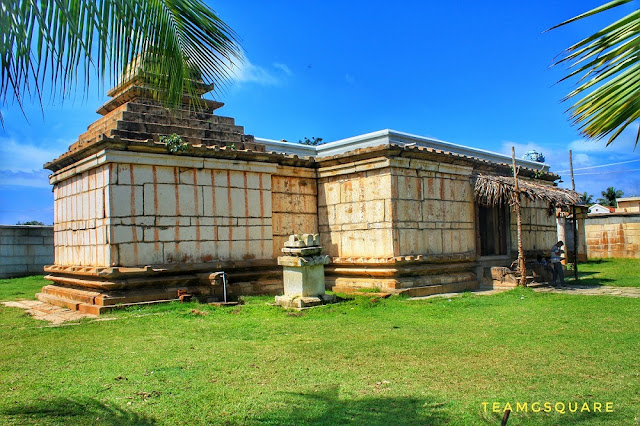


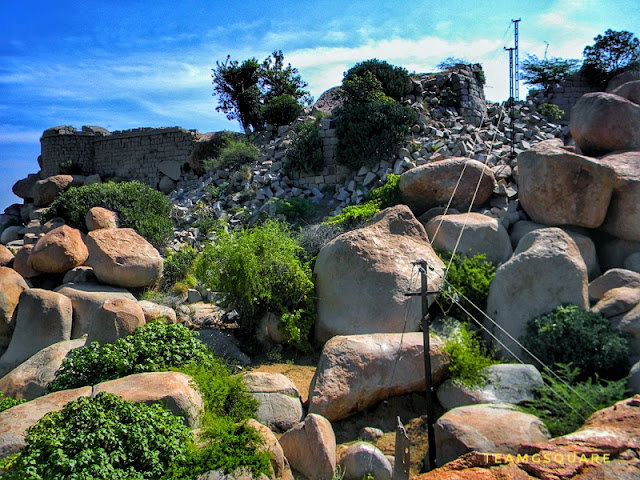


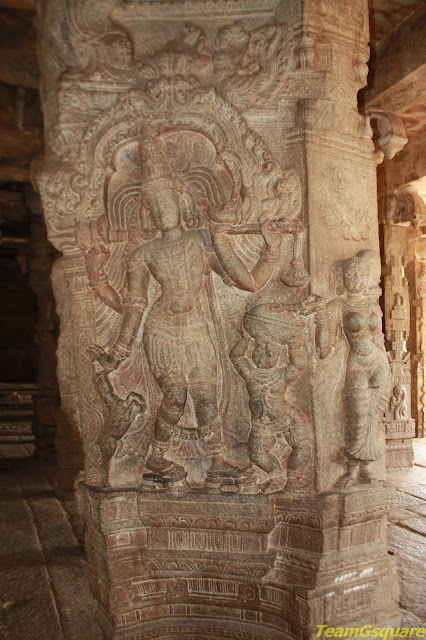


.JPG)

.jpg)


No comments:
Post a Comment
Note: Only a member of this blog may post a comment.