Mulavar: Brahmapurishwarar, Kolilinadar, Sri Kolilnatheshwarar
Devi: Brahmagujambika
Kshetra Vruksha: Teakwood tree (sagwan), Thetta (Hazelnut)
Puranik Name: Thirukolili,Thirukuvalai
Present Name: Thirukkuvalai
District: Nagapattinam, Tamilnadu
The temple is about 1500 years old. This is an east facing temple that has 5 tier Rajagopuram with 1 parikrama.
Sthala purana is depicted in a stucco image on the Rajagopuram. We come across flagstaff, balipeeth and Nandi in the main mandap at their usual positions. The viman (gopuram) on the sanctum is a single tiered stucco vesara viman. Lord Shiva is a swayambhoo linga of white sand. It is always kept covered with a metal kavach (kuvalai in Tamil). Hence the place is known as Thirukkuvalai.
In the koshta, we come across ArdhaNarishwarar, Lord Brahma, Nataraja, Narthana Ganapati, Lord Dakshinamurti, Bhikshadanar, Lord MahaVishnu.
Both Lord Shiva and Devi face east.
Other Shrines in the temple complex:
In the prakara, we come across shrine of Sundarar along with his wife Paravai. We have shrines of Tyagavinayaka, Vishwanadar and Vishalakshi. Besides this we come across the shiva linga namely Indrapurishwarar, Chokkalingar, Annamalayar. There is a shrine for Nalavar and Gajalakshmi. In a shrine, we come across all the navagrahas in a line facing the south. Tyagaraja shrine is on the right side of Sanctum Sanctorum where Brahmapurishwarar is a main deity. In the temple complex there are a lot of stone inscriptions referring to the work of Chola and Pandya kings.
Special features:
As the shiva linga is of white sand, it is always kept covered by a kavach. There is no abhisheka of shiva linga. On new moon day a special oil (Thailam in Tamil) is applied on the shiva linga and on other days puja is performed on the kavach.
Kshetra Purana:
According to Purana, Lord Brahma incurred a curse for telling a lie to Lord Shiva. Due to this, he could not continue with his work of creation resulting in the obstruction of duty of the Navagrahas. Hence Lord Brahma came to this place, created the sacred tirtha, made a shiva linga out of white sand and worshiped Lord Shiva. He got rid of his curse by the grace of Lord Shiva. Navagrahas started performing their duties once brahma got rid of curse. Hence Lord Shiva at this place is known as Brahmapurishwarar.
The place got the name Kolili as Navagrahas got rid of their curse. Bhima had incurred a curse by killing Bakasur. He worshiped Lord Shiva at this place and got rid of the curse.
Shaiva saint Sundarar used to feed devotees at Thiruvarur. For this purpose he used to pray to Lord Shiva and obtain gold for purchasing paddy. During his travel he went to Thirukkuvalai and prayed to Lord Shiva for help in his noble work. There was another Shiva devotee namely Kundaiyur who was also involved in feeding the devotees. Lord Shiva appeared in his dream and told him that he is blessing him with a mountain load of paddy to be handed over to Sundarar. Though Sundarar was delighted to receive the paddy he could not understand how to shift such a huge load of paddy. Sundarar sang a padigam (a sacred hymn) in praise of Lord Shiva and asked for help. A miracle took place and the Shiva gana shifted the entire paddy overnight and placed them in front of each house at Thiruvarur.
The river chandranadi is as sacred as river ganga.
Those who worshiped here: Lord Brahma, Lord Vishnu, Valari, Sage Agastya, Mukund Chakravarti, Pandavas, Navagrahas, and Omakantha.
Festivals:
- Avani (Aug-Sept) Vinayagar Chaturthi
- Purattasi (Sept-Oct) Navaratri
- Aippasi (Oct-Nov) Annabhishekam
- Thiru Karthigai (Nov-Dec)
- Margazhi (Dec-Jan) & Sundays - Thiruvadharai
- Thai (Jan-Feb) Pongal & Thaipoosam
- Masi (Feb-Mar) Mahashivaratri
Muchukunta Archana, Vasanta Utsavam and monthly pradoshams are also observed
Kannayariamudayar Temple at Thirukkarayil
Shaiva saints Sambandhar and Appar have sung sacred hymns about this temple.
Mulavar: Kannayaranadar
Devi: Kailashnayaki
Kshetra Vruksha: Jackfruit tree
Sacred Tirtha: Brahma Tirtha, Shesha tirtha
Puranik Name: Thirukkarayyil, Thirukkaraivasal
Present Name: Thirukkaravasal
District: Thiruvarur, Tamilnadu
The temple is about 114 kms from Thiruvarur on Thiruthuraipoondi road and 30 kms from Mannargudi. The temple is in a place where there are dense Karahil trees. This is an east facing temple spread in about 1 acre area. There is no Rajagopuram or flagstaff. The balipeeth has a metal covering and the Nandi is slightly on a higher pedestal. There is a gopuram which is 3 tiered. The shiva linga is a swayambhu linga. When we enter the temple on the right side we have a stone inscription which describes the kshetra. The temple is about 1700 years old.
Other shrines and idols in a temple:
Shrines of Lord Mahavishnu, Shanmukha, Bhairava, Goddess Saraswati and Gajalakshmi are on parikrama. There are a number of shiva lingas in the corridor. Shrine of utsavar (known as sundarar) is found in this corridor.
There is a mandap known as Tyagaraja sabha. The Vinayaka is known as Pramoda Vinayaka (Pramoda means great happiness or joy). It is believed that by worshiping Pramoda Vinayaka one’s wishes are fulfilled and he gets extreme happiness. The Tyagaraja is known here as Adi Vidangar. The teertha located to the north of the temple is known as Indra Teertha. Lord Brahma created a teertha to get rid of his curse and to worship Lord Shiva and it is known as Brahma Teertha. According to Purana, the serpent king Adishesha used to come to this temple through a well to worship Lord Shiva, hence the well is known as Sarpateertha. Lord Dakshinamurti is addressed as Dnyana Dakshinamurti. Lord Bhairava is known as SwarnaAkarshana Bhairava. By worshiping him, it is believed that one can recover the losses made by him. There is a shrine of Vinayaka known as Kadukkai (Harda Vinayaka).
Those who worshiped at this place: Lord Mahavishnu, Mahalakshmi, Lord Indra, Sage Patanjali and Sage Vyaghrapada.
Kshetra Puran:
When powdered harda is put in water, it makes water crystal clear and it has high medicinal value. A merchant came to this temple with bags of jaay-phal (jathikai in Tamil) which also has high medicinal value. It used to attract higher taxes. Lord Vinayaka came to the merchant in the disguise of a boy. He enquired about the content in the bag. The merchant who did not wish to pay more tax stated that he had harda in these bags. The boy went away. Later when the merchant opened the bags, he found there were harda instead of jaay-phal. Realizing that the boy was none other than the Lord Ganesha, the merchant begged for pardon. Soon the harda in the bag became jaay-phal. Since that day, Lord Ganesha in this place is known as Karakkai Vinayaka. Lord Indra worshiped Lord Shiva on the full moon day in the month of Kanya.
Festivals:
Special pujas are held on the first day of every Tamil month. The abhisheka of Tyagaraja, Nataraja and Guru puja are held on that day.
Pujas are held in the month of Karthigai on Karthigai Deepam.
Bhairav puja is held on every Kalashtami day.
Special worships are held on new moon and full moon day.
Special prayers
People pray to swarna akarshana bhairava for recovering lost articles
People worship Pramoda Vinayaka for fulfillment of desires
Worshiping Lord Shiva after taking bath in the Teertha eradicates curse and sin.
People believe that praying to Pramoda Vinayaka helps in curing eye related problems.
Address of the temple:
Arulmigu Kailashnayaki Samed Kannayaranadar Thiru Kovil
Thirukkaravasal, Thiruvarur District, Tamil Nadu, 610202
Kayarohaneshwarar Temple at Nagapattinam
Courtesy:
https://tamilnadu-favtourism.blogspot.com/
https://temple.dinamalar.com/en/
Darbharanyeshwarar at Thirunallar
This Shiva temple is located at Thirunallar in Karikal district in Pondicherry. This temple is one of the seven temples from Sapta Vidanga Sthalam. The vidanga here is known as Nagara Vidanga and the dance performed by Lord Shiva here is known as Unmatha Pada Natanam (i.e. dancing like an intoxicated person). This is also one of the Padal Petra Sthalam revered by Nayanmars. Though this is a Shiva temple, it is more famous as Navagraha sthala for the planet Saturn.
Moolavar (Main deity): Darbharanyeshwarar, Thirunallar-ishwarar
Devi (Consort): Pranambika, Bhogamarta - Poonmulaiyal, Praneshwari
Kshetra Vruksha (Sacred tree): Darbha grass
Sacred teertha: Nala teertha, Brahma teertha, Vani teertha. Anna teertha and Ganga teertha are in a well near Nalavinayaka temple. Besides these there are eight ashta dikpal teertha.
Speciality: On the shiva linga we observe markings of Darbha grass as it is stated in Purana that the Shiva linga was found among darbha grass. This is a swayambhu linga.
This kshetra is one of the sapta vidanga sthalas. This place is also considered as one of the Shakti Pithas and is known as Praneshwari peetha. The temple is facing the east.
Legends:
There are a number of legends associated with this place which are mentioned in the puranas.
According to the scriptures, Brahma, after having created the world, went around to tour it. When he came to this forest (Aranya) full of Darbha, he was enchanted by its beauty and performed a penance and worshiped a SwayamBhu1 Shiva Lingam2.
The Lord appeared and explained to Brahma the inner meaning of Vedas and taught him other shastras. Brahma stayed in this place for a long time worshiping Shiva-Parvati and built temples for them. Brahma created Brahma Teerth and Saraswati created Vani Teerth. Indra, Ashta Dikpal (eight directions) and the sacred swan (Hansa) established their own Shiva Lingam and worshipped.
Nomenclature: Because Brahma worshipped at this place long ago, the place is known as AadiPuri (Aadi = Beginning, Puri = City). As the sacred grass Darbha (not Durva used in Ganesh Puja) was abundant, this place was called DarbhaAranyam. Because Nala had also worshipped here, the place used to be called Nallar and Shiva here called Nalleshwara.
According to Puran, Lord Vishnu worshiped Lord Shiva and Parvati at this place and got Manmatha (kamadeva) as his son. Hence as a token, Lord Vishnu created the Somaskanda form ie. with Lord Muruga seated in between Lord Shiva and Goddess Parvati. Later on Vishnu gave this to Indra and by worshiping this form he obtained Jayant and Jayanti as children. Later on he created six more forms of the same somaskanda and gave all of them to Muchaganda.
The king placed them at seven places which are known as Sapta Vidanga sthala. One such form of Somaskanda is in this temple and people worship it for obtaining offspring. This vidanga is known as Thyagaraja vidanga.
Other shrines in this temple:
To the south of the main temple there is a shrine which houses the idols of a shepherd, his wife and an accountant of the temple. The legend says that the shepherd was cheated by the accountant while paying for the milk supplied to the temple. Lord Shiva in order to save the shepherd from the wrath of the king and at the same time to punish the accountant threw his trishul at the accountant in the presence of the king. In order to make way for the trishul the nandi and bali peeth shifted slightly. This we can observe even today. The trishul severed the head of the accountant and Lord Shiva gave darshan to the shepherd. This explains why we find the nandi and bali peeth not in a straight line with the shiva linga.
Legend says that Lord Vishnu, Lord Brahma, Indra, Goddess Saraswati, Ashta Dikpal, Sage Agasti, Sage Pulasti, Hansa and Arjun worshiped Lord Shiva at this place.
Special features:
After bowing to the rajagopuram, as we enter the temple we have to touch and pray the entrance step. It is presumed that the Lord Shani resided in the upper portion of this entrance. According to legend Lord Shani hid himself at the top in order to escape from the wrath of Lord Shiva for having punished King Nala.
Other shrines at this place: Lord Swarna Ganapati, Muruga, Nataraja, Somaskanda, The idols of Adi Shesha, Nayanmars, Mahalakshmi, Surya and Bhairava are also found. We come across the idol of King Nala and the Linga worshiped by him. Besides this just like any other Shiva temple we come across the koshta murtis. A separate shrine is there for emerald vidang ie. Thyagaraja vidang.
Festivals:
1) Saturn transit - Saturday special worship of Shani
2) On full moon day, in the tamil month of Purattasi (Sept-Oct) a special worship for emerald lingam
3) In May-JUne (Vaikashi) brahmotsavam is held for 10 days
1 SwayamBhu: Not created by human hand or touched by chisel; Swayam = Self and Bhu = Be, SwayamBhu = Be by self.
2 Shiva Lingam Worship:
Shiva = Cosmic Reality (Form) created by AadiParaShakti (Aadi = Beginning, Para = Beyond and Shakti = Energy) ie Parvati. AadiParaShakti = Energy beyond beginning (of matter), The Essence/ Truth (state of no matter, only energy). Energy, in and of itself cannot be perceived without a Form. Therefore AadiParaShakti created Cosmic Reality to manifest itself.
Lingam = Leen (Become One With) + Gamya (navigable), Lingam = To navigate and become one with. Thus Shiva/ Shiva Lingam worship is a way of becoming one with the Cosmic Reality/ AadiParaShakti (Truth). Shiva, by Himself cannot do anything without AadiParaShakti. Same is true for AadiParaShakti. Therefore, The ArdhaNarishwara manifestation (Advaita in the Dwaita) is THE (fundamental/ eternal) TRUTH.
Courtesy:
https://tamilnadu-favtourism.blogspot.com/
https://temple.dinamalar.com/en/
Kshetra Puran of Sapta Vidanga Sthalam
Kshetra puranas, also known as sthala puranas, are stories associated with a particular place i.e. kshetra. These stories are considered puranas as they are as authentic as main puranas in conveying dharmic principles.
Sapta Vidanga sthalams also have kshetra purana associated with them. We covered kshetra purana in previous article. In this article we are covering it again to bring out its significance.
Once Lord Vishnu was asked to perform worship to obtain the male child. To perform worship, Lord Vishnu asked sculptor Vishwakarma to make an idol in which Lord Shiva and Goddess Parvati were seated with their son Skanda (Muruga) in between them. This is known as Somaskanda murti i.e. Sa (means shiva), Uma (means chit) and Skanda (means anand) murti. Meaning it is Sat-chit-ananda murti.
Pleased by the penance undertaken by Lord Vishnu, Lord Shiva granted him a boon of a male child. The male child was none other than Manmada. Later on Lord Brahma got the Somaskanda moorthy along with Vidanga from Lord Vishnu who in turn gave it to Lord Indra.
At other time, a demon named Vallan (Vaalasur) invaded the Indrapuri (heaven). Indra sought the help of Lord Shiva to defeat the demon.
Indra was directed by Lord Shiva to seek the help of King Muchukunda. King Muchukunda was a male monkey in the previous birth. He was born with a monkey face due to the grace of Lord Shiva. He ruled the Chola kingdom with Karuvarai as his capital.
Introduction to Sapta Vidanga Sthalams
The word Vidangam means something which is not chiseled or created by hand. The whole Lingam i.e the base and the top elliptical portion are in one piece i.e. Swayambhoo. There are 7 temples in South India around Thanjavur which are together known as Saptha Vidanga Sthalam. In all these places the Linga is made of either Emerald or Jade. The main deity in all these temples is Lord Shiva known as Thyagaraja.
Vidanga is a Sa-Uma-Skanda murti known as Somaskanda murti or Thyagaraja murti. Originally it was also known as Thyagaraja murti. It is also represented by a linga. The top portion of the linga which is elliptical in shape is believed to be a swayambhu while the base (avudayar in Tamil) is made by hand. In sapta vidangam represented by seven lingas, the base as well as top are in the single piece. They are made of same material (emerald or jade) but are of different sizes. The biggest is at Thirunallar whereas medium sized one is at Thiruvalur. It is believed that Lord Indra performs evening worship of the vidanga at Thiruvarur. Hence it is considered to be more auspicious. The murtis are generally kept in a separate shrine. The abhishek of these sapta lingas are done twice a day. After the rituals the lingams are kept in a safe place under lock and key as they are most valuable and priceless. Generally we observe Nandi to be in a seated position in front of Shiva linga in shiva temples. But in the sapta vidanga sthala we will find that the Nandis are in standing position in front of the shiva lingas.
Details of Sapta Vidanga from Puran:
According to Puran, once a monkey on a tree was plucking the leaves and dropping it to the ground where Lord Shiva and Goddess Parvati were relaxing under the tree. At that time Goddess Parvati who was disturbed asked Lord Shiva to drive the monkey away. As it happened to be a shiva ratri day, Lord told Parvati that the money has worshiped him with bilva leaves, hence he was pleased by his worship. He manifested before the monkey and asked him to ask for a boon. The monkey which did not desire anything worldly requested that it wishes to be born as a king with a monkey face and conquer the world (wanted to become famous). Later on this boon was granted by Lord Shiva. So the monkey was born as a Chola king named Muchukunda chakravarti with a monkey face.
As legend goes, to beget a son, Lord Vishnu prayed on an idol (moorthy) of Somaskanda (Shiva, Parvati and Skanda together). As a result He got Manmada (Kaama) as his son. During this period he also prayed on a Vidanga. Later on Lord Brahma got the Somaskanda moorthy along with Vidanga from Lord Vishnu who in turn gave it to Lord Indra. King Muchukunda (who has a face of monkey) helped Indra in defeating the asura Vaalasur in indraloka. Extremely pleased with Muchukunda’s help and full of gratitude, Indra wished to give a gift to Muchukunda for the help rendered by him. Being a staunch devotee of Lord Shiva, Muchukunda knew about the Thyagaraja moorthy (Vidanga Lingam) and asked for the same from Indra. Indra did not want to part with the same. So he made 6 more identical Vidangas and placed them before King Muchukunda and asked him to choose the real one from the lot. The King prayed to Lord Shiva and identified the correct one. So Indra gave all the 7 Vidangas to King Muchukunda. King decided to install them in and around Thiruvarur. Though Muchukunda was from Kongu region, he decided to install them around Thiruvarur because he knew spiritual greatness of Kaveri region. So he installed the original vidanga at Thiruvarur. The maragada (emerald) linga installed at Thiruvarur is known as Thyagaraja or maragada Nataraja. The place where these seven lingas were installed are together known as Sapta Vidanga. Thyagaraja is name given to the manifestation of Shiva at Thiruvarur and six other places is called as Somaskanda.
दीपावलीचं आध्यात्मिक महत्व
हिंदू धर्मातला सर्वात प्रसिद्ध आणि सर्व जगभरात साजरा होणारा सण कुठला असेल तर तो आहे दीपावली. दीप + अवली = दीपावली. अवली म्हणजे रांग. म्हणजे दीपावली म्हणजे दिव्यांची रांग.
दीपावली सणाचा उगम कुठून झाला? दीपावलीचं आध्यात्मिक महत्व काय आहे? हे जाणून घेण्याचा हा प्रयत्न आहे.
भगवद्गीता किञ्चिदधीता |
गङ्गाजललवकणिका पीता |
सकृदपि येन मुरारी समर्चा |
क्रियते तस्य यमेन न चर्चा || २० ||
- आदिशंकराचार्यकृत् “भज गोन्विन्दं” काव्य
मतितार्थ - ज्यांनी कोणी किञ्चिद् जरी गीतेचा अभ्यास केला आहे, लवमात्र जरी गंगाजलाचं प्राशन केलं आहे किंवा स्नान केलं आहे, एकदा तरी मुरारी म्हणजे भगवान श्रीकृष्णांची अर्चना केली आहे, त्यांचा यमदेवाशी काहीही संबंध येणार नाही.
शंकराचार्यांच्या मते भगवद्गीता, गंगा, मुरारी म्हणजे भगवान श्रीकृष्ण आणि यम ह्या चारांचं दीपावली सणाशी काही नातं आहे.
१) भगवद्गीतेला दीपावलीचा भाऊ समजलं जातं. साधारणतः ज्ञान हे गुरु शिष्यांना आश्रमाच्या शांत वातावरणात प्रदान करतात. पण ज्ञानदात्रे असलेल्या भगवद्गीता आणि दीपावली ह्यांचा उगम अनपेक्षित परिस्थितीमध्ये रणांगणाच्या वातावरणात झाला आहे. गीतेचा उगम पुरुषोत्तम श्रीकृष्ण आणि नरोत्तम अर्जुन ह्यांच्या रणांगणांतील संवादांतून झाला आहे तर दीपावलीचा उगम लीलावतारी भगवान श्रीकृष्णांच्या नरकासुरवध घटनेतून झाला आहे.
ह्या अर्थाने भगवद्गीतेचं दीपावलीशी नातं आहे.
२) साधारणतः मनुष्य स्वभाव असा असतो की जेव्हा मनुष्याला दुःख होतं तेव्हा सर्व जग पण दुःखी असावं अशी एक साहजिक भावना मनामध्ये येते. पण जेव्हां भगवान श्रीकृष्णांनी नरकासुराचा वध केला तेव्हां नरकासुराच्या आईच्या मनात मात्र तिच्या समोर तिच्या पुत्राचा वध होताना पाहून तिला दारुण दुःख झालेलं असतानापण साऱ्या विश्वाने मात्र हा दिवस आनंदाने, आपल्या घराभोवती दिव्यांची रांग सजवून साजरा करावा अशी तिच्या मनात इच्छा झाली. किंबहुना आपल्या पुत्राला साक्षात भगवंताच्या हातून मरण आलं ह्याचा तिला आनंदच होता. ह्यातूनच नरकचतुर्दशी हा दिवस दीपावली म्हणून प्रसिद्ध झाला आणि त्यादिवशी अत्यंत आनंदमय वातावरणात हा दिवस साजरा करण्याची प्रथा प्रचलित झाली. किंबहुना आपलं स्वतःच दुःख विसरून सर्व जग सुखी असावं ही इच्छा करणं हे आध्यात्मिक प्रगतीचं प्रमुख लक्षण आहे हे ज्ञान दीपावलीचा सण आपल्याला देतो.
नरकासुराच्या आईने म्हणजेच भूमिदेवीने अशी पण इच्छा केली की ह्या दिवशी सर्वांनी गंगास्नान घ्यावं जेणेकरून त्यांना पुण्यप्राप्ती होईल. पुराणांमध्ये असा उल्लेख आहे कि जिथे गंगा जल उपलब्ध नसेल तेथे गरम पाण्यामध्ये तिळाचं तेल घालून त्या पाण्याचं स्नान घेतल्यास गंगास्नानाचं पुण्य लाभेल. पूजेमध्ये देवाला स्नान अर्पण करताना तैले लक्ष्मी: जले गंगा.. हा श्लोक म्हणतात. असा समज आहे कि ब्राह्ममुहुर्ताच्या समयी गरम पाण्यामध्ये गंगेचा तर तिळाच्या तेलामध्ये लक्ष्मीचा वास असतो म्हणून दीपावलीमध्ये ब्राह्ममुहूर्तावर तिळाचं तेल डोक्यावर घालून गरम पाण्याने स्नान म्हणजेच अभ्यंगस्नान घेण्याचा प्रघात आहे आणि लक्ष्मीपूजन करण्याचा पण प्रघात आहे.
ह्या अर्थाने गंगेचं दीपावलीशी नातं आहे.
३) नरकासुर ह्याचं खरं नाव भौमिक होतं. कारण तो भूमिदेवीचा पुत्र होता. त्याने तपश्चर्या करून वर मिळवला होता कि त्याला फक्त त्याच्या आईकडूनच म्हणजे भूमिदेवीकडूनच मरण येईल. अर्थातच आई कधी आपल्या मुलाला मारत नाही त्यामुळे नरकासुर खूप उद्दाम झाला आणि त्याने खूप अत्याचार केले. त्याने अनेक स्त्रियांना (१६०००) बंदिस्त करून ठेवले होते. आपल्या तपश्चर्येच्या बळावर त्याने आपल्या राज्याच्या सुरक्षेसाठी राज्याच्या भोवती अग्नी, वायू ह्यांचे किल्ले उभारले होते. त्याचा सहाय्यक असलेल्या मूर नावाच्या असुराने आपल्या तपश्चर्येच्या बळावर राज्याभोवती आधुनिक मायावी तारांचे (wires) वलय उभारले होते. लीलावतारी भगवान श्रीकृष्णांनी नरकासुराच्या ह्या अभेद्य कवचाला छेदलं आणि मूर ह्या असुराचा वध केला. आणि म्हणूनच त्यांना मुरारी हे नाव प्राप्त झालं.
नरकासुर वधाच्या मोहिमेवर भगवान श्रीकृष्णांनी आपल्या भार्येला म्हणजे देवी सत्यभामांना पण आपल्या बरोबर नेलं होतं. त्याला पण काही कारण होतं. देवी सत्यभामा भूमिदेवीचा अवतार होत्या. आणि नरकासुराला मिळालेल्या वरानुसार त्याचा वध हा त्याच्या आईच्या हातून म्हणजेच भूमिदेवीच्या हातूनच शक्य होता. अंततः भूमिदेवीनेच म्हणजेच त्यांचा अवतार असलेल्या देवी सत्यभामांनीच नरकासुराचा वध केला. त्या दिवशी चतुर्दशी तिथी होती आणि म्हणूनच हा दिवस नरकचतुर्दशी ह्या नावाने प्रसिद्ध झाला. भूमिदेवीने हा दिवस सर्वांनी आनंदाने साजरा करावा ही इच्छा केली म्हणून दीपावली सण अस्तित्वात आला.
ह्या अर्थाने भगवान श्रीकृष्णांचं दीपावलीशी नातं आहे.
४) नरक म्हणलं की अर्थातच स्मरण होतं ते यमदेवांचं. मरणानंतर जीवाला स्वर्गात पाठवावं का नरकांत ह्याचा निर्णय यमदेव करतात. आणि म्हणूनच नरकगमन टाळण्यासाठी नरकचतुर्दशीला यमतर्पण करण्याची प्रथा आहे.
ह्या अर्थाने यमदेवांचं पण दीपावलीशी नातं आहे.
श्री सत्यसाईबाबांच्या मते मनुष्याची आध्यात्मिक प्रगती होण्यास त्याने तीन तत्वांचं आचरण करावं असं ते म्हणतात - १) परक्याने आपल्यावर केलेल्या उपकारांचं सतत स्मरण ठेवावं, २) आपण परक्यावर केलेल्या उपकारांचं विस्मरण करावं आणि ३) परक्याने आपल्यावर केलेल्या अपकारांचं विस्मरण करावं. किंबहुना हीच आध्यात्मिक शिकवण दीपावली सण पण आपल्याला देतो.
आपल्याला झालेलं दुःख विसरून सर्व जग सुखी व्हावं अशा इच्छेतून निर्माण झालेल्या दीपावली सणानिमित्त भूमिदेवीला साष्टांग नमस्कार.
वरात्रीतील देवीची उपासना
“सृष्टिकर्त्री ब्रह्मरूपा, गोप्त्री गोविन्दरुपिणी, संहारिणी रुद्ररूपा”
- श्री ललितासहस्रनाम
ह्या विश्वामध्ये तीन मूलभूत क्रिया आहेत ज्या सर्व चराचरामध्ये समाविष्ट आहेत आणि त्या म्हणजे निर्मिती (ह्या क्रियेला सृष्टीनिर्माण, उत्पत्ती असं पण संबोधलं जातं), निर्वाह (ह्या क्रियेला स्थिती किंवा लालनपालन असं पण संबोधलं जातं) आणि संहार (ह्या क्रियेला लय असं पण संबोधलं जातं). कुठलीही वस्तू, मनुष्य, प्राणी, वनस्पती, इतर जीव, खनिज, अगदी सूक्ष्म विचार, देवदेवता, एवढंच काय तर हे अखिल विश्व असो. ह्या सर्वांना ह्या तीन स्थितींतून किंवा तीन क्रियांतून जावंच लागतं. वरील प्रत्येक क्रियेला एक अधिष्ठान देवता आहे म्हणजेच ह्या प्रत्येक क्रियांची जबाबदारी त्या त्या देवतांवर सोपवली आहे. सृष्टी निर्मितीची जबाबदारी ब्रह्मदेवाची आहे, सृष्टीपालनाची जबाबदारी भगवान विष्णूंकडे आहे तर सृष्टीसंहाराची जबाबदारी भगवान शंकरांची आहे. पण हे सगळे देव आपापली कार्य करण्यासाठी त्यांच्या शक्तिंवर अवलंबून आहेत. ह्या शक्तिंशिवाय ही कार्यं करण्यास ते असमर्थ ठरतात. म्हणूनच एखादा माणूस कुठलं कार्य करू शकत नसेल तर तो शक्तिहीन आहे असा वाक्प्रचार आहे. आपण कधी तो ब्रह्महीन आहे, विष्णूहीन आहे, किंवा शंकरहीन आहे असे शब्द वापरत नाही. म्हणजे कुठल्याही क्रियेमध्ये शक्तिंचं महत्व ह्या देवतांपेक्षाही अधिक आहे. म्हणूनच शक्तिहीन वस्तू प्रेतरूप होते.
मनुष्यदेह ह्याच सृष्टीमधील पंचमहाभूतांपासून बनल्यामुळे सृष्टीचे सारे नियम आणि क्रिया (निर्माण, पालनपोषण आणि संहार) ह्या मनुष्यदेहाला पण लागू पडतात. त्यामुळे आपण दिवसा उठून रात्री झोपेपर्यंत, इतकंच काय तर झोपेत सुद्धा निर्मिती, निर्वाह आणि संहार शक्ति आपल्या शरीरामध्ये कार्यरत असतात. अगदी आपले विचारच घ्या. ते निर्माण होतात, स्थित राहतात आणि नंतर लय पावतात. ह्या विचारांच्या सकारात्मकतेप्रमाणे त्या त्या क्रिया आपल्याला सकारात्मक फळं देतात. तसेच नकारात्मक विचारांमुळे ह्या क्रिया नकारात्मक फळं देतात. आपले विचार सकारात्मक होण्यासाठी त्या त्या शक्तिंची उपासना मदत करते. आणि म्हणूनंच आपल्या थोर ऋषीमुनींनी ह्या शक्तिंची उपासना केली आणि अत्यंत प्रेमभावनेने आपल्या सर्व मानवजातीला ह्या शक्ति अनुकूल व्हाव्यात म्हणून ह्या उपासनांना प्रचलित पण केलं.
देवि शक्तिरूप असल्यामुळे नवरात्रीमधील देविची उपासना ही सर्वश्रेष्ठ मानली जाते. नवरात्रीमध्ये ह्या तीनही शक्तिंची म्हणजेच दुर्गा देवि (संहारिणी रुद्ररूपा), लक्ष्मी देवि (गोप्त्री गोविन्दरुपिणी) आणि सरस्वती देवि (सृष्टिकर्त्री ब्रह्मरूपा) ह्यांची उपासना केली जाते. ह्या उपासनेमुळे आपल्यातील सृजनशक्ति, पालनपोषण शक्ति आणि संहारशक्ति ह्या तीनही शक्ति आपल्याला सकारात्मक आणि अनुकूल होण्यास मदत होते. नवरात्रीनंतर जो दिवस येतो तो म्हणजे विजयादशमी. म्हणजेच थोडक्यात नऊ दिवस ह्या तीन शक्तिंची उपासना केल्यामुळे आपण शक्तिपूर्ण बनतो आणि विजय प्राप्त करू शकतो. असं म्हणतात की राम-रावण युद्ध चालू असताना जेव्हा प्रभू श्रीरामांना आपल्या शक्ति रावणावर काम करत नाहीत हे जेव्हा प्रतीत झालं त्यावेळी ते काही क्षण हतबल झाले. त्यावेळी अगस्त्य मुनींनी प्रभू श्रीरामांना आठवण करून दिली की विधिलिखित नियमांनुसार रावणवधाचा काळ खूप जवळ आला आहे आणि त्यांनी प्रभू श्रीरामांना देविची उपासना करायला सांगितली. प्रभू श्रीरामांनी अगस्त्य मुनींच्या सल्ल्यानुसार देविची उपासना केली आणि दशमीच्या दिवशी रावणावर विजय प्राप्त केला. म्हणुनच ह्या दशमीला विजयादशमी असं संबोधलं जातं.
स्वतः मच्छिन्द्रनाथांनीपण शाबरीविद्येतील काव्य रचण्यासाठी देविची (शक्तिची) उपासना केली होती.
नवरात्रीमधील सर्वात प्रचलित, सुलभ आणि सोपी उपासना म्हणजे श्रीदेविमहात्म्याचं पारायण. पारायणाची सुरुवात श्रीचंडीकवच, श्रीअर्गलास्तोत्र आणि श्रीकीलकस्तोत्र ह्यांचं पठण करून करावी असा प्रचलित नियम आहे. आणि पारायणाच्या शेवटी शंकराचार्यकृत देविअपराधक्षमापन स्तोत्र म्हणायचा प्रघात आहे. प्रतिपदेला चालू करून नवमी पर्यंत पारायण संपवावे असा नियम आहे. साधकांनी यथाशक्ति श्री देविमाहात्म्याचे १६ अध्याय ९ दिवसात वाचावेत ते असे १) तीन स्तोत्रे व अध्याय १, २) अध्याय २ व ३, ३) अध्याय ४ व ५, ४) अध्याय ६ व ७, ५) अध्याय ८ व ९, ६) अध्याय १० व ११, ७) अध्याय १२, ८) अध्याय १३ व १४, ९) अध्याय १५ व १६
समजा काही अडचणींमुळे आपल्याला पारायण जमलं नाही तर पुढील ९ श्लोक असलेल्या स्तोत्राचं पठण किंवा वाचन केल्याने पण देविमहात्म्य पारायणाचे फळ मिळते असं देविमहात्म्यामध्येच उल्लेखिले आहे. ते स्तोत्र असे
या माया मधुकैटभप्रमथनी या महिषोन्मूलिनि,
या धूम्रेक्षणचण्डमुण्डमथनी या रक्तबीजाशनी ||
शक्ति: शुम्भनिशुम्भदैत्यदलिनी या सिद्धिलक्ष्मी: परा,
सा चण्डी नवकोटिमूर्तिसहिता मां पातु विश्वेश्वरी || १ ||
स्तुता सुरै: पूर्वमभीष्टसंश्रयात्तथा सुरेन्द्रेण दिनेषु सेविता ||
करोतु सा न: शुभहेतुरीश्वरी शुभानि भद्राण्यभिहन्तु चापद: || २ ||
या सांप्रतं चॊद्धतदैत्यतापितैरस्माभिरीशा च सुरैर्नमस्यते ||
करोतु सा न: शुभहेतुरीश्वरी शुभानि भद्राण्यभिहन्तु चापद: || ३ ||
या च स्मृता तत्क्षणमेव हन्ति न: सर्वापदो भक्तिविनम्रमूर्तिभि: ||
करोतु सा न: शुभहेतुरीश्वरी शुभानि भद्राण्यभिहन्तु चापद: || ४ ||
सर्वाबाधाप्रशमनं त्रैलोक्यस्याखिलेश्वरी ||
एवमेव त्वयाकार्यमस्मद्वैरिविनाशनम् || ५ ||
सर्वमङ्गलमाङ्गल्ये शिवे सर्वार्थसाधिके ||
शरण्ये त्र्यम्बके गौरि नारायणि नमोऽस्तु ते || ६ ||
सृष्टिस्थितिविनाशानां शक्तिभूते सनातनि ||
गुणाश्रये गुणमये नारायणि नमोऽस्तु ते || ७ ||
शरणागत दीनार्त परित्राणापरायणे ||
सर्वस्यार्तिहरे देवि नारायणि नमोऽस्तु ते || ८ ||
सर्वस्वरूपे सर्वेशे सर्वशक्तिसमान्विते ||
भयेभ्यास्त्राहि नो देवि दुर्गे देवि नमोऽस्तु ते || ९ ||
वरील उपासना करीत असताना खास ह्या नऊ दिवसांमध्ये आपल्या आजूबाजूला असलेल्या सर्व जीवमात्रांमधील शक्तिची जाणीव ठेवून त्यांच्या मधील देवत्वाचा अनुभव घेण्याचा प्रयत्न सतत ठेवावा. वरील वृत्ती कायम ठेवण्यासाठी सात्विक आहाराची नक्कीच मदत होते.
Kadaiyur Mayanam - Sri Brahmapureeswarar Temple at Thirukadaiyur Mayanam
Mulavar: Brahmapureeswarar, Sri Peruman Adigal
Devi: Sri Aamalagujanayaki, Vadumulai Ambika, Malarluzhal Minnaammai
Sacred Teertha: Brahma Teertha, Aswathi Teertha, Kashi Teertha
Kshetra Vruksha: Bilva, Bahava (Kondrai in Tamil)
Puranik Name: Thirukadaiyur Mayanam
Present Name: Thirukadaiyur Nagapattinam, Tamil Nadu
This is a west facing temple. There is no Rajagopuram. There is a gopuram inside the temple complex which is three tiered. Lord Shiva is in the form of a swayambhu linga.
Special features, deities and other shrines:
Since Lord Brahma was destroyed and created later and given dnyana updesh by Lord Shiva, the place is known as Brahmapuri, Thirumeidnyanam and Kadaiyur Mayanam. Lord Shiva is known as Brahmapureeswarar. In the koshta we have the koshta murtis - Lord Dakshinamurti, Ardhanareeswarar, Lord Vishnu, Vishnu Durga, Bhairav, Chandikeshwar, Nardana Vinayaka. Lord Dakshinamurti in the koshta is along with six of his disciples but he is not seating under kallal tree (Indian rock fig, Kallalashwattha, Audumbar in Marathi) though he usually sits under it. There is a separate shrine of Lord Muruga. He is with his consorts Valli and Devasena and he is called as Singaravelar. The idol of Singaravelar is unique. He is depicted with a bow and a spear in his hands in a warrior posture ready for going to the war. He wears a rudraksha mala and wears slippers known as kurradu in Tamil. He is slightly slanting towards the left. The idol resembles that of Lord Sriram. Singaravelar is considered as a manifestation of Lord Vishnu who is his maternal uncle. Similar to Chandikeshwar in Lord Shiva’s temple there is a Chandikeshwar in Lord Muruga’s shrine also. He is known as Guhachandikeshwar. Lord Vinayaka is here known as Pranava Vinayaka and he is depicted with a flat stomach. It is believed that he also heard the updesh given to Lord Brahma by Lord Shiva with folded hands and full concentration. Hence he has a flat stomach. In the corridors we have the idols of Nataraja, Kalyana Sundarar, the four shaiva saints known as Nalavar, Lord Mahavishnu (known as Sri Pillai Perumal), Gajalakshmi, Chandeshwari, Sri Bhikshatanar and Bhairav. One of the 18 great sidhhars Sri Pambatti Siddhar lived here.
Sthala Purana:
According to Purana, at the end of each yuga Lord Shiva is believed to create a great deluge (pralay) to destroy the universe. In the process, Lord Brahma also gets destroyed. When the new yuga starts, Lord Brahma is recreated by Lord Shiva. During one such yuga Lord Brahma was destroyed and brought back to life at this place. Lord Shiva gave Shiva dnyana updesh (Brahmadnyana updesh) so that Lord Brahma could start the creation. Hence Lord Shiva is known as Brahmapureeswarar at this place. This is the third such place where Lord Brahma was given Shiva-dnyanopadesh.
According to kshetra purana Lord Shiva created a well (pond) with water from Ganges for Sage Markandeya to continue his worship of Lord Shiva at this place. This well is located very near the sacred tank of the temple. Even now water is taken from this well to Thirukadaiyur temple (Amirthakadeswarar Temple) daily for abhishek of Lord Shiva. The water from this well is used only for the Amirthakadeswarar. According to another kshetra purana, Chalukya king Emakeridan who was defeated in a battle and lost his kingdom came to this place to worship Lord Shiva after worshiping at nearby Shiva temples. He prayed to the lord for getting his kingdom back. When he came and prayed at the shrine of Singaravelar, Lord Muruga took the form of a king. He went with the king's army and defeated the enemy and got the kingdom back for King Emakeridan. That's why the idol of Lord Muruga (Singaravelar) is in warrior form. The king donated about 53 acres of land to the temple of Singaravelar which is still known as Singaraveli.
Festivals:
Aipassi (Oct-Nov) - Skanda Shashthi
Karthigai (Nov-Dec) - Thirukarthikai
Margazhi (Dec-Jan) - Thiruvadhirai
Masi (Feb-Mar) - Shivaratri
Panguni (Mar-April) - Teertha vari festival on ashwini nakshatra. It is believed that Ganga visits this place on this day every year. Lord Shiva and Goddess Parvati are taken in procession to the well.
Pradosha puja is done regularly.
People worship here for getting knowledge, removal of marriage obstacles and for a child boon.
Courtesy: Following sites
https://tamilnadu-favtourism.blogspot.com/ and
https://temple.dinamalar.com/en/
Nallur Mayanam - Sri Dnyanaparameshwarar Temple

This is a shiva temple at Thirumeyidnyanam. This is the fifth mayanam sthalam. At present this place is known as Thirunallur Mayanam. During puranic days this place was known as Chaturvedi Mangalam.
This is about 16 kilometers from Kumbhakonam on Kumbhakonam-Kudavasal route (via Thirucherrai). This is on the southern bank of river Kaveri. This is one of the Padal Pethra Sthalam. Lord Shiva of this temple was revered in sacred hymns by shaiva saint Sambandhar.
Mulavar: Dnyanaparameshwarar, Sri Mayanathu Parameshwarar, Sri Mayanathu Mulathanathu Peruman
Devi: Dnyanambika, Periyanayaki
Sacred Teertha: Dnyanateertha, Chandra Teertha
Sacred Vruksha: Palash, Bilva
Puranik Name: Thiru mayanam, Thiru Nallur Mayanam, Nathur
Present Name: Thirumeyidnyanam
District: Tanjavur, Tamil Nadu
The temple has no rajagopuram. The present temple structure is about 1500 years old. The temple was originally built by Chola king using stone. The temple is east facing. It has a beautiful entrance on which we find sculpture of Lord Shiva and Parvati. The latest structure was built by Aditya Chola I. There are 23 stone inscriptions in the temple which give the detail history of the temple. Shiva linga is a swayambhu linga. According to the local people, a serpent is seen coiled around the shiva linga even now. Sambandhar has also mentioned this event in his sacred hymn. This temple is Madakovil style i.e. built in such a way that elephants cannot enter. The sanctum sanctorum vimanam has a gaja prushtha shape. The sanctum sanctorum itself is square shape with a rounded shikhar. The pillars which are circular have beautiful scupltures.
Deities and other shrines in the temple:
The main shrine houses shiva linga and goddess parvati. There is a shrine of Lord Mahavishnu, a shrine of Lord Muruga, a shrine of Navagraha, a shrine of Thiru Dnyanasambandhar. The koshta murtis are present in the koshta. We have the idols of Naga, Chandikeshwar, Lord Dakshinamurti, Atmalinga, Shanishwarar, Bhairav, Surya. In the corridor we have shiva linga of Amrutkadeshwar, SattaiNathar, Ekambareshwar. The koshta murtis are Lord Ganesha, Bhikshanathar, Nataraja, Lord Bhairav and Lord Mahavishnu and VishnuDurga.
Those who worshiped at this place: Lord Mahavishnu, Lord Brahma, Sage Thirudnyanasambandhar, Four Vedas, and Sage Apastambha.
Festivals, puja and worship:
Aippasi (Oct-Nov) - Annabhishekam
Masi (Feb-Mar) - Mahashivaratri
Aavani (Aug-Sept) - Vinayaka Chaturthi
Trikal puja is performed in the temple daily. People pray here for removal of obstacles in marriage and for educational pursuit and prosperity.
Veezhi mayanam - Sri Nethrabaneshwarar Temple

This is the fourth mayanam temple of Lord Shiva. It is located near Peralam and Poonthottam. It is about 10 kilometers from Poonthottam on the bank of Arasalaru (a tributary of Kaveri) on the southern bank of Kaveri. This is about 27 kilometers from Mayiladuthurai on Mayiladuthurai-Thiruvarur route.
This is one of the Padal Petra Sthalam. Sambandhar, Appar and Sundarar have sung sacred hymns on Lord Shiva at this place. This temple is about 2000 years old.
Mulavar: Sri Nethrabaneshwarar, VeezhiNathar, KalyanaSundareshwarar
Utsav Murti: KalyanSundarar
Devi: Sundar Gujambika, SriKatyayani, Sri Azhazhiyavanmullai Ammal,
Sacred Teertha: Vishnu Teertha, Damodar Teertha and 25 other teerthas
Kshetra Vruksha: Veezhi Tree (Sandalwood Champa Jackfruit and Wood apple trees are together known as Veezhe in Tamil).
Puranik and Present Name: Thiruveezheemalai,
District: Thiruvarur, Tamilnadu, Taluka:Kudavasal
Once this place was completely covered by dense Sandalwood, Champa, Jackfruit and Wood apple (Kavatha in Marathi) which are all together known as Veezhee in Tamil.
This temple is considered as parihar sthal for marriage obstacles. This temple covers an area of 4 acres. The temple has seven tiered Rajagopuram and three prakarams. There is a 100 pillar mandap known as Vowal (bat in Tamil) mandap. Stone inscriptions dating to the early 10th centuries are found in this temple. The temple is east facing. The temple looks like a fort. The temple tank is very huge. The temple is a madakovil style constructed by Chola king.
There is a very old (about 100 years) papaya tree. The shiva linga is swayambhu linga. The nandi at this temple is known as Patal nandi. The temple is built in such a way that one feels that it is built over nandi.
Lord Shiva is dressed in his bridal dress and hence he is known as Mappillai Swami(bridegroom). There are no koshta murtis in this temple.
The idol of Lord Shiva and Ambal are in their bridal dress and the idol is about 15 feet in height.
Other idols and shrines:
There are no koshta murtis. In the south parikrama we have a shrine of Vinayaka known as Padikkasu Vinayaka. In the west parikrama shrines of Somaskanda, Lord Muruga, and Goddess Mahalakshmi are found. On the northern side we have the shrine of Chandikeshwar and the shrine of Nataraja with Shivagami. Balipeeth is in the east and west corners of the temple. Sanctum sanctorum is supported by sixteen lions. The inner gopuram looks like a chariot. Lord Indra looks like a charioteer and Lord Shiva is seated as bridegroom. We also come across the idols of Bhikshatanar, Kalasamhar murti, Thyagaraja. We have a separate shrine for Lord Dakshinamurti, the four shaiva saints known as Nalvar and shrine of twin Vinayaka known as Irattai Vinayaka in Tamil. Besides this we come across idols of Bala Ganapathi, Bala Subramanya, Shiva Lingas, Mukta Devi and five lingas representing pancha bhutas, MayurNathar, Surya, Bhairav, Meykandar in the corridor. There is a separate shrine of Shaneshwarar. Goddess Parvati is in a separate shrine with a separate corridor along with the shrines of Lord Muruga and Lord Ganapati. The procession idol (i.e. utsav murti) of Lord KalyanaSundarar has the idol of Lord Mahavishnu offering his eye.
Salient features:
Saints Appar and Sundarar stayed here in a mutt. There is a hole in the wall of the sanctum sanctorum through which a parrot is believed to be coming daily for worship of Lord Shiva.
Kshetra Puran:
Sage Katya and his wife performed severe penance and got Goddess Parvati as their daughter who was named as Katyayani. Acceding to the request of the sage, Lord Shiva married Katyayani in the Tamil month of Chithirai on Magha nakshatra. At that time the Sage requested the couple to stay at this place in their bridal attire. And grace all the devotees. Hence Lord Shiva and Parvati appear in their bridal attire.
A hunter named Meezhilaikurumbur used to worship Lord Shiva daily with a wood apple. Lord Shiva graced him and gave him ashta-maha-siddhi. People still believe that they can see the wood apple offered by the devotee even today at the feet of Lord Shiva. Hence this place is known as Veezheemalai.
Once when Appar and Sambandhar stayed at this place a huge famine took place. They sang sacred hymns in praise of Lord Shiva to get over the famine. Lord Shiva appeared in their dream and told them that he will give one gold coin daily so that they can feed the people and avoid starvation. Lord Shiva gave one gold coin to Appar in the west balipeeth and one coin to Sambandhar in east balipeeth daily. These balipeethas can be found even now. And they are known as Padikkasu Balipeetha. Lord Vinayaka at this place is known as Padikkasu Vinayaka.
Demon Jalandhar had snatched discuss of Lord Vishnu. Lord Shiva advised Lord Vishnu to come to this place and worship him (as Lord Shiva was among Veezhee plants) so that he can get back his discuss. Lord Vishnu came to this place and made a pond known as Vishnu Teertha and worshiped Lord Shiva with lotus flowers. He found one lotus flower short and he tried to make up for that by offering one of his eyes. Lord Shiva who was pleased with his worship got the discuss back. It is believed that the eye offered by Lord Vishnu is still at the feet of Lord Shiva. The mulavar Vimanam is believed to have been brought by Lord Vishnu.
A plant known as Veezhee grows in abundance at this place, hence this place was known as Veezhekadu.
It is believed that Lord Shiva gave darshan as Thoni Appar at this place.
It is stated in purana that king Shwetaketu (from North) came here and worshiped Lord Shiva. He was told that he had a very short lifespan and can be saved only by worshiping Lord Shiva at this place. He was saved by Lord Shiva from Yama at this place.
Those who worshiped here: Sage Vasishtha, Sage Katya, celestial cow Kamadhenu, Ratidevi (wife of Kamdev), Lord Vishnu and King Manu.
Festivals:
Chithirai (Apr-May) - 10 day brahmotsav
Avani (Aug-Sept) - Ganesh chaturthi and Mula nakshatra
Aipassi (Oct-Nov) - Annabhishek
Karthigai (Nov-Dec) - Deep and skanda shashthi
Masi (Feb-Mar) - Mahashivaratri
Adi (July-Aug) - Puram - ardra nakshta, navaratra, pradosh
Kazhi Mayanam - Sri Brahmapurishwarar Temple at Sirkazhi (Tanjavur district)

This shiva temple which is one of the pancha mayanam temples is located at Sirkazhi in Nagapattinam District of Tamil Nadu. This is about 20 kilometers of Mailaduthurai on Chidambaram - Kumbhakonam route. This temple is very huge. It is spread over a large area. It houses 3 shrines of Lord Shiva, namely Brahmapurishwarar, Thoniappar and SattaiNathar. It is one of the 275 Paadal Pethra Sthalam. Lord Shiva of this temple was revered by the three shaiva saints namely Appar, Sundarar and Sambandhar. Present temple structure is 1500 years old and was originally built by Chola kings.
Mulavar: Sri Brahmapurishwarar, Sri Umamaheshwarar, Sri Thoniappar, Sri SattaiNathar and Vatukanathar
Devi: PeriyaNayaki, ThiruNilaiNayaki, Sthirasundari
Sacred Teertha: Brahma Teertha and 22 other teerthas
Kshetra Vruksha: Parijat (PavazhaMalli in Tamil)
Puranik Name: Brahmapuram, Sirkazhi, Venupuram, Thonipuram, Sirapuram, Poontharai, Venguru
The first temple is that of Sri Brahmapurishwarar. The main temple consists of three tiers. Shiva Linga is a swayambhu and devi is known as ThirumalNayaki. The temple in the second tier is that of Thoni Appar and devi is known as PeriyaNayaki. Here we find the Lord in a boat (Thoni in Tamil) along with Goddess Parvati. He is depicted as a teacher in temple. In the third tier the Shiva is known as SattaiNathar and he is present as Lord Bhairavar.
Sirkazhi is the birth place of ThiruDnyanaSambandhar. Sri Kali is worshiped at this place, hence the name was Sri Kali which got changed with time to Sirkazhi. The three shiva saints have together sung seventy one sacred hymns. The main shrine of Brahmapurishwarar faces the east on the bank of temple tank. The shrine of Thoniappar is on an elevated place to the west of main shrine. SattaiNathar shrine can be seen from the southern side pathway.
The shrine of Sambandhar is located on the outer prakaram. Adjacent to this shrine we have the shrine of devi ThiruNilaiNayaki. Outside the shrine of ThiruDnyanaSambandhar, we have idols of Appar, Sundarar and ManikVachigar. As ThiruDnyanaSambandhar is considered to be Lord Muruga we find his shrine in between Shiva and Parvati. This arrangement is known as Somaskanda arrangement. There are twentytwo sacred teerthas of which BrahmaTeertha, Kali Teertha, Parashar Teertha are considered more sacred. It is believed that Lord Shiva manifested as a bambu in reponse to the prayer of Lord Indra. Bambu is considered as Kshetra Vruksha. In the sanctum we have idols of Lord Brahma, Lord Vishnu, Lord Shiva, Goddess Parvati, Goddess Lakshmi and Goddess Saraswati. In this kshetra Lord Vinayak is addressed as Runa Teertha Vinayaka. In the prakaram we have the shrines of Lord Muruga, Somaskanda, 63 Nayanmars. There is a separate shrine for Ashtabhairavas. In the corridor of the shrine of Devi ThiruNilaiNayaki we find idols of ShyamalaDevi, Sri Icchashakti, Sri Dnyanashakti and Sri Kriyashakti.
Salient features:
After the great deluge, Lord Shiva wearing sixtyfour kalas with the pranav mantra Om as a boat (Thoni) manifested as UmaMaheshwar along with Goddess Parvati. He saw this place which was not destroyed during the pralay. He stayed in this kshetra as Thoni Appar and Parvati as Devi ThiruNilaiNayaki.
Lord Brahma worshiped Lord Shiva as a shiva linga (known as Brahmapurishwarar) as one who destroys ego (SattaiNathar) at this kshetra.
Lord Vishnu got afflicted due to Brahmahatya dosha after killing King Mahabali. As Lord Shiva and Lord Vishnu were considered as one and the same Lord Shiva wore the skin of Lord Vishnu as his garment. Goddess Mahalakshmi felt that Lord Vishnu was killed by Lord Shiva. As per the custom she stopped wearing flowers and sacred signs and was in deep sorrow. Hence even now when the women come to this temple they do not wear flowers and men do not wear shirt. This is the place where Lord Brahma got rid of his ego by Lord Shiva.
Goddess Parvati got dnyana-upadesh from Lord Shiva at this place after pralay. At this place Goddess Parvati graces as Goddess Mahalakshmi. This is considered as the eleventh shakti peeth.
This kshetra is considered as a Bhairav sthala greater than Kashi.
There is a jiva samadhi of ChattaiMuniSiddhar who is one of the great 19 siddhas. It is located on a high pedestal in the sanctum of Lord Shiva. From here one can have darshan of SattaiNathar. Abhishek is done on the pedestal at 10 pm. At 12 midnight, naivedya is offered after alankar.
Sage Urasana did penance at Kailash requesting Lord Shiva to come to south along with Goddess Parvati to grace the devotees in the south. Once during an argument between Adishesha and Vayu, Adishesha with his 1000 heads engulfed Mount Kailash. Hidding to the request of Devas, Adishesha just moved one of his heads. Due to Vayu’s force (strength) a small portion of Mount Kailash broke. It was carried by 20 birds and was brought to Sirkazhi by the grace of Lord Shiva. The hillock is known as ThoniMalai (hill). Lord Brahma once became egoistic. In order to remove his ego, Lord Shiva made him forget Pranava Mantra. Realizing his mistake, Lord Brahma worshiped Lord Shiva by establishing a Shiva Linga at this place. Hence Lord Shiva is known as Brahmapurishwarar. In the temple in the first tier, six times abhishek and puja are done. In the ThoniAppar temple the puja is done four times a day.
On a Friday night Lord Shiva as SattaiNathar is believed to have removed the arrogance of Lord Thiruvikrama (known as Ulaganada Perumal). This was due to the fact that Lord Vishnu had destroyed Mahabali and hence got arrogance.
Special worship for SattaiNathar is held on Friday night and is considered to be very auspicious.
According to Kshetra Puran, ThiruDnyanaSambandhar was born at this place in a Brahmin family in seventh century. When he was three years old, he went to the Shiva Temple along with his father. He was left on the bank of temple tank as his father went for holy dip in the tank. Sambandhar started crying as he was hungry. Lord Shiva and Goddess Parvati appeared before the child and gave him the milk of wisdom (dnyanapal, pal is milk in Tamil). When his father returned he was astonished to find droplets of milk around the child’s mouth. On enquiry, the child pointed to the sky and sang the first sacred verse of Thevaram. Hence Sambandhar is regarded as incarnation of Lord Muruga.
Those who worshiped at this splace:
Lord Brahma, Lord Mahavishnu, Lord Muruga, Lord Indra, Brihaspati, Surya, Chandra, Rahu, Ketu, Adi Shesha, Goddess Kali, Sages Parashar, Romesh, Vedavyas and a staunch devotee of Lord Shiva known as Chakravarti Shibi.
Festivals:
Chitrai (Apr-May) - 10 days brahmotsav
Adi (July-August) - Adi Puram
Purattasi (Sept) - Navaratri
Karthigai (Nov-dec) - Deepam and Skandashasthi
Margazhi (Dec-Jan) - Ardra Darshan
Masi (Feb) - Mahashivaratri, Pradosha Puja
For UmaMaheshwara murti (ThoniAppar). On the first day of Tamil month Chitrai, Adi, Aipassi, Thai, oil (taila) abhishek is performed.
Special worship is held on new moon of Thai, on Mula nakshatra in Vaikasi, on Rohini nakshatra in Aani and on Shatabhishaka nakshatra in the month of Aipassi
People pray here for child boon and also for settling their litigation cases.
Kanchi Mayanam - Sri Ekambareshwarar Temple at Kanchipuram

We have already given a brief description of this temple in our earlier blog Kanchi Ekambareshwarar Kovil. This temple covers an area of about 40 acres and is about 2000 years old. It is also one of the Pancha Bhuta Sthalams representing the element earth (Prithvi). The main deity is Lord Shiva and it is a swayambhu linga also known as Prithvi Linga. There is no separate shrine for Goddess Parvati. She is known as Sri Kamakshi. There is no shrine for Goddess Parvati in any of the shiva temples in Kanchipuram as she is considered as the Rajarajeshwari - queen of queens in Kanchipuram. The temple was revered by four shaiva saints - Appar, Sundarar, Sambandhar, Manikavachagar.
Temple address: Arulmigu Ekambareswarar Temple, Kanchipuram, Tamil Nadu, 631502
Pancha Mayanam Sthala
Mayanam in tamil means cremation ground. It is generally believed that Lord Shiva loves cremation ground. He resides there along with his Ganas. The temples were constructed in these places and are known as Mayanams. There are five such temples in Tamilnadu where according to Puranas there is high cosmic energy and have highest spiritual importance. These five places together are known as Pancha Mayanas or Pancha Mayana Sthalams.
Following are five Mayanams
1Once this place was dense forest with sandalwood, jackfruit, champak and Vila (Kavatha) trees. Hence this place is known as Veezhi
2Near this place, there is one more temple which is locally known as Mayanam i.e. Brahmapurishwarar temple. Water from this temple pond is taken to Thirukkadaiyur daily for abhishek. It is about 10 mins from Thirukkadaiyur
Thirukkadaiyur Veeratteswarar temple

- Chithirai - Magha nakshatra, Yama samhar festival for 18 days. On the sixth day Kalasamhar murti comes out in procession.
- Purattasi
- Adi Puram
- Aipassi - skanda shashthi and annabhishekam
- Masi - mahashivaratri,
- Panguni - Uttara phalguni
- Karthigai - deepam festival. On mondays Shankhabhishek with 1008 conches. Pradosha puja full moon
- Thai - new moon
- Special worship on Tamil english new year days
Thirukurakkai Veeratteswarar temple

This is the seventh shiva temple of the ashtaviratta sthalams. This temple is associated with the destruction of Manmada (Kamdev). The temple is located about 12 kilometers from Mailaduthurai - Manalmedu route. This is one of the 276 Padal Pethra Sthalams revered by Nayanmars. Thirunavukkarasar has sung a hymn on Lord Shiva of this temple. The temple covers an area of 2.5 acres on the northern bank of river kaveri.
Mulavar: Sri Veeratteswarar, Sri Yogeshwarar
Devi: Sri Dnyanambika
Kshetra vruksha: Haritagi (Hara tree in Marathi)
Puranik name: Kamadahan Puram, Kampakkapuram, Yogeshwar Puram, Thirukurakkai
Present name: Kurakkai
District: Nagapattinam, Tamilnadu
The shiva linga is a swayambhu linga and is about 1500 years old. The temple is west facing. Has 2 parikramas and 5 tiered rajagopuram. The stone inscriptions indicate the work done by Chola and Vijayanagar kings. The sanctum sanctorum is in the form of a semi circular tank (agazhi in Tamil). The front mandap looks like the forehead of a bat (Vavval in Tamil is bat, nethi is forehead). Hence the mandap is known as Vavval-Nethi-Mandapam.
About the idols and other shrines.
On the base of shiva linga, there is a lotus flower fixed in it.
Idols of Ratidevi (wife of Manmada) and Manmada are the utsav murtis in the temple. Lord Ganesha in this temple is addressed as Kurungai (short hand) Vinayaka. Lord Shiva is addressed as Kamadahan murti. He has his right leg hanging down, left leg folded on the lap, right hand in abhaya mudra and the left hand on the left leg. Lord Shiva in this temple is a anugraha murti. There is a separate shrine for kamadahan murti. Goddess Parvati has a separate shrine. Shrine of Lord Ganesha has a gajaprushtha gopuram (Vimanan). Lord Vishnu is known as Sri Soha (Grief) Hareshwarar. It is believed that Lord Vishnu was overcome by grief as his son Manmada was killed by Lord Shiva. Lord Vishnu has a separate shrine in the temple. There are shrines of Lord Muruga with Valli and Deivanai, Mahalakshmi, Surya, Chandra and Bhairavar.
Koshta murtis are Mahaganapati, Lord Dakshinamurti, Lingodbhava, Lord Brahma, Goddess Durga and Chandikeshwar are present in the kosht.
There is an idol of Nalvar in the corridor Behind sanctum sanctorum there is a shrine for Lord Annamalai. There are idols of Lord Bhairav and Lord Vishnu on either side of Annamalai in worshiping posture. From the main temple at a distance of about half kilometer there is a place called Vibhoothikuttai. It is believed that Kamadev was burned to ashes at this place. Lord Shiva as Nataraja performed a tandav at this temple known as Veeratandav. Therefore the place (sabha) is known as Kamanashan sabha and Shambhuvinotha sabha.
Those who worshiped at this place: Lord Brahma, Lord Vishnu, Goddess Lakshmi, Lord Muruga and Ratidevi.
Kshetra purana:
According to Puran, this place is associated with the death and rebirth of Kamadev. According to Puran, two demons Surapadman and Dharakan were tormenting the people, celestial gods, angels, and sages. They had a boon that they will be killed only by a son born to Lord Shiva. The devas tried to seek the help of Lord Shiva who was in deep meditation. They feared that Lord Shiva will become angry and they will not be able to face his wrath if they disturbed him. Finally they were able to convince Kamadev (Manmada) in helping them so that they can disturb the meditation of Lord Shiva, so that a son will be born to Lord Shiva. Manmada sent five arrows attached with flowers at Lord Shiva. Finally Lord Shiva was disturbed and he came out of meditation. He became furious on Manmada for disturbing him. He opened his third eye and burnt Manmada to ashes.
Later on Ratidevi (wife of Manmada) pleaded with Lord Shiva and Parvati to bring back her husband to life. Finally Lord Shiva restored Manmada to life again but he cannot be seen by anyone except his wife. The marks left by the five flowers (lotus) can be seen on the shiva linga even now. Hence Lord Shiva is known as Sri Kamaanganashan and Kamadahanmurti. There are various places around this temple which are associated with this incident.
The place where Manmada decided to disturb Lord Shiva is known as Kanganaputhur.
The place where he drank milk is known as Palakudi
The place where he took the bow on hand is known as Villinur
The place where he stringed the arrow is known as Kavalamedu.
The place where all of them assembled to take the bow on hand is known as Javanallur
The place where he finally decided to release the arrow is knowns as Mettukurukkai
It is believed that Lord Shiva meditated under a Haritagi (Harada tree) (it is known as Kadukkai tree in Tamil). Hence Lord Shiva is known as Yogeshwarar. It is believed that tears of joy fell from the eyes of Lord Shiva when he was meditating and mixed in the river Pazhavaru. And now this is known as Dnyanateertha.
Puran about Kurukkai Vinayaka:
Kai in Tamil means hand. Kuruki in Tamil means shrink or shorten. A sage called Teerthavahu used to worship at various Shiva temples by invoking the river Ganges (Ganga). When he reached this place, he could not get Ganga as the Shoolateertha at this place was considered to be more auspicious than river Ganga. When he tried to get water from Ganges, his hands shrank. He worshiped Lord Shiva and Lord Ganesha with the grace of Lord Ganesha he got his hands to original shape. Hence the place got the name Kurukkai. And Lord Ganesha was known as Kurukkai Vinayaka as he has very short arms. Near the idol of Vinayaka we come across the idol of Sage Teerthavahu.
Festivals and worships:
Margazhi (Dec-Jan): Ardhra festival for 3 days is held.
Masi (Feb-March) 10 days of Kamadahan festival, Magha nakshatra festival, Mahashivaratri festival, Pancha murti procession.
Purattasi (Sept Oct) Navaratri
Karthigai (Oct-Nov): On Somwar, special worship is done at night and yantra pooja of yantra in sanctum sanctorum.
Aadi (July-August): Pooram festival
Panguni (Mar-April): Uthiram festival, Mahashivaratri, New Moon Pradosha pooja
Special worship is held on the Pongal, Tamil New year and English New year.
People perform putrakameshthi yadnya for child boon
This is a parihar sthala for vargadosha.
Courtesy: https://veludharan.blogspot.com/
Vazhuvoor Veerateshwarar Temple

This Shiva temple is the 6th of the Ashtaveerat sthalam. At this place Lord Shiva killed the rogue elephant (Gajasur). This place is located on Mayiladuthurai – Thiruvarur highway. The temples in which the Nayanmars (Shaiva saints) visited and sung secret hymns are known as Padal Petra sthala. The temples which find a mention in the hymns of Shaiva saints are known as THEVARA VAIPPU STHALAMS. Of the sapta matrikas, Varahi worshipped Lord Shiva at this place as per the directive of Lord Shiva.
The place got the name Vazhuvoor as the place was not submerged during the pralaya (great deluge). This Veerata sthala is believed to be surrounded by Pippli Vanam, Shami Vanam, Daruka Vanam & Badri Vanam.
Moolavar: Veerateshwarar, Kruthivasar, Gajasamharar, Gajari, Gyansaban
Devi: Balambika, Bala-gujambika, Elankilyai nayaki
Kshetra Vruksha: Shami, Deodhar (India teakwood), Kapuri madura (jadi)
Sacred Teertha: Patala-ganga, Panchamukha teertha
Place: Thiru Vazhuvoor
District: Nagapattinam (TamilNadu)
Puranik Name: Daruka Vanam
The temple has 5 tiered Rajagopuram. The structure of this temple differs from others. There is a tank between Nandi and Sanctum-sanctorum. Lord Shiva in this temple is a swayambhu linga. We can have the darshan of Lord’s feet only at this place. The sacred teertha has 5 wells in it and is known as Panchamukha kinaru well in Tamil. The sacred Teertha is also known as Pancha brahma teertha. The temple is about 1500 years old.
Idols and other shrines:
Lord Ganesha in this temple is known as Selva-Vinayaka. In this kshetra the special feature is the idol of Gaja-samhara Moorthy. It’s a huge one-off Lord Shiva. The Lord has one leg on the elephant's head. He is in the act of skinning the elephant and wearing its skin. Near this idol we find Goddess Parvati carrying infant Lord Muruga on her waist. Her face expresses fear and she is about to turn away from the scene. The infant Muruga is pointing to her towards his father with finger. Just like in Chidambaram temple, here also we have a yantra behind Gaja-samhara Moorthy. The mandap in which Gaja-samhara Moorthy is located is known as Gyansaba. Lord Shiva did a tandav at this place which is known as Urdhwa tandava. There is a separate shrine for Lord Shanishwar. He is standing with a bow in his hand. The teertha in front of the sanctum sanctorum is known as Patal ganga or Eshan teertha. The moolavar has a Nagabhooshan and is very attractive and beautiful. On the walls of sanctum, the ashtaveerat stories are depicted as paintings (murals). There are more than 10 stone carvings carrying various details. At this place Lord Veerabhadra has a dog as his mount. It is believed that he came here to protect Lord Ayyappa who was born to Lord Vishnu in Mohini avatar and Lord Shiva. The temple has a dhwaja stambha.
There are idols of 63 Nayanmars, in a mandap. The shrines of Gajalaxmi, Lord Muruga with Valli and Deivanai. Idols of Surya, Chandra, Shani and Bhairava are found in the corridor. There is a separate Navagraha shrine.
Kshetra Purana:
Once sages of Daruka vanam started feeling that they are greatest and their good deeds are sufficient for them to attain salvation. With this ego, they started feeling that there was no need for grace of the Lords for salvation. Their ego reached a point of no return and their wives also got the same feeling. In order to teach them a lesson, Lord Vishnu as Mohini (a beautiful enchanting woman) and Lord Shiva as Bikshadanar came to Daruka vanam. At the sight of Mohini, the sages were enchanted and captivated. In the same manner their wives lost their sanity at the sight of Bikshadanar. Lord Vishnu disappeared after the manifestation of Lord Ayyappa. This made sages more jealous and angry towards Lord Shiva. They performed a yagnya (homa or Welvi) and created magical (maya) agni, tiger, deer, Mazhu (battle axe), serpent and a demon known as Muyalagan and tried to kill Lord Shiva. But none of them could harm Lord Shiva. Finally they created a rogue elephant (Gajasur) and sent him to kill Bikshadanar. Bikshadanar entered into the belly of the rogue elephant and emerged from its stomach by tearing it. He came out performing a tandava known as Urdhwa tandava. The sages realized their mistake and asked for forgiveness. Lord Shiva is known as Gaja-samhar Moorthy as he vanquished the rogue elephant.
According to another purana, Lord Shanishwar rages a war in Surya Mandal against king Vikram raja. The king lost the war and he fell into the teertha at this place. He took a bath in the teertha and worshipped Lord Shiva who graced him. When Shani came to know that king Vikram raja was a devotee of Lord Shiva, he asked for forgiveness to Lord Shiva. Lord Shiva forgave him but made him lame in the 2nd leg.
According to kshetra purana, 48000 sages did penance at this place and obtained gyan.
Festivals and worship:
Masi (Feb-Mar):10 days festival on Magha nakshatra known as Gaja-samhara utsav. Daily both in morning and evening, worship is held and the procession of the deities is taken off. On the 9th day procession of Gaja-samhar Moorthy is taken out. On the 10th day, the festival known as “Teerthavaari” where the deity are taken to the mandap in temple tank for worship.
Margazhi (Dec-Jan): Ardhra festival for 3 days is held.
Purattasi (Sept-Oct): Navratri festival
Karthigai (Oct-Nov): On Somwar, special worship is done at night and yantra pooja of yantra in sanctum sanctorum.
Aadi (July-August): Pooram festival
Panguni (Mar-April): Uthiram festival, Mahashivaratri, New Moon Pradosha pooja
Special worship is held on the Pongal, Tamil New year and English New year.
People pray here for child boon and marriage. It is believed by worshiping the yantra at this place the effect of black magic and evil spirits are removed. People worship Kruthivasar for mental peace.
Courtesy: https://temple.dinamalar.com/
Thiruvirkudi Veeratteshwarar temple

Thirupariyalur Veeratteshwarar temple

This is the fourth temple in Ashta Veerattanam Sthalangal. It is situated at Keezha Parasalur located on the route from Mayiladuthurai to Sembanar Kovil. This is one of the 276 Paadal Pethra Sthalams on the southern bank of Kaveri and revered by Sambandhar. This place is connected with Daksha Samhar.
Mulavar: Veeratteshwar, Dakshapureeshwarar, Yagasamharmurti
Utsav murti: Dakshasamhar murti
Devi: Balambika, Ilamkombanyal
Kshetra Vruksha: Jackfruit, Bilva, Parijjat (Pavazhamalli in Tamil)
Sacred Teertha: Uttarvedika, Homakunda, Chandrapushkarini
Puranik Name: Thirupariyalur
Present Name: Keezha Parasalur
District: Nagapattinam, Tamilnadu
At the entrance to the temple there is an iron tent (mandap).
This is a very small temple about 2000 years old facing the west. It has two corridors. There is no dwajasthambam. The Nandi and Balipeeth are in front of Shiva Linga.
Idols and other shrines:
The Shrine of Ambal is south facing. In front mandap we have Veerabhadra Swamy who has six hands. Ardhajam puja is done only for Veerabhadra Swamy. There is a yantra behind the idol. Dakshasamhar murti is next to devi between Shiva and Ambal shrines. There is a shrine of Vinayaka, Vishwanath, Bhairav, Surya in the Prakaram. The koshta murtis are Goddess Durga, Lord Brahma, Lingodbhava, Lord Dakshinamurti, Chandikeshwar. Lord Subramanya (is known as Senthil Andavar) is standing with one leg on his mount peacock.
In place of dhwajasthambha we have an idol of Siddhivinayaka. A separate shrine is there for the Surya, but there are no Navagraha shrines. Daksha lies down at the feet of Lord Dakshapureeshwarar. We come across idols of Mahaganapati, Karpaga Vinayaka, Mahalakshmi, Kshetrapalakas, Shivasurya and four shaiva saints known as Nalvar. In the main hall we have the utsav murtis of Vinayaka, Veerabhara, Nataraja, and Somaskandha. In front of Veerabhadra’s idol we find the idol of Daksha (with the goat’s head) and his wife. In front of Kashi Vishwanath shrine we have the idol of Kalabhairav and Nardana Vinayaka.
Special features: Rudra abhishek is a special feature for Lord Shiva as it started from this place. It is believed to be the first temple of Lord Veerabhadra. Lord Surya is believed to have lost a tooth as a punishment from Veerabhadra. Behind sanctum sanctorum on either side we have idols Lord Vishnu and Lord Brahma in worshiping posture. Saint Arunagirinathar has sung hymns at this place.
Kshetra Puran:
Goddess Parvati who is known as Dakshayani was daughter of King Daksha Prajapati. She married Lord Shiva against the wishes of her father who hated Lord Shiva as he was with matted hair wearing only tiger skin and completely covered with ashes. He wanted to perform a yadnya at this place. He invited all gods, sages, rishis, but not Lord Shiva as he wanted to insult him. Goddess Parvati wished to attend the yadnya. She went to the yadnya against the advice of her husband. She was insulted and her husband was defamed in front of everyone by her father. She could not bear this insult and hence jumped into the homakunda. When Lord Shiva came to know about this event, he sent Lord Veerabhadra and Bhadrakali to destroy the yadnya. Veerabhadra reached this place and destroyed the yadnya. He punished everyone including Lord Brahma, Lord Vishnu, Lord Indra, Surya and Chandra. Daksha’s head was severed by Veerabhadra. Later, on the request of Goddess Parvati, Lord Shiva pardoned Daksha and fitted him with a goat’s head. Daksha realizing his mistakes as an atonement prayed to Lord Shiva. His prayers sounded like the bleating of a goat. Hence these prayers are known as chamakams and each of them ends with the sound like a bleating of a goat known as cha me. Lord Shiva added this prayer to Rudram and stated that it should be chanted along with the rudra.
The yadnya kunda later on became the temple tank. As Daksha conducted yadnya here, the place is known as Daksha puri.
Since Lord Shiva withdrew all the boons given to Lord Daksha (this is known as Parithal) the place is known as Pariyalur.
Those who worshiped at this place: Lord Vishnu, Lord Brahma, Lord Indra, Goddess Lakshmi, Saraswati, Agni, Yama, Vayu, Varun, Kuber and Sapta rishis.
Festivals and worships at this place:
Fortnightly pradosh puja and daily worship is performed
Chitrai (Apr-May) On tamil New year day, six times abhishek is done.
Tamil month of Adi (July-August) On the first day of this tamil month abhishek is done to Dakshasamhar murti
Purattasi (Sept-Oct) Vinayaka Chaturthi festival
Thai (Jan-Feb) Makara Sankranti festival
Vaikasi (May-June) special abhishek and worship on Shravana nakshatra.
Karthigai (Nov-Dec) Lord Shiva is taken in procession on the last Friday of Karthigai. Utsav murti’s procession is taken on Sunday
Margazhi (Dec-Jan) Arudra darshan
Adi (July-Aug) Purva Phalguni festival
Purattasi (Sept-Oct) Navratri festival
Aani (June-July) on Ashwin nakshatra special worship
Aipassi (Oct-Nov) Ashtami worship, Annabhishek
Thai (Jan-Feb) New Moon abhishek and rudra abhishek
Courtesy: https://www.dharisanam.com/
Veeratteshwarar temple at Thiruvathigai

This shiva temple is third in Ashta Veerattanam Sthalangal. This is the Veeratteshwarar temple. It is located at Thiruvadigai which is about two kilometers from Panruti in Cuddalore district. The temple covers an area of about 7 acres. The shaiva saints Sambandhar, Appar and Sundarar have sung sacred hymns about this temple. This is one of the 276 Paadal Petra Sthalams.
Mulavar: Veeratteshwarar, Veerattanar, Athigainadar, Thirukedilavanar
Devi: Periyanayaki, Tripura sundari, Umay Amman
Utsavar: Chandrasekhar
Kshetra Vruksha: Bahava (Sara Kondrai in tamil)
Sacred Teertha: Shulaa Teertha, Kadila River, Chakra Teertha,
Puranik name: Adhigapuri, Thiri adigai veerattanam
Present Name: Thiruvadigai, Kadalur district
The temple has two gopurams, and two parikramas. The temple is about 1500 years old. The rajagopuram is seven tiered and has idols depicting 108 bharatnatyam postures. The second gopuram is five tier and it is the entrance to the second prakaram (corridor). The sanctum sanctorum of Lord Shiva and shrine of devi are in the second parikrama. There is a sixteen pillar hall known as Thiruneetru Mandapam. This was constructed to commemorate Saint Appar’s conversion to shaivism from jainism. In the outer parikrama there is a garden containing trees and plants representing Nakshatra and Rashis. The temple tank is on the southern side entrance of the second rajagopuram. Nandi can be seen from the entrance of the second parikrama.
Other idols and shrines:
The sanctum sanctorum houses a huge swayambhu shiva linga. There are sixteen stripes of sacred mark on the Shiv Linga. In the sanctum there is an idol of Ayyar Appar. The entrance to the temple is from the south gate. On the Viman (tower) above the sanctum we come across the sculpture of the Tripurasamhar murti with twelve hands. The shadow of the gopuram of mulavar’s shrine does not fall on the ground. Which is the same case at Tanjore and Kanchipuram temples.
There are idols on all the three sides of sanctum sanctorum and the gopuram which give a chariot like appearance. The koshta murtis are Lord Dakshinamurti, Durga, Chandikeshwar, and Ardhanareeswarar. In the shrine of Devi we find Shiva Linga believed to have been worshiped by Lord Vishnu. Devi’s shrine is to the right of Lord Shiva’s shrine. Lord Muruga’s shrine is behind Devi's shrine on the western corner. Inner prakara has a shrine of Thilakavathiyar (sister of Saint Appar), 63 Nayanmars, Shanishwar, Durga, Siddhivinayak, Lord Muruga, Shiva Lingas, Nataraja, and Surya. The temple tank is named as Chakra Teertha has a mandap at the north and is known as Vasant Mandap. The temple was originally constructed by Pallava king Mahendra Verma I. He demolished a Jain temple and constructed the present one as he got converted into Shaivism. From the remains of the original Jain temple he built another shiva and vishnu temple. A king named Kalingarayan made several endowments and built additional structures in the original temple.
Kshetra Purana:
This place is associated with Tripura Samhara. Three demons namely Tarakasur, Kamalaksha, Vidyunmali performed penance and got boon from Lord Brahma. This made them powerful without any fear of death. When deva, sages and others were harassed by these demons, they prayed to Lord Shiva. Heeding to their pleas he decided to destroy the demons. He made Earth his chariot, Sun and the Moon as his wheels, Lord Brahma as his charioteer and devas as his army. He had meru mount as his bow, Vasuki as a chord, Vishnu as bow and agni. When he mounted the ratha, the axel broke as he forgot to pray Lord Vinayaka. After praying to Lord Vinayaka, he mounted the ratha. Lord Shiva started laughing and a fireball came out of his mouth. The fireball burned the demons to ashes. Thus he redeemed the pride of devas. Later he pardoned the three demons. Two of them, he made them his dwarapalakas and one he made the player of his musical instrument known as Kudamuzha (a sort of pipe). As per another purana, this is the place where Lord Shiva destroyed the three demons and three cities created by them. Lord Vishnu as Saranarayana perumal helped him by giving an arrow. As per Shiva purana, the demon Tripuran was annihilated by Lord Shiva and the city of Tripura was destroyed by him. Shiva attained the name of Tripurantaka. Lord Shiva dipped his three fingers into the ashes of these cities and wore the ash on his forehead. This signifies the three lines of ashes worn by Lord Shiva.
Thirunavukkuarsar was earlier known as Vageesar. His sister was an ardent devotee of Lord Shiva. She wanted her brother to leave Jainism and become a shaivaite. When Thirunavukkuarsar was suffering from an incurable disease, she convinced her brother to come to this place and made him believe that he would be cured by Lord Shiva. Vageesar visited this temple and sang hymns and worshiped Lord Shiva. On the instruction of Lord Shiva he took a dip in the temple tank and drank water from it. He was instantly cured of his disease. Lord Shiva named him as Navukkuarsar for the first time. Later on the name struck to him and he became known as Thirunavukkuarsar. There is a separate samadhi for Thirunavukkuarsar and his sister.
Lord Shiva granted darshan to Appar in bridal form. Appar had entered the temple and Sundarar had not entered. When he was asleep by the side of the temple an old man trampled his hand. Therefore Sundarar avoided him by turning in another direction, but still the old man stepped on his hand. Lord Shiva appeared in front of Sundarar as the old man vanished. This temple is called as Siddhapureeshwarar temple near Panruti.
The tradition of breaking coconut on the ground by throwing it (sitharathengai in Tamil) started at this place.
Those who worshiped here: Lord Indra, Lord Brahma, Lord Vishnu, Pandavas, Saptarishi, Vayu, Varun, Yama. All these devas came to worship Lord Shiva in their chariots. So the temple is designed as a chariot.
About the temple: Thevaram hymns were uttered first at this place. All Shiva agamas were first formulated here. Chariot festival and chariot design started from this place. Maximum number of thevaram hymns started from this place.
Festivals:
1) Fortnightly worship on pradosham, new moon, full moon, chaturthi.
2) Special worship on Krittika nakshatra
3) Special worship on Mondays and Fridays besides daily worship
4) In the month of Chithirai (Apr-May) 10 days Vasant Utsav is held and the mulavar is paraded on different mounts. The shatabhisha nakshatra festival is associated with Appar’s salvation.
5) Vaikasi (May-June) 10 day Brahmotsavam festival. Pancha murtis are paraded on various mounts.
6) Adi Purva Phalguni festival for 10 days
7) Margazhi (Dec-Jan) 1 day Ardra darshan festival. Manik Vasagar utsav for 10 days.
Thiru Kovilur Veeratteshwarar temple

This shiva temple is the second of the eight veeratteshwarar temples. It is located at Kizhur (or Kizhaiur) in Thirukovilur (Villupuram district). This is one of the 276 Padal Pethra Sthalams. Several Nayanmars have sung hymns in praise of Lord Shiva of this temple. The place is associated with the destruction of demon Andhakasur. The temple is about 2000 years old.
Mulavar: Veeratteshwarar, Andhakaantanadar,
Utsavar: Andhakarsamhar (vadha) murti.
Devi: Sivanthavallie, Periyanayaki
Kshetra Vruksha: Bahava, Bilva
Kshetra Teertha: Thenpennai River,
Puranik Name: Thirukovilur, Andhakapuram
District: Villupuram, Tamil Nadu
The shiva linga is a swayambhu linga. Even after digging about 25 feet, the base of the linga could not be reached. The temple has two rajagopuram both facing west. They are three tiered and about 70 feet in height. There are two parikramas (or Prakarams) in this temple. Both mulavar and devi’s shrines face the west. In this place Lord Shiva himself is Bhairavar. We find a number of Chola and Pallava stone inscriptions in the temple. The idol of devi is about 5 feet.
Other shrines and idols:
We have shrines of Periyanayaki and Ganapati. In the koshta we have koshta murtis. We have the shrines of Lord Muruga with Valli and Deivanai, Nardana Ganapati, Goddess Meenakshi and Sundareshwara, Goddess Vishalakshi and Kashi Vishwanath, Goddess Abhijit Gujaambal and Arunachaleshwarar. We have a shrine of Meipporul Nayanar at the entrance of the temple. We have the Shiva Lingas of Chidambareshwar, Agasthishwarar, Kalahastishwarar, Jambukeshwarar and Ekambareshwarar i.e. we can have the darshan of Pancha Bhuta Lingas in this place. The idols of Nataraja, Varadaraj Perumal, Gajalakshmi and 63 Nayanmars on the corridor. There is a shrine of Navagraha, Surya, and Chandra. In the koshta we have the koshta murtis, Lord Brahma, Lingodbhava, Ashtabhuja Durga, Chandikeshwarar, Lord Vishnu, and Lord Dakshinamurti. Lord Muruga is with six faces and twelve hands and seated on a peacock and is known as Lord Shanmukha.
Special Features:
Shaiva saint (poet) Avvaiyar has sung a hymn praising Lord Ganesha. Since Lord Shiva is a Bhairav there is a belief that people can get rid of black magic effect by worshiping at this place. It is stated that this place is responsible for the birth of Vastushastra. Shukra got rid of his curse at this place. This is the place where sapta matrikas manifested. The devi Mahatripurasundari (Bhairavi) manifested at this place. This is the place where the sixty four Bhairavas manifested.
Greatness of the temple:
There is a rock where the great tamil sangam period poet Kapilar attained his nirvana by fasting. He lived in a nearby place known as Perur. Here the daughters of King Pari (known for his charity) got married to King Deiveekan of this place.
This is the place where Saint Arunagirinadar has sung hymns in praise of Lord Muruga. This is the birth place of Meipporul Nayanar, Narasingha Munaya Nayanar.
Ashtabhuja Durga in the parikrama has a calm and beautiful face with white eyes and black pupil.
It is believed that by worshiping her one can get rid of marriage obstacles.
Periyayanai Ganapti:
It is believed that Lord Ganesha gave darshan to Avayyar and told her not to hurry with the worship. By taking vishwarup, he took the saint to Mount Kailash for darshan of Lord Shiva before the saint sundarar and the King Cheraman reached there. Lord Ganapati known as Periyayanai Pillayar.
Lord Muruga had annihilated a demon and therefore he was affected by Brahmahatya dosha. He requested Ambika for a suitable place to perform Shiva Puja as an atonement. Ambika in order to show him place, threw a spear towards the earth. The place where it fell was known as Thirukaivelur which later on has become Thirukovilur.
This place is also one of the 108 Divya Desham temples.
There is Vishnu temple nearby where Lord Vishnu is known as Ulaganadar Perumal

Kshetra Purana:
Once Goddess Parvati closed the eyes of Lord Shiva playfully. As the eyes of Lord Shiva represented the sun and the moon, the world beccame totally dark. i.e. Andhakar or Ignorance. A giant (demon) named Andhakasur manifested due to this event. Lord Shiva struck him on the head with the club in his hand. The demon began to bleed. From every rop of blood, a new demon started manifesting, Goddess Parvati as Kali collected the blood in Kapala (skull bowl) and drank it so that she prevented the blood from falling on the ground. The blood that had fallen below became eight vertical and eight horizontal lines forming 64 squares. From each square a demon manifested. Lord Shiva created 64 bhairavas (one for each square) and prevented further manisfectation of demons. This later on came to be known as vastushanti puja for bhairavas. This also signifed the destruction of ignorance leading to Enlightenment.
Those who worshiped here:
Lord Vinayaka, Lord Muruga, Lord Shriram, Lord Parashuram, Lord Shri Krishna, Lord Indra, Lord Yama, Lord Surya, Kubera, Adishesha, Goddess Kali, Sages - Roma, Kanva, Patanjali, Vyaghrapad and Sapta rishis.
Pujas and fetivals:
Regular daily puja, pradosha puja, and weekly pujas are performed regularly. In the Tamil month of Masi (Feb Mar) there is 13 day festival on the magha nakshatra. On the 13th day, Andhakasur Samhar murti is taken in procession on the sixth day.
In the Tamil month of Karthigai, on the third monday a special worship is held.
In the tamil month of Adi (July-Aug) special worship on Fridays known as Shukrawar puja is held.
In the Tamil month of Purattasi (Sept-Oct) 19 day Navaratri festival is held.
In the Tamil month of Aippasi (Oct-Nov), Anna abhisek, Skanda shashthi festial and Sura Samhar are held.
In the Tamil month of Margazhi (Dec-Jan) Ardra festival and Manikavasagar festival are held.
In the Tamil month of Ani (Jun July) Thirumanjanam festival is held.
Ashta Veerattanam Sthalangal
Back in February of 2017, we posted this article. Now in upcoming weeks we will be posting an article about each temple from Ashta Veerattanam Sthalangal. Hence reposting the introductory article again to set the context of upcoming articles.
There are 8 Shiva temples in Tanjavur district of Tamil Nadu along the banks of river Kaveri. These temples were built about more than 1000 years ago. In all these places, Lord Shiva has performed destruction and has shown exemplary valor. Here he took these actions to destroy Asuras and evil forces. These temples were built to commemorate the triumph of victory over evil i.e. to remove the negative features like ego, ignorance, lust and fear of death, etc. In one place, Lord Shiva cut one of Lord Brahma’s head and gave him life again (Brahma is a Brahmin and also responsible for creation – hence it was appropriate that he was brought back to life by Shiva).
These events indicate that evil or ego will not go un-punished. In all these temples, the special feature is that there exists various Shiva idols known as Samhara moortis.Temple | Location | Name of Lord Shiva | Name of Goddess | Sthala Vruksha | Name of Special Moorthy | Importance of the place |
Thiruvadigai Veerattaaneswara Temple | Thiruvadigai, | Veerattaneshwar | Periya-nayaki | Bahava (Sara Kondrai) | Tripurantaka Moorthy | Tripura samharak place |
Tirukovilur Veerateshwarar Temple | Veeratteswarar | Shivananda-valli | Bahava (Sara Kondrai) | Gangala Moorthy | Andhakasura samharak place | |
Amirta-ghateswarar | Abhirami Amman | Bilva, Pinjalam (Gulabi Chameli) | Kalasamhara moorthy | Markandeya was saved by Shiva by killing Yama | ||
Krithivasar | Ilankilai-naayaki | Shami, Deodar (Indian teak wood), Kapurimadura (Jadi) | Gaja samhara moorthy | The rogue elephant created by sages at Darukh van was slain by Lord Shiva | ||
Tirupariyalur | Veerateshwar (Daksha-kurishwar) | Ilam Kobanayal – Balambika | Bilva, Jackfruit | Daksha samhara moorthy | Daksha samhara place | |
Brahma-sira- kandeeswarar | Mangala-nayaki | Bilva | Brahma-shiracheda moorthy, Hara Saabha Vimochana moorthy | Place where Brahma’s 5th head was cut by Lord Shiva | ||
Thiruvirkudi | Thiruvirkudi, Tiruvarur | Veerataneshwar | Parimala nayaki | Tulasi | Jalandarasura samhara moorthy | Jalandarasura samhar place |
Thirukkurakkai | Korukkai, Nagapattinam | Yogeshwarar | Gnanambika | Harada, Punniai (Alexandrian Lourel) | Kamadahan Moorthy | Kamadahan (Manmada) dahan place |
Neyyadiappar Temple at Thillaisthanam
This is the seventh Shiva temple of the sapta sthanam. It is one of the 276 Padal Pethra shatalam in the northern bank of river Kaveri. This is located very close to Thiruvaiyaru. Shaiva saints Appar and Sambandhar have sung sacred hymns at this place. The shiva linga is a swayambhu shiva linga. Abhishek is done on the shiva linga with pure ghee first and then with hot water. The temple is east facing and has seven tiered rajagopuram. It has two parikramas of which the first one is very large The temple is about 2000 years old.
Mulavar: Neyyadiappar, Pashupathishwarar, Krutpureeshwarar (utsav murti),
Devi: Balambika, Elangai Amman (Young)
Kshetra Vruksha: Bilva
Sacred Teertha: Kaveri
Puranik Name: Thiruneythanam
Present name: Thillaisthanam
District: Tanjavur
The shrine of devi Balambika is facing south. The idol of devi is very beautiful and she appears ever young. This the only temple in which Thirunavukkuarasar has praised the devi in his sacred hymns. There are number of stone inscriptions in the temple which help us to know about the work done by various kings. One of inscriptions praises the lord as Neithanamudaiyar. Lord Aiyyaarappar comes to shis temple from Thiruvaiyaru in palanquin three times in a year. This is the only place where we can have the darshan of all the seven palanquins at a time during saptasthanam festivals.
Idols and other shrines:
In the inner corridor, we have the shrines of Lord Vinayaka and Lord Muruga with Valli and Daivanai. In the koshta, we have the koshta murtis - Lord Dakshinamurti, Lingodbhavar, Lord Brahma, Lord Vishnu, Nardana Ganapati and Ardhanarishwarar. Ashtabhuja idol is in a separate shrine. Dakshinamurti is in seating position. In the main corridor we have idols of Saraswati, Nagakannika, Mahalakshmi, Navagraha, Kalabhairav, Anugrahabhairav, Chandra and Chandikeshwar. Idols of Shani, Adi Vinayaka, and Saraswati are in a row. In the corridor we have Shiva linga of all sapta sthanams. The sculpture depicting a kind of lion known as Yaezhi which is a symbol of Pallava architecture indicates the work done by Pallava kings.
We have the balipeeth, dhwajasthambha and Nandi mandap in front of shiva linga. In the shrine of Devi, we have a separate Nandi facing her.
Those who worshiped here:
Kamadhenu, Sage Gautama and Srilankan king, Kayavahan, Goddess Saraswati. The Srilankan king arranged for number of festivals at this temple by creating an endowment and donating wealth.
Kshetra puran:
According to Kshetra purana, it was observed that cow was shading milk from its udder at a particular place daily. Later on milk turned into ghee. Observing this, the cowherd tried to trace the cow. But it had disappeared. It is believed that this cow was celestial cow kamadhenu. When the villagers dug the spot they found a shiva linga. They informed king who built a temple, performed pranapratishtha (consecration) and arranged for daily puja with ghee (ghee in tamil in nei). Hence the lord is known as Neyyadiappar.
According to Kshetra puran, a devotee used to pluck spinach leaves on the way back from the temple after lighting a lamp in the temple. He sought the mercy of lord as he was aging and unable to go to temple. The lord told him that he cannot show mercy as he had taken spinach leaves as wages for lighting lamp.
Festivals:
- Chitrai (April-May) - Sapta Sthanams festival and Brahmotsav
- Avani (August-Sept) - Ganesh chaturthi,
- Purattasi (Sept-Oct) - Navaratri
- Aippasi (Oct-Nov) - Annabhishek and Skanda shashthi festival
- Karthigai (Nov-Dec) - Festival of light known as Karthikeya Deepam
- Thai (Jan-Feb) - Makar Sankranti
- Masi (Feb-Mar) - Shivaratri.
Besides this the daily rituals, weekly pujas and fortnightly pradosha pujas are conducted. Arudra darshan is celebrated.
Puvananathar Temple at Thiruppoonthuruthi
This Shiva temple is the sixth in the sapta sthana temples. This is one of the 276 Padal Pethra Sthalam. Poo (pu means flower in Tamil), thuruthi (means place between the rivers in Tamil). This place is between the rivers Kaveri and Kudumurutti. Hence this place got the name Thiruppoonthuruthi.
Lord Shiva obtained flowers for Nandi’s wedding from this place. The place is on the southern bank of river Kaveri on Tanjavur Kallani route.
Mulavar: Pushpavaneshwarar, Adi Puranar, Poyleliyar
Devi: Saundarya nayaki, Azhakalamarthanayaki
Kshetra vruksha: Bilva
Sacred Teertha: Surya, Kashyap, Ganga and Agni
Puranik Name: Thiruppoonthuruthi
Present name: Melai-poonthuruthi
District: Tanjavur, Tamilnadu
The shiva linga is a swayambhu linga. The temple is very old temple, more than 1500 years old, spread over 2.5 acres. There is a huge nandi said to have been made for the shaiva saint Sambandhar.
The Rajagopuram is about 100 feet in height. The main shrine of Lord Shiva faces the east, whereas devi’s shrine faces the south. In this temple Lord Dakshinamurti is with a veena, hence he is known as Veena Dakshinamurti.
Idols and other shrines:
The koshta murtis are Vinayaka, Ardhanarishwarar, Bhiskhatanar, Veena Dakshinamurti, Lord Vishnu, Lord Brahma and Goddess Durga.
In the corridor we have the idols of sapta matas. The history of Nalvars i.e four shaiva saints is painted on the walls. In the somaskanda mandap, we have nataraja sabha and the navagrahas facing surya. We have the shrine of Durga and Kashi Vishwanatha in the corridor.
In the outer parikrama, we have a shiva lingas and idol of kadavanamali, the place where he manifested. In this place Lord Shiva gave darshan to Appar. Durga idol is depicted as doing penance on one leg as if to get rid of the sin of killing mahishasur.
Those who worshiped at this place: Lord Indra, Sage Kashyap, Lord Vishnu, Goddess Lakshmi, Lord Surya and saint Appar.
Lord Shiva created 13 teerthas in a well to appreciate penance of sage kashyap. He granted his darshan to the sage on new moon day in the tamil month of Adi. Girivalam on new moon day is undertaken to get rid of pitrudosha. It is believed that sambandhar carried the palanquin of Appar on his shoulders.
Kshetra purana:
Nandi is said to have moved slightly to allow Lord Shiva to sight Appar and Sambandhar arriving together. River Kaveri was born from the kamandalu of Sage Agasthya when a crow (Lord Ganesha) toppled kamandalu. It flowed through various places including Kandiyur, Thirupazhanam, Thiruvaiyaru, Thiruneithanam and finally she became stagnant to become the sea. On the way she submerged Karuppur, Konerajapuram, Nadukaveri, Thiruvalampozhi and Thirupoothur. Lord Indra after worshiping Ayyarappar (Lord Shiva) made her towards the east by the grace of Lord Shiva. This made land fertile and she flowed through Kandiyur and Poothur. At a higher level on the bank of the river there was a banyan tree. As the land was fertile and soft the place got the name Poonthurutti.
Indra was cursed by Sage Gautam for his immoral act, to have thousand ugly signs on his body. In order to get rid of them he did penance at various shiva sthalams. When he worshiped Lord Shiva at this place with flowers he got completely relieved of the curse.
Two angels (Vinayas) who were cursed to beome eagles got their original form by worshiping Lord Shiva at this place.
Festivals:
- Chitrai (April-May), Sapta Sthanams festival and Brahmotsav
- Avani (August-Sept) Ganesh chaturthi
- Purattasi (Sept-Oct) navaratri
- Aippasi (Oct-Nov), Annabhishek and Skanda shashthi festival
- Karthigai (Nov-Dec), Festival of light known as Karthikeya Deepam
- Margazi (Dec-Jan) - Ardra darshan
- Thai (Jan-Feb) Makar Sankranti
- Masi (Feb-Mar) Shivaratri.
Besides this the daily rituals, weekly pujas and fortnightly pradosh pujas are conducted
Bramhashirkandishwarar temple at Thirukandiyur
This Shiva temple is the fifth in the sapta sthanam temples. It is also the first in Ashthaviratteshwar temples. It is more than 1800 years old. It is also one of the 276 Shiva temples revered by Nayanmars. The temple is associated with one of the seven Shiva temples where the Saptamatrikas worshipped Lord Shiva.
Mulavar: Brahmashirkandishwarar, Virateshwarar, Bruhadnadar, Aadivilvavanadar
Uthsavar murthy: Somaskandar
Devi: Mangalambika
Khsetra vruksha: Bilva
Sacred Tirtha: Nandi tirtha, Kudamurtti tirtha (river), Daksha tirtha, Brahma tirtha
Puranik name: Kandapuram, Thirukandiyur, Aadivilvaranya, Viratam, Trimurtisthala
City: Kandiyur
District: Tanjavur, TN
This temple is on the bank of Kudamurrutti river. It is one of the 108 divya desams revered by Vaishnavas. In front of the Shiva temple we have a Vishnu temple known as Harashaapvimochana temple i.e. Haravimochana perumal kovil. According to scriptures this temple was built by Mahabali between Kudamurutti and Vennar river.
About the temple: This is a west facing temple with a 5 tiered rajagopuram. There is a flagpost, Nandi, Balipeetha and idol of Vinayaka near the black post. On stone inscription, the Lord is mentioned as Thiruviratmahadevar, Thirukandiyur mahadevar. The Lord is a swayambhoo linga on an high pedestal.
Other shrines and idols in the temple:
God Dandapaani is in a seperate shrine with a mandap. Ambika faces the south. She has 4 hands and abhaya mudra. In the shrine of Vinayaka, we find Lord Muruga with Valli and Deivanai. We have the idols of Mahalaxmi, Nataraja, Vishnu-Durga, Bhairava, Saptavinayaka and Ardhanarishwar in a seating position. In the koshta, we find the koshta murthys Brahma, Lingodbhavar, Bhikshadanar, Nartanavinayaka and Ardhanarishwar. Chandikeshwar is in a separate shrine. There is a separate shrine for Kalahastinadar. Near dwarpalakas, we have the idol of sage Shatapaada muni and Shivalinga of saptasthanam and Panchabhootalingams are found along-with idol of Lord Muruga. In a Navagraha sanctum, the idol of Surya with his wives is installed. Near Shiva’s sanctum sanctorium we have the idols of Lord Brahma and Saraswati. Lord Brahma is seated and is worshiping Lord Shiva. He has a rosary on one hand and lotus on other hand. There is a separate shrine of Rajaganapati under the Bilva tree. A statue of a hunter indicates the form taken by Lord Shiva (Vadugar - hunter) to cut the 5th head of Lord Brahma. It is near the entrance door to the sanctum of Lord Brahma. Near the entrance to the sanctum sanctorium, we have 2 idols of Lord Muruga, one japamaal in his hand is known as Shree Gyanaskandar and other is with a lotus flower in hand. This is known as Veeraskandhar. The Navagrahas are facing the idol of Surya. On top of the 2nd entrance, we have the sculpture of Lord Shiva and Goddess Parvati seated at mount Kailash while Lord Brahma and Goddess Saraswati are worshiping them.
Those who worshiped here:
Lord Brahma, Goddess Saraswati, Surya, Sage Shatapada, Dronacharya, Daksha and King Bhagiratha.
Special feature:
The rays of the Sun fall on the Shiva Linga on 13th, 14th and 15th in the Tamil month of Maasi (Feb-March) between 5.45 pm to 6.10 pm. It is believed that the Sun worships Lord Shiva during these days. This is a parihara sthala for Brahma hatya dosha, Kalatra dosha.
Kshetra puran:
Originally, Lord Brahma had 5 heads like Lord Shiva. Mistaking Lord Brahma to be Lord Shiva, Goddess Parvati did padhya pooja of Lord Brahma (as an act of respect) as this was an act of deceit by Lord Brahma, Lord Shiva severed one of the heads of Lord Brahma at this place. Hence this place is known as Kandiyur or Kandanpuram. Head of Lord Brahma stuck to the hand of Lord Shiva As an atonement, Lord Shiva worshipped Lord Vishnu at Thirukarambur in the form of Bikshadanar. By this He could partially get rid of the sin at this place. Later Shiva worshipped Vishnu at this place by taking a holy dip in the temple tank known as Kamalapushakarini and got rid of the curse completely. Since Lord Vishnu relieved sin of Lord Shiva, he is known as Shaapvimochan perumal. Later Lord Shiva built a temple for Lord Vishnu at this place very close to his temple and is known as Harashaapvimochana temple. Later on Kamalapushkarini came to be known as Kapalatirtha. As per another Puran, Goddess Laxmi requested Lord Shiva to cut one of the heads of Lord Bramha to get complete attention of Lord Vishnu. King Mahabali, Moon got relieved of their sins at this place. Sage Bhrigu got rid of the sin he got by kicking Lord Vishnu in chest. Chandra was partially releived of the sin he got for seducing the preceptor's wife. Sage Shatapada use to go to Kalahasti to worship Lord Shiva on pradosha day. To test him, Lord Shiva sent rain and thunder on his way to Kalahasti. As he could not go to Kalahasti on that day, sage Shatapada tried to kill himself by jumping into the Agnikunda at Kandiyur. Lord Shiva graced him with Darshana of Kalahasti at this place. Lord Shiva brought a bilva tree from mount Kailash for the sage to perform worship. Hence the place is also known as Aadibilva-vanam. This place has the honor of having all the three trinity. Hence this is known as Trimurthy sthalams.
Festivals at this place:
- Chitrai (April-May) - Satpasthanam festival
- Aani (Jun-Jul) - Thirumanjanam at Lord Vishnu’s temple
- Aadi (Jul-Aug) Puram (purva falguni nakshatra) festivals
- Avani (Aug-Set) Ganesha chaturthi
- Purattasi (Sep-Oct) - Navaratri
- Aippasi (Oct-Nov) - Anna abhishek, Skandha shasti festival
- Karthikgai (Nov-Dec) - Karthigai deepam
- Margazi (Dec-Jan) - Ardra darshan
- Masi (Feb-Mar) - Mahashivaratri
- Panguni (Mar-April) - Panguniuttharam (Uttar phalguni nakshatra)
Vedapureeshwarar Temple at Thiruvedikudi
This Shiva temple is located at Thiruvedikudi near Thiruvaiyaru. This is one of the 276 shiva temples revered by Nayanmars. This temple was revered by Appar and Sambandhar. This is fourth of Sapta Sthanams.
Mulavar: Vedapureeshwarar, Vazhai-madu-nadar, in Tamil - vazhai means banana plant. Madu is tank,
Devi: Mangaiyar-arasi
Kshetra Vruksha: Bilva
Sacred teertha: Ved teertha
Present and Puranik name: Thiruvedikudi
District: Tanjavur, Tamilnadu
The shiva ling in this temple is a swayambhu linga. Lord Shiva manifested from the roots of a banana tank (madu) and hence he is known as Vazhai-madu-nadar. This temple was built by chola kings about 1500 years ago. The temple is east facing and rajagopuram is 3 tier. There are 2 parikramas. The sanctum sanctorum is in the form of semi-circular tank (agazhi in Tamil). The sanctum sanctorum gopuram is completely made of granite stone and the lord is seated below it. On the four sides of the vimanam, we have four Nandis representing the four vedas. There is an idol of Manonmani Ambika who is idol is found with Lord Shiva on the northern side. The idol of ardhanarishwarar is on the wall behind sanctum sanctorium and has a special feature.
The unique feature of the temple is that there are 276 shiva linga representing 276 padal pethra sthalam. By visiting this place one gets the benefit of visiting all 276 shiva temples.
The unique feature of ardhanarishwarar is that Lord Shiva generally has Parvati on the left. But in this place he is on the right of Lord Shiva. This is to indicate the greatness of women in particular Goddess Parvati. That is why she is known as Mangaiyar-arasi (queen of women). As Lord Brahma and four vedas worshiped Lord Shiva at this place, this place is known as Thiruvedikudi and Lord is known as Vedapureeshwarar. Lord Brahma worshiped Lord Dakshinamurti.
Idols and shrines:
In the prakaram we have the idols of Shevi (ear), Saytha (bent), Vinayaka (ShreviSaythaVinayak). Lord Vinayaka’s head is lighly bent as if he is hearing the four vedas. So he is known as Vedavinayaka. And he is in a separate shrine. In the corridor we have 108 Shiva Lingas, Lord Subramanya, Lord Dakshinamurti, Ardhanarishwarar, Durga, Mahalakshmi, Nataraja and Sapta Sthana Lingams. In a stone inscription Lord Shiva is addressed as Thiruvedikudimahadevar and Parakeshari-chaturved-mangalam-mahadevar. The renovation work of this temple was done by the Pallava kings. As there were lot of number of brahmins who had learnt all four vedas, the place was also known as chaturved-mangalam. The shiva linga was on the bank of a tank containing a special kind of fish known as Vazhai. Hence lord was also called Vazhai-madu-nadar. As devi is depicted as the queen of all women (mangala ambika) and as she bestows boons and sushasini status to those who worship her, she is addressed as Mangalambika. There is an idol of Lakshmi Narayana; the idol of Lord Anjaneya is found worshiping him and he has a crown.
Kshetra Puran:
The pranav mantra Om is considered as the peak of all vedas. Hence it is believed that vedas follow pranav mantra everywhere. As the pranav mantra worshiped Lord Shiva at this place, the vedas also followed him. It is believed that Lord Shiva gathered (collected) the priest (vedhiyars) for Nandi’s marriage from this place. The Sun’s rays fall on the Shiva Linga on the 13th, 14th and 15th day of Tamil month Panguni (March-April). Hence it is believed that Sun worships Lord Shiva on these days.
A demon had stolen vedas from Lord Brahma and hid them in the deep sea. Lord Vishnu recovered the vedas by killing the asura. As the vedas were handled by the asuras, they became tainted (they acquired dosha). In order to make them purify the vedas worshiped Lord Shiva at this place. So Lord Shiva is known as Vedapureeshwarar.
A Chola king who was worried by the delay in the marriage of his daughter came to this place and worshiped Mangaiyar-arasi seeking a boon for his daughter’s wedding. As his boon got fulfilled in a very short time as a token of gratitude to the devi, he changed the name of his daughter to Mangaiyar-arasi.
Those who worshiped here: Lord Surya, Lord Indra, Lord Brahma, four vedas, Sage Vyasa and shaiva saint Appar and Sundarar.
Festivals:
- Chitrai (April-May), Sapta Sthanams festival and Brahmotsav,
- Avani (August-Sept) Ganesh chaturthi,
- Purattasi (Sept-Oct) Navaratri,
- Aippasi (Oct-Nov), Annabhishek and Skanda shashthi festival,
- Kathigai (Nov-Dec), Festival of light known as Karthikeya Deepam,
- Thai (Jan-Feb) Makar Sankranti,
- Masi (Feb-Mar) Shivaratri.
- Besides this the daily rituals, weekly pujas and fortnightly pradosha pujas are conducted. Arudra darshan
Shri Odhavaneshwarar Temple at Thiruchotruthurai
This is the third shiva temple of the sapta sthanam. It is situated on the southern bank of river kaveri. This is one of the 276 padal pethtra sthalams revered by three Shaiva saints Appar, Sundarar and Sambandhar. The temple is situated at Thiruchotruthurai in Thiruvaiyyaru taluka of Tanjavur district.
Mulavar: Odhavaneshwarar, Chotruthurai-nadar, Tholayachelvandar, Sri Oppilllachelvar,
Devi: Annapurni, Tholayalachelvi, Oppilaambika
Kshetra Vruksha: Bilva, Rishyagandha (Panner flower tree in Tamil)
Sacred Teertha: Kaveri, Kudamurutti, Surya Teertha,
Puranik Name: Thiruchotruthurai, Gautamashram
The shiva linga is a swayambhu linga. The temple is facing the east. There is no rajagopuram. In its place there is a sculpture of Goddess Parvati and Lord Shiva seated on rishabh (nandi). There are two prakarams or parikramas. At the second entrance there is three tiered gopuram. The temple is about 2000 years old built by chola kings.
Shrines and Idols:
In the main hall (artha mandap) we have Lord Muruga’s shrine. The idol is very huge with six heads and twelve hands, known as Shanmukha. The shrine of Goddess Parvati and Lord Shiva face east. Goddess Parvati’s shrine is on the right side of Lord Shiva and she is in a wedding posture. Stone sculpture of sage worshiping Lord Shiva. Another stone sculpture depicts war between two groups. There is an idol of Kaal Samhar murti. In the mahamandap, Nandi faces the sanctum sanctorium. There is an idol of Lord Ganesha and Kashi Shiva Linga. There is an idol of a devote couple who got a akshay patra from Lord Shiva. In the inner corridor, we have shrine of Mahaganapati, AdhikarNandi, Lingodbhavar, Navagraha, Surya, Bhairava, Sapta Matrikas, Panch Bhuta Linga and Sapta Sthana Linga and AyyarAppar. The koshta murtis, Lord Ganesha, Lord Dakshnimurti, Lord Vishnu, Lord Brahma, Goddess Durga, and Chandikeshwar exist in their respective places. To the right side of sanctum, we have the shrine of Subramanya facing the east, Mahasiddha, idol of a gana worshiping Lord, balipeetha, Nandi and Dhwajasthambha. Devi Annapurni in her wedding attire is in a separate shrine. There is also Nandi facing her shrine at the entrance. We have Subramanya, Ganesha and Mahalshmi idols also.
Those who worshiped here:
Ramalinga Vallarar, Ganesha, Surya, Indra, Sage Gautam obtained salvation at this place. Hence the place is known as Gautamashram.
Kshetra Purana:
Lord Indra got rid of his curse which he had incurrred due to Sage Gautama.
After Lord Shriram went to forest, King Dasharatha came to worship Lord Shiva at this place.
It is believed that once upon a time rice instead of unhusked rice was grown at this place due to the grace of the Lord Shiva and Devi Annapurni.
It is believed that once upon a time the lake nearby had rice instead of water due to the grace of Lord Shiva, so that no one in the region died of starvation without food. So Lord Shva is known as chotruthurai-nadar (who gave not only food but also salvation to the souls).
Once there was a very severe famine, a staunch devotee known as Arulalan, along with other men, women and children was starving. The priest too had stopped coming to the temple. Arulalan who was sitting in the dark corner of the temple, cried to the lord and dashed his head against the steps of the entrance to the temple requesting the lord to save them. Suddenly there was rain and the whole area was flooded. A bowl (patra) came floating in the flood water. At that time Arulalan heard a celestial voice stating that patra was a akshaypatra which will help him to feed the people. He did as per the command of the celestial voice and got rid of the starvation and the famine in the region. Hence Lord Shiva is known as chotruthurai-nadar and devi as Annapurni.
As Goddess Parvati provided abundant food (rice) she is known as Annapurni. This is one of the seven places where Lord Shiva fed his devotees.
Festivals:
- Chitrai (April-May), Sapta Sthanams festival and Brahmotsav,
- Avani (August-Sept) Ganesh chaturthi,
- Purattasi (sept-oct) Navaratri,
- Aippasi (Oct-Nov), Annabhishek and Skanda shashthi festival,
- Kathigai (Nov-Dec), Festival of light known as Karthikeya Deepam,
- Thai (Jan-Feb) Makar Sankranti,
- Masi (Feb-Mar) Shivaratri.
- Besides this the daily rituals, weekly pujas and fortnightly pradosh pujas are conducted. Arudra darshan
Apathsahayar temple at THIRUPAZHANAM
This is a Shiva temple located at THIRUPAZHANAM on Thiruvairuyar – Kumbhakonam route. This is the 2nd sapta sthana temple and is also one of the 276 padalpetra sthalam revered by neyenmars. This temple is very close to Thingalur Navagraha (Chandra temple). The temple is about 1500 years old. This is the place where Lord Shiva collected fruits for the marriage of Shri Nandi deva. Hence this place got the name THIRUPAZHANAM (Pazham in Tamil means fruit).
Mulavar: Shri Apathsahayar, Shri Amrutlingeshwarar, Shri Pazhanapiran, Shri Pirayana-pureeshwarar, Shri Parmeshwarar
Ambaal (Devi): Shri Periya-nayaki, Shri Shiva-sundari, Sundar-nayaki, Kalyani, Bogashakti-amman (ambaal/Ambika)
Sacred Tirtha: Kaveri river, Devi Kupam, Amrut tirtha, Kuber tirtha, Muni kupam, Mangal tirtha (now it is destroyed), Panchakshar tirtha
Khetra vruksha: Bilva, Kadali (Banana), Punnag
Pouranik Names: Kadali vanam, Kaushika aashram, Pirayanapuri, Palani pathi
The mulavar (Shiva linga) is swayambhoo. The temple is facing east and has 2 corridors (prakarams). The raja-gopuram is 5 tiered. There is no flag staff in this temple. We find Nandi and Bali peetha in front of Shiva linga. Vimanam (tower) above sanctum sanctorum is made of granite. This entire place is surrounded by fertile green field.
Other shrines and idols at this place
In the outer corridor, we have the shrine of Ganesha and Subramanya. On the right hand side of the mandap, we find the mounts (vahan) that are used for festivals. After worshiping Lord Ganesha, when we move towards the left we have the shrines of sapta-matrika idols, Ganesha, Venu-gopala, Shiva lingas, Nataraja sabha, Bhairavar and Navagraha shrine.
Two days before and two days after the new moon day and on the new moon day, the rays of the Moon in the Tamil month of Panguni (Mar-April) and Puratasi (Sept-Oct) fall on Shiva linga.
In the koshtam, we have the koshta moorthis, Vinayaka, Lord Dakshinamoorthy and Durga. In the shrine of Lord Dakshinamoorthy, we come across the idols of sapta-rishis, Kamadhenu pouring milk over the Shiva linga (known as Pashupatishwarar) and a devotee Appu-adigal. There is a separate shrine for Goddess Parvati facing the east. In the shrine of Subramanya, in the outer corridor, Lord Subramanya has six faces. Goddess Parvati’s shrine is to the right of Lord Shiva i.e. in her bridal form. At the first tier of gopuram we have, in the east Shiva Parvati, in the west Annamalaya, in the south Lord Dakshinamoorthy and the north Lord Bramha. The linga worshipped by Lord Maha Vishnu, the idols of Aadi-Vinayaka, Arumuga (Murugun) with his consort Valli and Deivanai, Veerabhadra, Nrutya Vinayaka, Kaashi Vishwanath, Gajalakshmi and Chandikeshwar are found in the temple.
Outside temple premises, we have the holy jackfruit tree, the kadali (banana) tree and a holy tirtha. There is a place near this jackfruit tree where people feel that sage Agastya has worshipped.
Kshetra puran:
As per puran, in the sanctum sanctorum, the idol of Goddess Parvati cannot be seen though She is present there.
Goddess Lakshmi worshipped Lord Shiva and got a number of boons and She went back to Her place. Hence Lord Shiva is known as Shri Pirayana Pureeshwarar and the place is known as Pirayana Puri.
According to the kshetra puran, a bramhin boy named Susarithan was on a pilgrimage in search of peace as he had lost his parents. When he was staying at THIRUPAZHANAM village for the night, Lord Yama appeared in his dream who informed him that he will die in 5 days. The boy sought the refuge of Lord Shiva who saved him. Hence Lord Shiva is known as Apathsahayar.
Lord Vishnu and Goddess Lakshmi came to this place and installed a Shiva Linga. They got rid of their curse by worshipping the Shiva Linga at this place. Therefore, there is a separate shrine for Lord Venu-gopala whose kshetra vruksha is jackfruit tree.
Sage Kaushika had kept his share of nector at this place, safely. Asuras who came to know about the nector, came to steal the same. Lord Shiva created, Lord Aiyanar and Goddess Kali to save the nector. Sage Kaushika made Shiva linga out of the nector and worshipped Lord Shiva. Hence the Lord is known as Amruteshwar, the place is known as Kaushik-aashram and Amrutpuree.
Others who worshipped at this place
Lord Maha Vishnu, Goddess Lakshmi, Kubera, Budha, Aaiyan (Bramha), Chandra, Sage Kaushika, Sapta-rishi, Ashta-dikpals, a devotee known as Dharamsharma.
Festivals:
- Pradosha pooja is held regularly besides the daily worship
- The sapta sthana festival is held in the month of Cittirai (Mar-April) on Vishakha nakshatra
- In the Tamil month of Aani (Jun-Jul), thirumanjam of Lord Vishnu.
- In the Tamil month of Aadi (Jul-Aug), festival known as Aadi-pooram (purva falguni nakshatra)
- In the Tamil month of Avani (Aug-Sept), Ganesh Chaturthi
- In Purattasi (Sept-Oct), Navaratri
- In Aippasi (Oct-Nov), Anna abhishek and Skandhashasti
- In the month of Kartigai (Nov-Dec), Karthigai deep festival
- In Margazi (Dec-Jan), Aardra darshan
- In Masi (Feb-Mar), Shiva ratri
- In Panguni (Mar-April), Panguni utthiram (Uttara falguni nakshtra)
Aiyar-appar temple at Thiruvaiyaru
This Shiva temple is the first in sapta-sthana temples. The temple is located at Thiruvaiyaru and Tanjavur district of TamilNadu on the banks of the river Kaveri. The temple is also known as Pancha-nadishwarar temple as this place is surrounded by 5 rivers namely – Arisilaru, Venna-aru, Vetta-aru, Kudumurrutti-aru and river Kaveri. In Tamil, “ai” means five (i.e. Pancha). “Aru” means river that is “nadi”. So Pancha-nadishwarar means Lord of 5 rivers. This temple is about 2000 years old.
Moolavar: Aiyarappar, Pancha-nadishwarar
Devi: Dharma-samwardhini
Tirtha: Surya pushkarini
Old name: Thiruvaiyaru
This place is as holy as Varanasi for taking holy dip. This is one of the 6 most sacred places (Shiva sthalas) on the bank of river Kaveri. The other 5 places are – Thiruvenkadu, Thiruchakkau (Chaya vanam), Mayil-adu-thurai, Thiruvidai-maruthur and Thiruvanchiam. The place is considered as Dakshin Kailash. The Shiva linga is swayambhoo.
The Dhyan mandap in the temple is built with lime and palm jaggery known as Kuruppai in Tamil. We can still come across the four pits in which above material was stored and gold, silver coins were kept as wages for the workers when the temple was being built. The temple has about 5 corridors (prakarams) and the raja-gopuram is seven tiered. The temple spans about 14-15 acres land. We come across the shrine of Somaskandha and Japesa (Kuki) mandap in the 2nd corridor. The idol of Lord Dakshinamurti in this temple is known as Shiva-yoga-dakshina-murti. He has special significance as he is only guru, worshipped by Lord Vishnu (known as Perumal in Tamil) in TamilNadu. So, Lord Dakshinamurti is also known as Hari-ooru -Shiva-yoga-Dakshina-murti. At the feet of Lord Dakshinamurti, we find a tortoise instead of the usual demon – Muyalagan (symbol of ignorance).
It is believed that when Dharma is followed by women, the benefits are double than those done by men. To indicate this fact, the Godmother here is known as Dharma Samwardhini. There is no shrine for Maha Vishnu at this place (in this area) as mother Dharma Samwardhini is praised as Lord Maha Vishnu. There is a general belief in south that ashtami tithi of new moon are not auspicious. In order to indicate that all days are auspicious and same, wedding festival of Ambika is performed on the night of Ashtami in this temple. This place is also considered as shakti peetha of Ambika.
One cannot do pradakshina around sanctum sanctorum of Lord Shiva. It is believed that Lord Shiva has his hair spread on the floor of (at the back of) sanctum sanctorum. As one cannot tread over this, the pradakshina is prohibited.
The sacred tirtha Surya Pushkarini has also a special significance. It is because, this is considered as a Surya sthala where Surya has worshipped Lord Shiva. He is facing the West.
There is a separate shrine for Kala-samhara-murti known as Aalkondar. Outside this shrine, we have a homa-kunda (sacred fire pit) installed by Adi-Shankaracharya.
There are spots in the temple which produce echos of primordial (nada-bramha) sound notes. In the 3rd prakara, if one stands in the southwest corner facing North and calls Aiyarappar loudly, the sound reverberates. The west facing temple has beautiful sculptures of deities of Ardha-narishwarar and Lord Dakshinamurti besides other koshta murtis. We also come across the shrines of Lord Ganesha, Lord Subramania, Lord Nandikeshwar and saint Tyagaraja.
Kshetra puran: Shaiva saint Tirunavukarasar when on a pilgrimage to mount Kailash, encountered lot of difficulties on the way. Lord Shiva made him to take a dip in a pond by submerging himself. When Tirunavukarasar emerged from the tank, he found himself at Thiruvaiyarur and Lord gave him darshana of Mount Kailash at this place (Thiruvaiyarur).
A devotee named as Sucharitan was saved by Lord Shiva from untimely death like sage Markendeya by appearing as a column of light at this place. He killed Yama in the process. So Lord Shiva is known as Aalkondeshwarar. People burn benzoin (Kungiliyam in Tamil) outside the shrine under the belief that they can get rid of the fear of Yama. It is believed that the sage Agastya got his dwarf structure at this place.
Ambika is believed to have worshipped Lord Shiva with 2 measures of grains.
According to kshetra puran the chariot of the King who ruled this place got stuck while passing through this place. While excavating the land around the wheels of chariot, the workers found Shiva Linga. When they continued excavating further, they came across idols of Lord Ganesha, Lord Subramanya, Goddess Dharma samwardhini and Lord Nandi-deva. They also came across a sage who was sitting in deep meditation. When the saint came out of meditation, he ordered the king to build the temple and utilize the wealth under Nandi-dev’s hoof.
According to another kshetra puran, a priest was unable to be present for performing pooja at a particular time as he was away on a pilgrimage. It was reported to the king, who came personally to check the fact. He was surprised to find the priest performing the pooja. The priest returned to the temple next day and everyone including king were astonished. They realized that, Lord himself had come to perform the pooja as the priest for Himself.
Near this Shiva temple is one room house of saint Tyagaraja where he composed some great works of Karnatik music. On the bank of the river his samadhi was built. A number of people converge on a particular day (samadhi) at this place and perform the music festival of the Karnatik music composed by the great saint. Nearby this samadhi, there are the samadhis of saint Shiva Prakash swamigal and Naga-ratna-amma. She was responsible for locating and renovating the samadhi of saint Tyagaraja.
Festivals & worships at this place:
1. Daily six pujas
2. New moon festival – On every new moon the utsav murti of Aiyarappar is taken to the bank of river Kaveri for worship
3. Nandi’s marriage known as Thirukalyanam in the Tamil month of Panguni is performed at Tirumazappadi
4. In the Tamil month of Chitrai (April-May) Bramhotsav is held
5. In the Tamil month of Chitrai (April-May) sapta sthana utsav is held
6. In the Tamil month of Aavani (Sept-Oct) on mula nakshatra float festival is held
7. In the Tamil month of Aadi (Aug-Sept) Appar festival is held
8. Mahashivaratri festival is held in the Tamil month of Masi (Feb-Mar)
Shiva temple at Thirumazhapadi
This is the place where Nandi’s marriage took place. This Shiva temple is located very close to Thiruvaiaru at Thirumazhapadi in Ariyalur district of TamilNadu. It is about 45 Kms from Trichi. It is one of the 276 Shiva temples revered by the Shaiva saints Appar, Sambandar and Sundarar. This temple is on the Northern bank of river Kaveri.
This temple was build by Chola and Pandya kings and the temple must be 2000 years old.
Mulavar: Vaidyanadar Swami, Mazhuvadi-eshwar, Vayirathoon (Vajra-sthamba) Eshwar.
Devi: Sundar-ambika, Balambika
Kshetra vruksha: Palm tree (Panai in Tamil)
Sacred tirtha: Kollidam river, Laxmi tirtha, Shivaganga tirtha
Puranik name: Mazhawadi
The Shiva linga in this temple is swayambhoo. The temple is spread over 10 acres and has a lot of coconut and palm trees. It is surrounded by Sugarcane and Paddy fields. The Rajagopuram is facing the east and it is 7 tiered (about 108 feet tall). There is 2nd gopuram which is 5 tiered and about 80 feet tall.
Kolidam river flows towards the North but changes its course towards the South at this place.
About the idols and other shrines:
Idols of Somaskandha (in a single stone), Lord Dakshinamoorthy in vrushaba vahan, Ardhanarishwarar, Gajasamhar Moorthy, Purusha mruga rishi and Mahalaxmi worshiping the Lord are in separate part of the temple. Shiva did a tandav known as Mazhuva tandav (Mazhu is the name of type of battle axe in Tamil) for sage Markandeya. On the gopuams the puranik stories of Lord Shiva are depicted. In artha mandap (entrance hall), Lord Shiva’s idol is found with a battle axe in the right hand, a spear and a row in the other hand to contain Yama from taking away the life of Sage Markendeya. There are 2 shrines of Goddess Parvati namely Sundarambika and Balambika. In a separate shrine, Parvati, Subramanya and Lord Dakshinamoorthy are housed made from a single stone. In the shrine of Lord Bramha there are 4 Nandis, representing 4 vedas. There are 2 Lord Dakshinamoorthy shrines and a shrine of Kartikeya. There is a separate shrine of Nandi. The Navagrahas are bundled in a small square between Nandi and Shiva Linga outside the sanctum sanctorum. People light lamp and worship the Navagrahas in this pit as there’s no separate shrine for Navgraha. There are five Nandis in front of sanctum sanctorum. A 100 pillars mandap known as Somaskanda mandap houses the shrine of Nataraja.
Kshetra puran:
Sage Shilada performed severe penance to invoke Lord Shiva at Thiruvaiaru for a child boon. Lord advised him to perform putra kameshti yagnya. While tilling the land, the sage came across a box containing a child with three eyes, four shouders and a crescent moon. Shocked by this sight, sage closed the box hurriedly. On opening the box again, he found a beautiful normal child whom he named as JAPESAR (Nandi deva). Two celestial angles told the sage that the boy will live only for 16 years. At the age of 14, Japesar came to know about his fate. He did severe penance to please Lord Shiva.
Appreciating his penance, Lord gave him longevity. Later on he got him married to Suyas-ambika at this place. Japesar continued his penance on Lord Shiva. Lord Shiva made him the chief of Shiva ganas and made him the main guard of Kailash. He named him Nandi deva.
Sage Purusha Mruga Rishi, established Shiva shrine at this place. Lord Bramha was unable to uproot it as he felt jealous. So the deity is known as Vajra stambha moorthy.
Those who worshiped at this place:
Nandi dev, Lord Vishnu, Goddess Laxmi, Lord Indra, Sage Markandeya, Sage known as Purusha Maharshi
Festivals:
1. In the Tamil month of Masi, Ratha festival is held.
2. Tamil month of masi, Mahashivatri is celebrated
3. Anna-abhishek in the Tamil month of Aippasi (Oct-Nov)
4. Deepam festival in the month of Kartikai.
5. Sapta sthanam festival in the month of Chitrai (April-May)
Temples of Sapta Sthanam and Sapta Sthanam festivals
There are eight places, around Thiru-Vaiyaru along the banks of river Kauveri, which are related to the marriage of Nandi (Lord Shiva’s mount). Lord Shiva arranged the marriage of Nandideva with Swayambikai. It is believed that the marriage took place at Thirumazhapadi near Thiruvaiyaru in the Tamil month of Panguni (Mar-Apr) on the day of Punarvasu nakshatra. For this marriage, Lord Shiva arranged the fruits from Thirupazhanam, food from Thiruchotruthurai, vedic brahmins from Thiruvedhikudi, ornaments from Thirukkandiyur, flowers and garlands from Thirupanturuthi and ghee for the homa (yadnya) from Thiruneithaanam.
The upcoming eight articles will be about the eight temples which are connected to the sapta sthanam and marriage.
Saptha Sthanam festival:
To commemorate this event, a festival is conducted every year at Thiruvaiyaru during the Tamil month of Chithirai (Chitra which happens between mid-April to mid-May) on Vishakha nakshatra.
The Utsava murtis of principal deities from these temples are brought in seven glass palanquins (palkhi) to Thiruvaiyaru. First, the palanquins containing the Utsava murtis, Nandi and his wife start from Thiruvaiyaru and go to the 2nd temple. At the border of the 2nd temple they are received by deities (Utsava murtis) from the 2nd temple. After performing the pooja at this place, all the Utsava Moorthy including from 2nd temple go to 3rd temple. Again they are received at the border of the village by Utsava murtis from 3rd village. In this manner all the Utsava murtis from all the seven temples assemble at the seventh temple and then they come back to the main temple at Thiruvaiyaru. They are paraded there and a ritual known as Poochorithal (showering of flowers) is conducted. In this festival a doll offers the flowers to the principal deities in their palanquins. After this the palanquins leave for their respective temples.
Vilwaranyeshwarar temple at Thirukkollampudur
This is the last temple in the Panchaaranya yatra. We have to visit temple at night at 8 pm to complete the Panchaaranya yatra in a day. This is one of the 275 Shiva temples revered by Nayanmars. The temple is also about 1800 years old.
Moolavar (Main Deity): Vilwaranyeshwarar
Devi (Name of Consort): Soundarya-ambika
Kshetra Vruksha (Sacred tree): Bilva
Special Deity: Lord Natraja
Sacred Teertha: Agni and Ganga teertha
Time of darshan: evening 8 pm
This East facing temple has the Rajagopuram (main tower) of 75 feet in height with 5 tiers. Other Shrines found inside the main temple are that of
- Ganesh
- Valampuri (right sided trunk) Vinayaka
- Lord Muruga
- Aadivishwanath
- Gajamuktishwar
- Gajalakshmi
- Panchalinga
It is stated that Lord Brahma and Arjuna have worshiped Lord Shiva at this place. Lord Brahma worshiped here in order to get rid of Brahma hatya dosha.
Legend associated with the place:
When on a pilgrimage Triguna Sambandar (one of the Nayanmars) along with other devotees (followers) had reached the opposite bank of the river Vettaru where the temple is situated. The boatman had left the boat on the shore without paddles as the river was in swet. Sambandhar wanted to have darshan of Lord, on the other bank under any circumstances on the same day. He boarded the boat along with the followers and sang devotional hymns on Lord Shiva which acted as the paddle and helped him reach the temple on the other bank. He had the darshan of Lord on the same day and stayed back for the night in the temple.
Festivals:
- On the day next to the new moon day in Aippasi (Oct-Nov) the boat festival is celebrated.
- Chaitra Purnima is celebrated in the Tamil month of Chithirai
- In the Tamil month of Karthigai, Pradosh is celebrated
- Special pujas are held on Monday in the Tamil month of Karthigai.
- Skanda shasti is celebrated in a big way
- Thaipusam (Pushya nakshatra in Tamil month of Tai) (Jan-Feb) and Navratri are the other major festivals.
All these 5 temples of Pancharanya can be visited in a day by residing at Swamimalai. Before starting the yatra, it is stated that one should visit the Shwetvinayaka temple which is very close to Swamimalai.
Apathsahayeshwarar temple at Alangudi

This place is more famous as a Navagraha sthala for Lord Jupiter. This temple also belongs to the 275 Shiva temples revered by Nayanmars. This is located at Alangudi in Tanjore district of Tamil Nadu. The Shiva Linga is again a swayambhu linga.
Moolavar (Main Deity): Apathsahayeshwarar, Kashi Aranyeshwarar
Amman (Goddess): Elavarkuzhali
Sthala Vruksha: Silk cotton tree
Special Deity: Dakshinamurti
Time of darshan: Evening
The temple is about 2000 years old and this is the 4th in the Panchaaranya sthalam. People worship here in the evening when they perform the yatra of 5 aaranya sthala in a day. In this temple Lord Shiva is perceived as the Universal Guru Dakshinamurti. According to the sthala purana, at this place Lord Shiva as Dakshinamurti explained in detail Vedas to the four Sanakadee munis. This temple is personified as a place where we come across the order or worship as stated in Shastras i.e. Mata- Pita- Guru.
Mata (Parvati), Pita (Lord Shiva), Guru (Dakshinamurti)
Structure of the temple reminds us of the above rules stated in the shastras.
Other Shrines:
Lord Vinayaka (revered as the one who saved the boat of a sage from drowning)
Lord Muruga and Goddess Lakshmi
The sapta lingas represented here are – Suryesha, Someshwar, Gurushwarar, Somanadar, Sabathnishatar, Vishanadar, Bramheshwarar.
Kashivishwanath, Vishalakshi, Sage Agastya and Nandi
It is stated that sage Vishawamitra, Muchukunda and Veerabhadra worshiped Lord Shiva at this place. In Skanda purana we come across the reference of Parvati doing penance at this place to have Lord Shiva as Her husband. According to the Kshetra purana after Samudra manthan Lord Shiva drank the poison (Alam) that was obtained at this place. Hence the place got the name Alangudi. Lord Shiva is known as Apathsahayar as he saved the world from deadly poison. Another legend states that, Lord Shiva came to the rescue of Sundarar (one of the Nayanmars) in a boat and Lord Vinayaka protected the boat from capsizing.
Festivals:
On the day when Jupiter transits from one rashi to another, special pujas are performed here. On Chaitra Purnima and in Tamil Month of Thai (Jan-Feb) special worships are held. In the Tamil month of Masi (Feb-Mar), every Thursday special pujas are held.
Panguni Uthiram – In the Tamil month of Panguni (Mar-April) on Uttara Nakshatra the ratha yatra of Dakshinamurti is held.
Teertha – The Kshetra is surrounded by 3 rivers – Kaveri, Kollidam and Vennaru. 15 teerthas are located around this temple. Amrut Pushkarini is very close to the temple. Chakra teertha is in front of the temple. This is supposed to have been created by Lord Vishnu with his Sudarshan.
Pataleshwarar Temple at Haridwara Mangalam
This Shiva temple is situated at Haridwara Mangalam in Thiruvarur district of Tamil Nadu. The temple is about 1800 years old. This is one of the 275 temples revered by Nayanmars. The Shiva linga is Swayanbhu linga.
Moolavar (Main deity): Pataleshwarar, Patalvardar
Amman (Consort): Alankarvalli, Alankarnayaki
Sthala Vruksha (Sacred tree): Shami (Vanni in Tamil)
Sacred Teertha: Brahma teertha
Other Shrines at this place:
Lord Vinayaka, Lord Nataraja with sages Patanjali and Vyaghrapada, Kashi Vishwanaath, Bhairav, Lingodbhavar, Shanishwar, Surya, Chandra, Dakshinamurti.
People worship the divine Mother Alankarvalli for marriage and begetting a child. This is the 3rd sthalam in the Panchaaranya sthalams. Those who wish to visit all 5 temples in a day, offer prayer (worship) at 12 noon at this place. It is the belief of the devotee that visiting all the 5 temples gives the same benefits as that of worshipping the Lord at Haridwar in North. It is believed that those who worship Lord Shiva at this place are relieved from their debts. There is no separate shrine for Goddess Durga here. The most significant feature about the temple is there are seven idols of Vinayaka.
Legends associated with this place:
Brahma and Vishnu entered into an argument about who is great among them. They approached Lord Shiva for a solution. Lord Shiva manifested as a huge vertical column of fire and asked Brahma and Vishnu to find the top and bottom of this column. Brahma tried to reach the top in the form of a swan whereas Lord Vishnu tried to reach the bottom as a boar (Varaha). Lord Vishnu accepted His defeat that he could not find the bottom, whereas Brahma lied to Lord Shiva stating that he had been to the top and he presented Ketaki flower as a witness. Lord Shiva got angry and cursed that both Brahma and Ketaki flower will not be worshiped anymore on the earth whereas Lord Vishnu will be worshiped in all the places on the earth. It is stated that this is the place where Lord Vishnu appeared as a Varaha after losing one of his horns to worship Lord Shiva. It is stated that the hole (pit) through which he appeared at this place is found in this temple and it is kept covered by a stone.
Festivals:
- In the Tamil month Vaikasi (May-June) on the Vishakha nakshatra a grand festival is held.
- In the Tamil month Margazhi (Dec- Jan), Thiruvadurai festival is held.
Sakshinadar Temple at Avalivanallur
This temple is the 2nd to be visited in the Pancha-aaranya sthala. This temple is also revered by Nayanmars. This is located at Avalivanallur in the Papanasam taluka of Tamil Nadu.
Moolavar (Main Deity): Shiva - Shri Sakshinadar (witness)
Amman (Name of Consort): Parvati - Soundaryanayaki
Special Deity: Lord Muruga
Sthala Vruksha: Yellow trumpet flower tree (Pathiri tree)
Time of darshan: In the morning
Legend:
The temple priest Vishnusharma once went on a Kashi yatra, leaving behind his young wife Sushila. When he was on yatra, his wife fell ill and her sister (who was look-alike) came to help her. On returning from Yatra, Vishnusharma saw 2 women in his house. One was ugly and the other was beautiful resembling his wife who was actually her sister. He felt that the beautiful lady was his wife. He was not ready to accept his real wife Sushila who had become ugly due to illness. Sushila prayed to Lord Shiva who came to her rescue with Parvati. They appeared in front of Vishnusharma and convinced him about his real wife. Since Lord Shiva appeared as a witness, he is known as Sakshinadar.
Behind the linga in sanctum sanctorum there is a panel depicting Lord Shiva and Parvati seated on Rishabh. This is the manner in which they appeared in front of Vishnusharma to prove the identity of his wife.
Varaha (murti), Sage Agastya, Sage Kanva, the planets Surya and Chandra, and Lord Muruga worshiped Lord Shiva at this place.
Vishnu worshiped Lord Shiva at this place, in his Varaha avatar, when he had lost his horn. The idols of Agastya, Dakshinamurti, Lingodbhavar, Bramha are found in this temple. In the Navagraha shrine, all the planets are facing planet God Surya.
Festival:
Navaratri, Skanda shasti and new moon in the Tamil month of Thai (Jan-Feb) are celebrated here. The sacred teertha is known as Chandra Pushkarni.
Garbha Rakshambika Temple at Thirukarukavur

Moolavar (Main deity): Shiva – Sri Mullaivananadar
Amman (Name of Consort): Parvati –
Sri Garbha Rakshaambika, Sri Karukathanayaki
Sthala vruksha: Malati Creepers (Mullai in Tamil)
Other important deity: Karpaga Vinayaka
Time for Darshan: Ushakal (very early morning)
Both God Vinayaka and Lord Shiva are swayambhu murtis. In early days this place was abundant with Malati (Jasmine) creepers. Even today we come across the marks made by the creeper on the Shivalinga.
Legend:
A muni named Niruthava was staying at this place along with his wife Vediki. When she was pregnant Sage Urdhapada came to their hermitage. As the lady was in an advanced stage of pregnancy, she could not notice the arrival of sage. The sage got angry and cursed that the fetus should be still-born. Niruthava and his wife sought the grace of Mullaivananadar and Goddess Parvati. They prayed and begged Lord Shiva and Parvati to save their child. Ambika rescued the fetus and placed it inside a pot and guarded it. After the child was born, She created a tank with the help of Holi Cow Kamadhenu to provide milk for the child. As requested by Vediki, Ambika promised to protect the pregnancy and grant a child to all those who prayed at this place.
At this place the prayers are offered by those suffering from skin disease as there is a medicinal plant (known as Punugu) available at this place. Abhishek of Lord Shiva is done with the help of this plant. The Lord is the swayambhu Linga in the form of an ant-hill. Hence no Abhishek is done on the Shivalinga. A nandi at this temple is also swayambhu. The Godmother graces the devotees with Her hand on the hip.
Other Shrines in this temple –
Somskandha
Navagraha shrine – Here all the planets are facing the Sun which is a unique feature.
Main Pooja – Pradosh Puja is performed on Sunday in the Tamil month of Karthik. Special Abhishek is also performed for the Shivalinga with 1008 conch shells.
Pancha Aaranya Sthalangal
There are 5 Shiva temples on the southern bank of river Kaveri which are collectively known as Pancha Aaranya (forest) Sthalangal. It was believed that if one visits all these temples in a single day (at the time mentioned below) that it was equivalent to having a darshan at Haridwar. Now it has become easy to visit these places in a day. We will try to give an account of these temples in our blogs in upcoming weeks. In this blog we are listing these temples with their information such location, name of deity, name of sacred tree etc.
थिरुनागनाथस्वामी मंदिर - केतू ग्रहाचे मंदिर

हे मंदिर केतू ग्रहाशी निगडित असल्याने ह्या स्थळाला केतूस्थळ म्हणतात. ह्या मंदिरातील मुख्य दैवत भगवान शिव आहेत.
मुलवर (मुख्य दैवत): नागनादर (भगवान शिव)
उत्सव मूर्ती: सोमस्कंदर
देवी: सौन्दर्यनायकी
क्षेत्र वृक्ष: बांबू
गावाचे नाव: कीळ्पेरुम्पळ्ळम्
जिल्हा: नागपट्टीनं, तामिळनाडू
समुद्रमंथन चालू असताना जेव्हा वासुकी नागाने विष ओकलं, तेव्हा सर्व देव देवतांचं रक्षण करण्यासाठी भगवान शिवांनी ते विष प्यायलं. भगवान शिवांनी विष प्यायलं ह्या गोष्टीचं वासुकीला खूप वाईट वाटलं आणि तिला खूप दुःख झालं. ह्या दुःखाचं निवारण करण्यासाठी तिने ह्या ठिकाणी तपश्चर्या केली. तिच्या तपश्चर्येवर प्रसन्न होऊन भगवान शिवांनी तिला दर्शन देऊन आशीर्वाद दिला. वासुकीने भगवान शिवांना विनंती केली कि त्यांनी नागाच्या रूपातच इथे वास्तव्य करावं. तिच्या विनंतीला मान देऊन भगवान शिव इथे नागनादर (नागाचे नाथ) ह्या नावाने राहिले.
केतू मंदिराचा इतिहास:
पुराणांनुसार ह्या स्थळाला खूप महत्व आहे. समुद्र मंथन प्रक्रियेमध्ये वासुकी नाग जेव्हा बेशुद्धावस्थेत गेली तेव्हा असुरांनी तिच्या शरीराचे तुकडे करून ह्या प्रदेशातील बांबूच्या वनात टाकले. भगवान शंकरांच्या कृपेने वासुकी नाग परत जिवंत झाली. तिने ह्या स्थळी तपश्चर्या केली आणि भगवान शंकरांना इथे येऊन राहण्याची आणि जे कोणी त्यांची उपासना करतील त्यांच्यावर कृपादृष्टी ठेवण्याची विनंती केली.
येथील क्षेत्रवृक्ष बांबू आहे.
केतू पुराण: समुद्र मंथनामध्ये जीव गमावलेले राहू आणि केतु जेव्हा परत जिवंत झाले तेव्हा त्यांना कोणीच आपलंसं करायला तयार नव्हतं. केतुला एका ब्राह्मणाने आश्रय दिला आणि त्याला वाढवलं. केतुने आपल्या मानलेल्या पित्याकडून ज्ञान ग्रहण केलं. त्याने ह्या स्थळी तपश्चर्या केली आणि ग्रह होण्याचं वरदान मिळवलं. केतुच्या पत्नीचं नाव आहे चित्रलेखा. आणि त्यांच्या पुत्राचं नाव अवमृत. केतुचं ह्या शिवाय अजून एका ठिकाणी मंदिर आहे.
ह्या स्थळातील तीर्थे: इथे नागतीर्थ नावाचं तीर्थ आहे. असा समज आहे कि हे तीर्थ वासुकी नागाने निर्माण केलं. ह्या तीर्थाच्या पश्चिम दिशेला एकमेकात मिसळलेले पिंपळ आणि कडुलिंब वृक्ष आहेत. ह्या ठिकाणी नागपूजा केली जाते.
साधारण माहिती:
ह्या मंदिरातील विनायकाला अनुग्रह विनायक ह्या नावाने पुजलं जातं. केतू देवाचं वेगळं देऊळ आहे. येथील केतूच्या मूर्तीला मानवी शरीर आणि सर्पाचं शिर आहे. भक्तांना आशीर्वाद देऊन त्यांना तो ज्ञान प्रदान करतो. म्हणूनच केतूला अनुग्रहकेतू आणि ज्ञानकारक ह्या नावांनी पुजलं जातं. केतू हे मंदिराचं मुख्य दैवत असल्याने इथे नवग्रहांचं वेगळं मंदिर नाही.
मंदिराचे वैशिष्ठ्य:
१) राहू काळ आणि यमगंड काळ ह्या काळांत इथे केतूदेवाच्या विशेष पूजा केल्या जातात.
२) राहू आणि केतूच्या भ्रमण काळात विशेष होम हवन केलं जातं
३) जरी इथे नवग्रहांचं वेगळं मंदिर नसलं तरी इथे भगवान सूर्याच्या दोन मूर्ती आणि भगवान शनीची एक मूर्ती इथे दिसते.
मंदिरात साजरे केले जाणारे सण:
१) शिवरात्रि (फेब्रुवारी-मार्च, तामिळ मध्ये मासी)
२) अन्नाभिषेक (ऑक्टोबर-नोव्हेंबर, तामिळ मध्ये ऎपसी)
३) वासुकी उत्सव (मार्च-एप्रिल, तामिळ मध्ये पंगूनी)
1. https://tamilnadu-favtourism.blogspot.com/ 2. https://temple.dinamalar.com/en/
3. http://www.indiatemples.in/
थिरुनागेश्वरम - राहू ग्रहाचे मंदिर

श्रेष्ठ ६३ शिवभक्त जे नायन्मार म्हणून प्रसिद्ध आहेत, त्यांनी पुजलेल्या २७५ शिव मंदिरांपैकी हे एक मंदिर आहे. हे मंदिर अंदाजे २००० वर्षांपूर्वी बांधलेलं आहे. तामिळनाडू मधल्या कुंभकोणम ह्या शहरापासून ८ किलोमीटर वर असलेल्या थिरुनागेश्वरम गावात हे मंदिर आहे.
मुख्य दैवत: थिरुनागेश्वर, थिरूनागनाथ स्वामी, शेनबाग अरण्येश्वर
देवी: श्री गिरीगुजांबिका, श्री पीराई अनिवळ नूथळ अंबिका (डोक्यावर चंद्रकोर धारण केलेली)
पवित्र तीर्थ: सूर्यतीर्थ
स्थळ वृक्ष: चंपा (शेनबाग)
येथील शिवलिंग हे स्वयंभू लिंग आहे. राहू परिहार स्थळ (म्हणजेच राहू ग्रह दोषांचा परिहार करण्याचे स्थळ) म्हणून प्रसिद्ध आहे. येथील वनामध्ये भरपूर चंपा वृक्षे होती म्हणूनच ह्याला चंपारण्य किंवा शेनबाग अरण्य असे नाव पडले.
महती:
पुराणांनुसार ह्या ठिकाणी भगवान विनायकांनी भगवान शिवांची उपासना केली आणि ह्या उपासनेचं फळ म्हणून त्यांना गणपती म्हणजेच सर्व गणांचा अधिपती असं नाव पडलं.
अजून एका आख्यायिकेनुसार अष्टमहासर्प (अनंत, वासुकी, कर्कोटक, संकल्प, कुलिक, पद्मन, महापद्मन आणि तक्षक) आणि आदीशेष (पांच फणे असलेला सर्प) ह्यांनी इथे भगवान शिवांची उपासना केली. रामायणामधल्या आख्यायिकेनुसार ह्या स्थानी गौतमीला, गौतम ऋषींची पत्नी, तिच्या शापातून मुक्ती मिळाली आणि ती परत गौतम ऋषींना मिळाली.
देवी पार्वतीने ऋषी भृंगींना शाप दिला. पण त्यामुळे तिच्या कडून पाप घडलं. ह्या पापाचं क्षालन करण्यासाठी भगवान शिवांनी तिला तपश्चर्या करण्यास सांगितले. देवी पार्वतीने हे स्थान आपल्या तपश्चर्येसाठी निवडलं. भगवान शिवांच्या अनुज्ञेनुसार देवी लक्ष्मी आणि देवी सरस्वती ह्या पण पार्वतीसह तपश्चर्या करण्यासाठी येथे आल्या. देवी पार्वतीच्या तपश्चर्येवर प्रसन्न होऊन भगवान शिव परत तिला कैलासस्थानी घेऊन गेले. ह्या ठिकाणी देवी पार्वतीला गिरीगुजांबाळ (अंबाळ म्हणजे माता). गिरिगुजांबिकेची मूर्ती स्वयंभू आहे. ह्या मूर्तीवर अभिषेक करत नाहीत.
पंचफणे असलेले आदिशेष ह्यांनी पाताळ लोकांतून इथे येऊन भगवान शिवांची उपासना केली. राहू देवाने पण इथे भगवान शिवांची उपासना केली आहे. इथली राहूची मूर्ती मनुष्यरूपामध्ये आहे आणि त्याच्या दोन्ही बाजूंना त्याच्या दोन पत्नी आहेत - नागवळ्ळी आणि नागवन्नी.
स्थळ पुराणांनुसार - नंदी, चंद्र, सूर्य, नळ राजा, गौतम ऋषी आणि पराशर ऋषी ह्यांनी इथे भगवान शिवांची उपासना केली आहे. नळराजाने इथे केलेल्या त्याच्या तपश्चर्येवर प्रसन्न होऊन भगवान शिवांनी त्याचे गेलेले वैभव त्याला परत दिले असा समज आहे. तसेच पांडवांनीपण आपले गेलेले वैभव भगवान शिवांची इथे उपासना करून परत मिळवले असा समज आहे. नंदीदेवाला इथे नंदिकेश्वर असा मान मिळाला. इंद्र देवाने इथे देवी गिरिगुजांबिकेची उपासना करून आपल्या पापांचे क्षालन केले. ऋषी भृंगींना इथे देवी पार्वती, देवी लक्ष्मी आणि देवी सरस्वती ह्यांचे एकत्र दर्शन झाले.
येथील इतर देवस्थाने:
इथल्या भगवान शिव आणि देवी पार्वतीच्या मुर्त्या पूर्वाभिमुख आहेत. गाभाऱ्याभोवतीच्या पहिल्या परिक्रमेमध्ये विनायक, मुरुगन आणि चंद्रशेखर ह्यांच्या मुर्त्या आहेत. पूर्वी इथे १२ पवित्र तीर्थे होती असा समज आहे. त्यांची नावे - सूर्य, हिमालय, ब्रह्म, चंद्र, अग्नी, दुर्गा, पराशर, इंद्र, भृगु, कण्व आणि वसिष्ठ. पण त्यातील फक्त सूर्यतीर्थ आता उरले आहे. मुख्य परिक्रमेमध्ये नृत्य गणपती, शेनबाग विनायक, नंदी, आदी विनायक, मुरुगन आणि त्याच्या पत्नी (वळ्ळी आणि दैवानै), नटराज, सोमस्कंद, सप्त मातृका, महालक्ष्मी आणि सरस्वती ह्यांच्या मुर्त्या आहेत.
कोष्टम् मध्ये, म्हणजेच गाभाऱ्याच्या बाहेरच्या भिंतीमध्ये, नर्तन गणपती, नटराज, अगस्त्य, दक्षिणामूर्ती, लिंगोद्भव, ब्रह्म, विष्णू, दुर्गा आणि चंडिकेश्वर ह्यांच्या मुर्त्या आहेत.
देवी पार्वतीची इथे दोन देवस्थाने आहेत - १) योगमुद्रेमधील गिरीगुजांबिकेची मातीची मूर्ती. मूर्ती मातीची असल्याने त्यावर अभिषेक करत नाहीत. तिच्या बाजूला देवी लक्ष्मी आणि देवी सरस्वती ह्यांच्या मुर्त्या आहेत. देवी सरस्वतीच्या हातात वीणा आहे तर देवी लक्ष्मीच्या हातात पुष्प आहे. २) दुसरे देवस्थान श्री पीराई अनिवळ नूथळ अंबिका हिचे आहे.
मंदिराची वैशिष्ठ्ये:
१) प्रत्येक वर्षी कार्तीगई (नोव्हेंबर-डिसेंबर) ह्या तामिळ महिन्याच्या पौर्णिमेला श्री पीराई अनिवळ नूथळ अंबिकेच्या मूर्तीवर चंद्राची किरणे पडतात. २) प्रत्येक दिवशी राहू काळामध्ये१ राहूदेवाच्या मूर्तीवर दुधाचा अभिषेक केला जातो. अभिषेक करताना राहुदेवाच्या मूर्तीवरून वाहताना दुधाचा रंग निळा होतो पण जमिनीवर पोचल्यावर परत पांढरा होतो. ३) देवी गिरिगुजांबिकेच्या देवस्थानामध्ये राहूदेवाची एक अद्वितीय मूर्ती आहे जी योगराहू या नावाने प्रसिद्ध आहे.
ह्या क्षेत्राला सर्पदोष, कळत्रदोष, पितृदोष आणि कालसर्पदोष ह्या दोषांचे परिहार क्षेत्र म्हणून मानलं जातं.
अजून एका आख्यायिकेनुसार पाताळ लोकातील सर्पांचा राजा नागराज ह्याने इथे (कुंभकोणमच्या आसपास) भगवान शिवांची उपासना करण्यासाठी चार वने निवडली आणि प्रत्येक वनात त्याने भगवान शिवांची मंदिरे बांधली. ती चार वने अशी - १) बिल्ववन, २) जास्वन्द वन, ३) वन्नी वन, ४) नागपट्टणम.
मंदिरात साजरे होणारे सण:
१) तामिळ वर्षातील कार्थिगई महिन्यात १० दिवसांचा ब्रह्मोत्सव साजरा केला जातो. नवव्या दिवशी रथयात्रा तर दहाव्या दिवशी सूर्य तीर्थ सण साजरा केला जातो.
२) तामिळ वर्षाच्या मरगळी महिन्यामध्ये भगवान शिवांचा आर्द्रा सण साजरा केला जातो.
३) तामिळ वर्षाच्या थाई महिन्याच्या पहिल्या दिवशी (१४ किंवा १५ जानेवारी) देवी गिरिगुजांबिका सण साजरा केला जातो.
४) महाशिवरात्री
५) भगवान मुरूगांचा चैत्र पौर्णिमा सण
६) भगवान सोमस्कंदांचा वैकासि सण
७) नोव्हेंबर-डिसेंबरच्या दरम्यान स्कंदषष्टी आणि सुरसंहार सण (भगवान स्कंदांनी सुरपद्मन ह्या राक्षसाचा केलेला संहार).
१राहू काळ (सोमवारी सकाळी ७.३० ते ९, मंगळवारी दुपारी ३ ते ४.३०, बुधवारी दुपारी १२ ते १.३०, गुरुवारी दुपारी १.३० ते ३, शुक्रवारी सकाळी १०.३० ते १२, शनिवारी सकाळी ९ ते १०.३०)
1. https://tamilnadu-favtourism.blogspot.com/ 2. https://temple.dinamalar.com/en/
3. http://www.indiatemples.in/
दर्भारण्येश्वरर मंदिर थिरुनळ्ळारू, शनि ग्रहाचे मंदिर

हे मंदिर पॉंडिचेरी मधल्या कारैकाल जिल्ह्यातल्या थिरुनळ्ळारू गावात आहे. श्रेष्ठ ६३ शिवभक्त जे नायन्मार म्हणून प्रसिद्ध आहेत, त्यांनी पुजलेल्या २७५ शिव मंदिरांपैकी हे एक मंदिर आहे. हे जरी शिव मंदिर असलं तरी नवग्रहांपैकी शनि स्थळ म्हणून प्रसिद्ध आहे.
मुख्य दैवत: दर्भारण्येश्वरर, थिरुनळ्ळार-इश्वरर्
देवी: प्राणांबिका, भोगमार्ता - पुण्मुलैयाल, प्राणेश्वरी
क्षेत्र वृक्ष: दर्भ
पवित्र तीर्थ: नळ तीर्थ, ब्रह्म तीर्थ, वाणी तीर्थ. अन्न तीर्थ आणि गंगा तीर्थ ही तीर्थे नळविनायक मंदिराच्या जवळ असलेल्या एका विहिरी मध्ये आहेत. ह्या शिवाय इथे अष्ट दिक्पालांपैकी प्रत्येक दिक्पालाचं एक अशी आठ तीर्थे आहेत.
वैशिष्ठ्य: पुराणांमध्ये उल्लेखल्याप्रमाणे हे स्वयंभू शिवलिंग दर्भ गवतामध्ये सापडलं हे दर्शवणाऱ्या दर्भ गवताच्या खुणा ह्या शिवलिंगावर दिसतात.
हे स्थळ सप्त विडंग स्थळांपैकी एक आहे. ५१ शक्तीपीठांपैकी पण हे एक पीठ समजलं जातं.
आख्यायिका:
पुराणांनुसार, सृष्टी निर्माण केल्यावर ब्रह्मा सृष्टीमध्ये भ्रमण करण्यासाठी निघाला. जेव्हां तो दर्भाच्या अरण्यामध्ये आला तेव्हा त्या अरण्याच्या सौंदर्याने मंत्रमुग्ध झाला. आणि त्या अरण्यामध्ये त्याने तपश्चर्या केली आणि स्वयंभु शिवलिंगाची उपासना केली.
शिव ब्रह्माच्या उपासनेवर प्रसन्न झाले आणि त्यांनी ब्रह्माला सर्व शास्त्रांचं ज्ञान दिलं आणि वेदांचं मर्म सांगितलं. ब्रह्माने ह्या अरण्यामध्ये बराच काळ वास्तव्य केलं आणि शिवपार्वतीची उपासना केली आणि त्यांची मंदिरे पण बांधली. ब्रह्माने ब्रह्मतीर्थ तर सरस्वतीने वाणीतीर्थ निर्माण केलं. ह्याच ठिकाणी इंद्र, अष्टदिक्पाल (आठ दिशांचे स्वामी) आणि पवित्र हंसाने पण इथे त्यांची त्यांची शिवलिंगे स्थापन करून त्यां लिंगांची तपश्चर्या केली.
ह्या ठिकाणाला विविध नावे आहेत. ती अशी. ब्रह्माने ह्या ठिकाणी तपश्चर्या केली म्हणून ह्या ठिकाणाचे नाव आदिपुरी (आदि म्हणजे सुरुवात जिथून झाली) असे पण आहे. ह्या ठिकाणी पवित्र दर्भ भरपूर प्रमाणात उपलब्ध असल्यामुळे ह्या ठिकाणाला दर्भारण्य असे पण नाव आहे. इथे नळ राजाने तपश्चर्या केली म्हणून ह्या ठिकाणाला नळ्ळार असे पण म्हणले जाते आणि म्हणूनंच इथल्या शंकराचे नाव नळ्ळेश्वर आहे.
अजून एका पुराणांतील आख्यायिकेनुसार पुत्रप्राप्तीसाठी भगवान विष्णूंनी इथे भगवान शिव आणि माता पार्वती ह्यांची उपासना केली आणि त्यांना मन्मथ हा पुत्र झाला. ह्याची परतफेड म्हणून भगवान विष्णूंनी इथे सोमस्कंद मूर्तीची (भगवान शिव आणि माता पार्वती आणि त्यांच्यामध्ये स्कंद म्हणजेच कार्तिकेय) स्थापना केली. पुढे काही काळानंतर भगवान विष्णूंनी ही मूर्ती इंद्र देवाला दिली. इंद्रदेवाने ह्या मूर्तीची उपासना केल्याने त्याला जयंत नावाचा पुत्र आणि जयंती नावाची पुत्री ह्यांची प्राप्ती झाली. इंद्रदेवाने नंतर ह्या मूर्तीच्या अजून सहा प्रतिकृती केल्या आणि त्या सर्व त्याने मुचगंद राजाला दिल्या. मुचगंद राजाने त्याला मिळालेल्या सात मुर्त्यांची सात ठिकाणी स्थापना केली आणि ह्या सर्व सात स्थळांना सप्तविडंग असं संबोधलं जातं. हे सप्त विडंगांपैकी एक आहे. ह्या विडंगाला त्यागराज विडंग असं पण संबोधलं जातं.
ह्या मंदिरातील इतर देवस्थाने:
मुख्य देवस्थानाच्या दक्षिण दिशेला मेंढपाळ, त्याची पत्नी आणि लेखापाल (अकाउंटंट) ह्यांच्या मुर्त्या आहेत. आख्यायीका अशी आहे की मंदिराला दूध पुरविण्याच्या हिशोबावरून लेखापालाने मेंढपाळाला फसविले. गावाच्या राजाकडून मेंढपाळाचं रक्षण करण्यासाठी भगवान शिवांनी राजाच्या समक्ष लेखापालाचा आपल्या त्रिशुळाने वध केला. भगवान शिवांनी लेखापालावर फेकलेल्या त्रिशुळाला मार्ग देण्यासाठी नंदी आणि बलीपीठ थोडे बाजूला झाले. म्हणूनच नंदी आणि बलीपीठ हे आजही शिवलिंगाच्या सरळ रेषेमध्ये नाहीये.
आख्यायिकेनुसार भगवान विष्णू, ब्रह्म देव, इंद्र देव, सरस्वती देवी, अष्टदिक्पाल, अगस्ती ऋषी, पुलस्ती ऋषी, हंस आणि अर्जुन ह्यांनी पण इथे शिवाची उपासना केली.
आणखी काही वैशिष्ट्ये:
राजगोपुरम् ला नमस्कार करून मंदिरामध्ये शिरताना प्रवेशद्वाराच्या पायरीला स्पर्श करून नमस्कार करण्याची प्रथा आहे. असा समज आहे कि प्रवेशद्वाराच्या चौकटीला शनिदेव लपलेले आहेत. आख्यायिकेनुसार शनिदेवांनी नळ राजाला त्रास दिल्याने भगवान शिव त्यांच्यावर क्रोधीत झाले आणि ह्या क्रोधापासून रक्षण करण्यासाठी म्हणून ते ह्या प्रवेशद्वारामध्ये येऊन लपले.
येथील इतर देवस्थाने:
स्वर्ण गणपती, मुरुगन, नटराज, सोमस्कंद. आदिशेष, नायन्मार, महालक्ष्मी, सूर्य आणि भैरव ह्यांच्या मुर्त्या पण येथे दिसतात. नळ राजा आणि त्याने पुजलेलं शिव लिंगपण येथे आहे. शिव मंदिरामध्ये सहसा असणाऱ्या कोष्ट मुर्त्या पण इथे दिसतात. त्यागराज विडंग म्हणजे हिरव्या पाचूच्या विडंगाचे इथे स्वतंत्र देऊळ आहे.
मंदिरात साजरे होणारे सण:
१) शनी संक्रमण
२) शनिवारी येथे शनिदेवाची विशेष पूजा असते
३) पुरत्तासी (सप्टेंबर-ऑक्टोबर) ह्या तामिळ महिन्यामध्ये हिरव्या पाचूच्या लिंगाची विशेष पूजा केली जाते
४) वैकासि (मे-जून) ह्या तामिळ महिन्यामध्ये १० दिवस ब्रह्मोत्सव साजरा केला जातो.
1. https://tamilnadu-favtourism.blogspot.com/
2. https://temple.dinamalar.com/en/
थिरुअग्नीश्वरर - कंजनूर - शुक्र ग्रहाचे मंदिर

हे मंदिर शुक्र ग्रहाचे मंदिर आहे. श्रेष्ठ ६३ शिवभक्त जे नायन्मार म्हणून प्रसिद्ध आहेत, त्यांनी पुजलेल्या २७५ शिव मंदिरांपैकी हे एक मंदिर आहे. हे मंदिर अंदाजे २००० वर्षांपूर्वी बांधलेलं आहे. तामिळनाडू राज्यातील तंजावूर जिल्ह्यातल्या कंजनूर गावामध्ये हे मंदिर आहे.
मुख्य दैवत: अग्निश्वरर्
देवी (अम्मन): श्री कर्पगम् अम्बाळ
क्षेत्र वृक्ष: पळस, फणस
पवित्र तीर्थे: अग्नी तीर्थ, पराशर तीर्थ, ब्रह्म तीर्थ (कावेरी), चंद्र तीर्थ, अंजनेय तीर्थ आणि मणिकर्णिका तीर्थ
ऐतिहासिक / पौराणिक नांवे: पळस अरण्य, पळसापुरम, ब्रह्मपुरी, अग्निपुरम, कंसपूरम
येथील शिवलिंग स्वयंभू आहे.
ह्या क्षेत्राची वैशिष्ठ्ये:
हे नवग्रहांमधील शुक्रदेवाचं स्थळ आहे आणि शुक्रदेवाने तपश्चर्या केलेल्या स्थळांपैकी एक आहे. इथे शुक्रदेवाचे स्वतंत्र देवस्थान आहे. ह्या मंदिराचं एक वैशिष्ठय म्हणजे इथे भगवान शिव आणि माता पार्वती ह्यांचं एकत्र देवस्थान आहे. ब्रह्मदेवाला त्यांनी वधूवरांच्या रूपात ह्या ठिकाणी दर्शन दिलं असा समज आहे. आणि म्हणूनच जसं विवाहाच्या वेळी पत्नी पतीच्या उजव्या बाजूला असते, त्याप्रमाणे पार्वती देवी भगवान शिवांच्या उजव्या बाजूला आहेत. ह्या ठिकाणी भगवान शिवांनी तांडव नृत्य करत पराशर ऋषींना मुक्ती दिली म्हणून येथील नटराजांच्या मूर्तीला मुक्ती तांडव मूर्ती म्हणतात. भगवान शुक्रांना इथे कंजन असे नाव आहे. आणि म्हणूनच ह्या गावाचे नाव कंजनूर आहे.
शुक्रदेवांना अनेक नावे आहेत. इथे त्यांना अजून दोन नावांनी ओळखले जाते - एक म्हणजे कवि आणि दुसरे म्हणजे भार्गव. ऋषी भार्गव आणि देवी पुलोमजा ह्यांचे ते पुत्र म्हणून त्यांना भार्गव असे म्हणले जाते.
चंद्रदेवाला ह्या ठिकाणी त्याच्या शापातून मुक्ती मिळाली. ऋषी व्यासांच्या सल्ल्यानुसार अग्निदेवाने ह्या ठिकाणी तपश्चर्या केल्याने त्याचे रोगनिवारण झाले. म्हणूनच इथे भगवान शिवांना अग्नीश्वर असे नाव आहे.
मथुराधिपती कंस राजाने पण ऋषी शुक्राचार्यांच्या सल्ल्याने इथे तपश्चर्या केल्याने त्याचे पण रोगनिवारण झाले. म्हणूनच ह्या स्थळाला कंसपूरम असं पण नाव आहे.
हरदत्तशिवाचार्य ह्यांनी “ॐ नमः शिवाय” ह्या पंचाक्षरी मंत्राचं महत्व ह्याच ठिकाणी प्रस्थापित केले.
मंदिरातील मुर्त्या:
१) कोष्टम् मध्ये, म्हणजेच गाभाऱ्याच्या बाहेरच्या भिंतीमध्ये, नर्तन गणपती, दक्षिणामूर्ती, लिंगोद्भवर, दुर्गा आणि चंडिकेश्वर ह्यांच्या मुर्त्या आहेत.
२) देवी पार्वतीच्या देवस्थानाच्या बाजूला आदि कर्पगम्बाळ ह्यांची मूर्ती आहे.
३) परिक्रमेमध्ये विनायक, मयूर सुब्रह्मण्य आणि महालक्ष्मी ह्यांच्या मुर्त्या आहेत.
४) पळस वृक्षाच्या खाली अग्नीश्वरर लिंग आहे.
५) शिव लिंगा जवळ मनकंचनारर, कुलिकमर, सुरैकाय भक्तर आणि त्याची पत्नी ह्यांच्या मुर्त्या आहेत.
६) महामंडपामध्ये भैरव, सूर्य, चंद्र, नवग्रह आणि नालवार (श्रेष्ठ शैव संत) ह्यांच्या मुर्त्या आहेत.
आख्यायिका:
१) पुराणांनुसार शुक्राचार्यांनी त्यांच्या पत्नीची हत्या केल्याबद्दल भगवान विष्णूंना शाप दिला. त्या शापापासून मुक्ती मिळविण्यासाठी भगवान विष्णूंनी ह्या ठिकाणी हरदत्तशिवाचार्य नावाच्या शिवभक्ताच्या रूपात भगवान शिवांची उपासना केली.
२) कट्टर वैष्णव वासुदेवाचा सुदर्शन नावाचा पुत्र होता. वैष्णव कुटुंबात जन्म घेऊन पण सुदर्शन भगवान शिवांची भक्ती करीत होता. ह्या ठिकाणी तापलेल्या लोखंडी खुर्चीवर बसून भगवान शिवांचं नाव घेत असलेल्या सुदर्शनची मूर्ती आहे. अजून एक मूर्ती आहे जिथे हरदत्तशिवाचार्य दक्षिणामूर्तींच्या रूपात आहेत.
३) एक ब्राह्मण होता ज्याला एका वासरूच्या हत्येसाठी जबाबदार धरलं गेलं होतं. बाकीच्या ब्राह्मणांनी ह्या ब्राह्मणाला गोहत्येचा आरोप लावून जातीबाहेर काढलं होतं. हरदत्तशिवाचार्यांनी आरोप लावलेल्या ब्राह्मणाला निर्दोष सिद्ध करण्यासाठी आणि त्याला परत जातीमध्ये प्रवेश मिळविण्यासाठी साक्ष म्हणून एका नंदीच्या दगडी मूर्तीकडून गवताचं सेवन केलं.
४) ब्रह्मदेवांनी येथे त्यांना शिवपार्वतींच वधुवर रूपामध्ये दर्शन व्हावं आणि ह्या दर्शनाचा लाभ इतरांना पण व्हावा म्हणून तपश्चर्या केली. आणि म्हणूनच इथे भगवान शिवांचं देवस्थान उजव्याबाजूला (दर्शन घेणाऱ्याच्या) तर देवी पार्वतींचं देवस्थान डाव्याबाजूला आहे.
५) पुराणांनुसार शुक्र (शुक्राचार्य) हे दैत्यगुरू होते आणि त्यांना संजीवनी मंत्र अवगत होता ज्याच्या सहाय्याने ते युद्धात मृत्यू पावलेल्या दैत्यांना परत जिवंत करू शकत होते.
६) असं म्हणतात की इथे ऊस आणि मध हे भरपूर प्रमाणात उपलब्ध होते, आणि म्हणून ह्या गावाला कंजनूर नाव पडलं.
७) असा समज आहे की चंद्र, पराशर मुनी आणि कृष्णाचा मामा कंस ह्याने इथे शिवाची उपासना केले. आणि म्हणून इथे ३ शिव लिंग आहेत.
८) ह्या मंदिराच्या आजूबाजूला ३ पवित्र तीर्थ आहेत - १. ब्रह्माने निर्माण केलेलं ब्रह्मतीर्थ, २. अग्नीने निर्माण केलेलं अग्नी तीर्थ (किंबहुना अग्नीने इथे शिवाची उपासना केली आणि म्हणूनच इथे शिवाचे नाव अग्निश्वरर् असे आहे), ३. पराशर मुनींनी निर्माण केलेलं पराशरतीर्थ
शुक्र ग्रहाचा इतिहास:
पुराणांनुसार शुक्र हे भृगु ऋषी आणि त्यांची पत्नी पुलोमिषा ह्यांचे पुत्र. शुक्र हे पुढे मोठे होऊन शुक्राचार्य नावाने प्रसिद्ध झाले. हे दैत्यांचे गुरु होते. त्यांनी शिवाची उपासना करून त्याच्याकडून संजीवनी विद्या प्राप्त केली होती. ही विद्या वापरून ते युद्धामध्ये मेलेल्या दैत्यांना परत जिवंत करायचे.
शुक्राचार्यांना शुक्र हे नाव त्यांच्या रुपेरी कांतीमुळे प्राप्त झालं. जेव्हां ते संजीवनी विद्या प्राप्त करण्यासाठी तपश्चर्या करत होते त्यावेळेस इंद्र देवाची कन्या जयंतीने शुक्राचार्यांची सेवा केली. त्यांना देवयानी नावाची कन्या झाली. त्यानंतर जयंती परत देवलोकी निघून गेली.
शुक्राचार्यांकडून संजीवनी विद्या प्राप्त करून घेण्यासाठी देवांचे गुरु बृहस्पतींनी त्यांच्या कच नावाच्या पुत्राला शुक्राचार्यांकडे पाठवले. कचाने प्रामाणिकपणे शुक्राचार्यांची सेवा करून त्यांच्या हृदयात स्थान निर्माण केले. शुक्राचार्यांची कन्या देवयानी कचाच्या वर्तनावर आणि रूपावर मोहित झाली. दैत्यांना कच हा कपटाने शुक्राचार्यांना प्रसन्न करायला बघतोय हे लक्षात आलं. त्यांनी कचाला मारलं आणि त्याच्या अस्थींची पूड करून ती पाण्यात मिसळून ते पाणी त्यांनी शुक्राचार्यांना पाजलं. कच जेव्हा कुठे दिसेना तेव्हा देवयानीला अतिशय शोक झाला. कन्येचा शोक बघून शुक्राचार्यांना राहावलं नाही आणि त्यांनी आपल्या ज्ञानदृष्टीने कचाला शोधण्याचा प्रयत्न केला. त्यांना लक्षात आलं की कच आपल्या पोटामध्येच आहे. त्यांनी ते देवयानीला सांगितलं. देवयानीने त्यांना संजीवन मंत्राचा वापर करून त्याला जिवंत करण्याचा हट्ट धरला. शुक्राचार्यांनी तिला समजावलं की कचाला जिवंत केलं तर तो पोट फाडून बाहेर येईल आणि त्यांचा मृत्यू होईल. पण हट्टाला पेटलेल्या देवयानीने त्यांना आश्वासन दिलं कि ते जेव्हां संजीवनी मंत्र जपतील तेव्हा तो श्रवण करून स्मृतीत ठेवून ती तो मंत्र वापरून परत शुक्राचार्यांना जिवंत करेल. कन्येच्या हट्टाला शरण जाऊन शुक्राचार्यांनी संजीवनी मंत्र जपला आणि त्याचबरोबर कच त्यांचे पोट फाडून बाहेर आला. देवयानीने शुक्राचार्यांना जिवंत करण्यासाठी संजीवनी मंत्र जपताच कचाने तो आत्मसात केला आणि आपलं ध्येय प्राप्त केलं. पण त्यामुळे शुक्राचार्य आपली संजीवनी मंत्राची शक्ती गमावून बसले.
शुक्राचार्यांना तीन पत्नी होत्या. त्यांना एक पुत्र आणि दोन कन्या होत्या. त्यांनी एक ग्रंथ पण लिहिला आहे त्याचे नाव शुक्रनीति.
शुक्राचार्यांनी काशीला जाऊन उपासना केली. भगवान शंकरांनी त्यांच्यावर प्रसन्न होऊन त्यांना ग्रह बनण्याचं वरदान दिलं.
मंदिरात साजरे होणारे सण:
१) आदि ह्या तामिळ महिन्याच्या पुरम (पुर्वा फाल्गुनी) नक्षत्रावर इथे सण साजरा केला जातो
२) मासी ह्या तामिळ महिन्यामध्ये (फेब-मार्च) मासी मघा सण साजरा केला जातो.
३) हरदत्तशिवाचार्यांचा सण थाई तामिळ महिन्यामध्ये (जॅन-फेब) साजरा केला जातो
४) पुरत्तासी ह्या तामिळ महिन्यामध्ये (सप्टेंबर-ऑक्टोबर) नवरात्री सण साजरा केला जातो.
५) ह्याशिवाय नियमित प्रदोष पूजा आणि अंजनेय पूजा पण इथे केली जाते
थिरुआपत्सहायेश्वरर - आलंगुडी - गुरु ग्रहाचे मंदिर

कुंभकोणम पासून मन्नारगुडीकडे जाणाऱ्या रस्त्यावर साधारण १७ किलोमीटरवर हे मंदिर आहे. नवग्रहस्थळांपैकी गुरुग्रहाचे हे स्थान आहे. साधारण २००० वर्षांपूर्वी बांधलेलं हे मंदिर आहे. श्रेष्ठ ६३ शिवभक्त जे नायन्मार म्हणून प्रसिद्ध आहेत, त्यांनी पुजलेल्या २७५ शिव मंदिरांपैकी हे एक मंदिर आहे.
मुख्य दैवत: आपत्सहायेश्वरर, काशीनारायणेश्वरर
उत्सव मूर्ती: भगवान दक्षिणामूर्ती
अम्मन: एलवरकुळाली, उमाई अम्मन
क्षेत्र वृक्ष: रेशीमसूत (तामिळ मधे पुलै)
पवित्र तीर्थ: ब्रह्मतीर्थ, अमृत पुष्करिणी आणि १३ इतर तीर्थे
पौराणिक नाव: विरूमपुल्लै
स्थळांचं नाव: आलंगुडी
जिल्हा: तंजावूर (तामिळ नाडू)
वैशिष्ठ्ये:
हे मंदिर पूर्वाभिमुख आहे. मुख्य देवस्थान (शिवलिंग) हे स्वयंभू आहे. हे स्थळ गुरु स्थळ किंवा दक्षिणामूर्ती क्षेत्र म्हणून प्रसिद्ध आहे. गुरुदोषांचं परिहारस्थळ म्हणून पण प्रसिद्धआहे.
ठळक वैशिष्ठ्ये:
प्रत्येक वर्षी मासी महिना (तामिळ) (फेब-मार्च) मध्ये भगवान दक्षिणामूर्तींच्या मूर्तीवर विशेष अभिषेक केला जातो. गुरु ग्रह एका राशीतून दुसऱ्या राशीत प्रवेश करतो तो दिवस शुभ मानला जातो. पण मासी महिन्यातला हा दिवस त्याहीपेक्षा शुभ मानला जातो. गुरु देवाचं प्रत्यक्ष दर्शन इथे नाही. पण भगवान दक्षिणामूर्तींना इथे गुरु म्हणून मानलं जातं कारण ह्या ठिकाणी त्यांनी सनकादि मुनींना उपदेश दिला. किंबहुना गुरुपरंपरेमध्ये दक्षिणामूर्तींना आदिगुरु मानलं जातं.
दोन कारणांमुळे ह्या स्थळाला आलंगुडी म्हणलं जातं. १) काळं रेशीमसूत हे इथलं क्षेत्र वृक्ष आहे २) समुद्रमंथनातून निर्माण झालेलं विष प्राशन केल्यावर भगवान शिव इथे येऊन बसले.
हे पंचारण्य स्थळांपैकी एक आहे. थिरुवदैमुरुथुर येथील भगवान महालिंगेश्वरांचे हे परिवार स्थळ म्हणून प्रसिद्ध आहे. इथे एका स्वतंत्र देवस्थानामध्ये शेळीचे शिर असलेल्या दक्षाची (पार्वतीचे पिता) मूर्ती आहे. दक्षाने केलेल्या यज्ञावेळी आपल्या पतीचा अपमान सहन न झाल्याने जेव्हा सतीने (दक्षाची पुत्री) यज्ञकुंडात उडी घेऊन आपली आहुती दिली त्यावेळी भगवान शिवांचे सेनापती वीरभद्र ह्यांनी दक्षाचा शिरच्छेद केला. देवी पार्वतीच्या विनंतीवरून भगवान शिवांनी शेळीचे शिर लावून दक्षाला जीवदान दिले.
शुक्रवार अंबिका (म्हणजेच पार्वती) हिचे येथे स्वतंत्र देवस्थान आहे. शुक्रवारी येथे विशेष पूजा केली जाते.
हिंदू धर्मानुसार माणसाचा पहिला गुरु म्हणजे त्याची माता, दुसरा गुरु म्हणजे पिता आणि तिसरा गुरु म्हणजे गुरु (जो गुरुकुलात शिकवतो म्हणजेच भगवान दक्षिणामूर्ती). म्हणूनच इथे ह्याच क्रमाने पार्वती (माता), भगवान शिव (पिता) आणि भगवान दक्षिणामूर्ती (गुरु) ह्यांची देवस्थाने आहेत.
आख्यायिका:
१) अमूथोहर ह्या मुकुंद चक्रवर्ती राजाच्या मंत्र्याने हे मंदिर बांधलं, पण आपलं पुण्य मात्र त्याने आपल्याकडेच ठेवलं. राजाला हे न रुचल्याने त्याने मंत्र्याचा शिरच्छेद केला. राजसभेमध्ये मंत्र्याच्या नावाचा प्रतिसाद उमटला. राजावर ब्रह्महत्येचा दोष आला. ह्या मंदिरात उपासना करून त्याने ह्या दोषाचे निवारण केले.
२) येथील सुंदर मूर्ती नायनार ह्यांच्या मूर्तीवर चेचक रोग (स्मॉल पॉक्स) झाल्याची चिन्हं आहेत. त्याची आख्यायिका अशी आहे. अन्य मूर्तींसमवेत ही मूर्ती पण थिरुवरुर येथील राजाने आलंगुडीवरून थिरुवरुरला नेली आणि तो परत द्यायला तयार नव्हता. आलंगुडी येथील पुजाऱ्याने युक्ती लढवली. त्याने मूर्तीला एका कापडात बांधलं आणि जेव्हा द्वारपालांनी अडवलं त्यावेळी त्याने आपण चेचक रोग झालेल्या लहान मुलाला घेऊन जात आहोत असे सांगितले. आलंगुडी मध्ये आल्यावर जेव्हा त्या पुजाऱ्याने ते कापड उघडलं त्यावेळी त्या मूर्तीवर चेचक रोगाची चिन्हं दिसली.
३) संतान प्राप्ती साठी देवी महालक्ष्मीने येथे भगवान शिवांची उपासना केली.
४) आलंगुडीच्या जवळ थिरूमनमंगला ह्या ठिकाणी भगवान शिवांशी विवाहबद्ध होण्याआधी देवी पार्वतीने येथे (आलांगुडीमध्ये) तपश्चर्या केली. विवाहाच्या वेळी भगवान महाविष्णू, ब्रह्मदेव, इंद्रदेव, देवी लक्ष्मी, अष्टदिक्पाल आणि वीरभद्र उपस्थित होते.
५) संत सुंदरर ह्यांना येथे भगवान दक्षिणामूर्तींकडून पंचाक्षर मंत्राचा उपदेश मिळाला.
६) आदि शंकराचार्यांना इथे भगवान दक्षिणामूर्तींकडून महावाक्याचा उपदेश मिळाला.
७) वीरभद्र, कश्यप ऋषी, विश्वामित्र ऋषी, मुचगंद राजा ह्यांनी इथे भगवान शिवांची उपासना केली.
८) एकदा पार्वती देवी फुलांच्या चेंडूबरोबर खेळत असताना तिनें चेंडू उंच उडवला आणि तो झेलण्यासाठी तिने आपले हात वरती केले. सूर्य देवाला वाटले की हा आपल्यासाठी थांबण्याचा संकेत आहे म्हणून तो थांबला. पण ह्याचा परिणाम असा झाला की पृथ्वीवरचं जीवन, जे सूर्याच्या पृथ्वीभोवतीच्या भ्रमणावर अवलंबून आहे, ते विस्कळीत झालं. जेव्हां भगवान शंकरांना हे लक्षात आलं तेव्हा त्यांनी पार्वतीदेवीला पृथ्वीवर जन्म घेण्यास सांगितले. असा समज आहे की ह्या ठिकाणी पार्वती देवीने भगवान शंकरांना परत प्रसन्न करून त्यांच्याबरोबर विवाह करण्यासाठी तपश्चर्या केली. आणि तो विवाह येथून जवळ असलेल्या थिरूमनमंगला ह्या ठिकाणी संपन्न झाला. ह्या विवाहाच्या वेळेस सर्व देव उपस्थित होते. हे मंदिर स्वतः पार्वती देवीने निर्माण केले आहे असा समज आहे. ह्या स्थळाला पूर्वी काशीअरण्य असे म्हणत आणि म्हणूनच ह्या स्थळाला काशी इतकेच महत्व आहे.
९) गजमुख नावाचा असुर होता जो देव आणि मानवांना खूप कष्ट देत होता. भगवान शंकरांनी आपल्या पुत्राला म्हणजेच गणपतीला गजमुखाला शिक्षा देण्यासाठी पाठवले. म्हणूनंच ह्या स्थळी गणपतीचे मंदिर आहे आणि इथल्या गणपतीला कात्त-विनायगर (कात्त = (रक्षणकर्ता) + विनायक (गणपती) + आकार) असे नांव आहे.
इतर देवस्थाने:
विनायक, वळ्ळी आणि दैवानै ह्या दोन पत्नींसमवेत भगवान मुरुगन, नटराज आणि शिवकामी, सोमस्कंद, सूर्य, चंद्र, काशी विश्वनाथ आणि विशालाक्षी, सप्तलिंग (सूर्येश्वरर, सोमेश्वरर, घृष्णेश्वरर, सोमनाथ, सप्तऋषीनादर, विश्वनाथ, ब्रह्मेश्वर), वरदराज पेरुमल आणि श्रीदेवी, नळवार, शनि, भैरव, सप्तमाता, ऋषी विश्वामित्र आणि ऋषी अगस्त्य ह्यांच्या मुर्त्या परिक्रमेमध्ये दिसतात.
गाभाऱ्याच्या बाहेरच्या भिंतीमध्ये, म्हणजेच कोष्टम् मध्ये, कोष्ट मुर्त्या आहेत. भगवान दक्षिणामूर्तींचे स्वतंत्र देवस्थान आहे आणि त्यांची गुरु म्हणून पूजा केली जाते.
मंदिरातील अजून काही वैशिष्ठ्ये:
१) इथे भगवान दक्षिणामूर्तींची रथयात्रा साजरी केली जाते. अन्य देवांची नाही.
२) इथे स्वतंत्र नागसंनिधी आहे. नागदोषाचे निवारण होण्यासाठी इथे पूजा करतात. ह्या गावी कधी नागदंशामुळे मृत्यू होत नाही.
३) इथे सायंकाळी भगवान शिवांची पूजा केली जाते.
४) भगवान मुरुगन ह्यांची पूजा करण्याआधी ऋषी अगस्त्य ह्यांची पूजा केली जाते.
५) श्री महालिंगेश्वर ह्यांच्या परिवार स्थळांमध्ये पुढील देवस्थाने आहेत: १) थिरुवलमचुळी विनायक देवस्थान, २) स्वामी मलय देवस्थान, ३) आलंगुडी भगवान दक्षिणामूर्ती देवस्थान, ४) थिरुवडुदुराई नंदी देवस्थान, ५) सूर्यनार कोविल नवग्रह स्थळ, ६) थिरुवप्पडी चंडिकेश्वर देवस्थान, ७) चिदंबरम नटराज देवस्थान, ८) सिरकाळी भैरव देवस्थान, ९) थिरुवरुर सोमस्कंद देवस्थान
हे मंदिर पवित्रतीर्थ, पवित्रस्थळ आणि मूर्ती स्थळ (देव गौरव स्थळ) म्हणून पुजलं जातं.
साजरे होणारे सण:
१) गुरु भ्रमण
२) चैत्र पौर्णिमा
३) थाई पुसम (जानेवारी-फेब्रुवारी)
४) पंगूणी उत्तरम् रथयात्रा (मार्च-एप्रिल)
५) प्रत्येक प्रदोष दिवशी प्रदोष पूजा
श्वेतारण्येश्वरर मंदिर - थिरुवेंकाडू - बुध ग्रहाचे मंदिर

वैशिष्ठ्ये:
आख्यायिका:
ह्या ठिकाणच्या इतर देवता
इथे साजरे केले जाणारे सण:
थिरुवैद्यनादर कोविल - मंगळ ग्रहाचे मंदिर

मंदिरापर्यंत पोचण्याचा मार्ग:
मंदिराच्या आख्यायिका:
क्षेत्र पुराण:
मंगळ ग्रह मंदिराचा इतिहास:
कैलासनादर थिंगळूर - चंद्रग्रहाचे मंदिर

मंदिरापर्यंत पोचायचा मार्ग:
ठळक वैशिष्ठ्ये:
चंद्र मंदिराचा इतिहास:
मंदिरात साजरे होणारे सण:
- अमावस्या, कृत्तिका नक्षत्र, पौर्णिमा, महाशिवरात्री आणि आर्द्रा दर्शन या दिवशी इथे विशेष अभिषेक केला जातो.
- पंगूनी उत्तरम सण
- कार्तिकेय सण
सूर्यनार कोविल - सूर्यग्रहाचे मंदिर
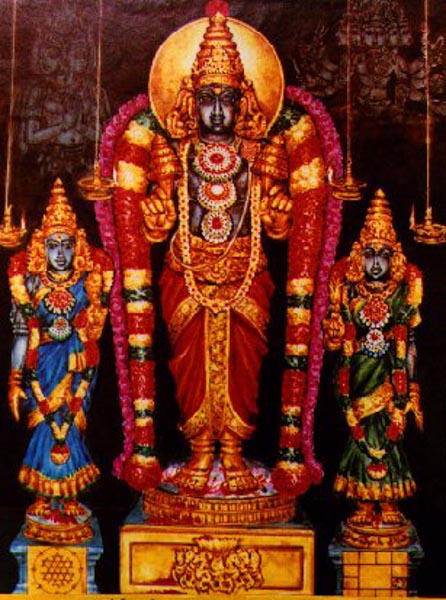
मंदिरापर्यंत पोचण्याचा मार्ग:
ठळक वैशिष्ठ्ये:
सूर्य मंदिराचा इतिहास:
मंदिरात साजरे होणारे सण:
- फेब्रुवारी महिन्यामध्ये १० दिवसांचा रथसप्तमी सण
- प्रत्येक तामिळ महिन्याच्या पहिल्या रविवारी येथे भगवान सूर्यांवर विशेष अभिषेक आणि अर्चना केली जाते.
- सूर्य आणि गुरु ग्रहांचे एका राशीतून दुसऱ्या राशीत भ्रमण होत असतांना इथे विशेष पूजा केल्या जातात.
दक्षिण भारतातील नवग्रह शिव मंदिरे - प्रस्तावना
Thiru Naganathaswami Temple - Temple of Ketu

History of Ketu Temple:
General Information:
Speciality of the temple:
Thirunageshwaram - Temple of Rahu

Salient Features:
Darbharanyeshwara at Thirunallaru - Temple of Shani

Legends:
According to Puran, Lord Vishnu worshiped Lord Shiva and Parvati at this place and got Manmatha (kamadeva) as his son. Hence as a token, Lord Vishnu created the Somaskanda form ie. with Lord Muruga seated in between Lord Shiva and Goddess Parvati. Later on Vishnu gave this to Indra and by worshiping this form he obtained Jayant and Jayanti as children. Later on he created six more forms of the same somaskanda and gave all of them to Muchaganda.
Other shrines in this temple:
Special features:
Festivals:
Thiruagnishwarar Temple at Kanjanoor - Temple of Shukra (Venus)

Features of this kshetra:
Idols in the temple:
- Near the shrine of Goddess Parvati, we find the idol of Adi Karpagambal.
- The shrines of Vinayaka, Mayur Subramanya and Mahalakshmi are found in the parikrama
- The agasthiwarar lingam is located under the Palash tree.
- Idols of Manakkancharar, Kulikamar, Suraikai Bhaktar and his wife are found near Shiva Linga.
- In mahamandap we have the idols of Bhairav, Surya, Chandra, Navagrahas and Nalvars (great Shaiva saints).
Legends:
History of Shukra Graha:
Festivals
- In the Tamil month of Adi and in the nakshatra Purva Phalguni (Pooram in Tamil)
- Masi magha festival in the Tamil month of Masi (Feb-March)
- The festival of Haridattashivachary in the Tamil of Thai (Jan-Feb)
- Navaratri festival in Purattassi (Sept-Oct)
- Thiruvaduthurai festival in Margazhi (dec-Jan)
- Besides this, festivals for Anjaneya and pradosha puja are also performed
Thiruapatasahayeshwarar Temple at Alangudi - Temple of Guru

This temple is situated about 17 kms from Kumbhakonam towards Mannargudi. This Shiva temple is the Navagraha sthala for planet Jupiter. The temple is more than 2000 years old and is one of the 275 temples revered by Nayanmars.
Important features:
Salient features of this place:
Legends:
Important festivals:
- Guru transit
- Chaitra pournima
- Thai pusam festival in (Jan-Feb)
- Panguni uttaram car (chariot) festival in Mar-April
- Pradosha puja on every pradosha day
Shwetaaranyeshwarar Temple at Thiruvenkadu - Temple of Budha

Salient Features:
Legends:
Other deities and shrines at this place:
1. Shrine of Lord Vinayaka2. Shrine of Lord Vallabha Ganapati with his wife Sri Vallabha devi by his side
3. Shrines of Lord Muruga, Sweta mahakali and Bhairav
4. Idols of Swetavanaperumal, Panchalinga, Nageshwarar and Veerabhadra
5. Shrine of Kashi Vishwanath and Vishalakshi
6. There is a separate shrine for Lord Vishnu
Festivals:
Thiruvaidyanadar Kovil - Temple of Mangal (Mars) - at Vaitheeshwaran Kovil

How to reach the Temple:
Legends associated with this temple:
1. Siddha amruta teertha: It is stated that the siddhas did abhishek at this place with amrut and obtained many boons. At that time some amrut spilt into the teertha and teertha got the name Siddha Amrut Teertha. Due to a curse of Sage Sadananda no frog or snake is found in this teertha.
2. It is believed that, a potion (a paste) that cures number of diseases made from anthill, abhishek teertha, neem leaves, abhishek chandan and abhishek bhasma, have been prepared by Lord Shiva himself. Even now such a paste is prepared at this place and it is believed that it cures more than 400 diseases.
History of Mangala Graha Temple:
Reportedly, all Vedas were initially Brahmin/ Human Being/ God.
All 3 (Jatayu, Rig Veda and Murugan) have worshiped Lord Shiva at this place. Besides these three, Parvati and Angarakan have also worshiped Lord Shiva here.
Rig Veda worshiped here and got rid of his deficiency.
Also at this place, Lord Shriram cremated Jatayu (mentioned in Valmiki Ramayan). Jatayu fought with Ravana to protect Sita and in that battle lost his life.
Also at this place, Lord Murugan got the sacred spear (Vel), from Parvati, for annihilation (samhar) of demon SuraPadman. It is believed that Gods who were injured in the battle with SuraPadman were cured by Lord Shiva while His Consort Parvati helped by attending/ nursing them at this place. The name VAITHEESWARAN signifies the nature of work done here by ShivaShakti as a VAIDH – healing/ tending to wounds, restoration of health/ well-being, providing cure/ remedy.
There used to be 18 sacred ponds (Punya Teerthaa) here, some of which are not traceable. Some of the known ones are
1. SiddhaAmritTeertha – the first teertha created by KAMADHENU.
2. GoDandaTeerth – (Dand = Bow/Stick) According to mythology, Shri Ram had taken a bath here when He was en route to Lanka.
3. Gautama Teertha – Created by Gautam Muni (Sage).
4. BilwaTeerth,
According to the legends one’s desires are fulfilled by worshiping at this place. It is believed that the following boons can be obtained by worshiping the deities as mentioned below.
1. Karpagavinayaka will fulfill all boons
2. Angaraka removes angaraka dosha
3. Vaidyanadar swami cures all diseases
4. Selva muttu kumaran (Lord Muruga) fulfills boons to get the children
5.Tailanayaki for the welfare of the children
3. Skanda shasthi festival is held for six days in the Tamil month of Aippasi
4. Kartikeya Abhishek is done in the month of Vaikashi (May-June)
5. Every month special puja is performed on the day of Kartika (Krittika) nakshatra
6. Pradosha puja is performed on every pradosha day
Kailasnadar - Temple of Chandra Moon - at Thingalur

How to reach the Temple:
Special features:
History of Chandra Graha Temple:
Festivals:
- Special abhishekams are performed on Amavasya, Krittika nakshatra, Pournima, Mahashivaratri and Ardra darshana
- Panguni uttaram festival
- Kartikeya festival are held regularly
Suryanar Kovil - Temple of Surya

How to reach the Temple:
Special features:
Legend(s):
Festivals:
- A 10 days festival is held on ratha saptami in February
- Special abhishek and archana is done for Lord Surya on the first Sunday of every Tamil month
- Special worships are done during the transit of Guru and Saturn
Navagraha sthalas in South India
All following temples can be visited in 2-3 days. All of them are located very close to Kumbhakonam. Besides these, there are other places also where we can find individual temples for the Navagrahas. In our subsequent articles we will be giving an account of each temple.
Chidambaram Shiva Temple

This Shiva temple is one of the largest Shiva temple in the world (about 40 acres). It is the Pancha Bhoota sthala temple representing the element “Aakash”. It is also one of the 275 Shiva temples revered by Shaivaites Nayanmars. It is situated at Chidambaram in Kadalur district of Tamil Nadu.
- Thiruadimulanadar and Umaiyala – The Linga swaroop worshiped by sages Vyaghrapada and Patanjali.
- The Shrines of 63 Nayanmars
- Shrine of Shivagamsundari
- Shrine of Vinayaka
- Shrine of Lord Muruga
- Chittambalam – This sanctum houses Lord Nataraja and Goddess Shivagamasundari
- Ponnambalam or Kanaksabai – The rituals are conducted from here
- Nrityasabai – This is the 56 pillar hall near the dhwajastambha. Here Lord Nataraja out danced Kali and established his superiority
- Rajasabai – This is a 1000 pillar hall which symbolizes the yogic chakra, sashastraram. This hall is open only during festival days.
- Devasabai- This houses the panchamurtis, Lord Ganesh, Lord Somaskandha, Goddess Shivanandnayaki and Lord Chandikeshwar.
- Of the 5 Pancha Bhuta sthalams, Shrikalahasti, Kanchipuram and Chidambaram stand on a straight line at exactly 79’41” East longitude. Thiruvannaikaval is located around 3’ to the South and 1’ to West of Northern tip of this axis whereas Thiruvannamalai is mid-way between these two.
- The nine entrances of the temple signifies the 9 orifices in the human body.
- In the Ponnambalam, the sanctum sanctorum represents the heart which can be reached by the 5 steps, which represents the Panchakshari mantra - SI VA YA NA MA. The entrance to this sabai is from the side and not from the front as in usual manner. The roof of the sabai is supported by 4 pillars representing the 4 vedas.
- Ponnambalam is supported by 28 pillars representing 28 agamas (methods of worship). 64 beams of the roof represents 64 forms of arts. The cross beams represents the blood vessels in the body. 21600 golden tiles of the roof represent 21600 breaths. The tiles are fixed by 72000 golden nails representing the nadis in the human body. The 9 golden kalash represents the nine forms of energy. The artha-mandap has 6 pillars representing the 6 shastras.
- The hall next to artha mandap, has 18 pillars representing 18 puranas.
- In the Tamil month of Margazi (Dec-Jan) – Thiruvaadhirai
- On the 14th day of the new moon in the Tamil month of Masi (Feb-March) festival is held
- In the Tamil month of Chittrai (April-May) – the festival is held on Thiruvonam
- In the Tamil month of Aani (June-July) – festival is held on Uttiram nakshatra
- In the Tamil month of Aavani (Aug-Sept) – festival is held on Chaturdashi
- On Chaturdashi day of the tamil month of Protasi (Oct-Nov) festival is held
- Natyanjali is celebrated in February. Dancers gather to present Bharatnatyam to Lord Natraja as a mark of respect
Thiruannamalai Shiva Temple

The temple of Lord Shiva (Annamalaiyar) is located at Thiruannamalai in Tamilnadu. This is one of the Pancha Bhuta Sthala and represents the element Fire. It is also one of the 275 Shiva temples revered by Nayanmars in their sacred hymns. At this place the Shiva linga is the mountain itself. This place is also known as Shonachalam, Shonagiri and Arunachal. As stated, mountain forms the linga and the surrounding broad portion is the temple. It is stated in puran that the Lord exists at this place in the form of Jyoti (Flame).
Mulavar: Annamalaiyar
Devi: Parvati, Unnamali amman (Devi), Apitha Kuchambal
Sacred teertha: Agni teertha
Important festival: Lamp festival in the Tamil month of Karthik known as Karthigai dipam.
Other deities in the shrine: Nandi, Surya.
Behind the walls of sanctum, idol of Venugopalaswami (Vishnu or Lord Krishna) is found. The idols of Somaskandha, Durga, Chandikeshwar, Gajalaxmi, Arumagaswami (Sankmukha), Dakshinamurthi and Lingotbhavar are found around this sanctum. The shrine of Parvati (Unnamali amman) is depicted in the 2nd enclosure. To the North of flag staff (Kodimaram) we find Sambandha Vinayaka. There is a 1000 pillar hall and to its South, shrine of Subramanya is located. There is an underground lingam known as Patal-lingam where Raman Maharshi did penance.
The tantrik chakras personified in Shiva temples are known as Aadhar sthala. The Annamalaiyar temple represents Manipurag shalam and is associated with Manipurag chakra. Following legends are associated with this place according to Puran.
Once Brahma and Vishnu had an argument regarding their superiority. They approached Lord Shiva to settle the dispute. Shiva appeared as a column of Fire and asked them to find top and bottom of the flame. Vishnu became a boar (Varaha) and sought to find the bottom while Brahma became a swan and searched for the top. With the help of the Ketaki flower, Brahma stated (lied) that he had seen the top whereas Vishnu conceded his defeat and he could not see the bottom. As punishment for lying, Bramha was cursed so that he could never be worshiped in any temple on the Earth.
In another reference in the puran, Parvati once closed the eyes of Lord Shiva in a playful manner in a garden in mount Kailash. Due to this the whole world came to stand still. As atonement for this act, She performed penance along with the other devotees of Shiva at this place. Lord Shiva appeared as a column of Fire at the top of Annamalai mountain and blessed Her. Hence Annamalai mountain (Red mountain) which lies behind Annamalai temple is sacred and is considered as a lingam.
Festivals:
There are 4 major festivals at this place and are known as Brahmotsav. Kartigai dipam (Light festival), Chaitra pornima, Tiruvoodal in the first week of Tamil month Thai (i.e. around Sankrant on January 15-16th). Nandi is decorated with fruits, vegetables and sweets. This day is celebrated in Tamilnadu as the festival of bullock (Mattu-pongal).
Besides this every full moon day, 10s of 1000s of pilgrimage performed Girivallam i.e. circumvallate Arunachal hills. There are 8 small shrines of Lingam located along the Girivalam. Each one of them is associated with the 12 moon signs.
The day on which Lord Shiva manifested first in the form of Linga i.e. column of Fire is celebrated as Mahashivaratri. In Maheshwar khand of Skandha puran, sage Vyasa has described the greatness of Arunachala. A quote from Raman Maharshi on the sand city of Arunachala is as follows –
“ Holi places such as Kashi, Varanasi and Hrishikesh are sacred as they are abodes of Lord Shiva. Whereas Arunachala is Lord Shiva Himself. Arunachala is a secret kshetra. It is the place that bestows Gyana. In that place Lord ever abides the hill of light named Arunachala. ”
According to Arunachala Mahima one will certainly attain liberation by seeing Chidambaram, by being born in Tiruvarur, by dying in Kashi and by merely thinking of Arunachala.
The great Saint Raman Maharshi meditated on the slopes on Annamalai hills. His ashram is located in the foothills of Annamalai hills. Saints like Sheshadri swamigal and Yogi Ramsurat Kumar have been associated with this place.
Courtesy: Following sites
1. https://tamilnadu-favtourism.blogspot.com/ and
2. https://temple.dinamalar.com/en/
3. https://indianmandirs.blogspot.com/2013/11/agni-lingam-tiruvannamalai.html
ShriKalahasti Shiva temple

This Shiva temple is situated at Kalahasti in Chittur district of Andra Pradesh. This is one of the Pancha Bhoota Sthalam representing Vaayu tatva. It is also one of the 275 Shiva temples revered by Nayanmars. This is about 40 km from Tirupati Balaji temple. This temple is also a Rahu-Ketu Parihar sthala where sarpadosha shanti is performed. The temple is about 2000 years old. The river Swarnamookhi flows nearby.
Mulavar: Shrikalhastiswarar
Devi: Parvati, Gyana Prasunambika
This is a swayambhu linga where Lord Shiva is worshiped as Vaayu linga. This is the only temple to remain open during Lunar and Solar eclipse.
According to Purans, Brahma worshiped at this place in all 4 yugas. During Mahabharat, Arjuna worshiped here. As per puran, Vaayu performed penance at this place for about 1000 years with a lingam. Pleased by his penance, Lord Shiva granted him 3 boons. As per Vaayu’s wish, the lingam is known as Karpur (Camphor) lingam and is worshiped by all including Munis, Devas, Kinnars, Asuras etc. Besides, there are other references also found in puran. Parvati was asked to assume the human body by Lord Shiva. To get rid of this curse, She was asked to perform penance at this place. Pleased by Her penance, Lord Shiva recreated Her with much more beauty than Her previous heavenly body. She was initiated with Panchakshari mantra and with other mantras by Lord Shiva. Hence Parvati is addressed as, Gyana Prasunambika.
Mayura, Chandra, Devendra were freed from their curses at this place by bathing in Swarnamookhi river and performing penance.
Shrikalahasti gets the name according to the puran as per the following legend. During puranik days, a spider (Sri), serpent (Kal) and elephant (Hasti) worshiped Lord Shiva at this place. The spider lived in the inner sanctum and worshiped the Lord by weaving a web over Lord Shiva. Due to breeze, the web was destroyed by altar fire. Spider getting angry tried to gulp the flame and died. Appreciating its devotion it was granted moksha by Lord Shiva. This act of spider as if it was realizing the self (flame) by gulping and endangering its life i.e. its ego gave it moksha.
A cobra worshiped at this place by offering gems and valuable jewels. After sometime, an elephant came to worship and sprayed the lingam with water brought in its trunk. It placed bilva leaves over the lingam by removing gems and jewels. This process was going on for sometime. At last one day, the cobra getting angry, bit the elephant by entering into its trunk. The elephant dashed its trunk against the wall and both of them died. In appreciation of their devotion, Lord Shiva granted them moksha. At the foot of the linga we can see, the images of a spider, a five headed snake and 2 elephant tusks. A staunch devotee of Lord Shiva, Kannappa, sacrificed his both eyes and tried to fix it on the lingam. He had found the lingam bleeding from the eyes during one of his worship. After this incident, he was given moksha in appreciation of his devotion.
A lamp burns inside the inner sanctum that constantly flickers despite the lack of air movement inside. The Vaayu linga can be seen in motion despite the doors being closed (sanctum has no windows). The Linga is a swayambhu linga and is white in color. The Linga is made of a white stone resembling the trunk of an elephant.
There is shrine of Lord Vinayaka which is cut in a rock. It is placed below the ground level. The idols (images) of Vallabha Ganapati, Mahalaxmi Ganapati and Sahastra Linga are the rare ones found in this temple. There is a large shrine for Gyana Prasunambika. There are small shrines of Kashi-Vishwanath, Annapurni, Suryanarayan, Sadyog Ganapati and Lord Subramanyam. There are 2 sacred teerthas namely Surya Pushkarni and Chandra Pushkarni.
Festivals:
Mahashivaratri is the most important festival. Brahmotsavams are celebrated along with Shivaratri for 13 days. Karthigai deepam and Maasi festival (Feb-March) are other
noteworthy festivals.
Courtesy: Following sites
1. https://tamilnadu-favtourism.blogspot.com/ and
2. https://temple.dinamalar.com/en/
3. https://temple-timings.blogspot.com/
Jambukeshwarar Temple At Thiruvanaikoil

This Shiva temple is located at Thiruvanaikoil (Jambukeshwaram) in Trichy district of Tamil Nadu. This is one of the Pancha Bhoota Sthala representing the element water. It is a Padal Petra Sthalam i.e. one of the 275 Shiva temples revered by Nayanmars i.e. Shaiva saints.
Moolavar (Main Deity): Jambukeshwarar
Utsava moorti: Chandrashekarar, Somaskandha
Devi (consort): Parvati (Akhilandeshwari)
Sthalavruksha (Sacred tree): Safed (white) jambhool fruit
The temple is about 1700 years old and the Shivalinga is the swayanbhu linga. Other deities in the temple are Maha-Saraswati without Veena behind Lord Shiva’s sanctum, Chandra with wives Kritika and Rohini, Panchamukha Vinayak, Lord Shani with his wife Jyeshtha Devi.
On the bank of Jamboo-teertha, there is a Kuber linga (worshiped by Lord Kubera). Abhishek is performed on a full moon day of June-July with the fruits, plantain, mango and jackfruit on the Kuber linga. It is stated in Sthala puran that Goddess Ambika performed penance in the Tamil month of Aadi (July-August) at this place. Mother Parvati graces this place as Maha Lakshmi in the morning, as Parvati in the afternoon and as Saraswati in the evening. The sanctum of Jambookeshwar lingam has an underground water stream. In spite of pumping the water under the lingam, it gets filled again and again.
Kshetra Puran:
A number of legends are associated with this place in kshetra puran.
When Lord Shiva was in deep meditation at Kailas, Parvati thought why he should seat in meditation when I am by his side. She teased him on this account. Due to this Lord Shiva got angry and cursed her to go to Bhulok as an atonement. She asked for forgiveness and he stated that he will give her dnyanopadesh in the Bhulok and will pardon her. Parvati reached bank of Kaveri and discovered a shiva linga in the waters. The place where she performed penance and installed the appu linga (shiva linga in water) is Thiruvanaikaval. Lord Shiva became her Guru and gave dnyanopadesh at this place which indicate that the Guru is necessary for obtaining dnyanopadesh. There was no need for Parvati to have a Guru as she was Adi Parashakti herself but to teach the world a necessity of Guru for dnyanopadesh she must have enacted this drama. In this temple we come across the scene where Parvati worshiped Lord Shiva and this is enacted by the Shivacharya (Shaiva priest) in this temple. The water spring under the Shiva Linga is known as Hema Teertha (Pataal Ganga). The water from Hema Teertha is used for the Abhishek of Jambukeshwar linga. It is believed that the water from this spring was used by Parvati for worshiping Shiva Linga. At this place Parvati is depicted as an unmarried girl performing penance and as a student waiting to get upadesh from the Guru.
There were 2 quarrelsome Shiva ganas namely Malyavan and Pushpadanta. During one of their fights Malyavan cursed Pushpadanta to become an elephant and in turn Pushpadanta cursed Malyavan to be a spider on the earth. The elephant and the spider came to Jambookeshwar and continued the worship of Lord Shiva. The elephant collected water from Kaveri and did Abhishek. The spider spun a web over the Shivalinga to prevent the dry leaves falling on the lingam from the Jamboo tree. The elephant thinking the web to be the dust over the lingam, cleaned the lingam daily by pouring water. And in turn the spider spun the web everyday. Once getting angry the spider crawled into the trunk of the elephant and bit the elephant to death. In this process it also got killed. Lord Shiva, moved by their devotion, relieved them of the curse and gave moksha. As the elephant worshiped at this place, the place is known as Thiruaanaikaa (thiru means holy, aanai is elephant, kaa (kaadu) means forest). Later the name 'Thiruaanaikaa' became 'Thiruvanaikaval' and 'Thiruvanaikoil'. In the next birth, the spider was born as a King and built the Shiva sanctum so small that no elephant can enter the temple. The entrance is about 2.5 ft wide and 4 ft high.
Goddess Parvati is known as Akhilandeshwari at this temple. The idols of Shiva and Akhilandeshwari are opposite to each other. This type of temples are known as Upasana sthalams. There is no Thirukalyanam (divine marriage) conducted at this place as Parvati is a student and Lord Shiva is Guru.
Aadi-Shankara installed Prasanna (pleasant) Ganapati opposite to Akhilandeshwari and installed a pair of Srichakra (as ear rings) to reduce the anger of Parvati. The shrines of Parvati and Prasanna Ganapati are in the shape of Pranav Mantra “OM”. The image of Ekapada Trimurti (Shiva, Vishnu and Brahma) is similar to the one at Thyagaraja temple at Thiruvottiyur near Chennai.
Kanchi Ekambareshwarar Kovil

- This is a siddha sthal, people come here seeking, various boons under the belief that they will be fulfilled.
- People come to this place for mental peace
- As Lord Shiva is in his bridal form, a large number of people come here to perform their marriage.
- Weekly Somavar and Shukravar pooja
- Regular pooja on Amavasya, Poornima, Kritika nakshatra, Chaturthi and Pradosh
- Brahma utsav in Tamil month of Panguni (March-April) is held for 10 days concluding with Kalyan utsav. On 5th day, Ekambareshwarar is taken in procession in a silver chariot while Nandi is taken in procession in morning and Ravneshwar vaahan in evening.
- 63 Nayanmars are taken in procession on the sixth day morning whereas Ekambareshwar is taken in procession in a silver chariot in the evening.
- On the ninth day, a worship known as silver mavadi (under mango tree) seva is conducted.
- Special abhishekas are performed on Tamil and English new years on Diwali and on Sankrant day.
Pancha Bhuta Sthalam
Kamakshidevi Temple at Mangadu

There is another temple at Mangadu (forest of Mango tree) near Kanchipuram in Tamil Nadu connected to the legend of Kamakshidevi. The main deity at this temple is Devi Kamakshi. Kshetra vruksha i.e. sacred tree is Mango tree.
This place is about 3000 years old. This place is mentioned as Sudhavanam in puranas. There is another temple very close to this and is known as Velli-ishwar. It is dedicated to the planet Venus (Velli in Tamil). In Kamakshidevi temple, only the foot print of Kamakshidevi is installed. In this temple there are 2 Vinayaka idols. In one idol we perceive Lord Ganesha holding Paddy stocks and a Mango in His hands. In the other idol He has an umbrella and a mango. Aadi-Shankaracharya has installed a Arthameru chakra in this temple. This chakra has 43 triangles and is made of Ashtagandha. Hence no Abhishek is done on it. On all days the chakra is covered by a Silver casing. Except on Vijayadashami day, when it is covered by a Gold casing.
Legend associated with this place according to the puran –
This is the place where Parvati was asked to start Her penance under a mango tree. She was promised by Lord Shiva that He will marry Her after Her penance. She started Her penance observing rigid rules, standing amidst fire. She made five agnikundas and stood near the central agnikunda with Her left toe touching the fire with right leg placed on her left thigh i.e. She stood on one leg. The left hand was on Her navel and right hand held a Japa-mala above Her head. Later on, at the end of Her penance, She heard a voice advising Her to proceed to Kanchipuram and continue the penance there. As her penance started at this place, the place is revered as Aadi-Kamakshi sthala.
Goddess Ambika gives darshan at this temple in 4 forms. 1) As Srichakra 2) Aadi-Kamakshi idol of Panchadhatu 3) Kamakshidevi doing penance among five kundas 4) a small lamp burning near Aadi-Kamakshi which is revered as Ambika Herself.
Another legend from the puran is as follows. Shukra (Venus) tried to dissuade Mahabali from giving 3 feet of land to Lord Vishnu who appeared as Vamana. He blocked the vessel containing water while giving Daan. Lord Vishnu removed this block with a Kusha (Darbha) grass and made Shukra blind. Shukra performed penance at this place on Lord Shiva and got his vision back. He did penance during same period as Parvati. Lord Shiva appeared before Shukra first and granted the boon. This indicates that the priority is for devotee.
When Lord Shiva came to acknowledge the penance of Parvati, Lord Vishnu also came along with gifts for His sister’s marriage. When he proceeded to Kanchipuram, along with Shiva & Parvati, Maharshi Markandeya begged Him to stay at this place. He stayed back and he graces his devotees at this place as Vaikuntha-perumal.
Festivals –
On the full moon day Nava (9) kalash homa is conducted for nine forms of Shakti.
Nirayamani festival is conducted on the full moon day in September-October.
Courtesy: Following sites
https://tamilnadu-favtourism.blogspot.com/ and
https://temple.dinamalar.com/en/
Kanchikamakshi Devi temple
Main idol – Kamakshi amman
Sthalavriksha – Champa tree
Sacred Teertha – Pancha ganga
The main idol of this temple is Kamakshidevi seated in Padmasana (Yogic posture). This signifies peace and prosperity. She holds a sugarcane bow and bunch of flowers in the lower 2 arms. She has a Paash (noose/lasso) and Ankush (Goad) on her upper 2 arms. There is also a parrot perched near the flower bunch.
There are a number of legends from the purans associated with this place and also for the fact that why only one Devi temple is found in this city. According to Kamakshivilasa, Goddess have to absorb all other Shakti forms to grant a boon to Kamadeva (God of Love). According to another legend the Rajarajeshwari pose signifies absolute control over the land under her control. Aadi-Shankaracharya re-established the Srichakra in the Kamakshidevi temple in the temple tank (sacred teertha) for the shrine.
In the shrine of Kamakshi amman close to the sanctum, Thirukklavanur, one of the Divya Deshams (temples of Vishnu) is present. It is believed that the old Kanchikamakshi temple is also a Shaktipeeth where Aadi-Shankara has installed the Srichakra.
Legends:
The following legends are stated in the purans regarding the Goddess Kamakshi.
In Kailash, Mother Parvati covered the eyes of Lord Shiva (who was in a secluded place) in a playful mood. This resulted in a total stand stilling of all activities of the universe. Parvati requested Lord Shiva for atonement and pardon. He advised Her to proceed to bhoolok and undergo penance. He stated that at the end of your penance you will be pardoned. He gave her the following instructions. You will be born as a daughter of sage Katyayan. He will take care of you for 8 years. At the end of 8 years he will hand over certain things to you. With these things you will proceed to Kashi. There you will take care of people from famine as Annapurni for 12 years. Then you will proceed to South. At a place in South, the things in your hand will change. That is the place where you have to perform the penance.
As per His instructions, when She reached the place in South, the things held in Her hand changed. The vessel in Her hand became a lamp; Rudraksha became a Bilva garland; Yogadanda became a Trishul; the fan became a parrot; and the Ganges water in Kamandalu became the Milk and so on. Parvati understood that the time has come for Her to start her penance. Sage Narada appeared there and initiated Her with Panchabaan Mantra. She did penance for 6 months by making Shivalinga of mud on the banks of river Kamba. In order to test Her, Lord Shiva sent Ganga Devi to destroy Shiva linga. Parvati commanded one of Her maid servant to catch the Ganga Devi in Kamandalu. Later on, the same maid became the Shakti for Pralaya (eternal deluge). Parvati held Shivalinga to Her heart to protect the Shivalinga. Even today we can observe the marks on Shivalinga. Later Lord Shiva manifested as Kameshwar and Parvati as Kameshwari. They married on the bank of river Kamba under a mango tree. The place where She worshiped Lord Shiva is Kanchipuram. Hence this became one of the Panchabhoota sthalam representing the element Earth.
Festivals:
1. Golden chariot festival – Every Friday.
2. On the first day of Tamil month, full moon day and new moon day there is chariot festival.
3. Navavarana Pooja is conducted on every full moon day.
4. Bramhotsavam is held every year in February. 5. Besides this, Navratri festival is held on a grand scale.
There is a 2nd part which is associated with the above legend which we will cover in the next article.
Courtesy: Following sites https://tamilnadu-
favtourism.blogspot.com/ and
https://temple.dinamalar.com/en/
Shri Vilas Karnik
Shri Karnik founded Dnyandeep classes and then sometime later invited Shri Raghupathi Sir to join as well. During their tenure Dnyandeep classes grew exponentially and gained a lot of respect and popularity in Dombivli. Many students from this class still remember Dnyandeep classes and pay their respect and attribute their success to the learning from this class.
Shri Karnik was a great human being indeed. He gained lot of respect among his students and his associates.
In his later years he spent lot of his time writing spiritual articles and published and distributed spiritual booklets free of cost. He also contributed in this blog.
Shri Karnik was also closely associated with the activities of Shri Sainath Maharaj Trust.
We offer our sincere condolences to bereaved family and pray that his soul may rest in peace.
Structure of Shiva Temples
According to the rules described in Vedas, a Shiva temple has to be built with certain rules regarding the position of the other deities in the temple.
In Shiva temples, we come across Shiva Linga denoted by various names but Lord Shiva is personified as Maha Lingam.
Typical structure of Shiva Temple is as follows. In all Shiva temples Lord Ganesha is located in the sannadhi corner; Lord Subramanya in the West; Chandikeshwar in the North; Dakshinamurti in the south; Lingothbhavar or Lord Vishnu on the back wall of the sanctum's outer side; Somaskandha in the south-west (agneya) direction and Nataraja and Bhairavar in north-east (Eshan). All these are known as Parivaar devata.
Interestingly, in Tanjore district we come across such an arrangement of Shiva temples at geographical level. At Thiruvadaimaruthur, Mahalingam (considered as Moolavar) i.e. main deity. Sannadhi corner is Thiruvalanchuzhi where there is SwetaVinayaka temple; to the west at SwamiMalai there is Lord Subramanya temple; at South – at Alangudi there is Dakshinamurti temple; in the North there is Thiruchaianjalur Chandikeshwar; at East at Thiruvadurai there is Nandikeshwar temple; at south west there is Thiruvarur Somaskandha temple; at Chidambaram there is Nataraja temple and at Sirkazhi we have Bhairava temple. And so, if we look at all these places on a map, we perceive that whole Tanjore district can be considered as a Shiva temple.
Courtesy: Following sites https://tamilnadu-favtourism.blogspot.com/ and https://temple.dinamalar.com/en/
Importance of Devi Beej Mantra
It means that the person concerned becomes immobile, loses consciousness and remains unaware of his surroundings. Human beings are capable of controlling their mind and reach above mentioned state. This state can be considered to be the ladder which connects us with the Almighty and obtain supreme bliss. Mantras help us to achieve this state. Hence, mantras can be considered to bridge the gap between us and the Almighty. As the mother responds to single call of her child, Devi (Goddess Mother) also responds in same manner when we recite her stotras or namavalis. When we recite her 1000 names, she provides a shield around us without our own knowledge.
Under the command of Lalithadevi, Lord Hayagriva explained to the Sage Agastya, the importance of chanting the Devi mantras (Naam). According to Lord Hayagriva, by chanting a single name from the sahastra naam of Lalithadevi, we obtain the same Punya (benefit or boon) which is greater than the Punya obtained due to following deeds.
- Taking bath in all sacred tirthas
- Establishing enumerable Shiva lingas in Kashi which is called Avimukta Kshetra
- Giving crores of gold coins to Brahmin and Vedic pandit on a Solar eclipse day
- Performing Ashwamedha yaag infinite times on the banks of the sacred river Ganga.
- Digging innumerable wells where the people are suffering without water
- Performing innumerable number of Annadaan during a famine.
Furthermore, by reciting one naam, from the namavali, helps remove all the sins irrespective of their magnitude. Mere recital of single name of Lalithadevi, removes the sins due to all acts of errors and omissions of all duty. Hence the recital of sahastra naam is considered to be the most important aspect of worship in spiritual path. In that also the worship of Devi is considered to be one of the greatest.
The word Lalith itself indicates that she is lovable, adorable, beautiful, benevolent, affectionate, passionate and so on. Hence the practice of worshiping Devi with 1000 names i.e. Lalitha sahastranaam, is largely prevalent. The greatness of this Sahastranaam with respect to other Sahastranaams is that it contains exactly 1000 names without any repetitions. It also does not contain the words meant for rhythm. It is not only the namavali but it also contains (tells) rules and guidelines for the Upasana.
Among the Devi mantras, the most important is known as PANCHADASI which is a combination of 15 beejaksharas (seed letters) divided in 3 parts
Part 1 : ka (क), ae (ए), e (ई), la (ल), hrim (ह्रीं),
Part 2: ha (ह), sa (स), ka (क), ha (ह), la (ल), hrim (ह्रीं),
Part 3: sa (स), ka (क), la (ल), hrim (ह्रीं).
Lalitha Trishati contains 300 names. Each of these 300 names start with a letter from panchadashi. For example there are 20 names starting with ka (क), 20 names starting with ae (ए) and so on. Making total 300 names.
Every part of panchadashi ends in HREEM, which is called Maya Beej Mantra. This mantra is considered as the seed (beej) of all the mantras. The Sanskrit word HREEM contains 4 alphabets.
HAKARA -HA (ह)
REKARA -RA – (र)
IKARA – EE – (ई)
ANUSWARA – MA (.)
HA represents Aakash tatva which is endless and denote Lord Shiva. RA denotes Ishwara and his inseparable Shakti. Hence it represents the sound which is pure Chaitanya. IKARA denotes the stage of Vishnu which is spread everywhere. MA represents the destruction of sound or stage all mingle to become a new one. Thus we can conclude that this Beej Mantra represents the Tri Shaktis namely Creation, Protection and Destruction. Therefore Lalitha Devi bears the title, HREEMKAR LAKSHANA.
Again the three alphabets in this Beej mantra represents Satva, Rajas and Tamaa gunas. They are again represented by the colors White, Red and Black. By this Beej mantra all evil forces move away.
This mantra has both Saguna and Nirguna qualities. Therefore it has to be recited in same manner in which we recite the Pranava mantra - OM.
Of the 5 Beej mantras of Devi, HREEM has the capacity to grant virtues. Hence we can consider these Beej Mantra as a bridge between Human being and Goddess Devi.
This mantra is the most powerful and whoever chants it makes him a leader of men.
Beeja Mantras
We attempted to explain importance and usage of beejaksharas. Hope you have found it useful. We seek forgivance for omissions or mistakes.
Mantras - Part V
This article is based on Satsang of Saint Melmaruvattur in TamilNadu. He explained the guidelines for reciting mantras or for doing NamaSmaran.

1. Everyone should recite the Mantra by sitting erect (with exception of those who are sick or disabled). Waves emanating from Mantra activate 72000 Nadis in our body. These have a direct relation to the thoughts produced in our mind. The Mantra recital gives a sort of control over these thoughts and help us in attaining peace.

2. Below the navel we have a Chakra known as MoolaDhar Chakra. In this the Kundalini shakti resides like a coiled snake. Those desirous of supreme knowledge can awaken this Kundalini shakti by doing Mantra recital in a proper and disciplined manner. Finally this makes them attain certain Siddhis.

3. As far as possible we should understand the meaning of the Mantras we recite. Even if we are unable to understand the meaning, we should learn to recite them in proper tone as the sound is the most important part of the Mantra.

4. Mantras should be recited with high concentration, that is we should not be disturbed by any one calling us or we not make signs to others for conveying our messages. That is, ignore all movements around us. The total concentration should be on the mantra. Our thoughts should revolve around Guru, God or Saints.

5. It is essential that we don't move our limbs during the recital. As far as possible we should not sneeze or yawn or feel drowsy during the recital. These are considered as Dosha (evil or sinful acts). Therefore it is advisable to take bath and wear fresh cloth for reciting mantras.

6. We should not rush through the recital to complete in a set time period.
With this article we are concluding article series on Mantra. Hope it was useful.Mantras - Part IV
Mantra word is explained as - manatat trayate iti mantrah i.e. that which protects when dwelt upon.
Mantra is one of the ways of realizing the Supreme Lord. It is stated that once our mind becomes pure, there is no need for reciting the mantras. Hence, it is essential to recite them till one reaches the stage of purity. It is also stated that once you reach such a state, you start realizing that you, almighty, and all things around you are one and the same. Stories of characters such as Meera, Pralhad, Purandardas are the examples of this. They achieved a vision where they could see God everywhere.
Diwali - Significance of Lamp
Namaskar
On this special and auspicious day of Diwali, let us contemplate a little on the topic of light. Most of us have grown up in homes where lighting of the oil and/ or ghee lamp in the place of pooja/ worship was a daily practice and we tend to continue the practice to our best ability, trying to pass that tradition, culture to our next generation.
Among the many reasons and benefits of lighting the lamp, here are a couple of them which I personally found very interesting –
- The
oil/ghee lamp is a monochromatic source of light and is considered to
boost the positive energies. It also wards off any negativities
(including thoughts) and hence purifies the home
I have very pleasant memories since my early childhood of my visits to my Guru’s (Shri Raghupathi Sir’s) home when he used to have two beautiful and sharp oil lamps lit in front of the Gods in the room. The calm and divinity couldn’t be missed even by the most agnostic person. I am sure many of my friends have experienced this as well.
I remember an incident when a visitor (spiritual seeker to be precise) at Sir’s home kept looking at the oil lamp in the room and suddenly asked if Ashtami had begun. I asked him later why he had asked the question randomly and he told me that he could see eight concentric rings around the flame and hence guessed that it was Ashtami! There’s a deeper science about the kind of oil, type of lamps, the direction of the flame and its merits which has been covered in detail in the past articles by Sir. - Another
explanation for the Nandadeep (24x7 lamps) from Shri Anna is as follows
– the energies (aura) of the Siddhas, Gods and/ or higher celestial
bodies cannot be directly seen or felt by most of us. Hence the
Nandadeep is lit to symbolize the energies and remind us to understand/
realize them as energies than just the form.
This is one of the reason why places like Shirdi, Akkalkot, Wadi, Gangapur, almost all temples have a Nandadeep.
These Nitya darshans of the external light (lamp) stimulate the inner flame (atma-jyot). By performing practices prescribed by your Guru, the darkness (of ignorance, Maya) can be eliminated and one finds the light within him/herself. Once the inner lamp is lit (by grace of the Guru of course), the seeker finds his/her own path, gets answers to all questions and is able to enjoy the eternal bliss. Faith and grace of the Guru form the oil which burn the ego & ignorance creating a pleasant light called Atma-tej.
In Osho Rajneesh’s words “jab dil ka diya jala ho, to thaali me diya jale ya na jale koi matlab nahie banta” (when the inner lamp is lit, the external lamps do not matter).
With this note, we wish you a very happy Diwali. May you experience the brilliance of the universe from the light within!
Mantras - Part III
This is a feeble attempt to translate the lecture of His Holiness Shankaracharya of Kanchi Mutt, about MantraYoga. We ask for forgiveness for any errors or omissions committed.
VedAdhyayan (study/practice of Vedas), can be considered as to be MantraYoga.
First, we must remember that by the movements of our Nadis, there is a disturbance caused in our brain, which gives rise to various thoughts/feelings like anger, love, sorrow, pain etc. In short, for getting a certain type of feeling the movements of Nadis are responsible. These feelings are reflected in our facial changes.
Hence, if we are able to control the disturbances, it is very easy to control the feelings (desires etc.). The art of getting control over Nadis is of 2 types - 1. RajaYoga, which is mainly based on Pranayam and 2. MantraYoga, that is reciting certain Mantras.
When we recite a mantra, the PranaVayu comes out of the gaps in our teeth, tongue, lips, upper jaw and lower jaw. By the movement of these parts, the sound of alphabets is created. This in turn causes ripples (disturbance) in our Nadis connected to these parts in our face. These disturbances in our Nadis create changes in our mind causing various feelings.
In order to control these feelings, the VedaMantras were created by Rishis and Munis, so that the unwanted thoughts/feelings can be removed.
So the VedMantras are meant for the benefit of one and all, so that a person can get control over desires and hence, can ultimately attain Moksha.
Diwali relevance and muhurtas for 2019
Diwali 2019 – location wise muhurtas, relevance of days and suggested practices
Typically most important question we have for Diwali is - what is the muhurta for doing certain pujas e.g. Laxmi Pujan. Extending on this idea of providing muhurta details, a thought triggered that the details, about what and when to do on each day of Diwali, relevance of festivities and some more insights, could be useful to all and hence compiled this information (mostly from Drikpanchang – https://www/drikpanchang.com). I credit this to the blessings of my Guru. I hope those who desire will find these useful.
Thursday October 24th, 2019 - Vasu Baras, Govatsa Dwadashi
Muhurta:
West Coast US & Canada: 6:19pm to 8:56pm PST
Relevance:
Govatsa Dwadashi is celebrated one day before Dhanteras. On Govatsa Dwadashi day cows and calves are worshipped. The wheat products are given to cows and calves after worship. People who observe Govatsa Dwadashi abstain from eating any wheat and milk products during the day. Govatsa Dwadashi is also observed as Nandini Vrat. Nandini is divine cow in Hinduism.
In Maharashtra, Govatsa Dwadashi is known as Vasu Baras and it is considered first day of Deepavali.
Suggestion(s):
- If possible visit any nearby cow-shed and perform a pooja of the cow preferably along with her calf. Usually its good to offer yellow colored daal (uncooked) or yellow food to seek blessings of the Guru (planet) especially for those undergoing adverse dashas as per horoscope. Many temples in and around the world (including US, UK, Canada) do keep cows.
- If you cannot easily find a cow to worship, offer the pooja and prasad to your Guru. If you do not know who your Guru is, offer the same to Ganapati. Ganapati routes the offering to your Guru and also brings you in contact with the Guru tatva in physical form.
- Chanting Shri Guru Gita, Ganapati Atharvashirsha and/ or Vishnu sahastranaam if possible
Friday October 25th, 2019 – Dhanatrayodashi, Dhanteras, Yama Deepam
Muhurta:
West Coast US & Canada: 7:19pm to 8:55pm PST
Relevance:
Dhantrayodashi which is also known as Dhanteras is the first day of five days long Diwali festivities. On the day of Dhantrayodashi, Goddess Lakshmi came out of the ocean during the churning of the Milky Sea. Hence, Goddess Lakshmi, along with Lord Kubera who is the God of wealth, is worshipped on the auspicious day of Trayodashi. However, Lakshmi Puja on Amavasya after two days of Dhantrayodashi is considered more significant.
Suggestion(s):
- Starting with Ganapati pooja, one should worship the wealth (and more importantly the giver of the wealth ie Lakshmi).
- Chanting Purusha sookta, Sri-sookta.
- Since it is also worship of Yama, one can chant/ hear Sri Rudra
Saturday October 26th, 2019 – Narak Chaturdashi, Tamil Deepavali
Muhurta (Abhyanga Snana):
West Coast US & Canada: 5:32am to 7:26am PST
Relevance:
Five days Diwali festivity starts on Dhantrayodashi and lasts on Bhaiya Dooj (Bhau beej) day. Abhyang Snan has been suggested on three days i.e. on Chaturdashi, Amavasya and Pratipada days during Diwali.
Often Narak Chaturdashi is considered same as Kali Chaudas. However both are two different festivals observed on the same Tithi and depending on the start and end timing of Chaturdashi Tithi might fall on two different consecutive days.
Suggestion(s):
Sunday
October 27th, 2019 – Lakshmi Poojan, Kali Pooja, Sharda Pooja, Chopda Pooja
Muhurta:
East Coast US & Canada: 6:52pm to 8:40pm EST
London: Narak Chaturdashi Abhyanga snana – 5:20am to 6:45am GMT and Lakshmi Poojan 5:23pm to 7:00 pm GMT
Relevance:
On the day of Diwali, people should get up early in the morning and pay tribute to their ancestors and worship family gods. Being Amavasya day, people also perform Shradh for their ancestors. Traditionally, most Puja are performed after keeping a day long fast. Hence, the devotees of Goddess Lakshmi observe a day long fast on the day of Lakshmi Puja. The fast is broken after Lakshmi Puja in the evening.
Suggestion(s):
- Best day to perform Lakshmi pooja. Starting with the regular abhishek accompanied with Purusha sookta, one should perform archana with flowers, Kumkum or rice accompanied with chanting of Srisookta, Khadgamala stotra and/ or SriLalitasahastranaam.
- Any number of Gayatri chanting on this day is most desirable
Monday October 28th, 2019 – Bali pratipada, Govardhan pooja, Annakut
Muhurta:
West Coast US & Canada: 7:28am to 9:37am PST AND/OR 4:05pm to 5:43pm PST
Relevance:
Bali Puja is also known as Bali Pratipada and performed on the first day of Kartik Pratipada which falls on the next day of Diwali Puja. Bali Puja coincides with Govardhan Puja. While Govardhan Puja is dedicated to Govardhan hills and Lord Krishna, Bali Puja is performed to seek blessings of Demon king Bali.
Suggestion(s):
Tuesday October 29th, 2019 – Bhau Beej, Yama Dwitiya
Muhurta:
1:55pm to 4:04pm PST
Relevance:
Yama Dwitiya is observed on Dwitiya Tithi during Kartik month. Most of the times, Yama Dwitiya falls two days after Diwali Puja. Yamraj, the lord of death, is worshipped on Yama Dwitiya along with Chitragupta and Yama-Doots, the subordinates of Lord Yamraj.
Suggestion(s):
- Some kind of Daan (donation, giving away) preferably towards hospitals and/ or institutions connected to providing services to humanity (preferably health)
- Do not forget to shower your love on your brothers and sisters
Mantras - Part II
A frequently asked question is, why it is essential to take Mantra-Upadesha from a Guru only?
Below is the answer to this question based on one of the lectures given by PoojyaShri Omkarananda Swami.
Vedas were derived (heard/listened) from space, in the form of sound waves, by rishis and munis who did immense penance.
Hence when reciting Veda, it is sound that is of utmost importance.
The puranas were written basically by adopting the meanings and facts from Vedas. In Vedas and Puranas, the subject matter is the same.
The mantras are of 2 types - those which are obtained from Vedas (Veda Mantra) and those that are obtained from Puranas (Puranic Mantra). Some of the Veda Mantras (vakyas) are Tat-tvam-asi, Aham Bramhasmi, Ayam Atma Brahma, Pradnyanam Brahma, Shivoham etc. and then there are Veda Suktas such as Purusha Sukta, Sri Sukta, Rudra Namakam, Rudra Chamakam etc. Some of the Puranic (Puranic) mantras are - Om Namo Narayana, Om Namah Shivaya, Shri Ram Jai Ram Jai Jai Ram etc
Since the Vedas were obtained from god directly (as sound waves), the Veda Mantras are very powerful and are of highest energy level. Their real meaning and importance can be realized only by those who have done strict penance and have recited them countless times. Hence only those realized people can pass on these mantras to other deserving people, through upadesha, so that the mantra recital will carry full energy, strength and grace. Therefore it is essential to learn Veda Mantras from highly elevated persons, whom we call 'Guru'.
When we read puranas, we find that even the gods - Ram and Krishna obtained their knowledge from a Guru, which signifies the importance of learning from a Guru.
The Puranic mantras have been obtained from Smruti as they were written from Smruti (memory). So, to some extent we can recite them without getting it from a Guru. But in order to derive maximum strength, grace and energy, even from Puranic Mantra, it is essential to obtain it from a Guru as well. This is because, each and every mantra is always associated with some invisible Rishi, Muni or Devata.
Mantras - Part I
The following questions were posed during the satsang.
Question 1: What is meant by Mantra? Is it necessary to have upadesh for reciting them? Can one and all recite them?
Answer given by Sage:
Mantras help us to calm our mind (thoughts), which is always in a turmoil with various thoughts (problems).
Mantras are based on sound waves spread across the space (sky). The rishis who were able to grasp them, passed them on to the others. Hence we have to remember that they were not written by anyone. The Maharishis grasped them by Shruti (listening or hearing) and gave it to the others by Smruti (memory). As they were given with a pure mind (mana), they are known as Mantra.
It is very important to note that mantras have to be recited with exact pronunciation and tone, as the sound is more important than the words. If there is a mistake in recitation, the results may be opposite to what they are meant for. Hence, to recite them properly, in the correct tone and pronunciation, it is essential to have a Guru. A Guru always evaluates a person before giving a Mantra-upadesh. Upadesh has to be obtained in a proper manner from the Guru, only then it becomes beneficial for the Guru as well as the Shishya (disciple).
That is why, rules are laid down as to who should be given an upadesh and how it should be given. There is no other ulterior motive behind framing the rules.
Reciting Mantras in a temple under a Bilva tree or Tulsi plant is considered to be the best place for reciting mantras.
Question 2: What is the difference between ordinary (puranic) mantras and Beej-Mantras? Is it correct to use these mantras to achieve certain benefits?
Answer given by Sage:
Beej-aksharas are seeds of Mantras. When a mantra is recited by uniting with a beej-akshara, they generate/create/activate waves or ripples in our mind. For example, the beej-mantra 'Om' indicates body and 'Kreem' indicates the mind.
Om activates Mooladhara chakra and cleans our body. It makes us (our mind) suitable (amenable) for the spiritual path. Hence it is necessary to recite mantras by uniting with Beej-Mantra.
Mantra Upasana can be used for obtaining both - good and bad results. By reciting mantras with good intentions, pure thoughts and with proper and correct pronunciation, we can achieve good and beneficial results.
For example, it is stated that by doing Santan-GopalKrishna-Homam, one can obtain an off spring for family or it is also seen that it is possible to have rain by doing relevant Homam.
But most important is that the rules laid down for chanting mantras and performing Homam should be adhered strictly.
Shri Unnathapureshwarar temple
This Shiva temple is located at Melattur in Papanasam taluka, Tanjavur district on Tanjavur-Kumbhakonam route. The temple is considered as a Shiva-Shakti peetha and is famous for Shiva- Shakti pooja. Goddess Aadi Parashakti along with Aadi-mula-dwarapalaki Makuteshwari offered worship at this temple on the Navami (9th day) of Navaratri.
Mulavar (Main deity): Unnathapureshwarar
Consort (Devi): Shivagami, Shiva-Priyambika
City: Melattur, Papanasam taluka, Tanjavur district
Pouranik Name: Unnathapuri, Unnathapuram, Nritta-vinod-valanadu
This temple is more than 1200 years old.
Kshetra Puran:
According to purans, the place is connected to Matsyavatar of Lord Vishnu. Once the four vedas were stolen by a demon named Somaka. He disappeared into deep sea along with the vedas. Lord Vishnu in the form of a fish recovered the vedas by killing the demon. During this process, he had drunk the blood of the demon. He became uncontrollable due to intoxication. When Lord Brahma and other Devas requested Lord Shiva, he came along with Parvati in the form of a fisherman and fisher-woman. They came in a boat and Lord Shiva caught the fish (Lord Vishnu) and squeezed it so that it vomited the blood. After vomiting the blood, the fish was transformed into Lord Vishnu.
Once Lord Vishnu along with Garuda entered Kailash – the abode of Lord Shiva. Even when he was obstructed by Nandi, Lord Vishnu overrode him and entered. Lord Shiva cursed Lord Vishnu to be born as a human being and Garuda as an ordinary bird. He also told them that they would regain their original form only after Rama-avatar. In the meanwhile they were advised to do penance and worship the Shiva Linga at Unnathapuram for atonement.
A Chola king named Kalmashpada got a progeny by performing penance at this place on the advice of sage Agastya.
It is believed that taking bath in the teertha at this place is equal to taking bath in 7 holy oceans.
It is believed that Mother Aadi- Parashkti and Aadi-Mula-dwarapalakis circumambulate these nine temples during Navratri and worship Lord Shiva.
Courtesy: Inputs are from TamilNadu-favtourism.blogspot.com
Shri Matsyapureeswarar Kovil
Kumbhakonam route.
This is a Shiva temple. The place is also known as Kovil-Devarayan-Pettai. Shaiva saint Sambandar has sung hymns on Lord Shiva at this temple. Hence this is a Thevara-Vaippu sthalam.
Mulavar (Main Deity): Shri Matsyapureeswarar
Consort (Devi): Sri Sugandha-Kundala Ambika
Kshetra Vruksha: Vanni tree (Shami tree)
Puranik name of the place: Thiru Chelur Seloor, Rajakeshari Chaturvedi Mangalam
The temple is more than 1500 years old. It is one of the temples where Goddess Parvati along with Vajreshwari devi, one of her aadi-mula-dwarapalaki, did Navaratri worship on the Ashtami (8 th day).
Features: There is a shrine of Lord Muruga with his consorts Valli and Deivanai. The idol of Lord Muruga has three faces on the front side and the three faces on the back side. He holds a conch and a chakra in his hands.
On the back side of the temple there is an idol of MahaVishnu. On right hand side of the entrance of temple we have the shrine of Ambika in standing posture. There are no koshta murtis in the shrine. A maha-meru is in front of the Ambika. On the left side of the entrance we have idol of Ganapati and Nagaraj. There is a separate shrine for Ashtabhuja Durga at the backside facing the north.
On the pillars at the entrance to the main temple we have sculptures of Kamadhenu worshiping Lord Shiva on the left. On the right-hand side, we have a sculpture of Lord Vishnu worshiping Lord Shiva as a fish. There are separate shrines of Vinayaka and Navagrahas. In the sanctum-sanctorum we have the idol of matsya (fish) worshiping Lord Shiva. We have the koshtamurtis Bala Vinayaka, Lord Dakshinamurti, Maha Vishnu, Lord Brahma and Durga. But there is no Lingothbhavar murti. In the outer parikrama, a siddarpeetham (Shri Babaji), saptamatrikas, nalvar, Narsimha. Kashi-Vishwanath and Vishalakshi, Nritya-Vinayaka, Gaja Lakshmi, Chandishwarar, Saraswati, Maruti, Yogabhairava, Kalabhairava, Shanishwar and Surya.
Kshetra Puran:
This temple is associated with Matsyavatar, when Maha-Vishnu incarnated as matsya (fish) to bring back the four vedas stolen by the asura Hayagriva.
As the legend goes, when Lord Brahma was taking rest, the four vedas were stolen by asuras who hid them in the sea. Lord Brahma and other Devas requested Lord Vishnu to help them which he readily agreed. A king named Satyavrata while he was offering arghya, he saw a small fish in the water in his hands. The fish requested the king to protect him. The king carried it to the palace, placing it in a small vessel. When he reached the palace, he found the fish was growing rapidly. So, he put it in a tank but still it was growing fast. When he was about to leave it in the sea, the fish told the king that in seven days, there will be great deluge (pralaya). In order to escape from the pralaya, that fish, advised king that a big boat will come to fetch him and his subjects.
When the big boat came, the king and his subjects boarded as directed by the fish. The king was told that the Lord Vishnu has taken the form of fish to save him. Due to the heavy wind, the boat was about to capsize. The big fish came from nowhere and it saved the boat by supporting it from the bottom and steered it to a safe place. At that very instance the fish vanished into the sea to save the vedas. After restoring the vedas to Lord Brahma, Lord Vishnu could not get back to his normal form due to his killing the asura Hayagriva. He installed a Shiva linga at this place and worshiped Lord Shiva. By grace of Lord Shiva, Lord Vishnu got his normal form. Hence Lord Shiva is known as Matsyapureeswarar at this place.
Festivals in the temple:
1. Worshiped on Ashwini nakshatra in Tamil month of Avani (July-August).
2. Pradosha pooja
3. Panchamurti utsav
4. MahaShivaRatri festival in Tamil month of Masi (February-March).
5. ShivaRatri festival in Tamil month of Vaikasi (May-June).
6. AnnaAbhishek in Tamil month of Aippasi (October-November).
7. ArudraDarshan (known as Thiruvathirai) in Tamil month of Marghazi
Courtesy: Inputs are from TamilNadu-favtourism.blogspot.com
Shri Matsyapureeswarar Kovil
Kumbhakonam route.
This is a Shiva temple. The place is also known as Kovil-Devarayan-Pettai. Shaiva saint Sambandar has sung hymns on Lord Shiva at this temple. Hence this is a Thevara-Vaippu sthalam.
Mulavar (Main Deity): Shri Matsyapureeswarar
Consort (Devi): Sri Sugandha-Kundala Ambika
Kshetra Vruksha: Vanni tree (Shami tree)
Puranik name of the place: Thiru Chelur Seloor, Rajakeshari Chaturvedi Mangalam
The temple is more than 1500 years old. It is one of the temples where Goddess Parvati along with Vajreshwari devi, one of her aadi-mula-dwarapalaki, did Navaratri worship on the Ashtami (8 th day).
Features: There is a shrine of Lord Muruga with his consorts Valli and Deivanai. The idol of Lord Muruga has three faces on the front side and the three faces on the back side. He holds a conch and a chakra in his hands.
On the back side of the temple there is an idol of MahaVishnu. On right hand side of the entrance of temple we have the shrine of Ambika in standing posture. There are no koshta murtis in the shrine. A maha-meru is in front of the Ambika. On the left side of the entrance we have idol of Ganapati and Nagaraj. There is a separate shrine for Ashtabhuja Durga at the backside facing the north.
On the pillars at the entrance to the main temple we have sculptures of Kamadhenu worshiping Lord Shiva on the left. On the right-hand side, we have a sculpture of Lord Vishnu worshiping Lord Shiva as a fish. There are separate shrines of Vinayaka and Navagrahas. In the sanctum-sanctorum we have the idol of matsya (fish) worshiping Lord Shiva. We have the koshtamurtis Bala Vinayaka, Lord Dakshinamurti, Maha Vishnu, Lord Brahma and Durga. But there is no Lingothbhavar murti. In the outer parikrama, a siddarpeetham (Shri Babaji), saptamatrikas, nalvar, Narsimha. Kashi-Vishwanath and Vishalakshi, Nritya-Vinayaka, Gaja Lakshmi, Chandishwarar, Saraswati, Maruti, Yogabhairava, Kalabhairava, Shanishwar and Surya.
Kshetra Puran:
This temple is associated with Matsyavatar, when Maha-Vishnu incarnated as matsya (fish) to bring back the four vedas stolen by the asura Hayagriva.
As the legend goes, when Lord Brahma was taking rest, the four vedas were stolen by asuras who hid them in the sea. Lord Brahma and other Devas requested Lord Vishnu to help them which he readily agreed. A king named Satyavrata while he was offering arghya, he saw a small fish in the water in his hands. The fish requested the king to protect him. The king carried it to the palace, placing it in a small vessel. When he reached the palace, he found the fish was growing rapidly. So, he put it in a tank but still it was growing fast. When he was about to leave it in the sea, the fish told the king that in seven days, there will be great deluge (pralaya). In order to escape from the pralaya, that fish, advised king that a big boat will come to fetch him and his subjects.
When the big boat came, the king and his subjects boarded as directed by the fish. The king was told that the Lord Vishnu has taken the form of fish to save him. Due to the heavy wind, the boat was about to capsize. The big fish came from nowhere and it saved the boat by supporting it from the bottom and steered it to a safe place. At that very instance the fish vanished into the sea to save the vedas. After restoring the vedas to Lord Brahma, Lord Vishnu could not get back to his normal form due to his killing the asura Hayagriva. He installed a Shiva linga at this place and worshiped Lord Shiva. By grace of Lord Shiva, Lord Vishnu got his normal form. Hence Lord Shiva is known as Matsyapureeswarar at this place.
Festivals in the temple:
1. Worshiped on Ashwini nakshatra in Tamil month of Avani (July-August).
2. Pradosha pooja
3. Panchamurti utsav
4. MahaShivaRatri festival in Tamil month of Masi (February-March).
5. ShivaRatri festival in Tamil month of Vaikasi (May-June).
6. AnnaAbhishek in Tamil month of Aippasi (October-November).
7. ArudraDarshan (known as Thiruvathirai) in Tamil month of Marghazi
Courtesy: Inputs are from TamilNadu-favtourism.blogspot.com
Shri Alanthurai Nathar Temple
This Shiva temple is one of the 275 Shiva temples revered by Nayanmars. It is also a Saptamangai Sthalam where Goddess Parvati, along with Chamundi, and one of the Sapta Matrika, performed navaratri utsav on the “Saptami (seventh day)” of Navaratri. The temple is about 2000 years old. It is located at Thirupullamangai near Papanasam in Tanjavur district on Tanjavur-Kumbakonam route.
Mulavar (Main deity): Pasupathishwarar, Pasupathi nathar, Bramhapurishwarar, Alanthurai nathar
Consort (Devi): Soundaryanayaki Devi, Alliyankothai
Kshetra Vruksha: Banyan tree (in Marathi “Vad”)
Sacred Tirtha: Kaveri, Kudamurutti
Puranik Name: Thirupullamangai
Present Name: Pashupathi kovil
District: Tanjavur, TamilNadu
The temple is on the bank of river Kudamurutti (a tributary of river Kaveri). As the temple is located on the river bank with a Banyan tree, the place is also known as Alanthurai. At present, the temple is in a depleted condition, but renovation has been done by the Maratha kings and Chola kings.
This is a Madakovil built during the Chola empire. Lord Shiva is in the form of swayambhoo linga.
Goddess Parvati worshiped Lord Shiva at this place as a Chakravak bird (Ruddyshell Duck) along with Chamundi - one of the saptamatrika. They had the darshan of the divine serpent on Lord Shiva’s neck. Hence it is known as Shiva-Nag-Bhushan darshan.
Kshetra Puran:
According to the puran, Goddess Parvati worshiped Lord Shiva as a Chakravak bird. Hence the place got the name Pullamangai. It is believed that ashtanagas (eight divine serpents) worshiped Lord Shiva with more than 10 crores nagalinga (Kailashpathi) flowers on a Shiva Ratri. Hence this place is considered to be Nagashakti shrine. In a sculpture in the temple, we come across the celestial cow Kamadhenu worshiping Lord Shiva.
Lord Brahma got rid of his curse by worshiping Lord Shiva at this place.
Salient features:
Durga idol in this temple has special feature and is known as Mahishasur-mardini. She is standing under an umbrella with her leg on head of Mahishasur. She has conch, chakra, sword, bow, mace, trident, ankush and khatvanga as her weapons. On her either sides, a deer and lion are depicted in standing position. A sculpture depicts two soldiers offering their heads as an offering to her. One of her hands has abhaya mudra.
There is a shrine of Chandikeshwarar. In the Navagraha shrine we have Nandi at the center. There are idols of four Shaiva saints. We can
observe kites (eagles) above the temple tower. There are a lot of stone carvings, depicting the relief and the renovation work done by the Chola, Vijayanagara and Maratha kings.
The name of the Tanjavur maratha king Pratapsingh and Chola king Parantaka Chola find mention in the relief works.
About the temple:
The temple faces east. The temple has only one Prakara (parikrama). Though there are Bali Peetha and Nandi, we do not find the flagstaff associated with the temple. There is a separate Ganesha shrine. A three feet deep canal is surrounding the temple. We find the Koshta murtis on the outer wall of sanctum sanctorum.
The shrine of Devi Soundaryanayaki is separate. Shrines of Ganesha, Subramanya with his
consorts Valli and Deivaini are found in the parikrama. Idols of Bhairava, four Shaiva saints, Surya, Chandikeshwar are found in the temple. At mahamandap entrance we have the idol of Ganesha. There are lot of panels which depict purans of Lord Shiva and Shiva ganas which are holding various musical instruments. Besides this there are panels depicting scenes from Ramayana and other Vaishnava purans, though this is a Shiva temple. The panels also depict Krishna-leelas.
Festivals in the temple:
1. MahaShivaRatri festival in Tamil month of Masi (February-March).
2. ShivaRatri festival in Tamil month of Vaikasi (May-June).
3. AnnaAbhishek in Tamil month of Aippasi (October-November).
4. ArudraDarshan (known as Thiruvathirai) in Tamil month of Marghazi
Courtesy: Inputs are from TamilNadu-favtourism.blogspot.com
Shri ChandraMoulishwarar Temple
This Shiva temple is located at ThazaMangai on Tanjavur-Kumbhakonam route near Papanasam.
The temple is on the banks of river Kudamurutti, which is a tributary of river Kaveri. The temple is more than 1500 years old. This is one of the Sapta-Mangai Sthala where Goddess Parvati, along with Indrani (Mahendri), one of the Sapta-Matrikas, performed Sharad NavaRatri.
Moolavar (Main deity): ChandraMoulishwarar.
Consort (Devi ): RajaRajeshwari
Kshetra Vruskha: Screw pine flower tree (Ketaki), Thazai in Tamil.
Scared Theertha: Kaveri river.
Old name: ThazaMangai
Taluka: Papanasam
District: Tanjavur (TamilNadu)
This is a very small temple which has only one parikrama . It has Nandi and Balipeeth. But there is no flagstaff. This is a very rare temple of RajaRajeshwari as there are very few RajaRajeshwari temples in the south india.
The original temple was ravaged by flood water of Kaveri, the present temple was renovated by Chola Kings and Maratha generals.
Once upon a time this place was full of screw pine flower trees, hence the same ThazaMangai or Thazavanam.
Goddess Parvati and Indrani worshiped Lord Shiva on the 6th day of NavaRatri and had darshan of crescent moon on Lord Shiva's head.
This is known as PiraiChandra (crescent moon) darshan. In Tamil, Thaz means to bow down with respect. As Indrani bowed to Lord Shiva, this place is known as ThazaMangai.
Legends (Kshetra Puran):
As Chandra was more attached to Rohini (daughter of Daksha) than other daughters of Daksha, he was cursed by Daksha. Along with Rohini, Chandra came to Thazavanam, which was infested with lots of snakes (due to fragrance of screw pine flower). He did penance here along with Rohini. Due to Rohini's penance, Chandra got relief by grace of Lord Shiva. As a token gesture, Lord Shiva took the third phase of the waxing moon (3rd day of shukla-paksha) and wore it on his head.
As lord Shiva wears the crescent moon, he is known as ChandraMoulishwarar.
Chandra, Rohini, sage Agatsthya and King Rajaraj Chozan worshiped Lord Shiva at this place.
When the King had a problem in installing the Nandi at Tanjavur big temple he was advised by the Siddha Karuvu to worship Lord Shiva at this place using sandal paste. He worshiped as per the directions of siddha on Satabhisheka nakshatra and was able to install the Nandi. This place is considered as Parihar-Sthal for eye related problems.
According to Siddhas, worshiping Lord Shiva, at this place on Satabhishek narshatra in the Tamil month of Chitrai (April-May), by applying sandal paste, gives contentment and happiness for three generations.
A staunch devoted couple NadaSharma and AnaVidya got the divine darshan of AdiParaShakti as a kumarika.
Festival in the temple:
1. MahaShivaRatri festival in Tamil month of Masi (February-March).
2. ShivaRatri festival in Tamil month of Vaikasi (May-June).
3. AnnaAbhishek in Tamil month of Aippasi (October-November).
4. ArudraDarshan (known as Thiruvathirai) in Tamil month of Marghazi
5. SaptaSthana festival in the Tamil month of Panguni.
Courtesy : Inputs are from TamilNadu-favtourism.blogspot.com
Shri Pasupathishwarar Temple
This Shiva temple is located at Kallar PasuPathiKovil on Tanjavur-Kumbhakonam route near Papanasam.
The temple is on the banks of river Kudamurutti, which is a tributary of river Kaveri. The temple is more than 1800 years old. This is one of the Sapta-Mangai Sthala where Goddess Parvati along with Varahi, one of the Sapta-Matrikas, performed Sharad NavaRatri.
Moolavar (Main deity): PasuPathishwarar,
Consort (Devi): Paal Vala Nayaki, Loga Nayaki (Empress of the Universe).
Kshetra Vruskha: Bilva
Sacred Teertha: Kamadhenu Teertha.
Old name: PasuMangai
Taluka: Papanasam
District: Tanjavur (TamilNadu)
This temple is one of the 70 MadaKovil temples built by 2nd century Chola king. This is one of the Sapta-Mangai temples where Goddess Parvati worshiped Lord Shiva along with Varahi on the 5th day of NavaRatri. They, along with divine cow KamaDhemu, had divine darshan of the small drum (Damru) in Lord Shiva's hand. This is known as ShivaDamruka darshan.
The temple has three tier RajaGopuram and has only one parikrama. On the RajaGopuram the life history of sage Markandeya and saint Kannappa Nayanar are depicted as idols. There is a unique idol of Lord Shiva with weapons in 8 hands. The sanctum-sanctorum of Lord Shiva is on an elevated pedestal. Similarly the shrine of Ucchishta Ganapati is on an elevated pedestal adjacent to Lord Shiva. Idol of Ganapati is very beautiful.
We come across idols of Shanishwar, Bhairav, Durga, DakshinaMurti and GajaLaxmi in the parikrama.
Idol of Manthan and Manthini are in the southwest, whereas idol of Lord Bramha is in the northwest.
There is an idol of JyesthaDevi in this temple who was worshiped by Chola dynasty.
The temple was destroyed by Muslim invaders Malik Kafur and Arcot Nawabs.
The flood waters of Kaveri had destroyed this temple to a large extent and was renovated.
Later on, this temple was renovated by Chola kings, kings of Vijaynagar and Maratha generals.
Legends (Kshetra Puran):
Goddess Parvati, along with one of the SaptaMatrika - Varahi and celestial cow KamaDhenu, worshiped Lord Shiva at this place.
A spider and an elephant worshiped Lord Shiva at this place.
According to puran, when Lord Shiva plays the damru, the sound emanating from it produces the sound waves of BeejAkshara. It is believed that lord grants blessing through these BeejAkshar waves.
One side of Damru of Lord Shiva represents the soul (jivAtma, i.e. Pasu) and the other side represents Pati, who is the lord of these bound souls who are bound to him by love (Lord Shiva).
Hence this place is considered to be the place where the bound souls can reach the Pati (Lord Shiva). So the Lord is known as Pasupatishwarar and the place is known as PasuMangai.
People pray to Lord PasuPati at this place for Beej Veda Gyan so that they can unite with him.
As the celestial cow Kamadhenu worshiped at this place the place got the name PasuMangai.
Agastya rishi also worshiped at this place.
A staunch devoted couple NadaSharma and AnaVidya got the divine darshan of AdiParaShakti in her kumarika form.
Festivals in the temple:
1. MahaShivaRatri festival in Tamil month of Masi (February-March).
2. ShivaRatri festival in Tamil month of Vaikasi (May-June).
3. AnnaAbhishek in Tamil month of Aippasi (October-November).
4. ArudraDarshan (known as Thiruvathirai) in Tamil month of Marghazi
5. SaptaSthana festival in the Tamil month of Panguni.
Courtesy : Inputs are from TamilNadu-favtourism.blogspot.com
Shri Jambukeshwarar Temple
This Shiva temple is located on Tanjavur -Kumbakonam route near Papanasam.
This is one of the Sapta-Mangai Sthala where Goddess Parvati along with Sapta-Matrikas performed Sharad NavaRatri.
The temple is more than 1200 years old.
This temple is associated with Vaishnavi, one of the Sapta-Matrika.
Moolavar (Main deity): Jambukeshwarar, JambuNathar
Consort (Devi): Akhilandeshwari
Kshetra Vruskha: Jambul tree (Java Plum or Indian blueberry)
Sacred Teertha:- DevaKartha Teertha, and a well near Lord Shiva's shrine.
Old name: NandiMangai
Taluka: Papanasam
District: Tanjavur (TamilNadu)
Though the temple is facing the west, one has to enter the temple from the south. The kshetra is believed to be mukti-kshetra like Kashi. Hence the temple faces a cremation ground.
Other shrines and deities:
Goddess Parvati's shrine is facing the south and her idol is in standing posture. There is a separate shrine for VishnuDurga. At the entrance we have Vinayaka idols.
Legends (Kshetra Puran):
Maata Vaishnavi is believed to have visited this place along with Goddess Parvati on the 4th day of NavaRatri. They had darshan of lord's feet and Nandidev, who was near the lord's feet. They had darshan of the anklet (Kazal in Tamil) on Lord Shiva's feet and hence the darshan is known as Shiva-Kazal darshan.
Once the anklet of Lord Shiva brushed against Nandidev. By its mere touch Nandi was excited to such an extent that he thought how much he would have felt blessed if the Lord's feet where to touch him directly. In order to get that bliss, Nandidev worshiped Lord Shiva with 1008 pradosha pooja at this place. Pleased with his devotion, lord placed his feet on Nandi's head. Nandi also did penance at this place and got PanchAkshara Upadesh which he could not get at Thiruvarur.
A staunch devoted couple NadaSharma and AnaVidya got the divine darshan of AdiParaShakti as a kumarika.
Festival in the temple:
1. MahaShivaRatri festival in Tamil month of Masi (February-March).
2. ShivaRatri festival in Tamil month of Vaikasi (May-June).
3. AnnaAbhishek in Tamil month of Aippasi (October-November).
4. ArudraDarshan (known as Thiruvathirai) in Tamil month of Marghazi
5. SaptaSthana festival in the Tamil month of Panguni.
Special feature: On SankataHaraChaturthi in the Tamil month on Panguni (March-April), the rays of the sun fall on the idol of Ambika.
Courtesy : Inputs are from TamilNadu-favtourism.blogspot.com
Shri KeertiVageeshwarar Temple
This Shiva temple is located on Tanjavur-Kumbhakonam route near Papanasam.
This is one of the Sapta-Mangai temples where Goddess Parvati along with Sapta-Matrika performed Sharad NavaRatri. The temple is more than 1200 years old.
This temple is associated with Kaumari, one of the Sapta-Matrika.
Moolavar (Main deity): KeertiVageeshwarar (KariUraithaNayanar - Lord who skinned the Elephant)
Consort (Devi) : AlankaraValli.
Kshetra Vruksha : Bilva
Sacred Teertha : Shoola Teertha.
Old name : ShoolaMangai
Taluka : Papanasam
District : Tanjavur (TamilNadu)
This temple has three tier main tower (RajaGopuram). Lord Shiva here is a Swayambhu-linga.
Legends (Kshetra Puran):
It is believed that Lord Shiva defeated Gajasur at this place.
After tearing the skin of Gajasur (Elephant), he wore it, hence the Lord is known as KeertiVageeshwarar (KariUraithaNayanar).
AstraDeva, who makes weapons for the Gods, worshiped Lord Shiva at this place and received a number of boons.
It is believed that on the third day of NavaRatri (Tritiya) Goddess Parvati worshiped Lord Shiva along with Kaumari, one of the Sapta-Matrika. They had darshan of Lord Shiva's Trishul (Trident). This is known as TrishulDarshan.
Trishul in Tamil is known as Shoolam hence the place is known as ShoolaMangalam.
It is stated in Puran that on the day of Amavasya (new moon) in the Tamil month of Thai (Jan-Feb), Lord Vishnu worshiped Lord Shiva at this place and won the war against demon KalaNemi.
On the same day, Lord Brahma had worshiped Lord Shiva at this place and got relief from his stomach pain hence a Vrat known as ShoolVrat is observed on that day.
A staunch devoted couple NadaSharma and AnaVidya got the divine darshan of AdiParaShakti in her kumarika form.
Idols and other shrines in this temple:
There is a separate shrine for AlankaraValli (Goddess Parvati).
The ShivaLingam is covered by a Kavach which signifies killing of Gajasur.
As per tradition we have the Koshta-Murti.
In the Koshtam, the idol of Lord DakshinaMurti is with matted hair and sitting under a Kallal (Mulberry) tree and is a unique feature of this place. This posture of Lord DakshinaMurti is not found anywhere else.
The idol of AstraDeva is in a standing position in a worshiping posture near the entrance.
There is a separate shrine of Lord Muruga with Valli and Daivanai and a separate shrine of Lord Nritya-Vinayaka.
Festivals in the temple:
1. MahaShivaRatri festival in Tamil month of Masi (February-March).
2. ShivaRatri festival in Tamil month of Vaikasi (May-June).
3. AnnaAbhishek in Tamil month of Aippasi (October-November).
4. ArudraDarshan (known as Thiruvathirai) in Tamil month of Marghazi
5. SaptaSthana festival in the Tamil month of Panguni.
Courtesy : Inputs are from TamilNadu-favtourism.blogspot.com
Shri HariMuktheeswarar temple
This temple is one of the seven Shiva temples in which Goddess Parvati along with Sapta-Matrikas performed Sharad NavRatri. The temple is more than 1200 years old.
Moolavar (Main deity) :- HariMukteeswarar
Consort (devi) :- GynaAmbika
Kshetra Vruskha :- Gooseberry tree (Amla or Awla)
Sacred Teertha :- SatyaGanga Teertha (HariTeertha).
Old name :- AriyaMangalam
Taluka :- Papanasam
District :- Tanjavur (TamilNadu)
Idols and other shrines in this temple :-
The shrine of GyanAmbika is facing the south. Lord Vishnu is in a separate shrine facing North along with his consorts - Bhudevi and Sridevi. Near this shrine we have shrine of AyurDevi (Durga) with twelve hands.
Behind the shrine of GyanAmbika, we have the shrine of Sapta-Matrikas facing East.
As the old temple structure has crumbled, temple has been renovated recently. The path leading to the temple is difficult to traverse.
There is a separate shrine of Lord Muruga with Valli and Daivanai and a separate shrine of Lord Vinayaka.
Legends :
On the 2nd day of NavaRatri (Dwitiya), Goddess AdiParashakti accompanied by one of the Sapta-Matrikas, Maheshwari, worshiped Lord Shiva at this place. They had darshan of divine Ganga on Lord Shiva's matted hair. Hence this darshan is called DivyaGanga darshan.
This place was earlier known as NalliVanam (Gooseberry forest).
Once goddess Mahalaxmi did penance and worshiped Lord Shiva at this place in order to be with Lord Vishnu forever (i.e. without separation)
She used to take bath in the SatyaGanga Teertha and eat only gooseberries during penance.
Lord Vishnu also worshiped Lord Shiva at this place hence Lord Shiva is known as 'HariMukteeswarar'
A staunch devoted couple NadaSharma and AnaVidya got the divine darshan of AdiParaShakti in her kumarika form.
Festivals in the temple:-
1. MahaShivaRatri festival in Tamil month of Masi (February-March).
2. ShivaRatri festival in Tamil month of Vaikasi (May-June).
3. AnnaAbhishek in Tamil month of Aippasi (October-November).
4. ArudraDarshan (known as Thiruvathirai) in Tamil month of Marghazi
5. SaptaSthana festival in the Tamil month of Panguni.
Courtesy : Inputs are from TamilNadu-favtourism.blogspot.com
ShriChakraVageeshwarar temple
This temple is one of the 275 Shiva temples on the banks of the river Kaveri revered by Shaiva saints Nayanmars.
This is one of the SaptaMangai sthalas where AdiParaShakti (i.e. Goddess Parvati) performed NavaRatri along with one of the SaptaMatrika (Brahmi) on the 1st day.
They had divine darshan of Lord Shiva's third eye and is known as Shiva Netra Chakra darshan.
Temple is about 1500 years old.
Moolavar (Main deity):- ChakraVageeshwarar
Consort (Devi):- DevaNayaki
Kshetra Vruskha :- Bilva
Sacred Teertha :- Kaveri river, Kaka Teertha.
Old name :- ChakraMangai, Ayyampettai
City :- Chakrapalli
District :- Tanjavur (TamilNadu)
The Shivalinga here is a swayambhu-linga. It is tall and attractive.
The temple is east facing. Sanctum-Sanctorum is on the western side.
There are shrines of Ganapati, Lord DakshinaMurti, Lingodhbhavar, Lord Brahma, Durga and Lord Muruga.
In the maha-mandap, we have shrines of Sun, Moon, Bhairav and the four great Shaiva saints (known as Nalvars).
Legends:-
Lord Vishnu obtained the Sudarshan Chakra (Discuss) by worshiping Lord Shiva at this place.
Hence the place got the name Chakrapalli.
According to the legends, the Sapta-Matrika, devas, Indra and his son Jayant worshiped Lord Shiva here.
It is believed that Goddess Parvati worshiped Lord Shiva in the form of ChakraWak (Ruddy Shelduck) bird at this place. Hence the place got the name Chakrapalli.
A staunch devoted couple NadaSharma and AnaVidya got the divine darshan of AdiParaShakti in her kumarika form.
Festivals in the temple:-
1. PanguniUthiram festival On Uttara nakshatra in the Tamil month of Panguni (March-April).
2. MahaShivaRatri festival in Tamil month of Masi (February-March).
3. ShivaRatri festival in Tamil month of Vaikasi (May-June).
4. AnnaAbhishek in Tamil month of Aippasi (October-November).
5. ArudraDarshan (known as Thiruvathirai) in Tamil month of Marghazi
6. SaptaSthana festival in the Tamil month of Panguni.
Courtesy : Inputs are from TamilNadu-favtourism.blogspot.com
Temples where Goddess Parvati performed Navaratri
There are seven places (in fact 9) in Tanjavur district of Tamil Nadu where Shiva temples are more than 1500 years old and they have puranic, vedic and architectural importance attached to them.
According to the purans, Goddess Parvati (Uma Devi) along with sapta-matrikas performed Sharad Navaratri at these temples.
These seven temples are collectively known as sapta-mangai sthalam.
They are located around Ayyampettai/Pasupathi kovil area in Papanasham taluka of Tanjavur district on Tanjavur-Kumbhakonam road.
As per Devi Bhagwat, in order to defeat asuras - Chanda, Munda, Shumbha, Neeshumbha, RaktaBeeja and others, Goddess Parvati manifested as Chamunda (Kali) during Navaratri. To assist Kali, devi manifested in shakti-rupa, formed from shaktis emerged from other gods. Those shaktis are -
1. Brahmi - shakti of Brahma also known as Abhirami. She is four faced and has akshamala and kamandalu in her hands. Her mount is Hansa - divine swan.
2. Maheshwari - shakti of Maheshwar (Lord Shiva). She has a trident and bears a crescent moon on her forehead.
3. Kaumari - shakti of Kumar (Kartikeya/Subramaniam). She has a divine spear in her hand
4. Vaishnavi - shakti of Lord Vishnu. She has in her hands - conch, chakra and mace.
5. Varahi - shakti of Varaha. She has face of Varaha (Boar). Her weapons are Hal (plough) and Musal (Iron pestle).
6. Indrani - shakti of Lord Indra. She is also known as Mahendri. She has thousand eyes and her mount is white elephant with four tusks. She is blue in color (Indraneel), carries Ankush, Paash (noose), a lotus flower and has Abhaya mudra. Her main weapon is Vajra (thunder) and she has army of Vajra.
The nine places where they, sapta matrikas, performed Navaratri are as follows :
Day 1: ChakraMangai - Brahmi performed Navaratri with goddess Parvati on the first day. They had darshan of Lord Shiva's third eye and is called NetraChakra darshan.
Day 2: HariMangai (AriyaMangai) - Maheshwari performed Navaratri with goddess Parvati on the second day. They had darshan of divine Ganga on Lord Shiva's matted hair. This is known as divya-ganga darshan.
Day 3: ShoolaMangai - Kaumari performed Navaratri with goddess Parvati on the third day. They had darshan of Trident in Lord Shiva's hand, it is known as Shiva-Trishul darshan.
Day 4: NandiMangai - Vaishnavi performed Navaratri with goddess Parvati on fourth day. They had darshan of leg ornament, Anklet (Kazal in Tamil) of Lord Shiva. This is known has Shiva-Kazal darshan.
Day 5: PasuMangai - Varahi performed Navaratri with goddess Parvati on fifth day. They had darshan of Damaru (small drum of Lord Shiva, known as Udukkai in Tamil) on Lord Shiva's hand. This is known as Shiva-Udukkai (Damru) darshan.
Day 6: ThazhaMangai - Indrani performed Navaratri with Goddess Parvati on the sixth day. They had darshan of the crescent moon (PiraiChandra in Tamil) on Lord Shiva's head. This is known as PiraiChandra darshan.
Day 7: PullaMangai - Chamundi performed Navaratri with goddess Parvati on seventh day. They had darshan of divine serpent on Lord Shiva's neck. This is known as Shiva-Naga bhushana darshan.
Day 8: Goddess Parvati along with Vajreshwari devi, one of the Adi-Moola-Dwarapaliki (gatekeeper) offered worship at Thiruchelur Shiva temple.
Day 9: Shri Makutheshwari devi, one of the Adi-Moola-Dwarapaliki (gatekeeper) offered worship at Melattur Shiva temple.
It is believed that even now, during Navaratri, Goddess Parvati along with Sapta-Matrika visits these places and performs NavaRatri.
Courtesy: Inputs were taken from tamilnadu-favtourism.blogspot.com
A short moral story
A person was traveling in a forest bare footed. The pebbles and thorns hurt his feet. Wild beasts threatened him. Female demon chased him. By the sight of all these threatening things he ran for his life. While running, his legs got entangled and he fell into a discarded well. He saw a deadly poisonous snake inside the well. In order to save himself he clutched some creepers and plants which were on the side walls of the well. He raised his head and looked above. There he saw an elephant like animal with six faces and twelve legs. When he looked down he saw a mouse nibbling on the roots of the crippers to which he was clinging. He looked up wondering how to escape from there with his mouth open. There was a honeycomb on the branch of the tree which had grown over the well. At that time a drop of honey fell in his mouth. After tasting the sweetness of the honey, his mind forgot all threatening things around him and he started enjoying the sweetness of the honey. In his mind he started wishing more honey while forgetting to make an attempt to escape from the situation.
The explanation for this story is given below.
Forest indicates the world. His path indicates his life span. Pebbles, thorns, wild animals indicate diseases that trouble. Female demon indicates the greying of hair and old age. The well indicates incomplete desires. Snake indicates death. Wild elephant like animal with twelve legs and six faces indicate twelve months and six seasons (rutus - grishma, shishir etc). Creepers indicate person’s passion about his body. Mouse that nibbles the root of the cripper indicate one day consisting of a day and night. Bees in the honeycomb indicate difficulties that one faces in life. Honey drop indicate those pleasures that he enjoys temporarily. This shows that even when a person encounters difficulties in life, his desire for endless temporary bodily pleasures do not seize. He considers these pleasures, which are temporary in nature, as dear and gets engrossed in them and forgets to continue his efforts to make an attempt to escape from this never ending cycle of temporary pleasures and pain and hence misses an opportunity to get permanent uninterrupted happiness i.e. supreme bliss.
Hence, if one wants to attain supreme bliss, it is important to get away from temporary pleasures and stay focused on the path to supreme bliss.
Structure of Lalitasahasranaam Stotra
Second part i.e. stotra consisting of 1000 names is further divided into sixteen parts.
First part i.e. first three slokas - श्रीमाता, श्रीमहाराज्ञी, श्रीमत्सिंहासनेश्वरी - describe how mother is incarnated - Srimata (denotes creator), Sri Maharagnyi (denotes great ruler) and Srimat Simhasaneshwari (denotes destroyer, or more aptly, keeping balance between birth and death of jivas).
Second part i.e. slokas 4 to 21 describe the beauty of Lalita Devi from head to foot. People who are spiritually advanced can understand esoteric meanings of these descriptions.
Third part i.e. slokas 23 to 24 describe Sri Nagaram i.e. abode of Lalita Devi. Sri Nagaram consists of 25 forts and inside Sri Nagaram there is Chintamani Gruha where Lalita Devi resides.
Fourth part i.e. slokas 25 to 34 describe Lalita Devi’s war against demon Bhandasura. When Manmatha threw an arrow of love on Lord Shiva, Lord Shiva glanced with anger on Manmatha through his third eye which burnt Manmatha. However, due to Manmatha’s death the creation stopped. Ratidevi, wife of Manmatha, prayed to Mother Parvati and after Parvati’s intervention Lord Shiva revived Manmatha. However when Manmatha was originally burnt, from his ashes arose a demon named Bhandasur. Gods invoked Lalita Devi who arose from the fire pit (chidagnikunda) and helped gods in annihilating Bhandasura. She used mahapashupastra as well as kameshwarastra for killing Bhandasura.
Fifth part i.e. slokas 35 to 36 describe her subtle form divided into three kutas - vagbhava kuta (her face), madhya kuta (her body from throat till waist) and shakti kuta (her body beneath waist).
Sixth path i.e. slokas 37 to 40 describe secrets of kundalini yoga.
Seventh part i.e. slokas 41 to 43 describes Lalita Devi’s grace towards her devotees.
Eighth part i.e. slokas 43 to 45 describe her nirguna upasana i.e. meditating her in formless stage without any attributes.
Ninth part i.e. slokas 45 to 46 describe benefits obtained by seeker when they travel through formless stage
Tenth part i.e. slokas 46 to 51 describe benefits of nirguna upasana i.e. worship her formless and slokas 51 to 60 describe her saguna upasana i.e. worshiping her form
Eleventh part i.e. slokas 61 to 75 describe divine manifestation of Lalita Devi as an abode of five divine acts - pancha kritya, each act devoted to each of pancha brahma. Pancha brahmas gain their power of action (life) through Lalita Devi. Devoid of life they are pancha-pretas i.e. lifeless. Pancha brahmas and their acts are - Brahma (creation), Vishnu (sustenance), Rudra (destruction), Ishwara (hiding) and Sadashiva (blessing). Lalita Devi’s quality of being abode of five acts is described in sloka
सृष्टिकर्त्री ब्रह्मरूपा गोप्त्री गोविन्दरुपिणी |
संहारिणी रुद्ररूपा तिरोधानकरिश्वरि |
सदाशिवाऽनुग्रहदा पञ्चकृत्य परायणा ||
She is an abode (paraayana) of five acts (pancha krityas). She is the aspect of Brahma while creating i.e. Srishti, aspect of Vishnu (Govindarupini) while sustaining – Goptri, the aspect of Rudra while performing destruction i.e. samhar, aspect of Ishwara (Ishwari) when hiding (tirodhana) and aspect of Sadashiva when offering blessings (anugraha).
Twelfth part i.e. slokas 76 to 80 describe body and soul i.e. kshetra kshetradnya rupa
Thirteenth part i.e. slokas from 81 to 91 describe the deities and their abodes. In nine chakras of Sri Chakra all the gods reside.
Fourteenth part i.e. slokas 98 to 110 describe yogini rahasya i.e. meditating Lalita Devi in seven chakras in seven forms. As Dakini in vishuddhi chakra, as Rakini in Anahat chakra, as Lakini in Manipur chakra, as Kakini is Swadhishthan chakra, as Sakini in Muladhara chakra, as Hakini is Agnya chakra and as Yakini in Sahasrar chakra.
Fifteenth part i.e. slokas 111 to 180 describe supreme powers of Lalita Devi. इच्छाशक्ति ज्ञानशक्ती क्रियाशक्ती स्वरूपिणी. Her three primary powers are power of desire, power of knowledge and power of action or to put it in other way, she is the power of desire, power of knowledge and power of action
Sixteenth part i.e. slokas 180 to 182.½ are concluding slokas that describe united form of Shiva and Shakti.
It is a belief that, reading or meditating on the meaning of sahasranaam will fulfill all the wishes of the devotees.
It’s a feeble attempt by us to narrate and explain that which is beyond our reach. Hence we pray to her to give strength and knowledge and benefits to all those who recite, read or hear Her Sahasranaam
Lalita-sahasranaama
In Shakti Upasana, we come across a large number of sacred hymns which describe the beauty, valour, alankar and so on of Aadi-Parashakti in different forms. Some of these sacred hymns are in the form of namavali (names). They may contain 108 or 1008 names. In Sahasra-namavali the Goddess is worshiped by reciting 1000 names.
Union of Paramashiva and Parvati:
Demon Surapadma was causing miseries to Devas and rishis by interfering in there sacred activities. He had a boon by which he could be killed only by a son born to Paramashiva and Parvati. To wake up Paramashiva from deep meditation so that he could unite with Parvati, Devas deputed the God of Love (Manmatha). Manmatha threw arrows of love towards Shiva to wake him up from His deep meditation. Upon waking up Shiva became very furious and and opened His third eye and burned the God of Love into ashes.
Description of Goddess Lalita's Beauty:
The stotra then describes destruction of demon Bhandasura. Unable to bear the harassment and torture of Bhandasura, Devas prayed to Goddess Lalita to annihilate Bhandasura. The Shakti devis who occupied the chakra namely Anima, Mahima, Bramhi, Koumari, Vaishnavi, Mahendri, Chamunda, Mahalaxmi, Neetya and Aavarna devataas, accompanied Lalita for the war against Bhandasura. The elephant regiment was led by Sampatkari, cavalry was led by Ashwarudha, the army was commanded by Dandini, riding on her chariot Girichakra. She was assisted by Mantrini, riding on the chariot, Geya chakra. A fire created by Jwalamalini, protected the army of Parashakti who rode at the center on the chariot of Chakra. A large portion of Bhandasura army was destroyed by Nithya Parakrama. Son of Bhandasura was killed by Bala Tripurasundari and his brothers Vishunga and Vishuka were killed by Mantrini and Dandini. A blockade of army Lalita was created by the asuras with the help of Vighna-yantra. With the aid of Kameshwara, Lalitha created Ganesha and broke the Vighna yantra. Hence Ganesha is known as Vighneshwar. The asuras, Hiranyaksha and Hiranyakashipu and Ravana were created by Bhandasura. The 10 avatars of Vishnu were created Lalita Devi from her finger tips to destroy these asuras. Bhandasura army was destroyed by Devi by using Pashu-patastra. By using Kameshwara-astra, She killed Bhandasura. At this juncture the Gods and rishis, praised Her by showering flowers.
Then Lalita Devi for the benefit and boon of the world, recreated the God of Love – Manmatha. Lalita sahasranaam gives above story in 1st 84 names of the 34 shlokas. Since Lalita Sahasranaam contains lots of spiritual secrets it is also known as Rahasya Sahasra Nama.
Dates of Dashavtaar manifestation
Here are actual tithis when each incarnation of previous nine incarnations were born as well as next i.e. tenth incarnation, Kalki, will be born, as mentioned in Vishnu Puran.
Avatar
|
Tamil Month
|
English Month
|
Tithi
|
Matsya
|
Chitthrai
|
Mid April-Mid May
|
Shukla Navami
|
Kurma
|
Aani
|
Mid June- Mid July
|
Shukla Dwadashi
|
Varaha
|
Chitthrai
|
Mid April-Mid May
|
Krishna-navami
|
Narsimha
|
Vaikashi
|
Mid-May to Mid-June
|
Shukla Chaturdashi
|
Vamana
|
Aayippasi
|
Mid-Oct to Mid-Nov
|
Shukla Dwadashi
|
Parshuram
|
Vaikashi
|
Mid-May to Mid-June
|
Shudha
Tritiya
|
Ram
|
Chitthrai
|
Mid April-Mid May
|
Shukla Navami
|
Balaram
|
Purrattasi
|
Mid-Sept to Mid-Oct
|
Pournima
|
Krishna
|
Purrattasi
|
Mid-Sept to Mid-Oct
|
Krishna Ashtami
|
Kalki
|
Aani
|
Mid June- Mid July
|
Shukla Dwitiya
|
Guru - Embodiment of Love

There is a story from Dwapar yuga about sage named Dhoumya. It is about how he passed on the knowledge (Atma dnyan) to his disciples after testing their devotion. Being doshadnya i.e. knower of all visible and subtle faults of his disciples, he made his disciples serve him in various ways, not for his own benefit but to purify their hearts and correct their faults so that they become fit to receive the highest knowledge. Real Gurus are embodiments of pure love. Whatever they do for their disciples, be it giving them punishments or giving them hard work to test their devotion, they do it out of love with pure motive of taking them to the highest goal of life and that is attaining atma dnyana (knowledge of Self).
Dhoumya had three disciples - Aruni, Ved and Upamanyu.
To Aruni he commanded to water the fields. Aruni went for his task. He tried all his efforts to direct the water stream to the fields but water had such a force that he could not stop and direct it. Finally he himself lay down in that cold water and succeeded in stopping and directing water to the fields. When Aruni did not return home in time, Dhoumya went out in search of Aruni. When he reached the spot, Dhoumya understood the situation. Pleased by devotion of Aruni, he offered him blessings to attain highest knowledge and all good fortune.
To Ved he commanded to protect fields. Gave him one cart as well, to collect and bring the grains back home. Ved went for his task. Protected fields. And then filled cart with grains and started back to home. On his way back, one of the wheels of cart got stuck in mud. Ved had to put very mighty efforts to get cart out of mud. He replaced one bullock with himself and then tied rope around his own neck and pulled cart out of mud. Knowing it took long time for Ved to return home Dhoumya went out in search and found Ved bringing back cart to home with mighty efforts. Pleased by devotion of Ved, he offered him blessings to attain highest knowledge and all good fortune.
To Upamanyu, he commanded to tend the cattle. Upamanyu started his daily task. Upamanyu had a very large appetite. He used to eat a lot of food. Initially Dhoumya used to send him lunch. But knowing that eating more than required food can badly affect Upamanyu's intelligence he stopped it. To satisfy his own hunger, Upamanyu started begging alms. When Dhoumya came to know this, he commanded Upamanyu to bring alms back to home. Then Upamanyu started begging twice to give one alm back home and one for himself. Dhoumya commanded him to bring both alms back to home. Then Upamanyu started drinking milk left in udder of cows after calves have drank their milk. Dhoumya, upon knowing this, warned Upamanyu of dire consequences, such as becoming as stupid as those creatures, if he continued doing so. Upamanyu thought over and realized that latex of plant is not left over by any animal and hence a good substitute for milk and he started drinking that. But while doing that some drops of poisonous oozing went into his eyes and made him blind. While his way back home groping cattle, he fell in the well. He was worried that cattle will be lost and started crying. Cattle returned home but when Dhoumya did not see Upamanyu he was worried and went out in search of Upamanyu. He found him in the well, crying. Out of compassion he asked Upamanyu to chant vedic mantras in praise of Ashvini Kumars and by chanting those mantras Upamanyu got back his vision. Upamanyu found ways to satisfy his hunger but he never disobeyed commands of Dhoumya and hence Dhoumya was very pleased with him and blessed him with highest knowledge and all good fortune.
Such are the gurus who treat their disciples as their own children and then take their services to purify their hearts and then bless them with highest knowledge and fortune.
Wishing you all a very happy Gurupournima.
श्री घृष्णेश्वर
श्री केदारनाथ
श्री त्र्यंबकेश्वर
श्री त्र्यंबकेश्वर ज्योतिर्लिंग हे बारा ज्योतिर्लिंगांपैकी दहावे ज्योतिर्लिंग होय. महाराष्ट्रातील नाशिक येथे गोदावरी नदीकाठी त्र्यंबकेश्वर येथे हे स्थान वसले आहे. गोदावरी नदी गौतमी म्हणूनसुद्धा ओळखली जाते म्हणून काही ठिकाणी हे स्थान गौतमी काठी असल्याचा उल्लेख आहे. येथील शिवलिंगाचा आकार अद्वितीय असा आहे. त्याचे साधर्म्य उखळीच्या तळाच्या भागाशी असून मध्यभागी पोकळी सदृश्य भाग आहे. त्या खोलगट भागात अंगठ्याचा आकार असलेली तीन लिंगे असल्यामुळे ह्या ज्योतिर्लिंगाला त्र्यंबकेश्वर असे म्हणतात. शिवलिंगाच्या वरच्या बाजूला असलेल्या छिद्रातून अव्याहत पाणी वाहत असते. ह्या शिवलिंगाच्या दर्शनाला हजारो लोक येतात कारण ह्या शिवलिंगाच्या कृपेने अध्यात्मिक समाधान मिळते व भौतिक इच्छा पण पूर्ण होतात. दर बारा वर्षांनी येथे कुंभमेळा भरतो. ह्या ज्योतिर्लिंगाविषयी अनेक दंतकथा आहेत. त्यापैकी काही खाली दिलेल्या आहेत.
श्री काशी विश्वनाथ अर्थात श्री काशी विश्वेश्वर
श्री नागेश्वर
श्री रामेश्वर
श्री भीमाशंकर
श्री वैद्यनाथ
श्री ओंकारेश्वर
श्री महाकाळेश्वर
श्री शैलम्
श्री सोमनाथ
ज्योतिर्लिंग - प्रस्तावना
पुराणांमध्ये असे म्हटले आहे की एकदा ब्रह्मदेव आणि विष्णू यांच्यामध्ये सर्वश्रेष्ठ निर्मिती कोणी केली आहे याबद्दल प्रचंड वाद चाललेला होता. निर्णयासाठी ते शंकराकडे गेले. त्यावेळी शंकर अंत नसलेल्या अतिप्रचंड तिन्ही लोकांना भेदून जाणाऱ्या अग्नि स्तंभाच्या स्वरूपात होते. ब्रह्मा आणि विष्णू अग्नी स्तंभाचे टोक शोधण्यास विरुद्ध दिशेला गेले. ब्रह्मदेवाने त्याला ज्योतीचे वरचे टोक सापडले असे सांगितले. ते खोटेच होते. विष्णूने मात्र मान्य केले की त्याला अग्निस्तंभाचे दुसरे टोक सापडले नाही. त्याच क्षणी शंकर ज्योतिर्लिंगाच्या रूपात प्रकट झाले व ब्रह्मदेवाला शाप दिला की त्याला कोणत्याही समारंभात कोणत्याही प्रकारचे स्थान नसेल तर विष्णूला मात्र आशिर्वाद दिला की त्याचे पूजन जगाच्या अंतापर्यंत अखंड केले जाईल.
ज्योतिर्लिंगाची सर्व स्थाने म्हणजे शंकर ज्योतिस्वरूपात जिथे प्रगट झाले त्या जागा. एकूण चौसष्ठ ज्योतिर्लिंग आहेत असा समज आहे. पण त्यातील बारा ज्योतिर्लिंगे ही अतिपवित्र, शुभ व मंगलदायक आहेत. द्वादश ज्योतिर्लिंग स्तोत्रांमधे खालील बारा ज्योतिर्लिंगांचा उल्लेख आहे.
१. सोमनाथ, सौराष्ट्र, गुजरात
२. मल्लिकार्जुन, श्री शैलम्, आंध्र प्रदेश
३. महाकालेश्वर, उज्जैन, मध्य प्रदेश
४. ओंकारेश्वर, मध्य प्रदेश
५. केदारनाथ, हिमालय
६. भीमाशंकर, महाराष्ट्र
७. काशी विश्वनाथ, वाराणसी, उत्तर प्रदेश
८. त्र्यंबकेश्वर, नाशिक, महाराष्ट्र
९. वैजनाथ (वैद्यनाथ), परळी, महाराष्ट्र
१०. नागेश्वर, द्वारका, गुजरात
११. रामेश्वर, तामिळनाडू
१२. घृष्णेश्वर, औरंगाबाद, महाराष्ट्र
बारा ज्योतिर्लिंगाविषयी थोडक्यात माहिती पुढील लेखांत दिली आहे. ज्योतिर्लिंगाच्या दर्शनाला जाणाऱ्यांना दिलेली माहिती उपयुक्त ठरावी ही अपेक्षा.
नवग्रह मंदिरे - केतु

मंदिराची माहिती:
मंदिराकडे जाण्याचा मार्ग:
केतू ग्रह मंदिराचा इतिहास:
केतु ग्रहाचा इतिहास:
केतु ग्रहाचे महत्व:
केतु ग्रहदोषांपासून निवृत्ती:
केतु ग्रहाची वैशिष्ठ्ये:
#
|
वैशिष्ठ्य
|
केतु ग्रह
|
१
|
पत्नी
|
चित्रलेखा
|
२
|
कपड्यांचा रंग
|
विविध रंगांच्या पुष्पांची आखणी
|
३
|
लिंग
|
पुरुष
|
४
|
पंच महाभूतातील घटक
|
पृथ्वी
|
५
|
देव
|
गणेश
|
६
|
वाहन
|
बेडूक
|
७
|
अधिदेवता
|
चित्रगुप्त
|
८
|
धातू
|
पारा
|
९
|
रत्न (खडा)
|
वैडूर्य
|
१०
|
अवयव
|
त्वचा
|
११
|
चव
|
आंबट
|
१२
|
धान्य
|
कुळीथ
|
१३
|
ऋतू
|
शरद
|
१४
|
ग्रहाच्या मुखाची दिशा
|
पूर्व मध्य
|
१५
|
पुष्प
|
लाल कमळ
|
१६
|
क्षेत्र वृक्ष
|
बांबू
|
१७
|
आठवड्यातला दिवस
|
मंगळवार आणि रविवार
|
१८
|
ध्वनी
|
-
|
केतु ग्रहाची रांगोळी:
केतु ग्रहाचा श्लोक :
नवग्रह मंदिरे - राहू
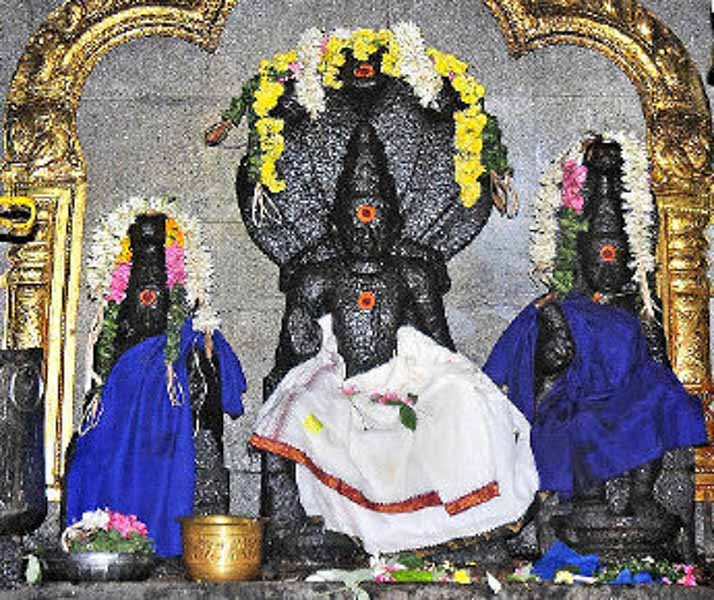
मंदिराची माहिती:
मंदिराकडे जाण्याचा मार्ग:
राहु ग्रह मंदिराचा इतिहास:
राहु ग्रहाचा इतिहास:
राहु ग्रहाचे महत्व:
राहु ग्रहदोषांपासून निवृत्ती:
राहु ग्रहाची वैशिष्ठ्ये:
#
|
वैशिष्ठ्य
|
राहु ग्रह
|
१
|
पत्नी
|
नागवल्ली आणि नागकन्नी
|
२
|
कपड्यांचा रंग
|
काळा / निळा
|
३
|
लिंग
|
स्त्री
|
४
|
पंच महाभूतातील घटक
|
वायू
|
५
|
देव
|
निरृति
|
६
|
वाहन
|
काळा / निळा सिंह
|
७
|
अधि देवता
|
दुर्गा
|
८
|
धातू
|
खडी
|
९
|
रत्न (खडा)
|
गोमेध
|
१०
|
अवयव
|
शिर
|
११
|
चव
|
गोड
|
१२
|
धान्य
|
काळे चणे
|
१३
|
ऋतू
|
वसंत
|
१४
|
ग्रहाच्या मुखाची दिशा
|
दक्षिण
|
१५
|
पुष्प
|
श्वेत मंदार / रुई
|
१६
|
क्षेत्र वृक्ष
|
१) बेल २) चंपक ३) शमी (वन्नी) ४) पुन्नई
|
१७
|
आठवड्यातला दिवस
|
-
|
१८
|
ध्वनी
|
-
|
राहु ग्रहाची रांगोळी:
राहु ग्रहाचा श्लोक :
सिंहिकागर्भसंभूतं तं राहुं प्रणमाम्यहम् ||
गणपतीच्या ३२ मूर्ती
१. बाळ गणपती - लहान बांधा असलेलं, लहान मुलासारखं हे रूप आहे. म्हणून ह्याला बाळ-गणपती असं नाव आहे. हे रूप चतुर्भुज आहे. चेहरा हत्तीचा आहे. रंग सूर्योदयाच्या वेळेचा लालसर आहे. हातांमध्ये - केळी, आंबा, फणस, ऊसाचा तुकडा आणि सोंडेमध्ये मोदक.
२. तरुण गणपती - हे गणपतीचं यौवन रूप आहे. हे रूप अष्टभुज आहे. चेहरा हत्तीचा. हातांमध्ये - पाश, अंकुश, मोदक, कवठ, जांभूळ, तुटलेला दात, ऊसाचा तुकडा, भाताचा तुरा. रंग दुपारच्या सूर्याप्रमाणे लाल.
३. भक्ती गणपती - भक्तांचा गणपती म्हणून ह्याला भक्ती गणपती असे नाव आहे. रंग शरद ऋतूच्या पांढऱ्या ढगासारखा. चतुर्भुज. चेहरा हत्तीचा. हातांमध्ये - खोबरं, आंबा, केळी आणि खिरीचं भांडं.
४. वीर गणपती - हातांमध्ये - वेताची छडी, धनुष्य, बाण, भाला, चक्र, तलवार, ढाल, चाबूक, गदा, अंकुश, नाग, त्रिशूल, कुदळ, इत्यादी. १६ अस्त्र १६ हातांमध्ये. रंग लालसर. चेहरा रागीट. हातात वेगवेगळ्या प्रकारच्या तलवारी.
५. शक्ती गणपती - रंग शेंदुरी. हिरव्या रंगाच्या देवीला आलिंगन देत आहे असं हे रूप आहे. एक हात अभय मुद्रा दाखवतआहे. उरलेल्या हातांत पाश, अंकुश आणि फुलांचा हार.
६. द्विज गणपती - चार हात आणि चार मुखं असलेलं हे रूप आहे. हातांमध्ये - पुस्तक, अक्षमाला, दंड आणि कमंडलु आहे. दोन हातांमध्ये विजेसारखे चमकणारे कडे. रंग चंद्रासारखा पांढरा.
७. सिद्धी गणपती - चार हात आणि सोंड. चार हातांमध्ये - आंबा, फुलांचा गुच्छ, ऊसाचा तुकडा आणि परशु. ह्या गणपतीच्या रुपाला तिळाचा लाडू खूप आवडतो. रंग सोन्यासारखा चमकणारा आणि हिरवी छटा.
८. उच्छिष्ट गणपती - ह्या रुपाला सहा हात आहेत. हातांमध्ये डाळिंब, वीणा, भाताचा तुरा, अक्षमाला, नीलकमळ, गुंजेची बोरं. रंग निळा.
९. विघ्न गणपती - हे अष्टभुज रूप आहे. हातांमध्ये शंख, ऊसाचा धनुष्य, पुष्पबाण, कुऱ्हाड, पाश, चक्र, फुलांचा गुच्छ, बाण. रंग सोन्याचा. भरपूर अलंकार.
१०. क्षिप्र गणपती - हे चतुर्भुज रूप आहे. नावाप्रमाणे त्वरित पावणारा (क्षिप्र). रंग लालसर. दिसायला सुंदर. हातांमध्ये - अंकुश, पाश, दंत, कर्पग कुडी. सोंडेच्या टोकावर रत्नकलश.
११. हेरंब गणपती - हे पाच मुखांचं आणि दशभुज असं रूप आहे. एक हात अभय मुद्रा आणि एक हात वरद मुद्रा. उरलेल्या हातांमध्ये - पाश, दंत, अक्षमाला, माळ, परशु, चाबूक, मोदक, फळ. रंग गडद हिरवा. वाहन - सिंह
१२. लक्ष्मी गणपती - हे अष्टभुज रूप आहे. हातांमध्ये - पोपट, डाळिंब, कलश, अंकुश, पाश, कर्पग कुडी, खड्ग, वरद हस्त. रंग अमृताच्या प्रवाहासारखा पांढरा. बाजूला दोन देवी - रिद्धी सिद्धी
१३. महागणपती - हे दशभुज रूप आहे. हातांमध्ये - डाळिंब, गदा, ऊस, धनुष्य, चक्र, कमळ, पाश, नीलकमळ, भाताचा तुरा, दंत. सोंडेच्या टोकावर रत्नकलश. रंग सकाळचा लाल रंगाचा सूर्यकिरण. तीन डोळे. डोक्यावरती चंद्र कला. मांडीवर देवी आणि देवीच्या हातात कमळ. एकमेकाला आलिंगन दिले आहे.
१४. विजय गणपती - हे चतुर्भुज रूप आहे. हातांमध्ये - पाश, अंकुश, दंत, आंबा. मूषक वाहन. रंग लालसर.
१५. नृत्य गणपती - हे चतुर्भुज रूप आहे. बोटामध्ये अंगठ्या. हातांमध्ये - पाश, अंकुश, कुऱ्हाड, दंत वगैरे. रंग सोन्याचा. कल्पवृक्षाच्या खाली विराजमान.
१६. ऊर्ध्व गणपती - हे अष्टभुज रूप आहे. हातांमध्ये - निळ्या रंगाचे फुल, भाताचा तुरा, कमळ, कल्हार, ऊसाचा धनुष्य, बाण, दंत आणि शेवटच्या हाताने देवीला आलिंगन दिले आहे. रंग चमकणारा सोनेरी आणि हिरवी छटा.
१७. एकाक्षर गणपती - हे चतुर्भुज रूप आहे. रंग लाल. लाल रंगाचं सोवळं नेसले आहे. लाल रंगाचा फुलांचा हार. कपाळावर चंद्रकोर. त्रिनेत्र. हाताची लांबी कमी. पाय लहान. हातांमध्ये - डाळिंब, पाश, अंकुश आणि वरदहस्त. हत्तीचा चेहरा. पद्मासन घालून बसलेले आहेत. वाहन मूषक.
१८. वर गणपती - हे चतुर्भुज रूप आहे. रंग लाल. त्रिनेत्र. हातांमध्ये - पाश, अंकुश, मधाने भरलेले पात्र, मानवी कवटीचा खालचा भाग. डोक्यावर चंद्रकोर.
१९. त्र्याक्षर गणपती - हे चतुर्भुज रूप आहे. कान हलतात (चामरासारखे). रंग सोन्यासारखा. हातांमध्ये - पाश, अंकुश, दंत, आंबा. सोंडेच्या टोकाला मोदक.
२०. क्षिप्रप्रसाद गणपती - हे षडभुज रूप आहे. त्वरित प्रसाद देणारा. हातांमध्ये - पाश, अंकुश, दंत, कल्पलता, कमळ, लिंबू धारण केले आहे. अलंकार घातलेले आहेत. पोट मोठे आहे. वेगळ्या प्रकारची गदा पण धारण केली आहे.
२१. हरिद्रा गणपती - हे चतुर्भुज रूप आहे. रंग पिवळा. हातांमध्ये - पाश, अंकुश, दंत, मोदक. भक्तांना अभय देणारे.
२२. एकदंत गणपती - हे चतुर्भुज रूप आहे. पोट मोठे (पेटाऱ्या सारखे). रंग निळा. हातांमध्ये - कुऱ्हाड, अक्षमाला, लाडू, दंत.
२३. सृष्टी गणपती - मूषकावर आरूढ झालेलं चतुर्भुज रूप आहे. रंग लाल. हातांमध्ये - पाश, अंकुश, दंत, आंबा.
२४. उदंड गणपती - हे बारा हातांचं रूप आहे. रंग लाल. हातांमध्ये - नीलकमळ, डाळिंब, गदा, दंत, ऊसाचा धनुष्य, रत्नकलश, पाश, अंकुश, भाताचा तुरा, हार (रत्नहार), कमंडलू आणि शंख. हिरव्या रंगाची देवी डाव्या मांडीवर बसली आहे. तिच्या हातामध्ये कमळ आहे. तिला आलिंगन दिले आहे.
२५. ऋणमोचन गणपती - हे चतुर्भुज रूप आहे. हातांमध्ये - पाश, अंकुश, दंत, जांभूळ. रंग स्फटिकासारखा पांढरा. लाल रंगाचं सोवळं.
२६. धुंडी गणपती - हे चतुर्भुज रूप आहे. हातांमध्ये - अक्षमाला, कुऱ्हाड, रत्नकलश, दंत. रंग लाल.
२७. द्विमुख गणपती - हे चतुर्भुज रूप आहे. हातांमध्ये - दंत, पाश, अंकुश, रत्नकलश. रंग फिका निळा. रत्नाचा मुकुट धारण केला आहे. लाल रंगाचं सोवळं. दोन मुखं आहेत.
२८. त्रिमुख गणपती - ह्या रुपाला तीन मुखं आहेत. उजव्या बाजूच्या हातांमध्ये अंकुश, अक्षमाला, वरदहस्त. डाव्या बाजूच्या हातांमध्ये पाश, अमृताचा कलश, अभयहस्त. कमळाच्या आसनावर बसलेले आहेत. रंग लाल.
२९. सिंह गणपती - हे अष्टभुज रूप आहे. उजव्या बाजूच्या हातांमध्ये - वीणा, कल्पवृक्षलता, चक्र, वरदहस्त. डाव्या बाजूच्या हातांमध्ये - कमळ, रत्नकलश, फुलांचा गुच्छ, अभयहस्त. रंग पांढरा. वाहन सिंह.
३०. योग गणपती - हे चतुर्भुज रूप आहे. योगमुद्रा आसन. रंग - कोवळ्या सूर्याच्या किरणासारखा. वस्त्र - इंद्रनील रंगाचं वस्त्र धारण केलं आहे. हातांमध्ये - पाश, अक्षमाला, योगदंड, ऊस.
३१. दुर्गा गणपती - हे अष्टभुज रूप आहे. रंग - सोन्याला तापवल्यावर जो रंग येतो तो. स्थूल शरीर. उजव्या बाजूच्या हातांमध्ये - अंकुश, बाण, अक्षमाला, दंत. डाव्या बाजूच्या हातांमध्ये - पाश, धनुष्य, वेल, जांभूळ. लाल रंगाचं वस्त्र.
३२. संकटहर गणपती - हे चतुर्भुज रूप आहे. रंग सूर्याच्या कोवळ्या किरणांसारखा. डाव्या बाजूला - हिरवा रंग असलेली देवी. जिच्या हातात निळ्या रंगाचे फुल आहे. ती डाव्या मांडीवर बसली आहे. डाव्या बाजूच्या हातांमध्ये - पाश, खिरीची वाटी. उजव्या बाजूच्या हातांमध्ये -अंकुश, वरदमुद्रा. लाल कमळावरती उभे आहेत. निळ्या रंगाचे वस्त्र धारण केले आहे.
नवग्रह मंदिरे - शनि

मंदिराची माहिती:
मंदिराकडे जाण्याचा मार्ग:
शनि ग्रह मंदिराचा इतिहास:
शनि ग्रहाचा इतिहास:
शनि ग्रहाचे महत्व:
शनि ग्रहदोषांपासून निवृत्ती:
- श्री हनुमानाची उपासना
- श्री हनुमान स्तोत्राचे पठण
- शनिदेव स्तोत्राचे पठण
- प्रत्येक शनिवारी शनिमहात्म्य वाचणे
- प्रयेक शनिवारी उपवास करणे (उपवास करताना मीठ खाऊ नये)
- शनिदेवाच्या मंत्राचा जप
- पुढील गोष्टींचे दान करणे - काळे तीळ, काळे कपडे, लोखंडाचा खिळा, निळे फुल (गोकर्ण).
- मंदिरामध्ये काळ्या कापडाची वात आणि तिळाचे तेल वापरून दिवा प्रज्वलित करणे
शनि ग्रहाची वैशिष्ठ्ये:
#
|
वैशिष्ठ्य
|
शनि ग्रह
|
१
|
पत्नी
|
निळादेवी
|
२
|
कपड्यांचा रंग
|
काळा / निळा
|
३
|
लिंग
|
नपुंसक
|
४
|
पंच महाभूतातील घटक
|
वायू
|
५
|
देव
|
ब्रह्म
|
६
|
वाहन
|
कावळा
|
७
|
अधि देवता
|
यम
|
८
|
धातू
|
लोखंड
|
९
|
रत्न (खडा)
|
नीलम
|
१०
|
अवयव
|
स्नायू
|
११
|
चव
|
तुरट
|
१२
|
धान्य
|
काळे तीळ
|
१३
|
ऋतू
|
सर्व ऋतू
|
१४
|
ग्रहाच्या मुखाची दिशा
|
पश्चिम
|
१५
|
पुष्प
|
शंख पुष्प
|
१६
|
क्षेत्र वृक्ष
|
दर्भ
|
१७
|
आठवड्यातला दिवस
|
शनिवार
|
१८
|
ध्वनी
|
प
|
शनि ग्रहाची रांगोळी:

शनि ग्रहाचा श्लोक :
छायामार्तण्डसंभूतं तं नमामि शनैश्चरम् ||
नवग्रह मंदिरे - शुक्र
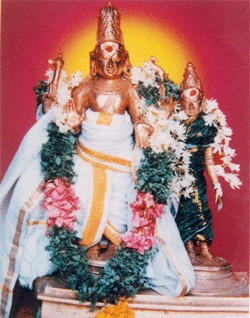
मंदिराची माहिती:
मंदिराकडे जाण्याचा मार्ग:
शुक्र ग्रह मंदिराचा इतिहास:
शुक्र ग्रहाचा इतिहास:
शुक्र ग्रहाचे महत्व:
शुक्र ग्रहदोषांपासून निवृत्ती:
शुक्र ग्रहाची वैशिष्ठ्ये:
#
|
वैशिष्ठ्य
|
शुक्र ग्रह
|
१
|
पत्नी
|
सुकीर्ती / उर्ज्जस्वती
|
२
|
कपड्यांचा रंग
|
श्वेत (पांढरा)
|
३
|
लिंग
|
स्त्री
|
४
|
पंच महाभूतातील घटक
|
जल
|
५
|
देव
|
इंद्राणी
|
६
|
वाहन
|
अश्व / उंट / मगर
|
७
|
अधिदेवता
|
महालक्ष्मी
|
८
|
धातू
|
रूपे
|
९
|
रत्न (खडा)
|
हिरा
|
१०
|
अवयव
|
वीर्य
|
११
|
चव
|
आम्ल (आंबट)
|
१२
|
धान्य
|
पावटा
|
१३
|
ऋतू
|
वसंत
|
१४
|
ग्रहाच्या मुखाची दिशा
|
पूर्व
|
१५
|
पुष्प
|
पांढरं कमळ
|
१६
|
क्षेत्र वृक्ष
|
पळस
|
१७
|
आठवड्यातला दिवस
|
शुक्रवार
|
१८
|
ध्वनी
|
नी
|
शुक्र ग्रहाची रांगोळी:

शुक्र ग्रहाचा श्लोक :
नवग्रह मंदिरे - गुरु

मंदिराची माहिती:
मंदिराकडे जाण्याचा मार्ग:
गुरु ग्रह मंदिराचा इतिहास:
गुरु ग्रहाचे महत्व:
गुरु ग्रहदोषांपासून निवृत्ती:
गुरु ग्रहाची वैशिष्ठ्ये:
#
|
वैशिष्ठ्य
|
गुरु ग्रह
|
१
|
पत्नी
|
तारा
|
२
|
कपड्यांचा रंग
|
पीत (पिवळा) / सोनेरी
|
३
|
लिंग
|
पुरुष
|
४
|
पंच महाभूतातील घटक
|
आकाश
|
५
|
देव
|
इंद्र / ब्रह्म
|
६
|
वाहन
|
हत्ती
|
७
|
अधिदेवता
|
दक्षिणामूर्ती
|
८
|
धातू
|
सोने
|
९
|
रत्न (खडा)
|
पुखराज
|
१०
|
अवयव
|
मेंदू
|
११
|
चव
|
गोड
|
१२
|
धान्य
|
चणे
|
१३
|
ऋतू
|
शिशिर
|
१४
|
ग्रहाच्या मुखाची दिशा
|
उत्तर
|
१५
|
पुष्प
|
मोगरा / जाई-जुई
|
१६
|
क्षेत्र वृक्ष
|
कपूर मधुरा / पुल्लै
|
१७
|
आठवड्यातला दिवस
|
गुरुवार
|
१८
|
ध्वनी
|
ध
|
गुरु ग्रहाची रांगोळी:
गुरु ग्रहाचा श्लोक :
बुद्धिभूतं त्रिलोकेशं तं नमामि ब्रुहस्पतिम् ||
नवग्रह मंदिरे - बुध

मंदिराची माहिती:
मंदिराकडे जाण्याचा मार्ग:
बुध ग्रह मंदिराचा इतिहास:
बुध ग्रहाचे महत्व:
बुध ग्रहदोषांपासून निवृत्ती:
बुध ग्रहाची वैशिष्ठ्ये:
#
|
वैशिष्ठ्य
|
बुध ग्रह
|
१
|
पत्नी
|
इला
|
२
|
कपड्यांचा रंग
|
हिरवा
|
३
|
लिंग
|
नपुंसक
|
४
|
पंच महाभूतातील घटक
|
पृथ्वी
|
५
|
देव
|
विष्णू
|
६
|
वाहन
|
सिंह
|
७
|
अधि देवता
|
विष्णू
|
८
|
धातू
|
कासे
|
९
|
रत्न (खडा)
|
पाचू
|
१०
|
अवयव
|
त्वचा
|
११
|
चव
|
मिश्र
|
१२
|
धान्य
|
मूग
|
१३
|
ऋतू
|
शरद
|
१४
|
ग्रहाच्या मुखाची दिशा
|
पूर्व
|
१५
|
पुष्प
|
पांढरी कण्हेर
|
१६
|
क्षेत्र वृक्ष
|
बिल्व / बेलफळ
|
१७
|
आठवड्यातला दिवस
|
बुधवार
|
१८
|
ध्वनी
|
सा
|
बुध ग्रहाची रांगोळी:
बुध ग्रहाचा श्लोक :
नवग्रह मंदिरे - मंगळ

मंदिराची माहिती:
मंदिराकडे जाण्याचा मार्ग:
वैतीश्वरन चा इतिहास:
- सिद्ध अमृत तीर्थ - कामधेनूने निर्माण केलेलं पहिलं तीर्थ
- कोदंड तीर्थ - पुराणांनुसार प्रभू श्रीरामांनी लंकेच्या वाटेवर असताना ह्या ठिकाणी स्नान घेतलं होतं
- गौतम तीर्थ - गौतम मुनींनी निर्माण केलेलं तीर्थ
- बिल्वतीर्थ
मंगळ ग्रहाचा इतिहास:
मंगळ ग्रहाचे महत्व:
मंगळ ग्रहदोषांपासून निवृत्ती:
- लाल रंगाचे (रक्तवर्णी) कपडे परिधान करावेत.
- भातामध्ये तूर डाळीचं पीठ मिसळून त्याचा नैवेद्य दाखवावा आणि मग तो प्रसाद म्हणून वितरित करावा. पण भात शिजवलेला नसेल तर तो नैवेद्य दाखवू नये, तो दान करावा.
- कृत्तिका नक्षत्र असलेल्या दिवशी उपवास करून मंगळाला मीठ आणि काळी मिरी अर्पण करावी
मंगळ ग्रहाची वैशिष्ठ्ये:
#
|
वैशिष्ठ्य
|
मंगळ ग्रह
|
१
|
पत्नी
|
शक्ती देवी
|
२
|
कपड्यांचा रंग
|
लाल / किरमिजी
|
३
|
लिंग
|
पुरुष
|
४
|
पंच महाभूतातील घटक
|
अग्नि
|
५
|
देव
|
सुब्रमण्य
|
६
|
वाहन
|
नर शेळी
|
७
|
अधिदेवता
|
मुरुगन / कुमारन
|
८
|
धातू
|
पितळे / तांबा
|
९
|
रत्न (खडा)
|
लाल पोवळे
|
१०
|
अवयव
|
अस्थिमगज (मज्जा)
|
११
|
चव
|
पित्त
|
१२
|
धान्य
|
तूर डाळ
|
१३
|
ऋतू
|
ग्रीष्म
|
१४
|
ग्रहाच्या मुखाची दिशा
|
दक्षिण
|
१५
|
पुष्प
|
चंपा / चाफा
|
१६
|
क्षेत्र वृक्ष
|
बाभूळ
|
१७
|
आठवड्यातला दिवस
|
मंगळवार
|
१८
|
ध्वनी
|
रे
|
मंगळ ग्रहाची रांगोळी:

मंगळ ग्रहाचा श्लोक :
नवग्रह मंदिरे - चंद्र
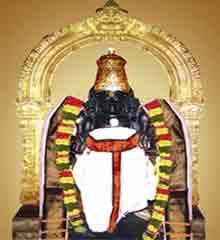
मंदिराची माहिती:
मंदिराकडे जाण्याचा मार्ग:
कैलासनादर चा इतिहास:
चंद्र ग्रहाचे महत्व:
चंद्र ग्रहदोषांपासून निवृत्ती:
चंद्र ग्रहाची वैशिष्ठ्ये:
#
|
वैशिष्ठ्य
|
चंद्र ग्रह
|
१
|
पत्नी
|
रोहिणी
|
२
|
कपड्यांचा रंग
|
पांढरा (चंदेरी)
|
३
|
लिंग
|
पुरुष
|
४
|
पंच महाभूतातील घटक
|
जल
|
५
|
देव
|
वरुण
|
६
|
वाहन
|
दहा शुभ्र पांढऱ्या घोड्यांचा रथ
|
७
|
अधि देवता
|
गौरी (पार्वती)
|
८
|
धातू
|
चांदी
|
९
|
रत्न (खडा)
|
मोती
|
१०
|
अवयव
|
रक्त
|
११
|
चव
|
खारट
|
१२
|
धान्य
|
तांदूळ
|
१३
|
ऋतू
|
शिशिर
|
१४
|
ग्रहाच्या मुखाची दिशा
|
पश्चिम
|
१५
|
पुष्प
|
पांढरी कणेर
|
१६
|
क्षेत्र वृक्ष
|
केळी, बिल्व पत्र
|
१७
|
आठवड्यातला दिवस
|
सोमवार
|
१८
|
ध्वनी
|
म
|
चंद्र ग्रहाची रांगोळी:
चंद्र ग्रहाचा श्लोक :
नवग्रह मंदिरे - रवि
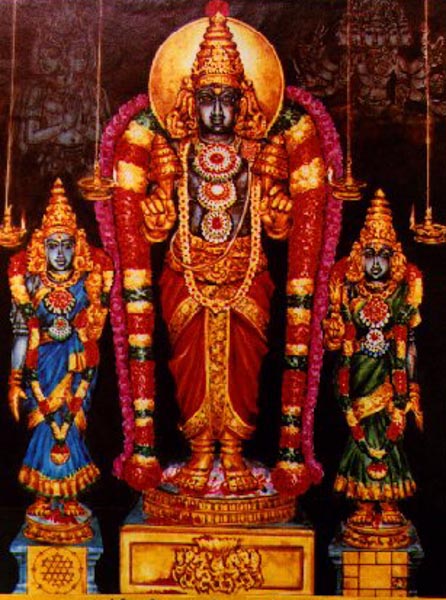
मंदिराची माहिती:
मंदिराकडे जाण्याचा मार्ग:
मंदिरामध्ये प्रसादाचे वितरण:
सूर्यनार कोविल चा इतिहास:
सूर्य ग्रहाचे महत्व:
सूर्य ग्रहदोषांपासून निवृत्ती:
सूर्य ग्रहाची वैशिष्ठ्ये:
#
|
वैशिष्ठ्य
|
सूर्य ग्रह
|
१
|
पत्नी
|
उषादेवी, प्रतीउषादेवी
|
२
|
कपड्यांचा रंग
|
लाल
|
३
|
लिंग
|
पुरुष
|
४
|
पंच महाभूतातील घटक
|
अग्नी
|
५
|
देव
|
अग्नी
|
६
|
वाहन
|
सात अश्वांचा रथ
|
७
|
अधिदेवता
|
शिव (रुद्र)
|
८
|
धातू
|
सोने / पितळ
|
९
|
रत्न (खडा)
|
माणिक (रुबी)
|
१०
|
अवयव
|
स्नायू
|
११
|
चव
|
तिखट
|
१२
|
धान्य
|
गहू
|
१३
|
ऋतू
|
ग्रीष्म
|
१४
|
ग्रहाच्या मुखाची दिशा
|
पूर्व
|
१५
|
पुष्प
|
लाल कमळ
|
१६
|
क्षेत्र वृक्ष
|
दुर्वा
|
१७
|
आठवड्यातला दिवस
|
रविवार
|
१८
|
ध्वनी
|
ग
|
सूर्य ग्रहाची रांगोळी:

सूर्य ग्रहाचा श्लोक :
नवग्रहांची ओळख
दक्षिण भारतातील नवग्रह स्थाने
नवग्रह
|
कुठे आहे?
|
ह्या मंदिरातील भगवान शंकराचं नांव
|
भगवान शंकरांच्या पत्नीचं (पार्वतीचं) नांव
|
ह्या मंदिराची दुसरी प्रचलित नावे
|
सुर्य
|
सुरियानार कोविल
|
श्री सूर्यनादर
|
श्री प्रकाशाम्बिका
|
अर्गवनम् (दूर्वांचं वन)
|
चंद्र
|
थिंगलूर
|
श्री कैलाशनादर
|
श्री पेरियनायकी
| |
अंगारक (मंगळ, तमिळ मध्ये सेव्वै)
|
वैतीश्वरन कोविल
|
श्री वैद्यनादर
|
श्री थैयलनायकी
| |
बुध
|
थिरुवेंकाडू
|
श्री श्वेतारण्येश्वर
|
श्री ब्रह्मविद्याम्बिका
| |
गुरु
|
आलंगुडी
|
श्री आपत्सहायर
|
श्री वेळ्ळीएलवर कूझली
| |
शुक्र (तमिळ मध्ये वेळ्ळी)
|
कंजनूर
|
श्री अग्निपुरीश्वर
|
श्री कर्पगंबाळ
| |
शनी
|
थिरुनळ्ळर
|
श्री दर्भारण्येश्वरर्
|
श्री प्राणाम्बिका
| |
राहू
|
थिरुनागेश्वरम्
|
श्री सेनबागारणेश्वरर
|
श्री गिरीभुजांबिका
| |
केतू
|
किळपेरुम्पल्लम्
|
श्री नागनादर
|
श्री नागाम्बिका
|

.JPG)

.jpg)

No comments:
Post a Comment
Note: Only a member of this blog may post a comment.