-राकेश साळुंखे
निसर्ग तसेच श्रध्दा यांचा जणूकाही संगम म्हणजे रामेश्वरम. हिंदी महासागर व बंगालचा उपसागर यांनी चारही बाजूंनी वेढलेले शंखाच्या आकाराचे हे द्विप असून बारा ज्योतिर्लिंगांपैकी एक असे पवित्र स्थान मानले जाते . तामिळनाडू राज्याच्या रामनाथपुरम जिल्ह्यातील हे शहर आहे .
रामेश्वरम द्विपाला पंबन बेट असेही म्हणतात. पंबन बेट हे भारताच्या मुख्य भूमीला पंबन पुलाने जोडले गेलेले आहे. रामेश्वरमला रेल्वे तसेच रस्ता मार्गाने ही जाता येते. येथील रेल्वेस्थानकावर मदुराई व चेन्नई येथून येणारे रेल्वे मार्ग संपतात . पंबन रेल्वे पूल हा भारतातील सर्वात पहिला सागरी पूल आहे. पूर्वी चेन्नई ते धनुष्कोडीपर्यंत रेल्वेने जाता येत होते, परंतु 1964 मध्ये झालेल्या वादळानंतर रामेश्वरपर्यंतच जाता येते.रेल्वे पूल व मोटार वाहतुकीचा पूल या दोघांना एकत्रितपणे पंबन पूल म्हणतात. एकमेकांशी समांतर हे दोन्ही पूल आहेत.मोटार वाहतुकीचा पूल उंचावर तर रेल्वेचा पूल थोडा खाली आहे. रामेश्वरमला या पुलावरून जाता येते.
 आठ
वर्षांपूर्वी पहिल्यांदा रामेश्वरमला माझे वडील, मी व मुलगा गेलो होतो.
त्यानंतर पुन्हा एक वर्षापूर्वी दुसऱ्यांदा जाण्याचा योग आला. रेल्वेमधून
पंबन पुलावरचा प्रवास मला अनुभवायचा होता. परंतु माझे दुर्दैव म्हणा किंवा
काही म्हणा मला दोन्ही वेळा या पुलावरून जाता आले नाही. पहिल्यांदा आमची
खाजगी मोटार होती तर दुसऱ्यांदा त्या पुलाची डागडुजी करण्यासाठी तो पूर्णतः
बंद ठेवला होता. मात्र मोटर रस्त्याने सुद्धा आपण छानसा अनुभव घेऊच शकतो.
आठ
वर्षांपूर्वी पहिल्यांदा रामेश्वरमला माझे वडील, मी व मुलगा गेलो होतो.
त्यानंतर पुन्हा एक वर्षापूर्वी दुसऱ्यांदा जाण्याचा योग आला. रेल्वेमधून
पंबन पुलावरचा प्रवास मला अनुभवायचा होता. परंतु माझे दुर्दैव म्हणा किंवा
काही म्हणा मला दोन्ही वेळा या पुलावरून जाता आले नाही. पहिल्यांदा आमची
खाजगी मोटार होती तर दुसऱ्यांदा त्या पुलाची डागडुजी करण्यासाठी तो पूर्णतः
बंद ठेवला होता. मात्र मोटर रस्त्याने सुद्धा आपण छानसा अनुभव घेऊच शकतो.
2019 ला मी व माझा मित्र मदुराईवरून रेल्वेने रामेश्वरमला गेलो होतो. त्यावेळी रेल्वेचा पूल बंद असल्याने आम्ही अलीकडील स्टेशनला उतरून बसने रामेश्वरमला गेलो. पहाटे तेथे पोहोचलो. एखाद्या हॉटेलवर फ्रेश होऊन तेथूनच रामेश्वरम फिरण्यासाठी निघायचे असे आमचे ठरले होते. तेथे पोहचल्यावर चांगलेसे हॉटेल पाहून आम्ही फ्रेश झालो. नंतर त्या हॉटेलवरच सकाळी नाश्ता केला. त्या नाश्त्याची आठवण म्हणजे नाश्त्याला आम्ही पोंगल हा खास साऊथ इंडियन पदार्थ मागवला होता. इडली-डोसा यापेक्षा वेगळे काही तरी वेगळे म्हणून पोंगल खायचे आम्ही ठरवले होते. दक्षिण भारतात नाश्त्यासाठी हा पदार्थ खाल्ला जातो. तांदूळ व डाळ यांचा वापर करून गोड तसेच तिखट अशा दोन्ही प्रकारे पोंगल बनवला जातो. यापूर्वीही मी एक दोन ठिकाणी ही डिश खाल्ली होती परंतु येथे खाल्लेल्या पोंगलची चव अजूनही आठवणीत राहिलेली आहे.
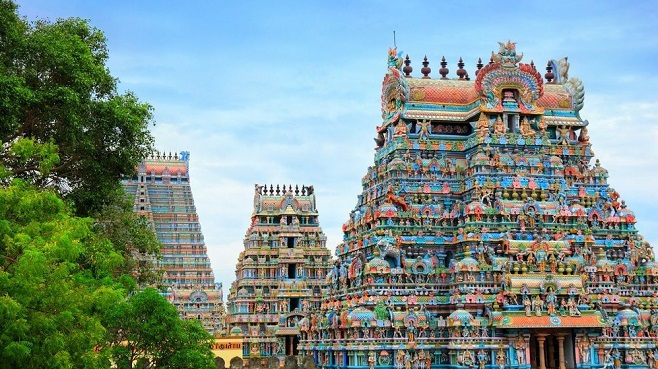
या हॉटेलपासून जवळच रामेश्वरमधील सुप्रसिद्ध रामनाथ स्वामी मंदिर असल्याने आम्ही प्रथम मंदिरामध्येच गेलो. सकाळची वेळ असल्याने गर्दी थोडी कमी होती. वातावरणही छान प्रसन्न होते. शेकडो खांब असलेल्या या मंदिराला हजारिका मंदिर असेही म्हणतात. या मंदिराला पुढे तीन गोपुरे म्हणजेच प्रवेशद्वार आहेत. भारतीय स्थापत्य कला व शिल्पकलेचा उत्तम नमुना असलेले असे हे मंदिर आहे. या मंदिरातील खांब लांबून एक सारखेच दिसतात, परंतु जवळून पाहिले तर प्रत्येक खांबावर वेगवेगळी नक्षी पाहायला मिळते. पूर्वी जेव्हा मी या मंदिरात गेलो होतो तेव्हा त्याची रंगरंगोटी केली नव्हती. मूळ स्वरूपातील मंदिर त्या वेळी मनाला खूपच भावले होते. परंतु आता ते भडक रंगांनी रंगवलेले असल्याने खूपच डोळ्यावर येते. त्याचे मूळचे नैसर्गिक सौंदर्य आता मात्र हरवल्यासारखे वाटले.
मंदिर पाहून बाहेर पडलो. आता थेट धनुषकोडीला जाऊन परत येताना वाटेतील स्थळं पाहायची असे आमचे ठरले. त्यानुसार आम्ही भारतीय उपखंडाचे शेवटचे टोक / भूशिर पहाण्यासाठी निघालो. धनुषकोडीपासून पुढे थोड्याच अंतरावर रस्ता संपतो व हेच भारतीय उपखंडाचे शेवटचे टोक आहे. दुतर्फा पाणी आणि मध्ये धावणारा रस्ता जणूकाही आपण पाण्याला चिरत जात आहोत असे वाटते. रस्त्याच्या एका बाजूला बंगालचा उपसागर तर दुसऱ्या बाजूला हिंदी महासागर असून त्यांच्या पाण्याचा रंगही वेगवेगळा आहे. हा रस्ता म्हणजे निसर्ग आणि मानव दोघांची कमाल आहे. जेथे हा रस्ता संपतो तेथे गाडी पार्क करून थोड्या पायऱ्या उतरून खाली समुद्राकडे जाता येते. येथे आपल्याला दोन सागर संगमाचे सुंदर दृश्य पाहता येते. आम्ही सुद्धा या सागरांच्या भेटीचा आनंद घेतला. येथील किनारा एकदम स्वच्छ आहे. सोनेरी वाळू, नितळ पाणी सागरी सौन्दर्यात आणखीनच भर घालते. समुद्र उथळ असल्याने हा किनारा सुरक्षित मानला जातो. येथे पर्यटक भरपूर असले तरी परिसर स्वच्छ होता. बहुदा येथे हॉटेल्स नाहीत त्यामुळे असावे. तेथून मागे फिरून आम्ही धनुषकोडी ला आलो.
सध्याचे भग्नावस्थेतील हे गाव त्याच्यावर ओढवलेल्या संकटाची जणूकाही गोष्ट सांगत आहे असे वाटते. येथे काही इमारती भग्न अवस्थेत उभ्या दिसत होत्या. येथील समुद्र किनारा खूपच सुंदर आहे. परंतु , तेथील गूढ शांतता मनाला अस्वस्थ करत होती. धनुषकोडी हे पूर्वी एक गजबजलेले गाव होते. रामेश्वरमपासून इथपर्यंत रेल्वे सेवाही होती. परंतु 1964 च्या चक्रीवादळात हे सर्व गाव रातोरात नष्ट झाले व वाळूच्या ढिगाऱ्याखाली दबले गेले.
रामायणात लंकेवर स्वारी करण्यासाठी समुद्रामध्ये जेथून सेतू बांधला असे मिथक आहे ते हेच ठिकाण असे म्हणतात. समुद्रात नजर टाकली तर एका रेषेत मोठाले दगड,टेकड्या दिसतात यालाच अवशेषरूपी सेतू म्हटले जाते. अजून एका मिथकानुसार लंकेवरील विजयानंतर रामाने धनुष्याच्या कोटीने म्हणजे टोकाने हा सेतू मोडून टाकला म्हणून या स्थानाला धनुषकोडी हे नाव पडले. श्रद्धाळू लोक काशी यात्रा केल्यावर धनुषकोडीला स्नान करून रामेश्वरमला जातात व मगच काशी यात्रा पूर्ण झाली असे मानतात. रामेश्वरमपासून धनुषकोडी पर्यंतचा प्रवास खूपच सुंदर आहे परंतु संध्याकाळी पाच नंतर या मार्गावर प्रवास करण्यास मनाई आहे.
रामेश्वरमची ट्रीप अब्दुल कलाम यांच्या आठवणीशिवाय पूर्णच होऊ शकत नाही . अब्दुल कलाम यांचं हे जन्मगाव आणि इथेच त्यांचे बालपण गेले आहे. त्यांच राहत घर संग्रहालयात रूपांतरित करण्यात आलेले आहे. तसेच त्यांची कबर ज्या ठिकाणी आहे ती जागा राष्ट्रीय स्मारक म्हणून घोषित करण्यात आली आहे.येथील संग्रहालयात अब्दुल कलामांच्या जीवनाशी तसेच त्यांच्या संशोधनाशी निगडित वस्तू पहायला मिळतात. त्यांच्या जीवनातील काही महत्वाच्या प्रसंगांचे फोटो, लिखित स्वरूपातील माहिती व शिल्पे ही येथे आहेत. हे सर्व पाहताना अभिमानाने आपला ऊर भरून येतो .
रामेश्वरमच्या परिसरात बरीचशी प्राचीन मंदिर आहेत. ती सुद्धा भारतीय प्राचीन संस्कृती व शिल्पकलेचा उत्तम नमुना आहेत. ज्ञान,विज्ञान, भक्ती, नैसर्गिक सौंदर्य या सर्वांचा मिलाफ असणार हे ठिकाण पर्यटकांना नेहमीच आकर्षित करते.
(लेखक ‘लोकायत’ प्रकाशनाचे संचालक आहेत)
84849 77899
Visit to Mahabalipuram - Part I
Average
elevation of town is 39 feet above sea level. Weather is hot &
humid throughout the year, though pleasant in November to February.
Total land area is 8 sq km & population 12000.
Mamallapuram
village is listed as a World Heritage site & is famous for stone
carvings. Lot of artisans can be found working on exquisite stone
statues, religious idols & sculptures.
It
is an ancient historic town & was a sea port having trading
contacts with Romans & South East Asia & Sri Lanka. Chinese
& Roman coins have been found in excavations. After decline of Gupta
dynasty Pallavas flourished. It was business capital of Pallavas of
Kanchipuram during seventh century. It was originally named
Mahabalipuram after an arrogant & cruel king Mahabali who was killed
in a fierce battle by Lord Vishnu. Later it was named city of Mammalla
(meaning a great wrestler), the title of great Pallva king Narsimha
Varman I.
It
was also known to mariners as land of Seven Pagodas. All but one of
such seven temples has disappeared in the sea. Last one is called Shore
Temple. Another local name is Kadal Malai-Sea Mountain.
 |
| Lord Krishna has lifted Govardhan & people are taking shelter |
 |
| All the cows & people at ease under the Govardhan |
 |
| Krishna Mandapam front elevation. Fourth pillar from left has no lion. This pillar was broken during excavation & a plain pillar was placed by the British in 1924. |
 |
| Cave dwellings for Pandavas & Draupadi |
 |
| Meditation Chamber |
 |
| In olden times when a large boulder like this one above, was to be cut or split on a particular line, such small holes were drilled & wood packed in to them. Thereafter the wood was soaked by pouring water. Wood expanded & caused cracks on the marked places. The process is said to take three / four months. It was then easier for artisans to work on it. |
 |
| This small pool is at the top of the hill. Guide informed that Roman & Chinese coins were found during excavation in this well. It has since been filled up & closed. |
 |
| This pillar is dedicated to Lord Vishnu. Ten circles indicate his ten incarnations each of which has been engraved in the individual circles |
 |
| This stone has been nick named Butter Ball as butter was favourite of Lord Krishna. During excavation in 1924, British tried to move it with the help of five elephants but it did not budge. It has withstood vagaries of nature for hundreds of years. |
 |
| Lion's den - one in stone is still sitting there |
 |
| Lighthouses. The left pillar was made by Britishers & on the right ancient one looking like a hut. They used to burn wood in this hut during the night to make it a lighthouse |
 |
| Roman & Chinese figures add twist to the historical sculpture |
 |
| Some structures are left incomplete |
 |
| Another incomplete structure |
 |
| 11 day old calf with mother. Seems as if some work was still to be done |
 |
| Said to be used for churning of milk |
 |
| Buddhist style stupa |
Visit to Mahabalipuram - Part II
Arjuna's
penance has been depicted as a huge bas-relief & is said to be
largest of it's type in the world. The rock measures 27 meters in length
& 9 meters in height.
Arjuna is seen in Tapasya mode with Gods, demi-gods, beasts & birds. Figures of Yakshas, Gandharvas, Nagas & Nymphs all merge in to a theme.
They all seem to be rushing towards Arjuna to watch & bless him. Entire bas-relief has been beautifully chiseled 1400 years back. Looks as if it has been done on wood with each carved figure telling a story.
There is a natural fissure in the stone which has been used to depict penance of Bhagirath for bringing Ganga to this world.
Brilliant & magnificent.
Arjuna is seen in Tapasya mode with Gods, demi-gods, beasts & birds. Figures of Yakshas, Gandharvas, Nagas & Nymphs all merge in to a theme.
They all seem to be rushing towards Arjuna to watch & bless him. Entire bas-relief has been beautifully chiseled 1400 years back. Looks as if it has been done on wood with each carved figure telling a story.
There is a natural fissure in the stone which has been used to depict penance of Bhagirath for bringing Ganga to this world.
Brilliant & magnificent.
 |
| Arjuna's Penance - on left is a small temple & a sage sitting near it. He is Dronacharya with his various disciples |
 |
| The depiction has a touch of humour as well. Near the trunk of the elephant a cat is standing with hands above his head in Tapasaya mode Arjuna-style. Finding the cat inactive, mice start playing & the cat devours one or two of them & again comes back in Tapasya mode! On the left two standing figures & two sitting figures (heads broken) are also following Arjun. They are termed Fakes! |
 |
| Just over the temple with his hands above the head & right feet touching his left knee is Arjun. He was looking for powerful divine weapon. In the process he has grown beard & lost weight & his ribs are showing. On top left is moon-god & on top right sun-god both having round plates behind their heads. |
 |
| In between two parts there is Vishnu releasing the Ganga to go to earth & feed millions. (Some people mention river Krishna instead of Ganga). |
 |
| People & animals rushing from left to see & bless Arjun. |
 | |
|
 |
| 1. Temple of Brahma. Rare find outside Pushkar, Raj |
 |
| 2. Temple of Vishnu |
 |
| 3.Temple of Mahesh. Lingam has been placed here about 125 years back |
 |
| Out of this single rock three caves have been carved in for temples of Brahma, Vishnu & Mahesh. Idols of the three are shown above. Statues outside the entrances are those of Dwarpals. |
 |
| Shore
Temple. It is believed that there were seven beautiful temples on sea
shore constructed in seventh centuary during the reign of Narsimha
Varman II. The place was known to the sailors of the world as 'port of
seven pagodas'. Only one has survived. Bushes & trees have been
planted towards the sea shore to save further erosion & damage to
this one. |
 |
| Erosion due to sea water can be seen |
 |
| The bulls placed above the wall have been recovered from sea bed. Varah has been reassembled by cementing the pieces. |
 |
| Weather & sea water has taken a toll |
 |
| Effect of weather & sea water |
 |
| Elephant after wear & tear |
 |
| Some parts of the washed away temples recovered from sea |
 |
| Parikrama around the temple |
 |
| Another wonderful piece of work. Carving shows a cow & a calf. In case the head of cow is covered, it becomes an elephant & a calf! So two-in-one is not new but an ancient concept! |
Visit to Pondicherry
Pondicherry (or Pondy or Puducherry) is Union Territory situated at
eastern coast of India also called Coromandel Coast. It is 170 kms from Chennai & about
315 kms from Bangaluru. It is connected with broad gauge rail also.
Average elevation of Pondicherry is at sea level & it has a few sea inlets or 'backwaters' as in
Kerala. The city is protected against the sea by 2 km long sea wall first
erected by French in 1735.
Weather is hot & humid most of the year. It is pleasant from November to February.
Population of Pondy is less than seven lacs as per consensus of 2011.
Earliest reference of Pondy
as trading centre has been made in Roman travelogue as a market place named
Poduke.
The area remained a part of
Pallava, Cholas & Pandya kingdoms up to 13th century. The
Vijayanagar empire controlled almost entire South India until 1638. French
established a trading post here in 1674.
 |
| Sea front of Pondy in the evening |
 |
| Backwaters beach |
 |
| Paradise beach |
 |
| Statue of Mahatma Gandhi on sea front |
 |
| French Lighthouse |
It is interesting to note that Europe at one stage was looking at India
for trading. Following East India Companies were established:
--British East India Company, founded in 1600,
--Dutch East India Company, founded in 1602,
--French East India Company, founded in 1664,
--Swedish East India Company, founded in 1731.
 |
| French Villa |
 |
| FrenchVilla |
The French built the town
in geometric fashion with a canal dividing it into Ville Blanche &
Ville Noir - for whites & blacks! The town was turned over to India
in 1954 after seven years of independence of India. It may be mentioned
here that French donated a statue of liberty to America in 1886 to mark
independence & freedom whereas kept Indian territories of Pondy,
Karikaland, Mahe & Chandernagor in occupation till 1954!

.JPG)

.jpg)

No comments:
Post a Comment
Note: Only a member of this blog may post a comment.